
Sonia Madrigal
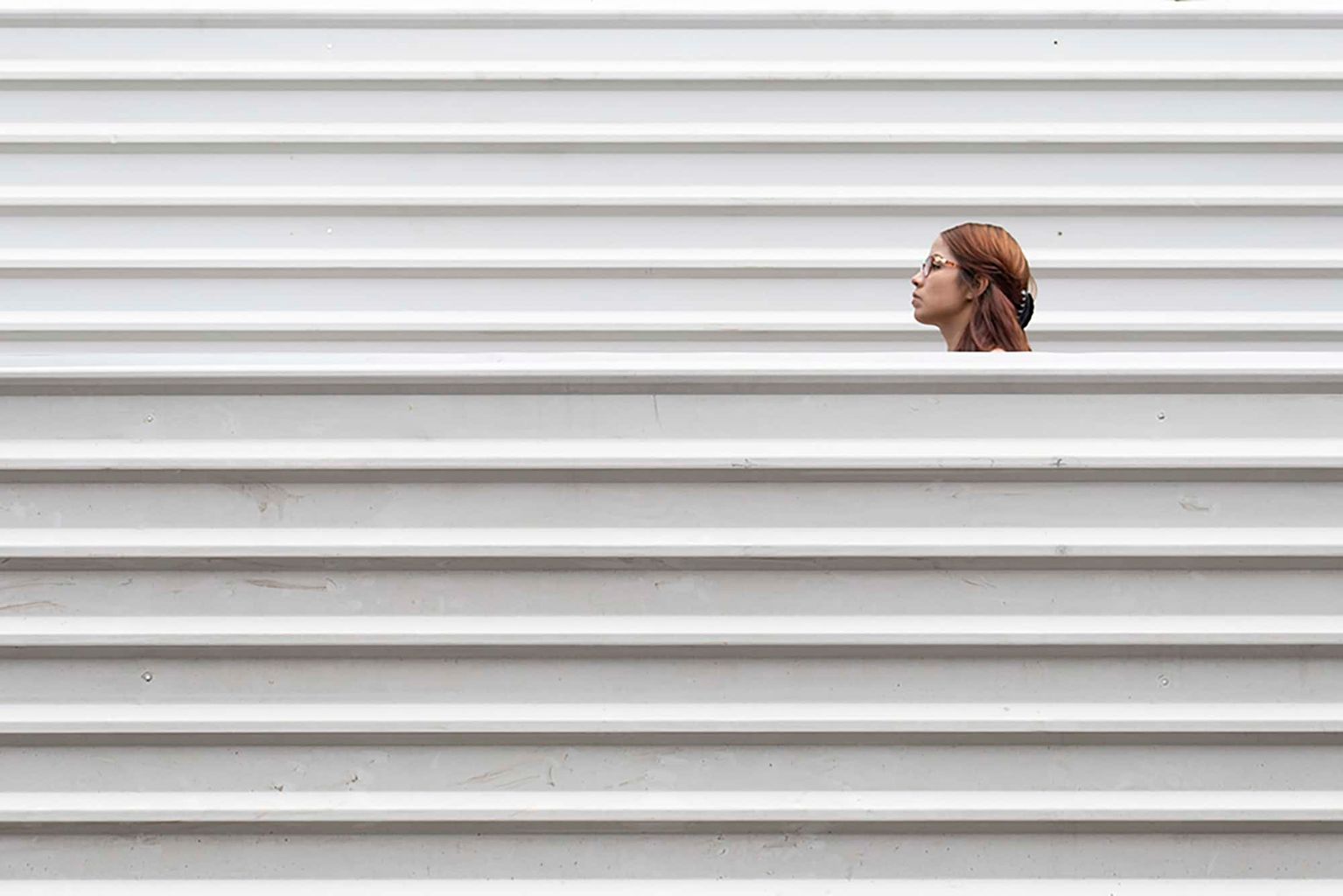
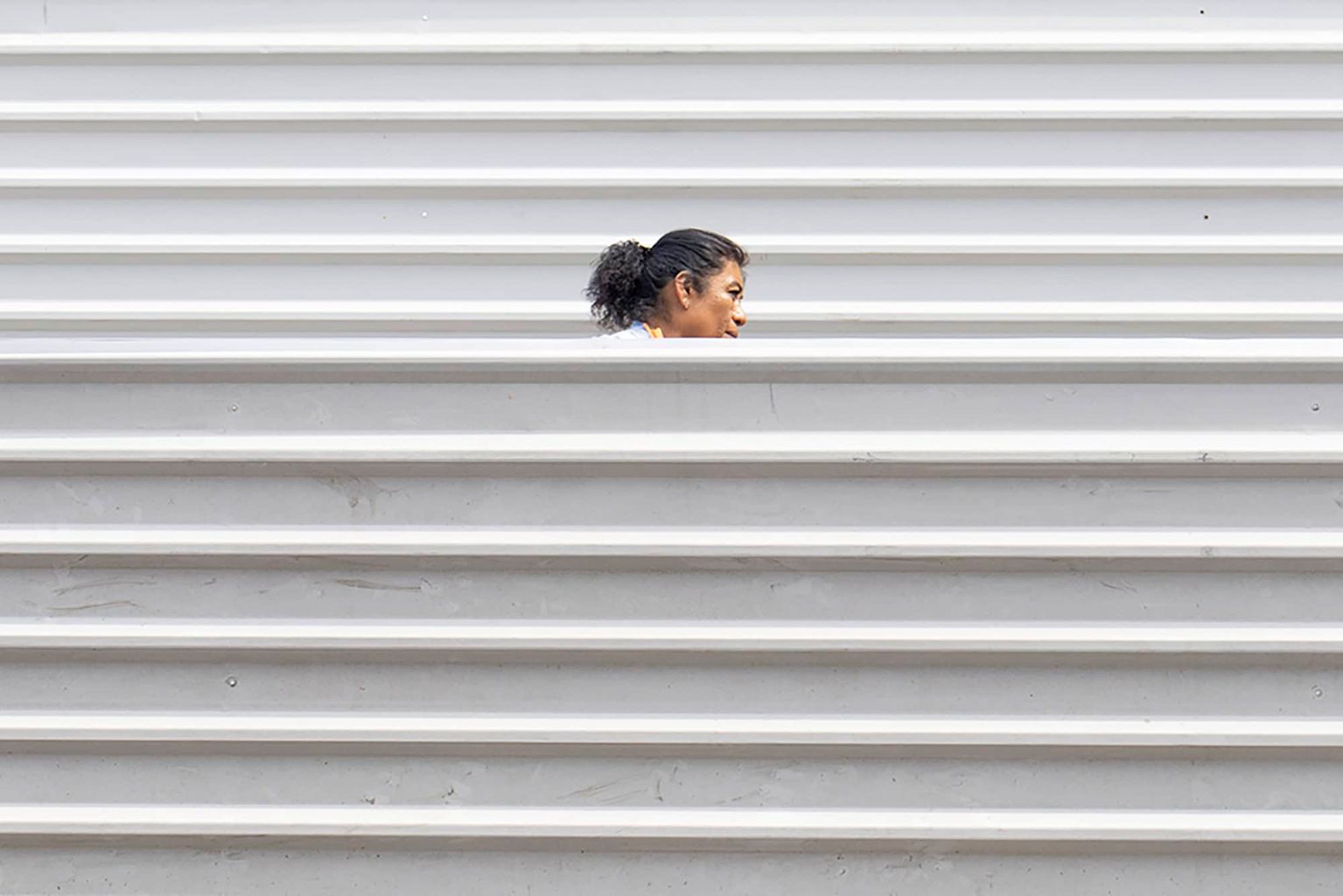
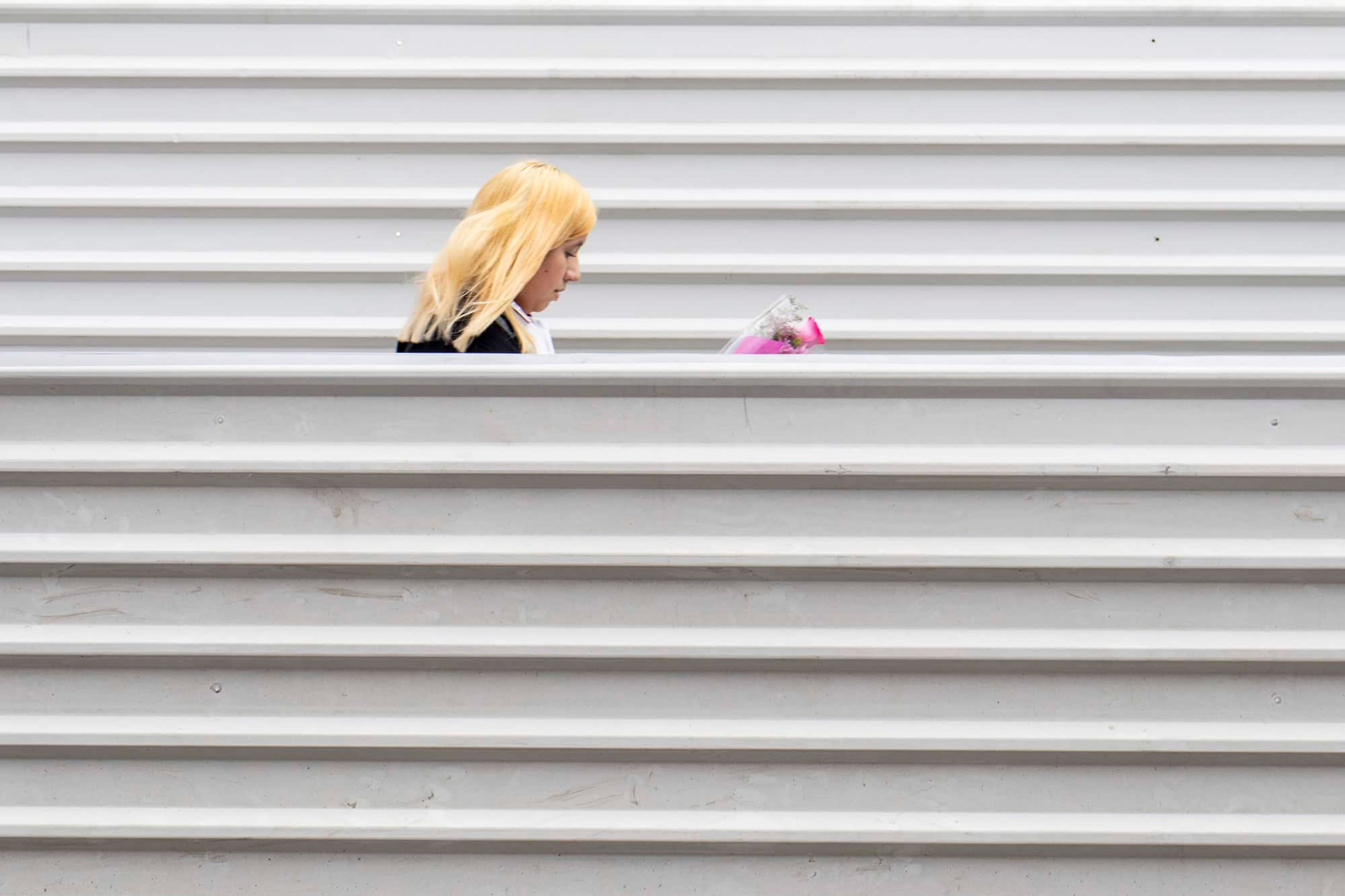
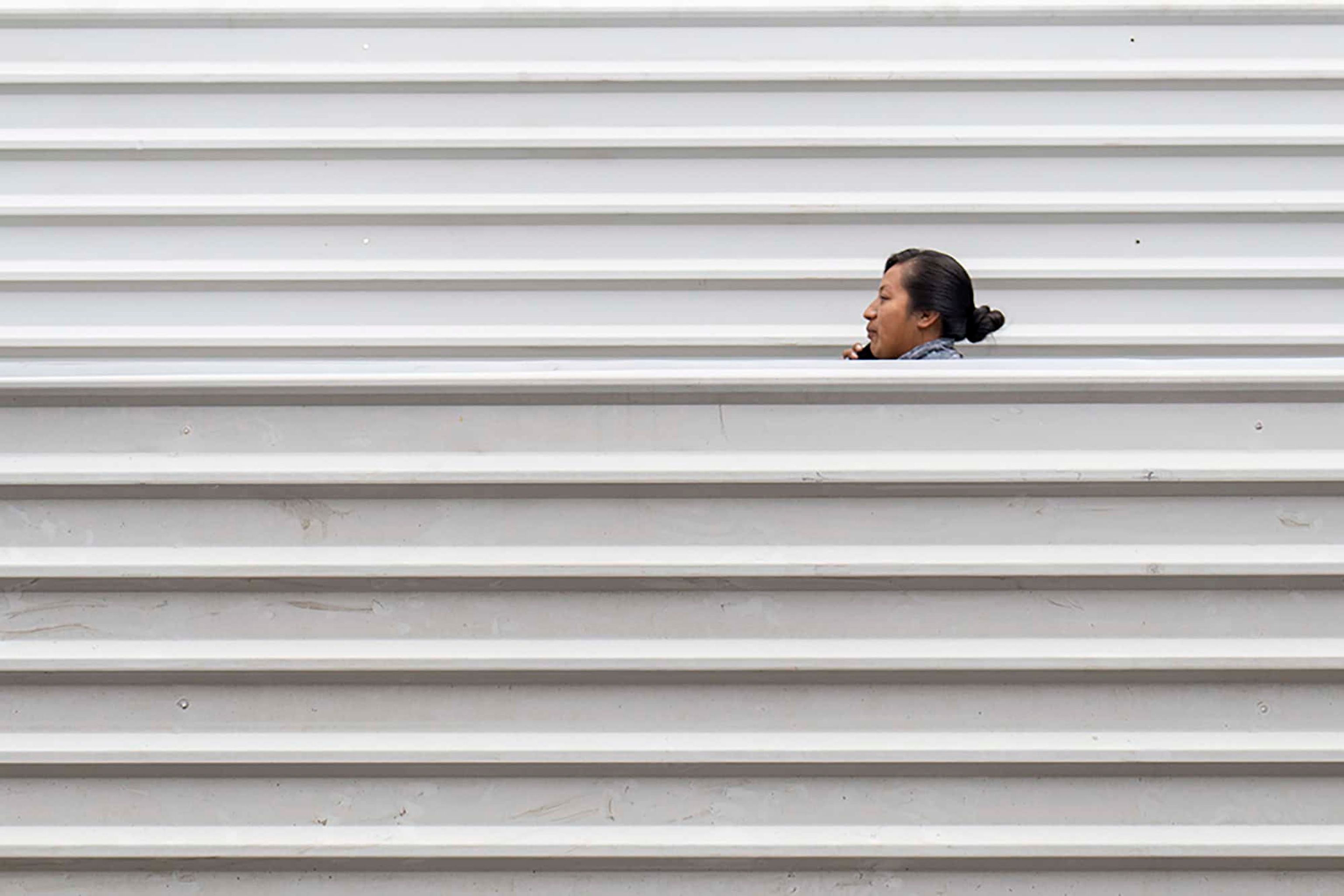
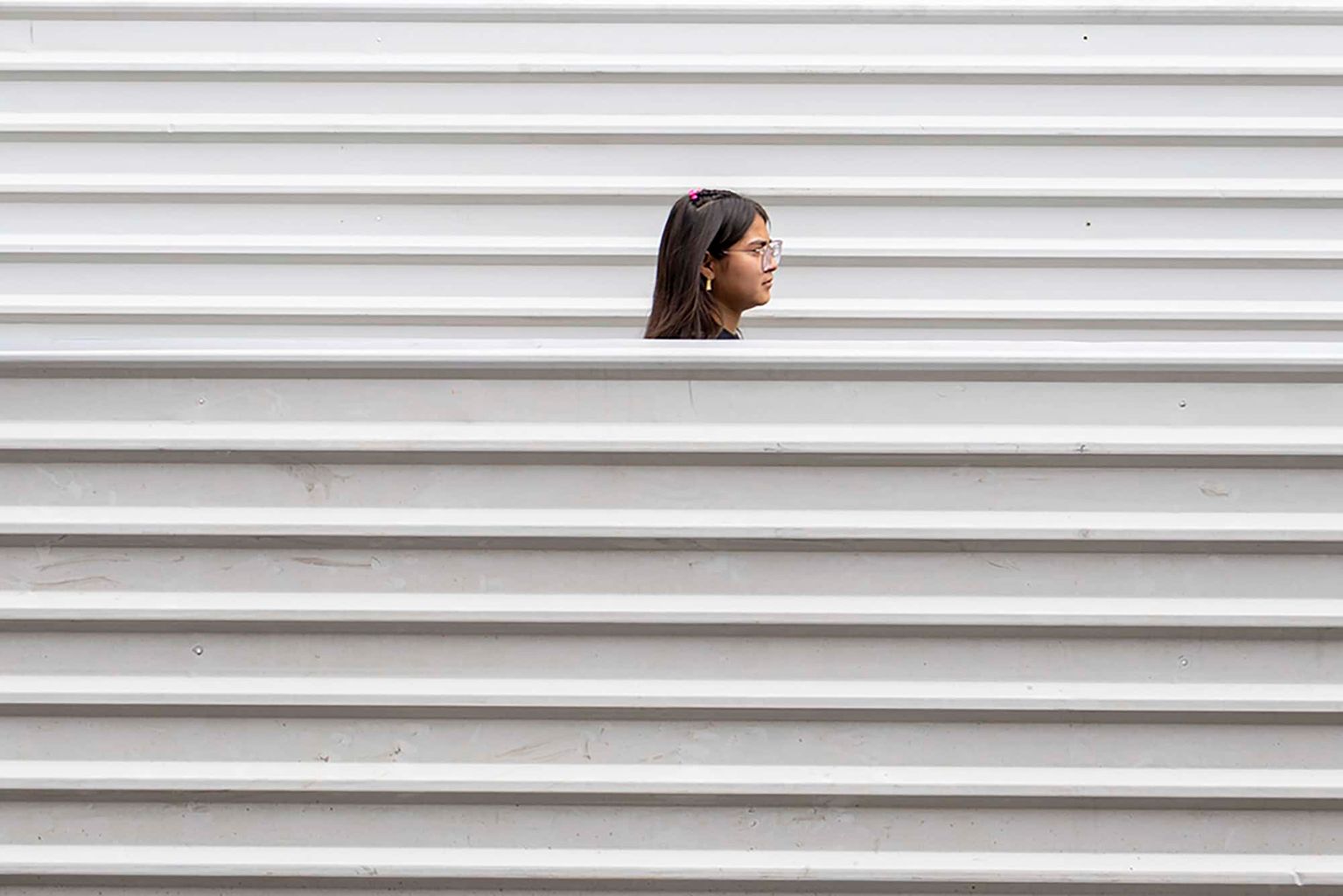
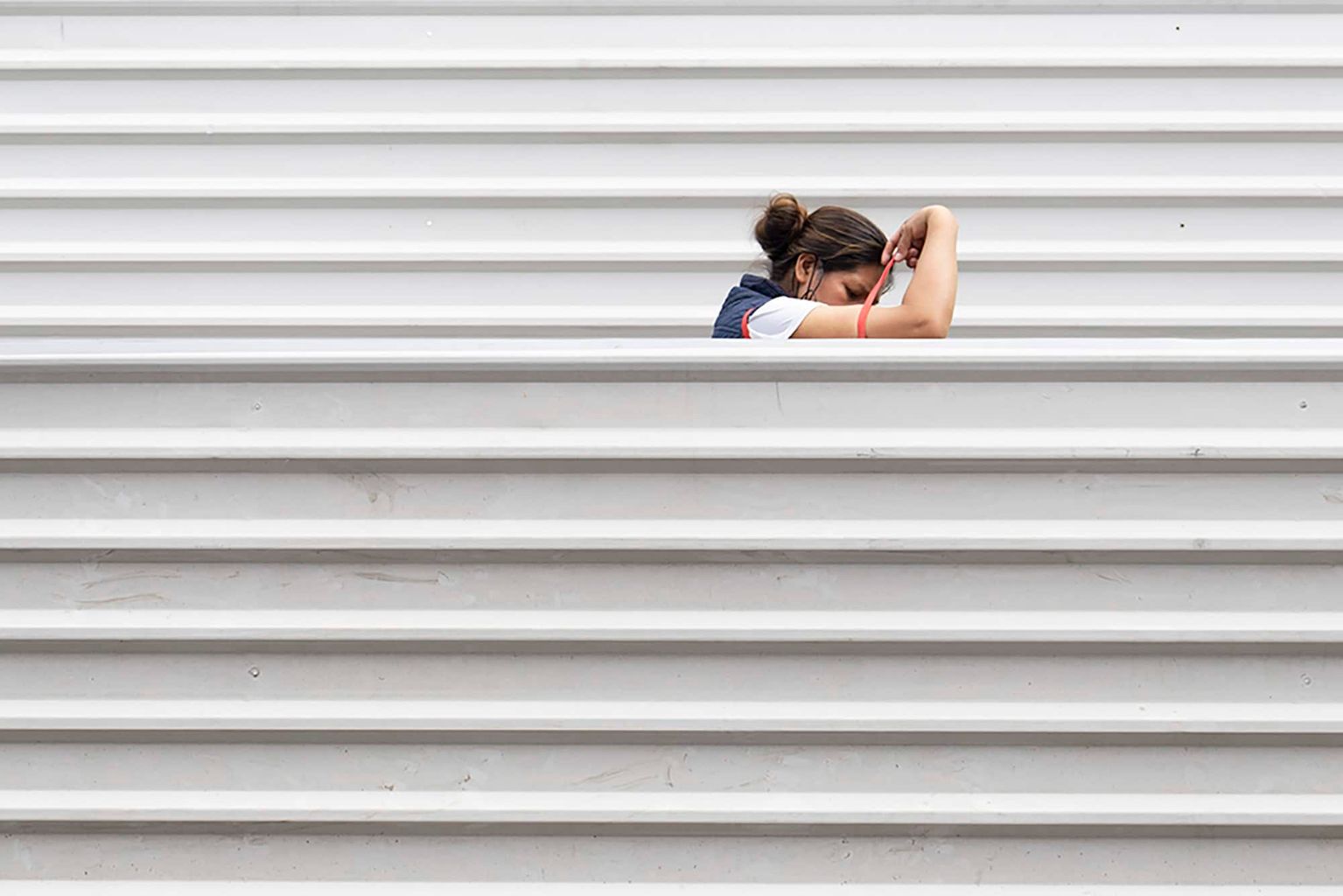
Obra en blanco
- PhotographerSonia Madrigal
Onnis Luque Sonia Madrigal’s work, grounded in a clear and deliberate gender perspective, offers a sharp critique of spatial racism and uneven development. Through images of everyday life, she traces the experiences and trajectories of inhabiting the periphery of Mexico City’s sprawling megalopolis.

The Daily Journey
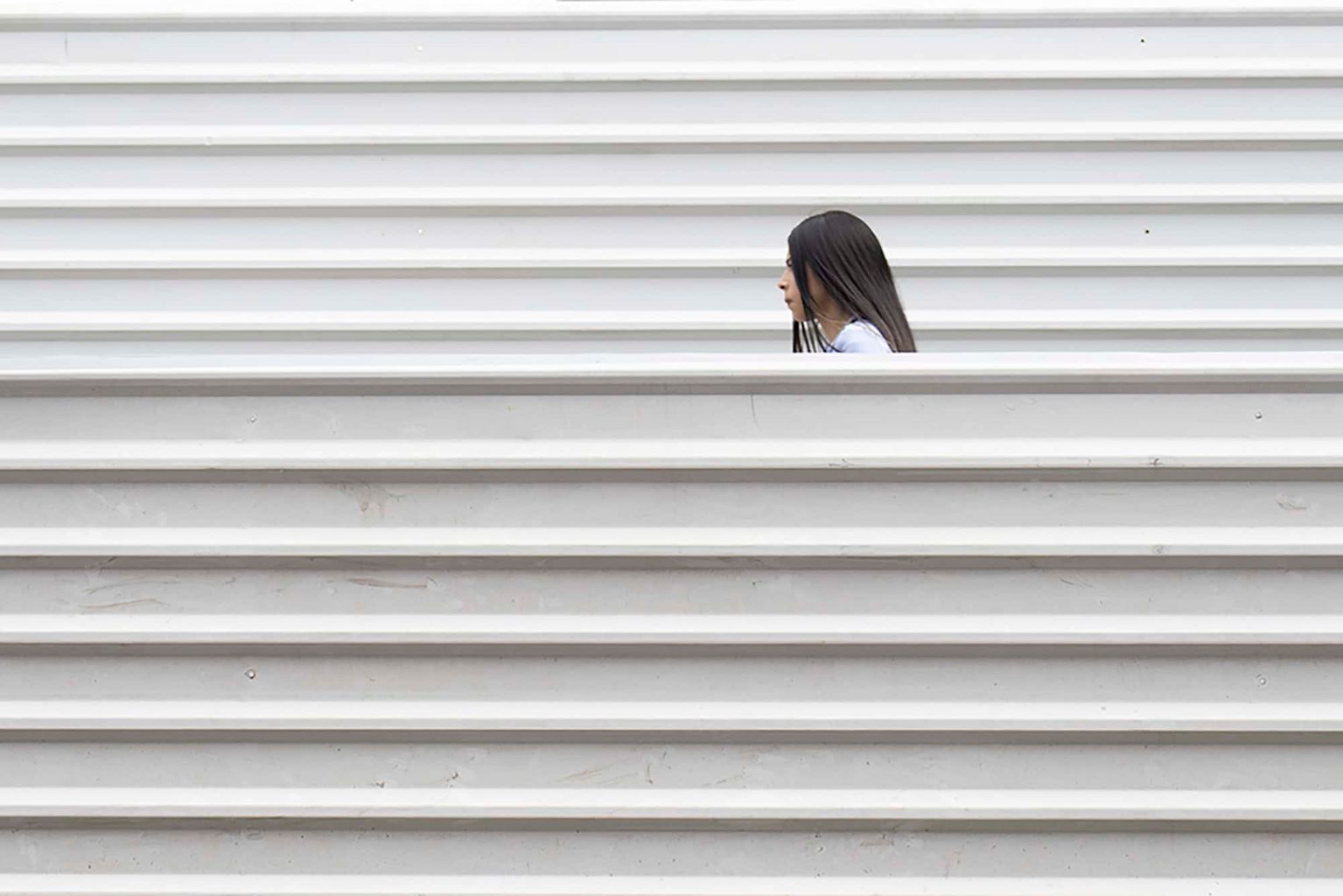
In Obra en blanco (2023, Blank Work), Sonia Madrigal looks at the daily journeys between the State of Mexico and Mexico City. For thousands of people, getting to work or school means navigating long distances, unreliable public transport, poorly lit paths and unsafe connections. The project focuses on this everyday experience of moving through the city, paying particular attention to how these conditions affect women.


A City in Motion
The work was made in the context of the partial closure of Mexico City’s Metro Line 1 in 2022 for renovation. What was initially planned as an eight-month project was still unfinished in 2025, leading to improvised transport routes, longer journeys and difficult connections between different parts of the metropolitan area. Rather than simply documenting the construction itself, Madrigal uses these changes to look at the wider conditions surrounding mobility and the unequal ways people experience the city.
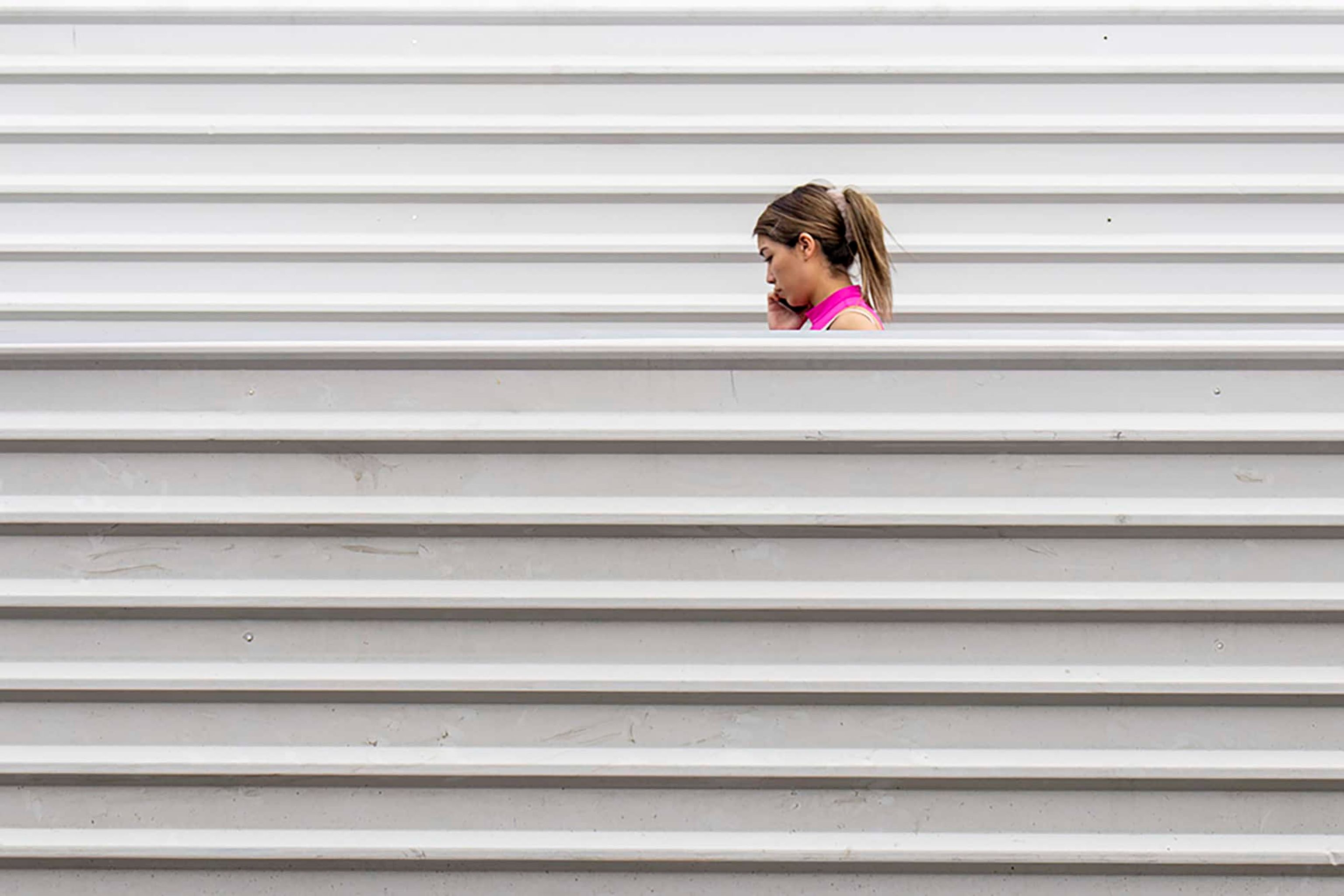

Women in Public Space
For Madrigal, travelling through the city is also connected to questions of safety. Lack of lighting, unfinished roads and isolated paths can make an already difficult journey more challenging for women. This concern has been present throughout her work, which often examines the relationship between territory, the body and violence against women. Her photographs are rooted in the places she knows firsthand, particularly Ciudad Nezahualcóyotl, where she lives and works.
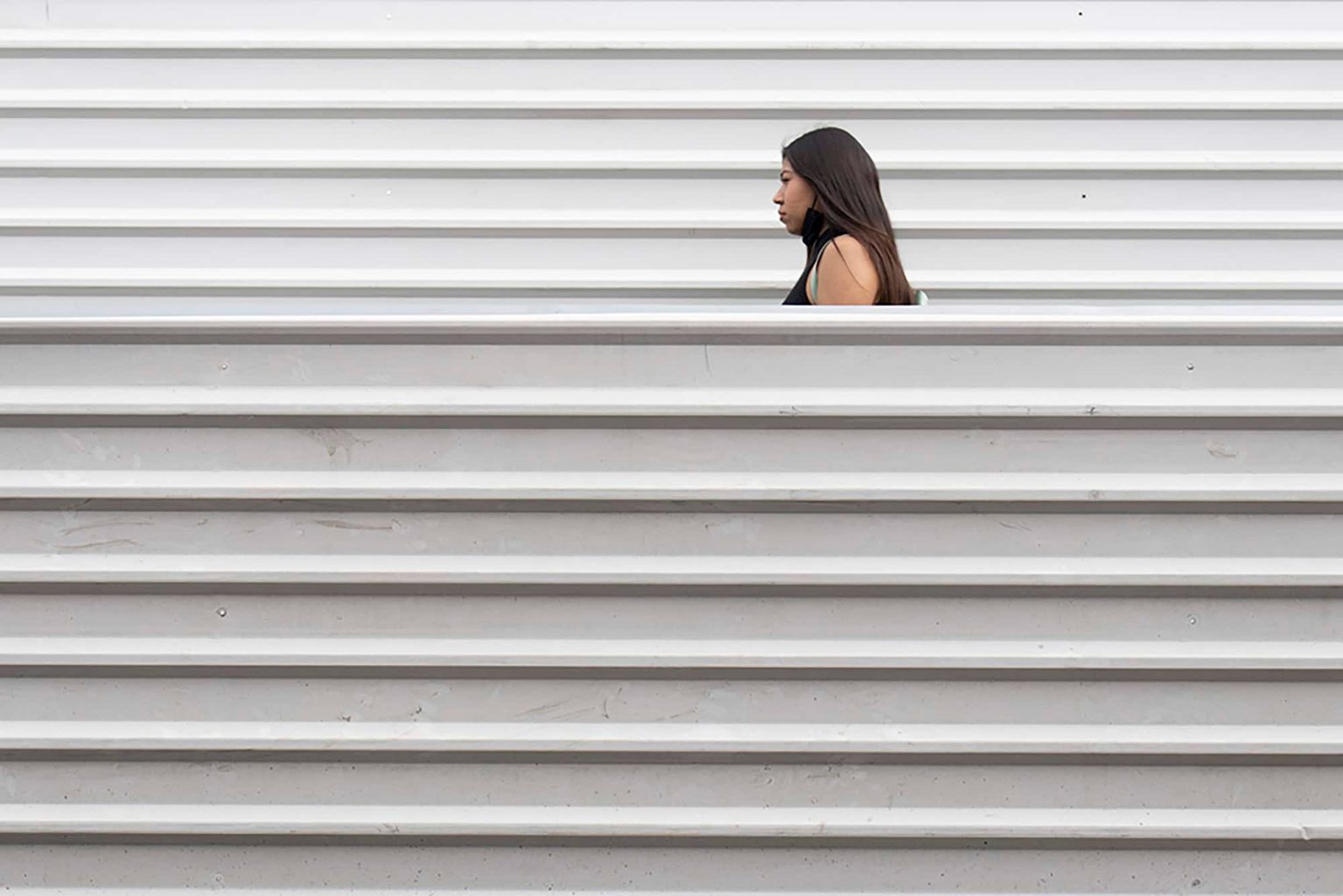


From Neza, Looking Out
Madrigal was born in Ciudad Nezahualcóyotl, a densely populated municipality east of Mexico City. Her own experience of commuting has shaped her photographic practice. Earlier projects such as Tiempos muertos (2009–2019) and El abance (2018) also looked at the movement of people from the eastern edge of the metropolitan area towards work and education in Mexico City. In Obra en blanco, this interest becomes a closer look at the infrastructure and conditions that shape these journeys.


Sonia Madrigal
Madrigal’s practice combines photography with research and community-based work. She studied Computer Science at UNAM before completing the Photography Production Seminar at Centro de la Imagen in 2016, and has exhibited and published her work internationally, including in Aperture, Harper’s Magazine, The Guardian and El País. She is also co-founder of Mal d3 ojo, a gallery in Ciudad Nezahualcóyotl. Obra en blanco was awarded the Acquisition Prize at the XXI Bienal de Fotografía of Centro de la Imagen in 2025, recognising a project that turns an ordinary part of city life, the journey to and from work or study, into a way of looking at access, infrastructure and safety.