
the work of
Olivo Barbieri
- PhotographerOlivo Barbieri
- GalleryCourtesy Yancey Richardson Gallery New York
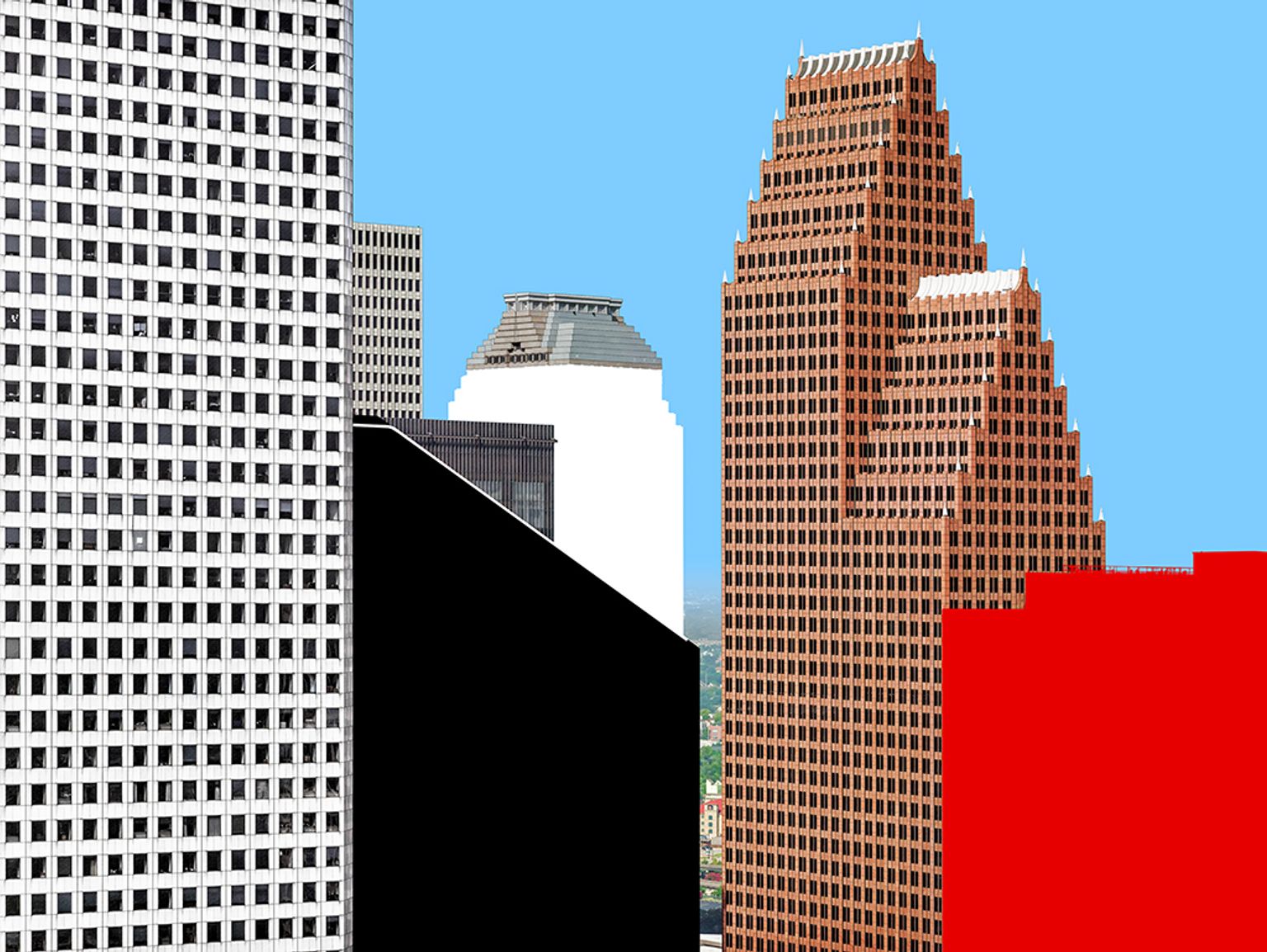
Nicola Bertellotti Olivo Barbieri is one of the most prominent and influential figures in contemporary landscape and architectural photography. Famous for his pioneering use of selective focus and low-altitude aerial perspectives (notably in his iconic site specific_ project), Barbieri redefines our visual understanding of urban spaces and natural landscapes. His work challenges traditional perception, rendering real-world megacities, ancient ruins, and artificial environments into scaled, model-like illusions. His ongoing inquiry into human-altered landscapes, spatial memory, and how we observe contemporary architecture resonates profoundly with my own research into built environments and transformation.

Rethinking How We See
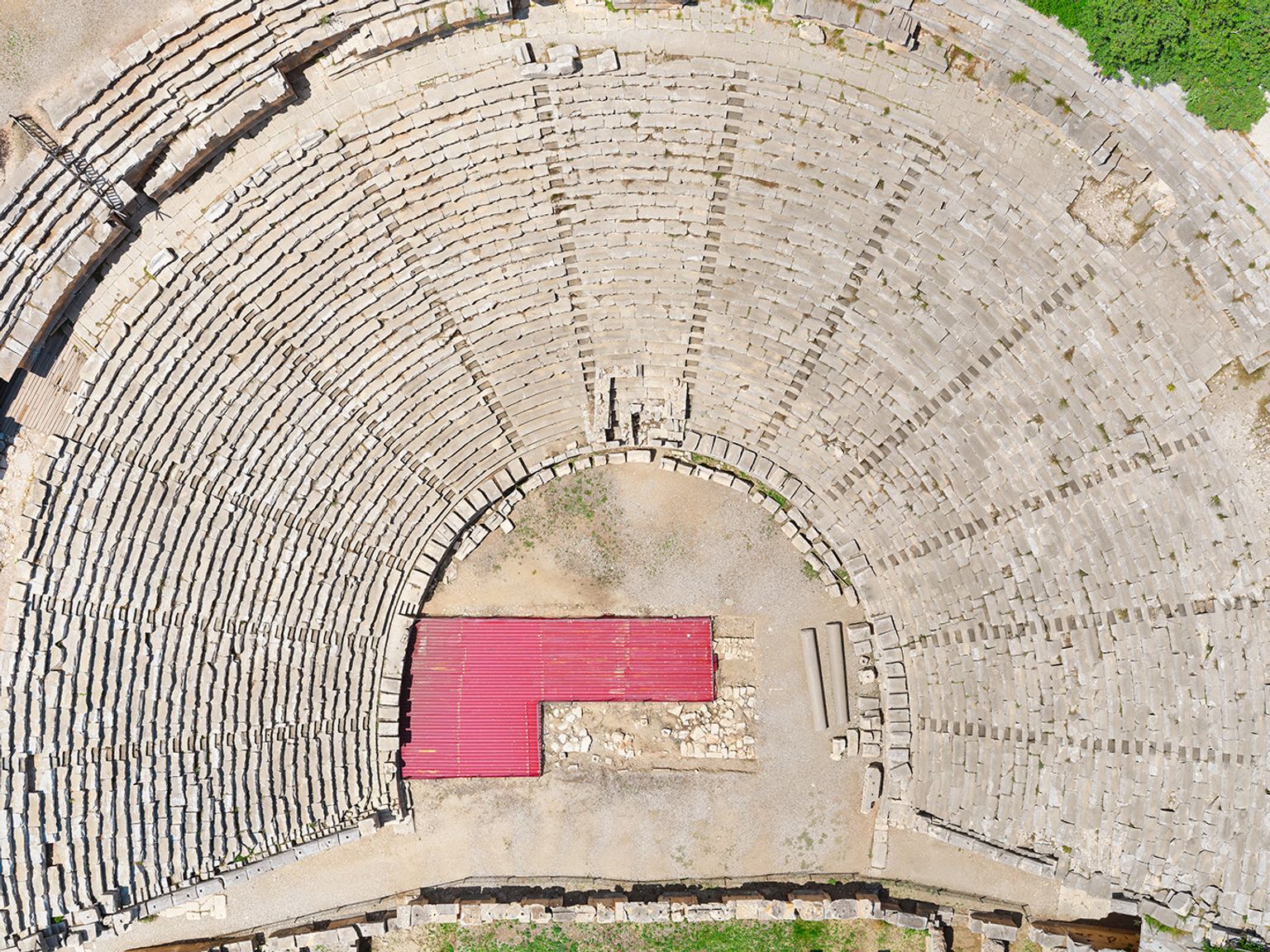
Italian artist and photographer Olivo Barbieri, born in Carpi in 1954, has spent more than four decades exploring how images shape our perception of the world. Since beginning to exhibit his work in 1978, he has photographed cities, architecture and natural landscapes, often using optical techniques that make familiar places appear unexpected. His images challenge the idea that photography simply documents reality. Instead, they draw attention to how perspective, focus and the position of the camera influence what we see. A landscape may become an abstract arrangement of shapes, while a vast architectural site can take on an almost model-like appearance. Barbieri’s work encourages viewers to look beyond the subject itself and consider how an image changes their understanding of it.

Photography, Focus and Perspective
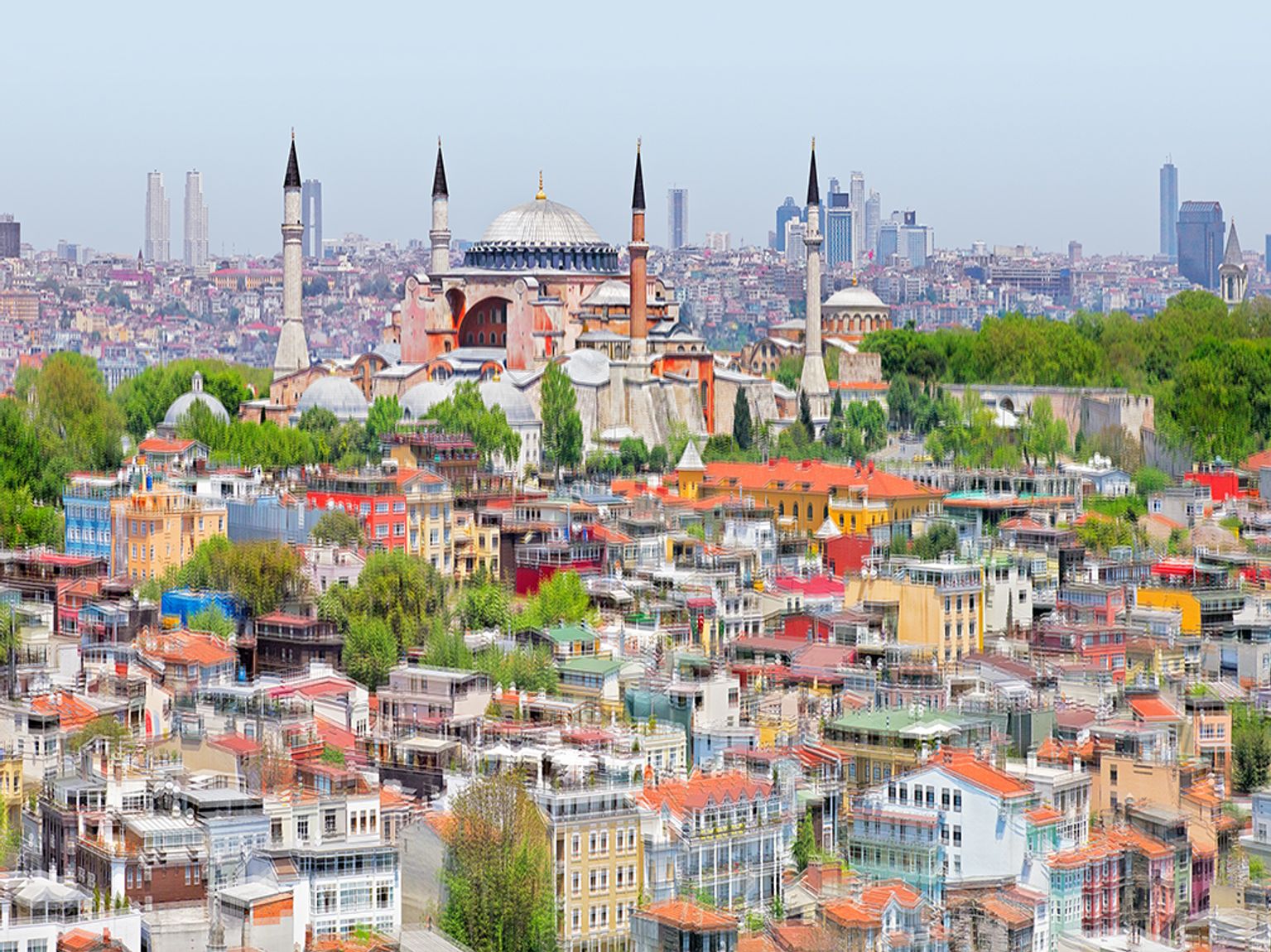
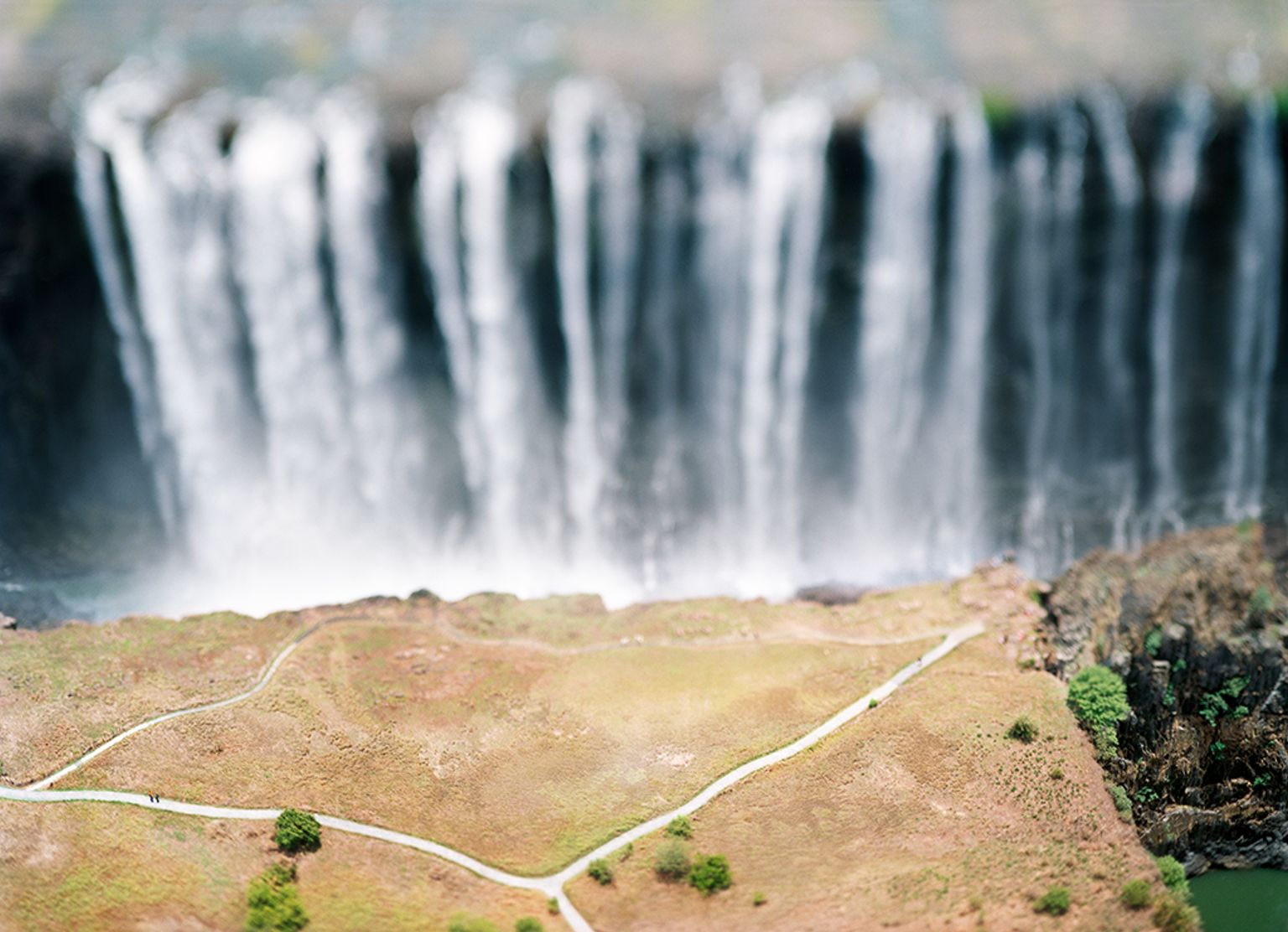
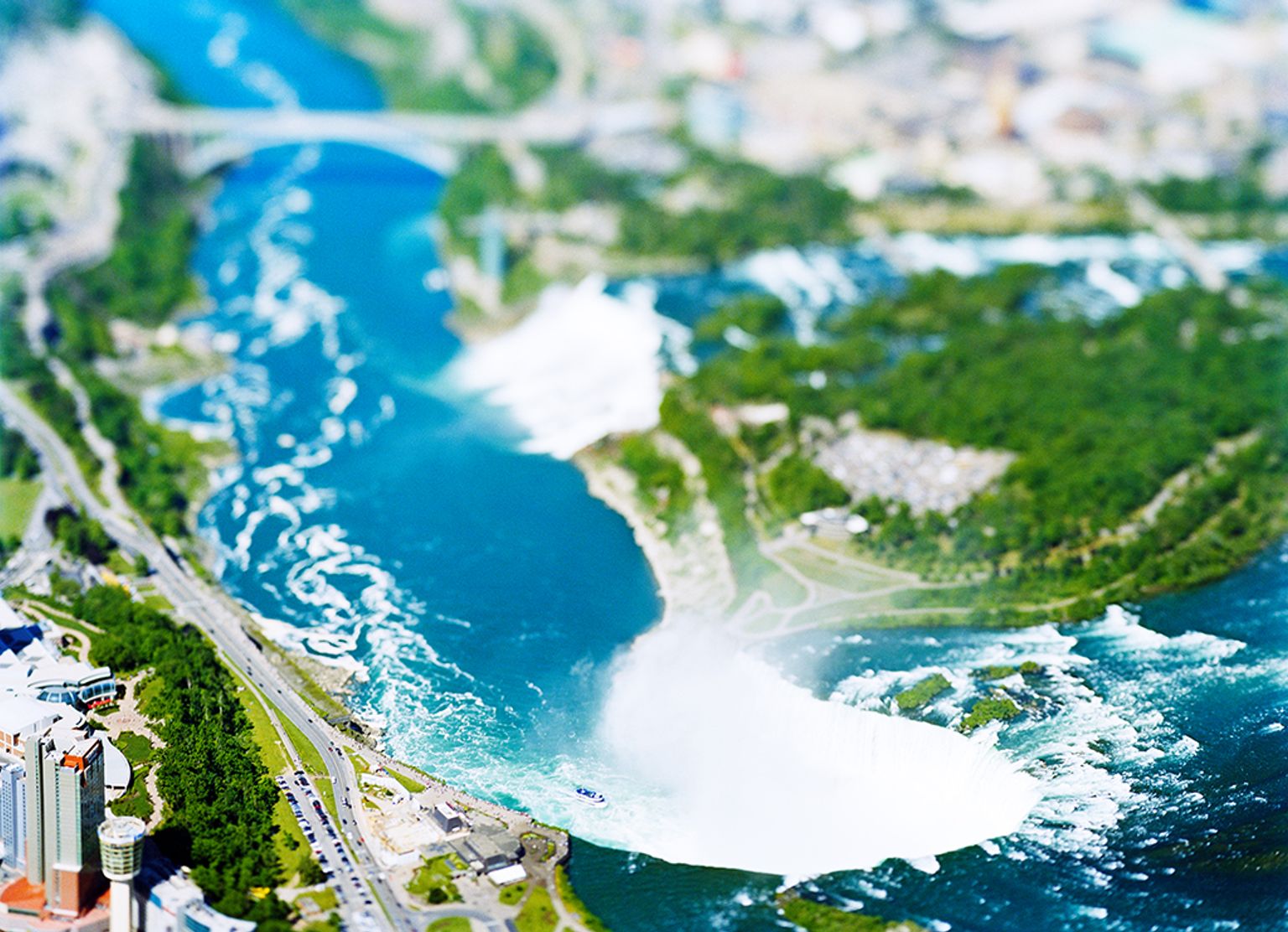
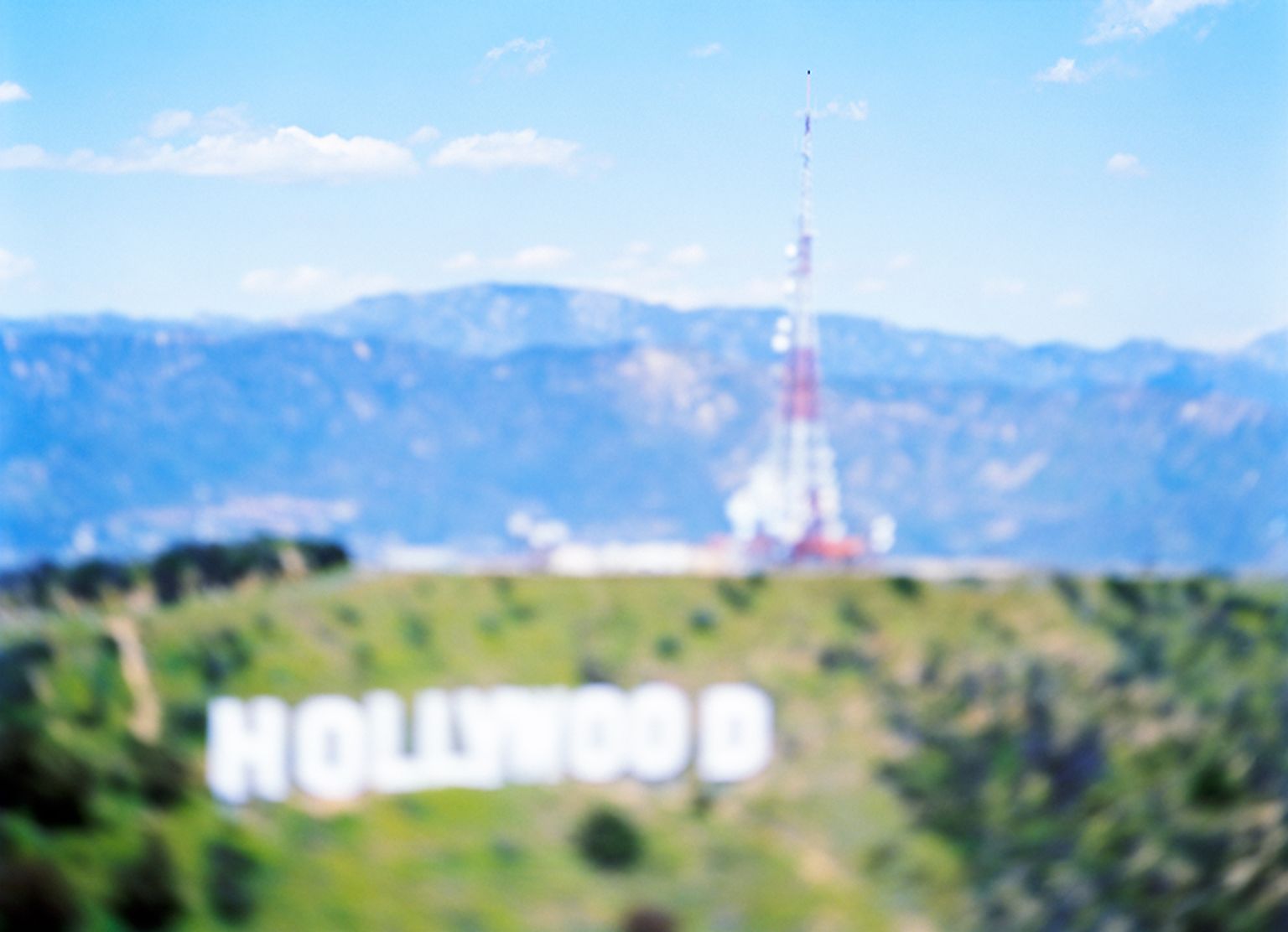
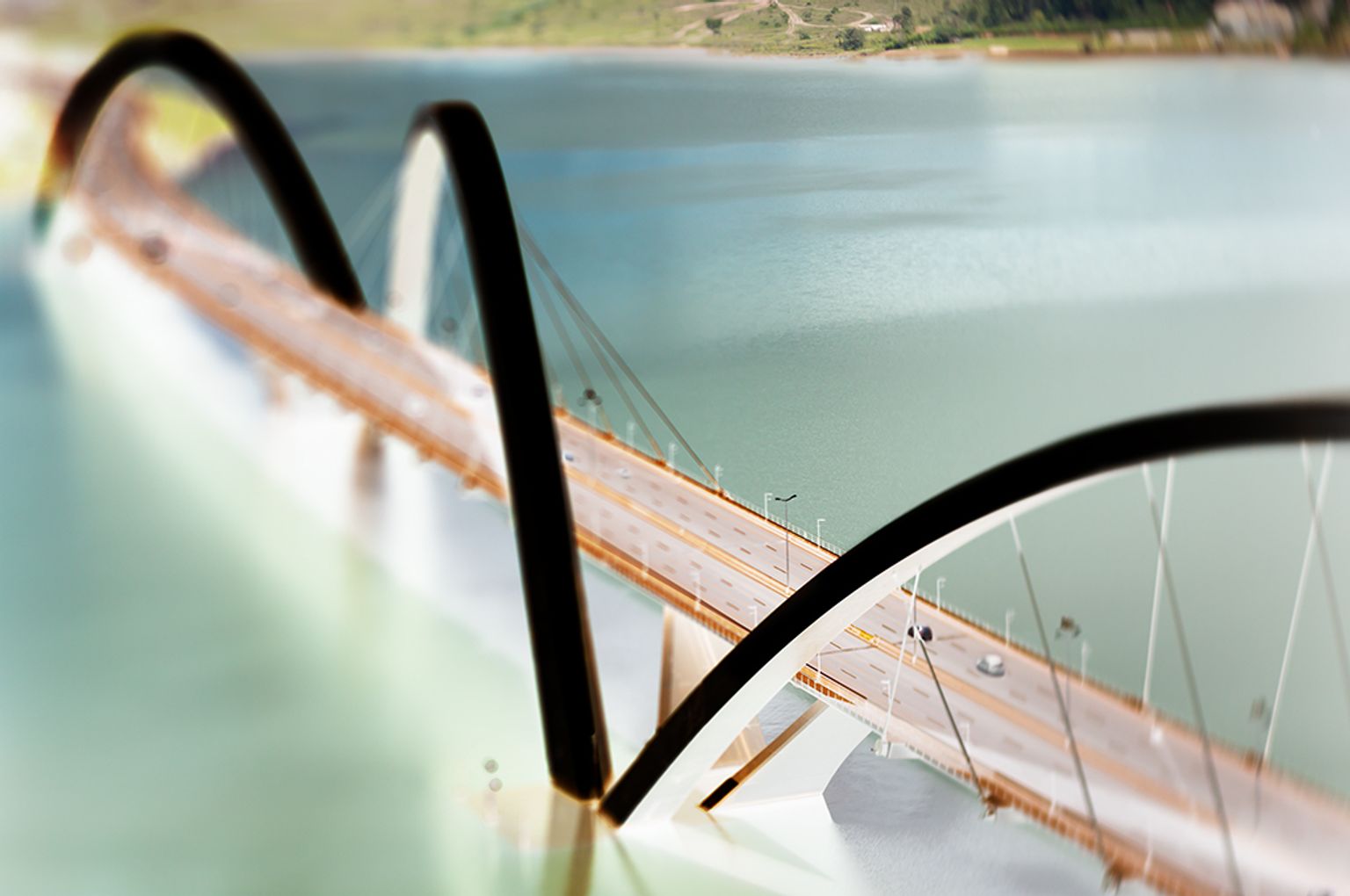
A defining element of Barbieri’s work is his use of selective focus, which he began developing in the late 1990s. By keeping certain areas of an image sharp while allowing others to fall out of focus, he alters the way a scene is perceived without changing the physical form of what he photographs. The technique can transform the apparent scale of a place, drawing attention to details that might otherwise go unnoticed. For Barbieri, focus is not simply a technical decision but a way of guiding the viewer’s reading of an image. His photographs often sit between recognition and uncertainty: we may know what we are looking at, yet the image makes it difficult to see it in quite the same way. This approach extends across his work, from urban environments to mountains, coastlines and historical sites.

Landscape as Image
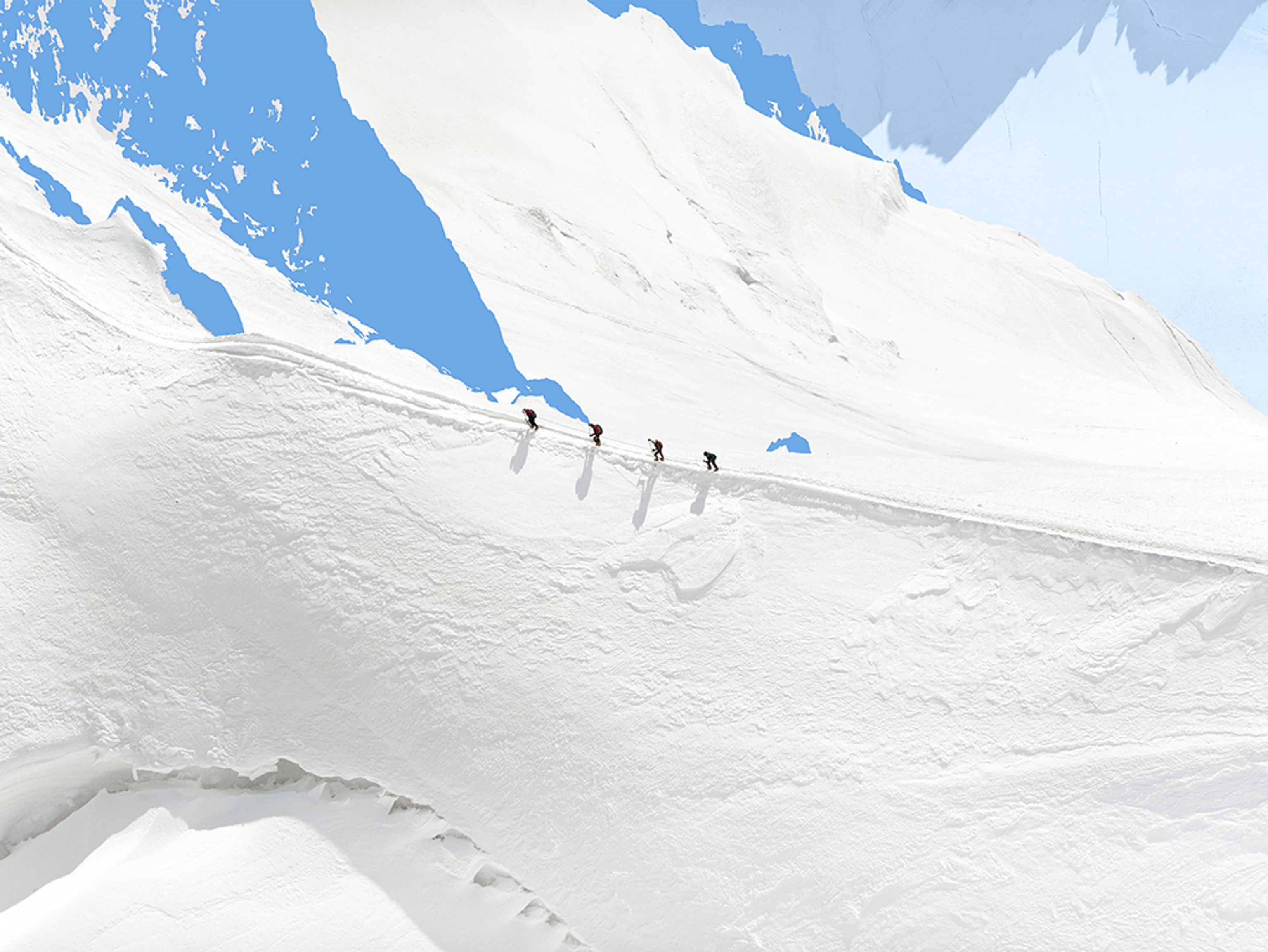
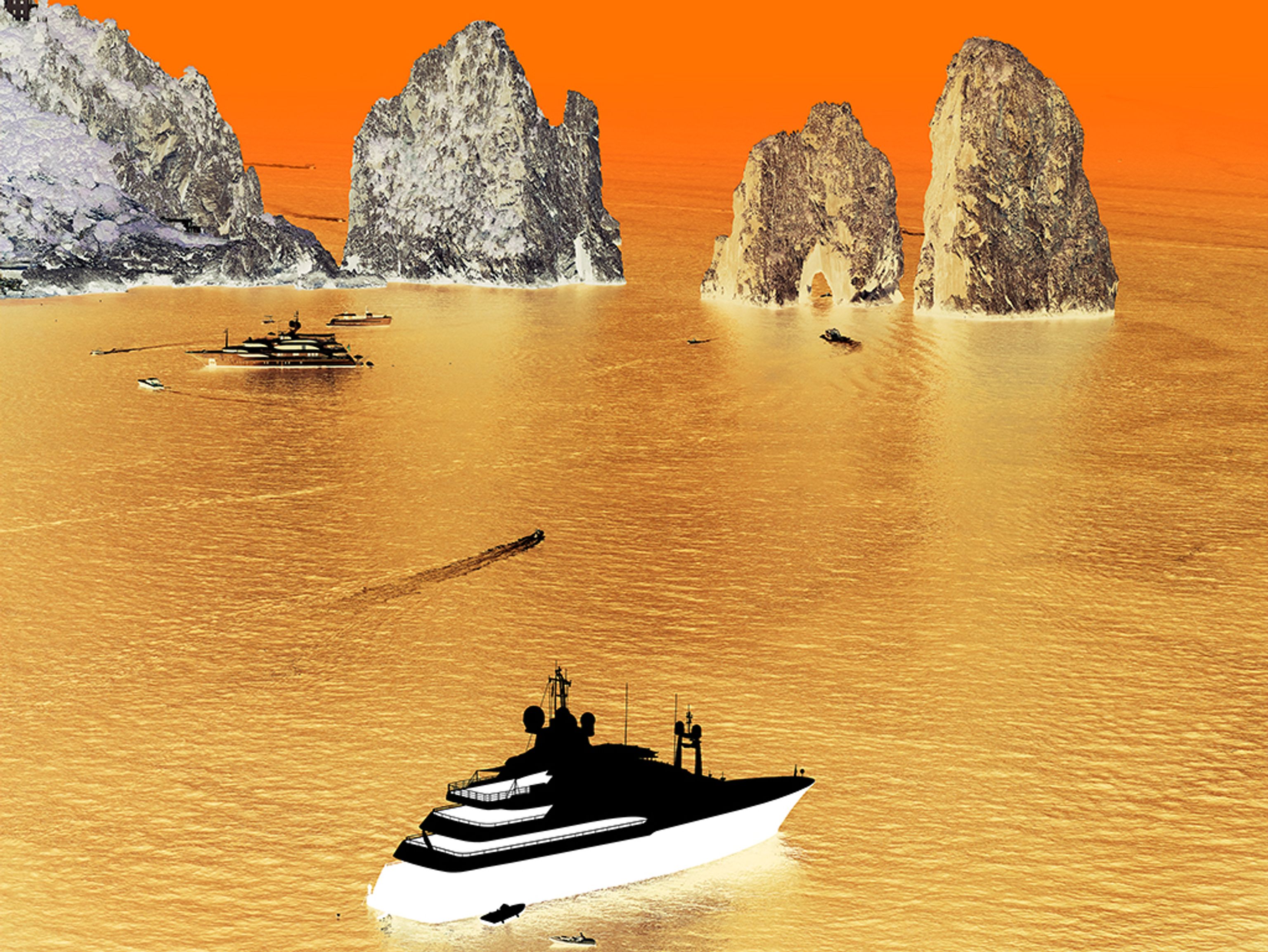
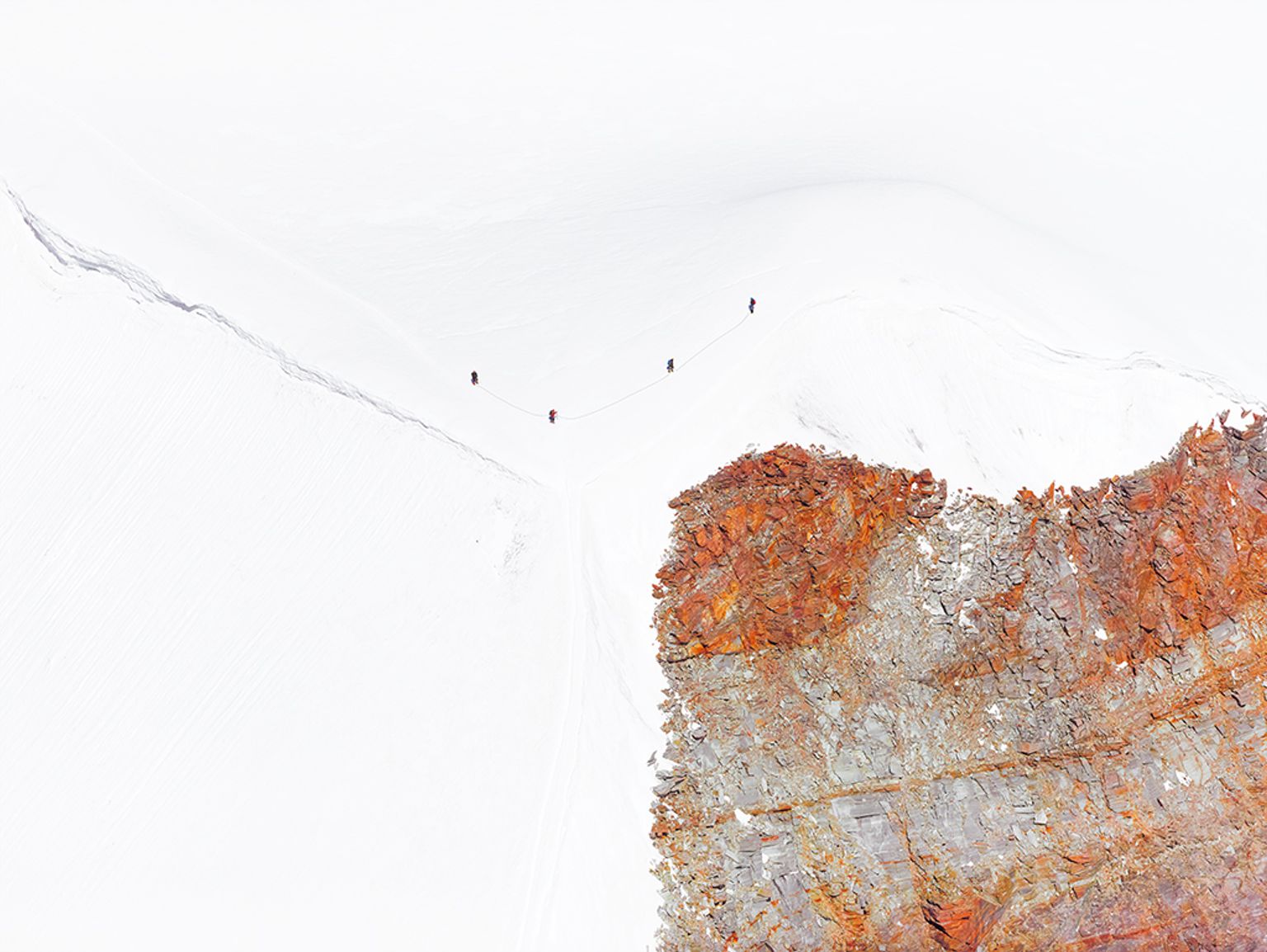
Barbieri has returned to natural landscapes throughout his career, examining not only their physical characteristics but also the ways they are experienced and represented. In The Waterfall Project (2006–07), he photographed major waterfalls, places that are often encountered through tourism, established viewpoints and photographs. His images invite us to consider how these powerful natural environments become familiar visual spectacles. In Dolomites (2010) and Alps – Geographies and People (2012), he turned to mountain landscapes and the relationship between nature and human presence. His series Capri similarly considers a place shaped by its landscape, history and accumulated cultural associations. Across these projects, Barbieri moves between the actual place and the image it has become, questioning how photography influences what we recognise, remember and expect to see.


Time Space Geometry: Looking at the Ancient World
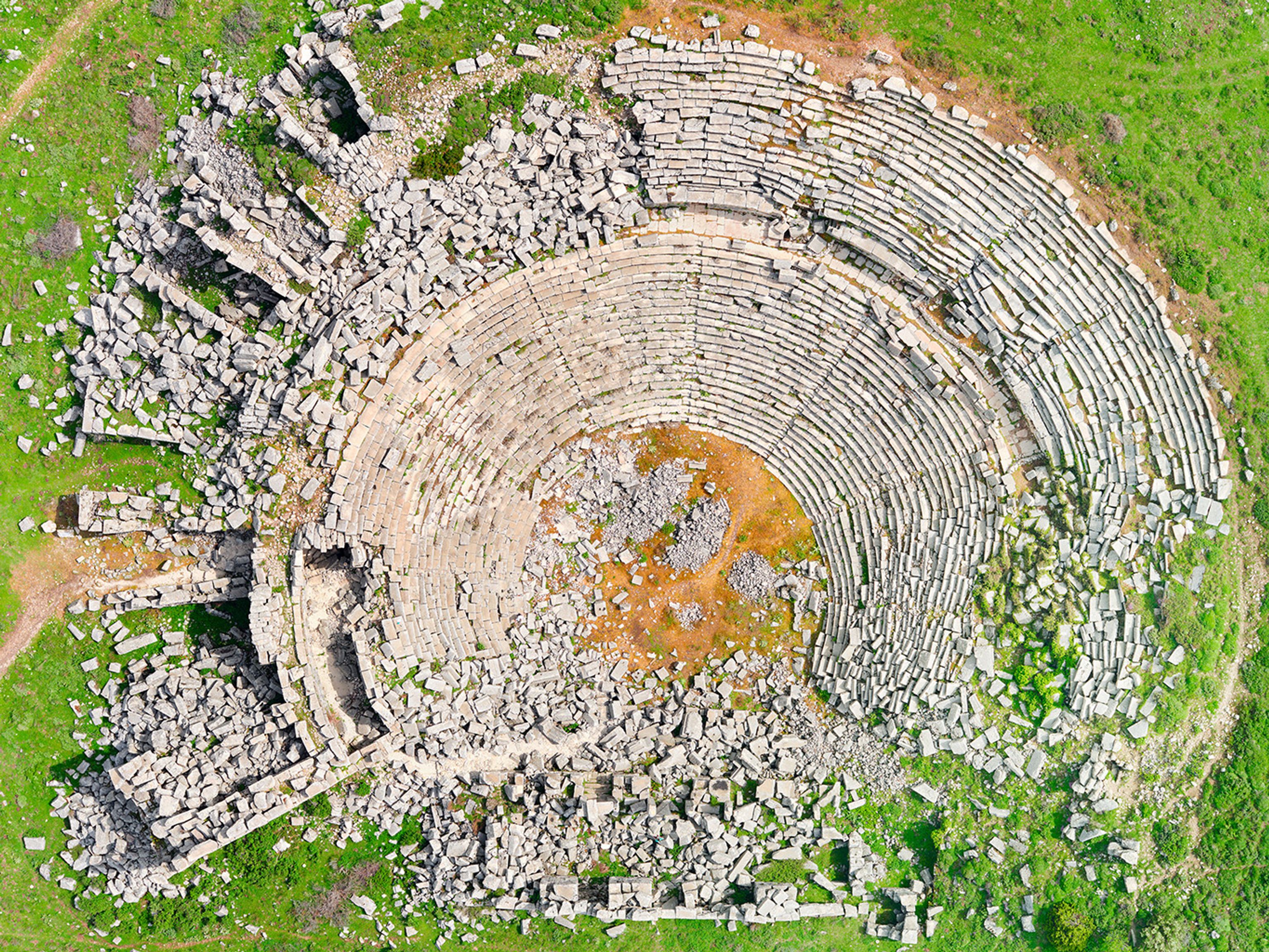
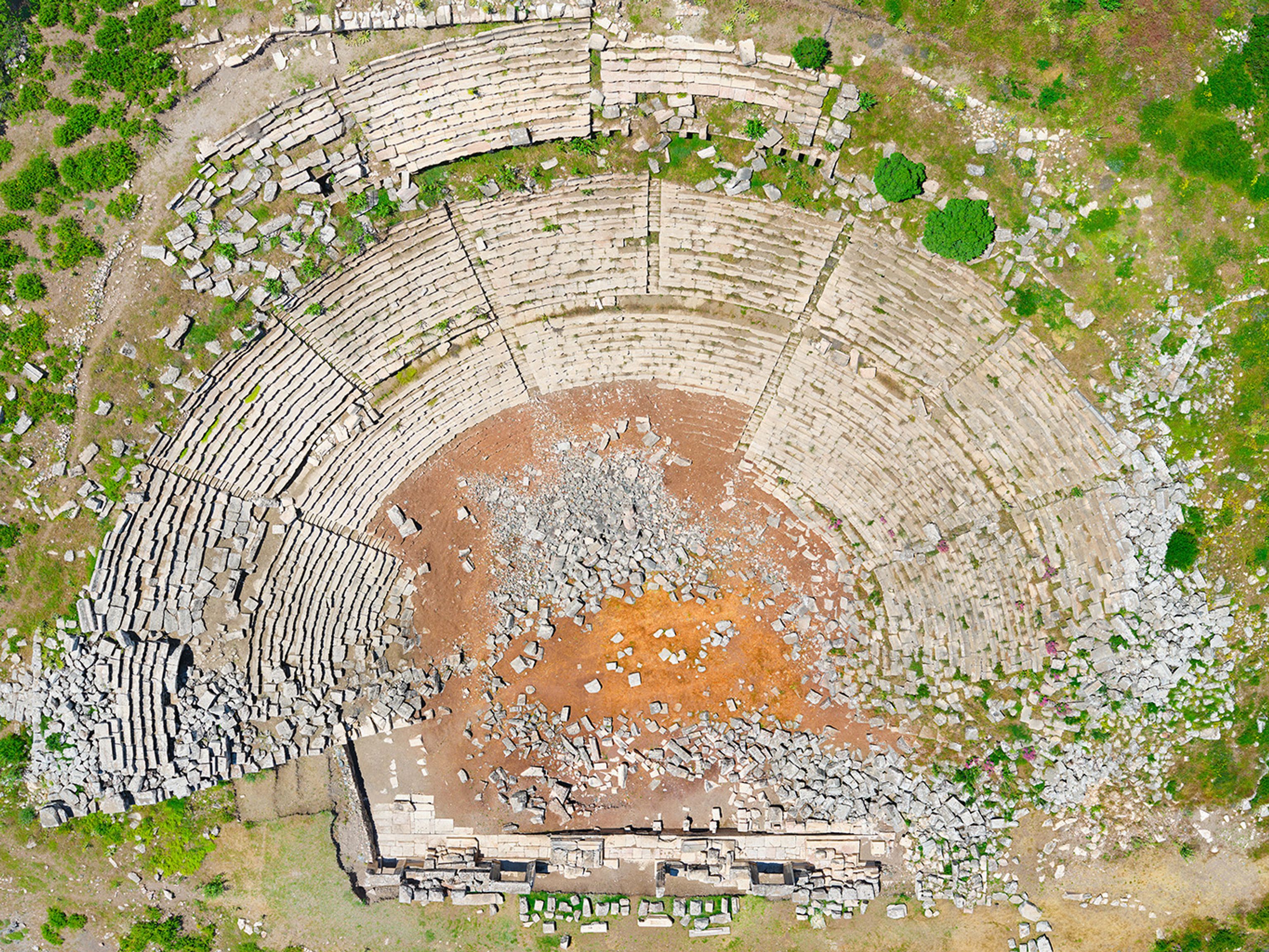
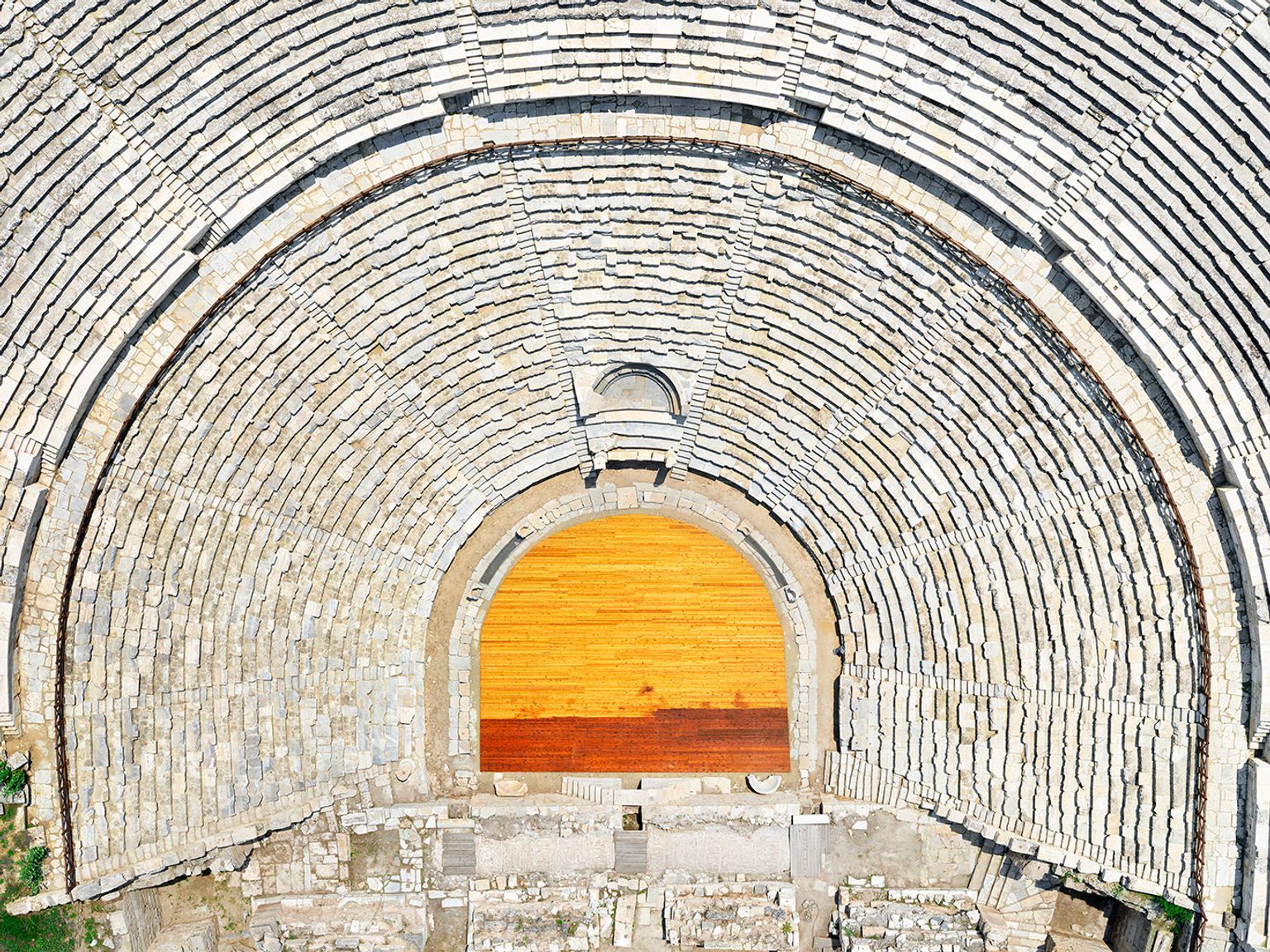
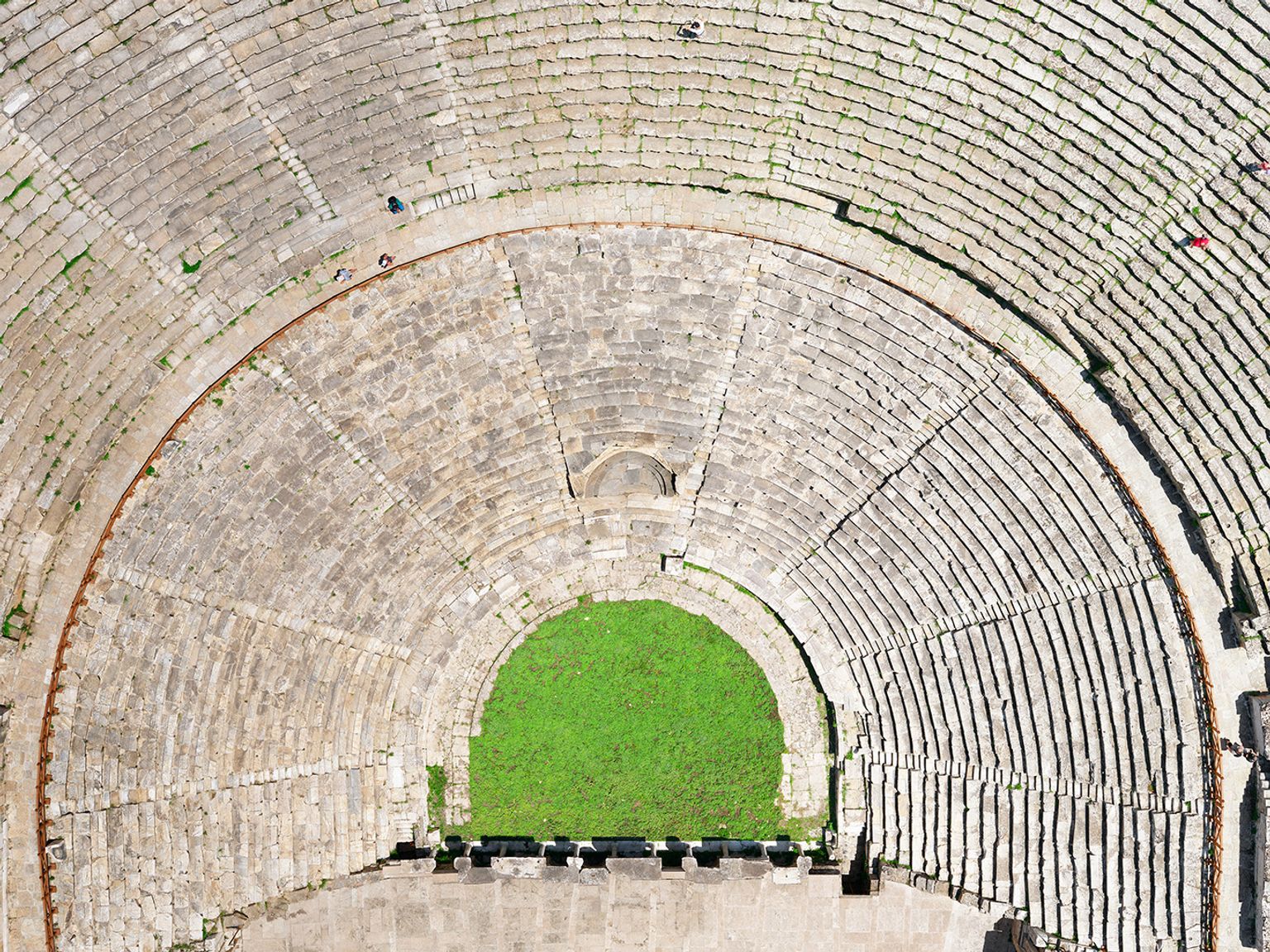
Presented at Borusan Contemporary in Istanbul from 19 September 2026 to 15 August 2027, Time Space Geometry brings together five bodies of work, connecting Barbieri’s investigations of cities and landscapes with a new group of photographs of ancient sites in Türkiye. The latter were commissioned by the Borusan Contemporary Art Collection in 2023, when Barbieri travelled across the country to photograph nine archaeological locations: Perge, Kibyra, Laodikeia, Hierapolis, Aphrodisias, Ephesus, Sagalassos, Side and Myra. The photographs are shown for the first time in this exhibition, bringing renewed attention to places shaped by different civilisations and historical periods.
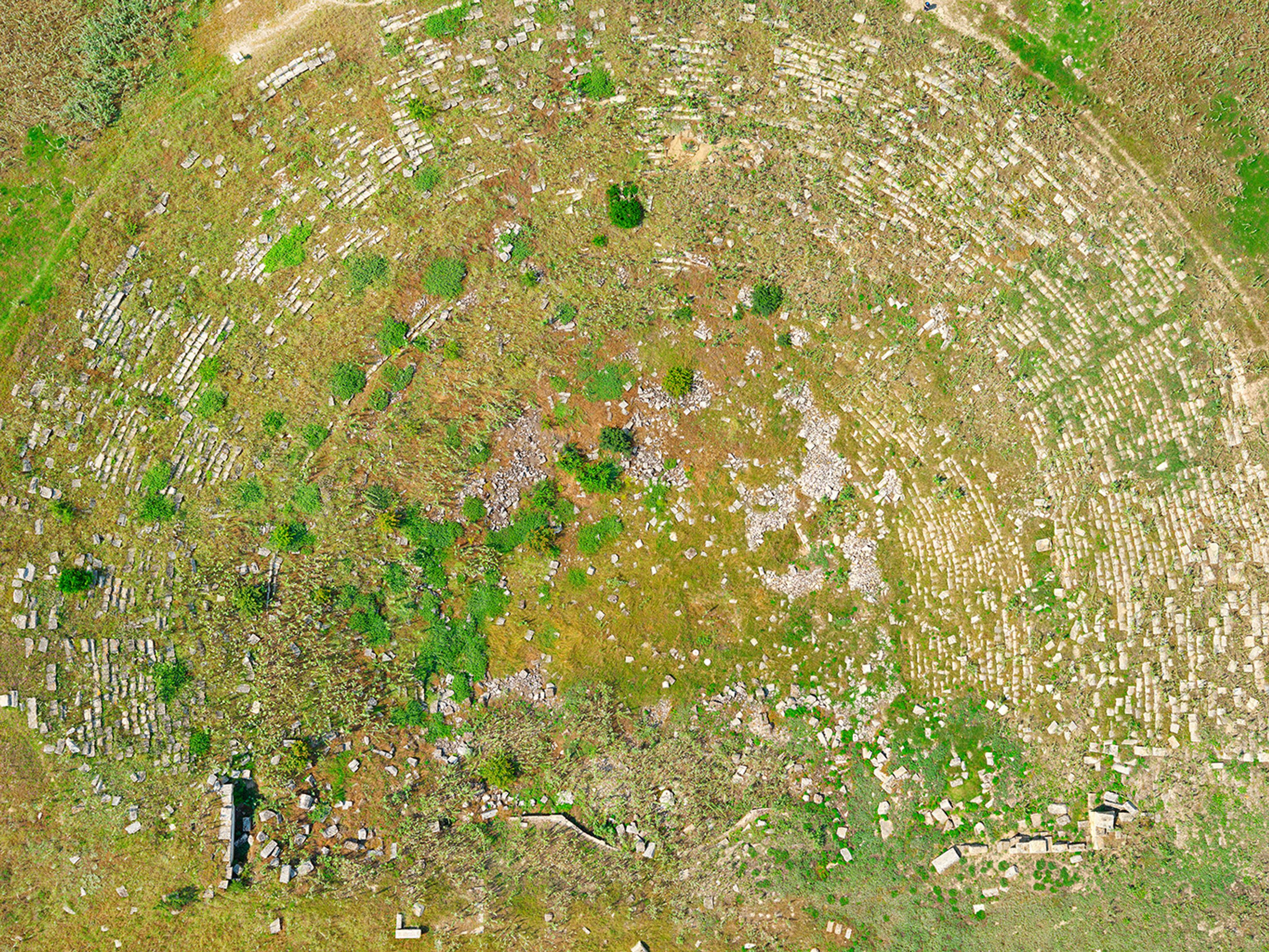

The exhibition’s title refers to the mathematical principles and systems of proportion that informed the construction of ancient cities. In Barbieri’s photographs, these structures become more than historical remains: their geometry, spatial organisation and relationship to the surrounding landscape take on new significance. The sites connect architecture with the passage of time, showing how spaces designed for particular societies continue to be viewed and interpreted centuries later. Rather than presenting the ancient world as something distant or fixed, Barbieri approaches it through the visual language of the present.






A Different Way of Looking
Curated by Fırat Arapoğlu, Time Space Geometry brings together works from Time Space Geometry, site specific_, The Waterfall Project, Alps – Geographies and People and Capri. Seen together, the series reveal Barbieri’s sustained interest in the relationship between a place and its representation. His photographs are not simply records of locations; they are carefully constructed images in which viewpoint, focus and composition influence how architecture and landscape are understood.
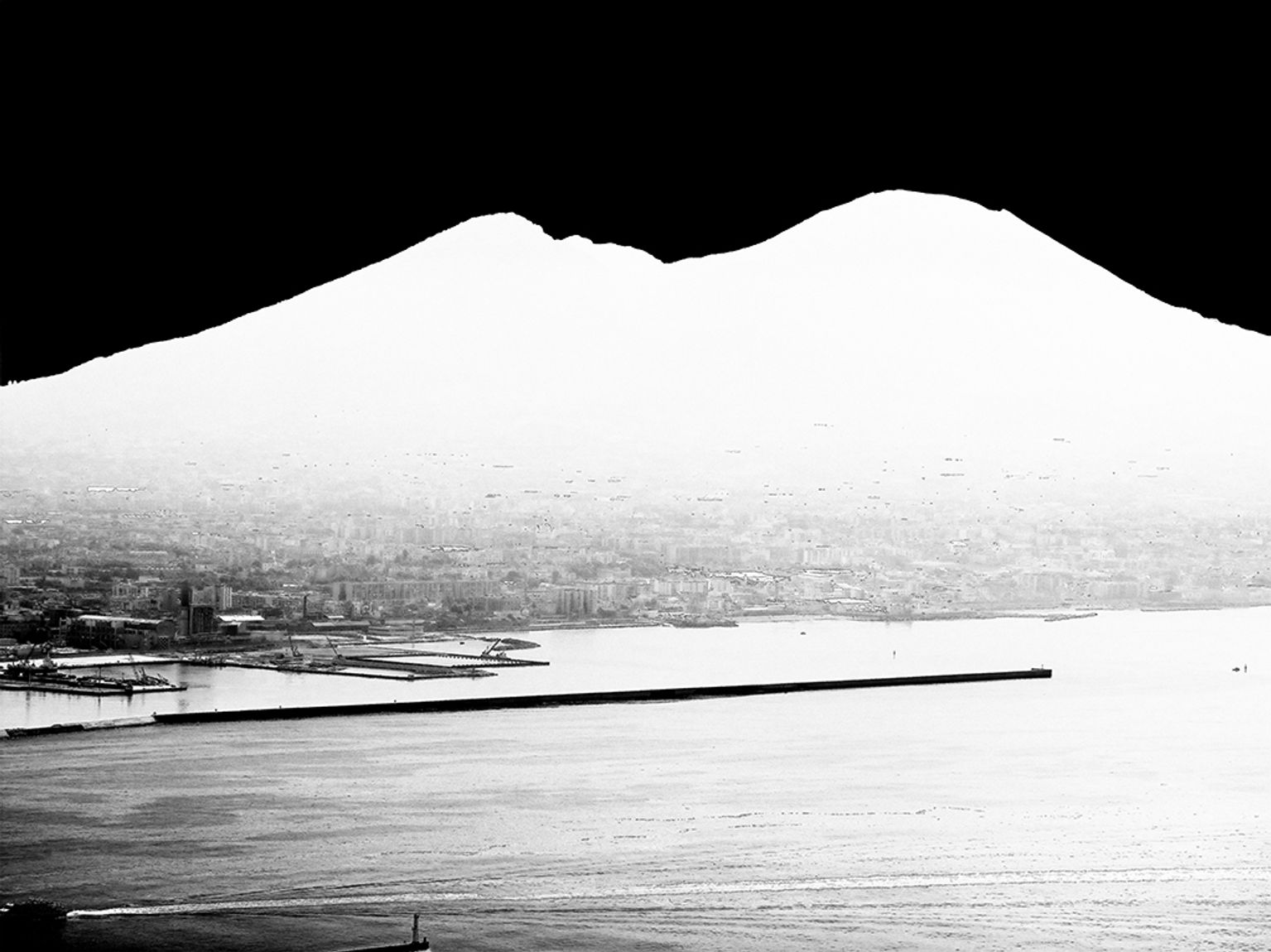



The exhibition is housed in Perili Köşk, a historic waterfront building overlooking the Bosphorus that also serves as the headquarters of Borusan Holding. The setting places the artworks within an active working environment, adding another layer to the exhibition’s interest in architecture and the ways spaces are experienced. Across the different works, Barbieri asks viewers to reconsider what may initially seem familiar. His photographs offer no single way of seeing a place, but open up new perspectives on the structures, landscapes and histories that surround us.