
José Luis Cuevas
On the Bodies’ Resistance
- PhotographerJosé Luis Cuevas
Onnis Luque The images that Cuevas presents in On the Bodies’ Resistance (La Resistencia de los Cuerpos) offer a subtle critique of a system that permeates every aspect of life, including the body itself, exposing its fragility and vulnerability in the face of the structures of power that traverse and shape it.

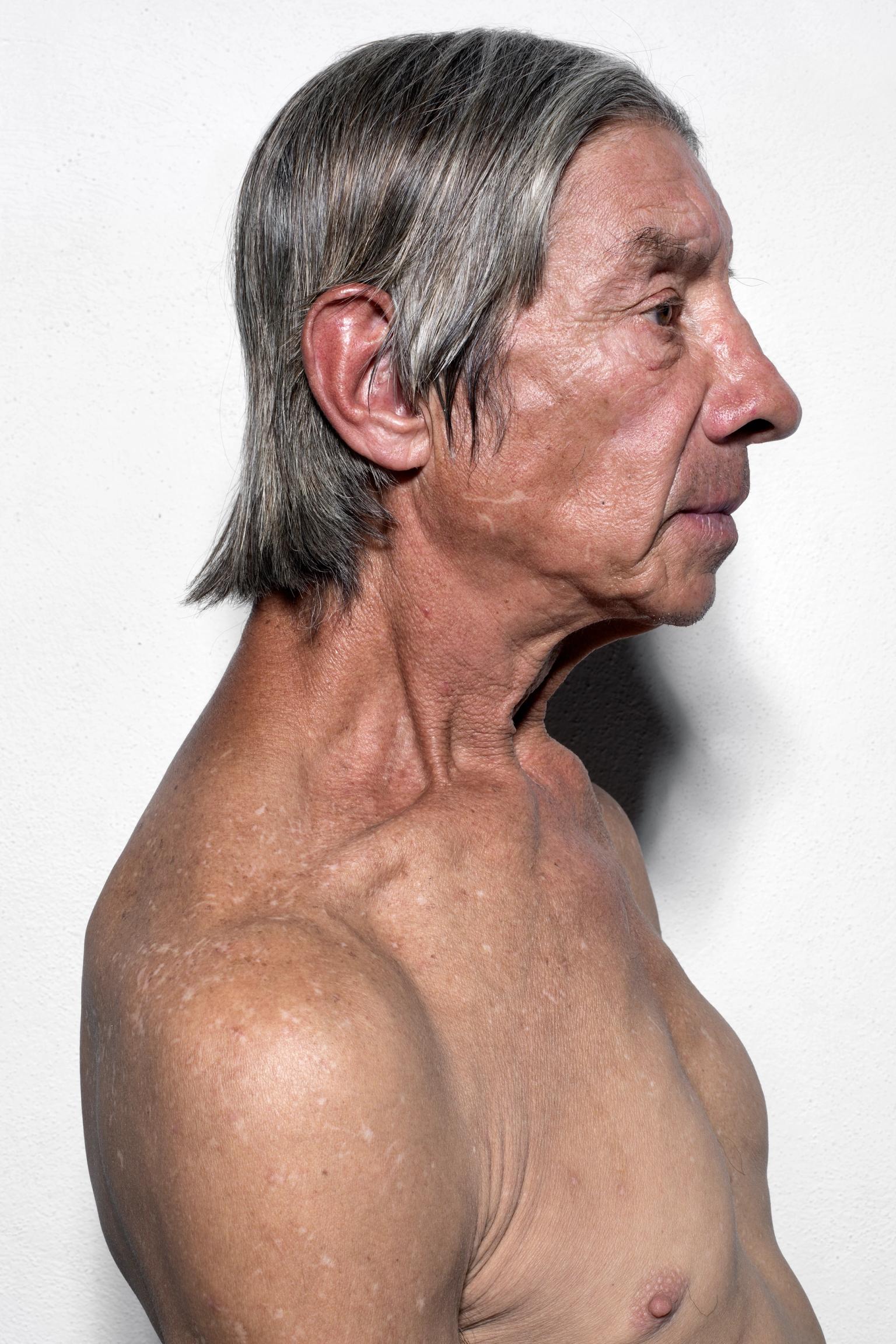

A Body Exposed
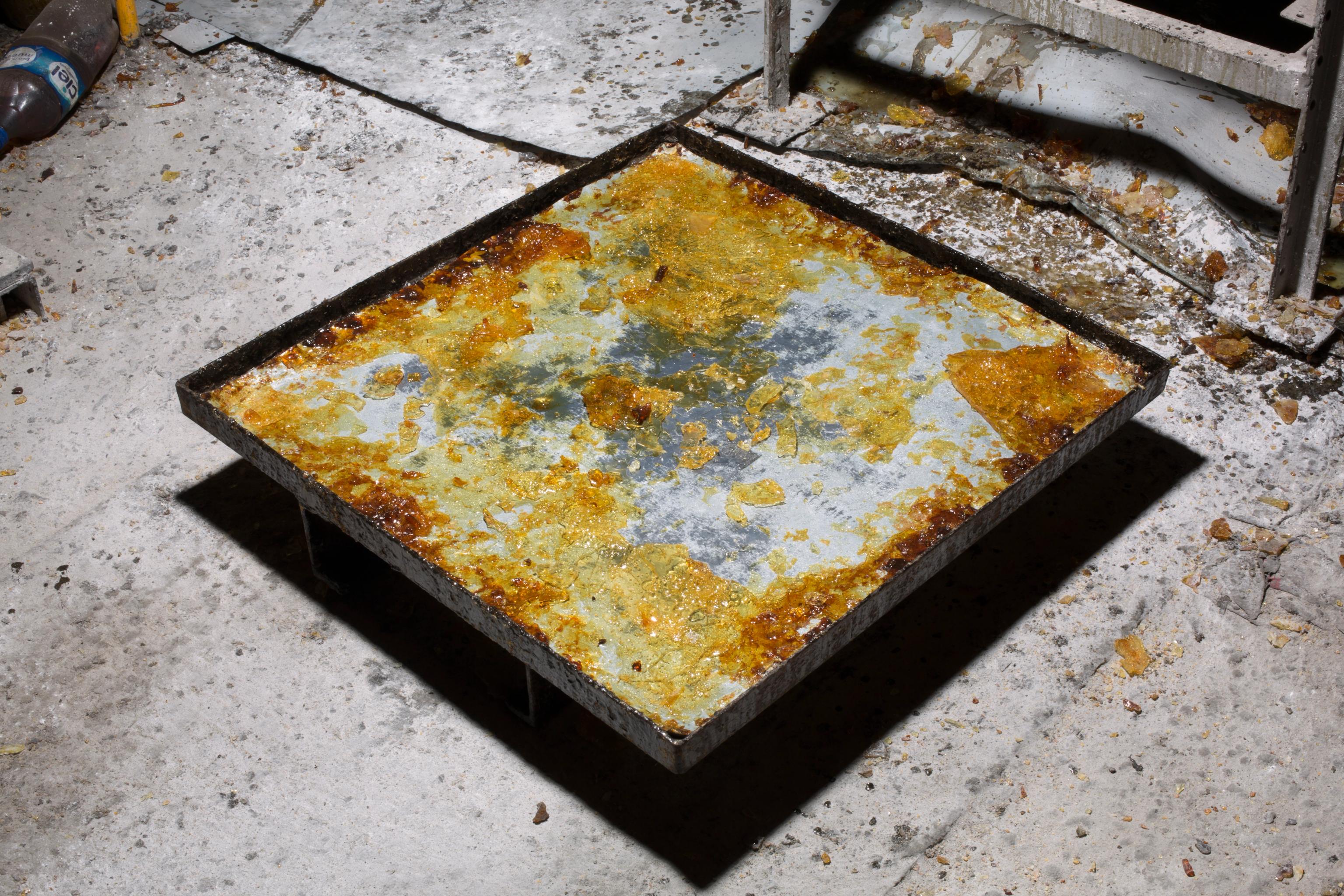
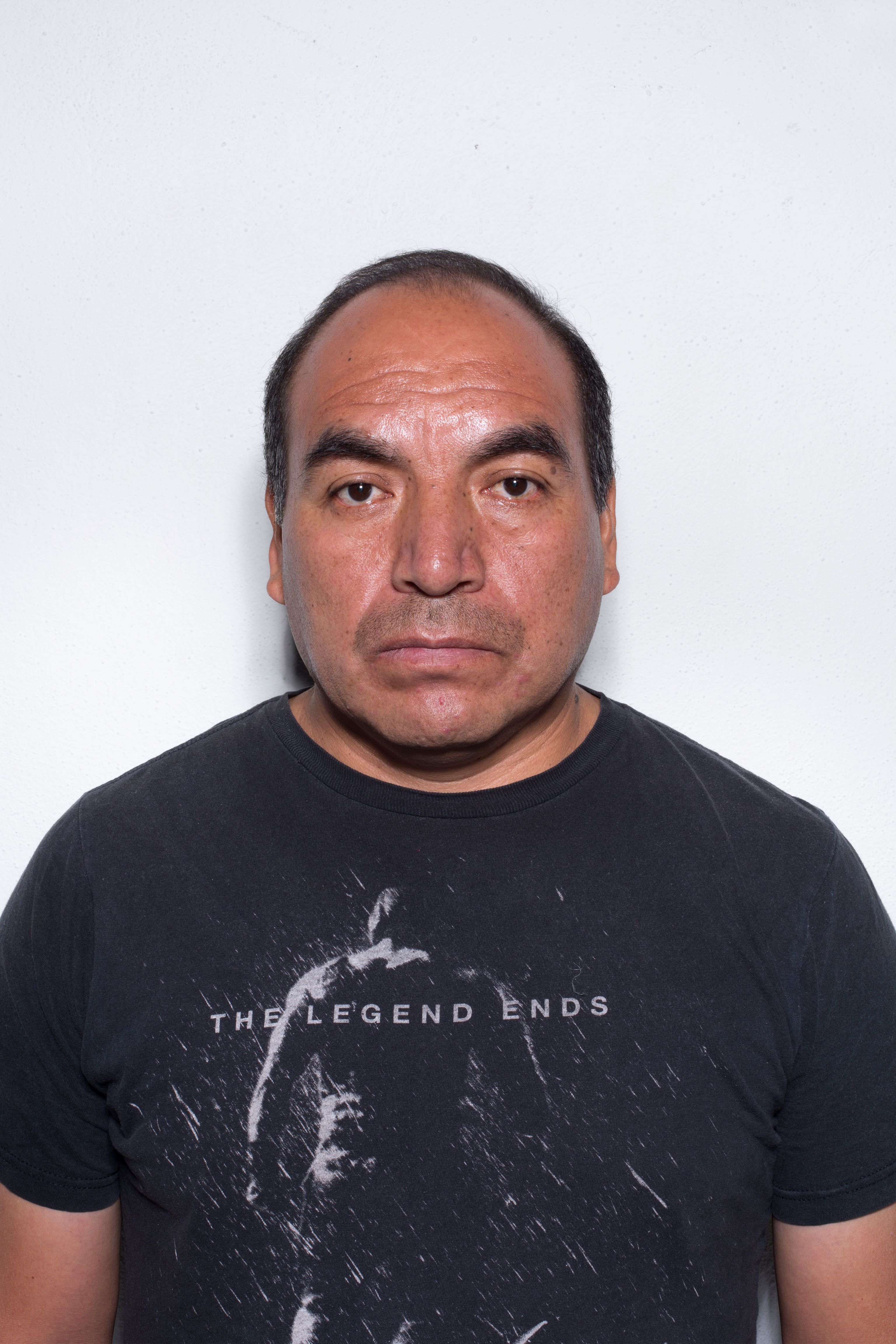
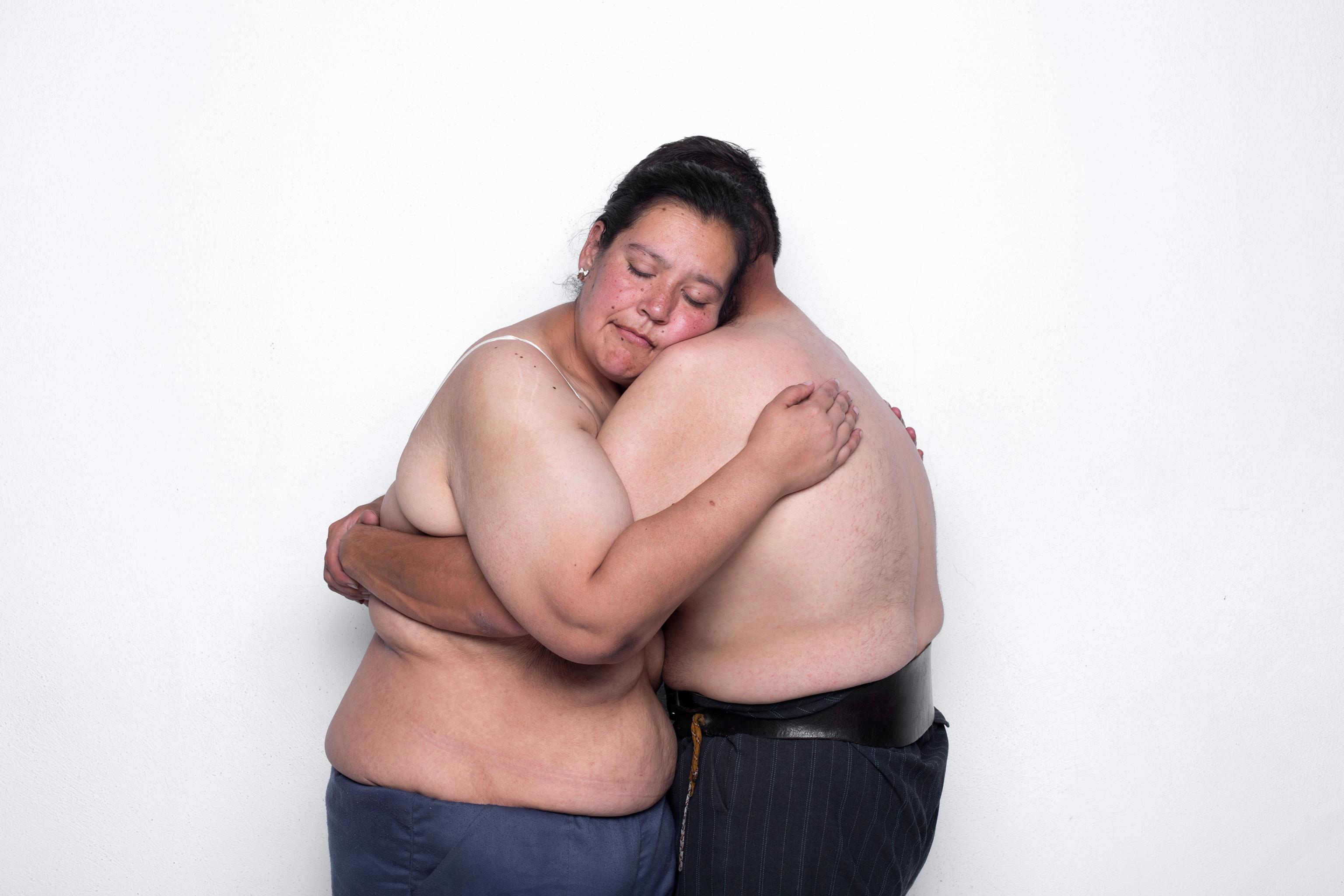
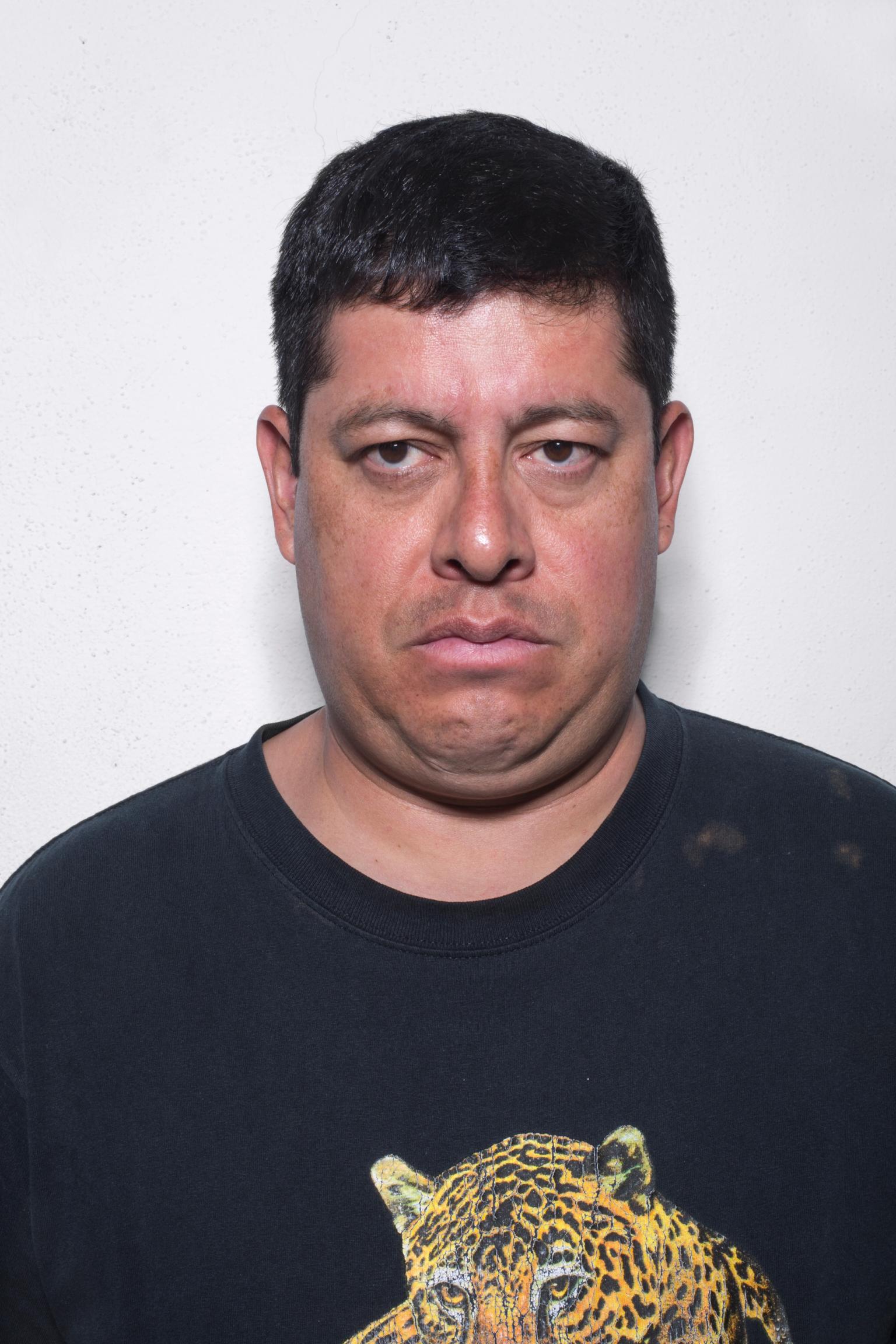
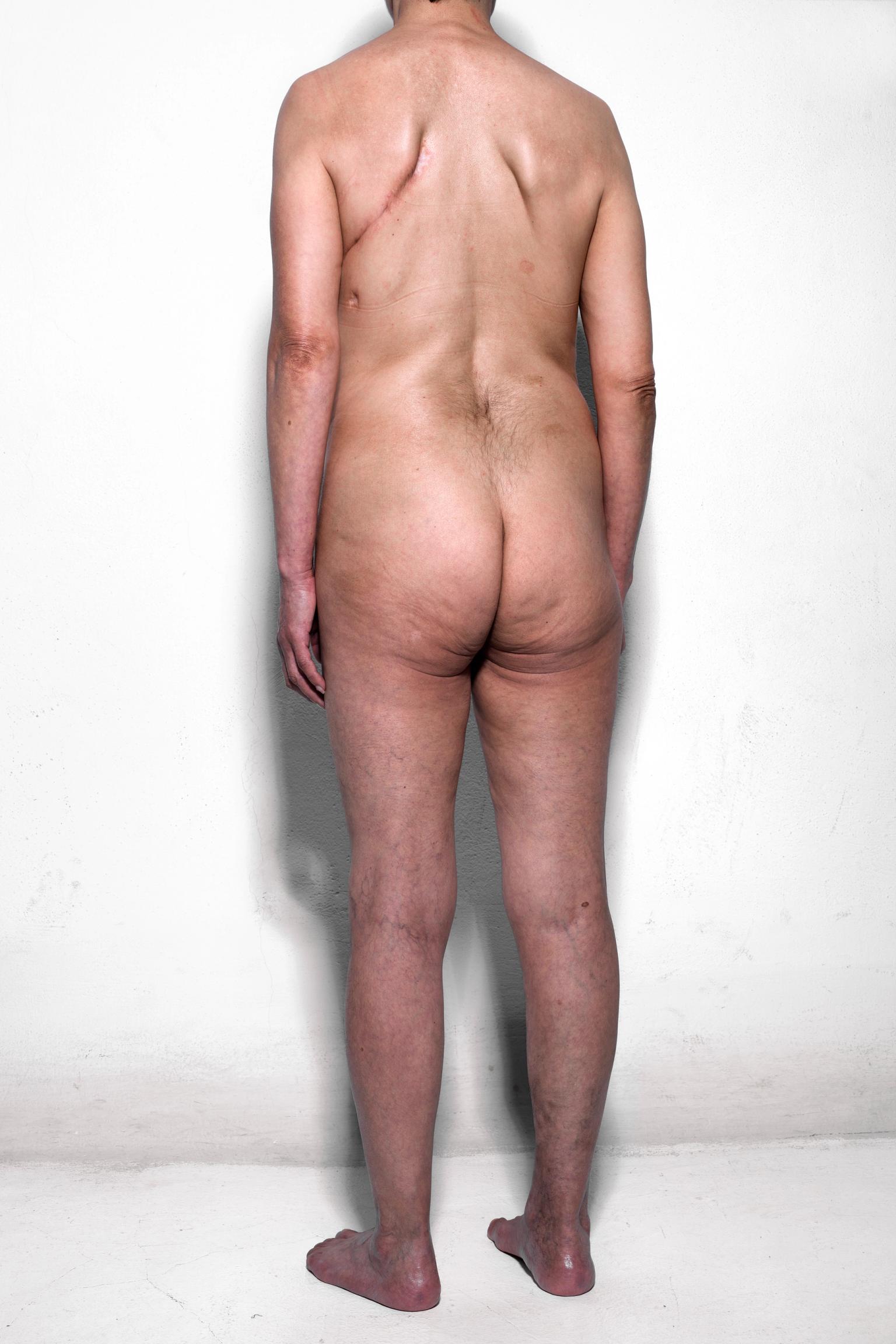
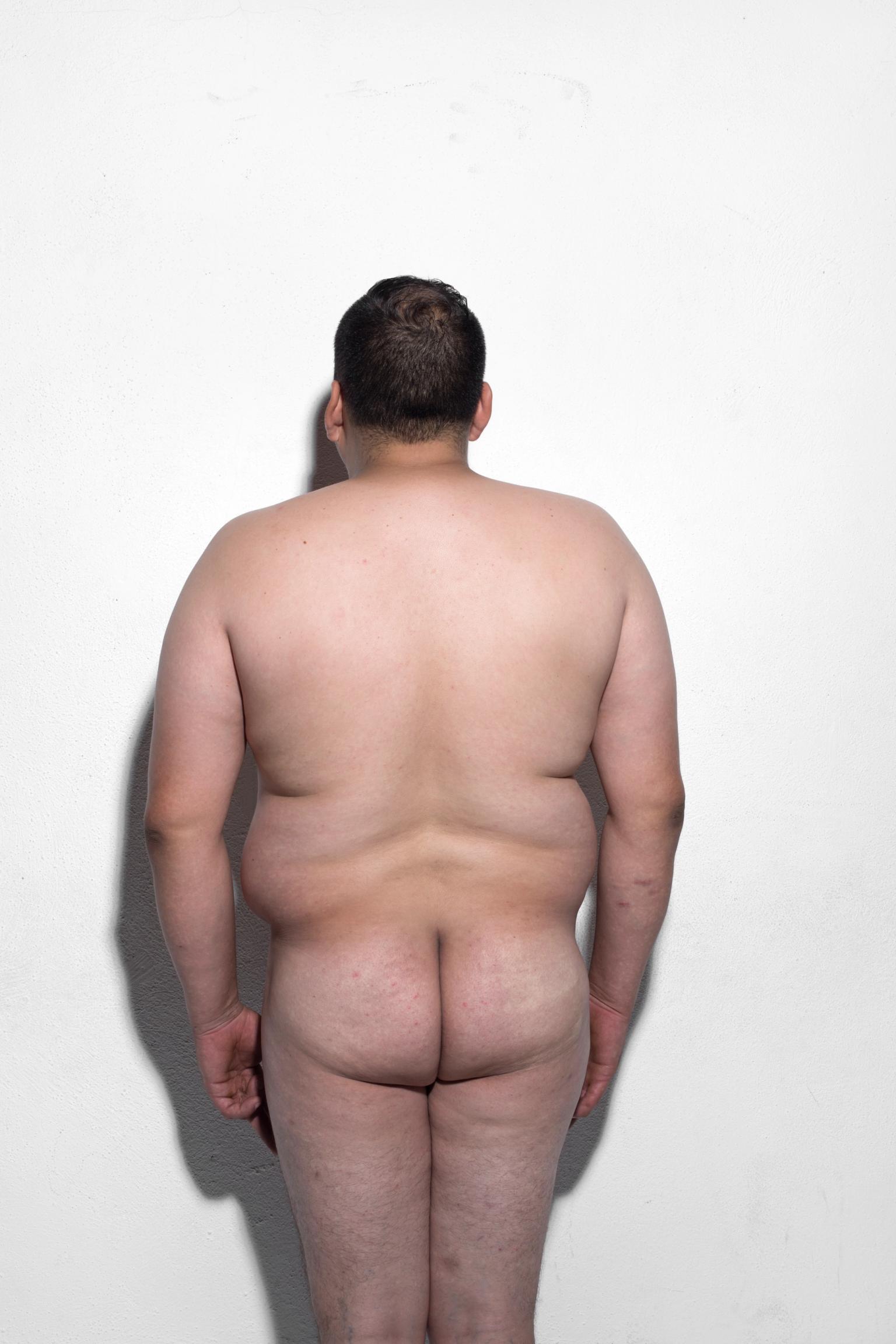
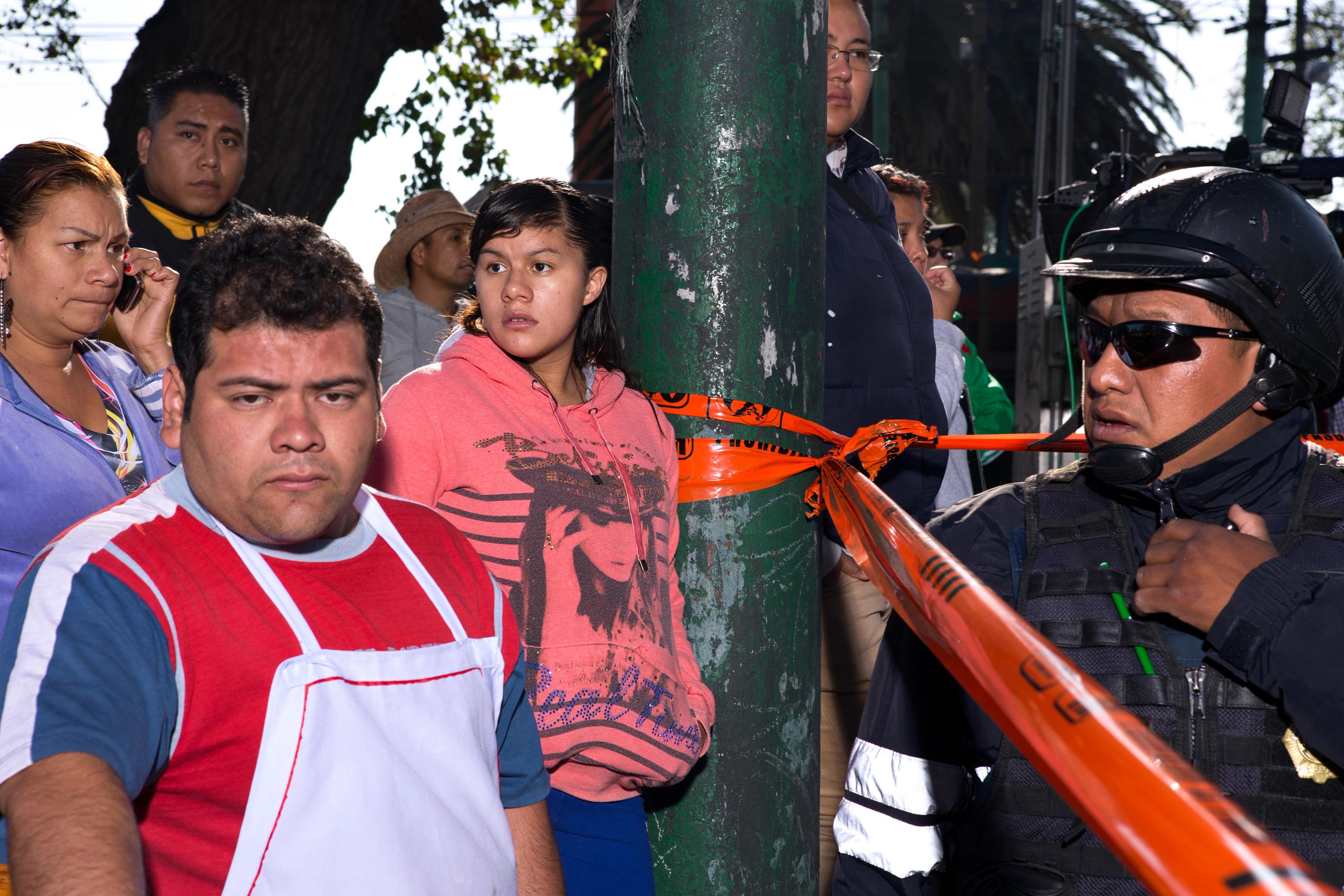
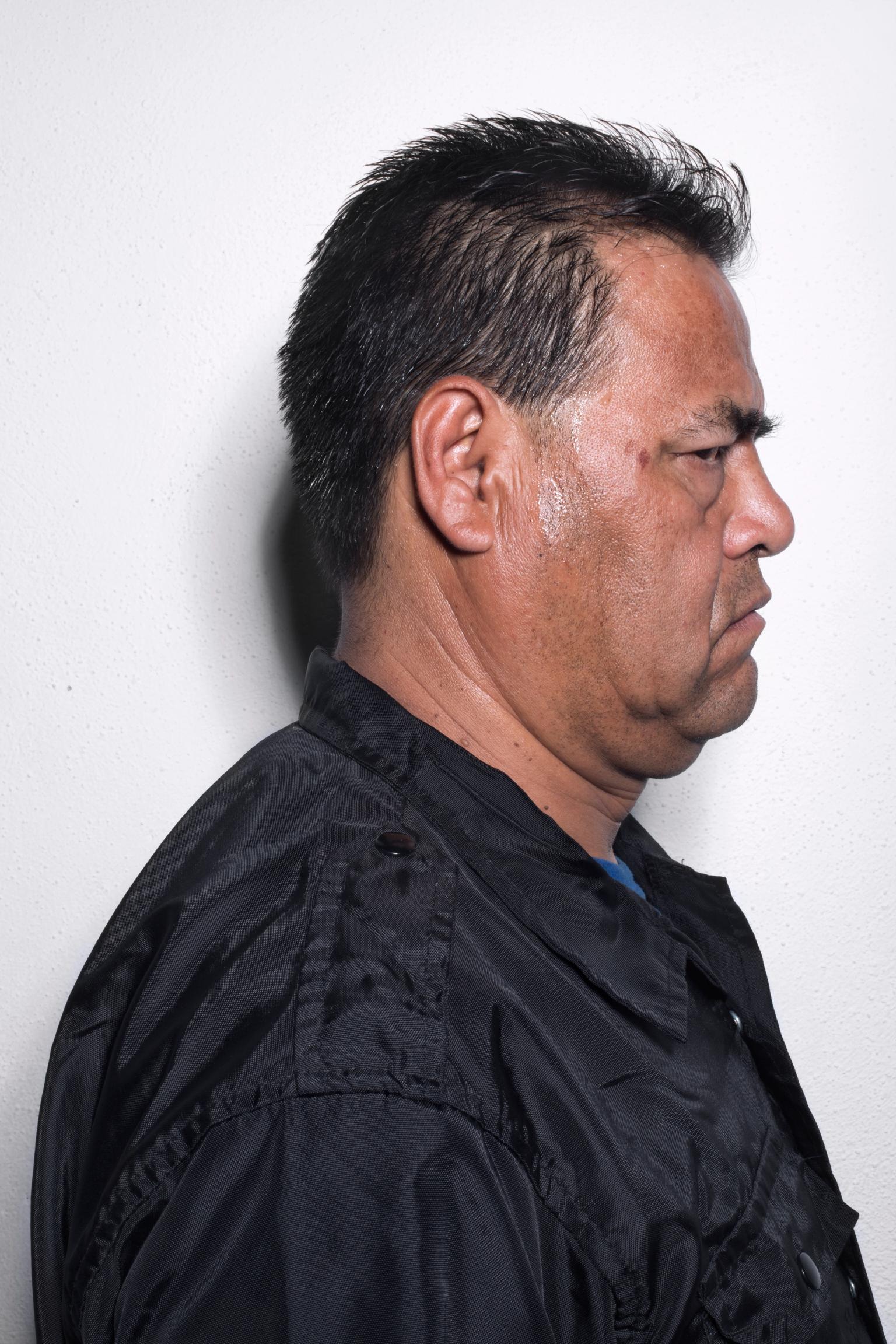
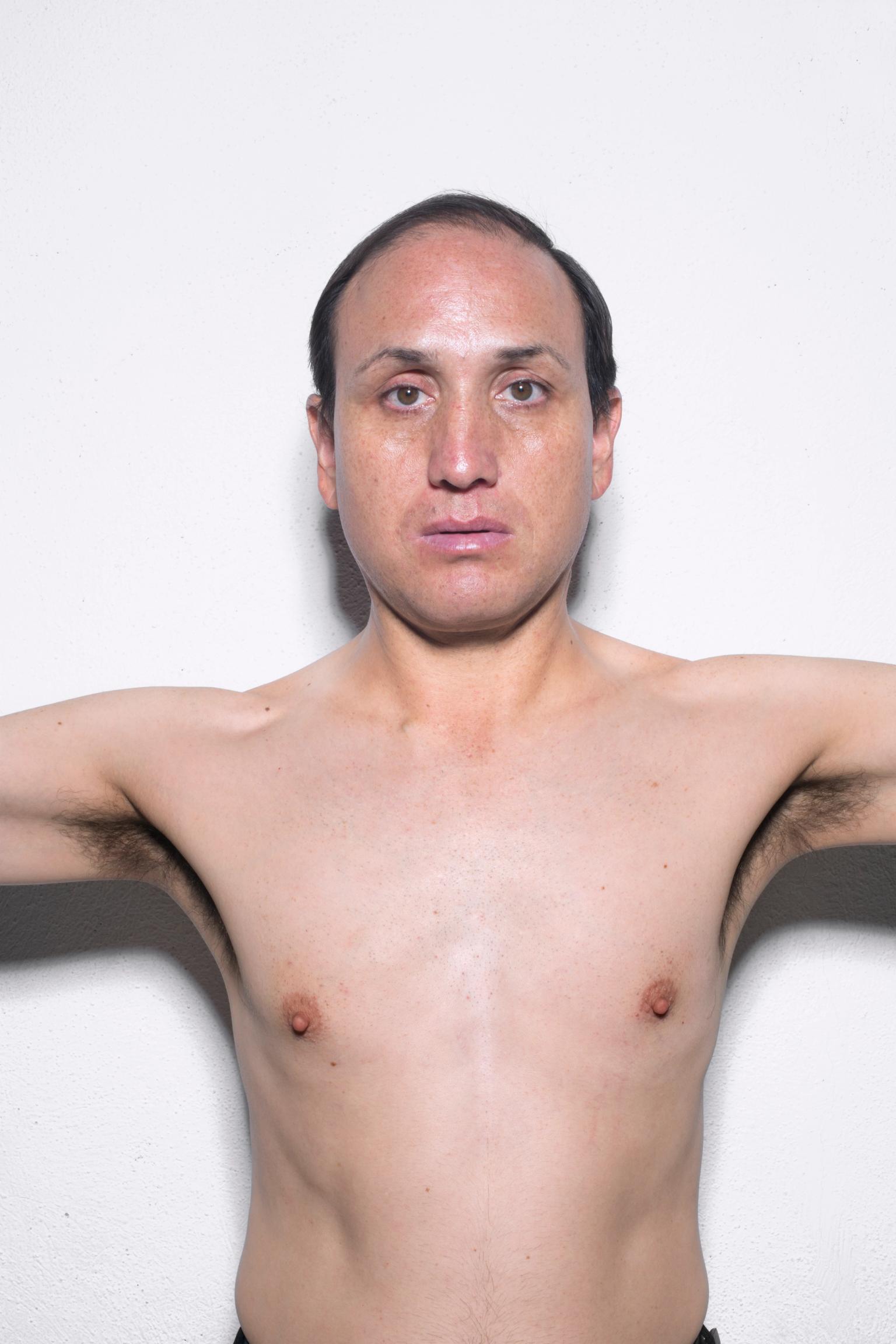
In On the Bodies’ Resistance (Sobre la resistencia de los cuerpos), José Luis Cuevas examines the human body as vulnerable and temporary matter. Made in Mexico City between 2009 and 2017, the series brings together portraits of men and women with images of heavy machinery, industrial waste, accidents, morgues, anatomical fragments, archives and objects associated with violence. Rather than following a straightforward documentary narrative, the photographs work as fragments, placing human figures alongside the environments and objects that surround them.


Where It Began
The series grew out of Cuevas’ own experiences and fears surrounding death and loss. As a child, his mother gave birth to a premature son who lived only a few hours in an incubator, leaving Cuevas with the memory of a tiny, immobile body and the strange sensation of kissing what felt like soft plastic. Later, he developed the habit of repeatedly calling his father because he feared an accident, robbery or murder might have happened to him. When his father eventually died, Cuevas encountered his body in an emergency room, connected to an intubation tube. He also began checking the covers of crime newspapers to make sure that no familiar face appeared among the victims. When a student he knew was murdered by her boyfriend and her photograph appeared in the crime press the following day, he found himself unable to look at the image without feeling physical pain.
These experiences became part of the foundation for the series. Cuevas initially considered titles such as Dust and Ashes and Chest Pain, reflecting the work’s connection to his experience of mortality.

The People in Front of the Camera
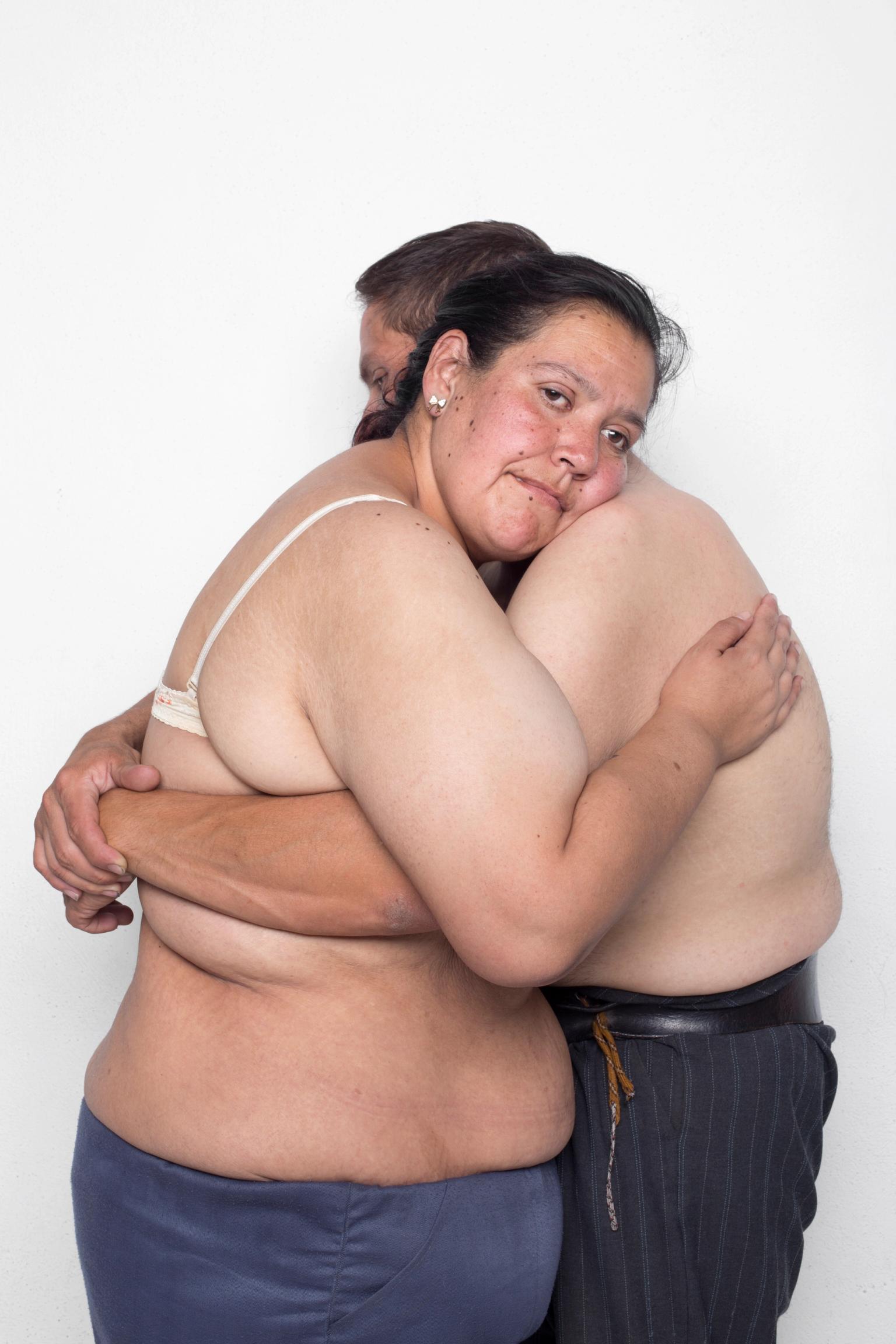
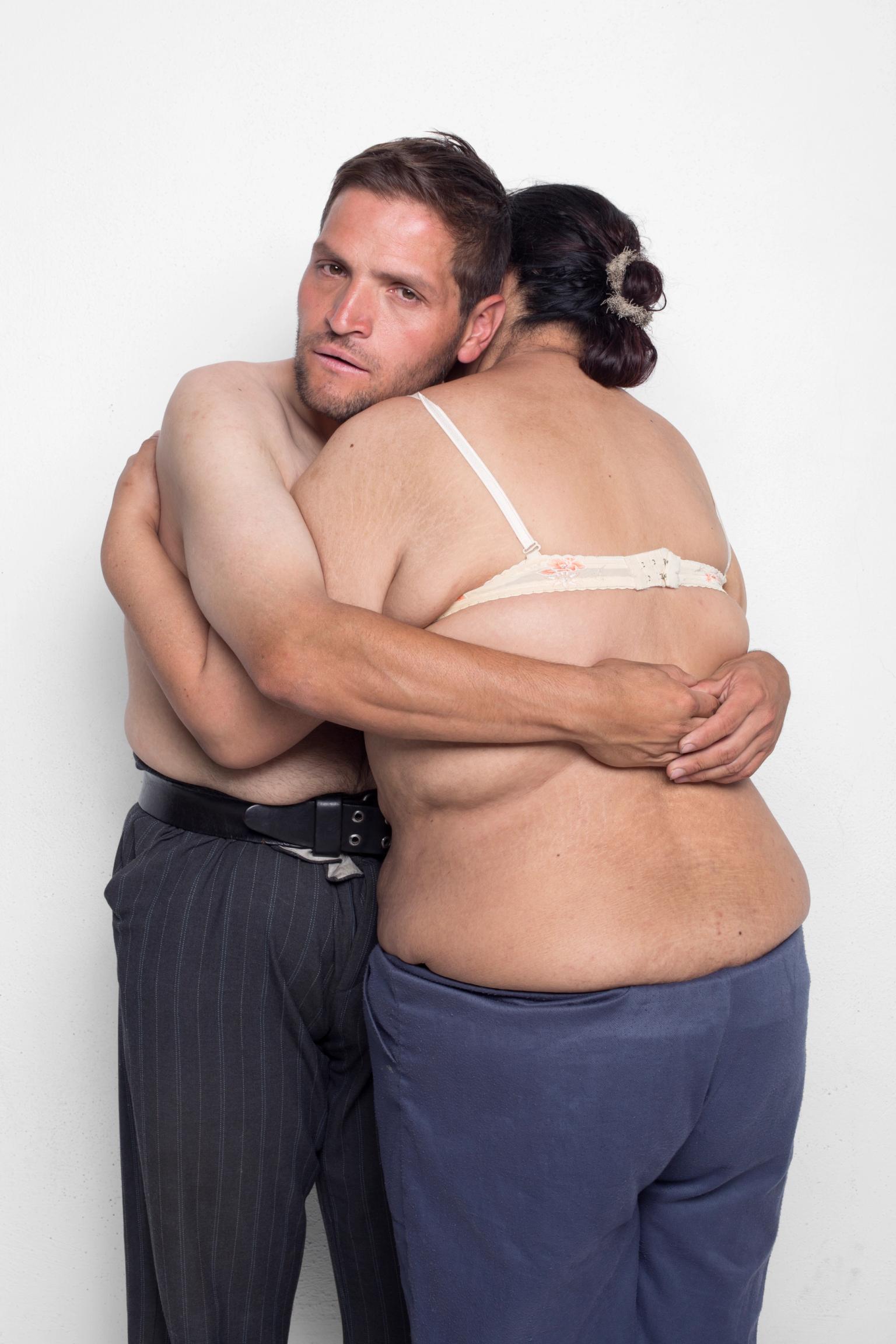
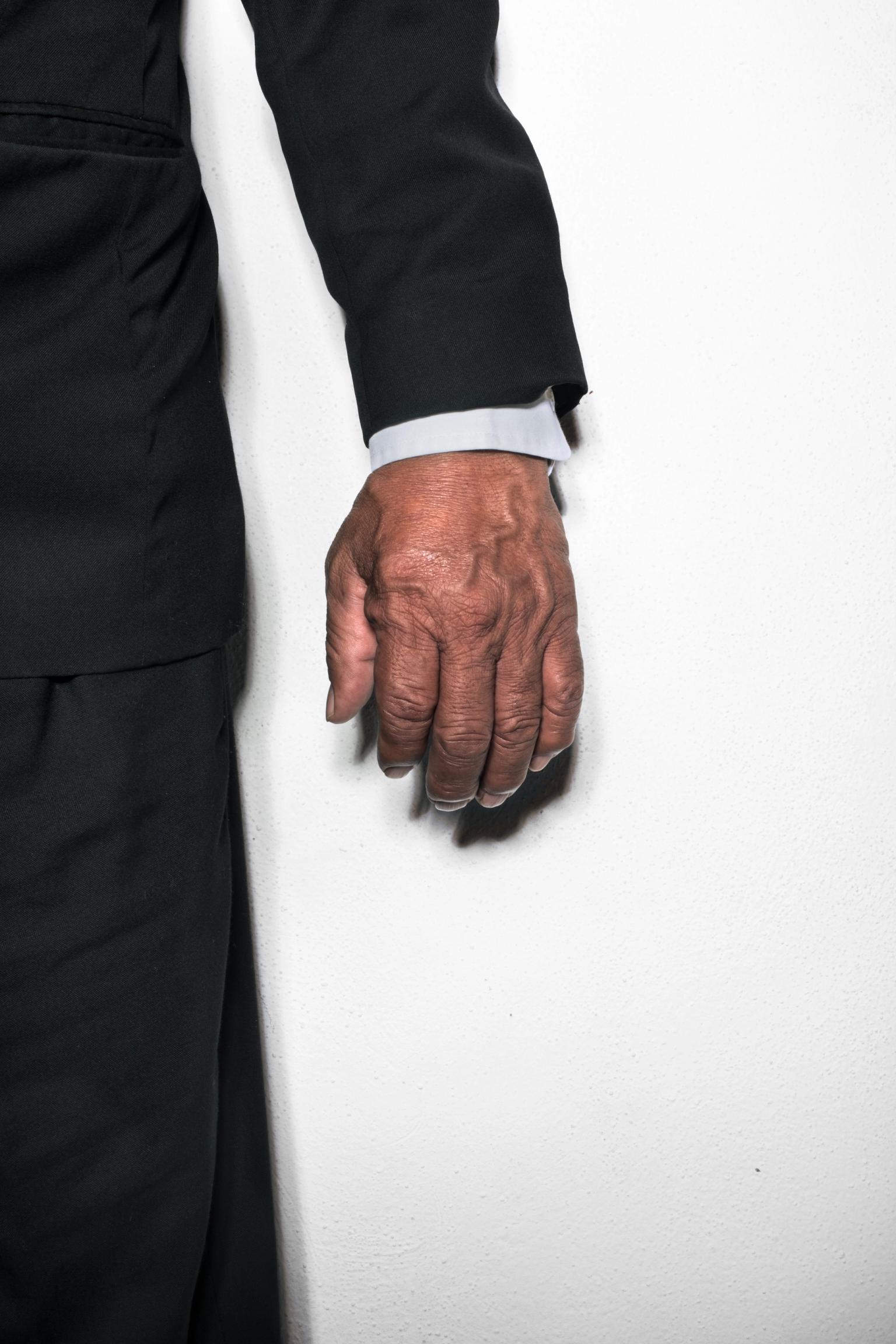
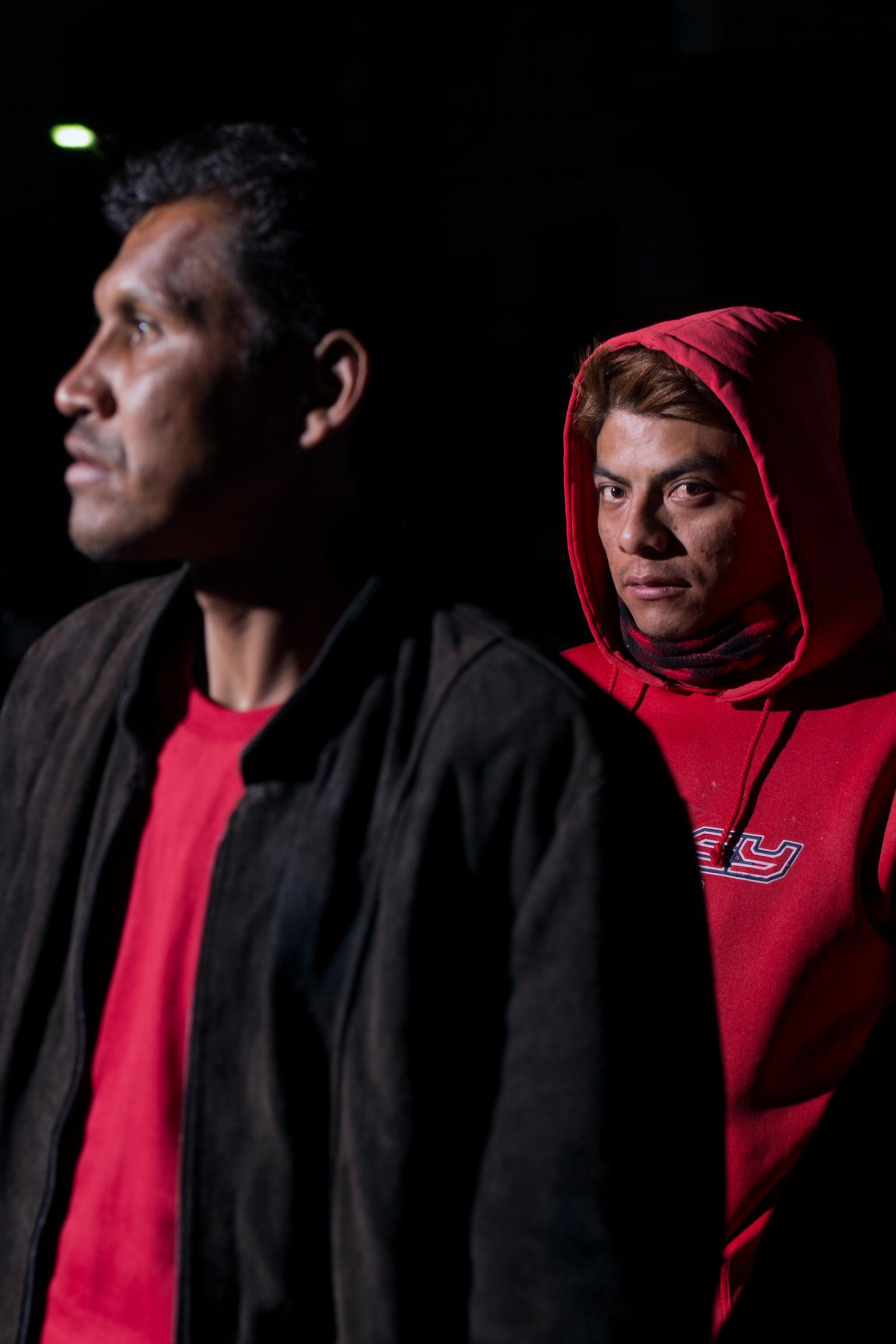
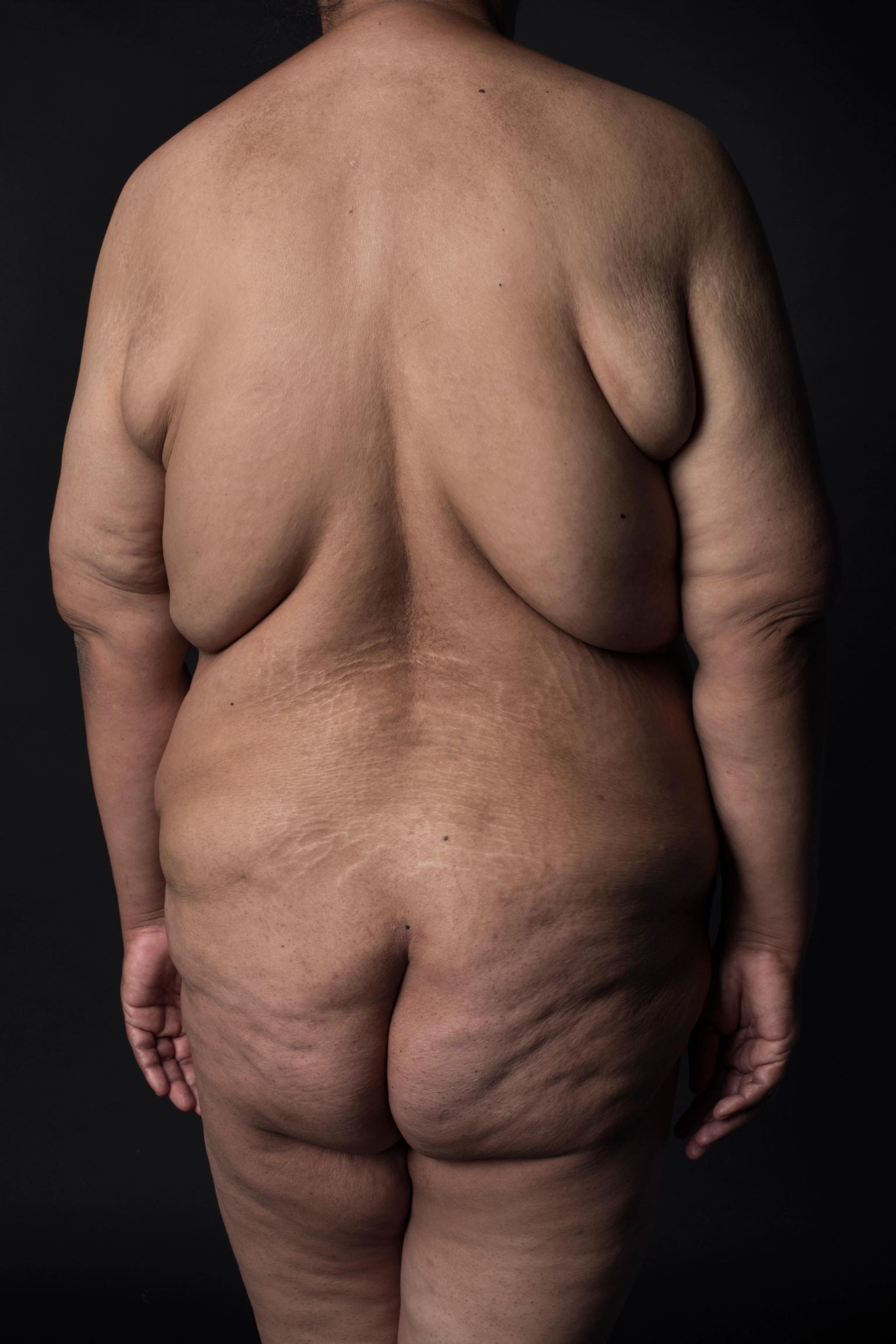
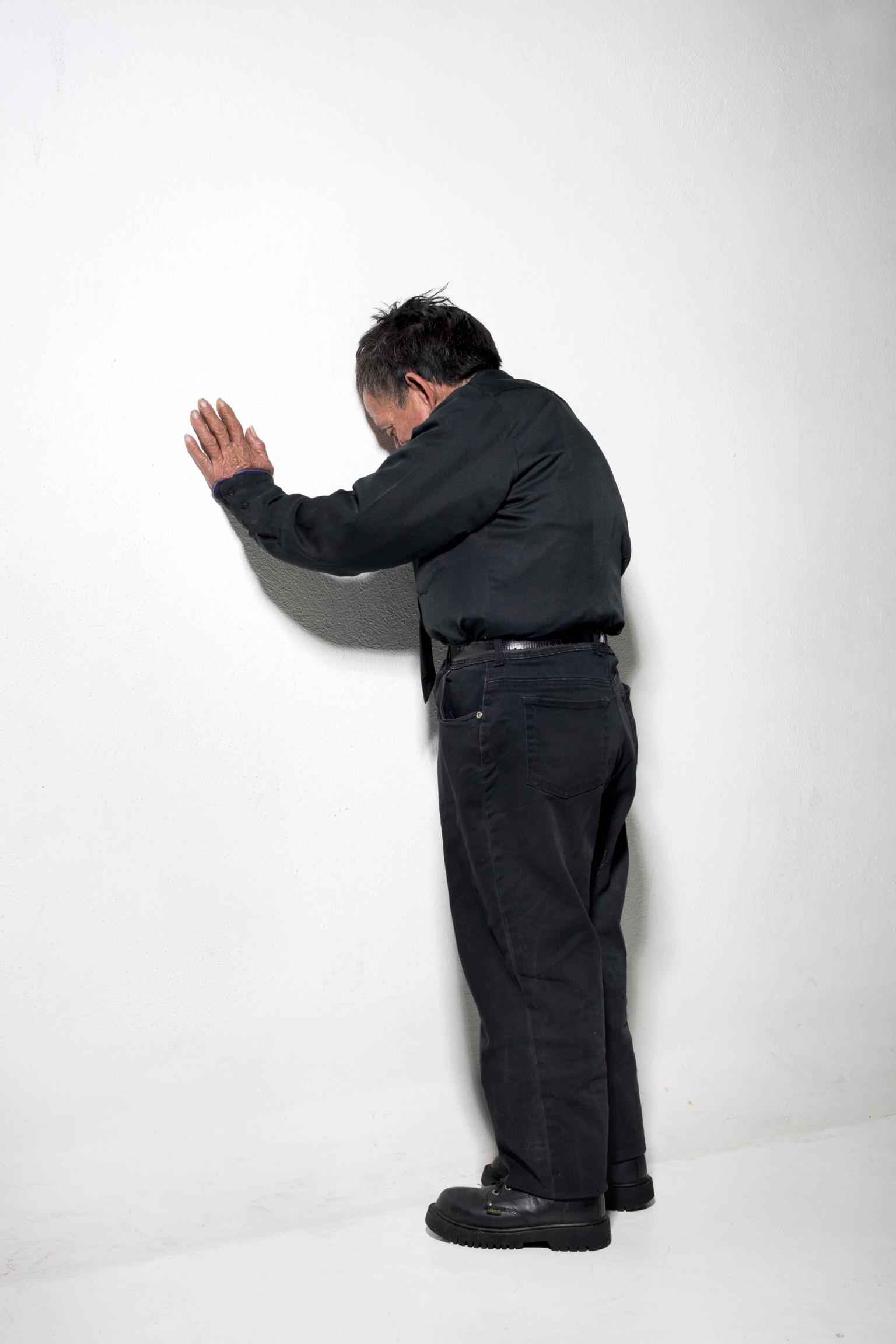
The portraits were made through encounters with people Cuevas found on the streets or recruited through newspaper advertisements. They included workers, unemployed people and people in unstable employment who agreed to be photographed in exchange for financial compensation. In the studio, participants were photographed naked, partially dressed or dressed in black.
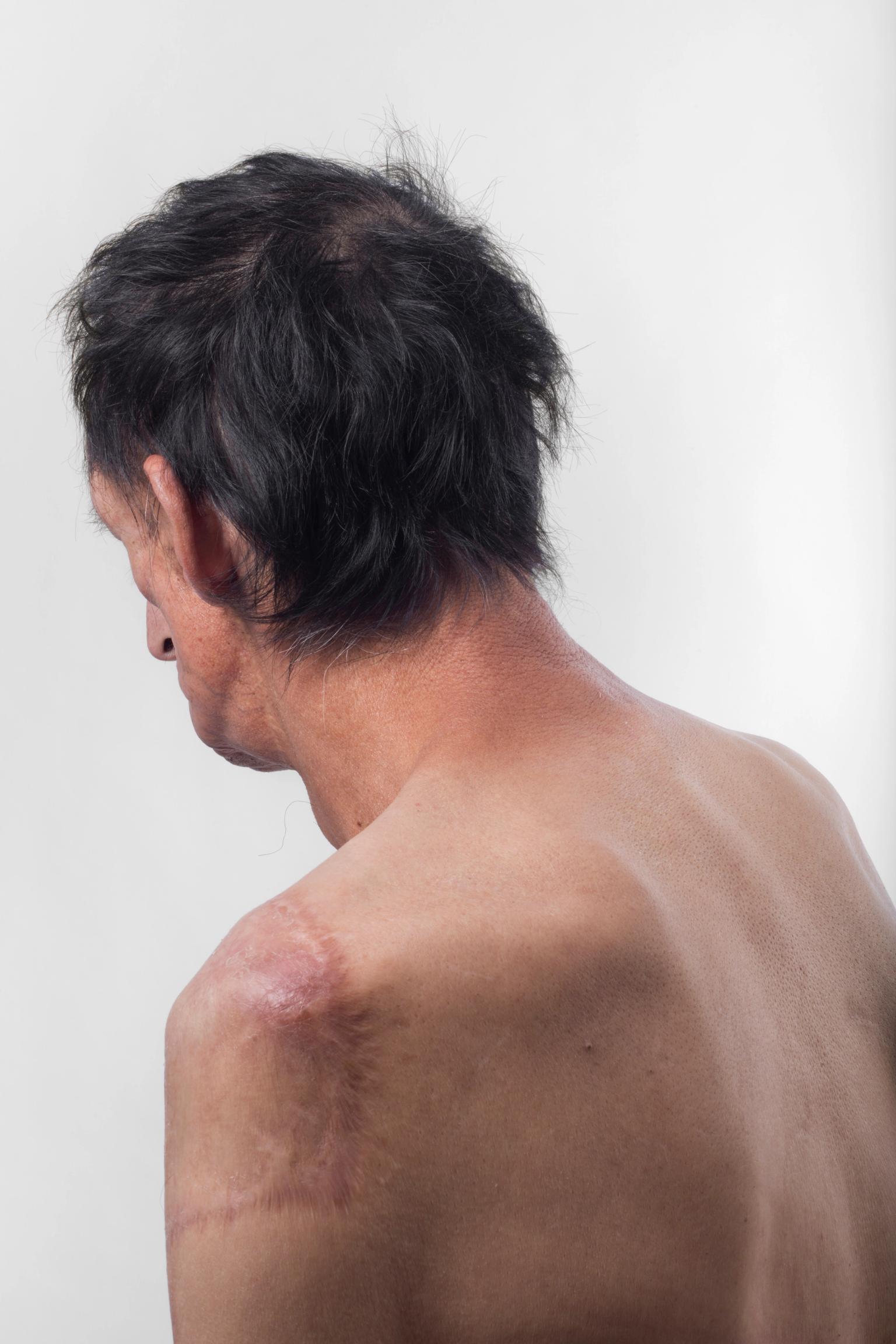

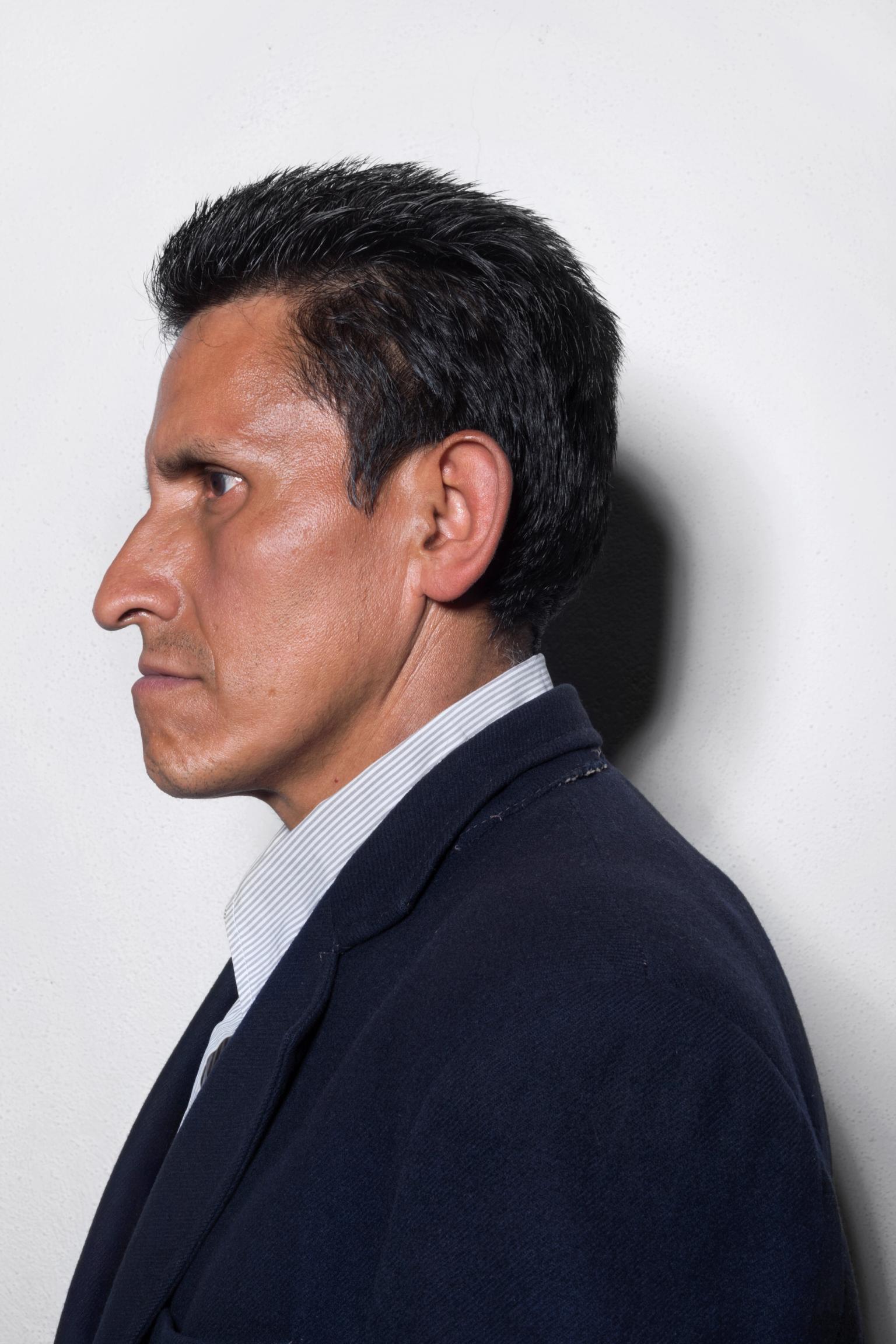

A single session could produce between 150 and 300 photographs, beginning with a frontal view before gradually moving to one profile and then the other. The process gives the portraits a systematic quality, as though each body is being observed and recorded. The financial exchange is also central to the work: Cuevas describes paying someone to expose their body to the camera as a capitalist gesture that can evoke a form of authoritarian submission.










Machines, Accidents and Resistance
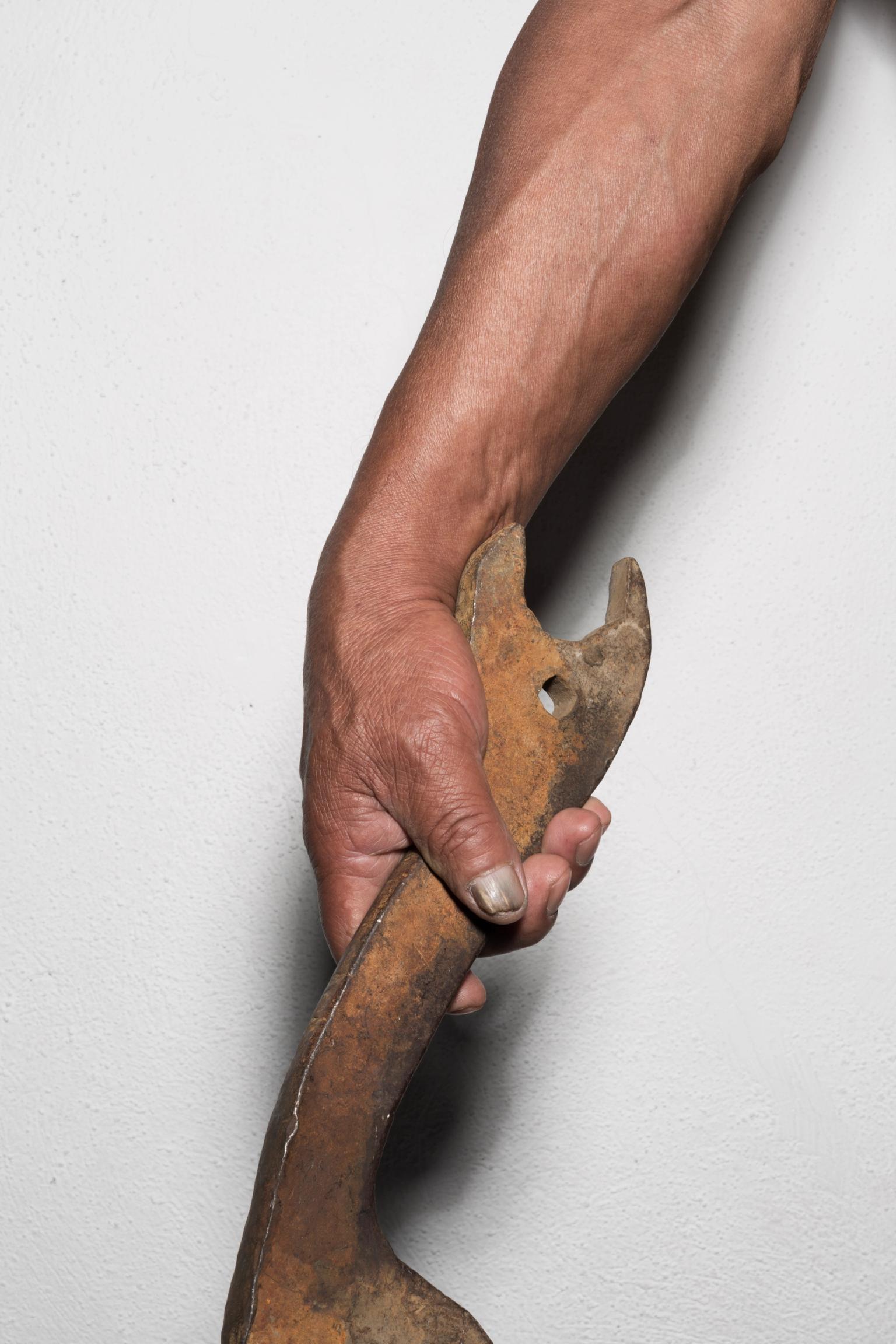
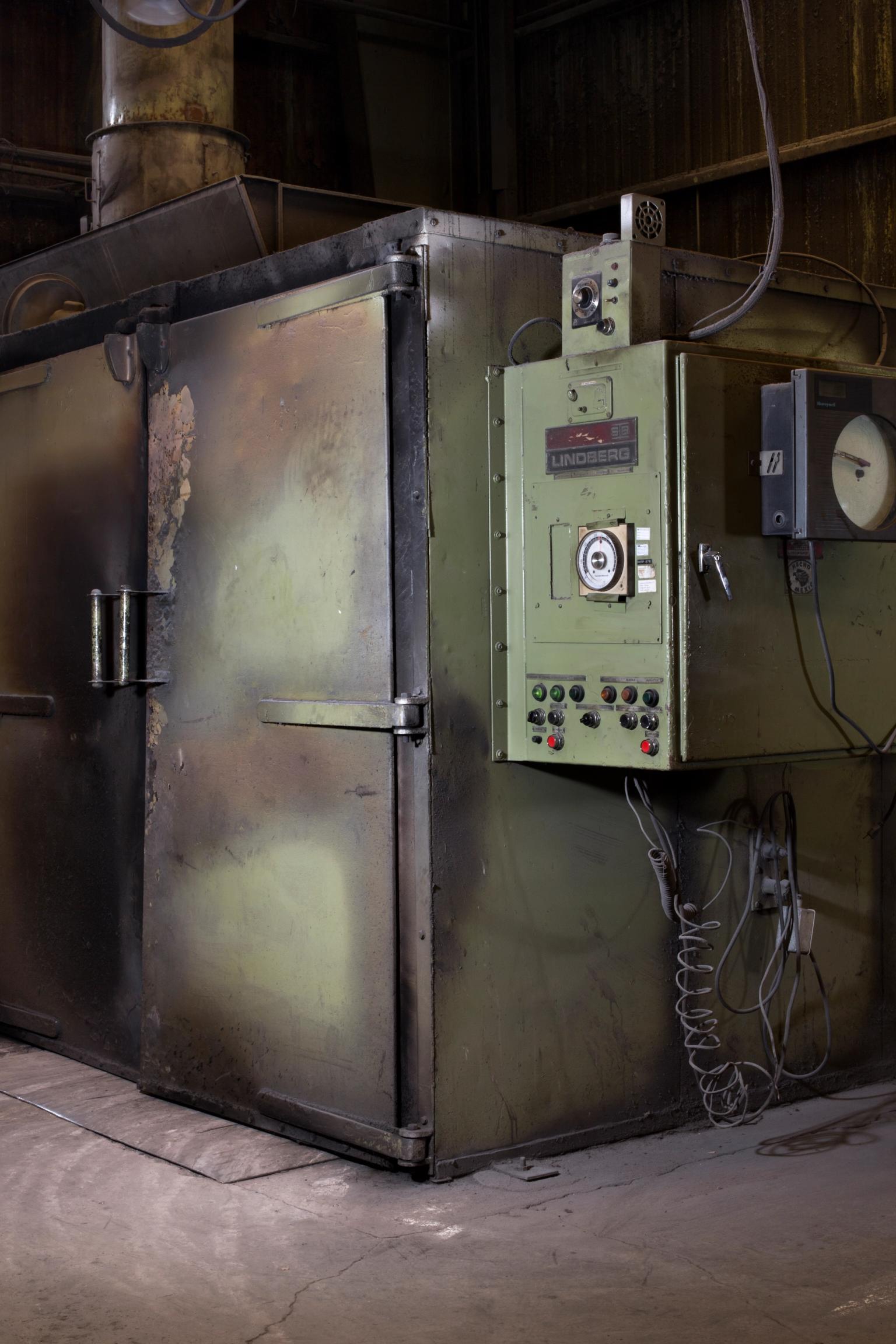
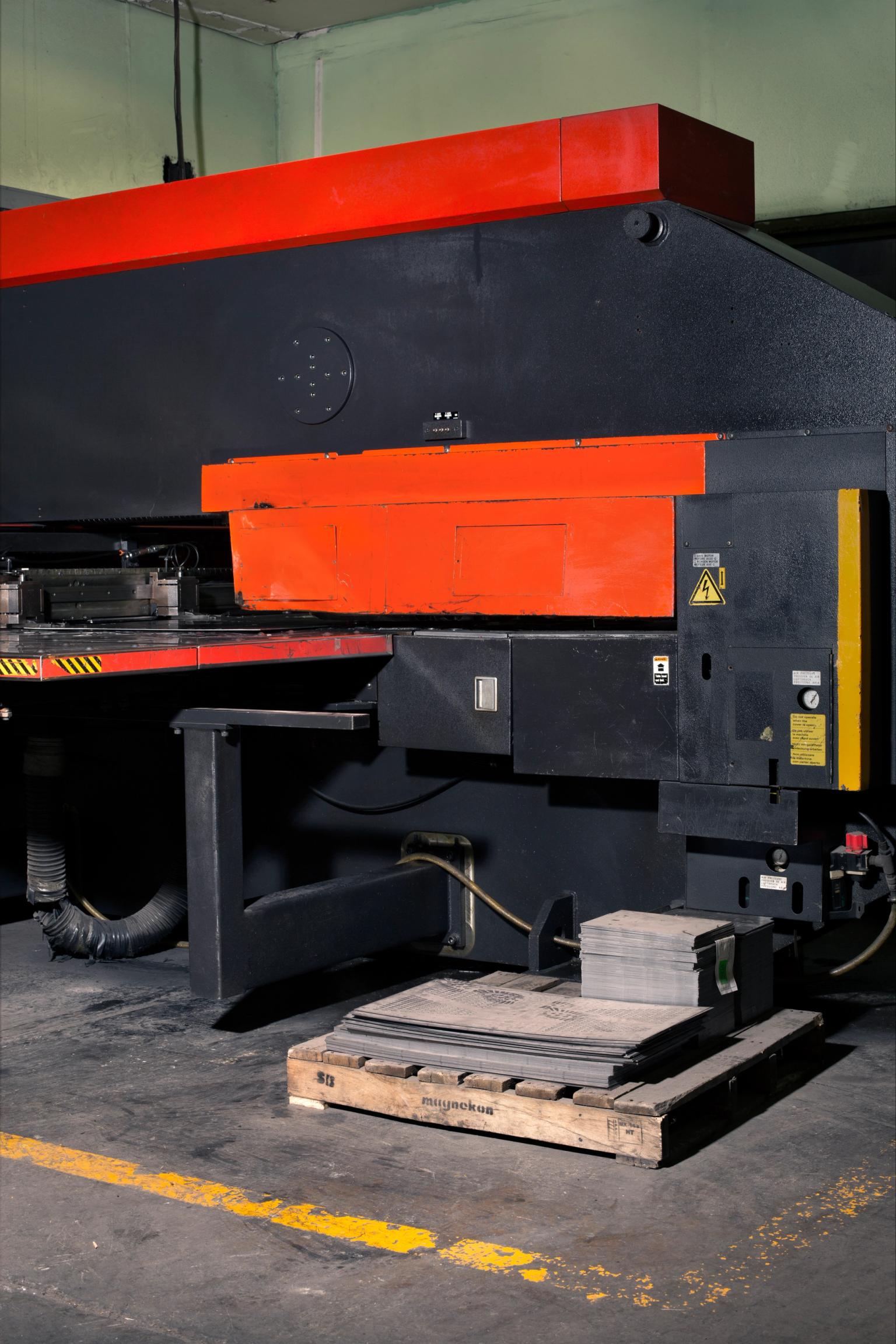
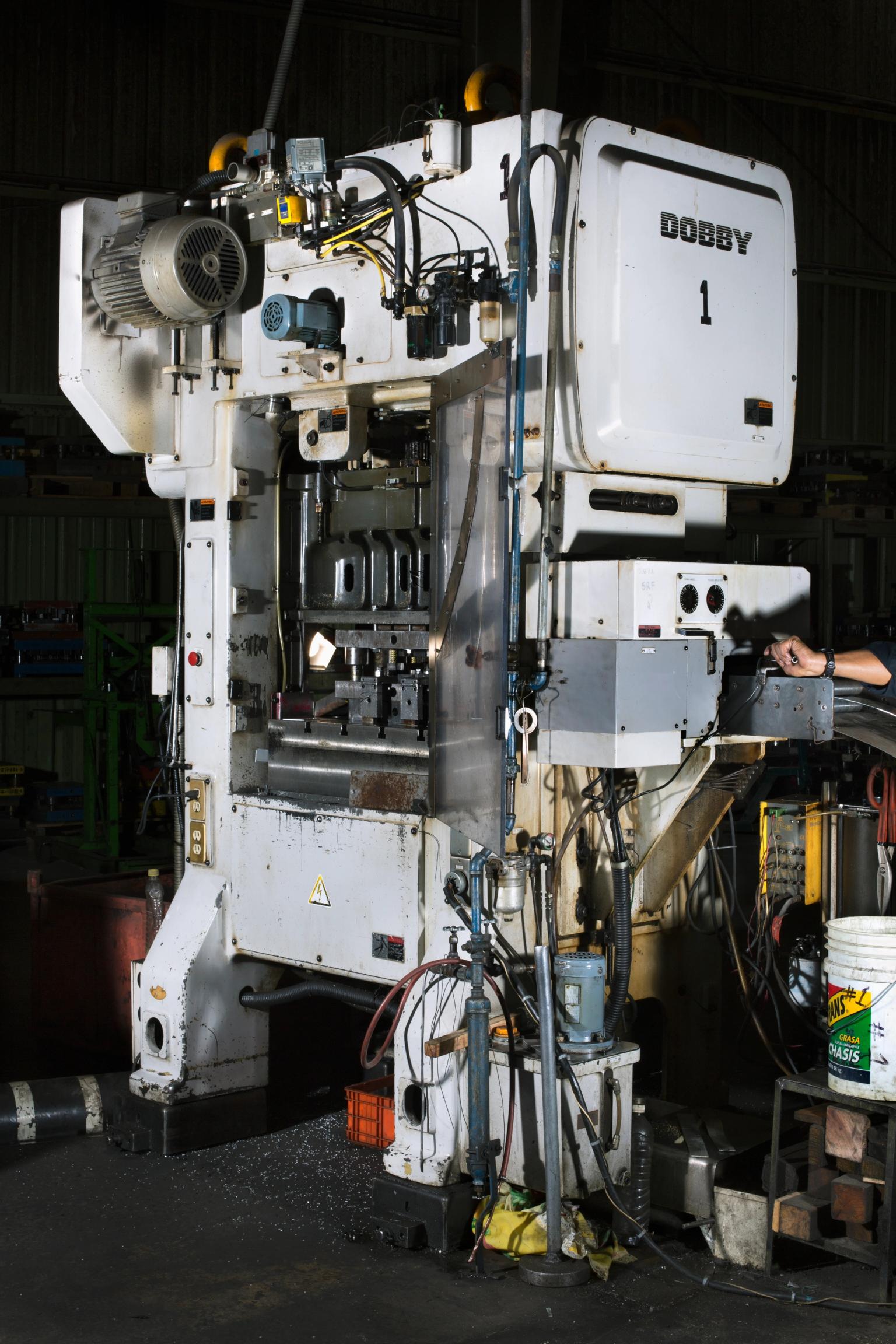
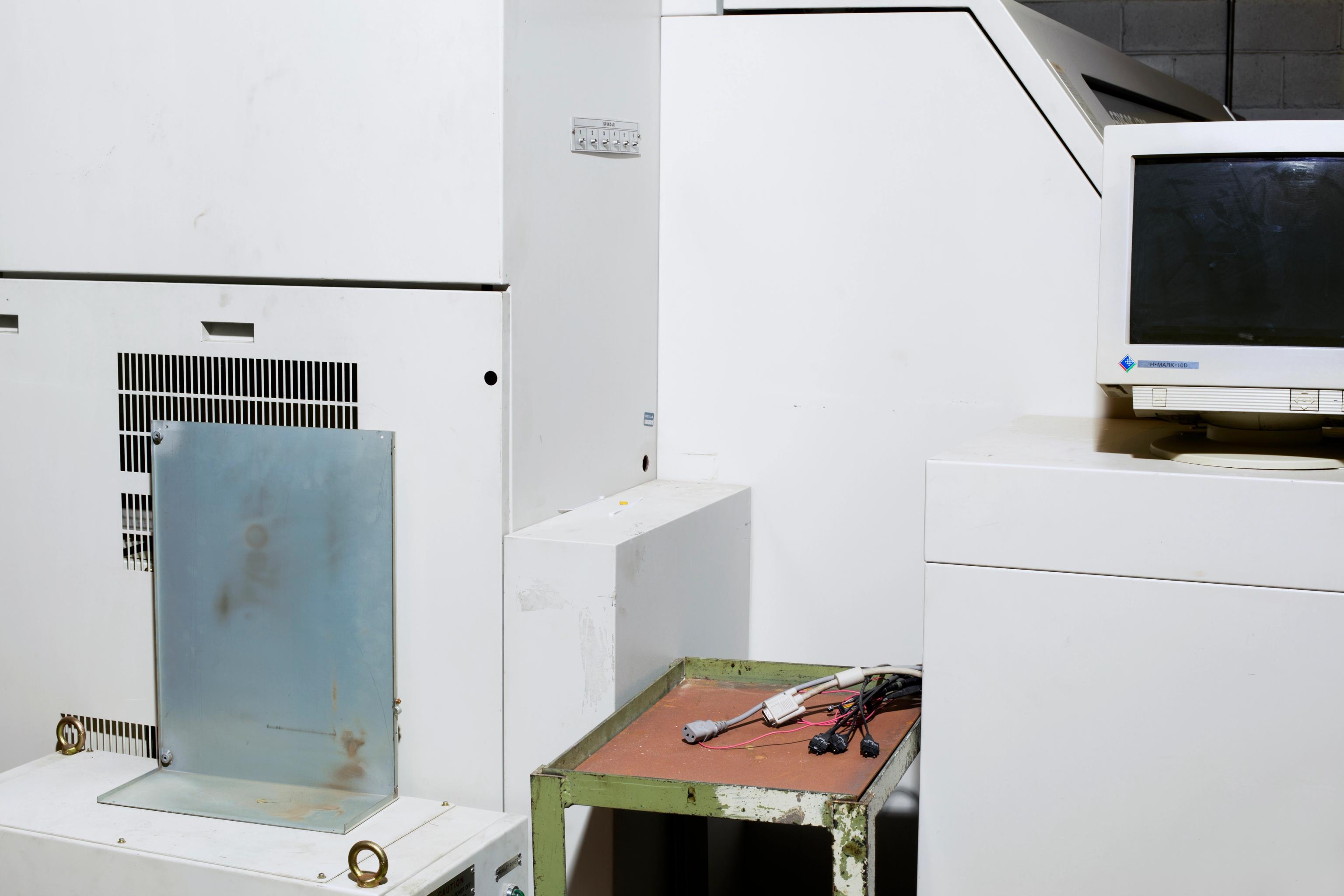
Cuevas also visited factories to observe machines and photograph workers, while documenting industrial materials, waste, accidents, car crashes, morgues and anatomical parts. These images broaden the work from individual encounters to the structures surrounding them. Cuevas considers how political, economic and social systems analyse, rank and control people, eventually replacing them when their capacity to resist diminishes. Rather than illustrating this idea literally, he creates associations between bodies, machines, labour, violence and discarded materials, leaving the connections for the viewer to form.

Between Document and Fiction
The series is documentary at its base, but Cuevas’ process moves freely between observation, research, studio production and staged situations. Personal experiences and everyday observations become starting points for further research, while references from other artistic disciplines also enter the work. This combination allows On the Bodies’ Resistance to move between intimate experience and broader social questions without settling into a single narrative.


Published as a photobook in 2018 by Chaco and Cabeza de Chorlito, the book brings together 78 photographs across 128 pages. Born in Mexico City in 1973, Cuevas has developed a practice spanning documentary photography, staged image-making and long-term research. He is also the founder of Gimnasio de Arte y Cultura and CAMPO, educational platforms dedicated to photography and visual arts in Mexico and Latin America.