Miguel Gomes
Our Beloved Month of August
- DirectorMiguel Gomes
Luis Rojo How beautiful August is – the Sunday of life. A film that smells like summer, a film that is all of us who were lucky enough to grow up in southern Europe. How beautiful it is to live. And to love.

Aquele Querido Mês de Agosto
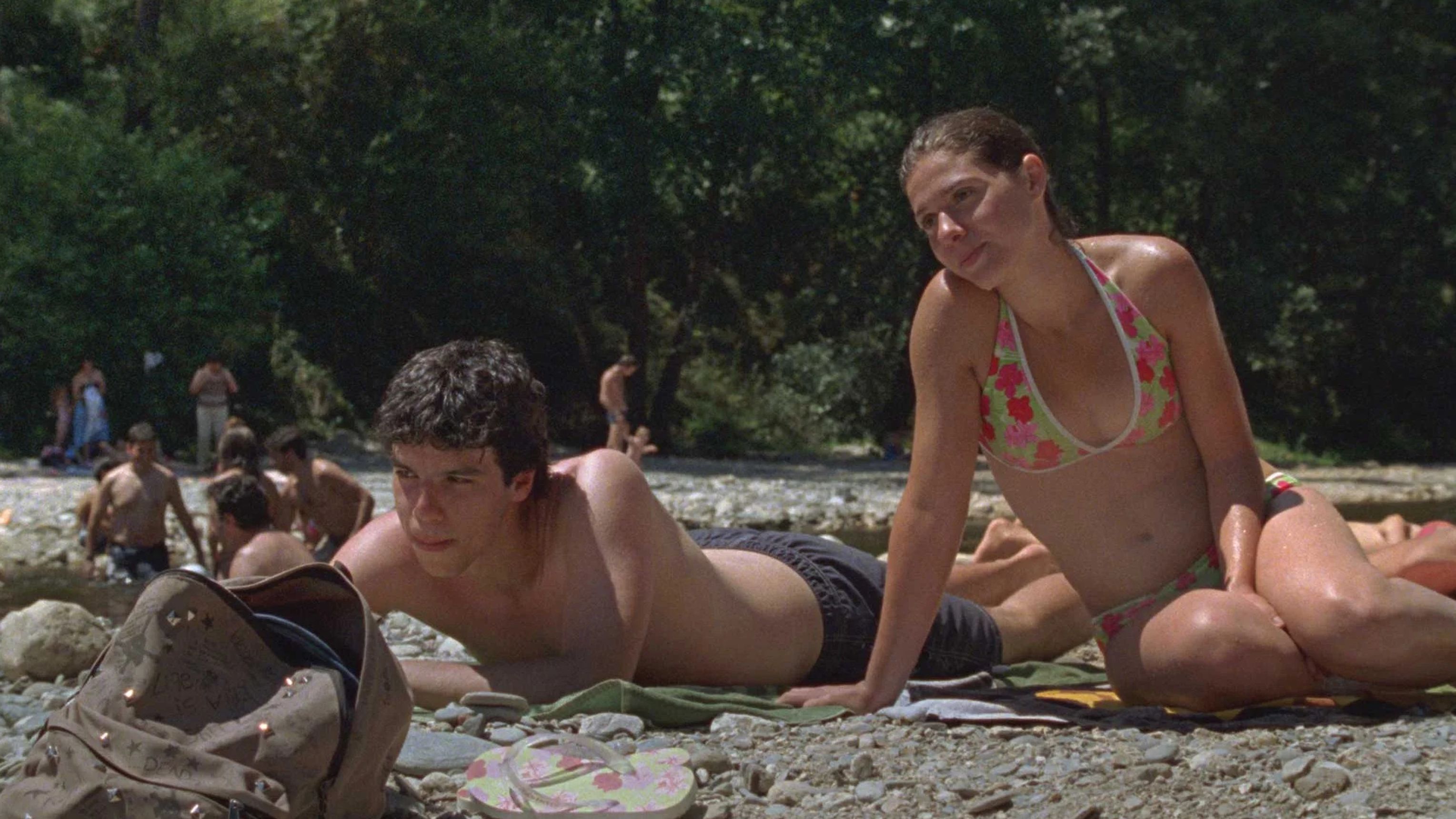
Released in 2008, Our Beloved Month of August (Aquele Querido Mês de Agosto) marks a decisive moment in the career of Portuguese director Miguel Gomes. Shot across the summers of 2006 and 2007 in the inland villages of Arganil, Oliveira do Hospital, Góis and Tábua, the film unfolds far from Portugal’s beaches, immersing us instead in the mountainous Beira Serra region during the feverish rituals of August festivities.
Conceived initially as a fiction project financed by the ICA (Instituto do Cinema e do Audiovisual), production constraints forced Gomes and his crew to abandon their original screenplay and begin filming the surrounding reality. What emerged is a hybrid work – part documentary, part fiction, part self-reflexive chronicle of its own making – where a rural love story between a village girl and a young musician in a dance band gradually materializes from the textures of lived experience.

Premiering at the 2008 Cannes Film Festival in the Directors’ Fortnight, the film was hailed as one of the section’s boldest entries and went on to win Best International Feature and the Critics’ Prize at the Valdivia International Film Festival. It later became Portugal’s official submission to the Academy Awards and secured a Golden Globe in its home country. Today it stands as one of Gomes’s most celebrated works, prefiguring the international acclaim he would receive with Tabu (2012).
Cinematography
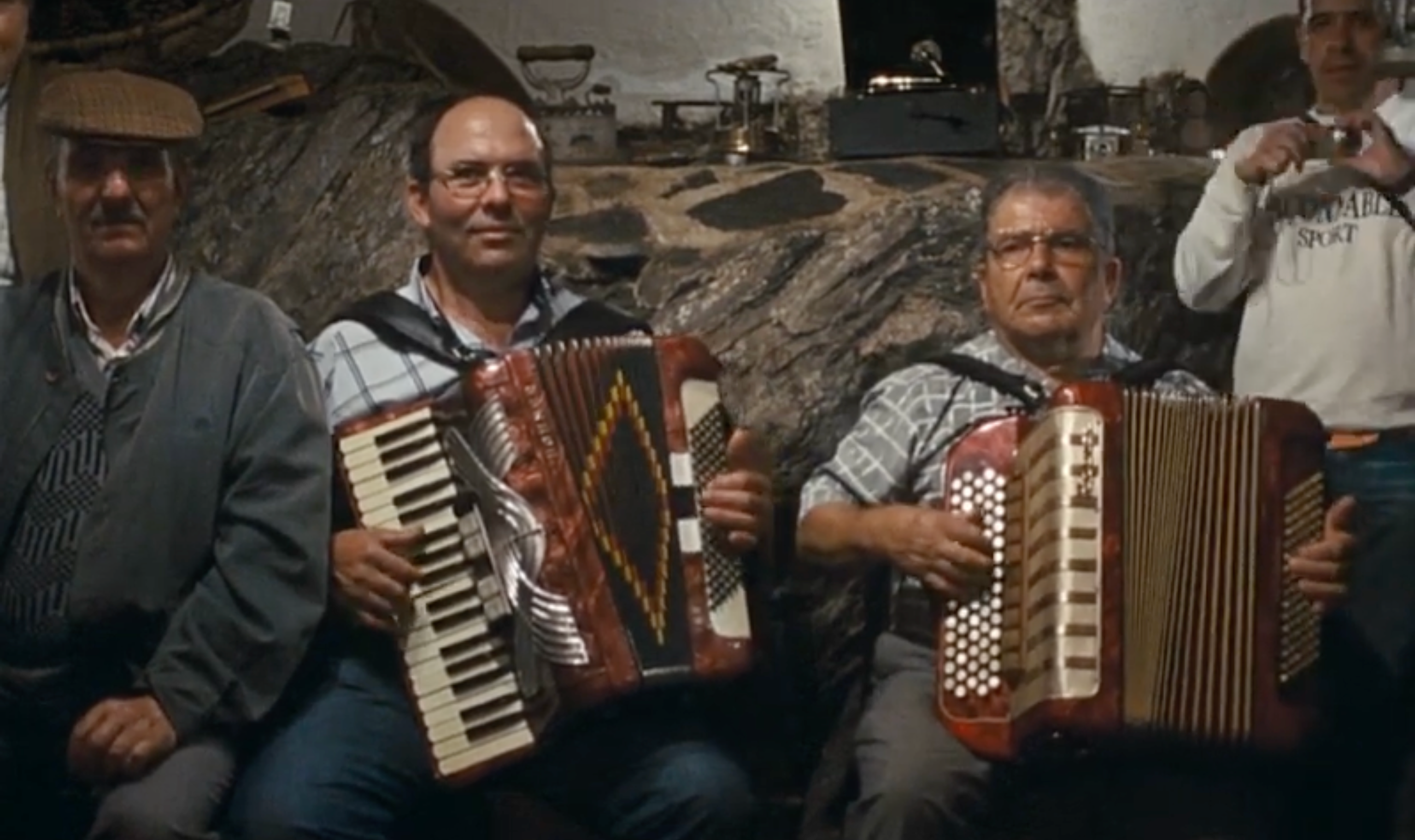
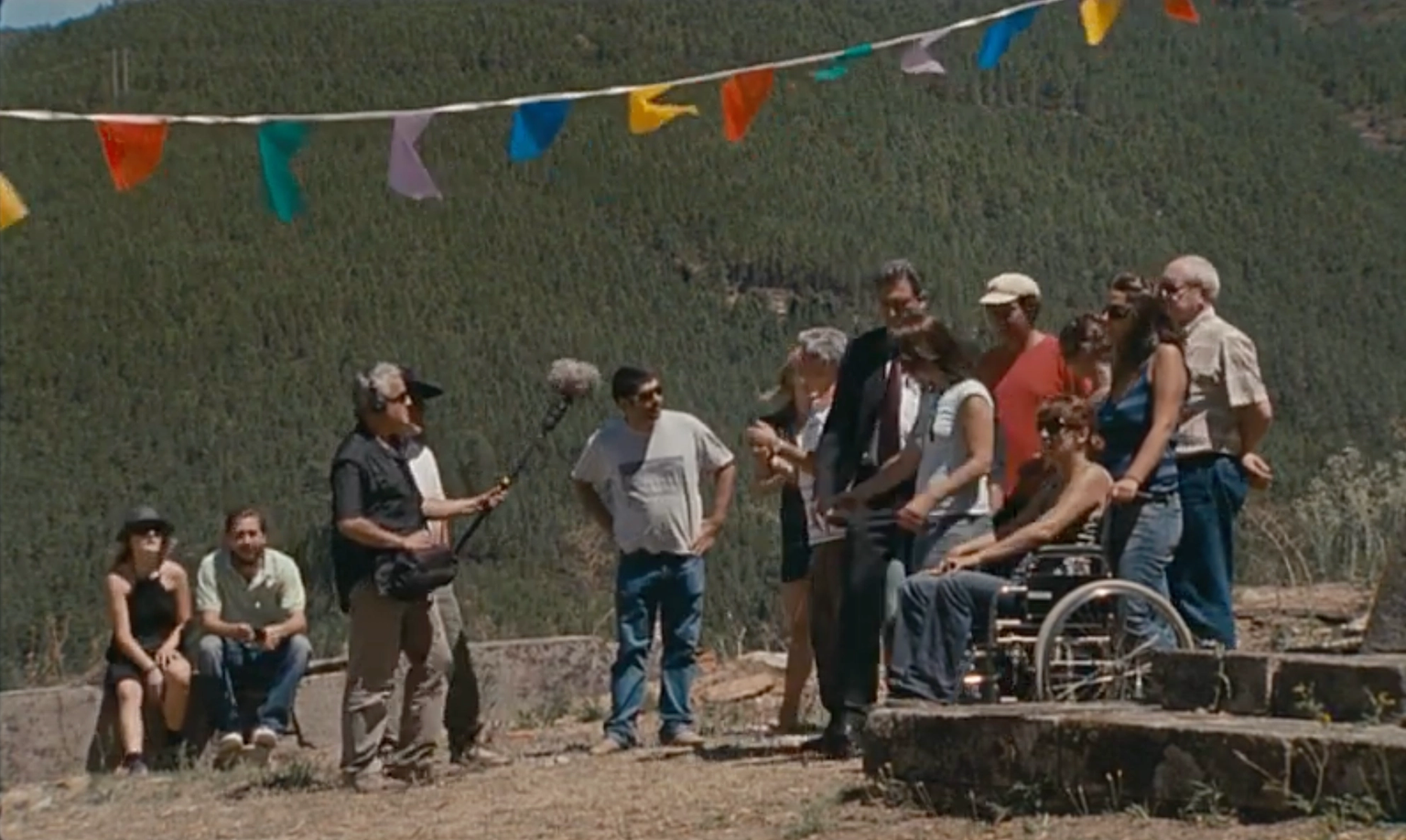
Structured in two distinct yet porous movements, the film begins as a meta-cinematic experiment: we observe Gomes and his crew searching for actors, filming local bands, patron-saint festivities, emigrants returning home for summer, and the everyday rhythms of village life. The camera lingers on brass bands, motorcycle clubs, karaoke nights, and riverside gatherings, assembling what feels like an ethnographic surface – an anthropology of gesture, dress, music and landscape. Gomes famously declares within the film, “I don’t want actors, I want people,” and the cast is composed largely of non-professionals whose presence resists theatrical polish.
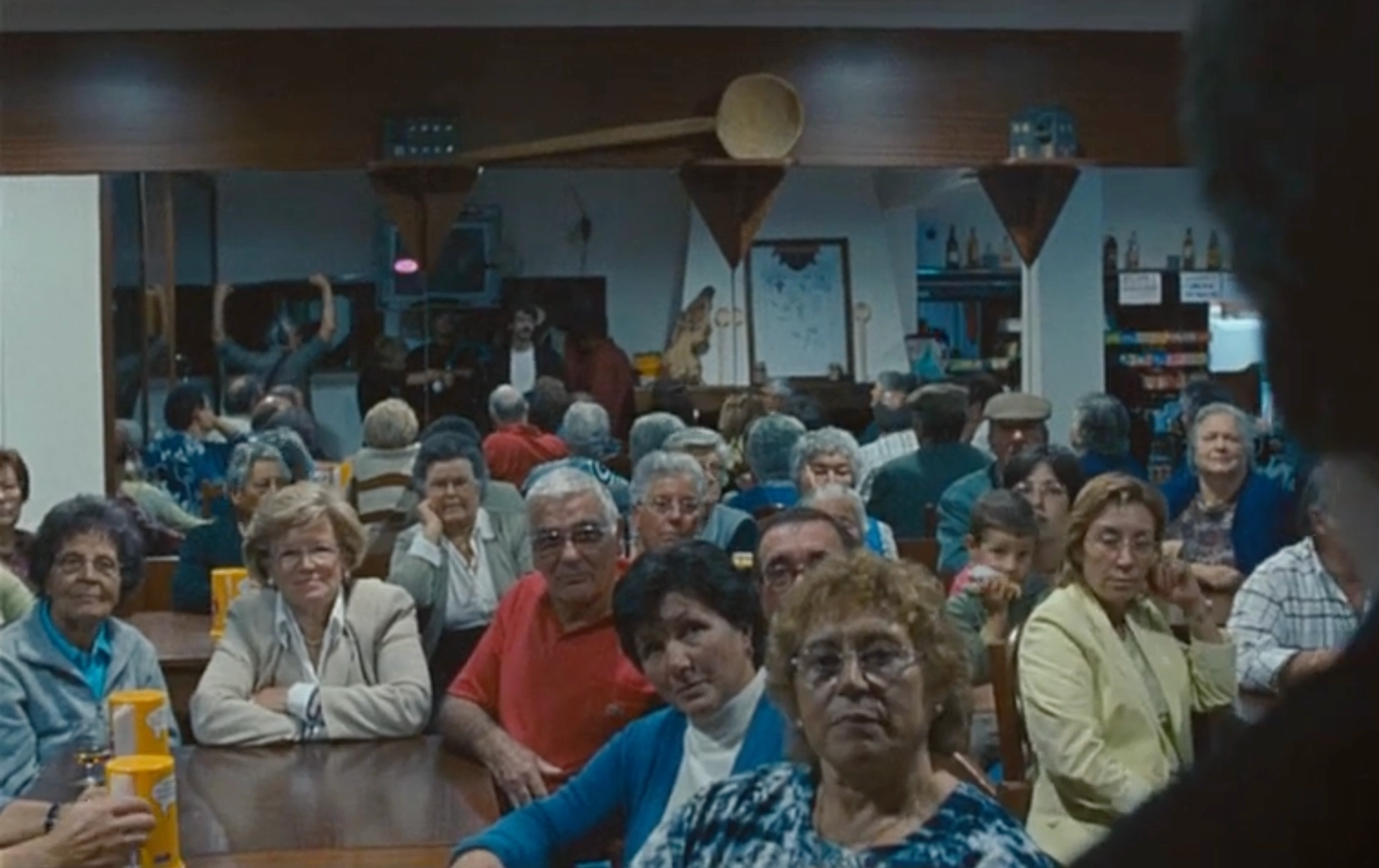

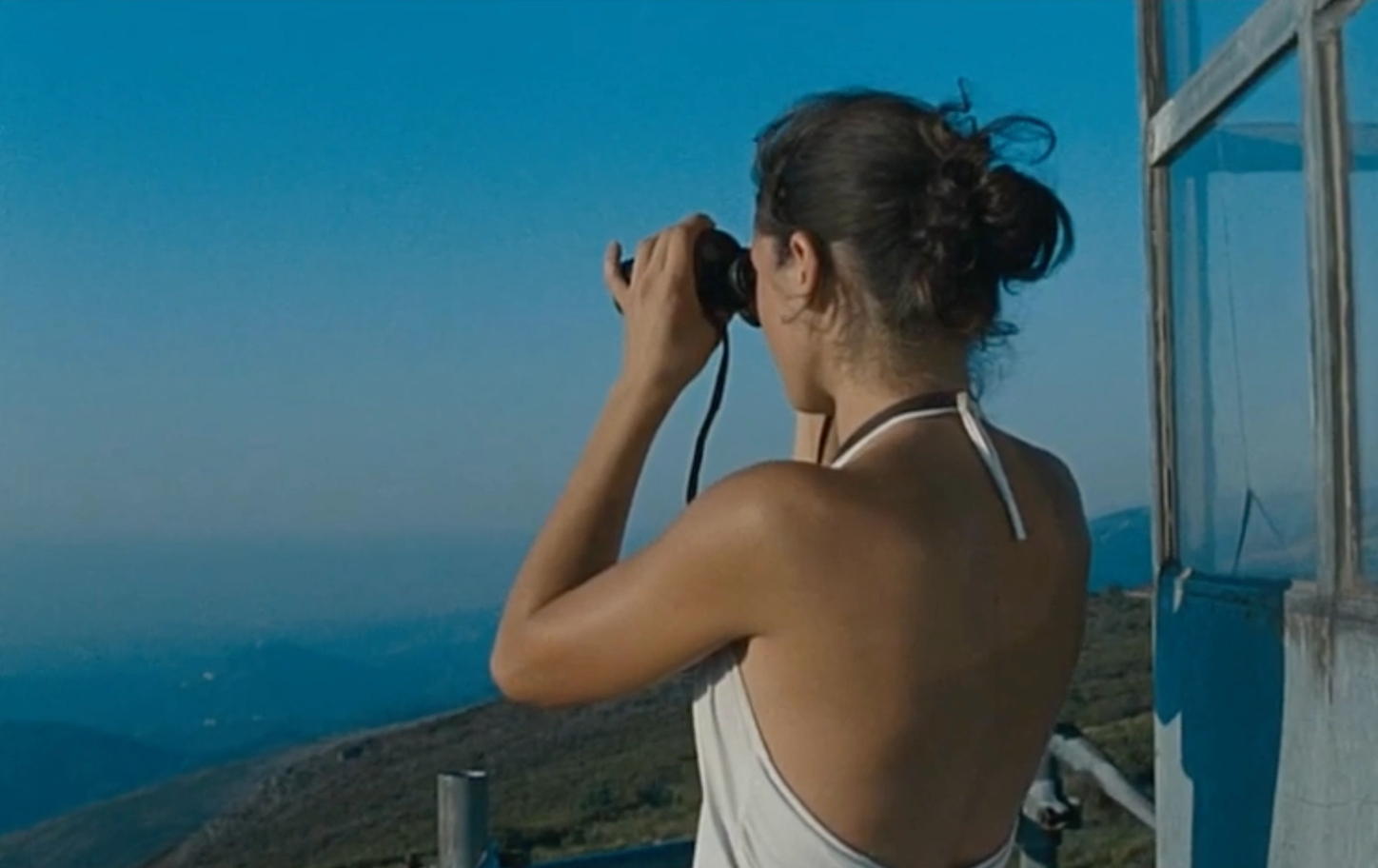

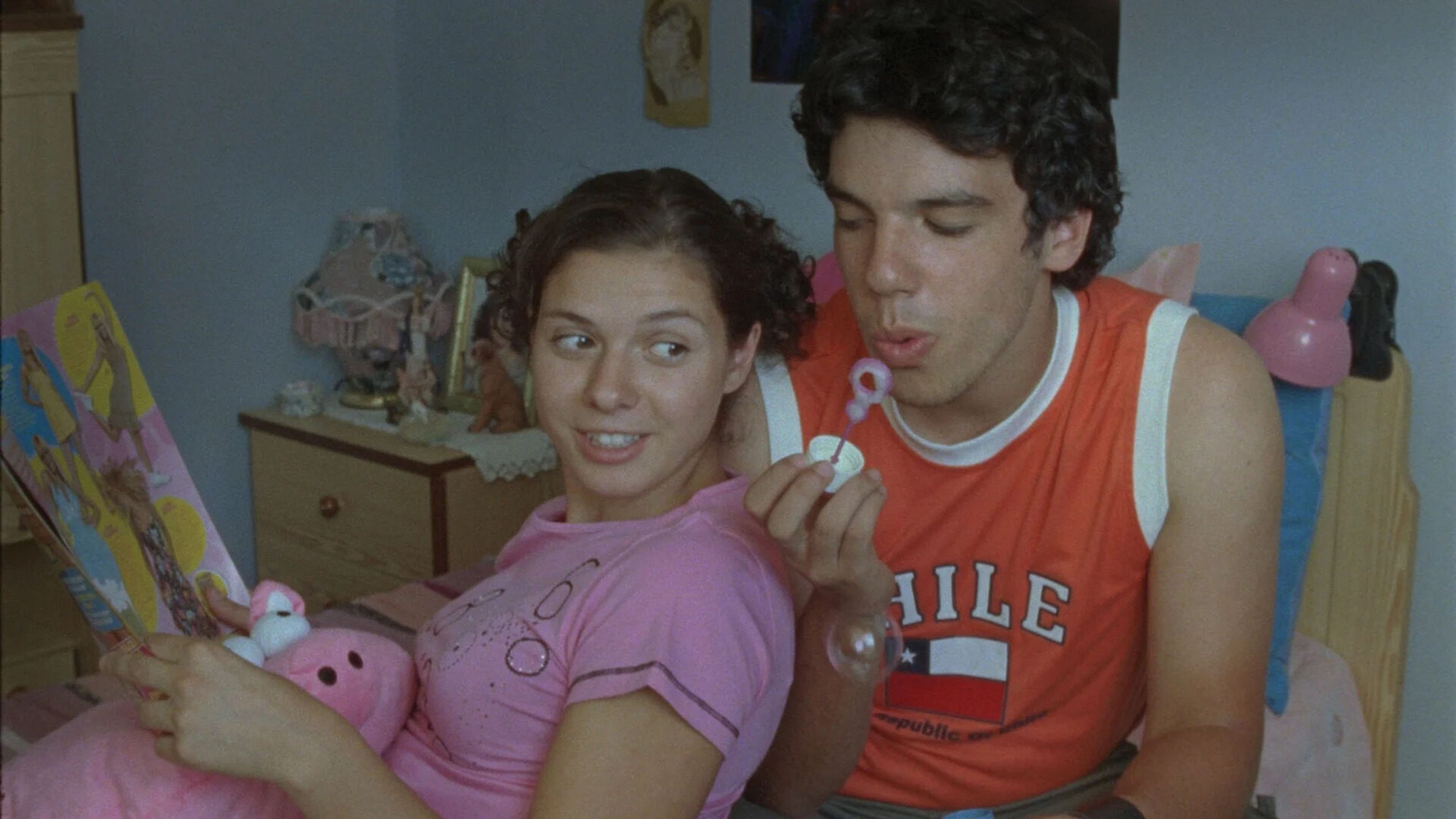
Gradually, the documentary fragments give way to fiction. Real individuals become characters in a melodrama involving a father, daughter and cousin, all musicians in the dance band Estrelas do Alva. The transformation is subtle: fiction grows organically from the documentary material, blurring the boundary between observation and invention. Gomes manipulates duration and montage with playful discontinuity, oscillating between realism and parody. A radio broadcast reciting poetry by João de Deus opens the film, immediately establishing a dialogue between the recorded real and the constructed narrative. The result is cinema that functions simultaneously as report and illusion, truth captured on the surface, yet endlessly malleable in the edit.
Miguel Gomes
Born in 1972, Miguel Gomes emerged from a generation of Portuguese filmmakers deeply aware of their cinematic lineage. A former film critic, Gomes engages openly with film history: echoes of the Nouvelle Vague’s self-reflexivity surface in the crew’s on-screen presence, recalling Truffaut’s Day for Night, while the docufiction approach situates him within a Portuguese tradition shaped by figures such as Robert Flaherty’s ethnographic legacy and the poetic hybrids of António Reis and Jean Rouch. Yet Gomes’s tone is uniquely his own – ironic, tender, and resistant to spectacle.
The soundtrack, curated by Gomes and co-writer Mariana Ricardo, is crucial to the film’s texture. Popular “pimba” songs, by artists such as Dino Meira, José Malhoa and Tony Carreira, are re-arranged and performed within the narrative, embedding the film in the sonic memory of rural Portugal. Music becomes both documentation and dramaturgy, capturing the emotional excess of summer nights where love stories ignite under colored lights and temporary stages. Through this layering of sound, image and performance, Gomes constructs what he has described as an “aesthetics of the surface,” where the ordinary reveals unexpected depth.
Legacy
Our Beloved Month of August occupies a singular place in contemporary European cinema. It revitalized the docufiction form for a new generation, demonstrating that economic limitation could generate formal invention. The film’s double soul – at once documentary chronicle and romantic fiction, raises enduring questions about what cinema is: invention or imitation, manipulation or revelation. André Bazin’s reflections on realism seem to hover over the work, as Gomes exposes both the authenticity of recorded life and the transformative power of editing.
In retrospect, the film feels like a manifesto. It asserts that cinema can arise from contingency, from abandoned scripts, from villages where summer bands play for emigrants returning home. It celebrates communal rituals without exoticizing them, allowing viewers to confront the immensity and complexity of everyday life. More than a portrait of August, it is a meditation on process – on the fragile alchemy through which reality becomes story.