Alejandro González Iñárritu
P&G - Thank You, Mom
- ClientProcter and Gamble
- AgencyWieden + Kennedy (Portland)
- Creative DirectorDanielle Flagg and Karl Lieberman
- Executive Creative DirectorSusan Hoffman and Mark Fitzloff
- Production CompanyAnonymous Content
- DirectorAlejandro González Iñárritu
- Director of PhotographyRodrigo Prieto
DAN PETERS The first ad that made me cry. This work fundamentally reframed the world’s largest advertiser from a seller of soap to a silent partner in the world’s hardest job: motherhood. By focusing on the quiet, unglamorous moments of sacrifice behind every Olympic athlete, it created a universal emotional resonance that made a corporate giant feel intimately human.


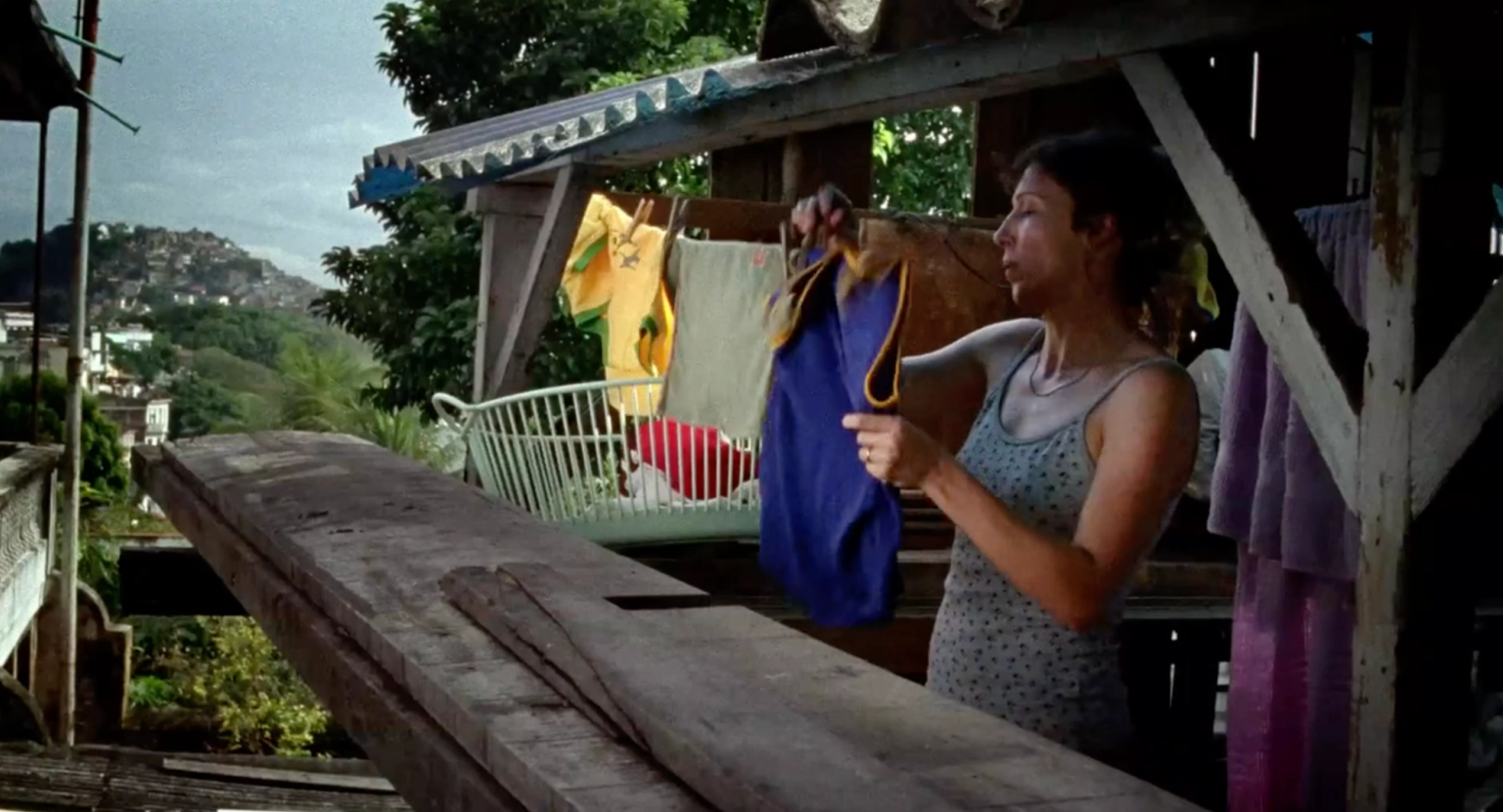

The Story Behind the Film That Thanked Moms Around the World
When Procter and Gamble released its London 2012 Olympic Games film, it did not feel like a typical corporate advertisement. Instead of focusing on athletes, medals, or national pride, the film turned its attention to a quieter, often overlooked force behind Olympic success. Mothers. The campaign, titled Thank You, Mom, became one of the most emotionally resonant pieces of storytelling in Olympic history.
At its core, the idea was simple yet powerful. Every Olympic athlete has a journey, and behind nearly every journey is a parent who woke up early, made sacrifices, and offered unwavering support. Procter and Gamble recognized that while the world celebrates athletes on the podium, it rarely acknowledges the years of invisible effort that made those moments possible. The company decided to shift the spotlight.


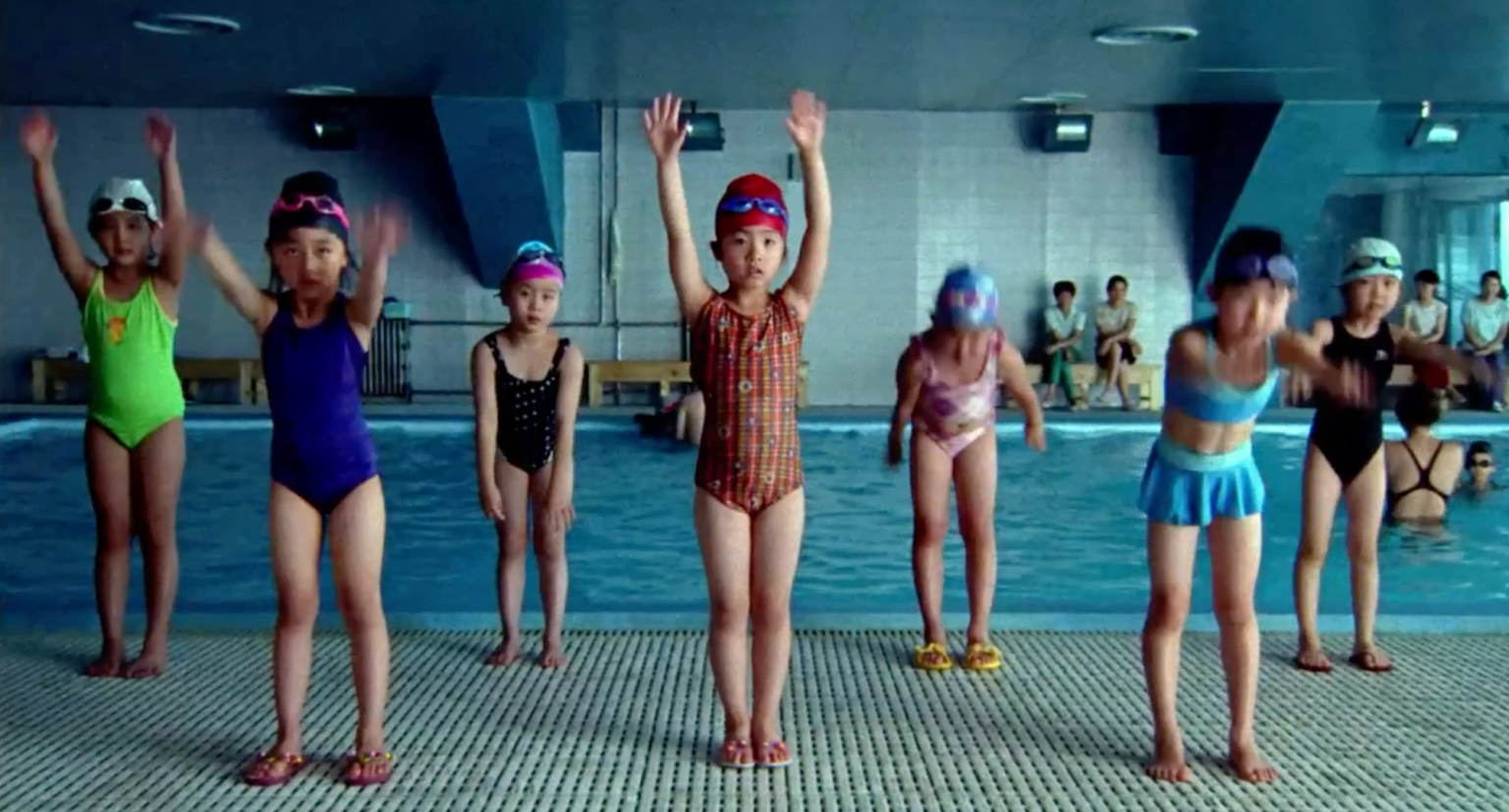

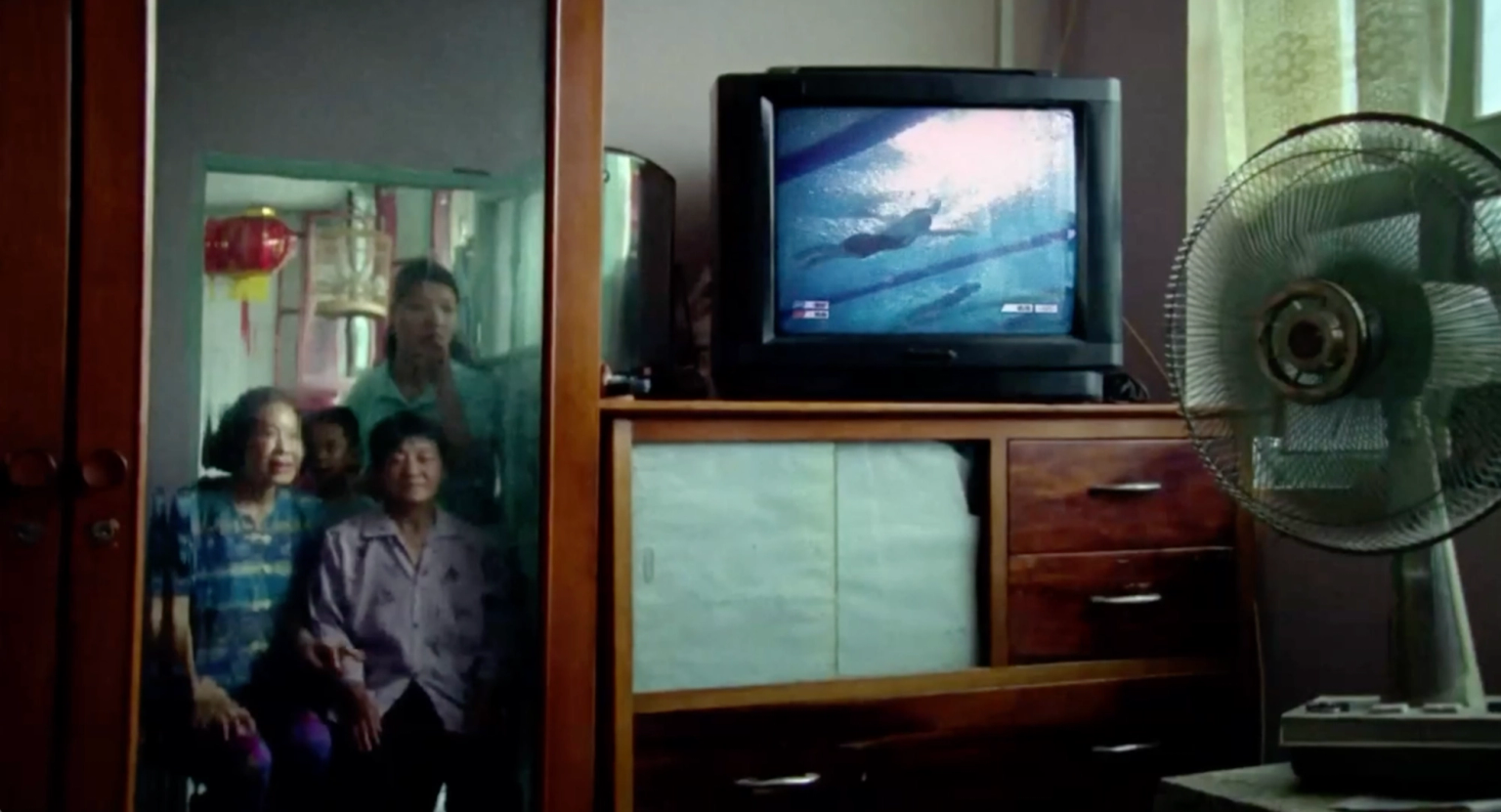



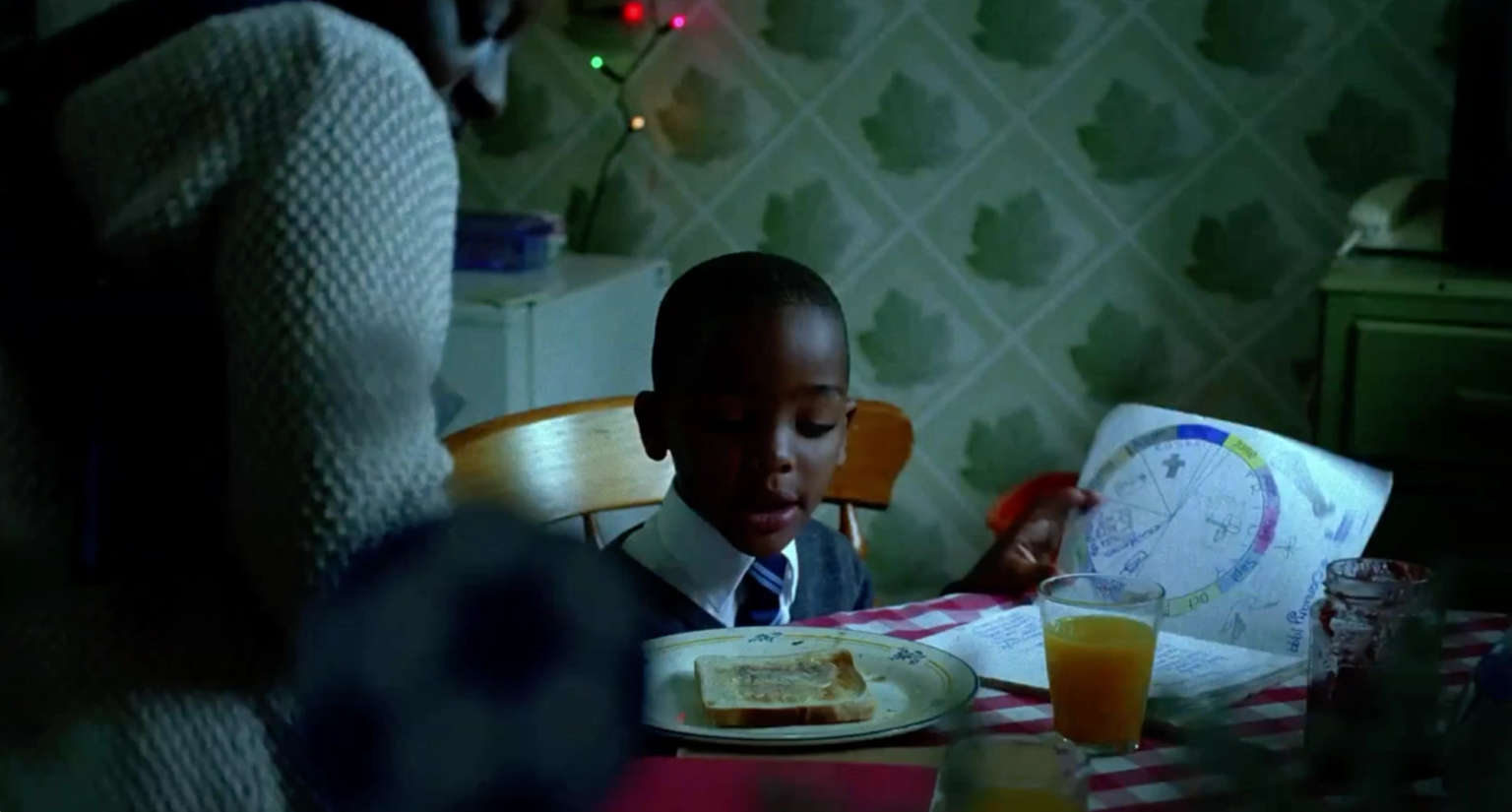

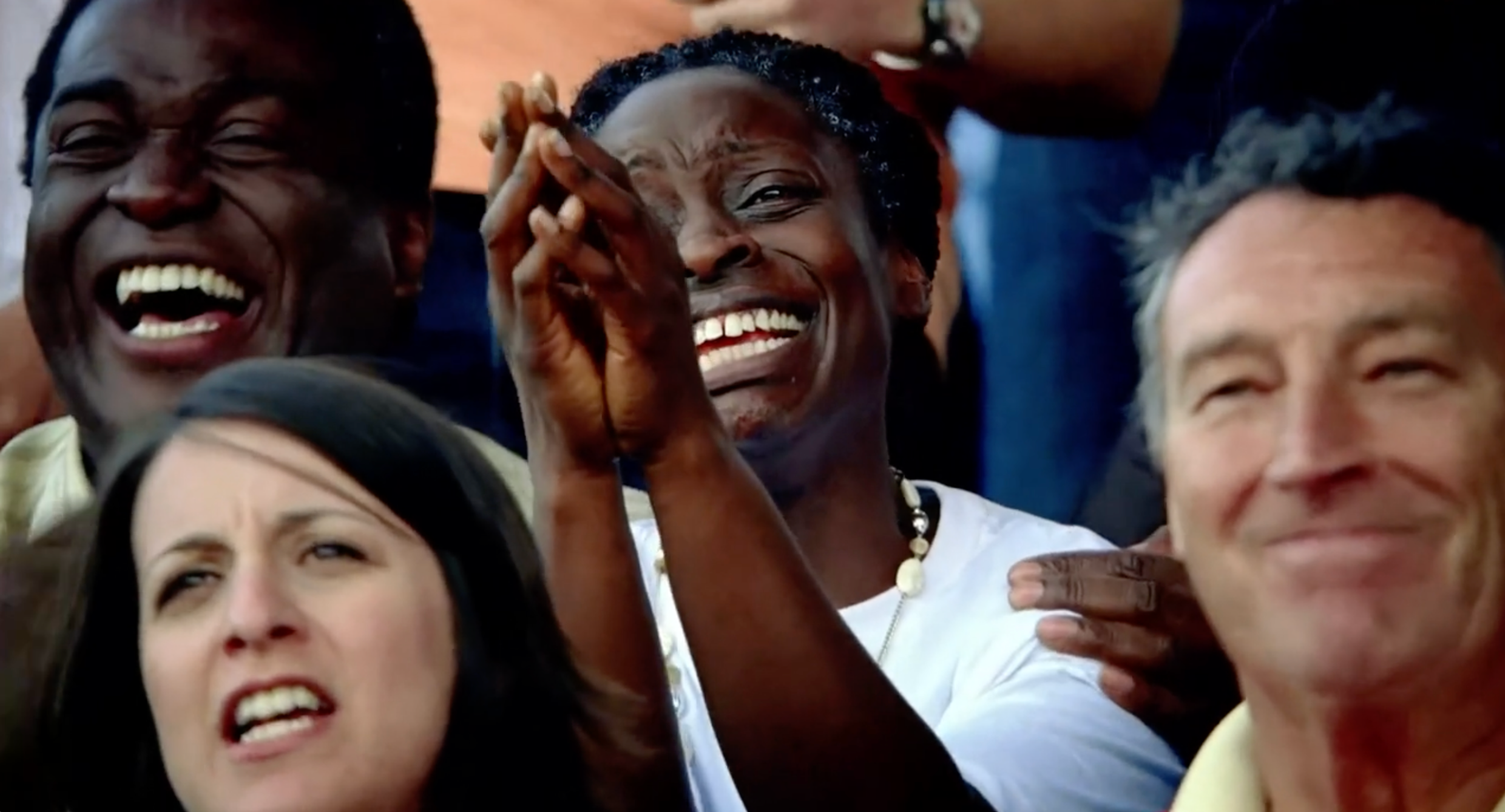

A Universal Insight That Crossed Borders
What made the film particularly effective was its universality. Rather than centering on one country or a single athlete, the story followed several young athletes from different parts of the world as they grew up. Viewers saw early mornings, small failures, moments of doubt, and quiet encouragement. The mothers were not portrayed as extraordinary superheroes, but as real people doing everyday things with extraordinary consistency.
This global approach aligned perfectly with the Olympic spirit. The Games bring together nations, but the emotional thread of parental support is something that transcends culture, language, and geography. By focusing on this shared human experience, the film connected with audiences far beyond sports fans.
Behind the scenes, the creative team invested heavily in authenticity. Casting, storytelling, and production were carefully designed to feel genuine rather than staged. The result was a narrative that felt more like a short film than an advertisement. Viewers were not being sold a product. They were being invited into a story.
From Marketing Campaign to Cultural Moment
The impact of the film went far beyond traditional advertising metrics. It quickly became a viral sensation, shared widely across social media and discussed in households around the world. Many viewers reported strong emotional reactions, often describing how the film made them reflect on their own upbringing and the role their parents played.
For Procter and Gamble, the campaign also marked a strategic shift. Instead of promoting individual brands, the company positioned itself as a supporter of families and everyday life moments. This broader emotional branding helped strengthen its connection with consumers in a way that product focused advertising rarely achieves.
Perhaps the most remarkable aspect of the London 2012 film is how it redefined what Olympic storytelling could look like. By moving away from the spectacle of competition and focusing on the human journey behind it, the campaign created a lasting legacy. Years later, it is still remembered not just as an advertisement, but as a tribute.
In the end, the message was clear and deeply human. While athletes may stand alone on the podium, they never get there alone.