
Arata Isozaki
Palladium Nightclub
- ArchitectArata Isozaki
- ArtistJean-Michel Basquiat, Keith Haring, Francesco Clemente and Kenny Scharf
- PhotographerTimothy Hursley
Eleni Petaloti The Palladium represents a moment when nightlife, art, and architecture collided spectacularly. Isozaki created interiors that were theatrical, futuristic, and culturally hybrid. What draws me most is the unapologetic excess, monumental staircases, immersive lighting, and surreal spatial transitions that transformed the nightclub into an experiential world. It captures the energy of 1980s New York while remaining architecturally ambitious.

Architecture as Spectacle
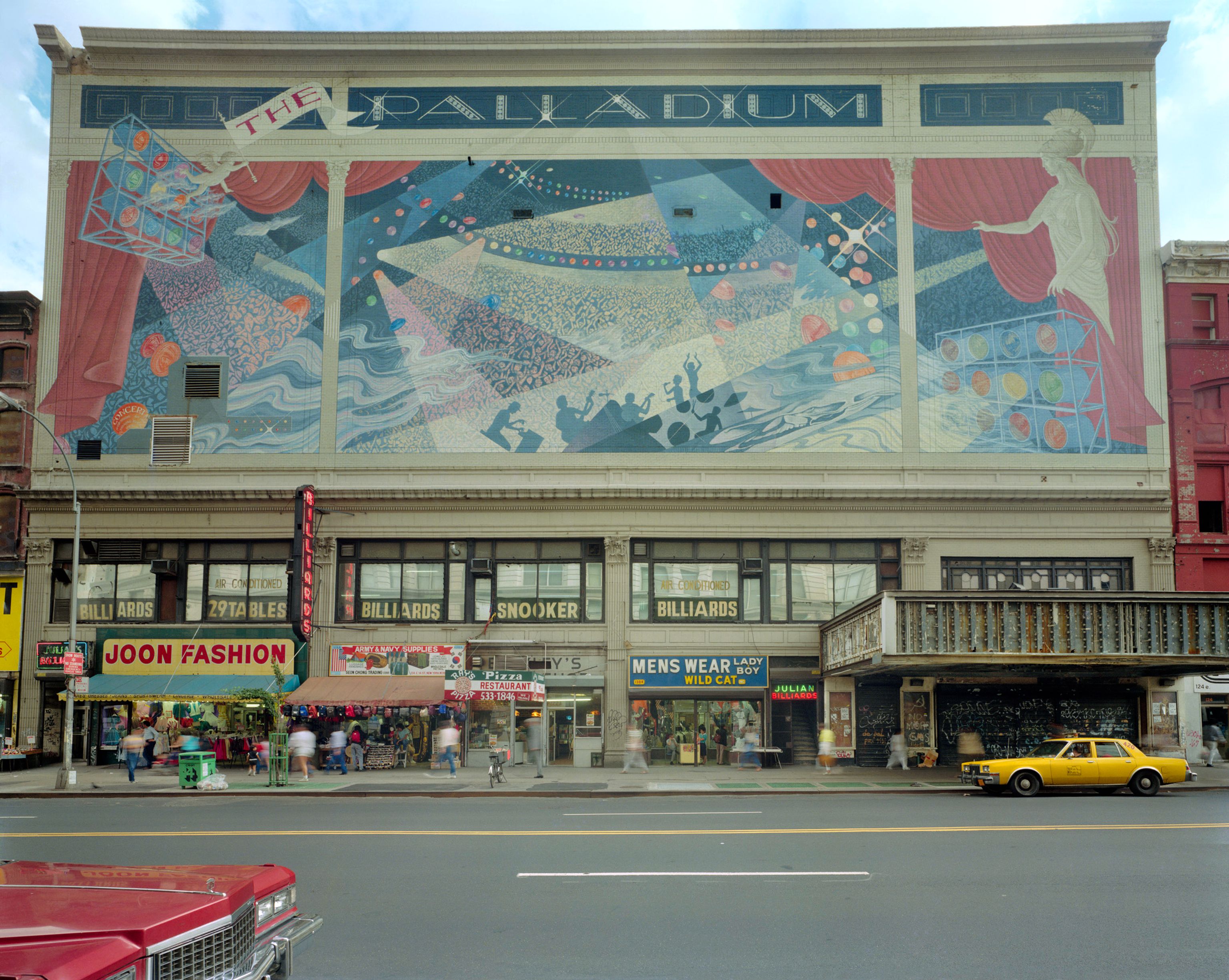
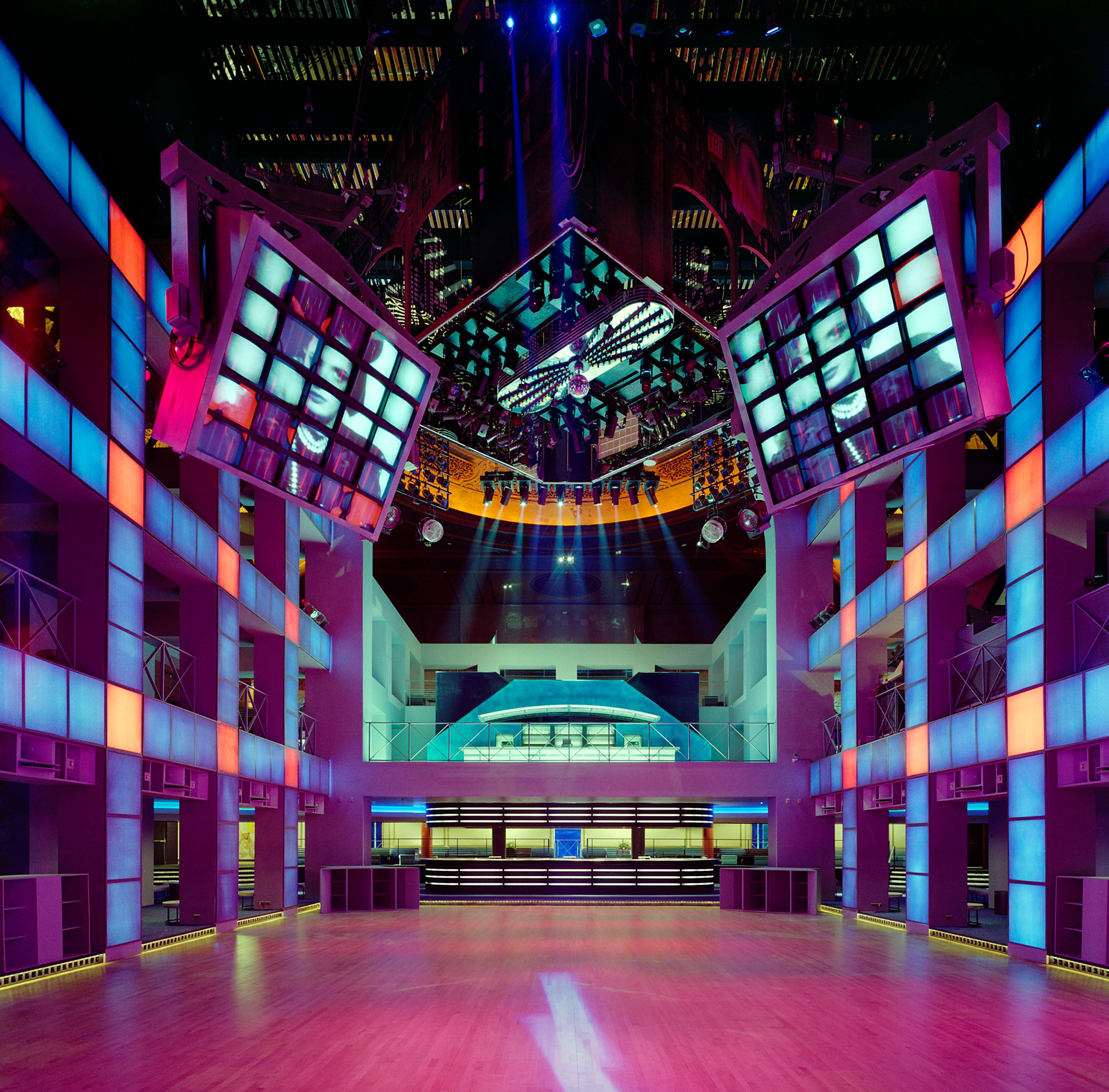
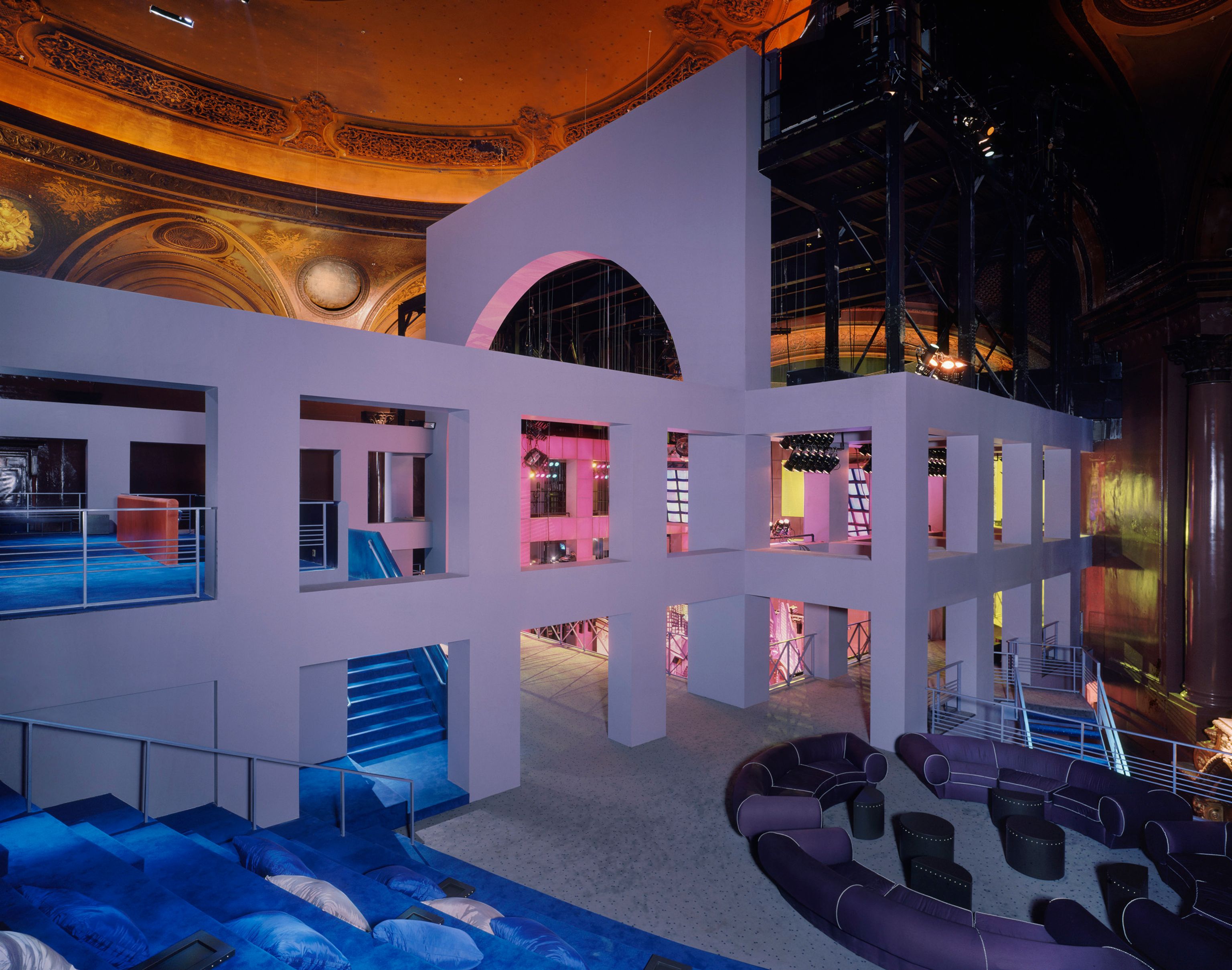
When the Palladium Nightclub opened in New York in 1985, it was imagined as far more than a place to dance. Designed by Japanese architect Arata Isozaki for nightlife pioneers Steve Rubell and Ian Schrager, the project transformed a former 1920s theatre on East 14th Street into one of the most ambitious club interiors of its time. The building carried the legacy of New York’s music and nightlife culture, first as the Academy of Music and later as the Palladium concert hall, before becoming a multimedia nightclub at the height of the city’s downtown cultural explosion. Rather than erase the past, Isozaki treated the original theatre as a dramatic shell, inserting a luminous new structure inside it. The contrast between the ornate historic architecture and the sharp geometric intervention became central to the project’s identity.

A Club Built Around Sensation
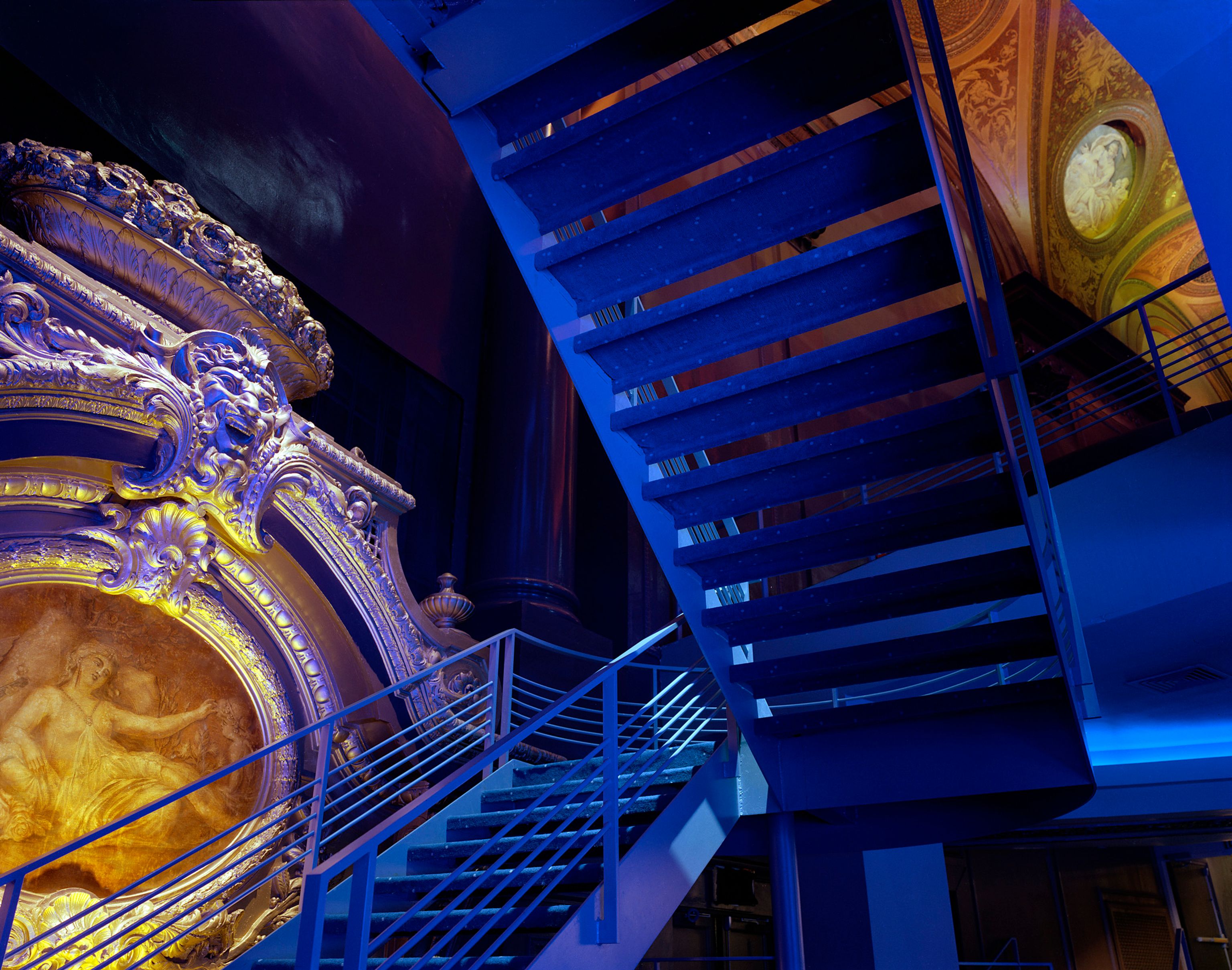
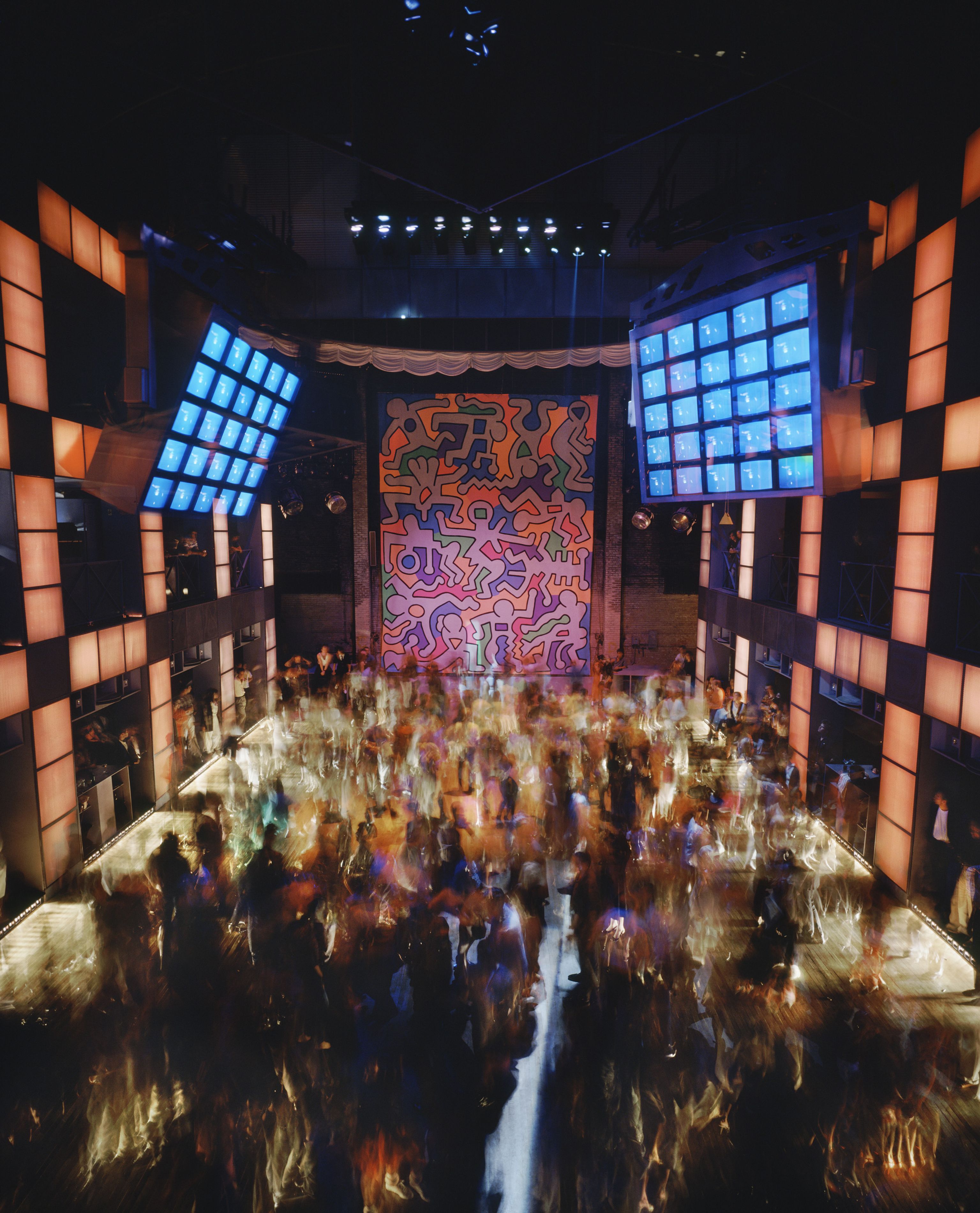
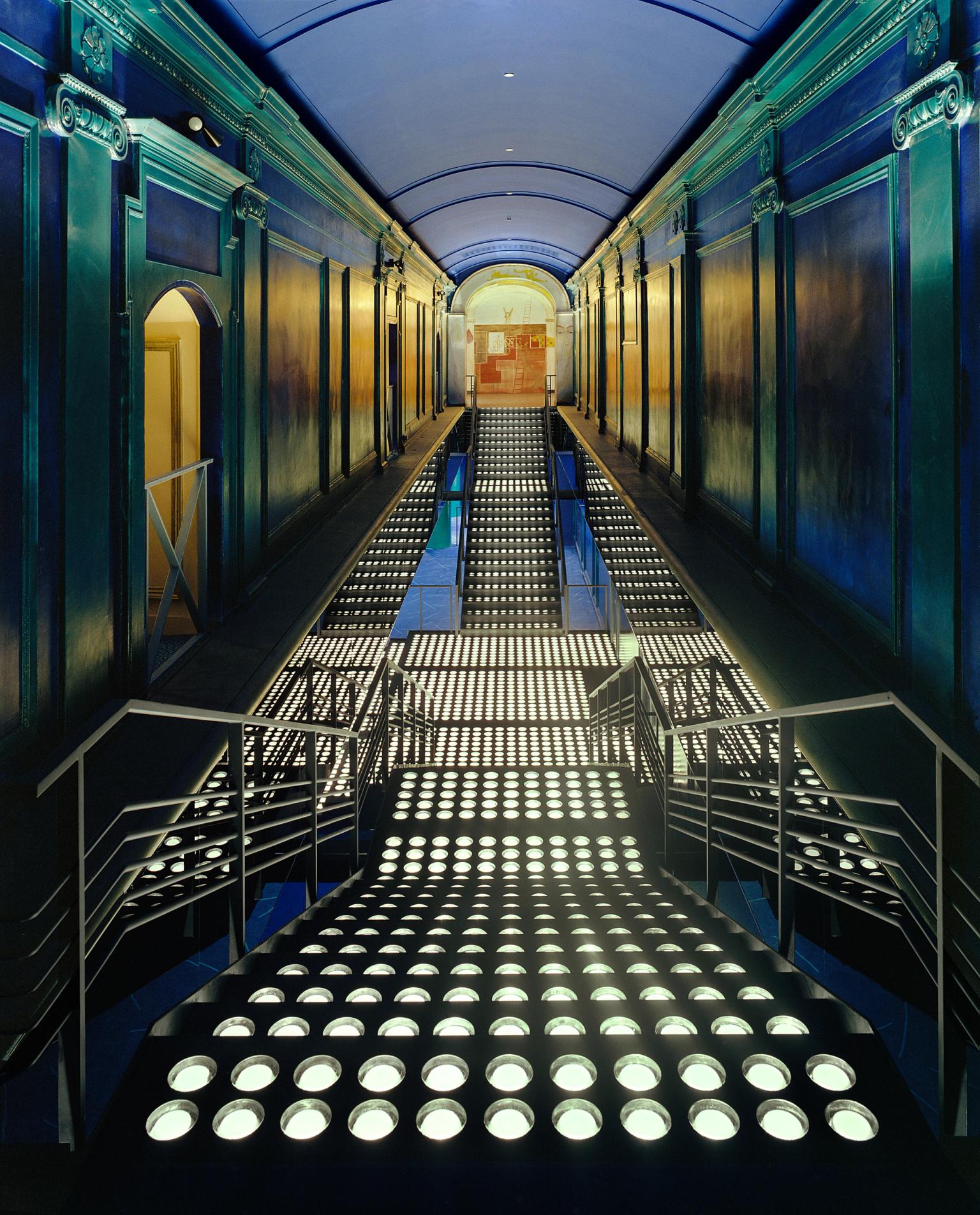
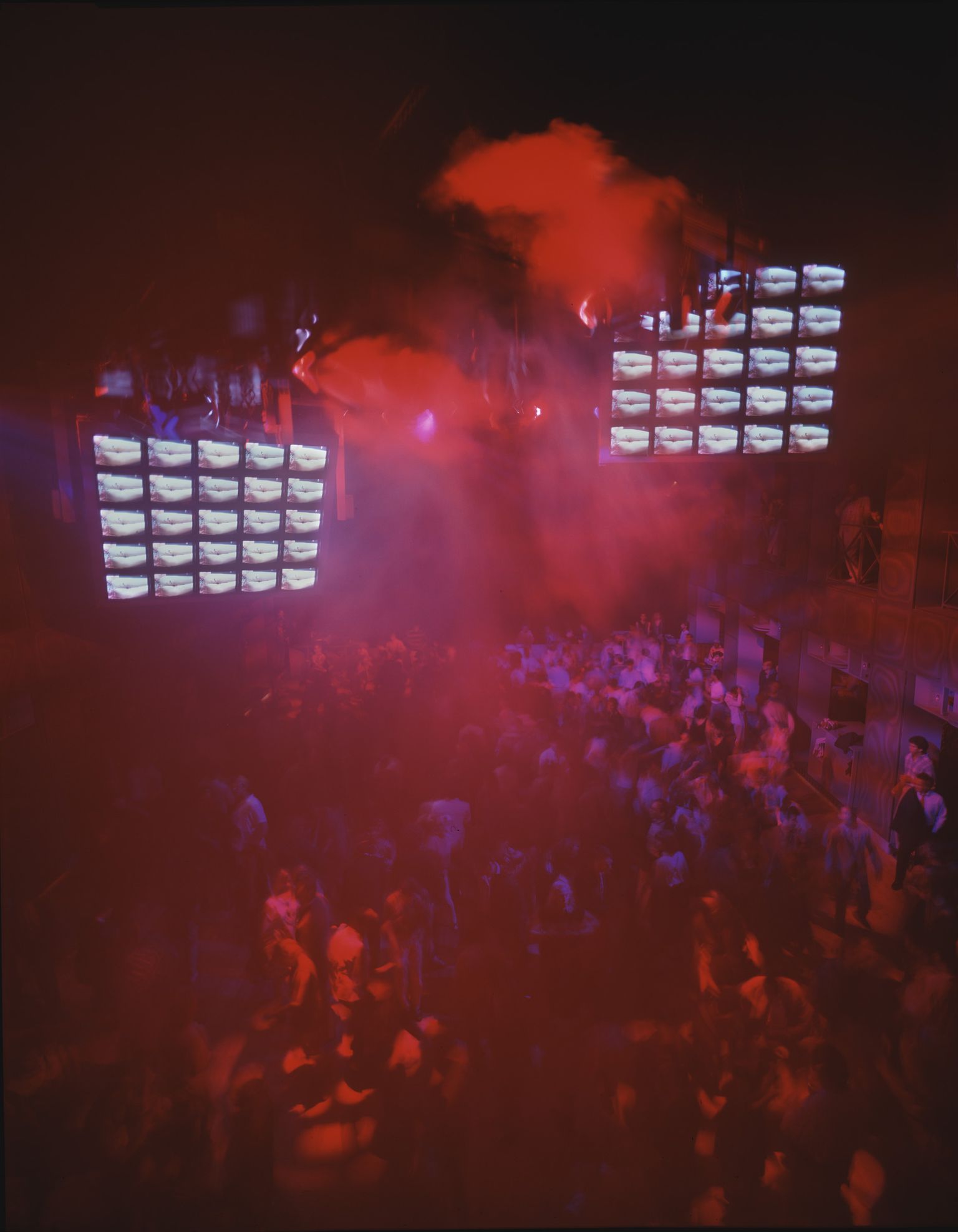
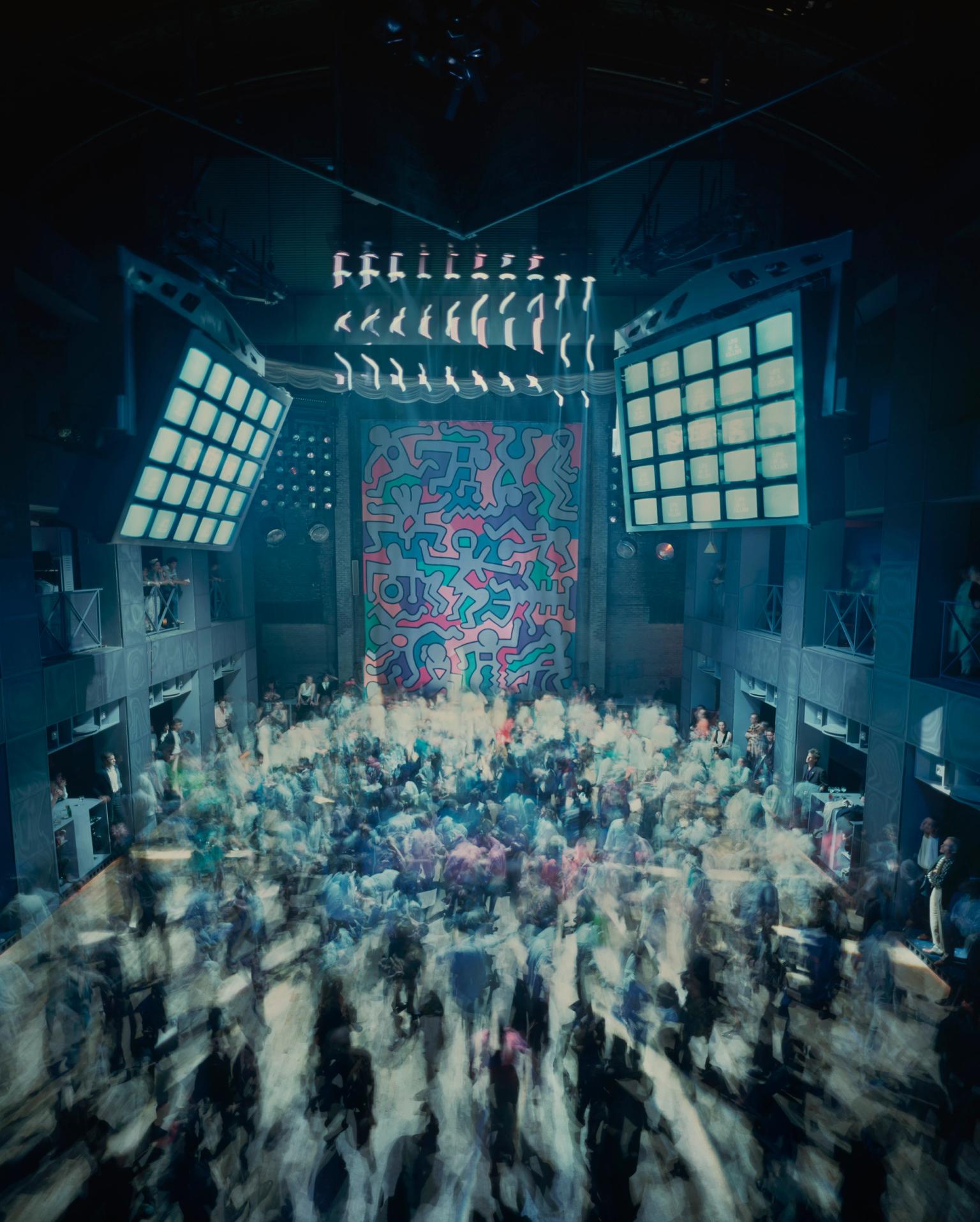
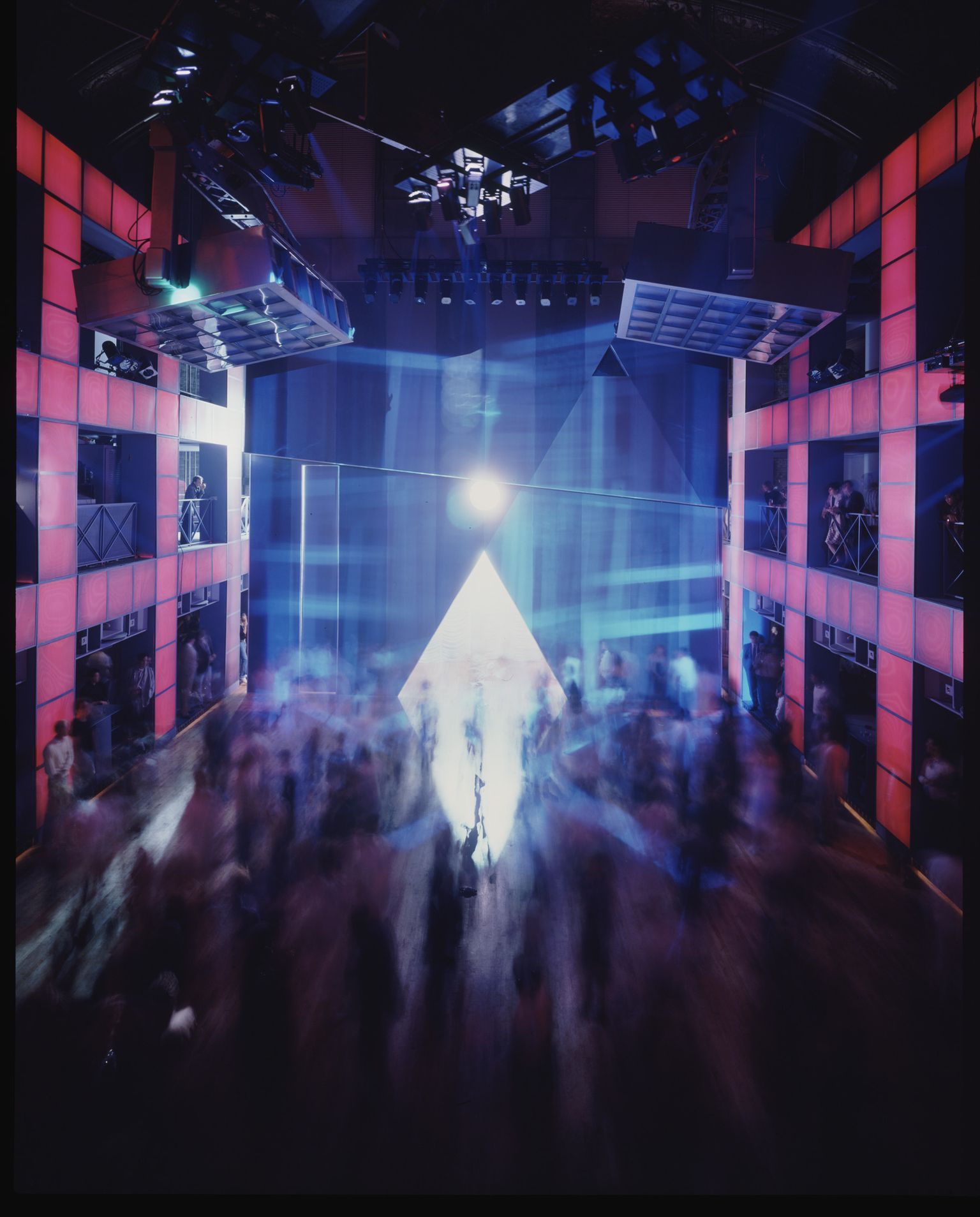
Isozaki described the Palladium as a space where architecture could almost disappear beneath light, sound and movement. Massive illuminated grids framed the dance floor while staircases, elevated walkways and stacked viewing platforms created the feeling of moving through a machine built for performance and spectacle. Across seven levels, visitors passed through shifting environments designed to overwhelm the senses: flashing screens, industrial sound systems, mirrored surfaces and glowing structures turned the club into an immersive experience rather than a static interior. Isozaki believed the nightclub offered architecture a rare experimental field, where technology, music and emotion could shape space more powerfully than walls or materials alone. In his view, the Palladium was less a building than a constantly changing atmosphere activated by bodies, sound and light.

Art, Music and Downtown New York
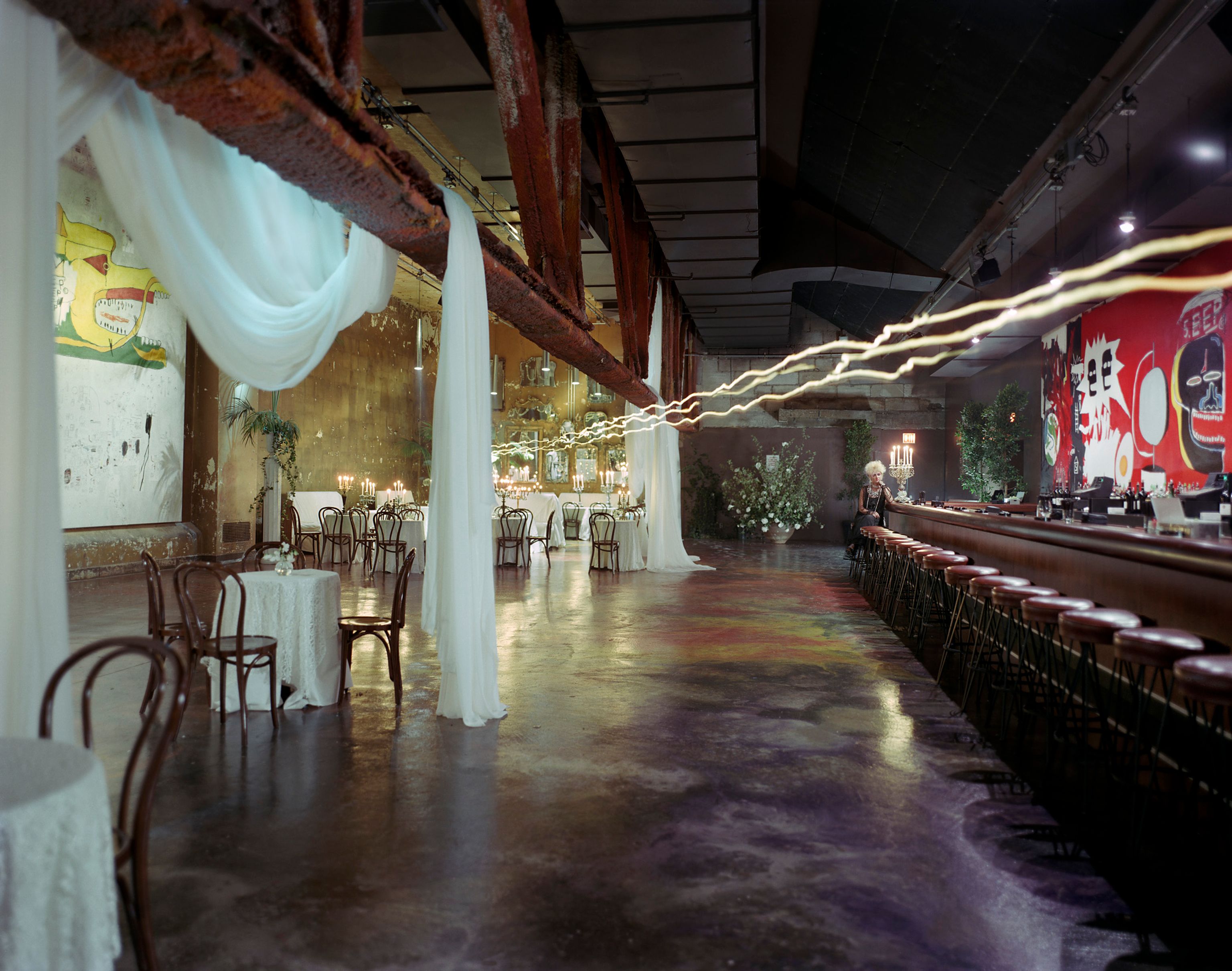
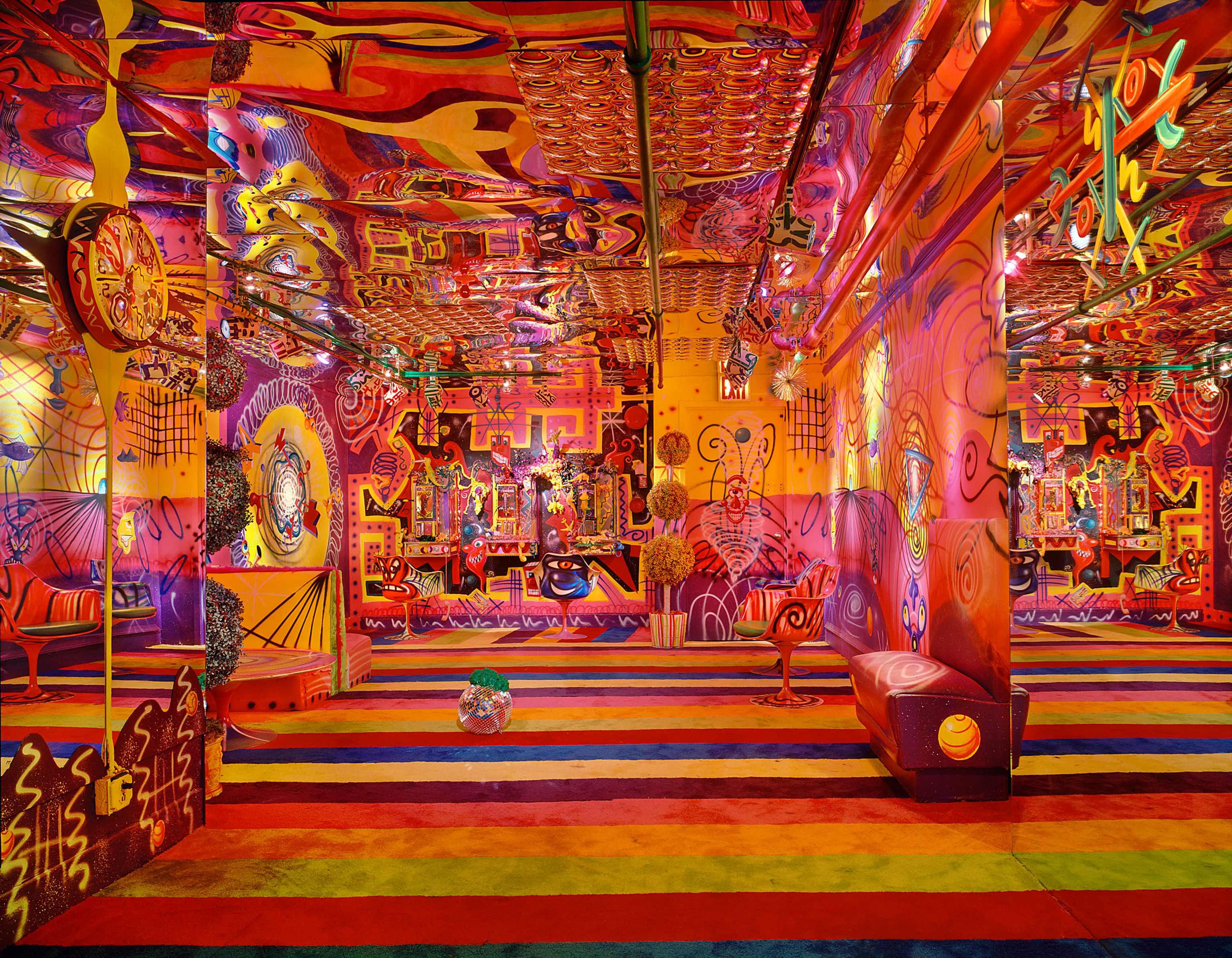
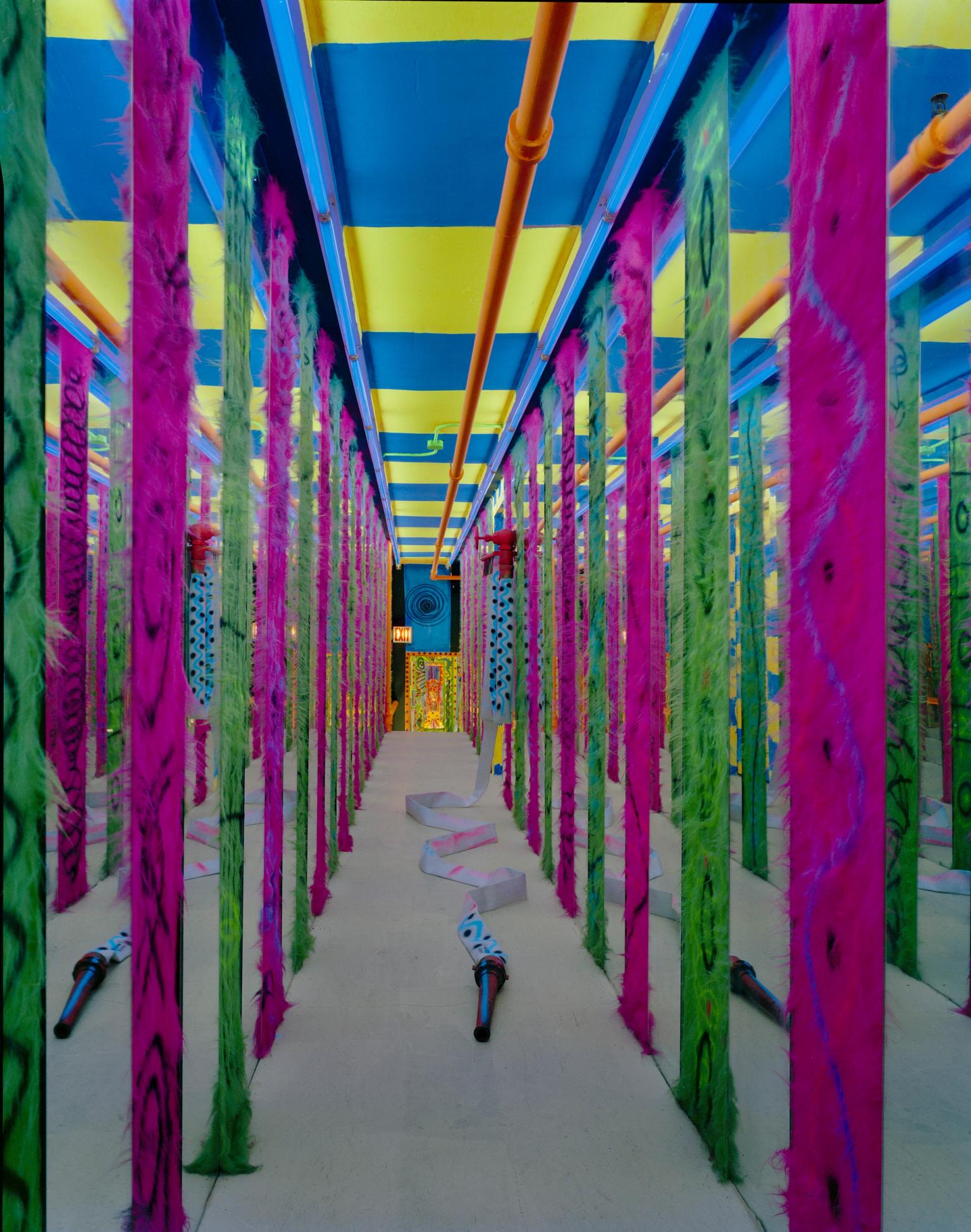
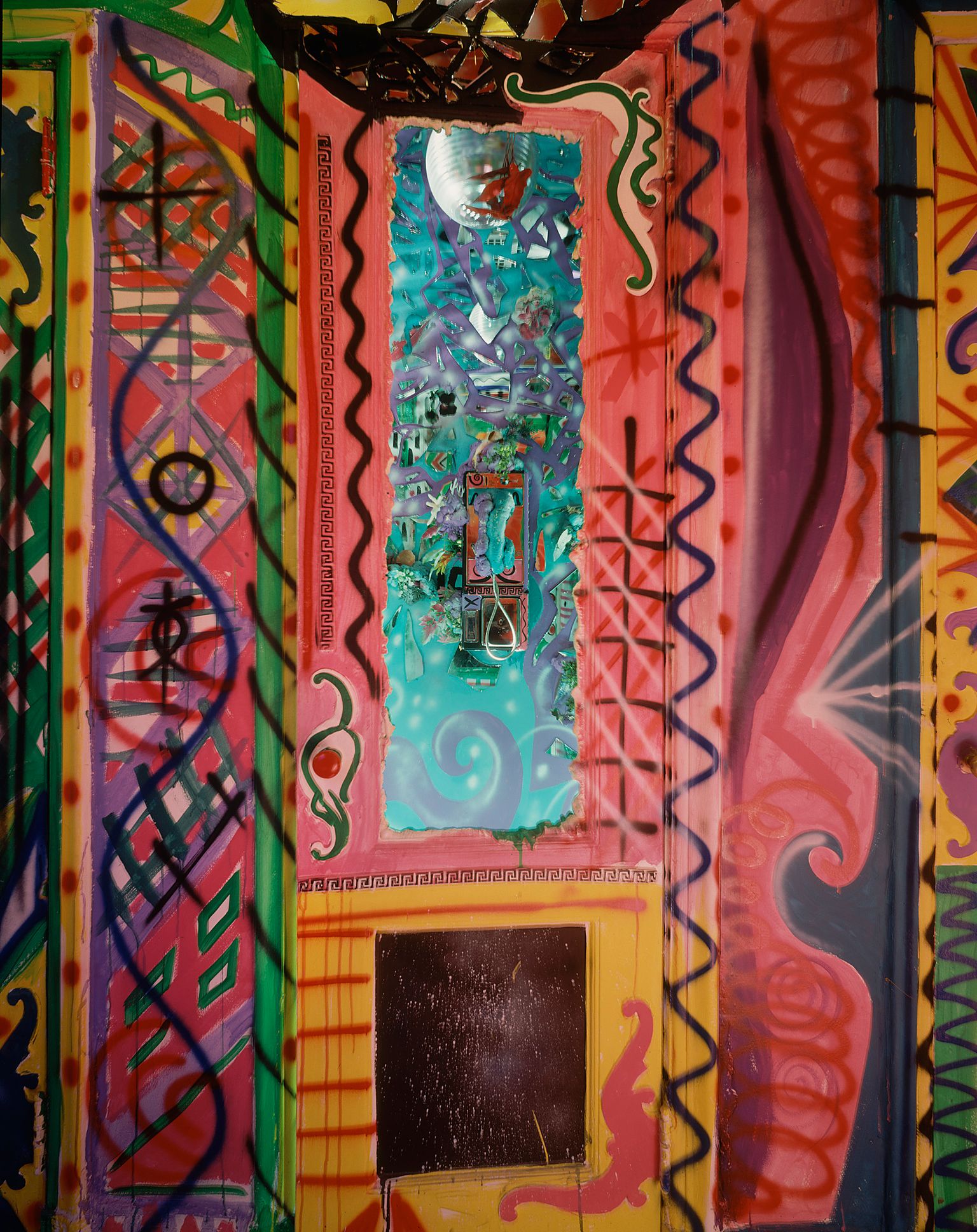
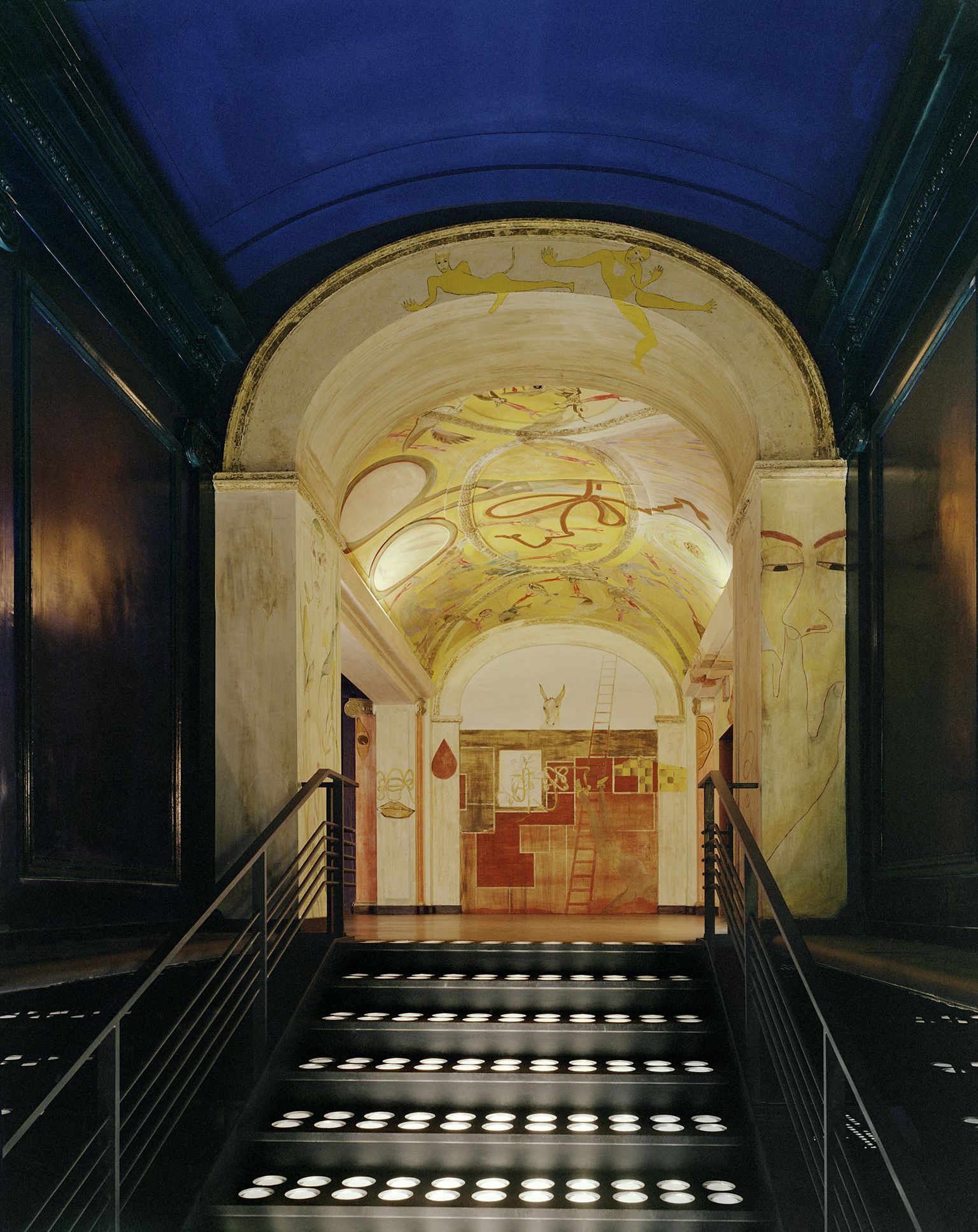
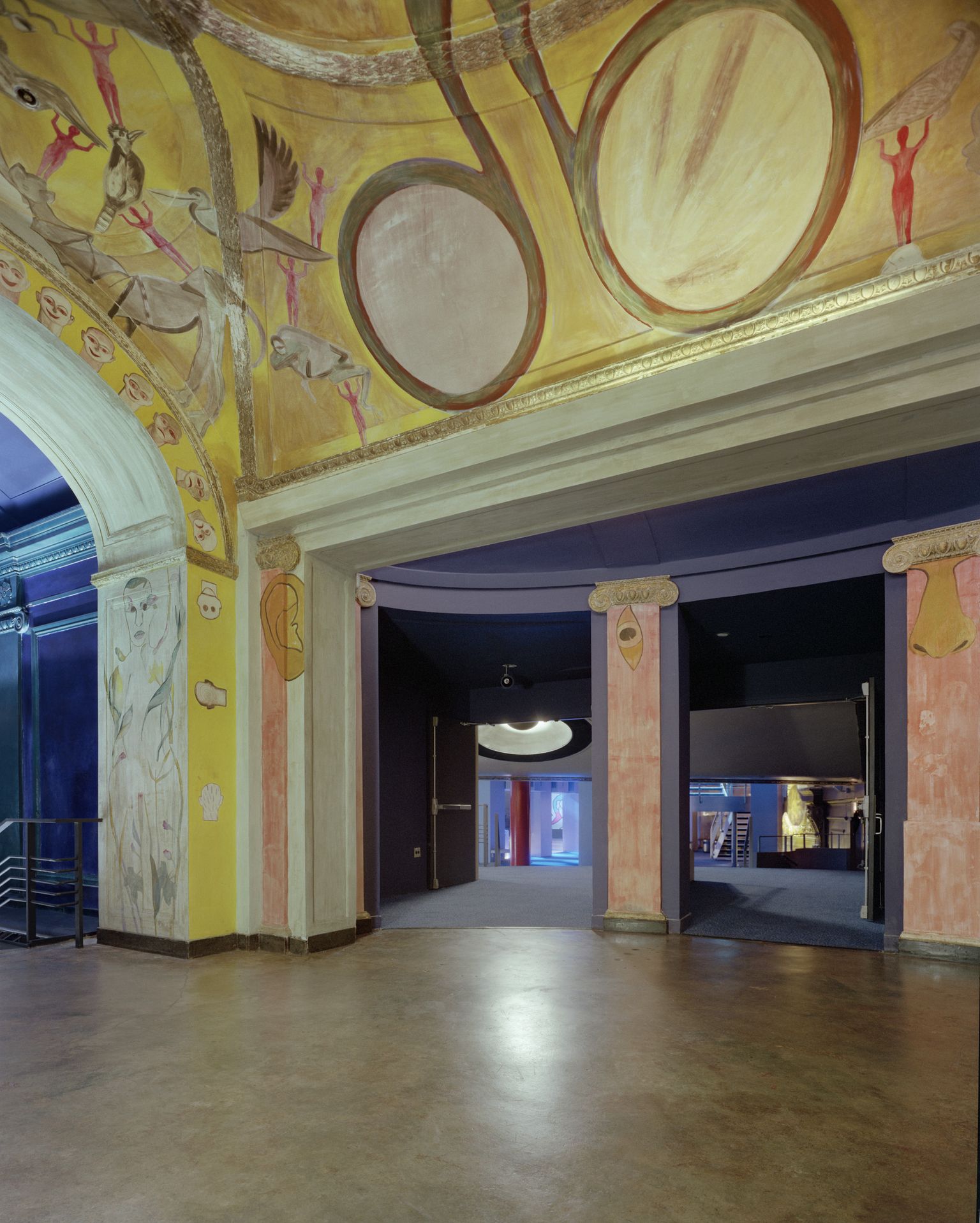
One of the project’s defining qualities was its merging of architecture with contemporary art. The club featured large-scale works by artists including Jean-Michel Basquiat, Keith Haring, Kenny Scharf and Francesco Clemente, turning the interior into a living exhibition space. Haring’s monumental mural overlooked the main dance floor, while Basquiat’s paintings occupied the more intimate Mike Todd Room. Clemente’s frescoes lined illuminated stairways and Scharf transformed private spaces into chaotic explosions of neon colour and graffiti-like forms. Rather than functioning as decoration, the artworks became part of the architecture itself, embedded into the spatial experience of the club. The Palladium reflected a moment when downtown art, fashion, nightlife and music overlapped completely, bringing together club kids, celebrities, artists, musicians and Wall Street crowds under the same roof.






Buildings Within Buildings
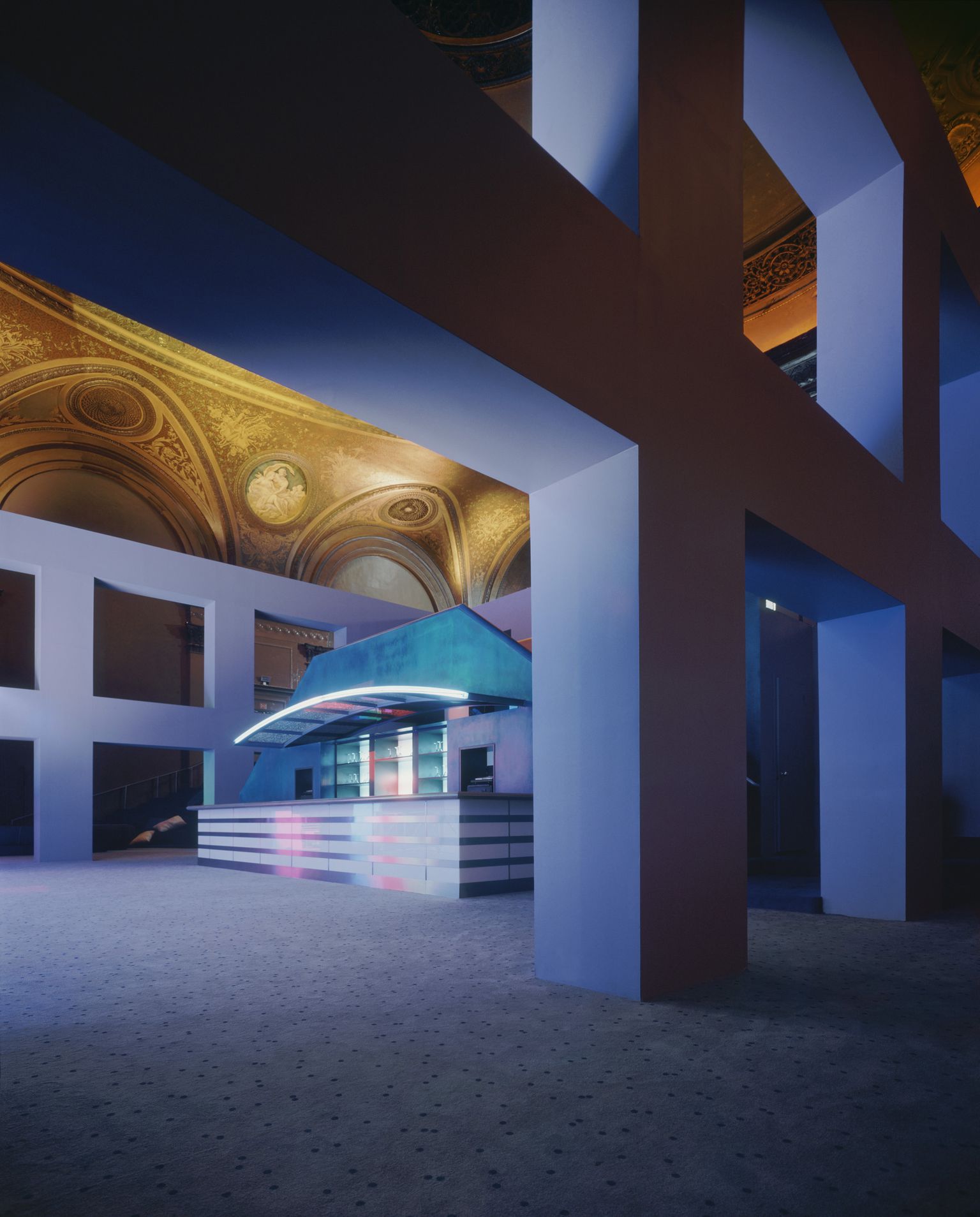
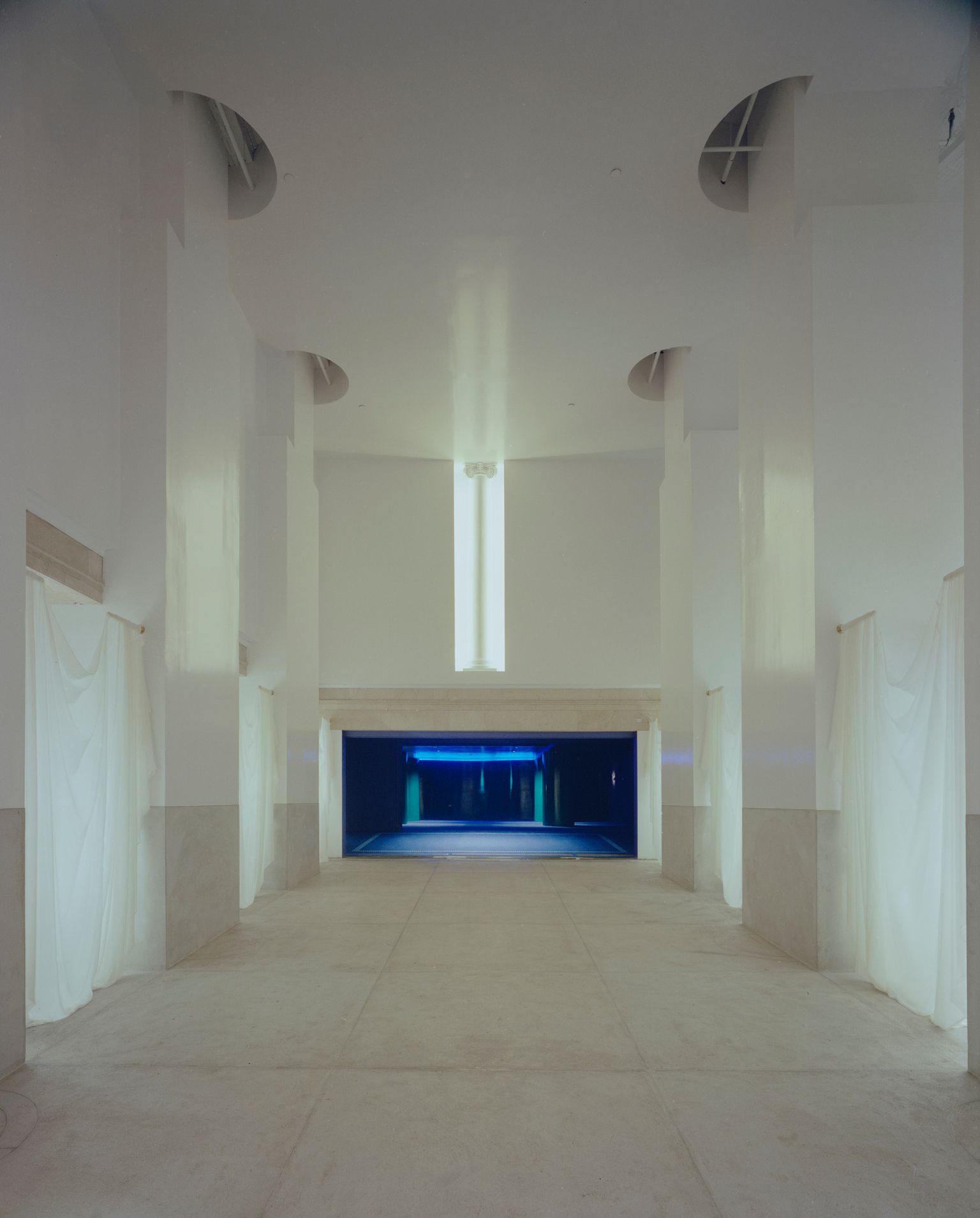
A key part of Isozaki’s concept was the idea of “buildings within buildings.” Inside the preserved theatre shell, he inserted independent structures that seemed almost temporary or floating, creating a layered spatial composition. Visitors could move between intense, crowded areas and quieter peripheral spaces hidden between the old architecture and the new intervention.
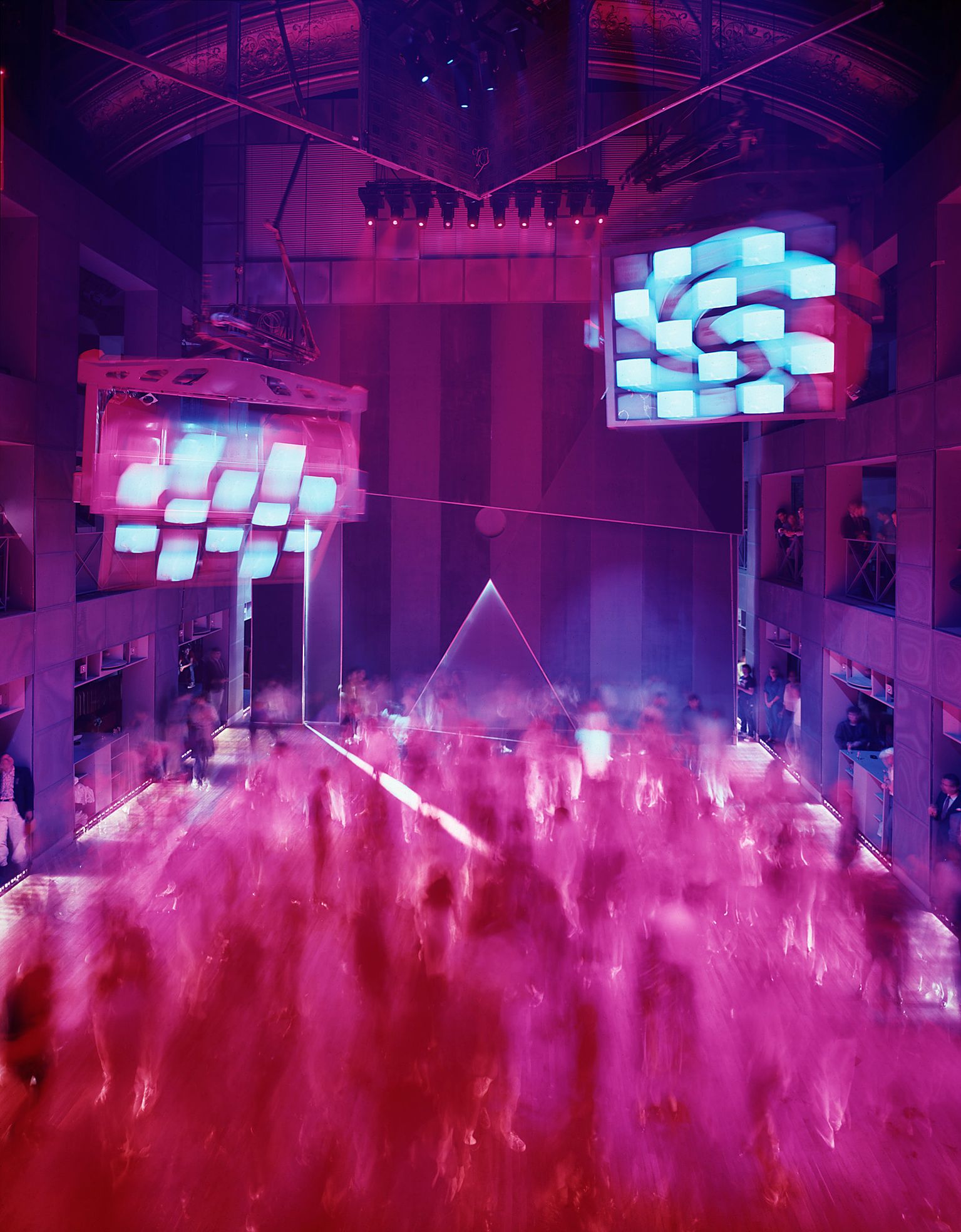

The project constantly played with oppositions: old and new, intimacy and spectacle, monumentality and fragmentation. The illuminated white grids surrounding the dance floor gave the club a futuristic quality, while the surviving theatre ornamentation anchored it to another era entirely. Isozaki’s approach reflected his wider architectural philosophy, which resisted being tied to a single style. Influenced by both Metabolist architecture and postmodern experimentation, he treated every project as a unique response to context and culture.


The Social Mood of the 1980s
The Palladium Nightclub also captured the atmosphere of New York during the mid-1980s, a city shaped simultaneously by creativity, excess, crisis and reinvention. Opening after the era of Studio 54, the club reflected a shift from the disco culture of the 1970s toward a more fragmented and image-driven nightlife scene. Writers and critics described the Palladium as both exhilarating and overwhelming: a gigantic “factory of entertainment” where technology, spectacle and consumer culture collided. Beneath the glamour sat the realities of the time, including the AIDS crisis, rising commercialism and changing social dynamics in Manhattan. Yet the project still carried a sense of optimism. Rubell and Schrager envisioned the club as a space where different worlds could meet, offering escapism, fantasy and collective experience during a difficult period in the city’s history.

A Short-Lived but Lasting Icon
Although the Palladium Nightclub closed in 1997 and was demolished the following year to make way for New York University housing, its cultural influence remains significant. Photographs by Timothy Hursley continue to document the club’s extraordinary interiors and the energy of its crowds, preserving a vision of nightlife as total environment. The project has since appeared in exhibitions exploring the history of club culture and immersive design, including presentations at the Vitra Design Museum.

Today, the Palladium is remembered not only as a nightclub, but as a rare collaboration between architecture, contemporary art, music and performance at an urban scale. It remains one of Isozaki’s most radical works in the United States, a project that treated nightlife as a serious cultural and architectural force rather than a marginal form of entertainment.