
Eva & Nils Koppel, Gert Edstrand, and Poul Erik Thyrring
Panum Building
- ArchitectEva & Nils Koppel, Gert Edstrand, Poul Erik Thyrring, and Edith & Ole Nørgård
- PhotographerSandra Gonon/Arkitekturbilleder.dk
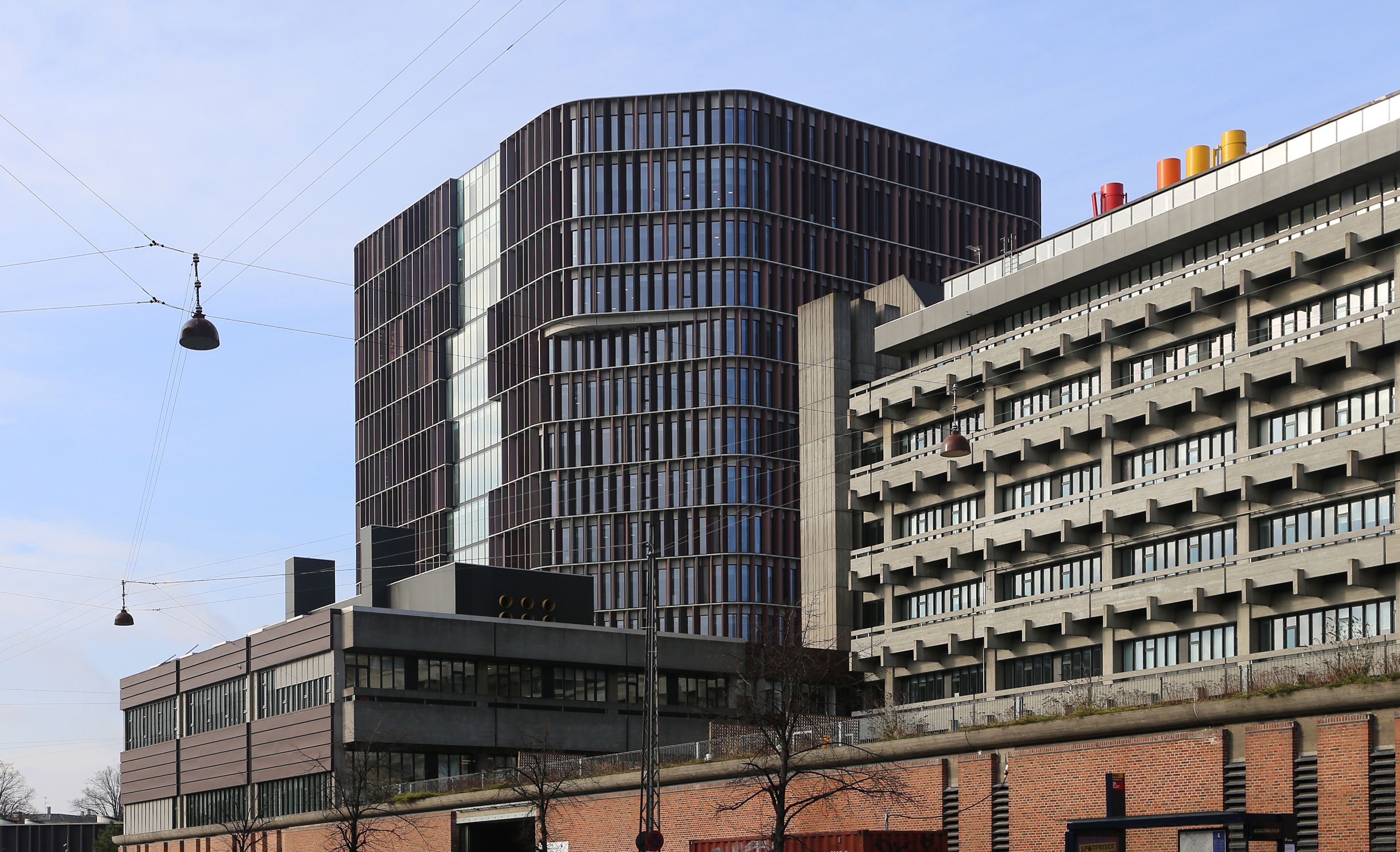
Søren Pihlmann While Copenhagen has many remarkable buildings, there is nothing quite like the Panum Institute. Brutal and playful, precise and peculiar, it does not fully fit into the city’s architectural order, yet has become an integral part of it precisely through that friction.

Panum Building
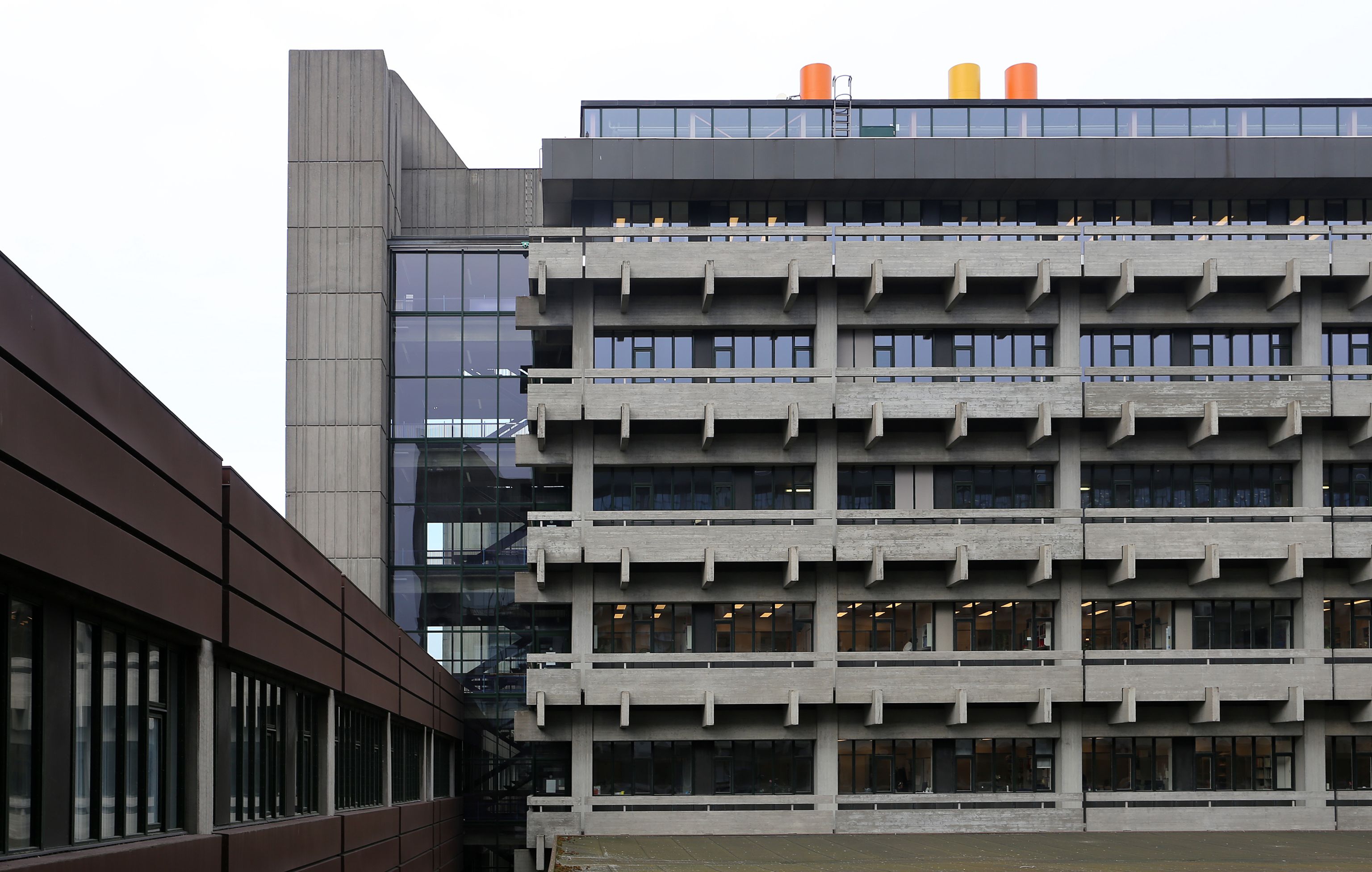
The Panum Building, formerly known as the Panum Institute, is a major academic complex on the University of Copenhagen’s North Campus in Denmark. Named after the Danish physiologist Peter Ludvig Panum (1820–1885), it houses the Faculty of Health and Medical Sciences, including the Dental School, the School of Oral Health Care, and the School for Dental Technicians.
Covering approximately 105,000 square meters, the complex contains lecture theatres, offices, student clubs, libraries, canteens, and the largest dental clinic in Denmark with around 230 treatment chairs. The building has served as a center for health education since 1975, with the School of Oral Health Care moving in by 1986. Its scale, programmatic diversity, and central role in Denmark’s medical education make it one of the country’s most significant institutional buildings.





Architectural Vision and Brutalist Design
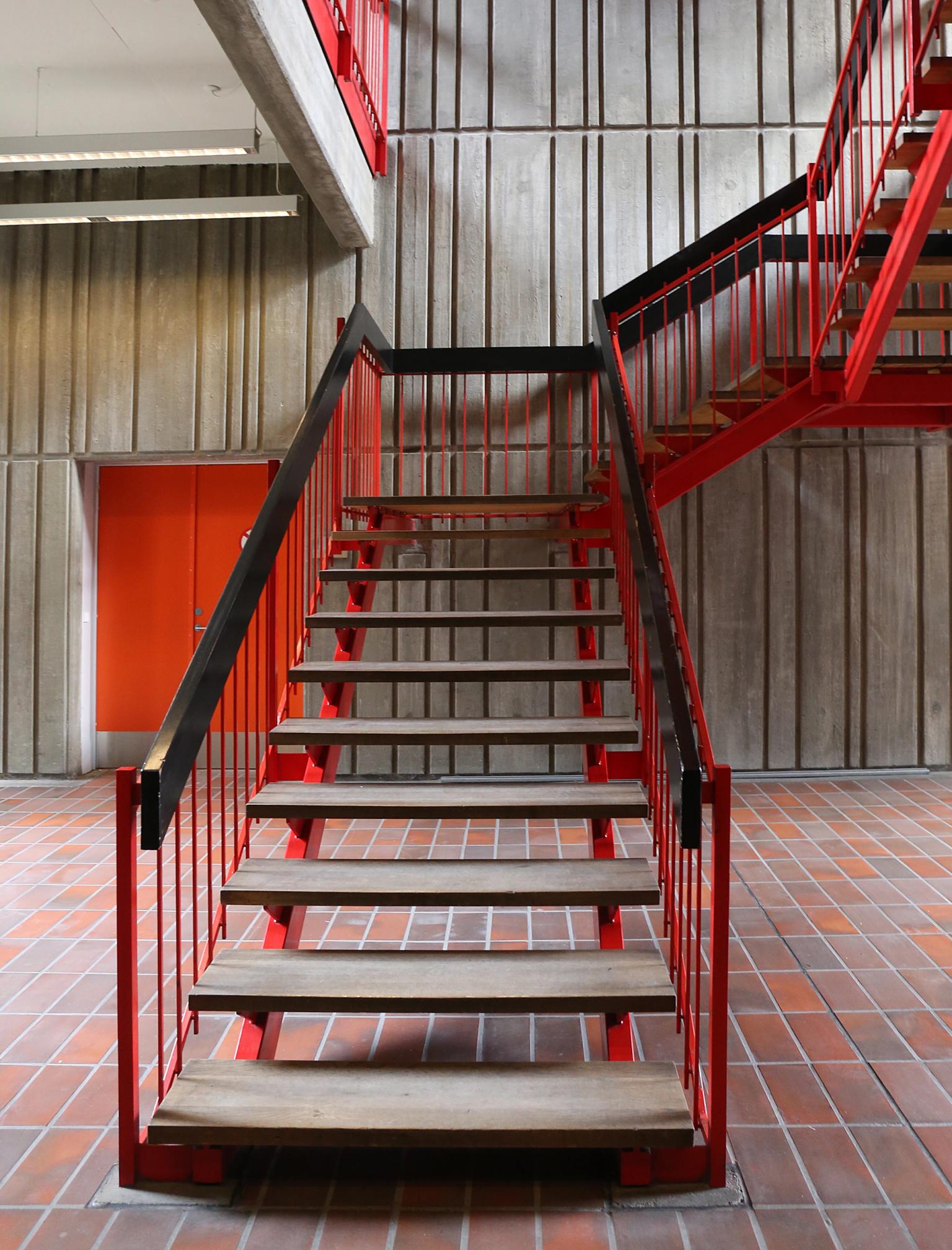
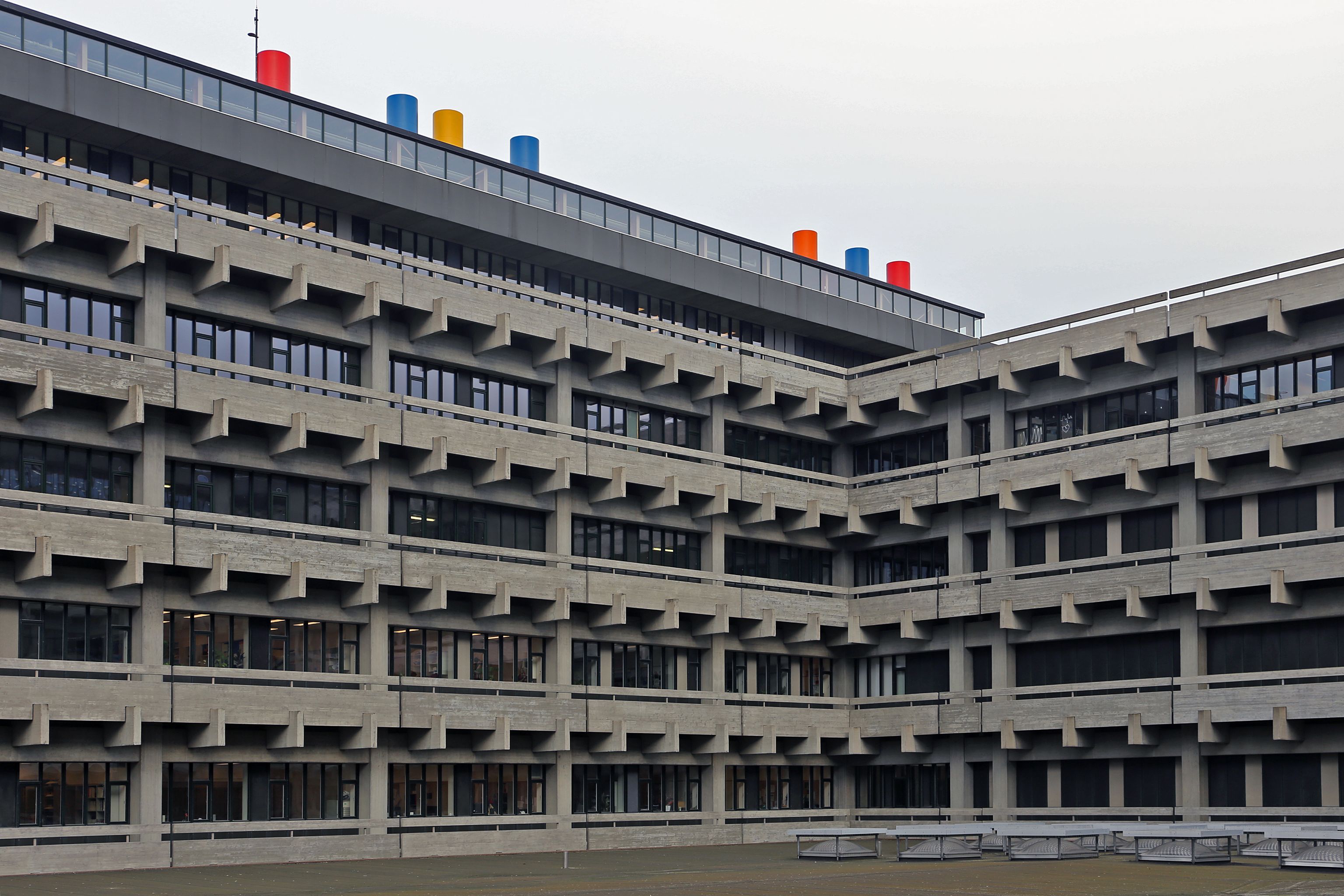
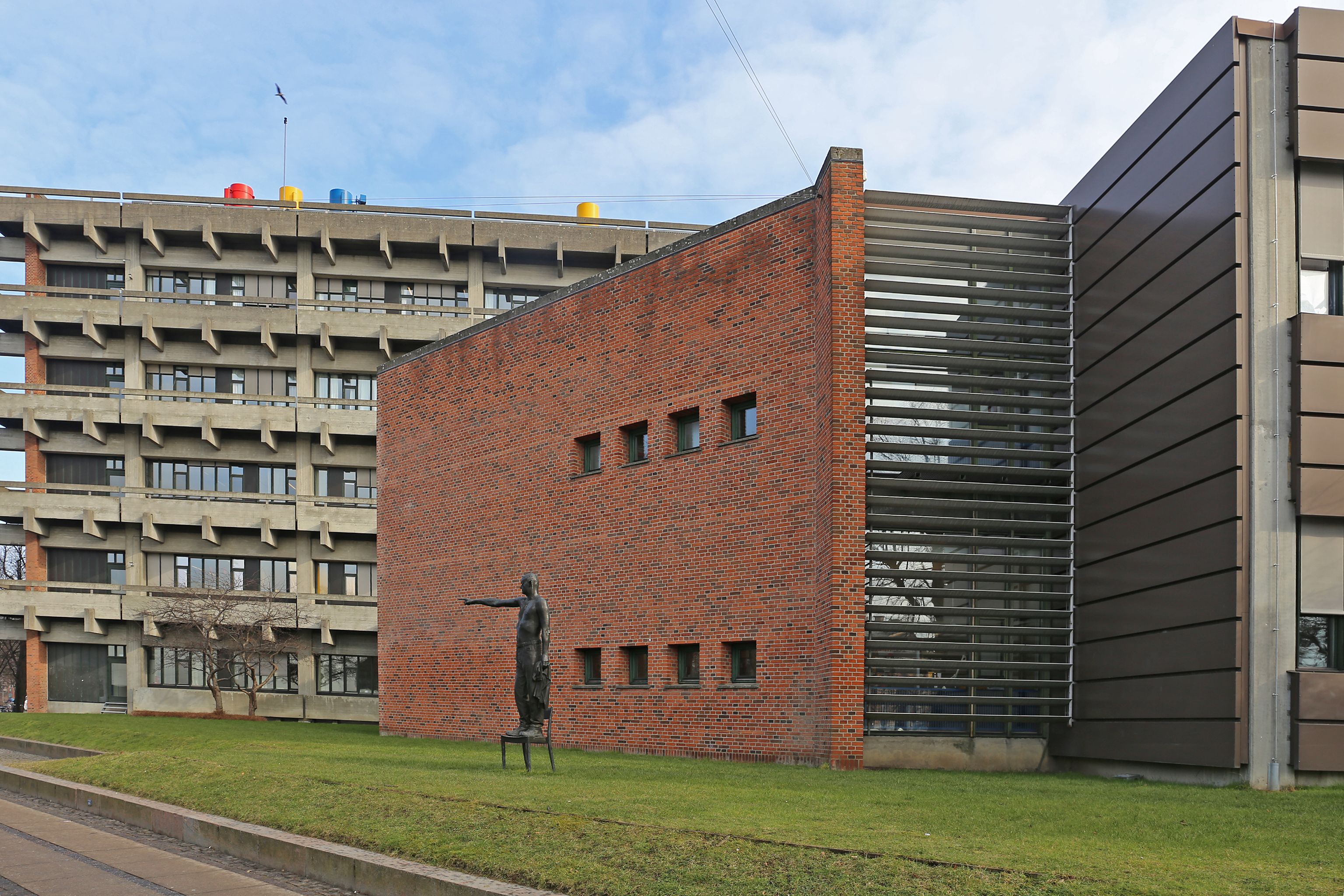
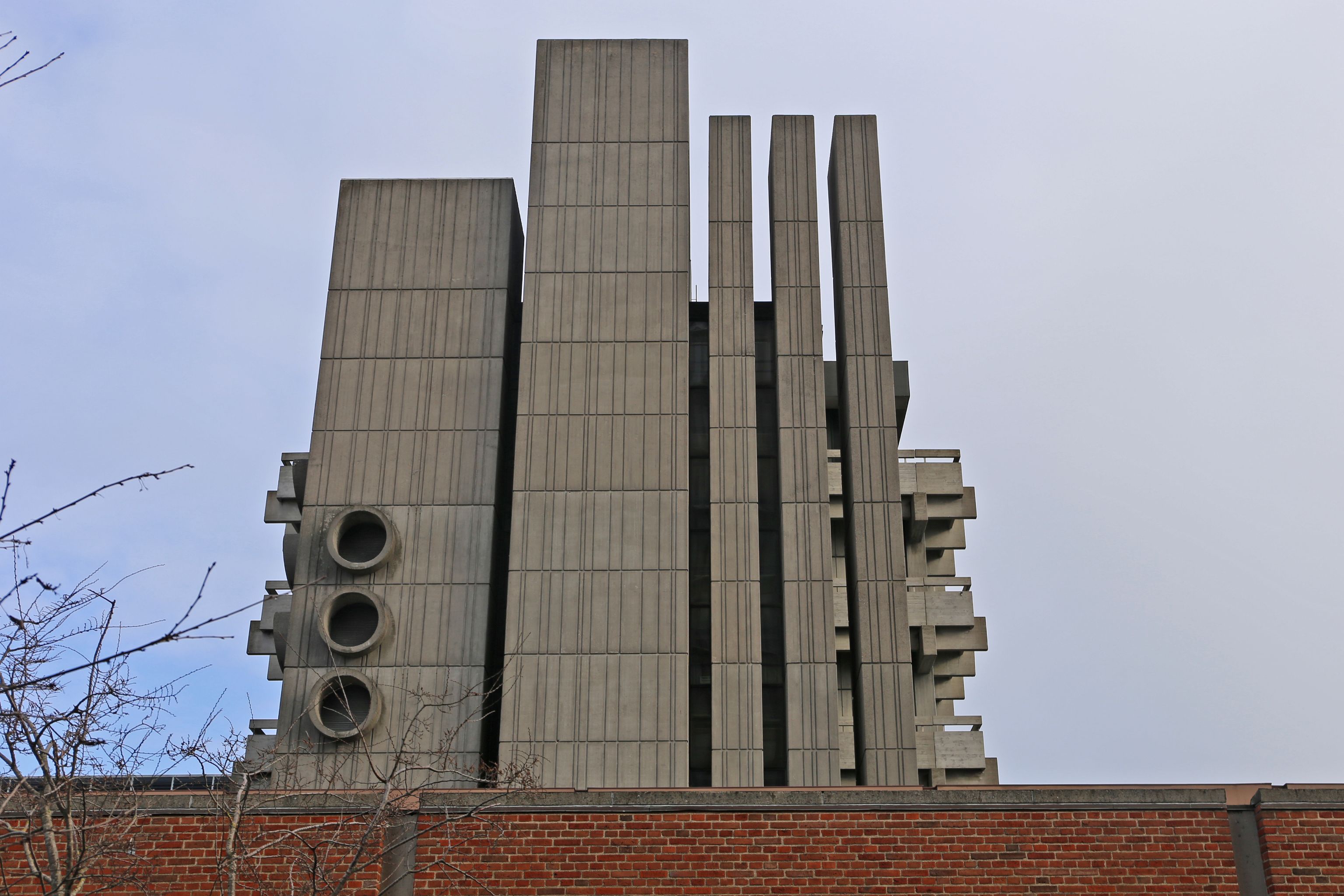
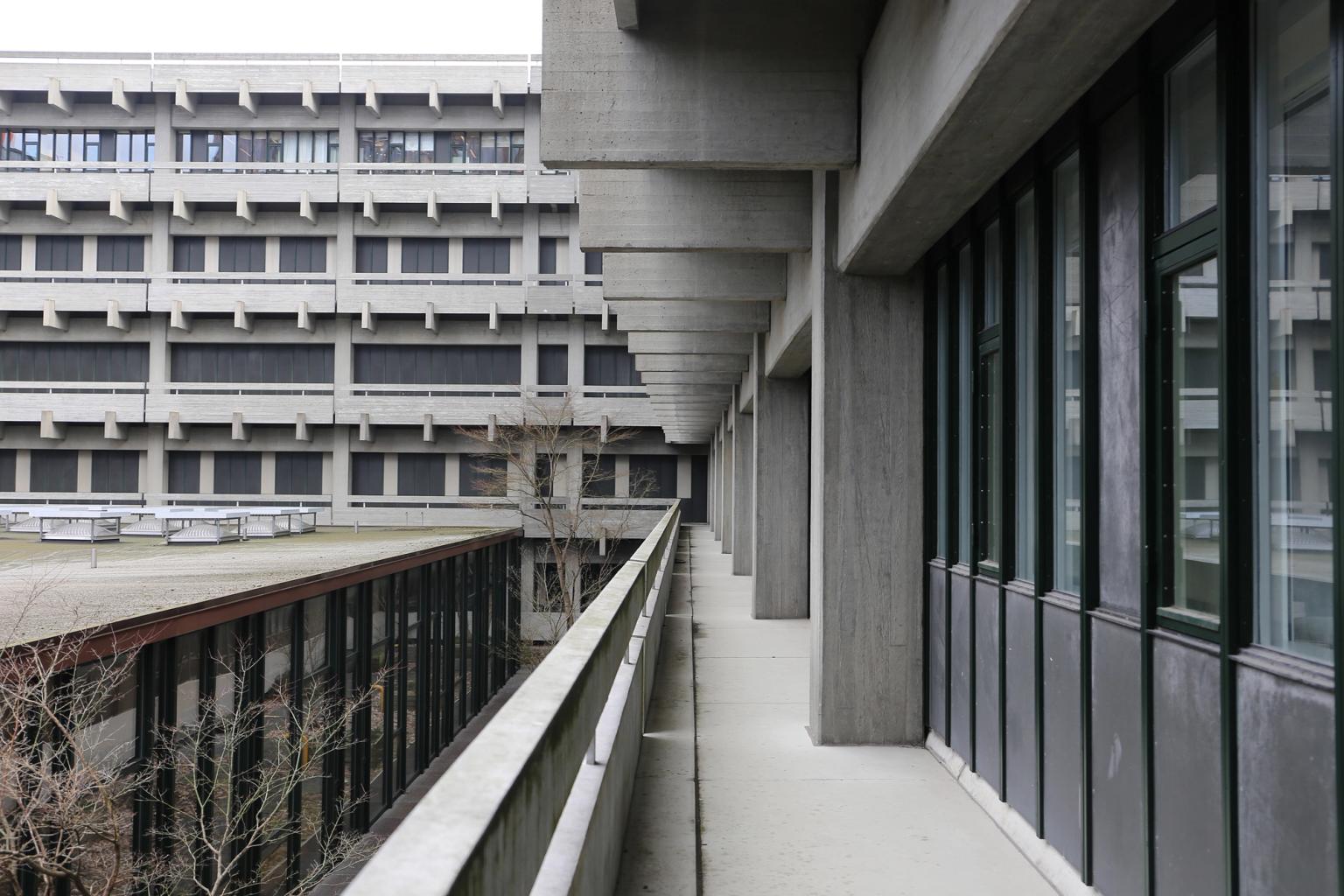
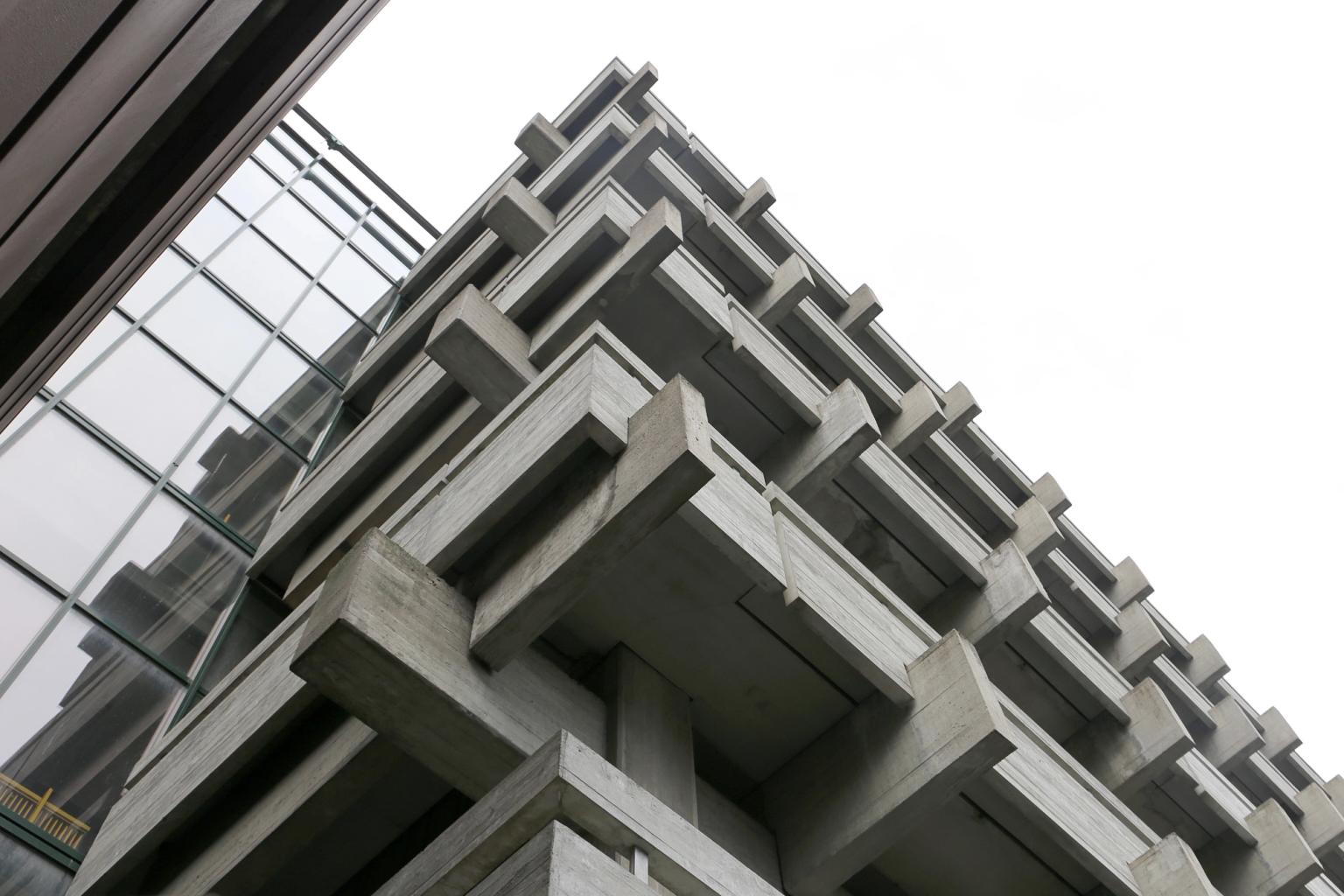
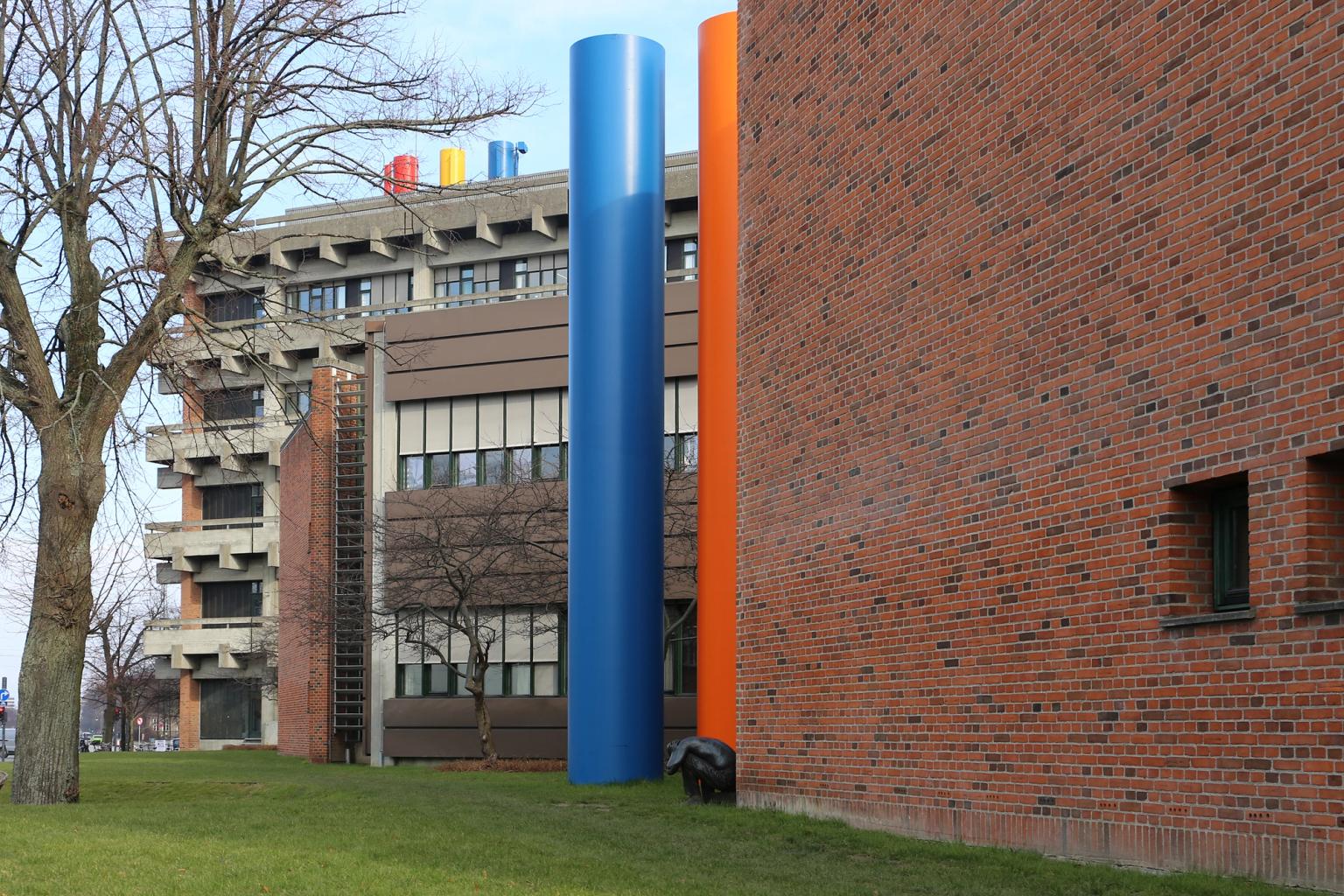
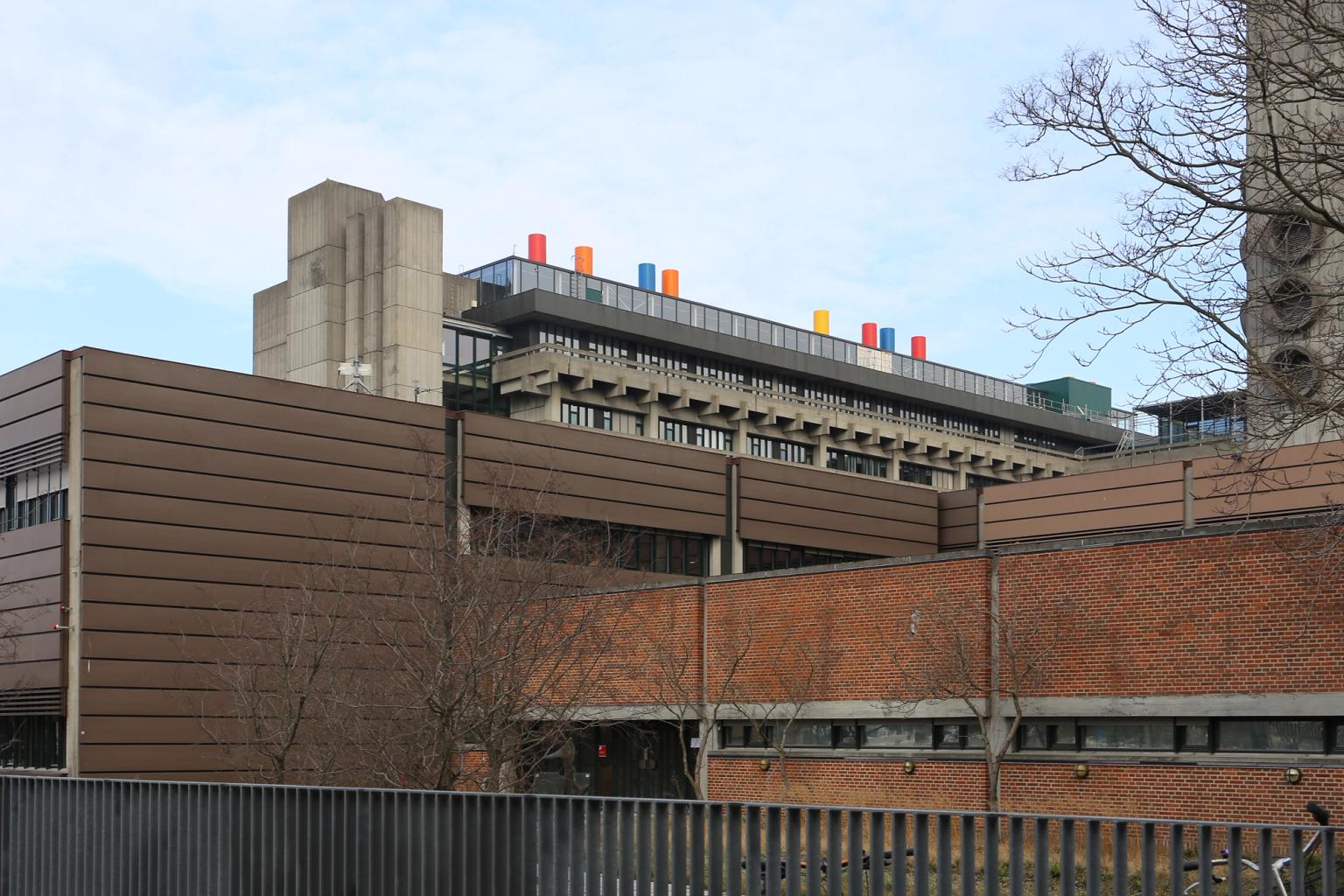
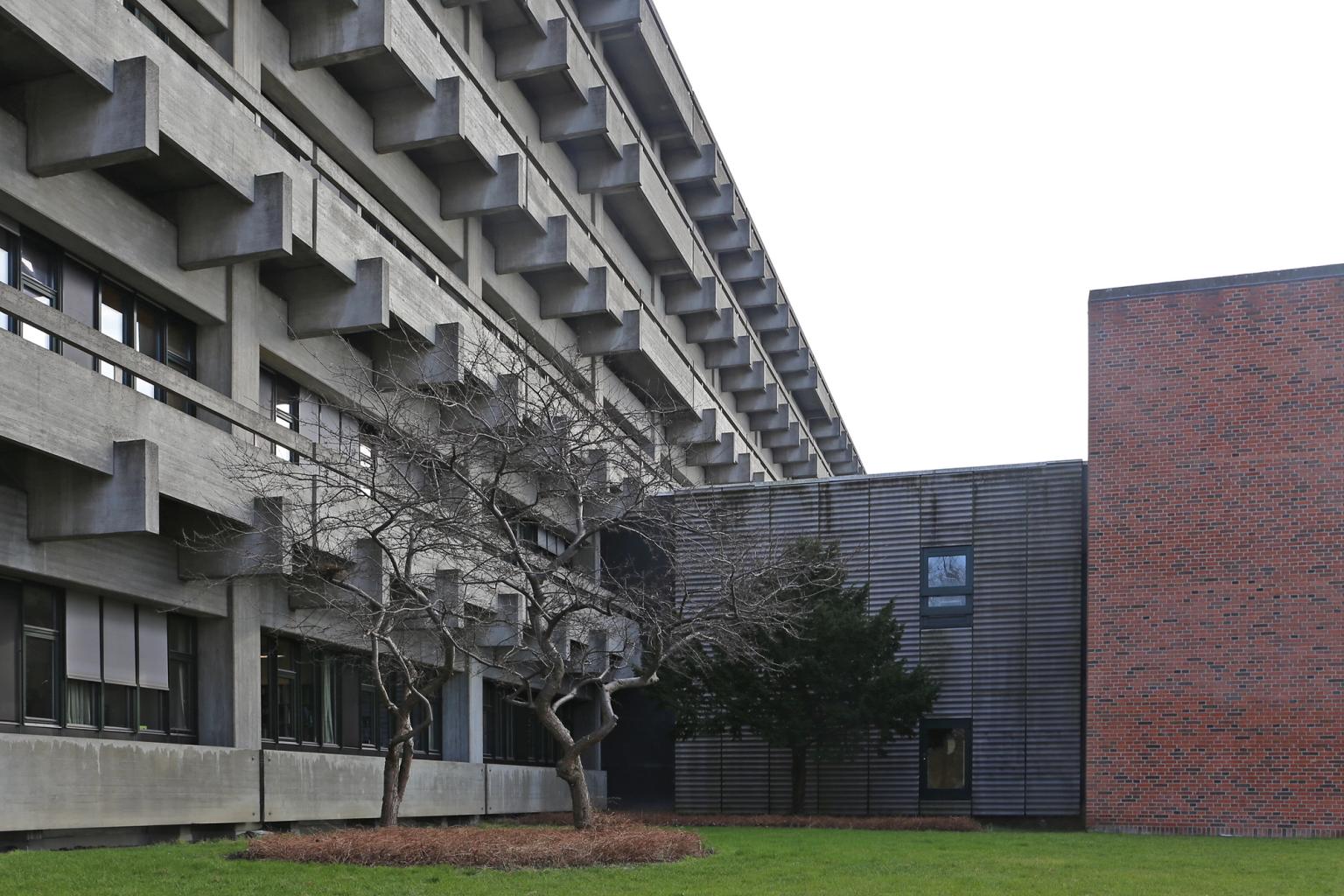
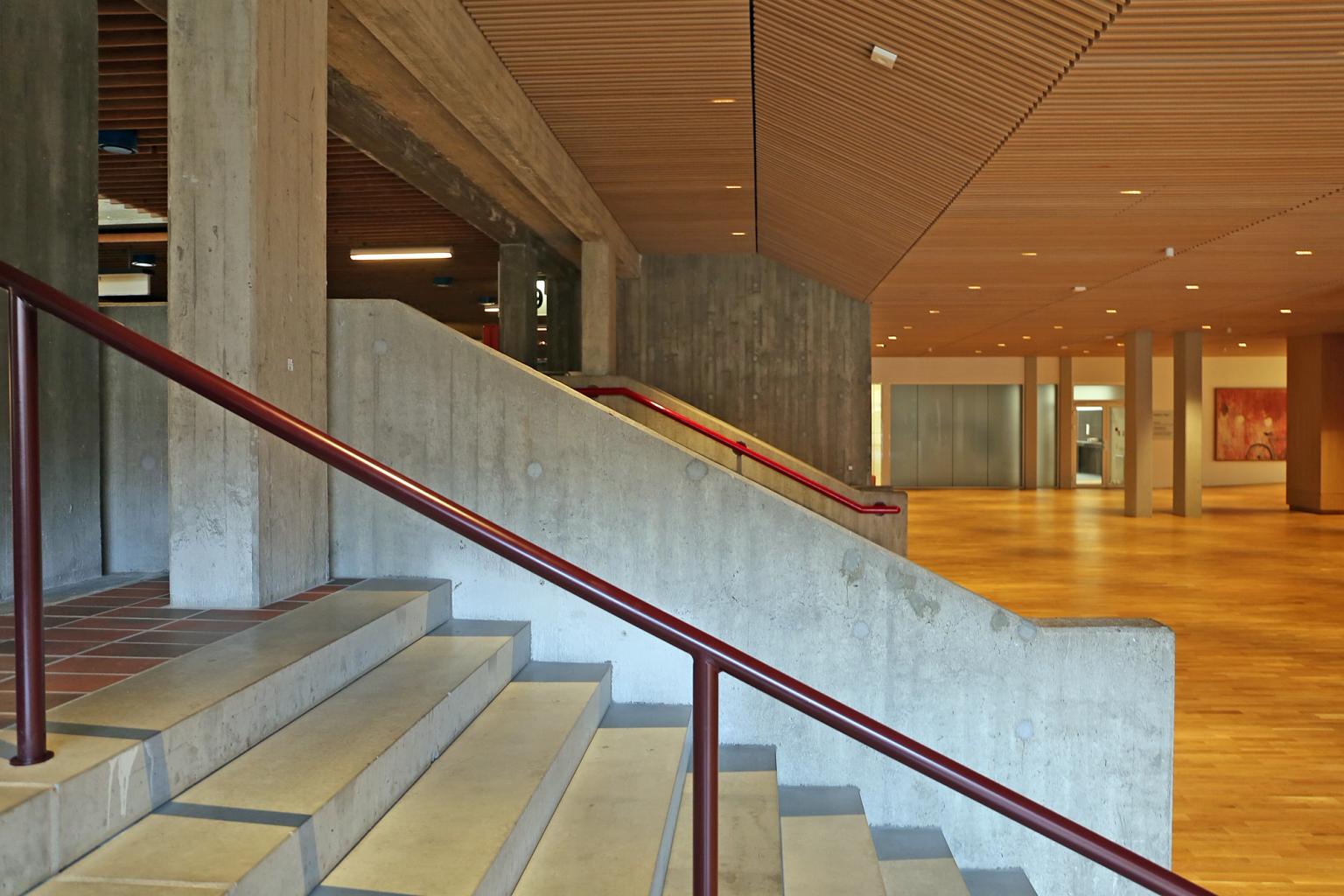
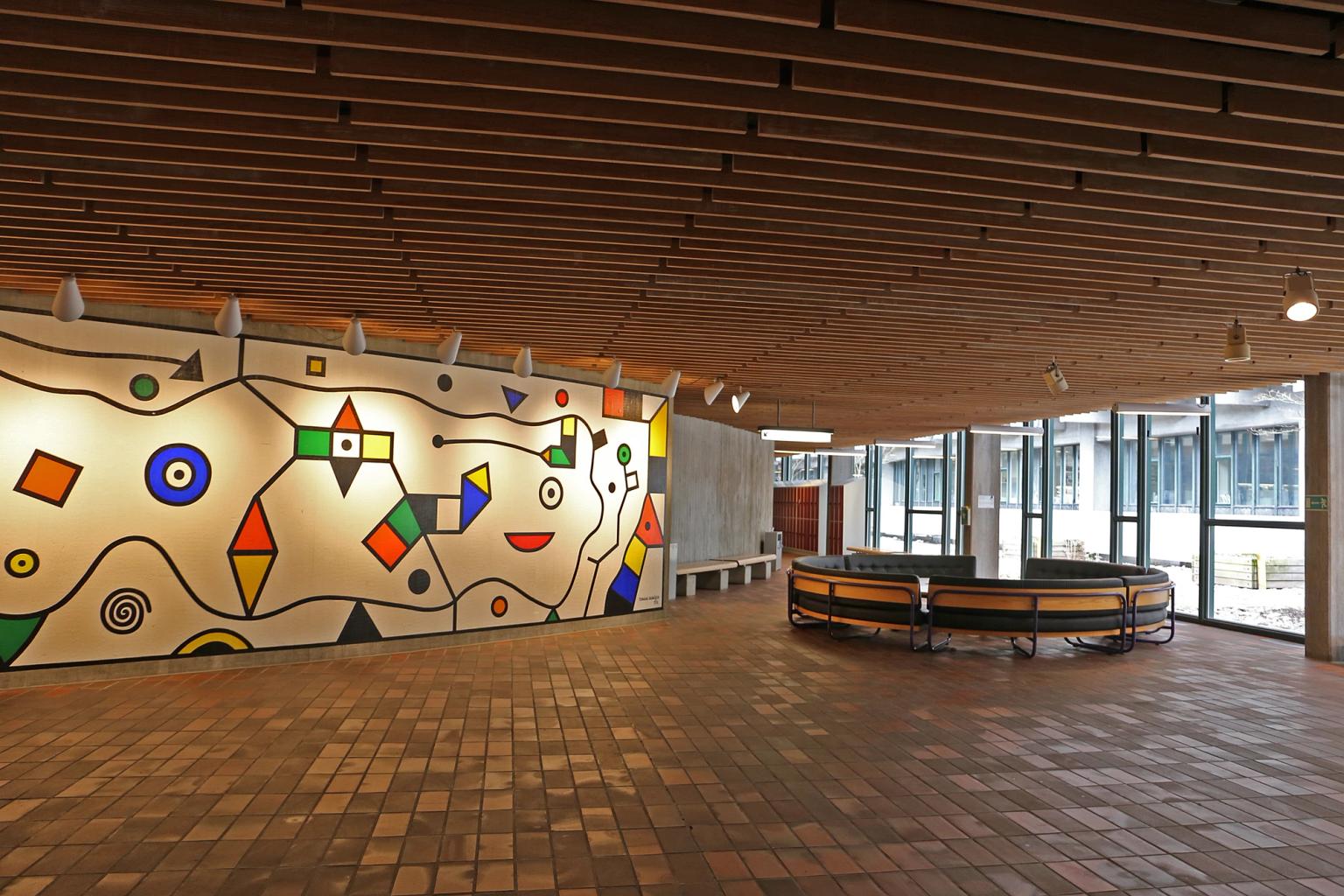
Constructed between 1971 and 1986, the Panum Building was designed by architects Eva and Nils Koppel, Gert Edstrand, and Poul Erik Thyrring, with landscape design by Edith and Ole Nørgård. The building is a notable example of Danish Brutalism, expressed in its concrete, brick, and brown-painted steel façade, while Tonning Rasmussen contributed the artistic decoration, color scheme, and signature chimneys. Inside, the interiors feature exposed concrete with distinct wooden formwork patterns, dark tiling, pine wood, and colorful metal elements, all reflecting Rasmussen’s design sensibility.
Public artworks, including three bronze sculptures along the west façade by Claus Carstensen, engage with themes of territory and human struggle, linking the architectural environment to broader cultural narratives. The Panum complex occupies a triangular site bordered by Blegdamsvej, Tagensvej, and Nørre Allé, with its stepped, comb-like structure along Tagensvej serving as a sound barrier against a previously planned motorway.

Maersk Tower
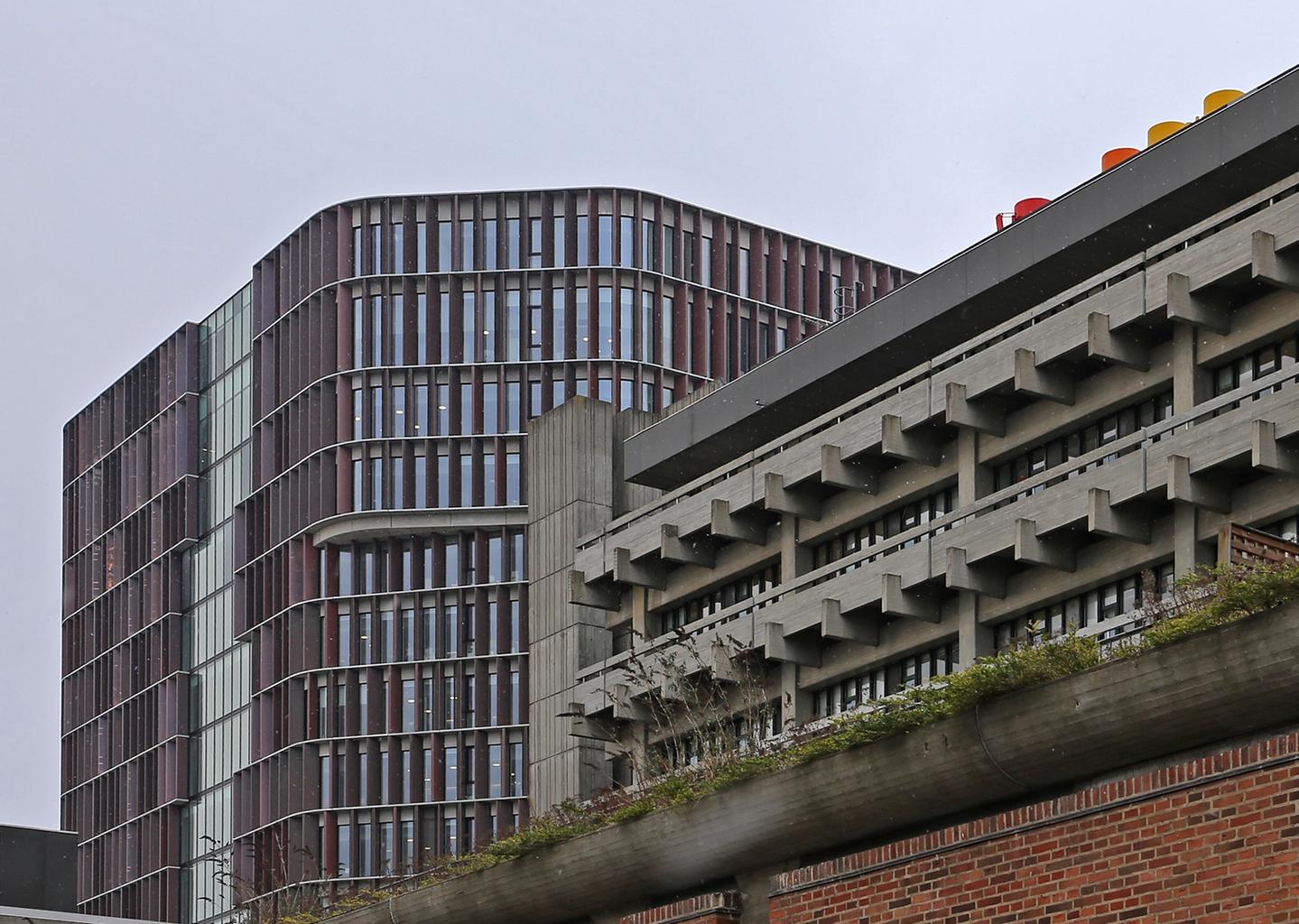
In 2012, construction began on the Maersk Tower, an extension that opened in January 2017, increasing the Panum complex from 105,000 to 140,000 square meters. The tower provides 42,700 square meters of new space for research, teaching, and public engagement, including laboratories, conference facilities, and a public observation platform. Its design emphasizes connectivity, with a continuous spiral staircase linking a fifteen-floor atrium and open “Science Plazas” that encourage collaboration and interaction between disciplines. The façade is structured with copper-covered shutters that act as climate control, automatically adjusting to sunlight while providing a sculptural rhythm to the tower’s verticality. The project emphasizes energy efficiency, with waste energy recycled to unprecedented levels, making it one of Denmark’s most sustainable laboratory buildings.


Integration with Campus and Community
The Panum Building and Maersk Tower together create a vibrant urban campus park, open to the public and integrating pedestrian and cyclist pathways through the site. The “floating path” crossing the Maersk Tower physically links the building to the surrounding neighborhood while inviting public engagement with ongoing research. Shared spaces like the library, canteen, and lecture areas encourage cross-departmental collaboration, echoing the building’s educational mission. From the carefully restored brutalist features of the original Panum Building to the state-of-the-art research facilities of the Maersk Tower, the complex embodies both Copenhagen’s architectural heritage and its commitment to innovation in health and medical sciences.