
Christian Kerez
Paraisopolis - Porto Seguro Social Housing
- ArchitectChristian Kerez
- Project TeamHugo Mesquita, Jung Min Yoo, Mathilde Redouté, Leon Fong, Josep Pons Miquel, Lukas Ingold & Andreas Buchli
- ClientElisabete França, Director of SMUL Pedro Martin Fernandes, Director of SP Urbanismo
Philippe Lê In the continuity of project N°1, this is an intervention in an urban context that was generated by its inhabitants without any architects. It uses the solutions that where imagined by the local population and builds on them.

Learning from the Favela
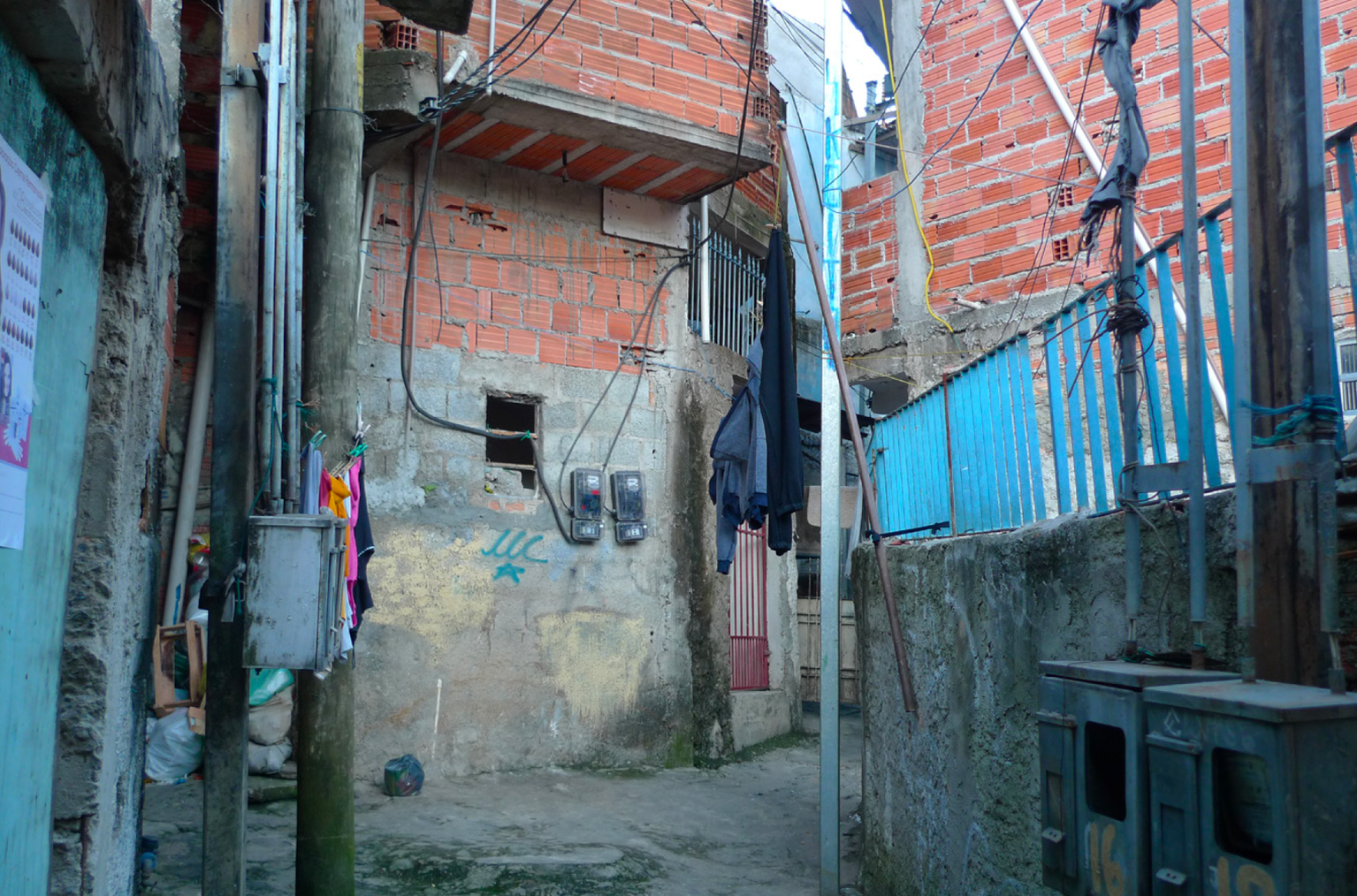
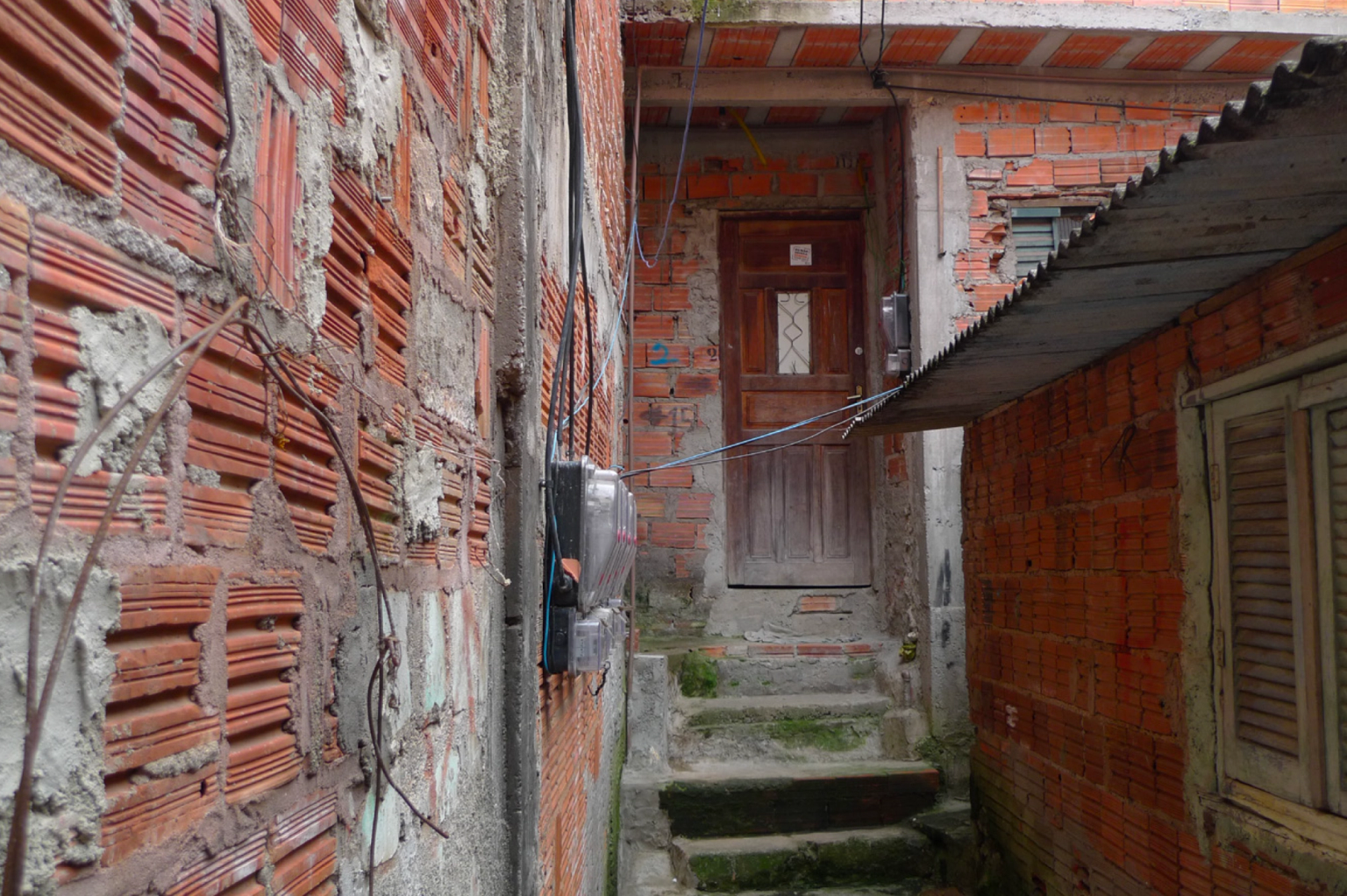
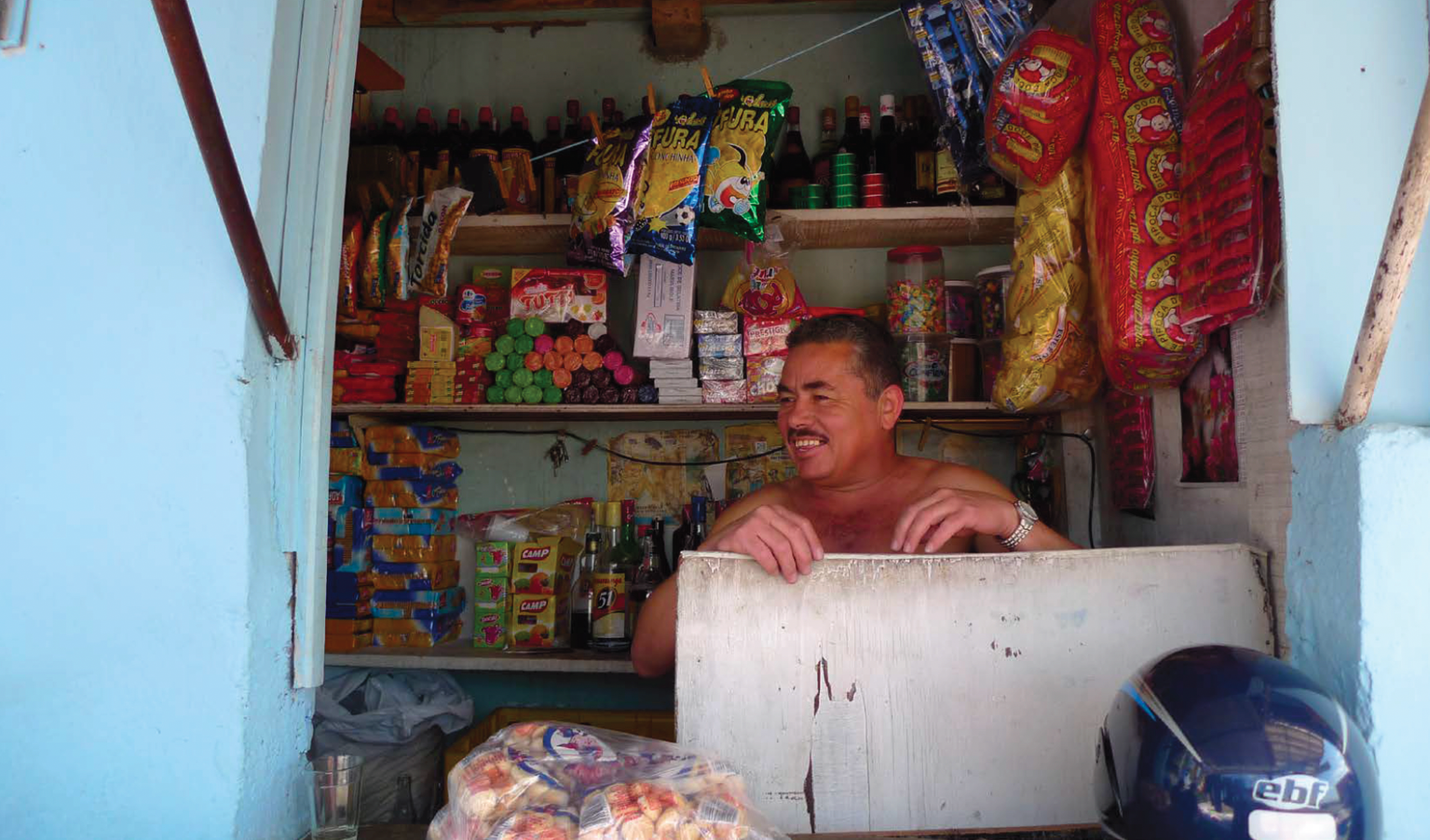
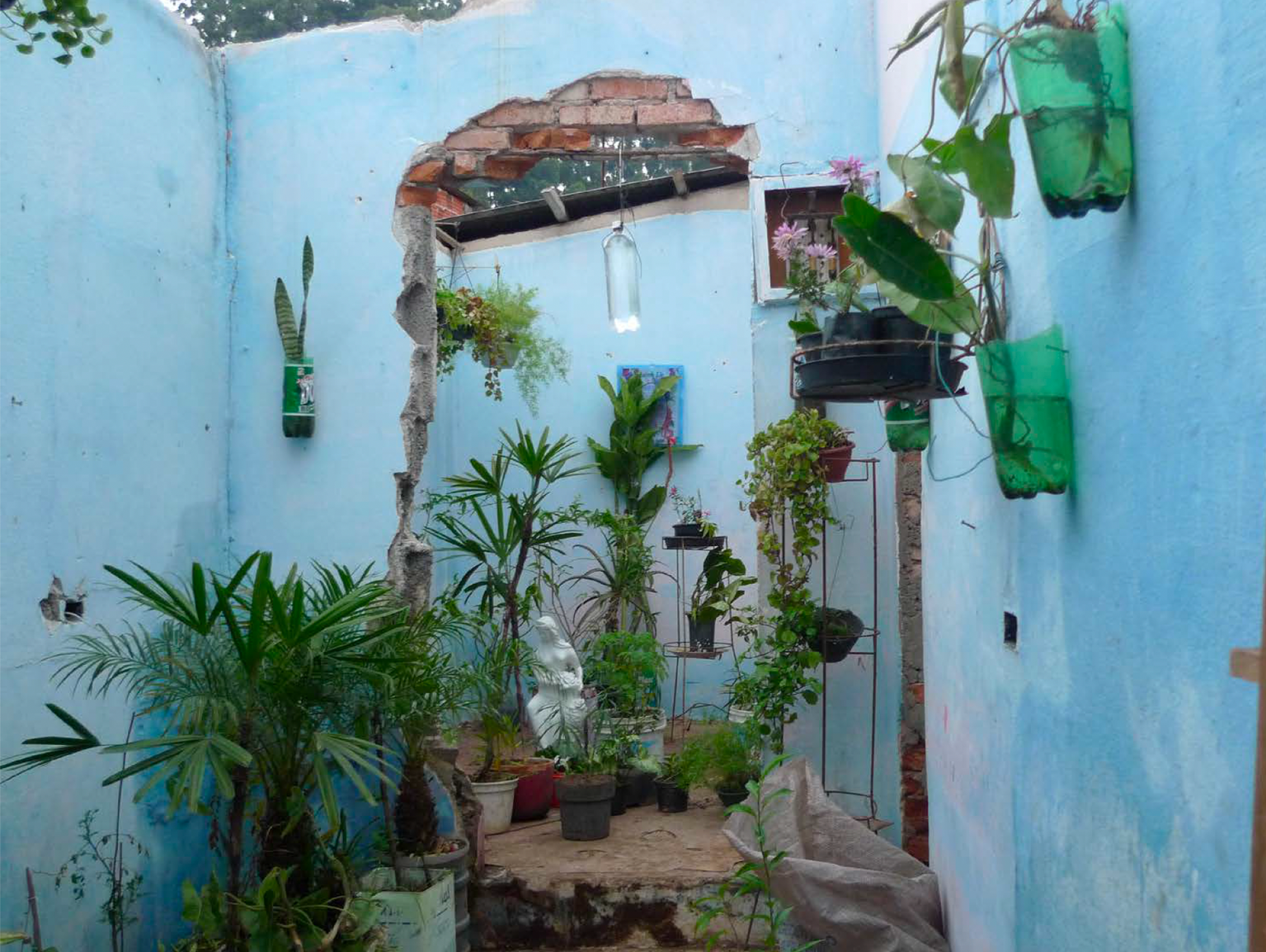
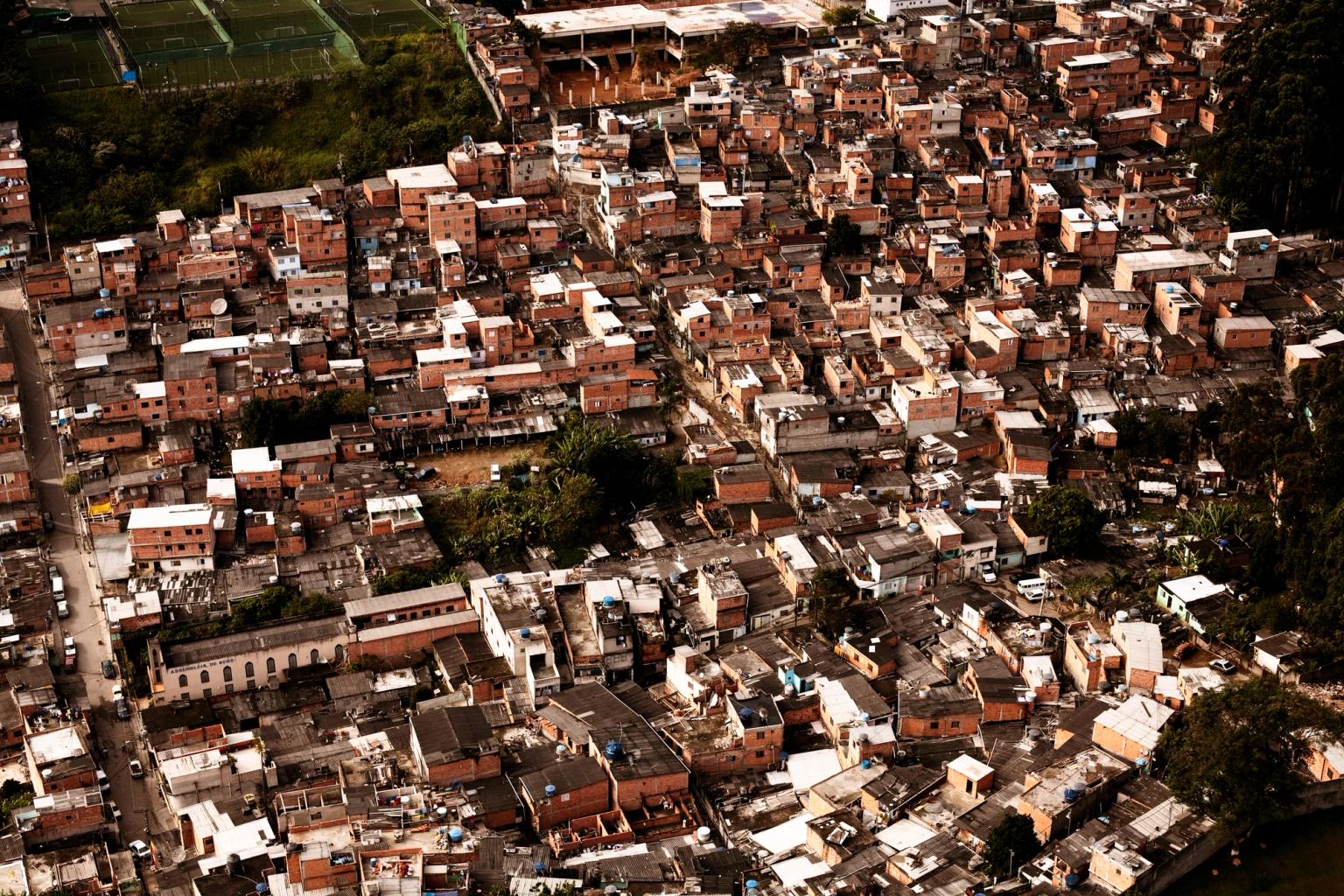
In São Paulo, more than 30 percent of the population, approximately three million people, live in informal settlements known as favelas. Far from being chaotic anomalies, these areas represent one of the most effective residential models for everyday urban life in rapidly growing cities. During extensive field studies in Paraisópolis and Jardim do Colombo, Christian Kerez and his collaborators documented streets, houses, shops, circulation patterns, and social interactions.
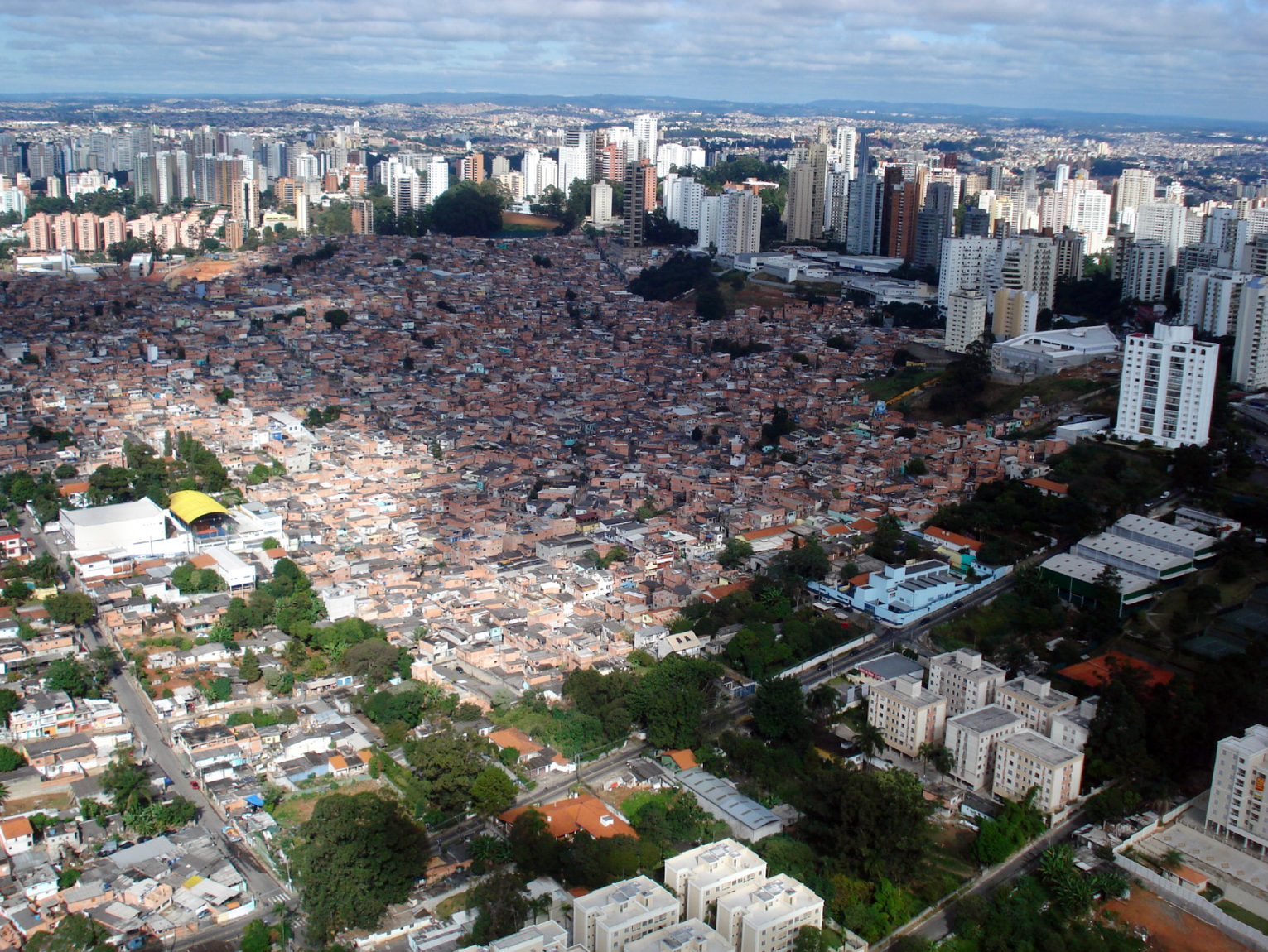

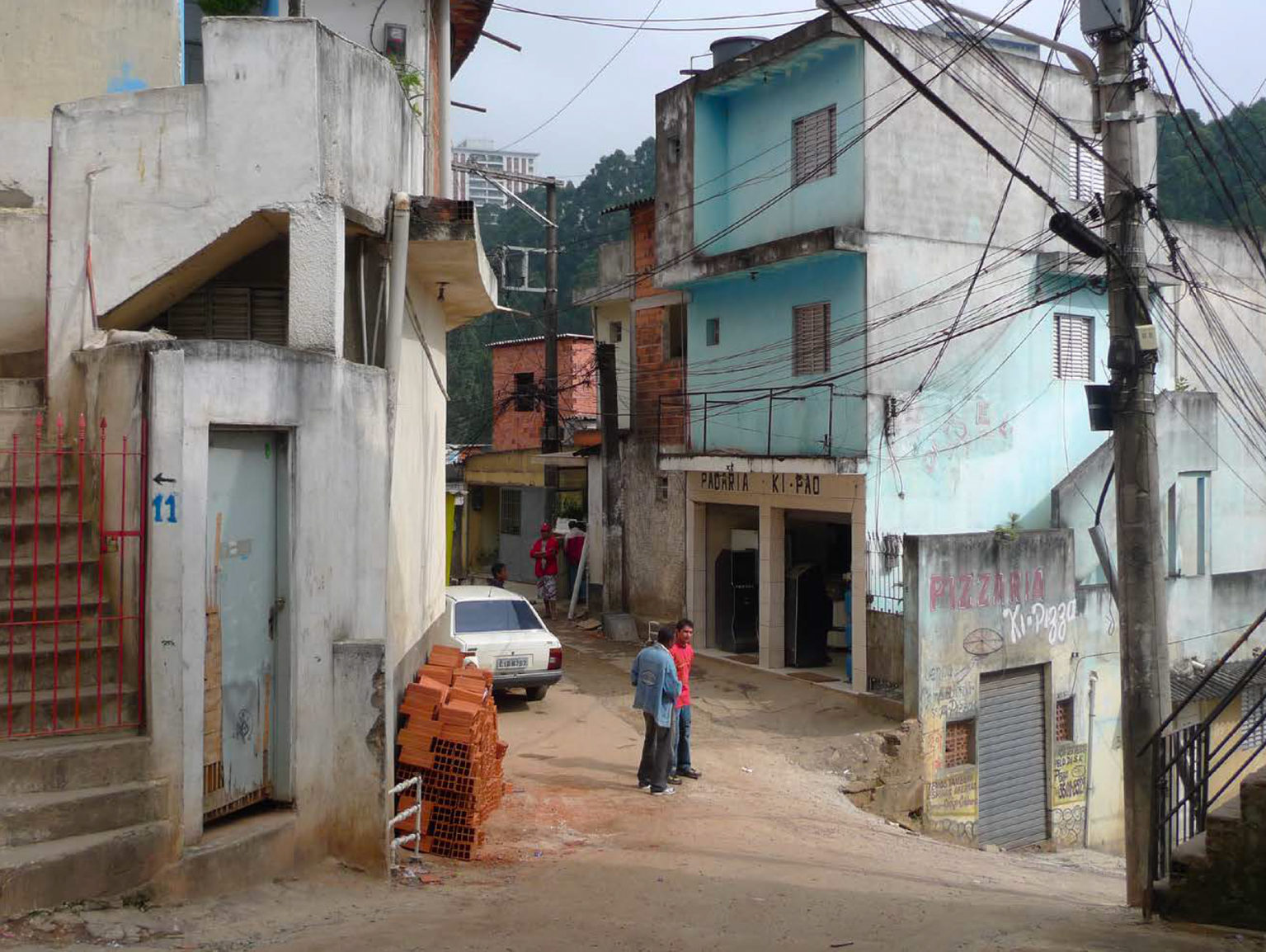

What initially appears as spatial deficiency – limited distances between buildings, difficult internal circulation, and extreme density – reveals itself as a highly differentiated urban system. The favela’s flexibility, proximity, and continuous capacity for change proved more effective than the idealized solutions of modernist housing. For this reason, the project deliberately takes the favela as a model to learn from, treating it as architecture without architects.





The Porto Seguro / Paraisópolis Project
The project was originally commissioned to upgrade the favela Porto Seguro near Paraisópolis as part of São Paulo’s large-scale Favela Urbanization Program, which aims to improve infrastructure, accessibility, and housing conditions while keeping communities in place. Instead of replacing the settlement, Kerez proposed expanding and formalizing it – conceived as the first legal favela in South America.
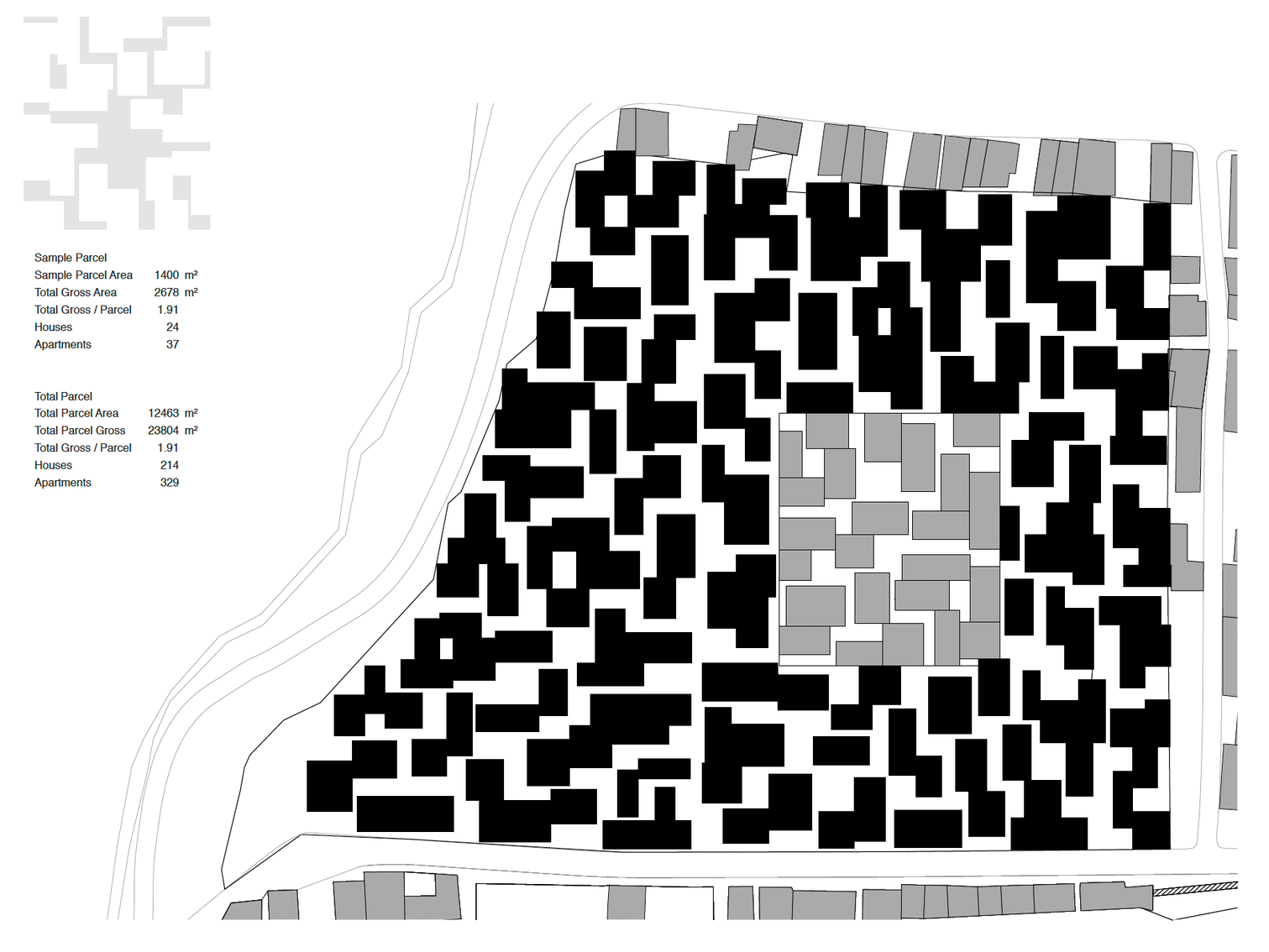


The project offers housing for families who had to leave areas at risk due to hygiene or geological conditions, while preserving social continuity and everyday urban life. Closely aligned with the municipality’s long-term housing policy, the proposal emphasized permanence, public space, and the integration of informal areas into the formal city, avoiding simplistic narratives of urban poverty and instead addressing the complexity of lived realities.

Architecture Without Repetition
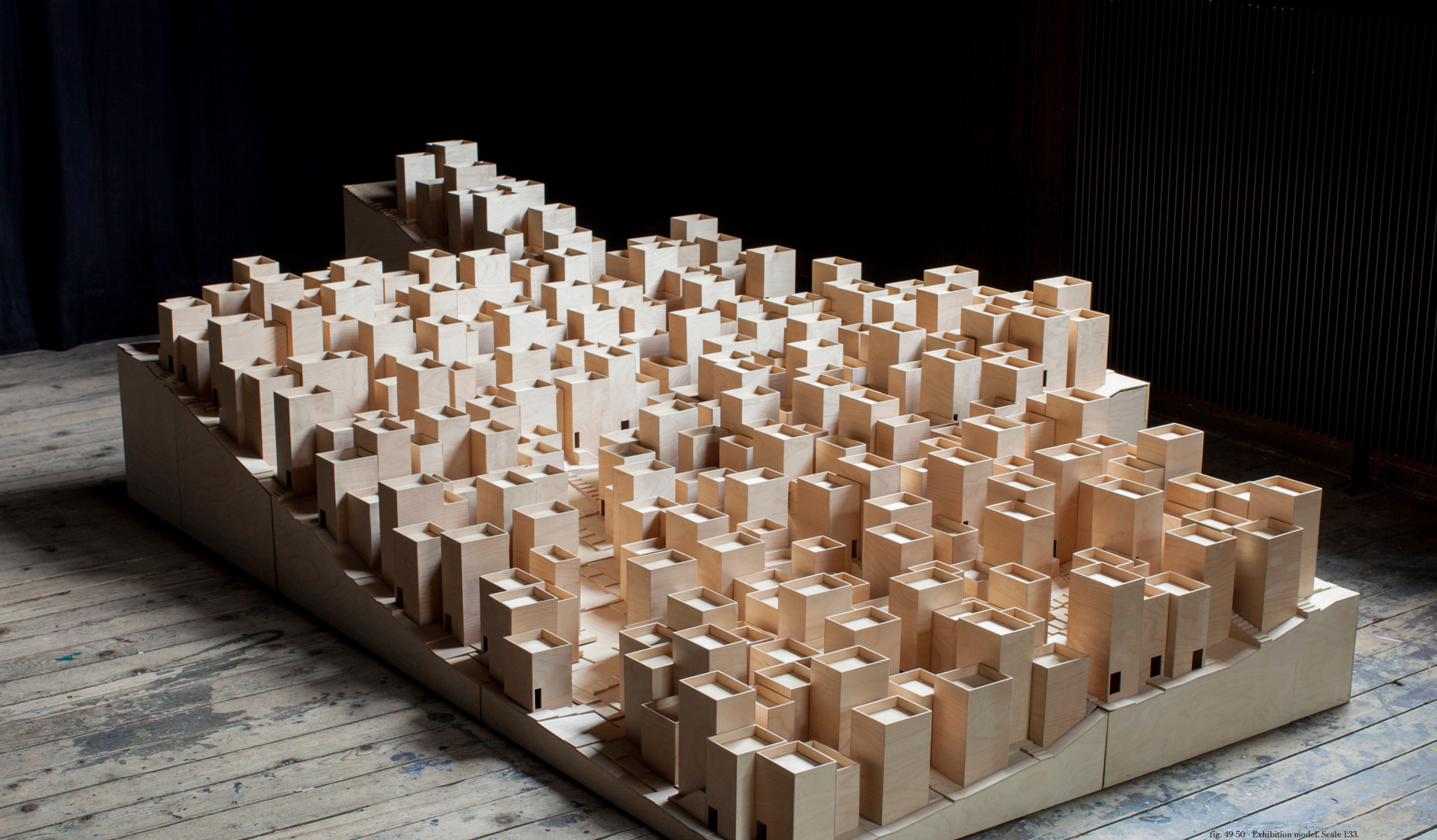
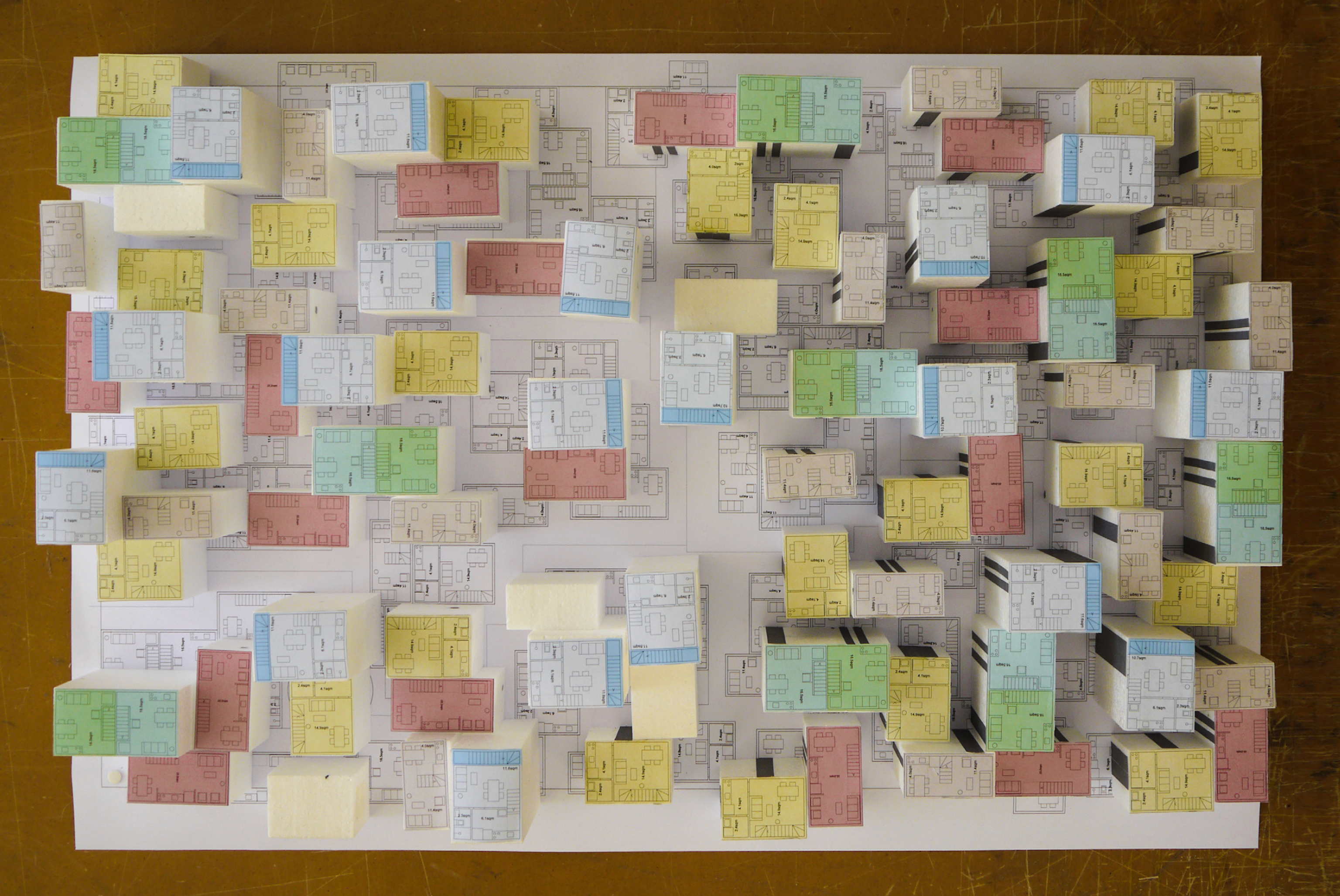
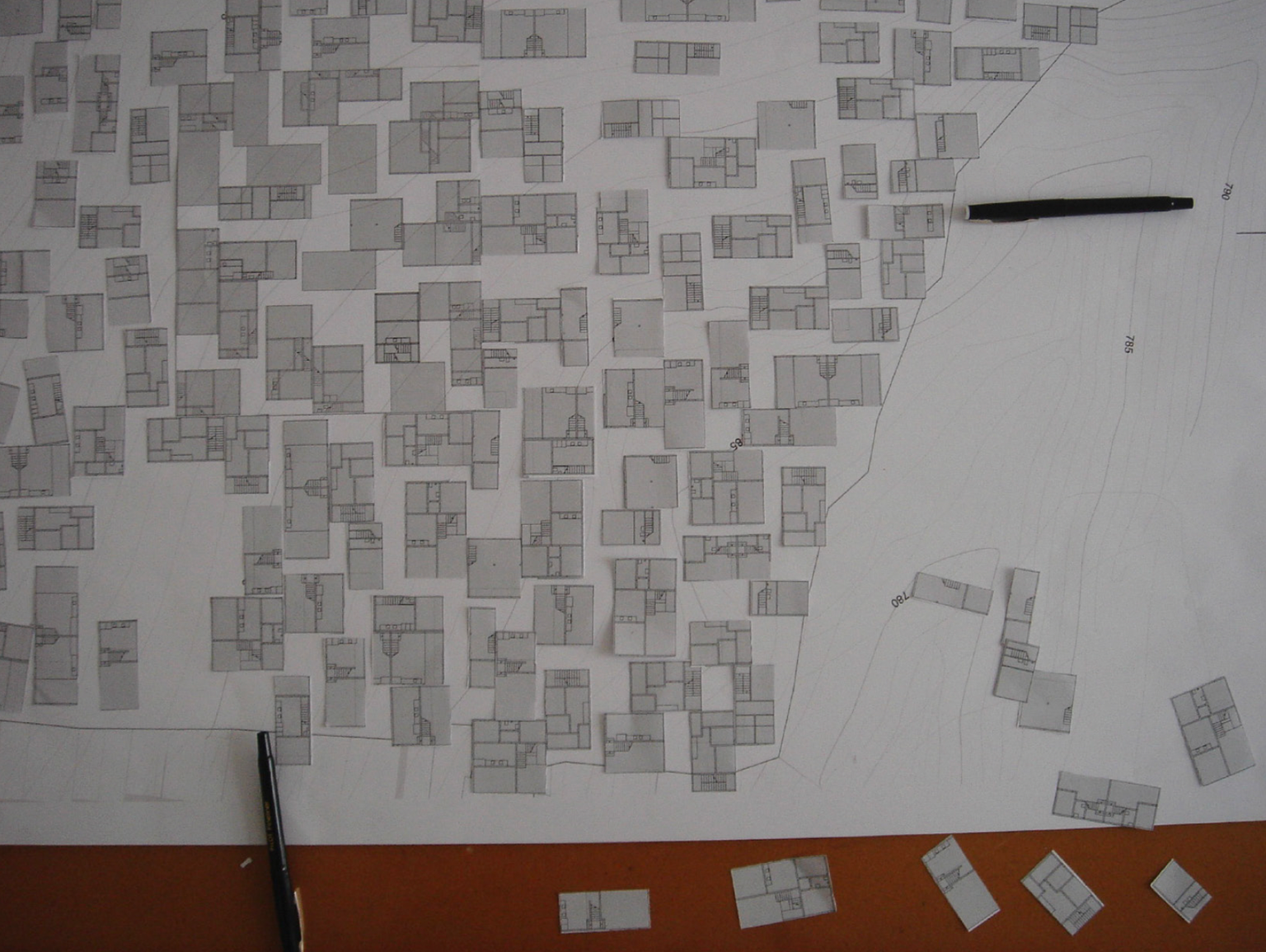
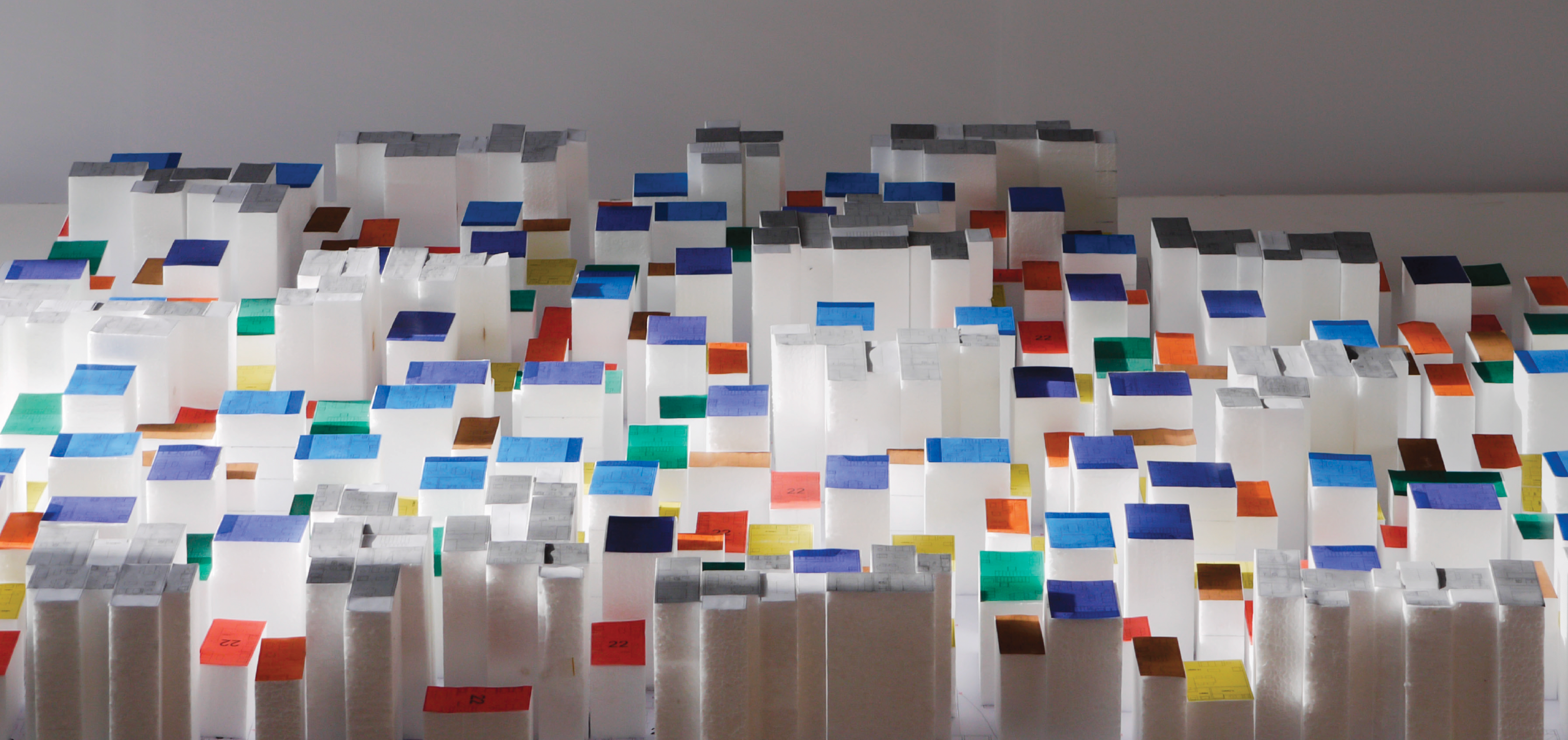
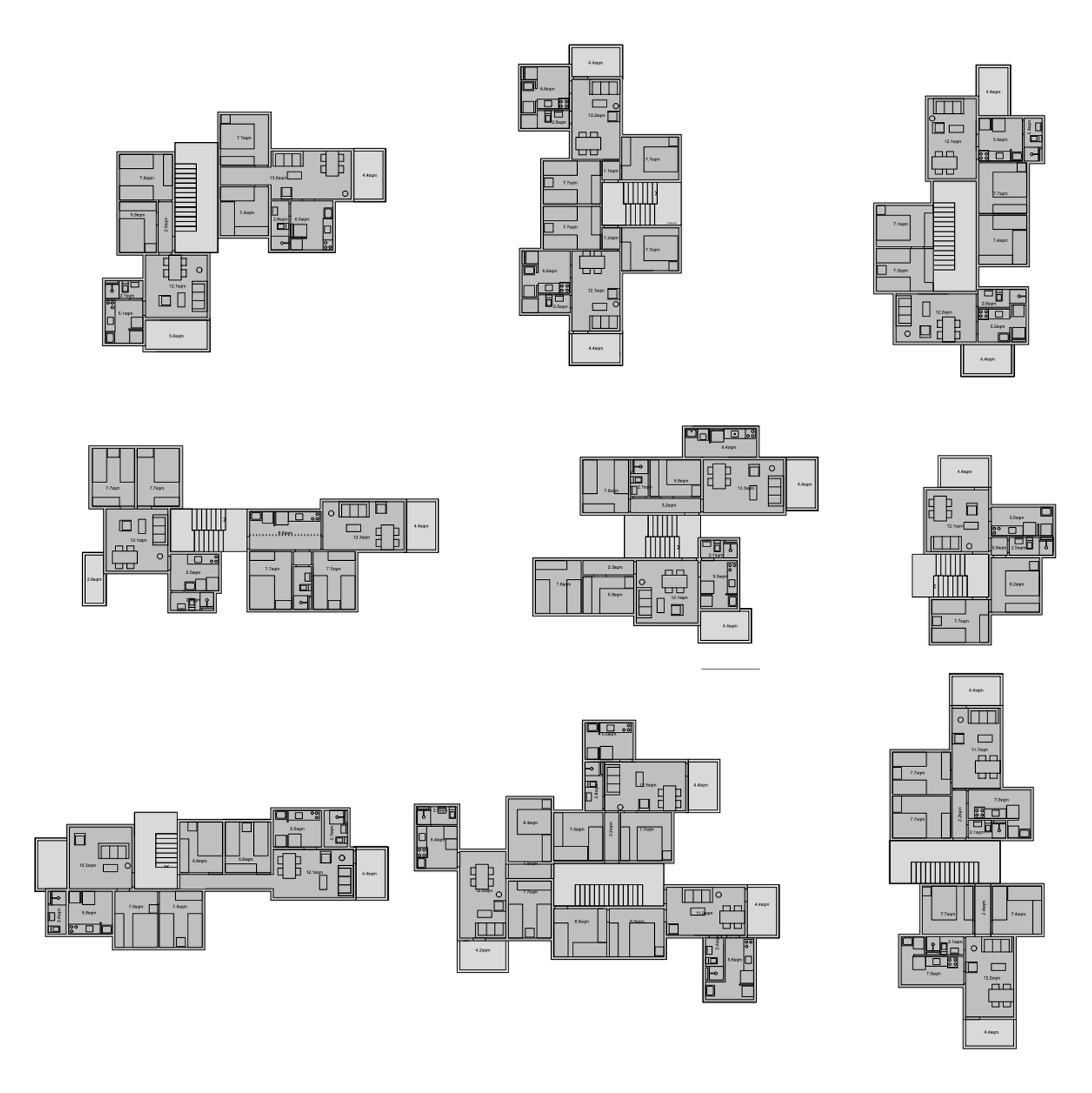
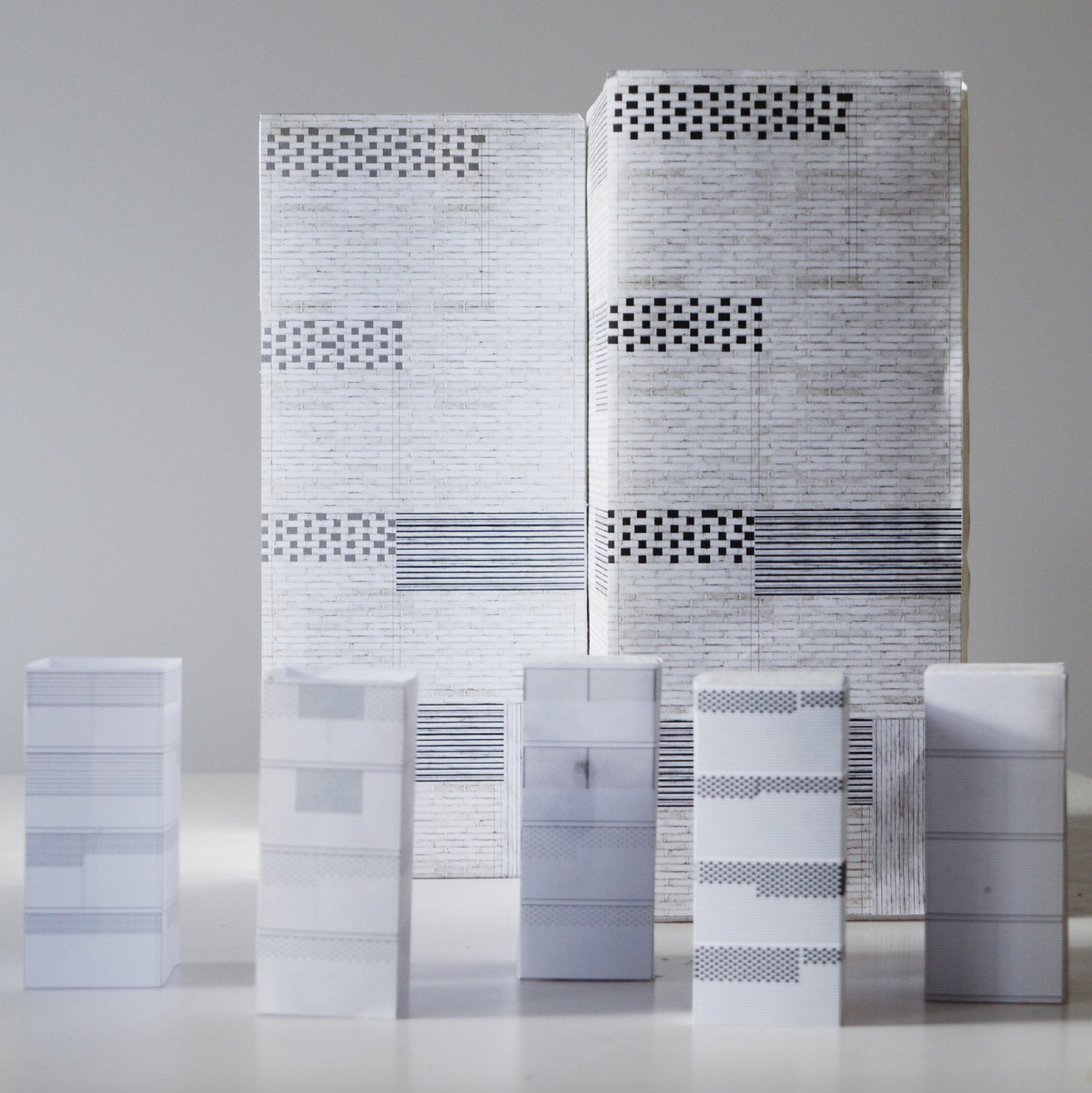
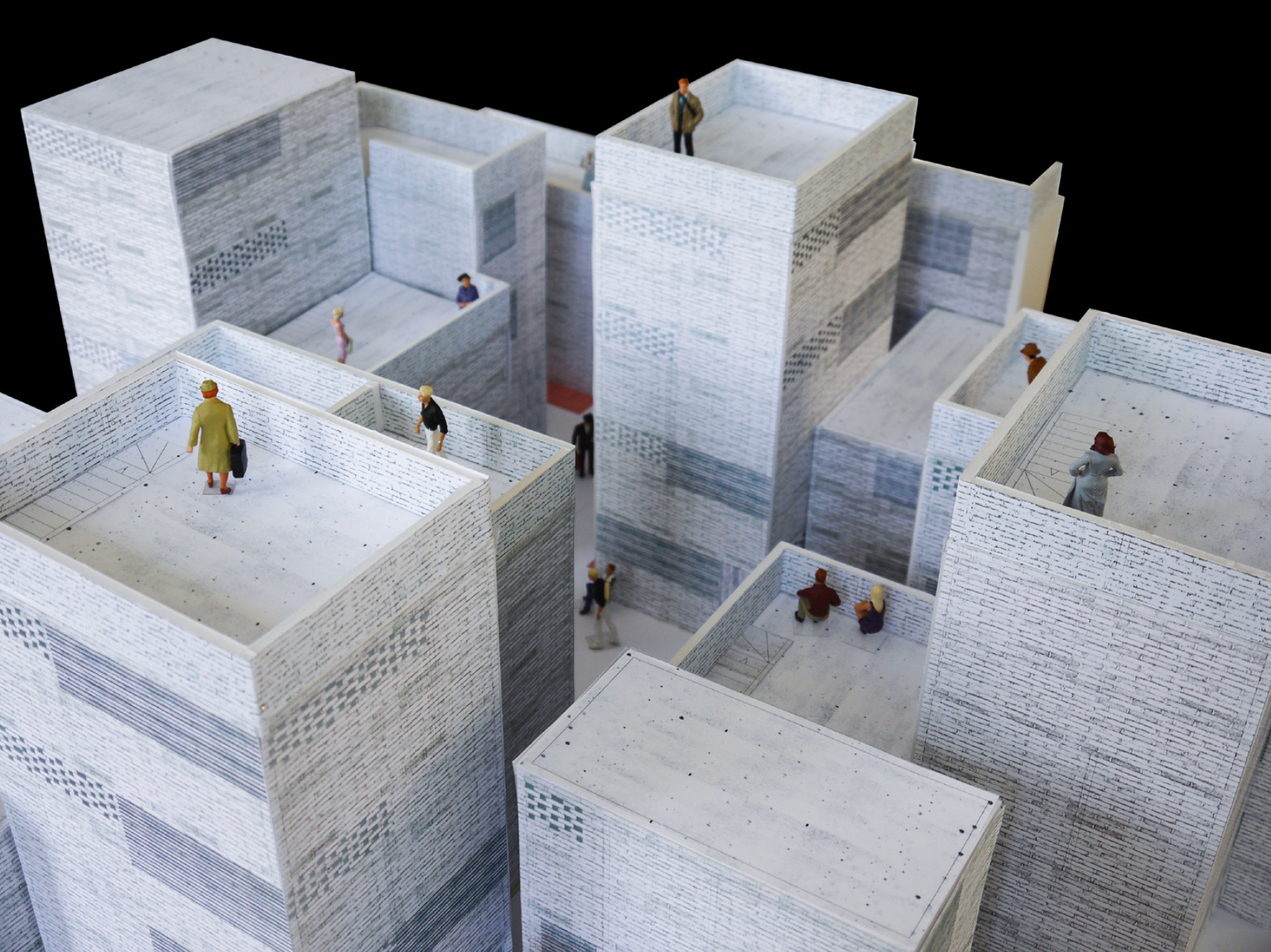
The architectural proposal consists of small, vertically organized housing units of approximately 50 square meters, many rising two to four floors, arranged in a non-linear, additive system. Five basic unit types are repeated and combined ninety times in a deliberately irregular configuration, forming a labyrinthine network of streets, alleys, and small squares at a microscopic urban scale.
Every dwelling has its own direct entrance at street level, a covered veranda or garden space in front of the living room, and access to outdoor areas such as roof terraces. Extensive comparative studies of more than fifty contemporary Brazilian social housing projects (Cingapuras) revealed how repetition, standardized layouts, and leftover space produce alienating environments. In contrast, this project uses density, irregularity, and proximity to generate meaningful public and private spaces that are actively used and socially embedded.


The Project’s Legacy
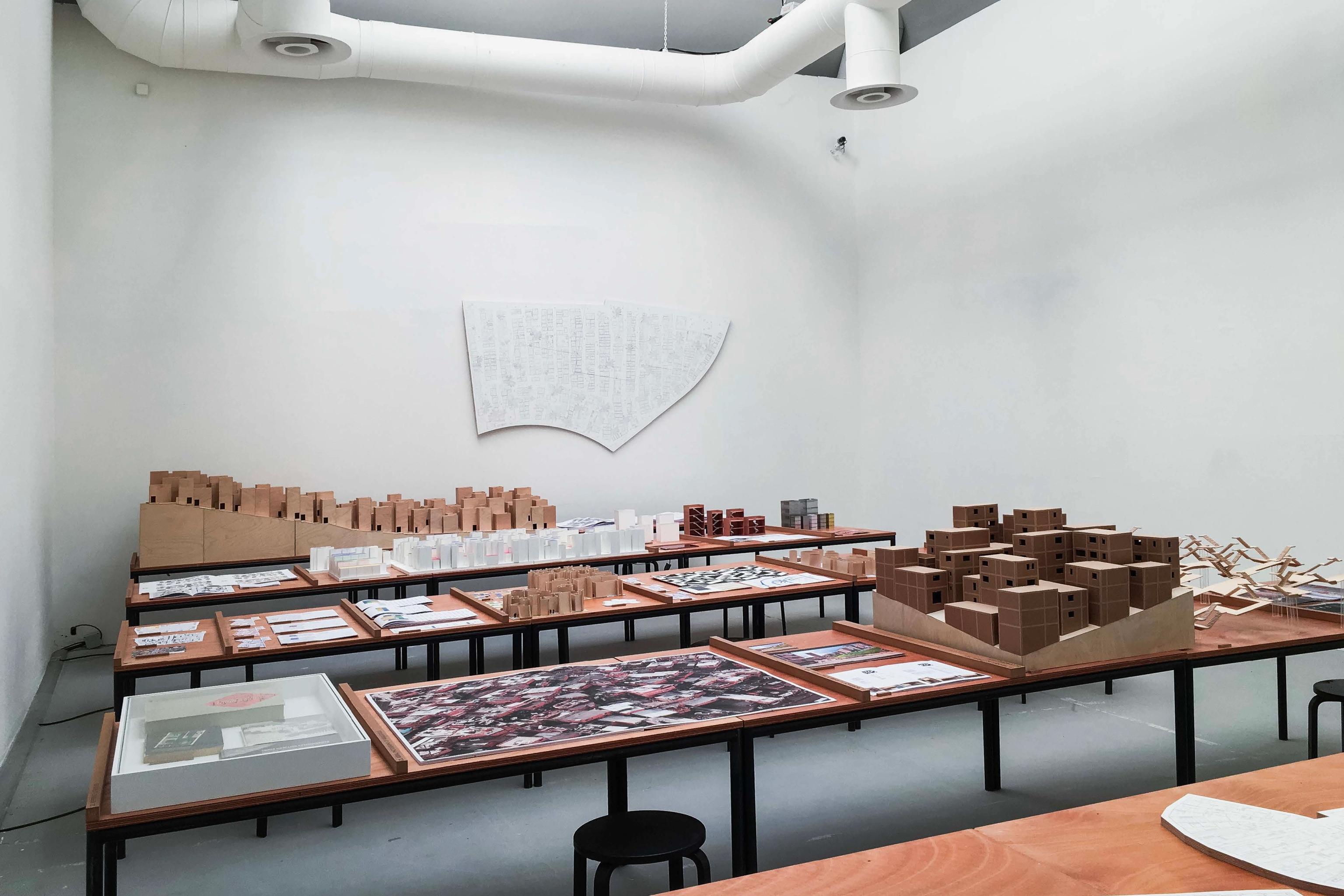
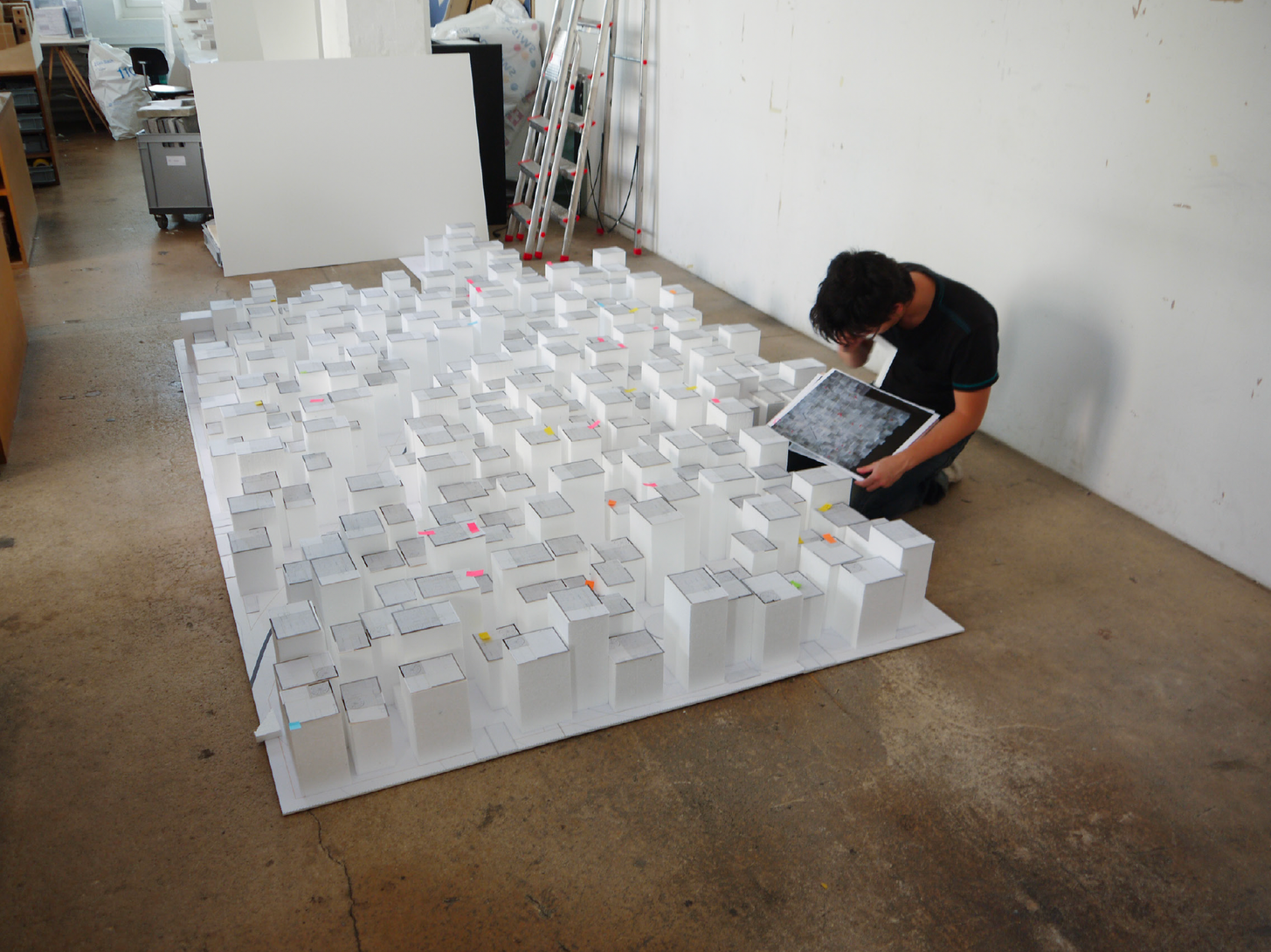
After six years of work, the Porto Seguro / Paraisópolis project did not result in a realized building. The entire design process was presented in the exhibition “A Selective Chronology” at the Venice Architecture Biennale (Giardini’s Central Pavilion), where the project’s discontinuation was addressed explicitly. At the end of the exhibition space, a stark counterpoint was shown: a favela built overnight by the residents of Paraisópolis themselves, without any help from the municipality and with an economic efficiency that few architects could have achieved. Meanwhile, the land originally intended for the project’s expansion was occupied by drug lords and became one of the most dangerous areas in the neighborhood.
The project’s importance lies in what it reveals about the limits of architectural authorship, the vulnerability of long-term social housing processes, and the capacity of informal urban practices to outperform formal planning systems. At the same time, its ideas resonate with later integrated urban strategies – such as initiatives developed under the Nova Paraisópolis Program – which emphasize participatory processes, fine-grain urban structures, and housing models that build on existing social and spatial dynamics rather than replacing them.


Christian Kerez
Christian Kerez (b. 1962) is a Swiss architect, architectural photographer, and professor at ETH Zurich, where he has taught since 2001 and served as professor since 2009. Educated at ETH Zurich, Kerez founded his architectural practice in Zurich in 1993 and is known for work that challenges architectural conventions through close observation and conceptual precision. His work has been presented internationally, including at the Venice Architecture Biennale, where this project was framed as a significant contribution to ongoing discussions on social housing, architectural authorship, and the relationship between formal planning and informal urban practices.