Kamal Aljafari
Port of Memory
- DirectorKamal Aljafari
- CinematographerJacques Besse
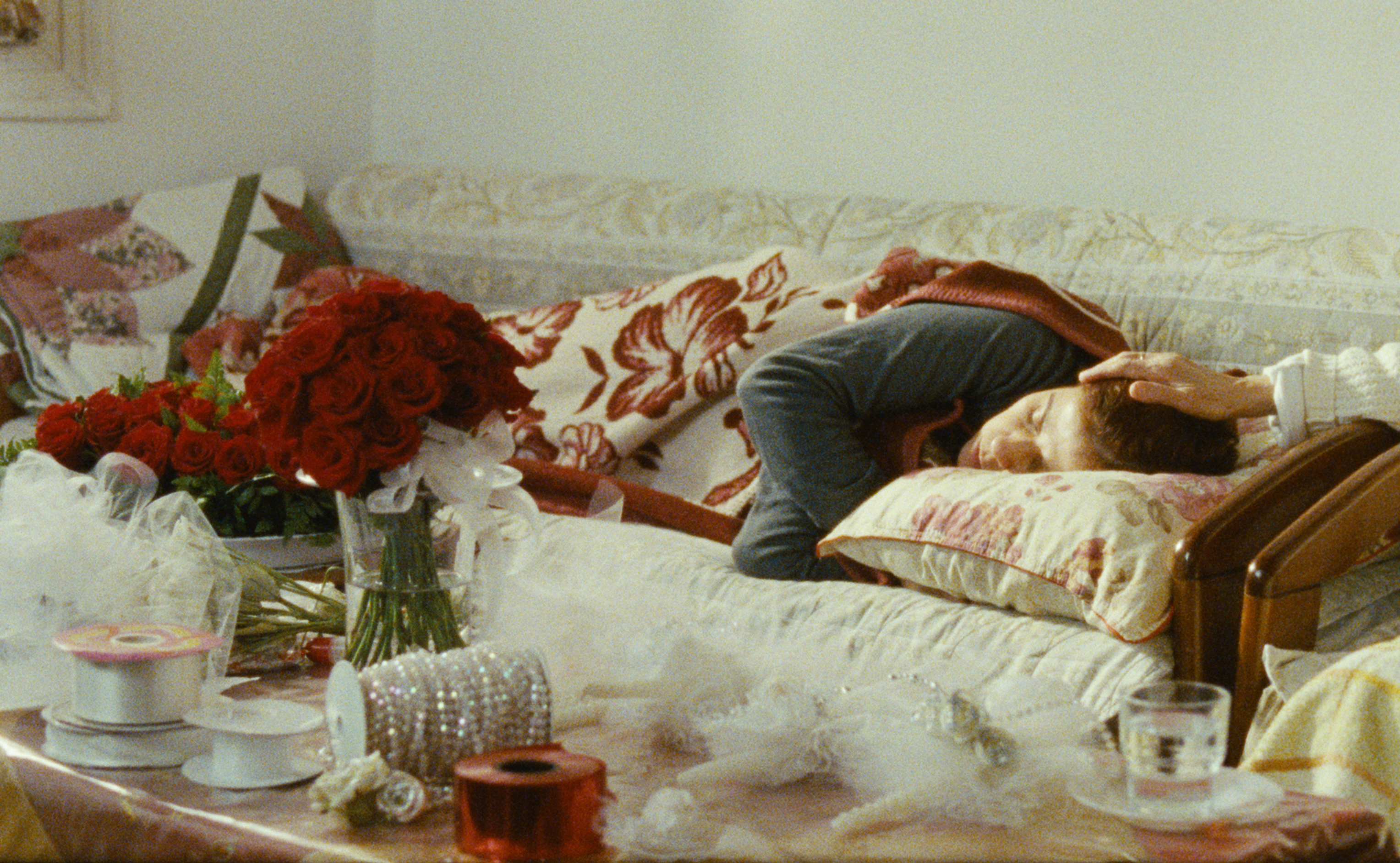
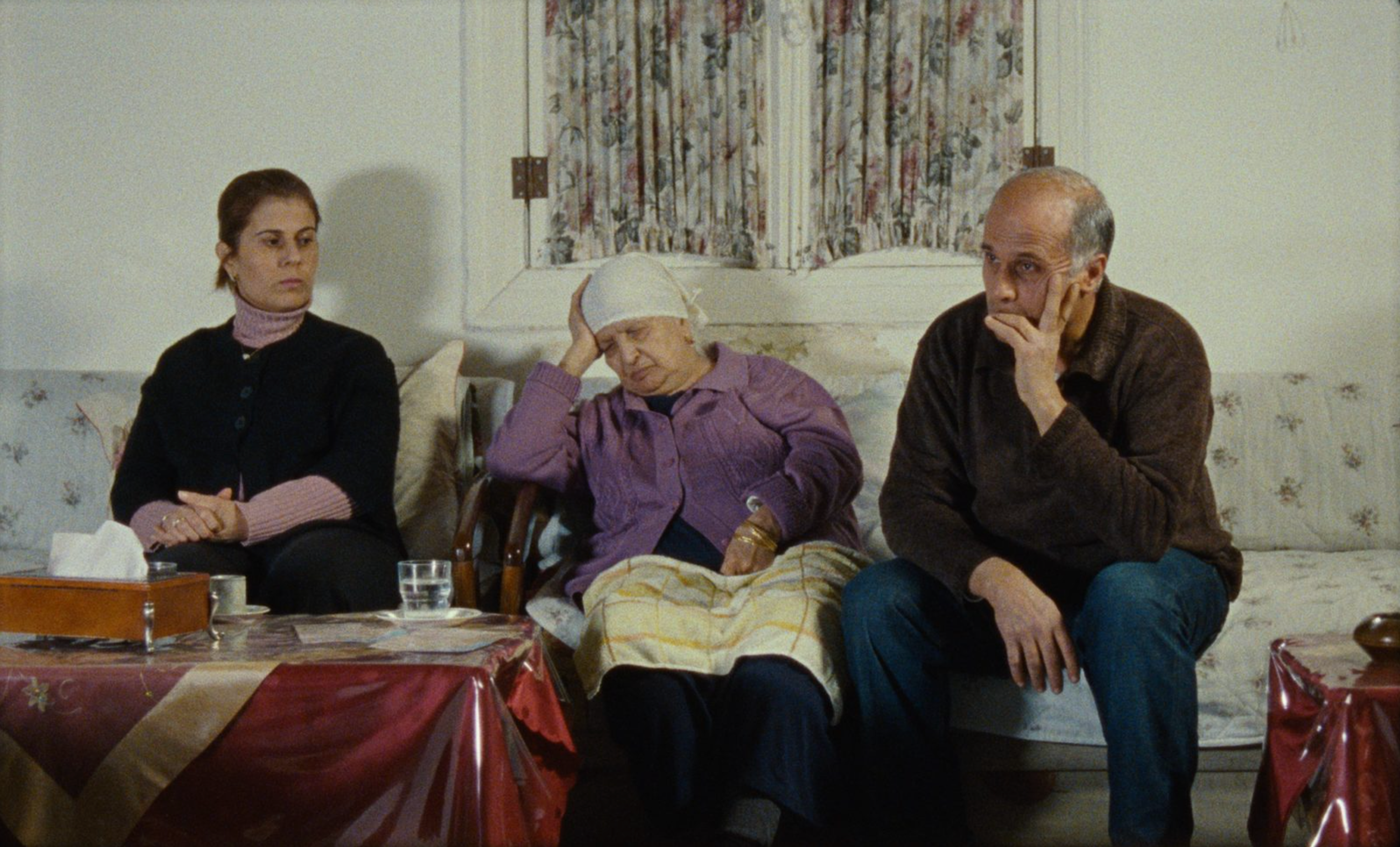
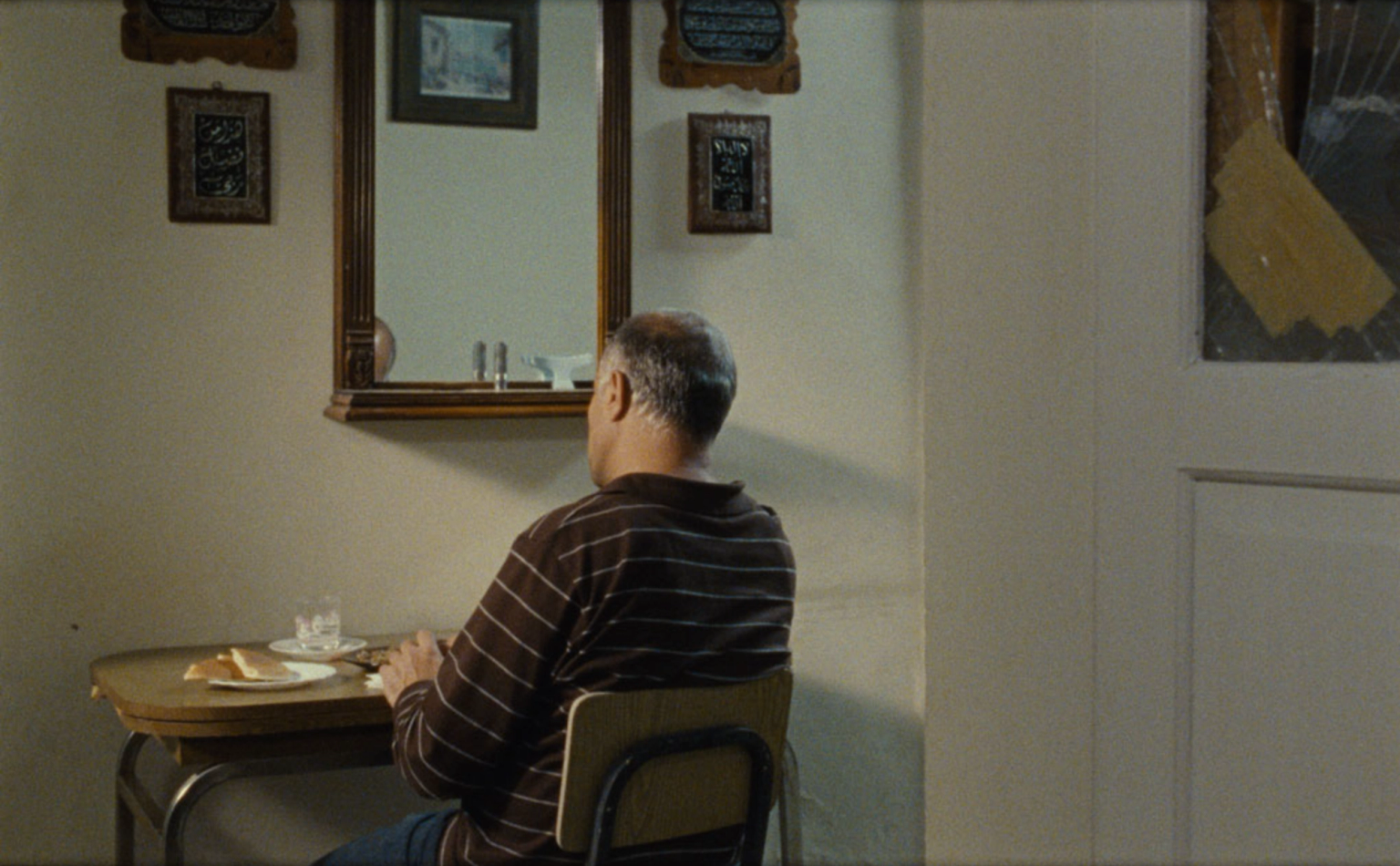
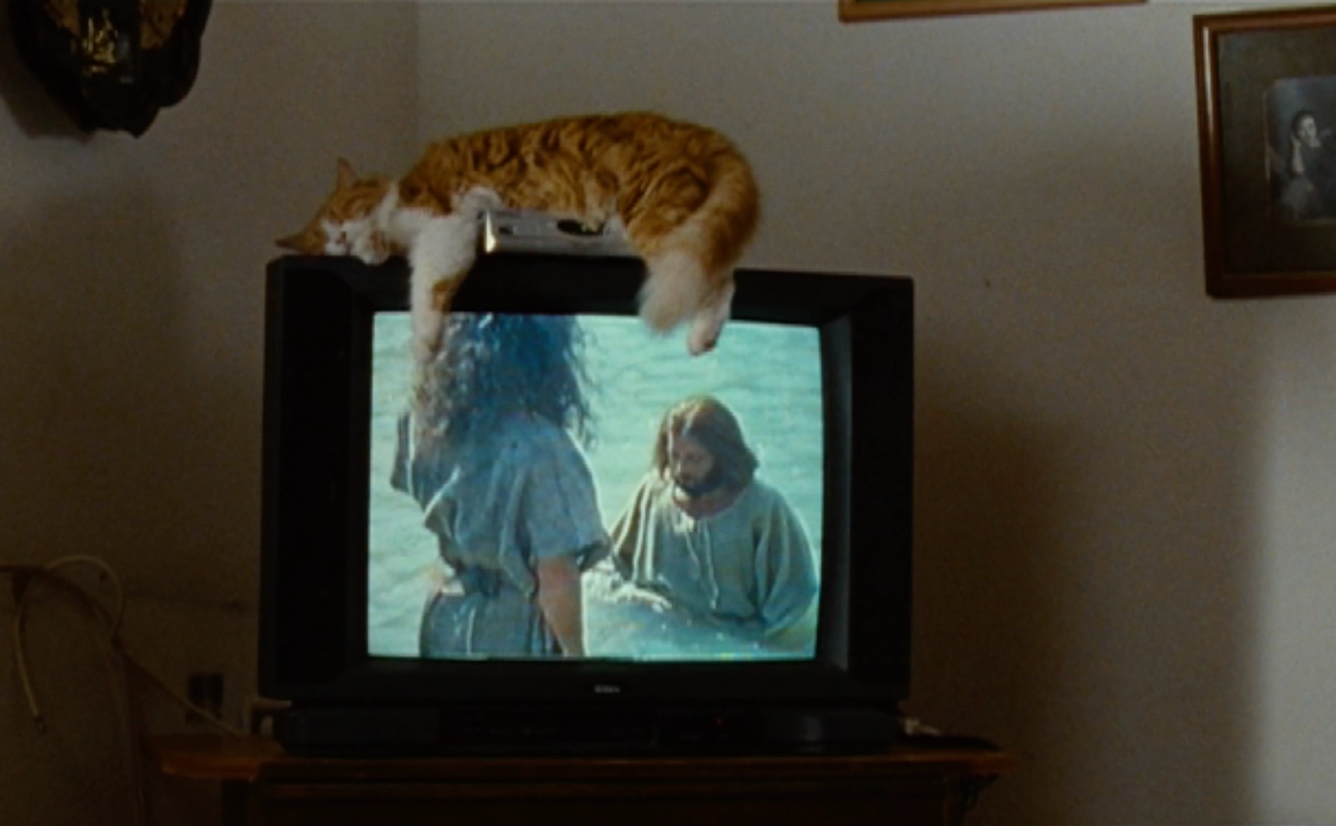
Jason Evans I first saw this as part of the Whitney's exhibit ‘Foreclosed: Between Crisis and Possibility’. Kamal Aljafari's film focuses on the daily behaviors of a family living under the constant threat of displacement. A feeling deepened by the film's use of sound, which permeates with the incessant noise of buildings being demolished. As with Burnett’s ‘Killer of Sheep’ this is a film steeped in day-to-day life, though stylistically more attuned to the minimalist camerawork and subtle gestures of Bresson. A woman washes her hands, later she carefully cuts red roses; people sit on a couch and talk; a cat naps lazily on the TV; an elderly parent is cared for - as Aljafari quietly traces the streets of the once thriving Palestinian port city of Jaffa.

Creative Vision and Artistic Foundations
Port of Memory (2009) is written and directed by Kamal Aljafari, a Palestinian filmmaker whose work bridges documentary, fiction, and personal ethnography. Set in the ancient port city of Jaffa, the film traces the lives of Palestinian residents facing imminent expulsion in a district being rapidly gentrified by Israeli authorities. Aljafari, educated in theater at Hebrew University in Jerusalem and trained in film at the Academy for Media Arts in Cologne, situates himself both as observer and participant.
His cinematic vocabulary draws on Ozu and Bresson, but it is transnational: cinematographer Jacques Besse brings high-definition precision, European art cinema sensibilities, and a fluency with long takes and widescreen mise-en-scène. By placing his family and neighborhood at the center, Aljafari collapses personal memory, historical trauma, and urban transformation into a seamless cinematic essay, where time, space, and presence interact more profoundly than conventional narrative allows. The film becomes both a meditation on domestic life and a political act of cinematic re-occupation, reclaiming the eroded physical and social space of Palestinian existence.
Port of Memory establishes Kamal Aljafari as a leading voice in contemporary Palestinian cinema, extending the practice of domestic ethnography and cinematic re-occupation while introducing a transnational, dreamlike aesthetic that continues to influence how Palestinian stories are told on screen.

Daily Rituals and the Weight of History
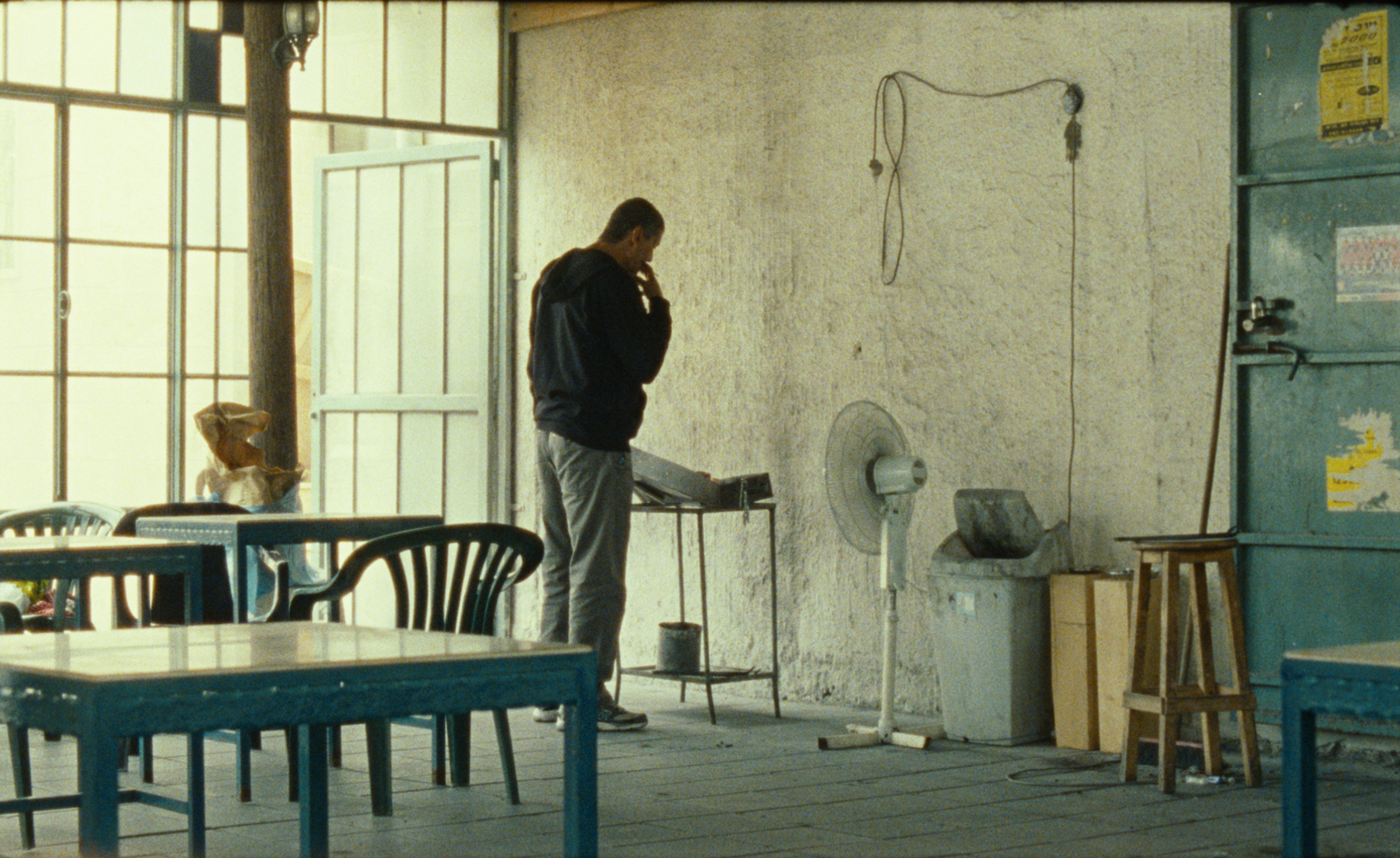
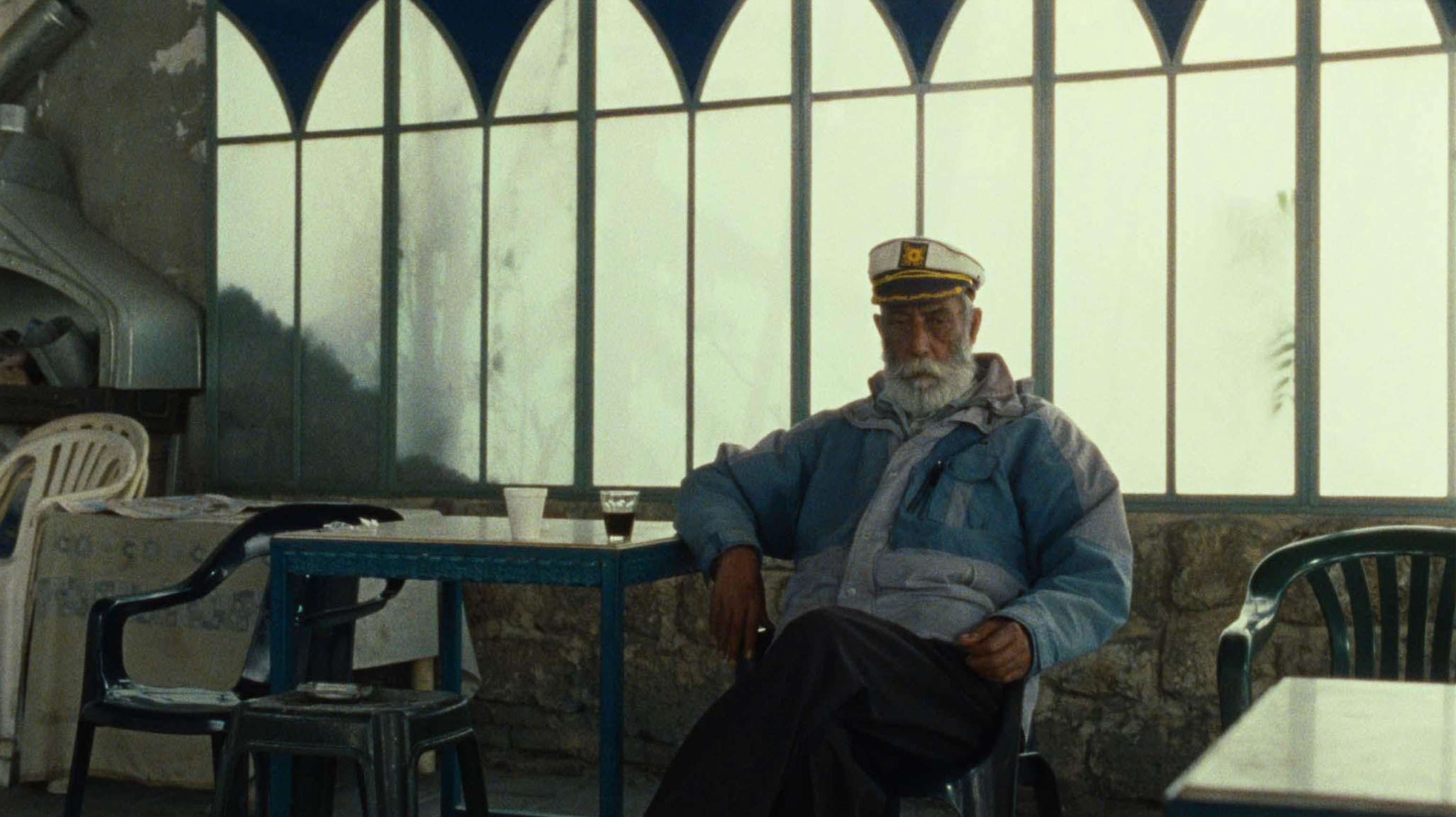
In Port of Memory, the quotidian is the site of resistance, a ritualized struggle to maintain humanity under pressure. Fatmeh obsessively cleans her home, tending to an elderly mother while confronting the looming threat of eviction; her gestures are simultaneously practical and symbolic, signaling care, endurance, and the psychic toll of life in internal exile. Another man inhabits a café in motionless stillness, while yet another, restless as a fish, navigates the cityscape on a Vespa, his absurd screams and nocturnal wanderings creating a fragile, dreamlike logic. Cats at doors, fire rituals, and nocturnal food offerings intertwine with the rhythm of the day, offering glimpses of survival, memory, and private hope.
Aljafari integrates archival footage of 1970s Jaffa, inserting family members into vanished streets and port landscapes, a cinematic wish-fulfillment that allows characters to inhabit their lost world once more. These sequences layer personal memory over historical and mediated images, blending reality and reconstruction into a phenomenology of domestic and urban life, where daily acts - feeding a neighbor, preparing wedding decorations, sitting before the television - become gestures of endurance, care, and the assertion of presence.


Temporal Flow and Cinematic Form
Aljafari’s method is both rigorous and dreamlike, relying on long takes, slow tracking shots, and minimally staged performances by non-professional actors, often his own family. Dialogue is sparse, replaced by ambient sounds - waves, storm winds, rustling doors, the hum of everyday life - shaping space and tempo with meticulous care. Domestic interiors, courtyards, cafés, and streets are observed in a manner that dissolves hierarchy: man, woman, child, cat, and ruin all occupy the same plane of significance. Television sets, archival footage, and historical cinematic images are incorporated as both scenography and commentary, creating an interplay of multiple temporalities and narratives.
The film culminates in a long shot across a bulldozed building site, where the man on the Vespa circles a new artificial park, laughing in hysteria at the absurdity of urban erasure and imposed order. Here, Aljafari’s poetics converge: political critique, ethnographic attention, and immersive cinematic technique reveal both the fragility and resilience of human life, transforming a film about expulsion into a meditation on memory, survival, and the act of inhabiting space through imagination and ritual.