
Randy Wray
Prehistory at Karma
- ArtistRandy Wray
- GalleryKarma Gallery
- Photographer© Randy Wray. Courtesy Karma and the artist
Mads Bryld I have followed Randy’s works for a couple of years now and i would love to se his works in real life in a near future. The paintings are of mysterious creatures or organism, very gloomy yet colourful and incredible beautiful.

A Prehistoric Vision
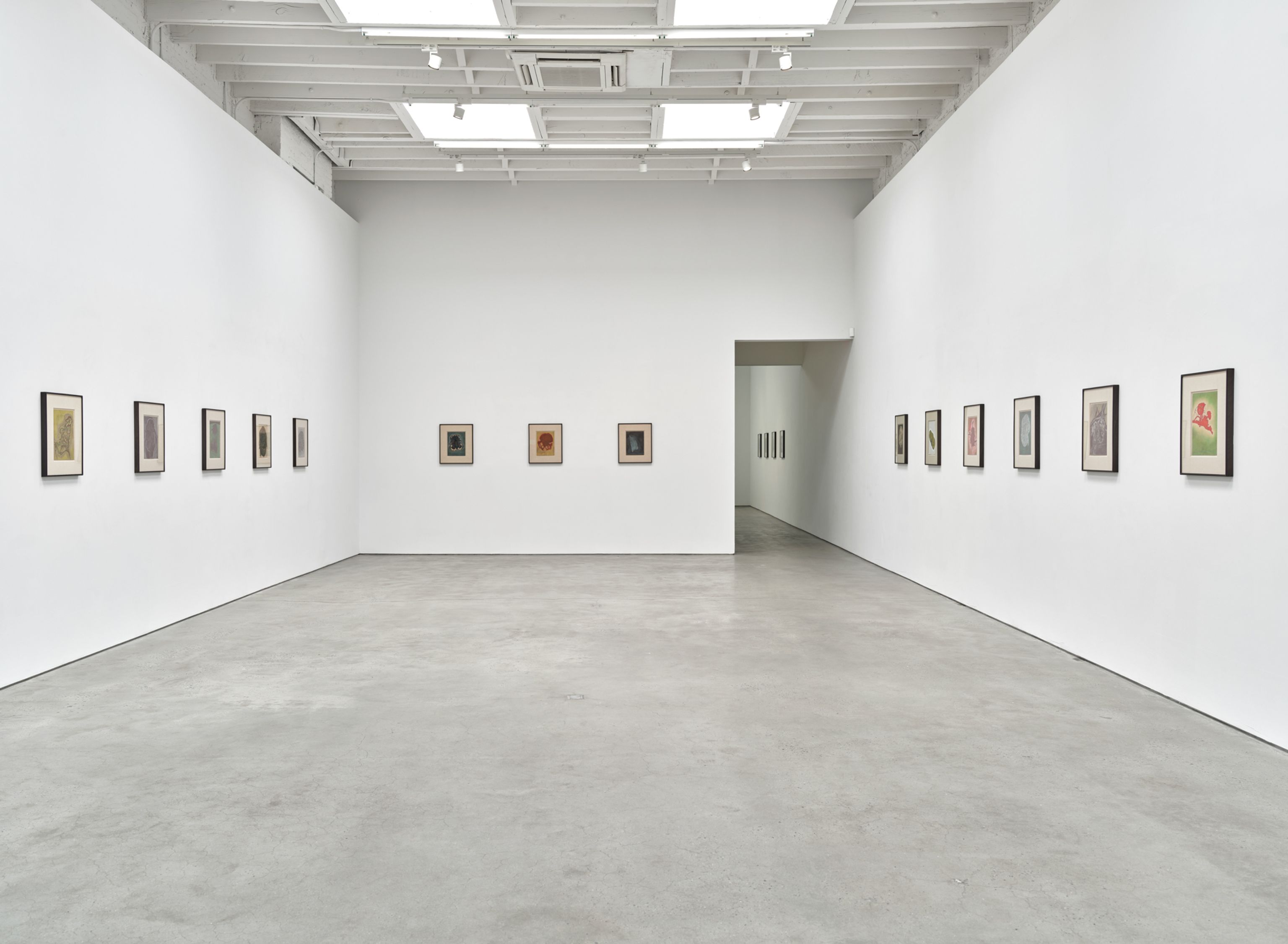
Randy Wray’s Prehistory at Karma Gallery immerses viewers in a temporal space before recorded history, where the familiar rules of representation dissolve into a fluid interplay of organic and abstract forms. Across the two gallery locations, 22 East 2nd Street for oil-on-linen paintings and 188 East 2nd Street for works on paper, Wray constructs an environment that feels simultaneously prehistoric and intimate, where anatomical fragments, mossy growths, cellular forms, and other biological phenomena coexist in evolving visual ecologies.

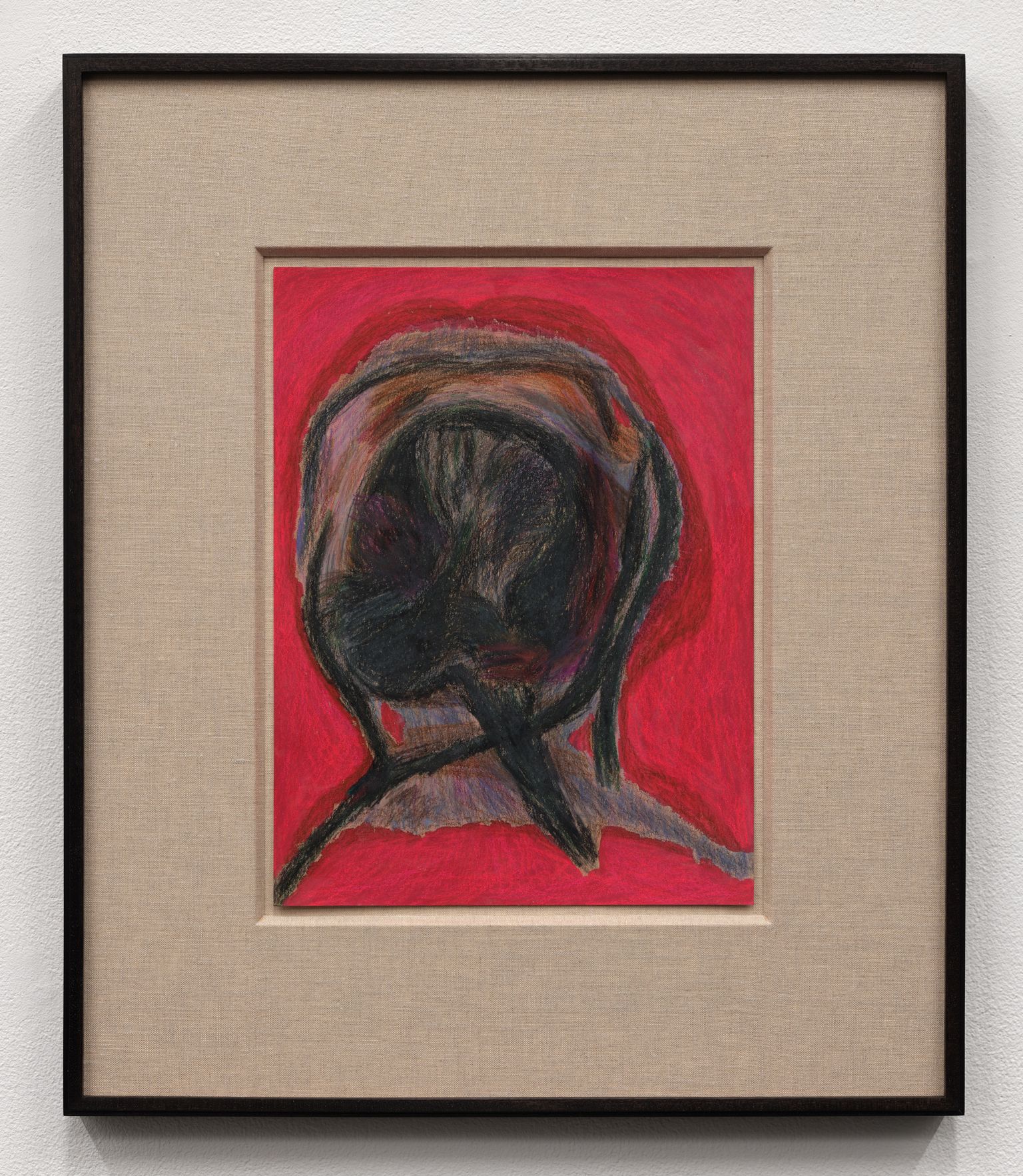

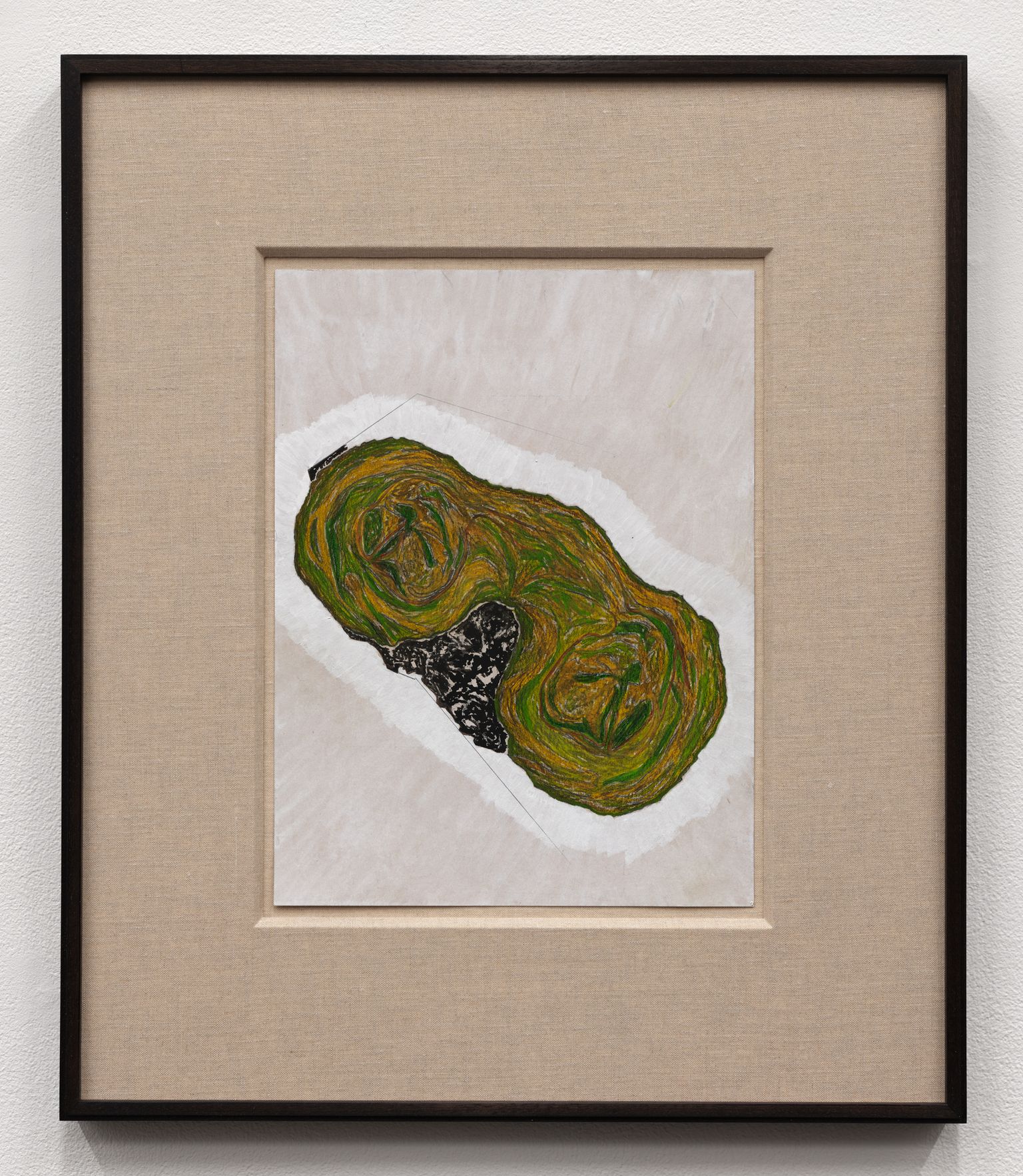

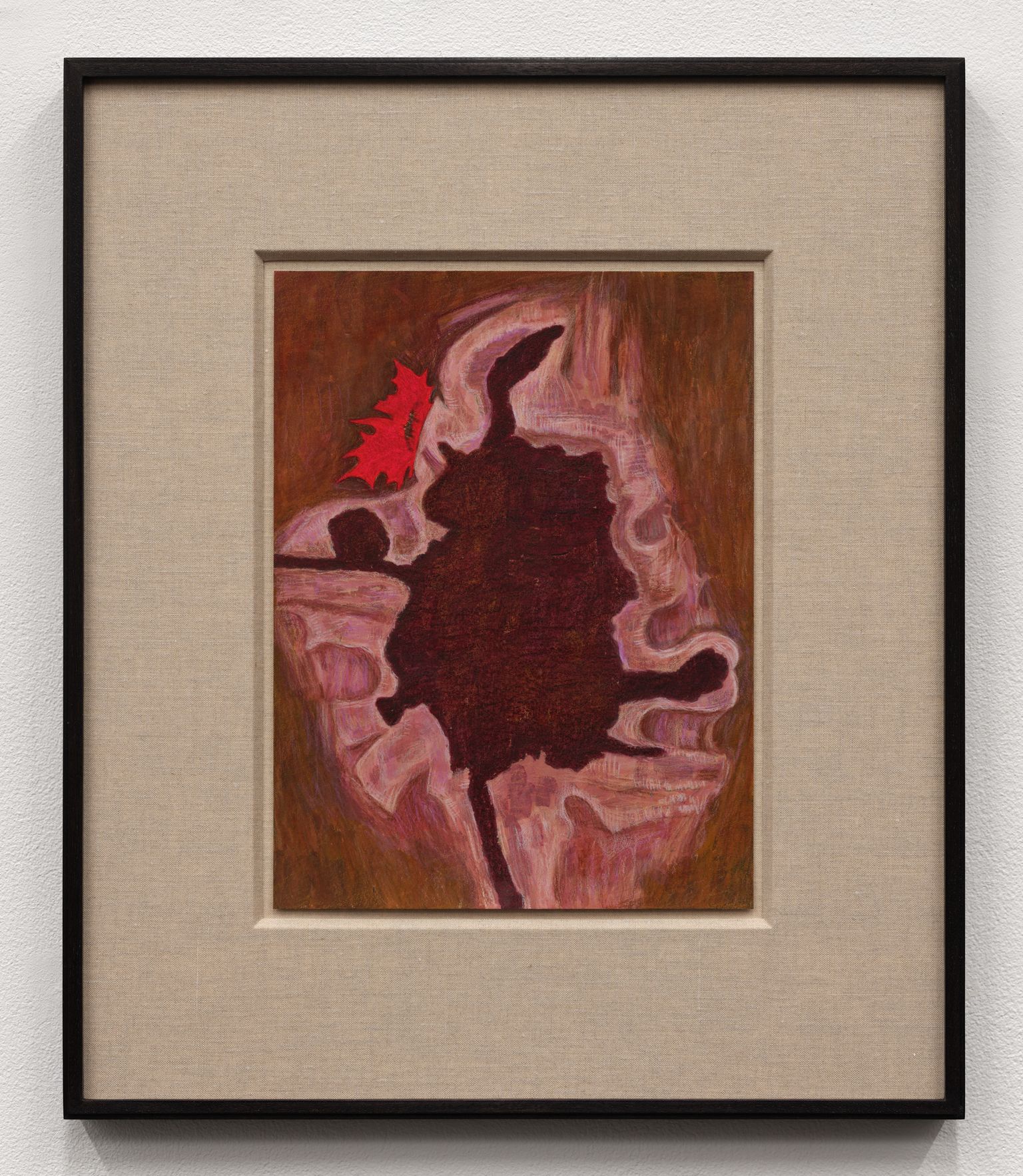

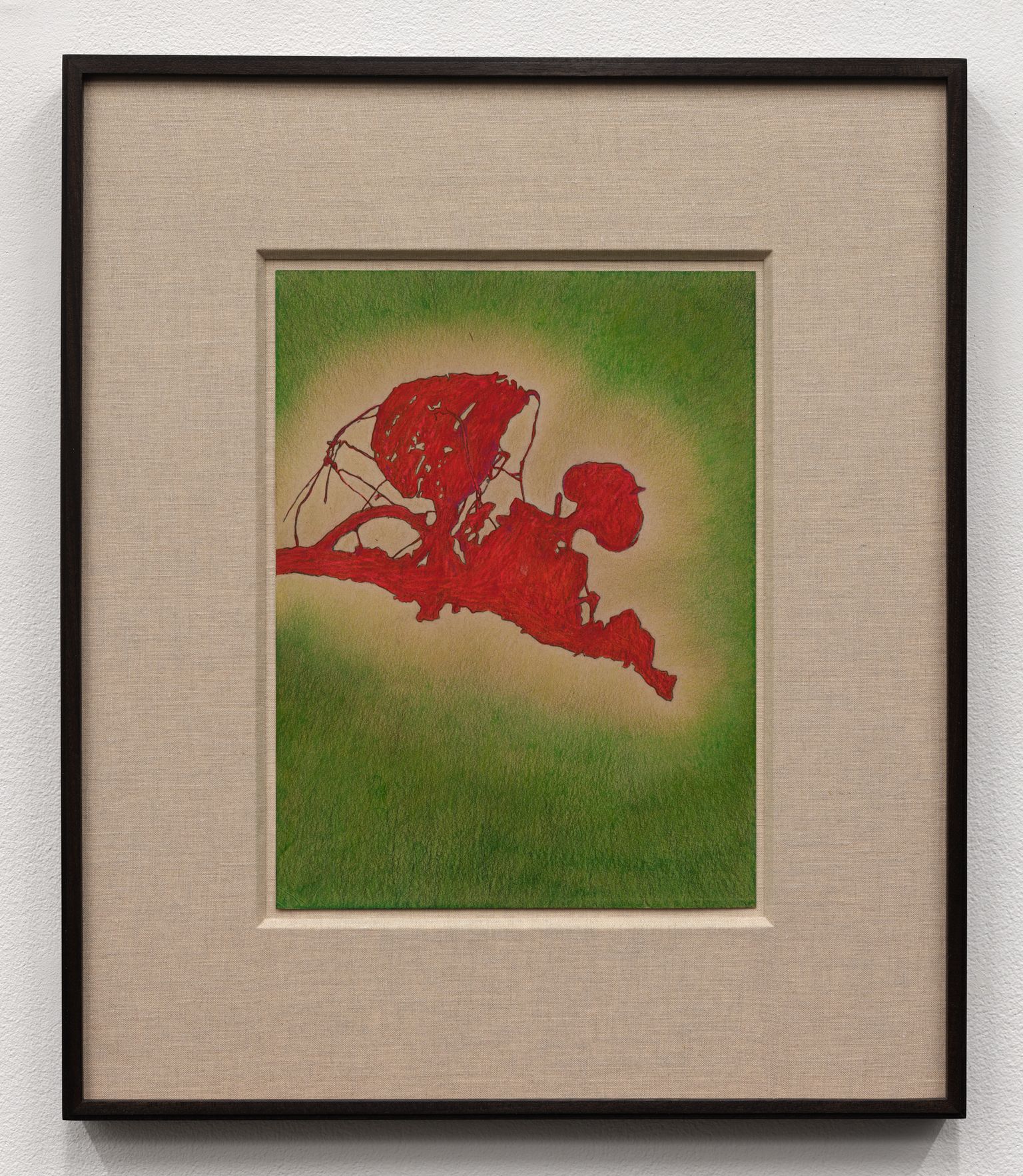

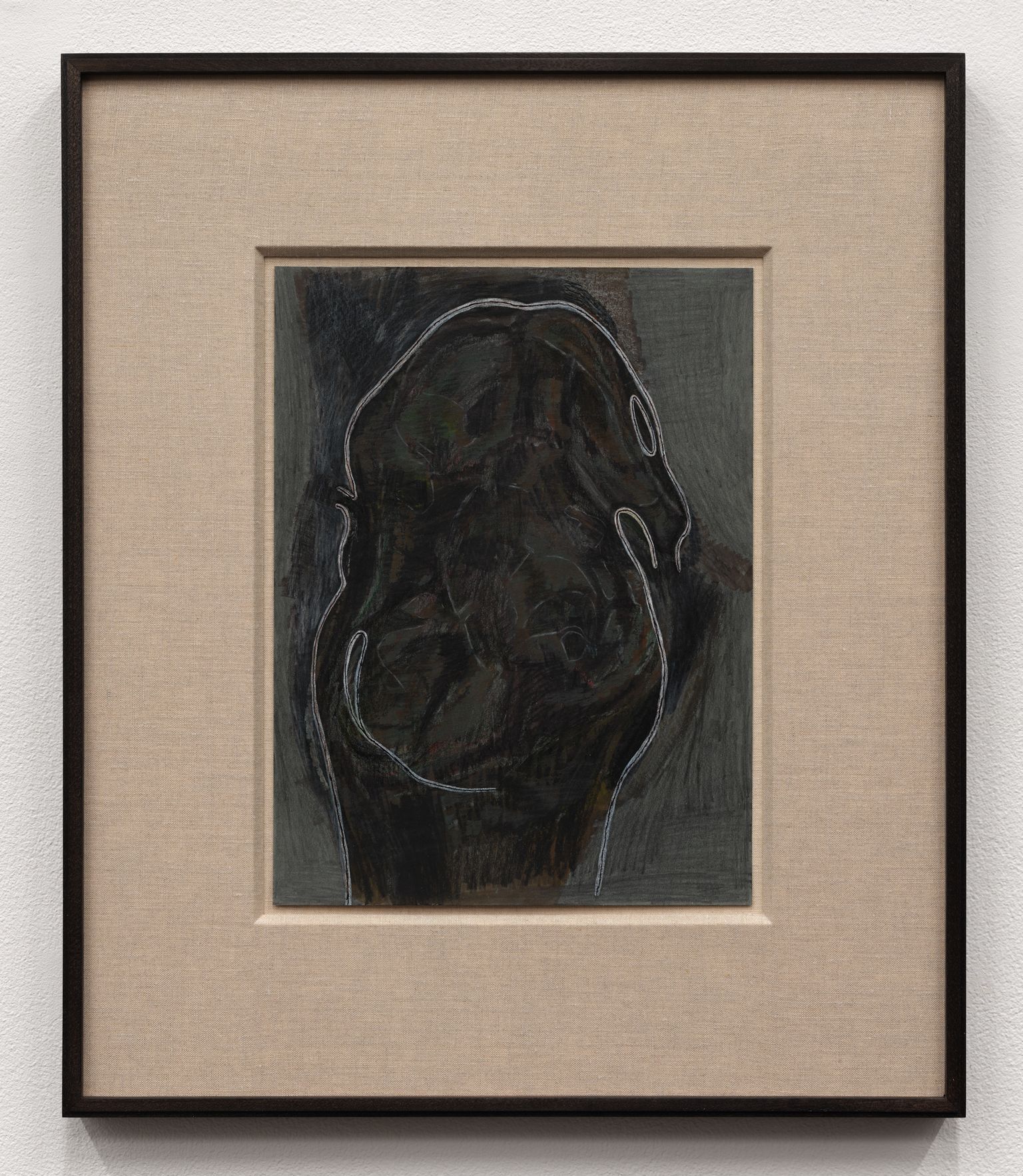

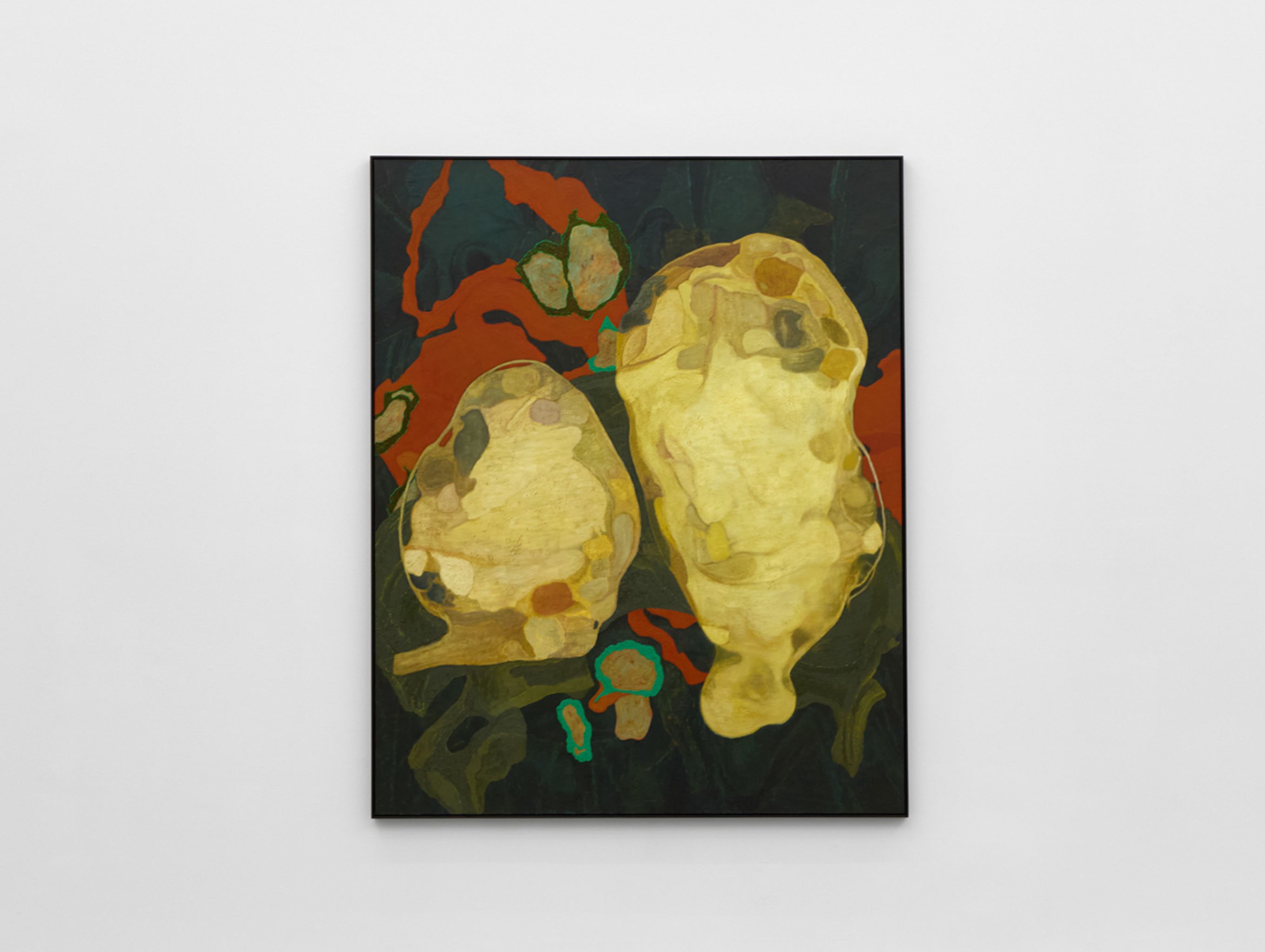
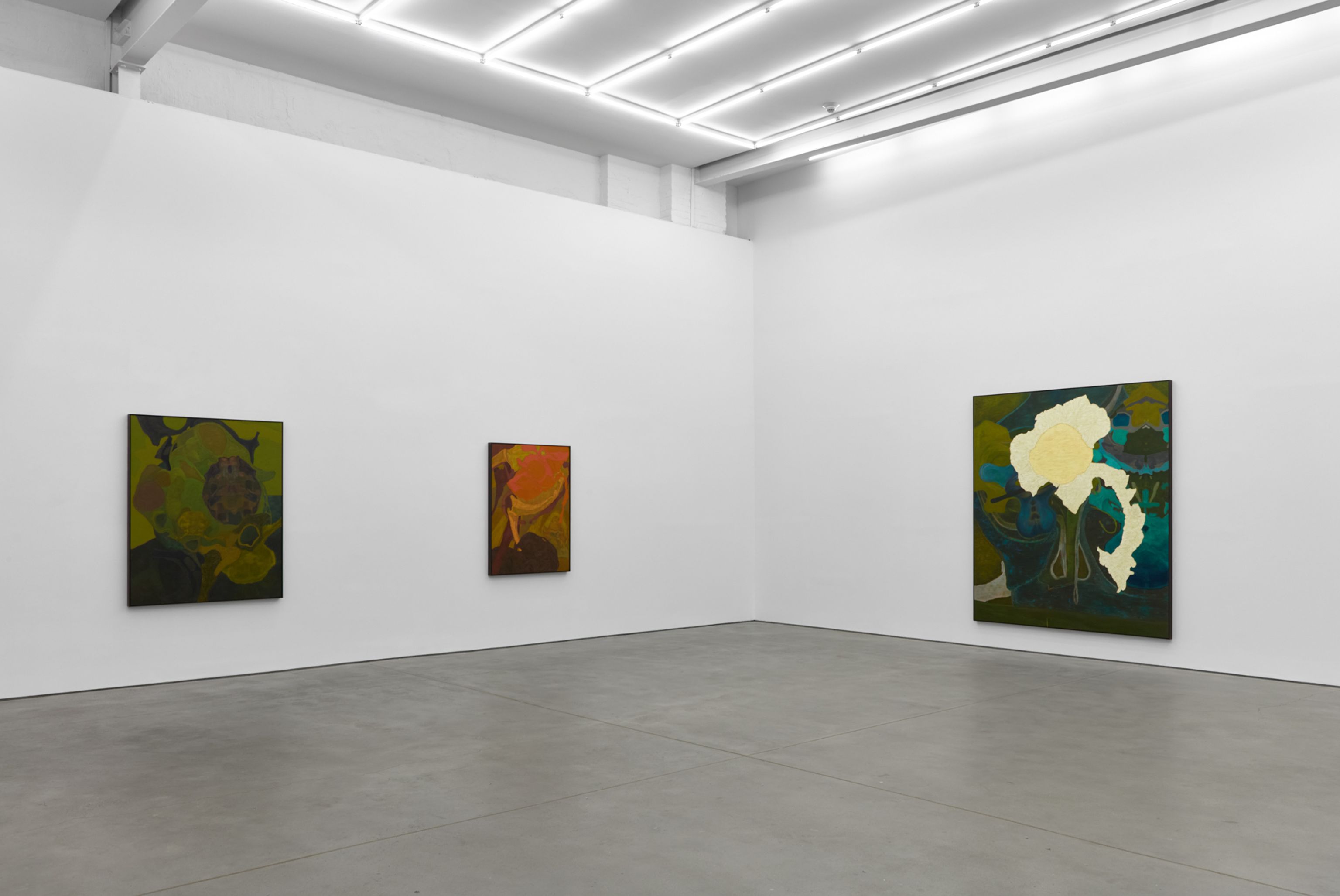
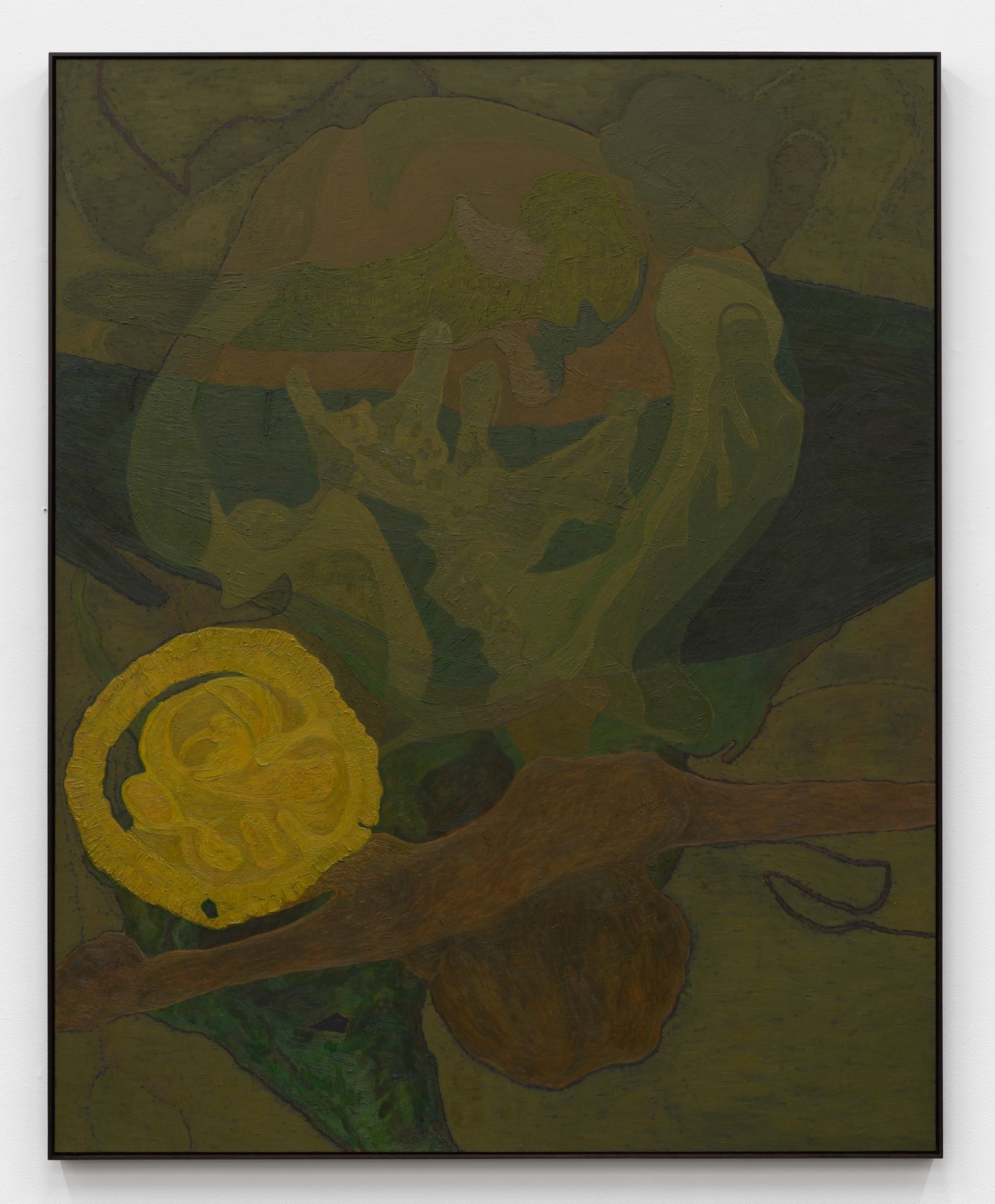
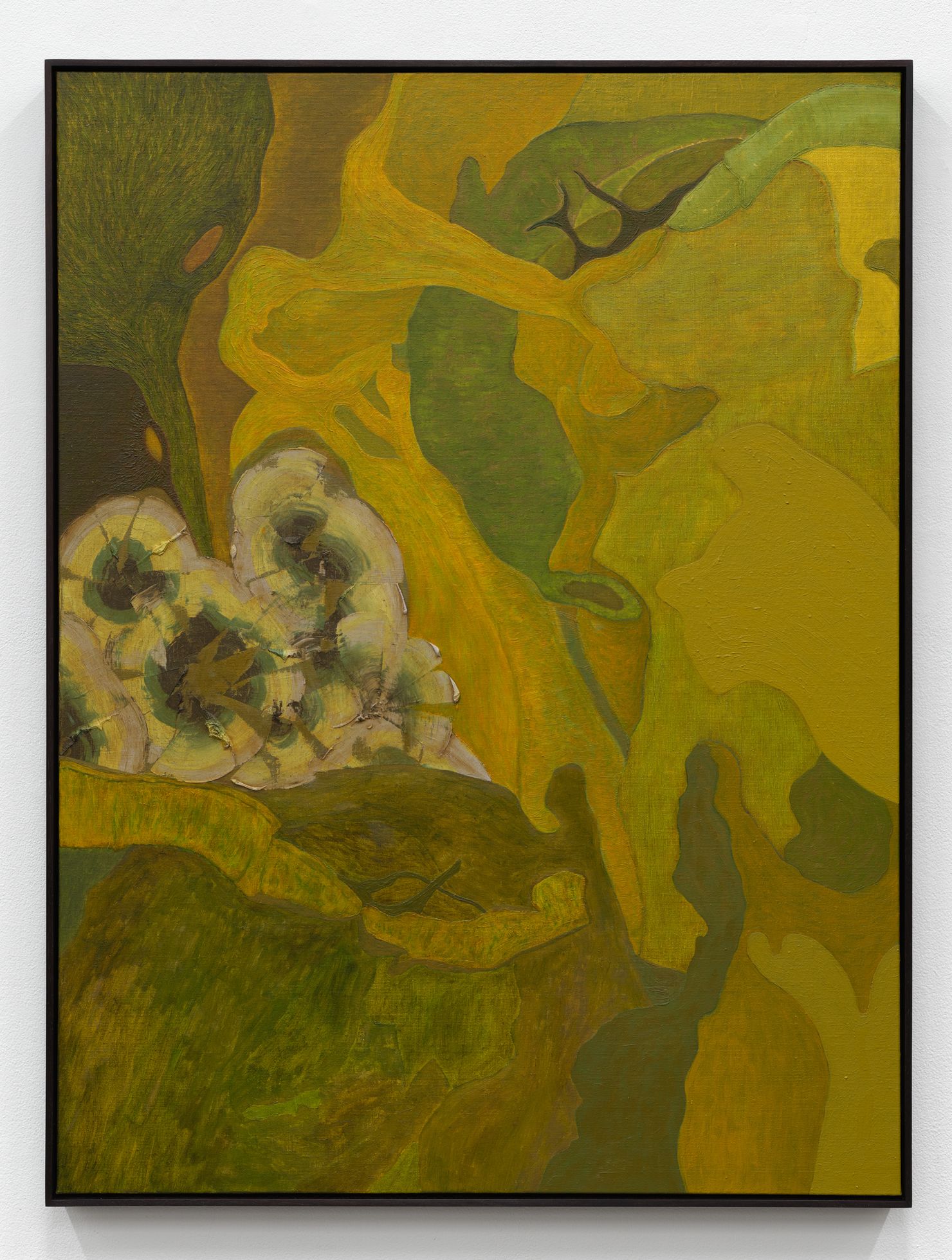
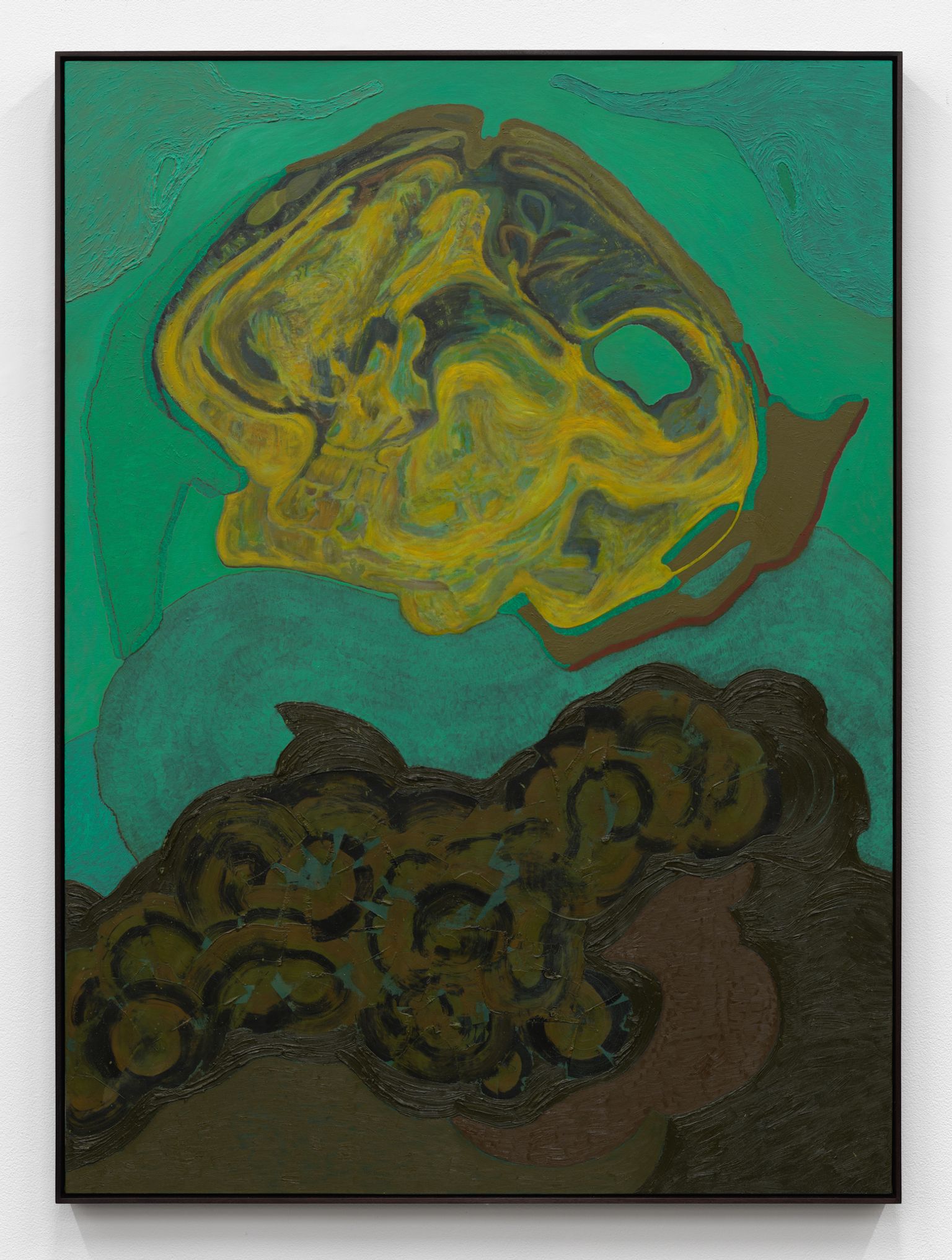
His paintings emerge over years of meticulous layering, with early gestures of oil partially buried beneath successive applications, creating luminous halos, textured ridges, and sculptural protrusions that convey a sense of growth and mutation. Works such as Herald (2023-25) reveal a dense palimpsest of ochres, blues, greens, and yellows, while Sign (2023-25) uses underlying contours to generate tactile surface relief, emphasizing the haptic dimension of paint. In these canvases, Wray insists, “The paintings have to be like living organisms … they have to be alive and change,” an ethos reflected in each complex, multi-layered composition.

Randy Wray and His Practice
Born in 1965 in Reidsville, North Carolina, Randy Wray studied at the University of North Carolina School of the Arts before earning a BFA from the Maryland Institute College of Art. Now based in Brooklyn, he has pursued a decades-long practice that fuses painting and sculpture, often using found and recycled materials to explore the boundaries between representation and abstraction. Wray’s method involves nearly ten years of undisturbed studio experimentation, refining forms and color vocabularies that only later emerge fully in his canvases and paper works.
His work has been shown at venues including White Columns, MoMA PS1, the Socrates Sculpture Park, and internationally at MAMOTH, London, and Lo Brutto Stahl, Paris. Wray’s approach is deeply tactile and observant, privileging sensation, memory, and the organic evolution of form over narrative, allowing the viewer to engage with surfaces, textures, and the subtle interplay of light and color that shape each visual encounter.

Visual Language and Forms
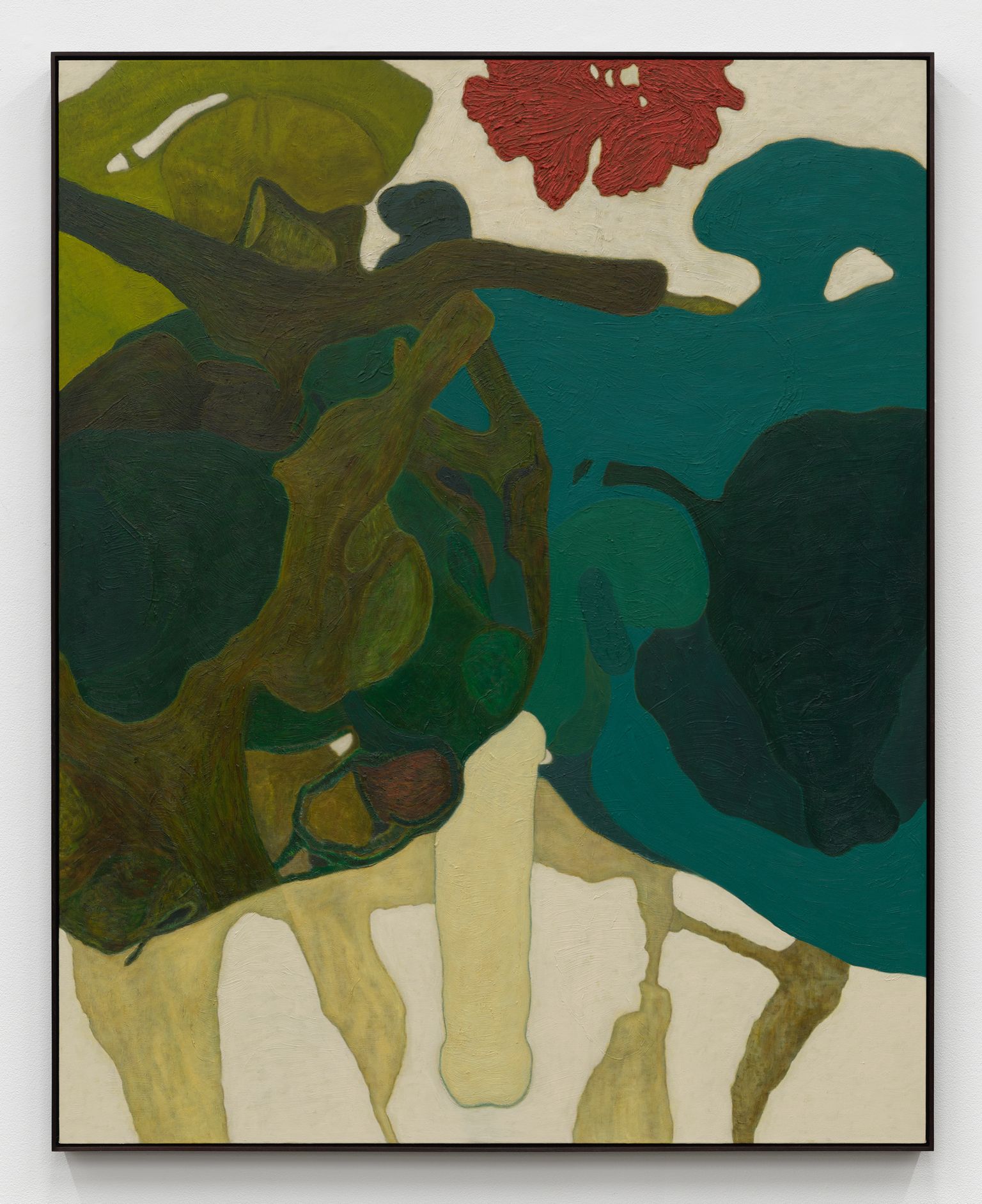
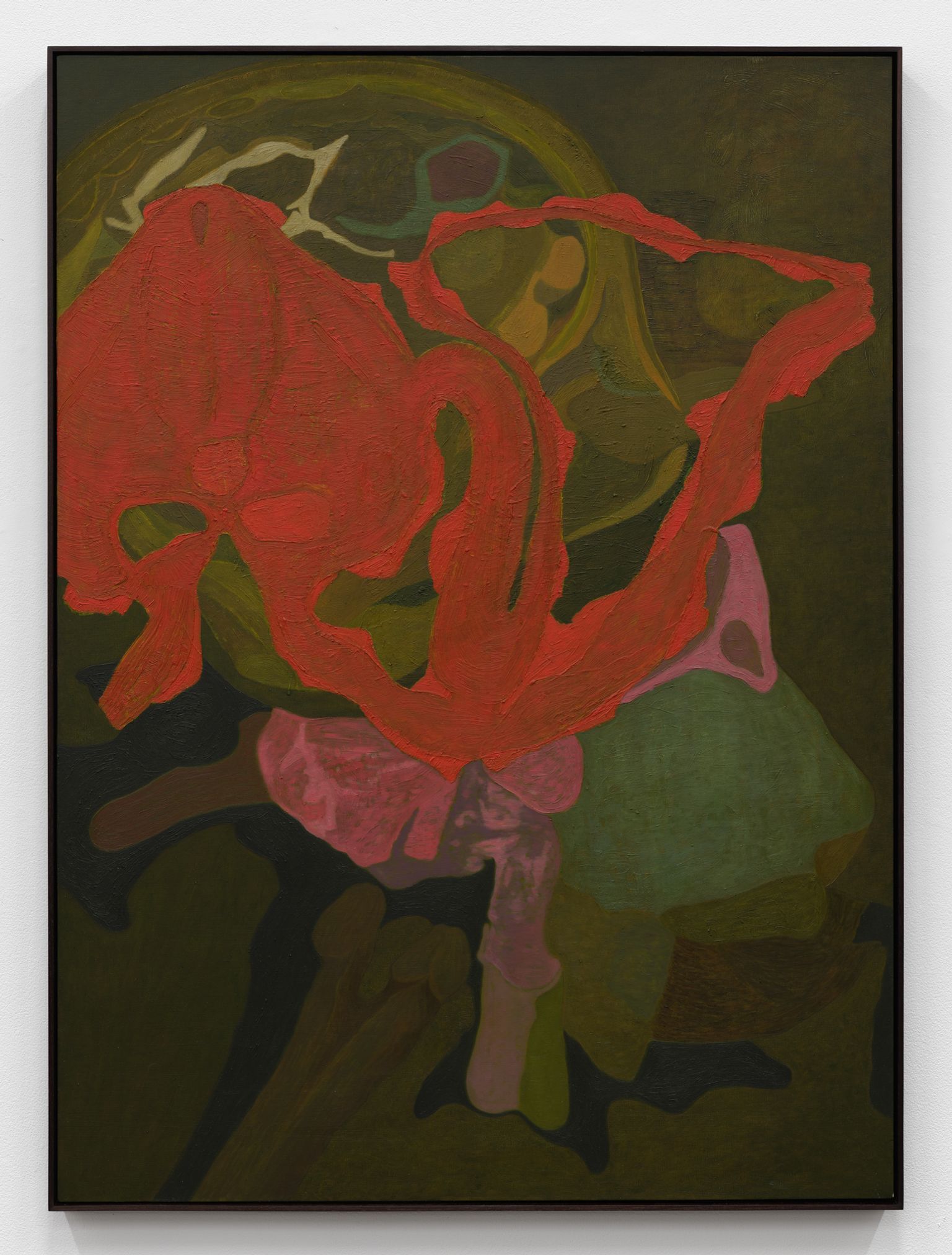
Wray’s imagery is an intricate blend of the anatomical, botanical, and abstract. Paintings such as Bilateral (2023-25) juxtapose mirrored forms resembling MRI brain scans, slices of hip bones, or coral-like structures, rendered in saturated blues, greens, and brick-red accents that suggest a living, breathing topology. Mind-Body (2023-25) stages an optical confrontation between hot reds and muted umbers, interrogating dualism and the interplay between internal and external perception. In Tincture (2023-25) and Visitant (2022-25), forms suggest fungal growth, lotus petals, or fossilized tree trunks, merging the familiar and the enigmatic.
Wray frequently integrates skeletal elements or bone-like shapes as both decorative and structural motifs, creating subtle narrative subtexts that hover between realism and abstraction. His works rely on symmetry, asymmetry, and pareidolia to guide the viewer’s recognition, encouraging a sensory engagement where shapes continually reveal, obscure, and transform under the eye.

Materials and Technique
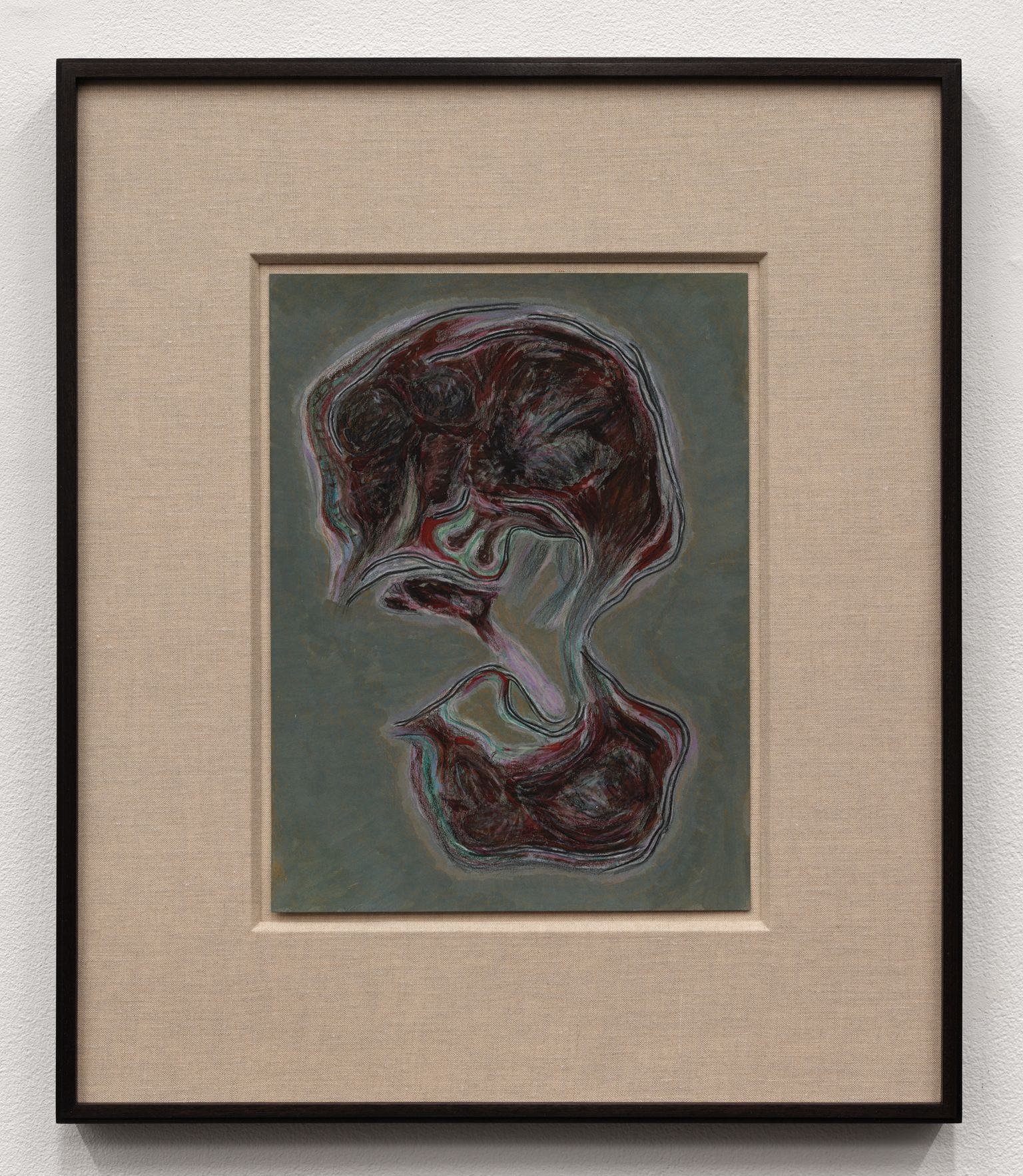
The physicality of Wray’s materials is central to his practice. Oil-on-linen paintings are built with multiple layers of oil, often thickened with alkyd, sculpted with palette knives, and left to respond organically to gravity and time, producing forms that verge on three-dimensionality. Works on paper, all titled Prehistory (2020), translate this layering into graphite, charcoal, gouache, colored pencil, crayon, ink, and pastel, yielding a complex depth on delicate supports. Paint is applied to create ridges, textures, and reflective surfaces that engage light in varying intensities, from subtle glows to luminous highlights.
The choice of medium in each work informs both its tactility and optical presence: coral-like protrusions in Bilateral, the ridged patterns of Tincture, or the luminescent halos in Herald demonstrate Wray’s commitment to the material life of paint, where each brushstroke is both record and experiment, revealing the work’s history and evolution.


Exhibition and Experiential Encounter
The installation at Karma heightens the sensory immersion of Wray’s practice. The large vertical paintings are presented as portraits rather than landscapes, commanding attention with their monumental scale, while smaller works on paper offer intimate counterpoints, revealing the gestural experimentation and exploratory mark-making that informs the larger pieces. Visitors navigate a dense field of visual stimuli, encountering forms reminiscent of coral, bones, fungi, petals, and human anatomy, yet always filtered through Wray’s abstraction.
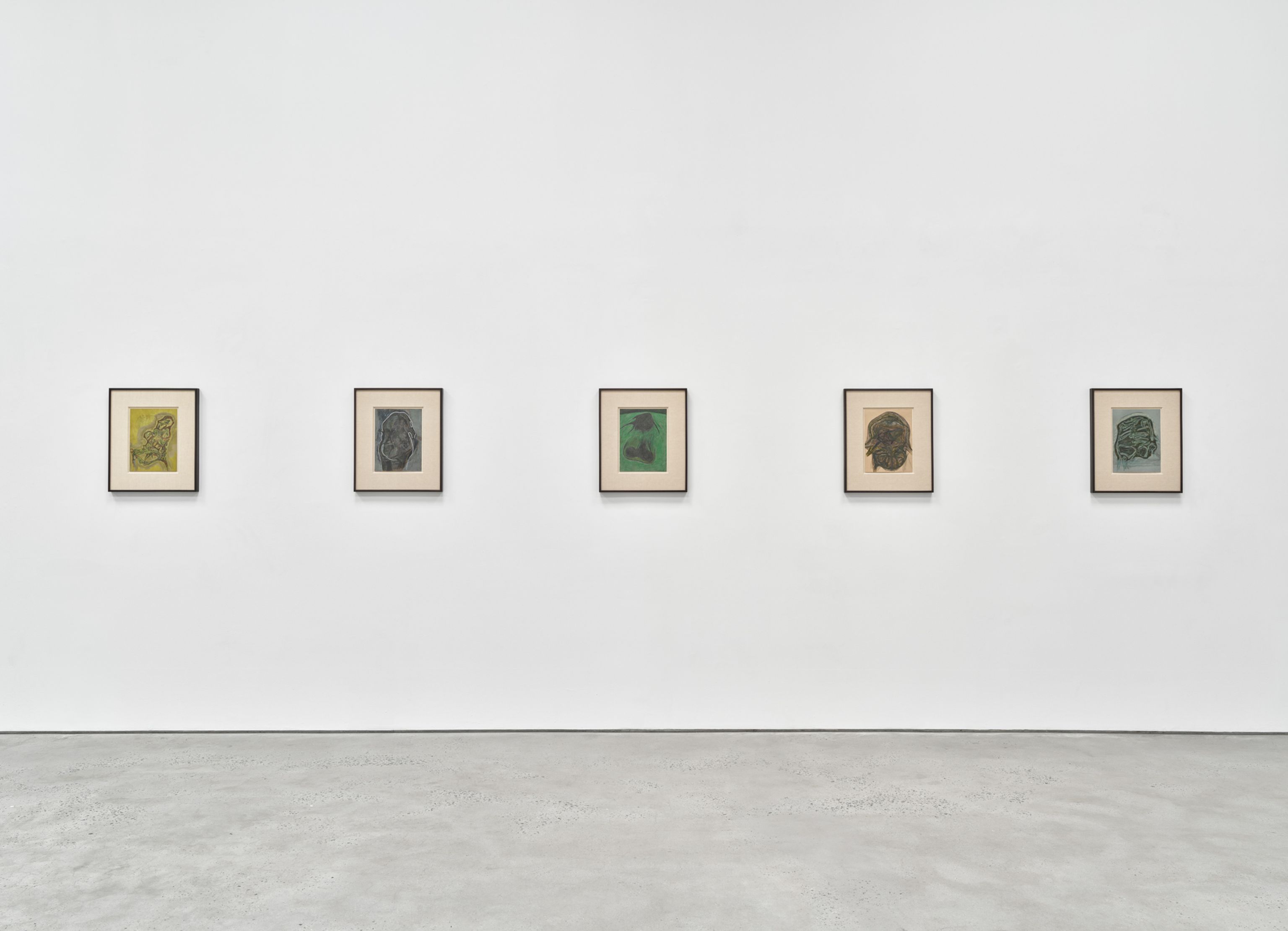

The dual-gallery format allows viewers to move between magnified, fully realized compositions and the provisional, scrawling energy of works on paper, reinforcing the tension between experimentation and culmination, organic growth and conscious construction. Across all pieces, Wray achieves a delicate balance between sensory provocation and meditative reflection, offering an experience that evokes both the primordial and the present, where painting operates as living matter, and the viewer becomes attuned to the gradual unfolding of visual life.