
Alan Rudolph
Remember My Name
- DirectorAlan Rudolph
- ProducerRobert Altman
- CinematographerTak Fujimoto
- StarringGeraldine Chaplin, Anthony Perkins, Berry Berenson, Moses Gunn & Jeff Goldblum
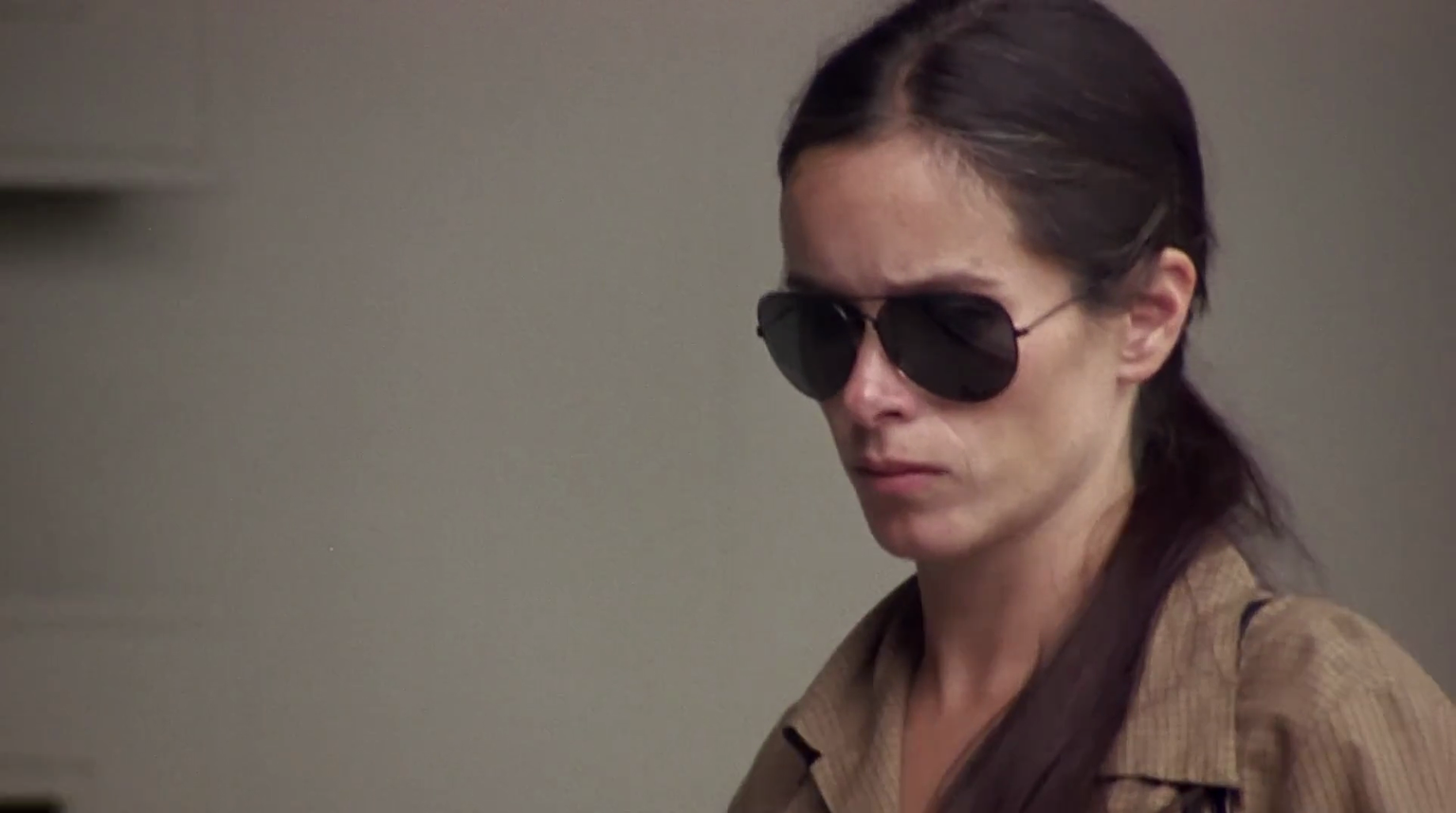
AMANDA KRASS All you really need are the facts: Alan Rudolph, Robert Altman, Geraldine Chaplin, and Anthony Perkins. The tone of this film is unknowable, the performances are the kind of singular origami that beautifully fold and unfold every minute until after 94 minutes the credits roll and you're certain you're the last human on earth. Chaplin - like Sandy Dennis and Genevieve Bujold - has a way of talking that feels like no one has ever done it correctly before her. It's like she's standing on one side of the road, missing walk sign after walk sign, until she rushes directly into traffic. No one cared about this elegant, spooky, neurotic noir when it came out - and that's a national shame reminding us even in the 1970s cinefiles could be stupid and wrong.

The Lost Film Robert Altman Helped Make
In the fall of 1977, Alan Rudolph was riding a wave of attention as Robert Altman's protégé, fresh off directing Welcome to L.A. with Altman's blessing and his stock company of actors. He had little interest in repeating himself. After failing to generate enthusiasm for another project he had been pitching, Rudolph sat down and wrote an entirely new script in under five weeks, joking to the press that the whole thing came together so quickly it felt like a Polaroid picture developing in real time.
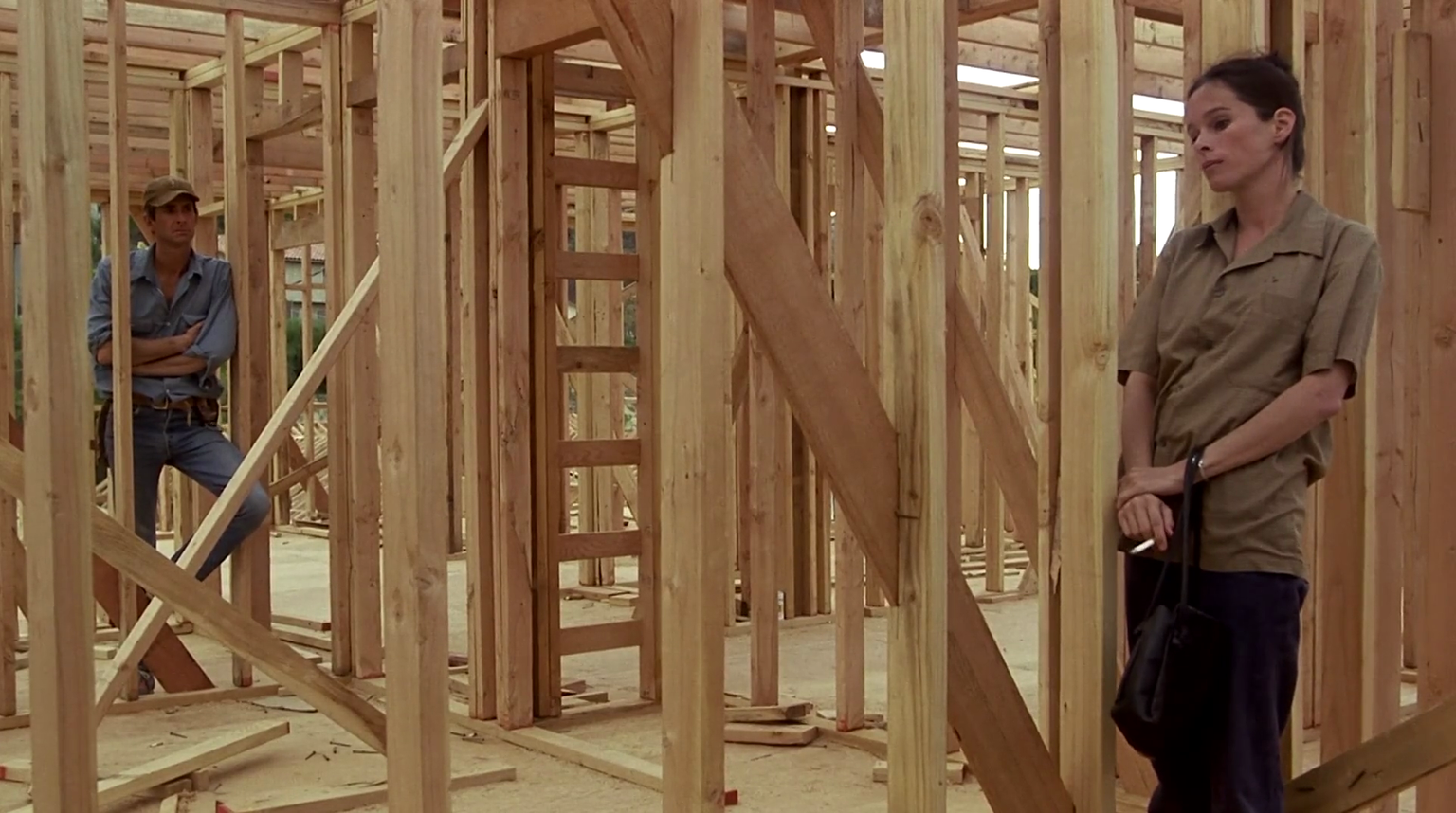
That script became Remember My Name, the story of Emily, a woman released after twelve years in prison who begins quietly, then not so quietly, unraveling the new life of her ex husband Neil, a former architect now working construction, and his unsuspecting wife Barbara. Rudolph described it at the time as something like a Mildred Pierce style melodrama filtered through Hitchcock, an update on the women's pictures once built around stars like Bette Davis and Joan Crawford, only stripped of their gloss and left raw.
Casting a Real Marriage
The film's most unusual casting decision came directly from its leading man. Rudolph and Altman were looking for someone to play Neil, and resisted pressure to cast a conventionally rugged leading man for the construction worker role, since the character was meant to be an architect who had downgraded his life entirely. Rudolph's wife had recently seen Anthony Perkins on Broadway in Equus and suggested him for the part. When it came time to cast Neil's wife Barbara, Perkins made an unusual request: he asked if his own real life wife, photographer and former model Berry Berenson, could play the role, since she had the warmth and honesty he felt the character needed. Rudolph met her, agreed immediately, and the two appeared on screen together for the only time in their careers.
There was a quiet irony underneath the casting. Perkins had spent years in a complicated relationship with his sexuality, having gone through conversion therapy with a controversial psychoanalyst years before he met Berenson, and the film's themes of buried histories resurfacing uninvited were not so far removed from his own life. He and Berenson would remain married until his death in 1992.


A Comeback Built Into the Score
Just as striking as the cast was the decision to build the film's musical backbone around Alberta Hunter, a blues singer who had once shared stages with Louis Armstrong before walking away from performing in the 1950s to spend two decades quietly working as a nurse in New York. Forced into retirement from nursing in her late seventies, Hunter had only just begun easing back into singing when Rudolph convinced her, at 83 years old, to write new songs for the film and record several of her classics. It marked her first new recorded material in over fifteen years and helped relaunch a late career comeback that would carry her until her death in 1984.
Despite a starry world premiere in Memphis, Hunter's hometown, with much of the cast attending and Hunter performing live, Columbia Pictures quickly lost confidence in the film after disappointing test runs in cities like Indianapolis and Columbus. The studio eventually handed distribution over to a publicist who released it city by city over the following year, a slow rollout that meant the film never reached a wide audience despite strong reviews and a Best Actress prize for Geraldine Chaplin at the Paris Film Festival.
The film's bad luck did not end there. When studios began transferring catalog titles to home video in the years that followed, rights issues around Hunter's songs were never resolved, and the soundtrack has remained legally tangled ever since, even after her death left her publishing rights unclaimed. Remember My Name has never had an official home video release, surviving instead through occasional revival screenings and word of mouth among admirers of Rudolph's early work.
Decades later, Rudolph would still call it the best film he ever made, a small, strange picture that came and went almost unnoticed in its own moment, but never quite left the people who saw it.