
Nick Knight
Roses from My Garden
- PhotographerNick Knight
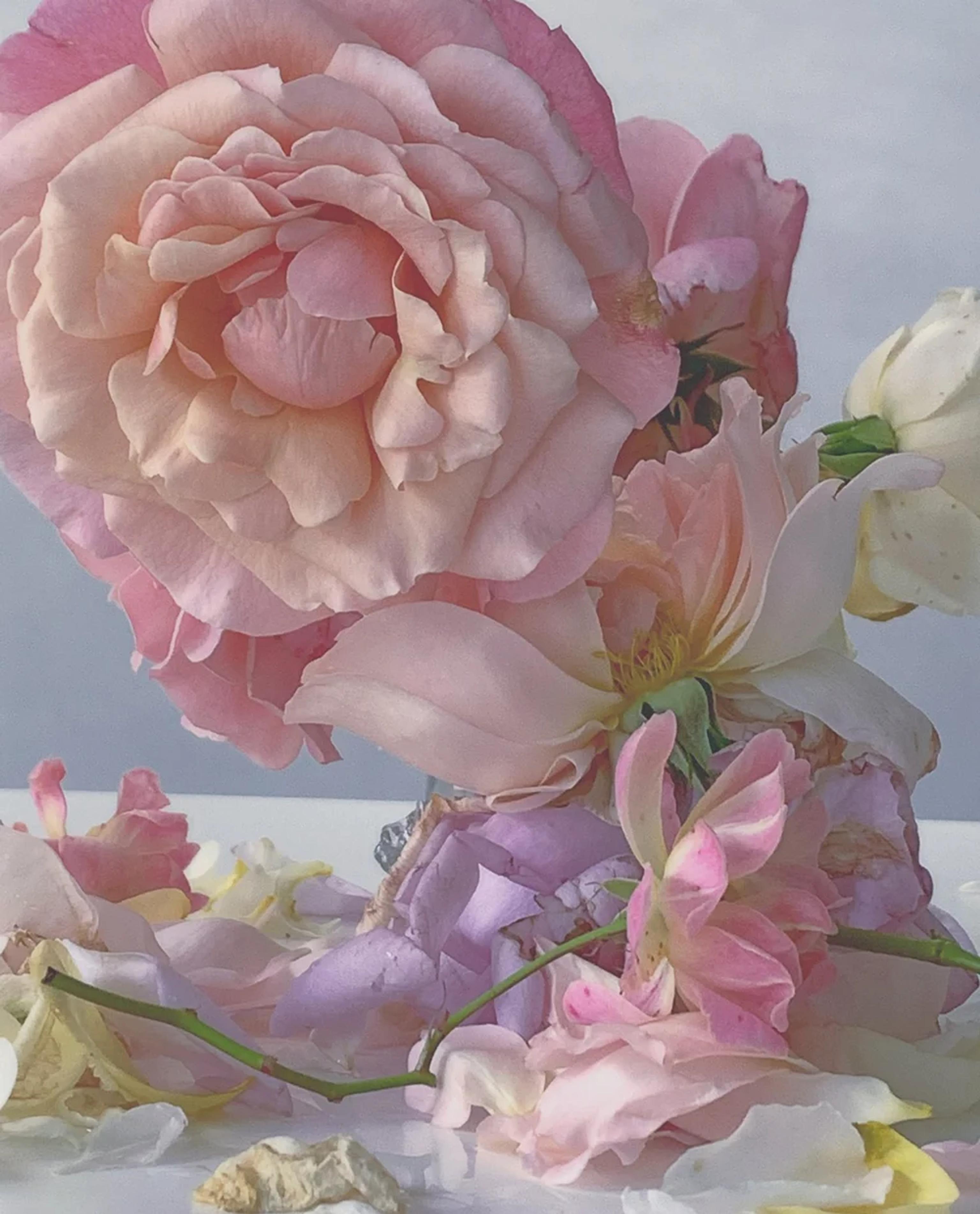
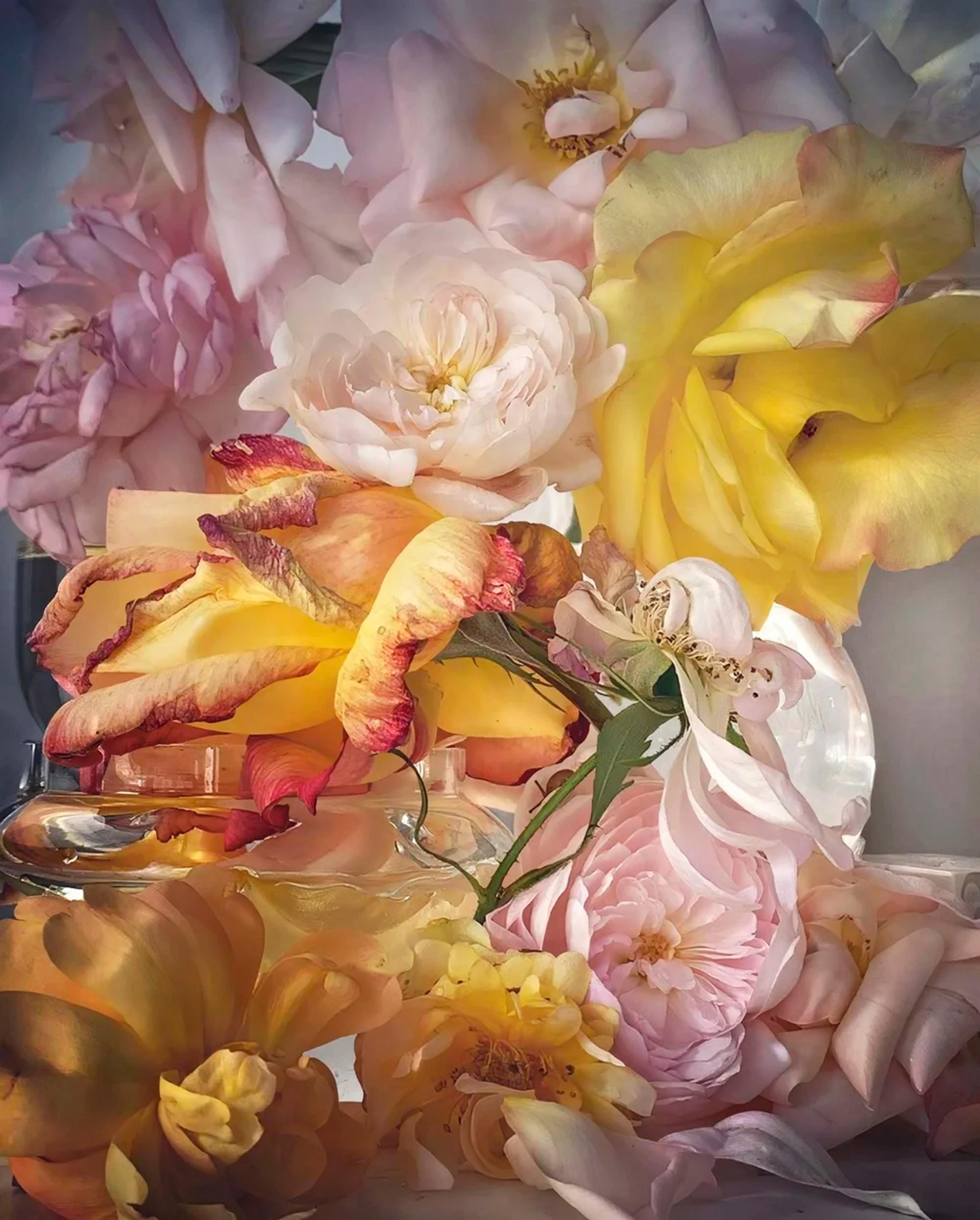
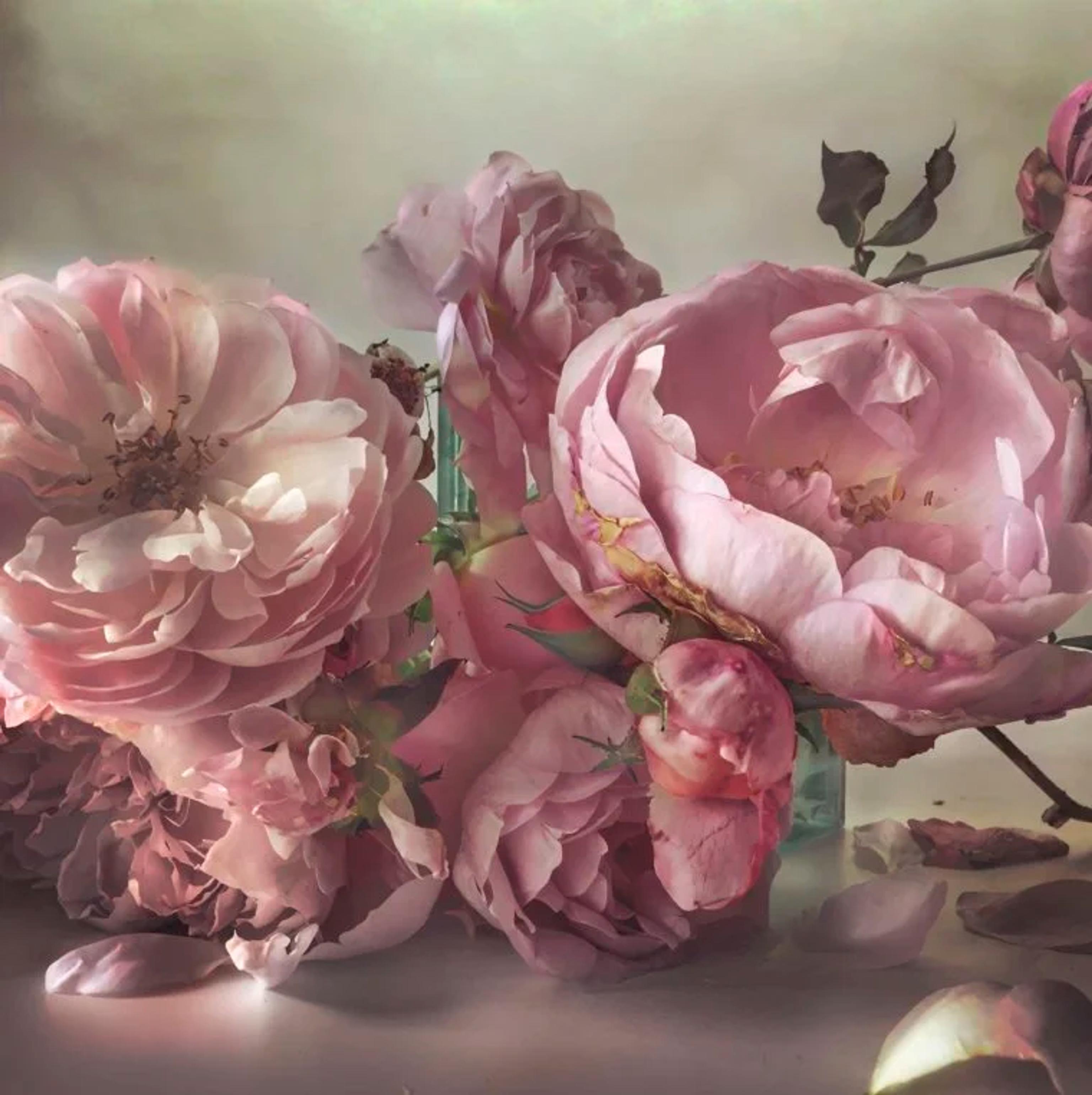
Simon Bradley I fell over this series not long ago. I still cannot fathom this is captured with an Iphone. However it is definitely not the capture format, that impresses me the most, it's the beauty in a simple thing, roses from Nick's garden, and the way he treats his subject. It's a testament that you can make art out of anything if you care enough.

Roses from My Garden
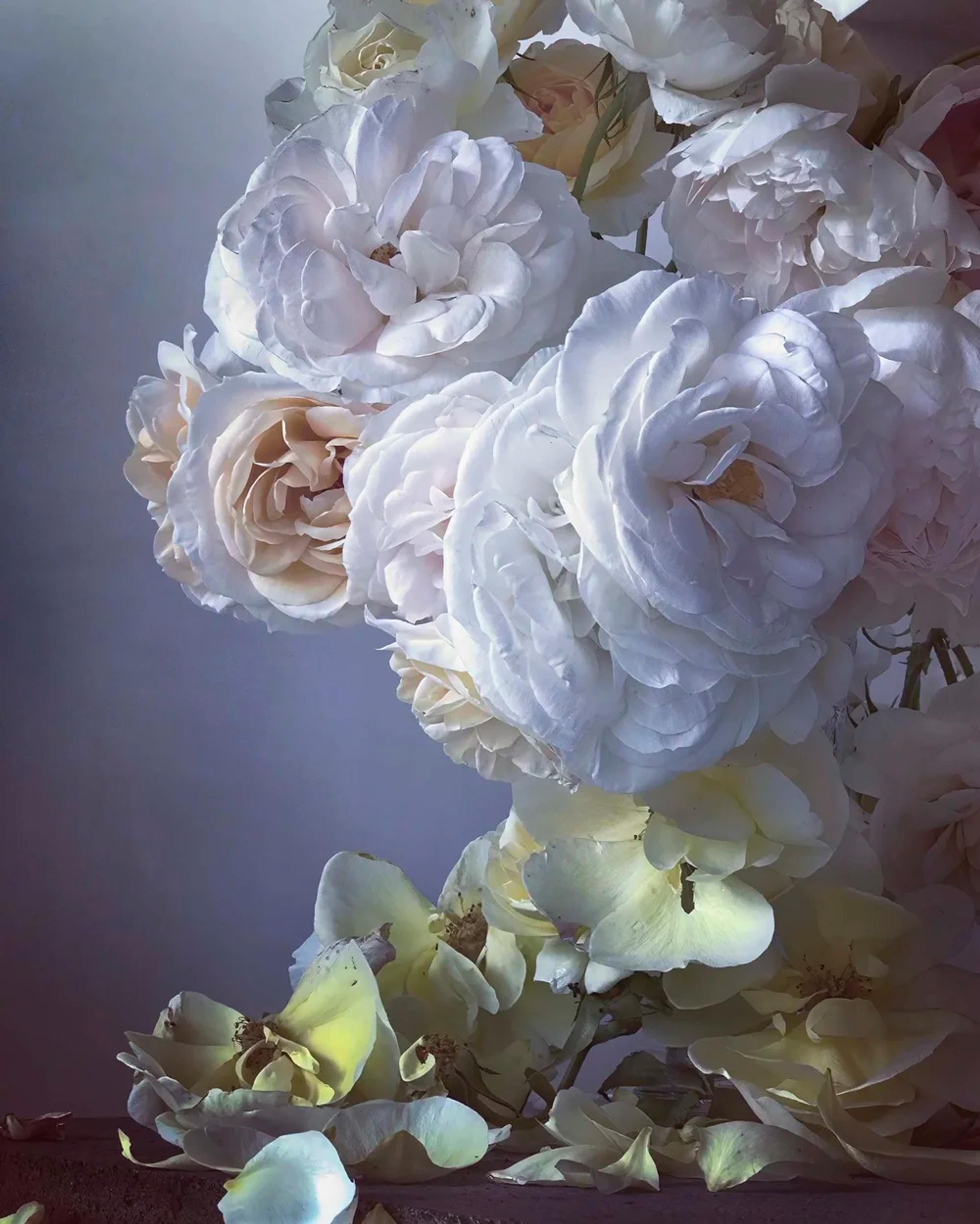
Roses from My Garden began not as a formal project, but as a private ritual. During periods of isolation and creative withdrawal, Nick Knight turned to the one subject he could visit daily: the roses growing outside his home. With fashion productions paused and studios silent, the garden became both refuge and laboratory.
Knight photographed the roses obsessively, often using his iPhone rather than a traditional camera, capturing them at every stage - lush, overblown, bruised by rain, or slipping toward decay. What interested him was not the rose as a symbol of perfection, but as a living body subject to time, damage, and desire. The images reject classical floral beauty in favour of something more unstable, sensual, and visceral.
As the series developed, so did its technical ambition. From thousands of images shot during hours-long sessions at his kitchen table, Knight would select a single frame, subtly shaping it through colour and contrast using Instagram filters before pushing it further with AI-based software from Topaz Labs. The technology sharpens and reconstructs unfocused areas, introducing an almost invented precision that Knight then refines meticulously with his retoucher. From afar, the works recall the softness and romance of 17th-century Dutch flower paintings; up close, they reveal a tougher, more mechanical intensity - an intentional tension between nature and machine.
Over time, Roses from My Garden evolved into a meditation on mortality, attention, and seeing. By returning to the same flowers again and again, Knight explores how intimacy alters perception - how beauty deepens when it is observed closely, repeatedly, and without agenda. The garden becomes a counterpoint to the artifice of fashion imagery: uncontrolled, erotic, and honest. What remains is one of Knight’s most personal bodies of work, and a quiet assertion that radical creativity can emerge from sustained looking at what is already near.