Luc and Jean-Pierre Dardenne
Rosetta
- DirectorLuc and Jean-Pierre Dardenne
- CinematographerAlain Marcoen
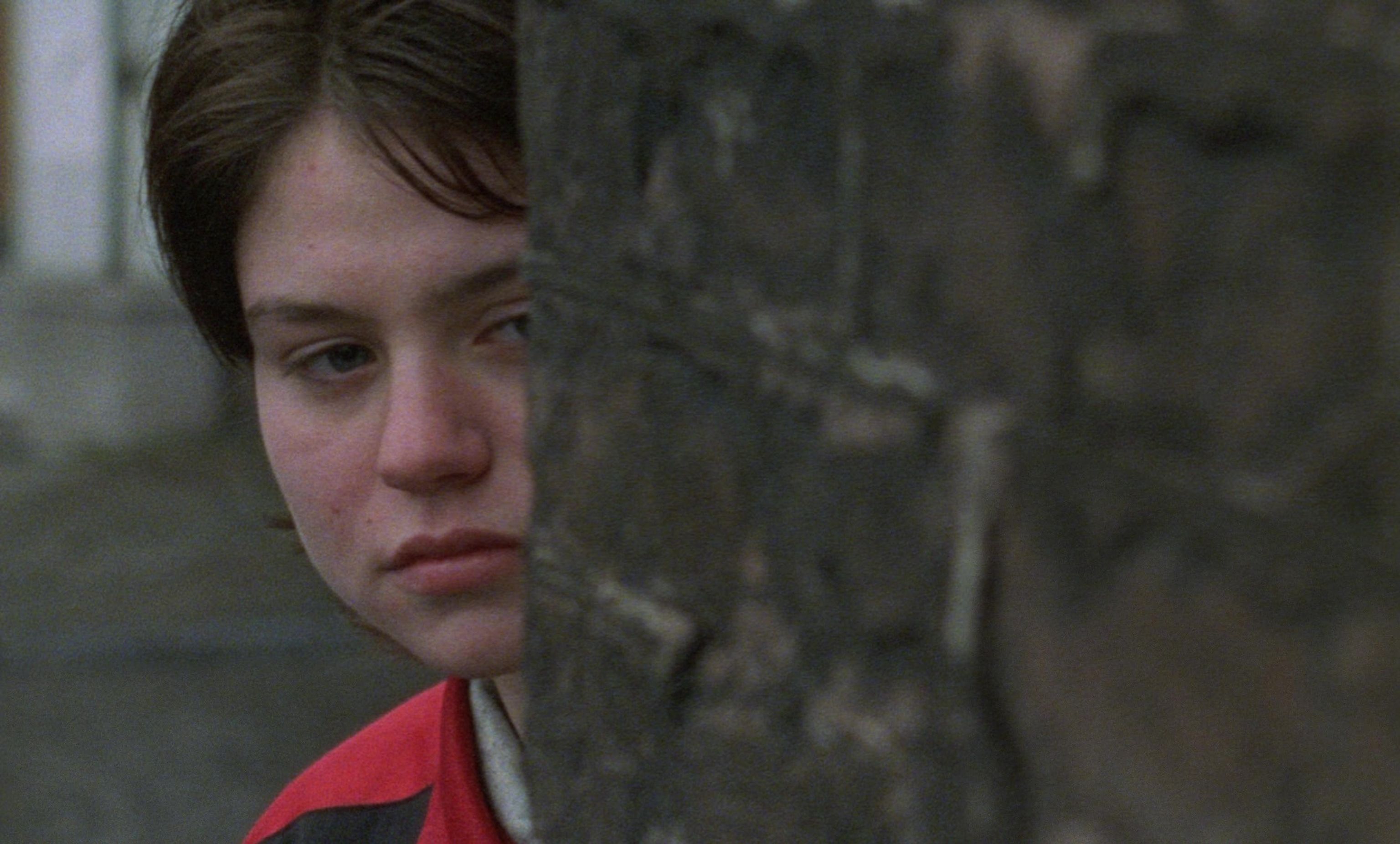
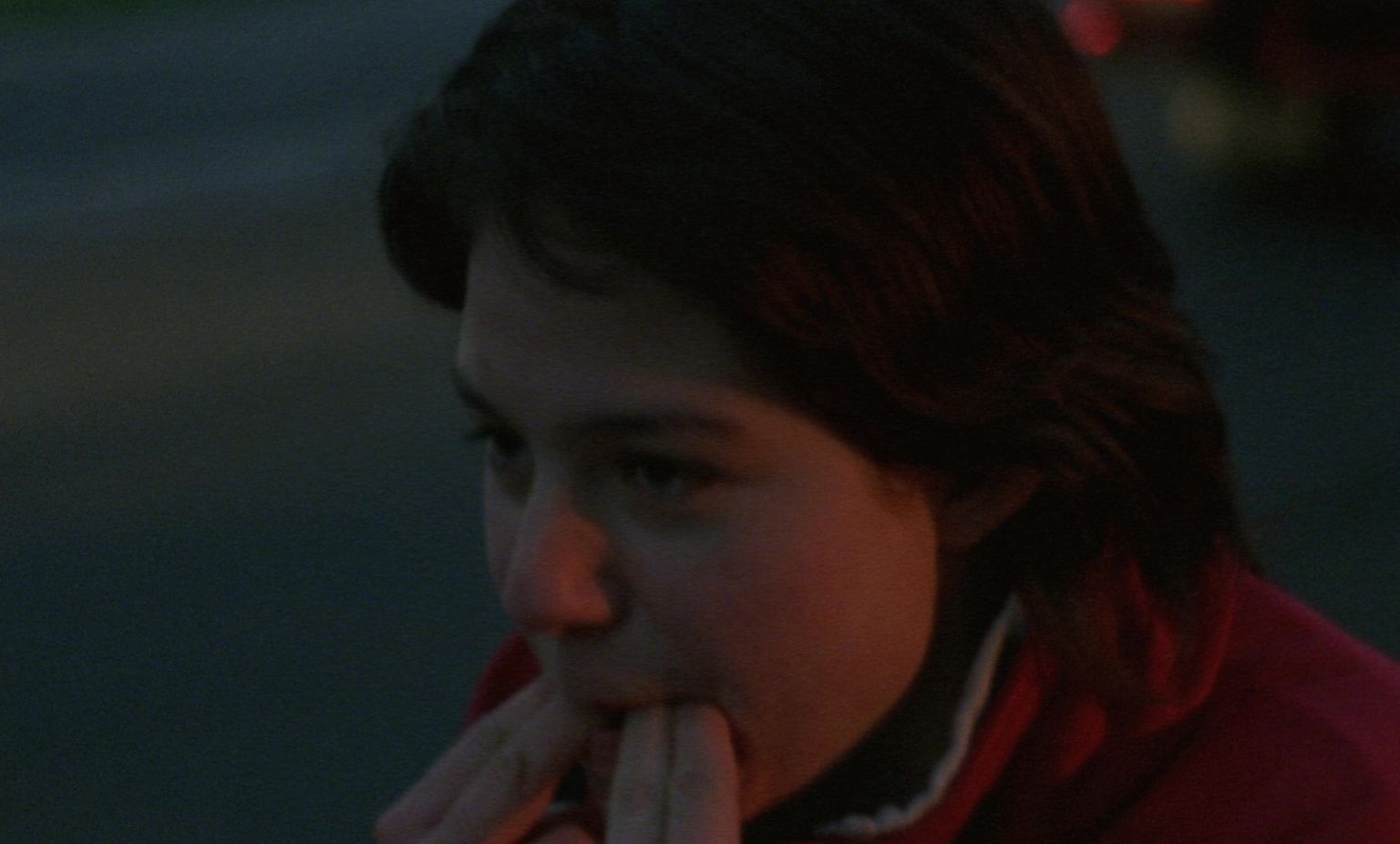
JASON EVANS It took me weeks to recover after seeing Rosetta for the first time. As Luc Dardenne wrote in his diaries, "In Rosetta there'll be more compression...compress feelings, compress space, compress bodies, compress words. Convey the imminence of an explosion." With all distance erased, the Dardenne brothers’ signature handheld camera sticks close to Rosetta for the entire film - never straying or turning away - right up to the film’s final scene, a marathon five-minute single take.


A Modest Film, a Major Moment
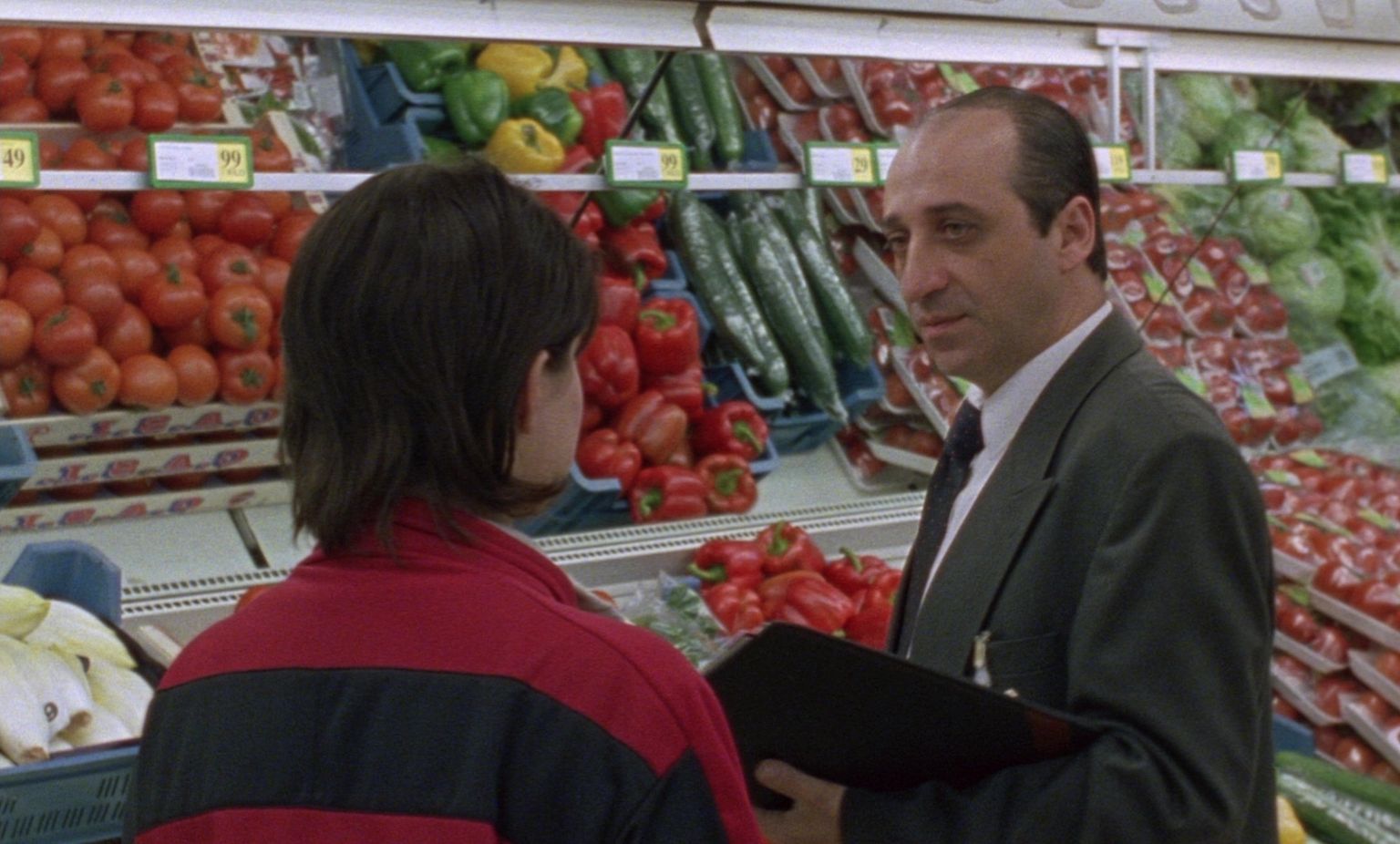
When Rosetta premiered at the Cannes Film Festival in 1999, it stood apart from much of the competition. With its plain settings, lack of music, and narrow focus on one young woman’s daily struggle, the film felt almost confrontational in its simplicity. That year, it won the Palme d’Or, and lead actress Émilie Dequenne received the Best Actress award, marking the Dardenne brothers’ international breakthrough.
Despite this recognition, Rosetta did not lead the directors toward a more commercial style. Instead, it clarified an approach they would continue to refine: tightly focused stories, moral ambiguity, and a camera that stays close to the body.
A Character Always in Motion
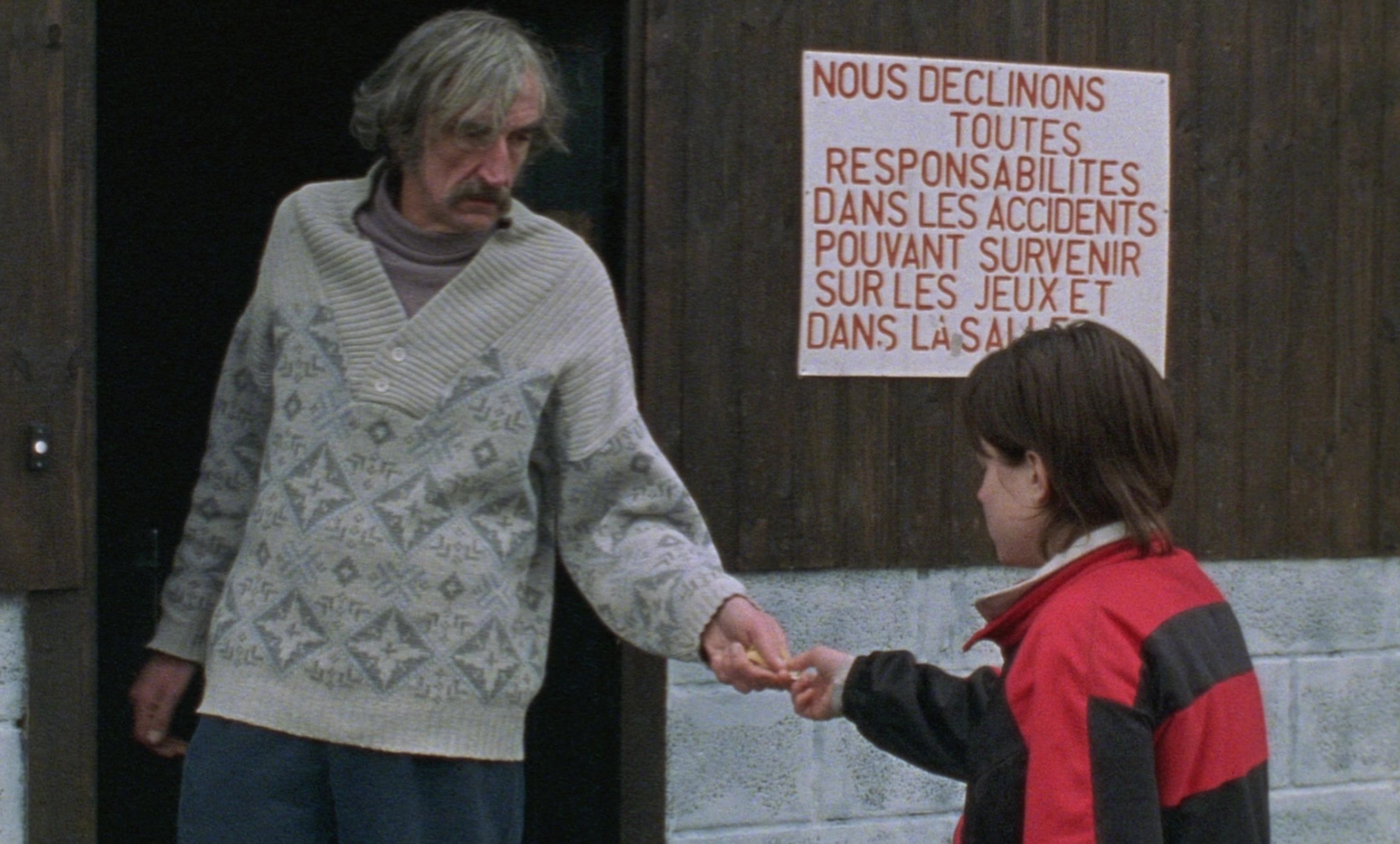
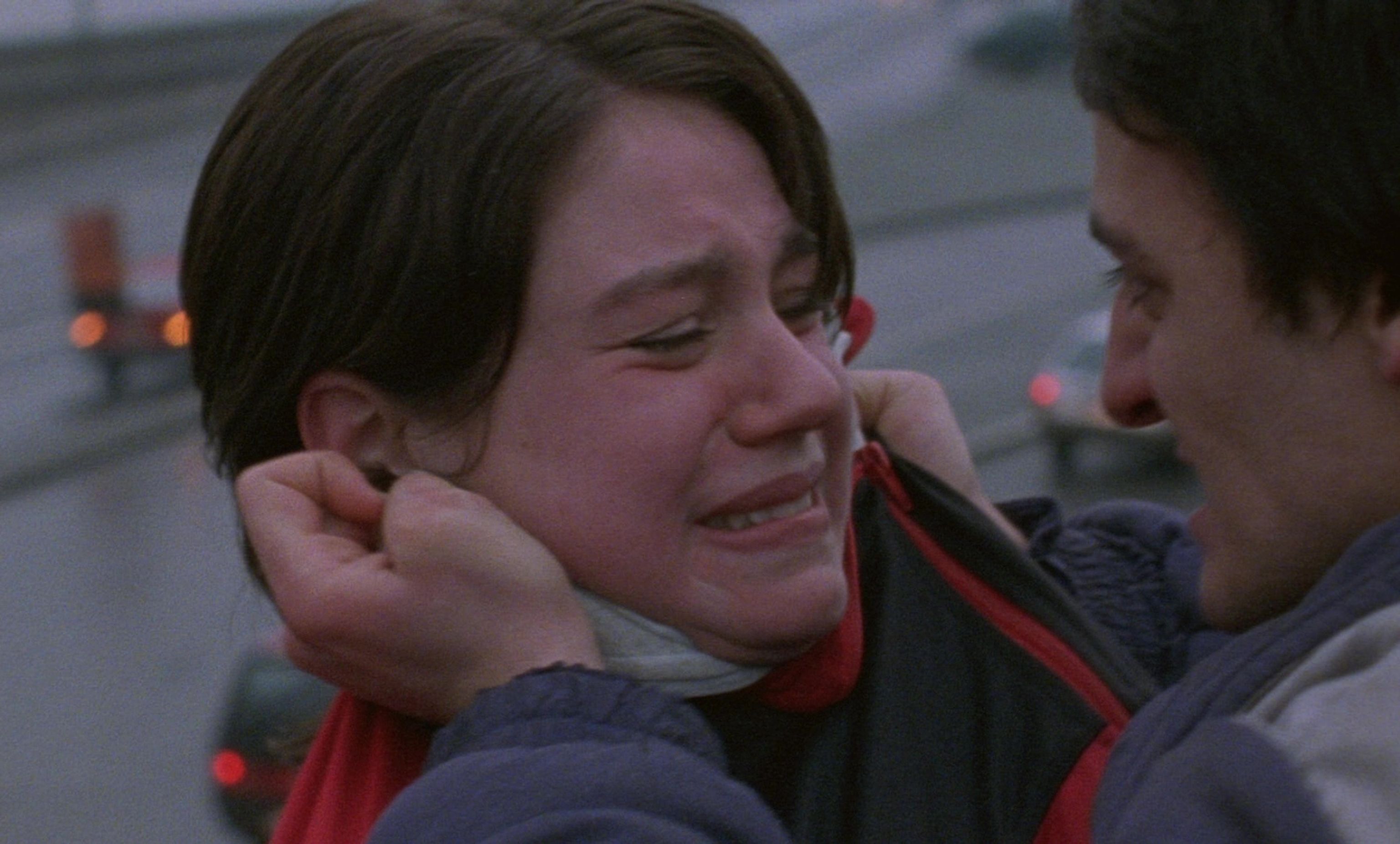
Rosetta is almost never still. She walks, runs, drags objects, hauls herself over fences, pushes through crowds. The Dardennes built the film around physical persistence, not psychological exposition. We learn who Rosetta is by watching what her body endures.
This emphasis was not accidental. During rehearsals and shooting, Émilie Dequenne was asked to perform actions repeatedly until they became automatic, almost mechanical. The brothers wanted movement without performance - gestures that looked lived-in, not acted. The result is a character who feels less written than tracked, as if the camera stumbled upon her life and refused to let go.

The Camera That Refuses to Look Away
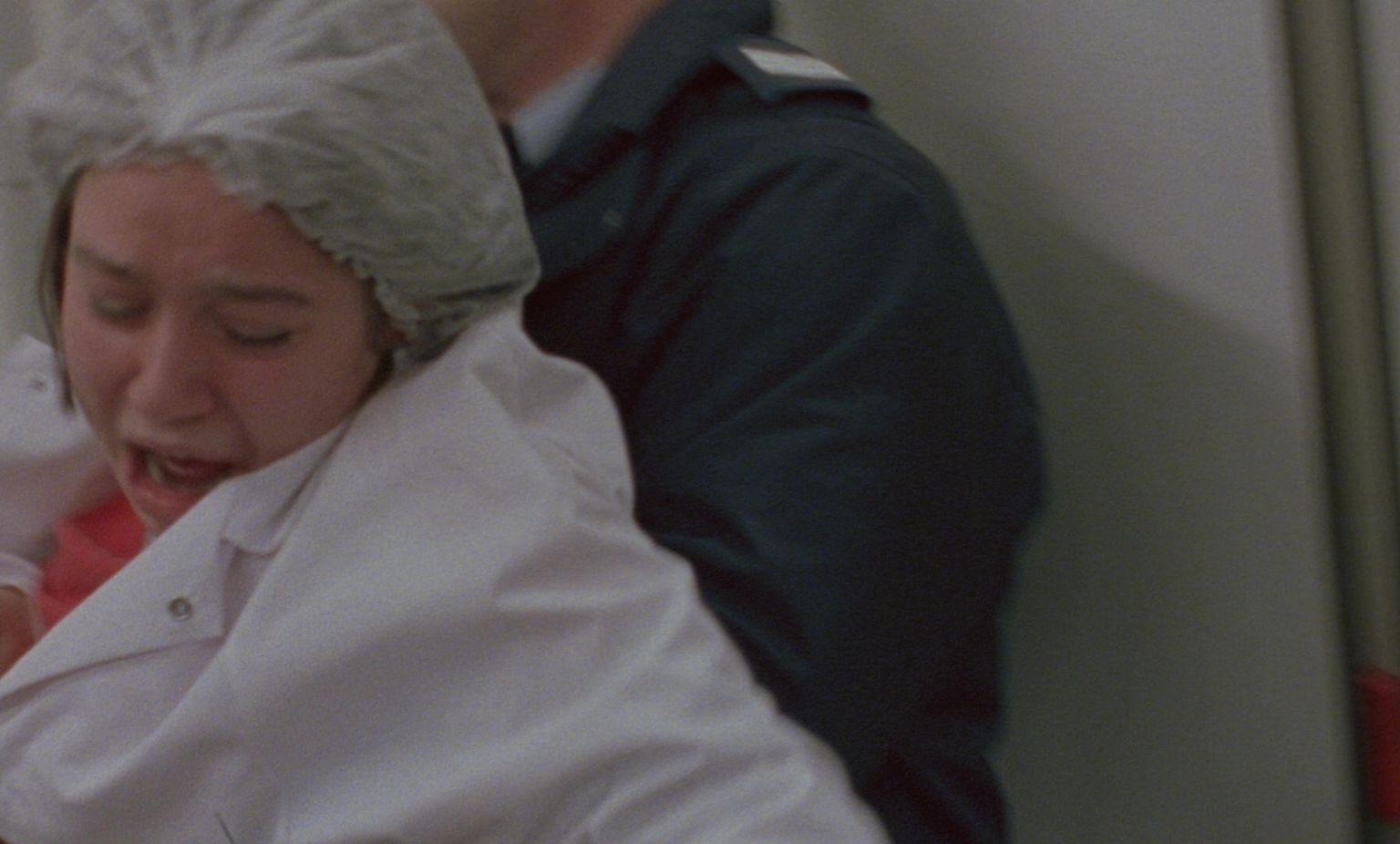
The cinematography, by Alain Marcoen, is central to the film’s power. Rosetta is shot almost entirely with a handheld camera, positioned close behind or beside the protagonist. Often, we don’t see where Rosetta is going - only that she is going now.
This approach creates a sense of urgency bordering on anxiety. The camera lurches, corrects itself, breathes with the character. It does not anticipate action; it reacts to it. In doing so, it denies the viewer the safety of distance or overview. There are almost no establishing shots, no visual relief. The world exists only as Rosetta encounters it.
Documentary Roots, Fictional Precision
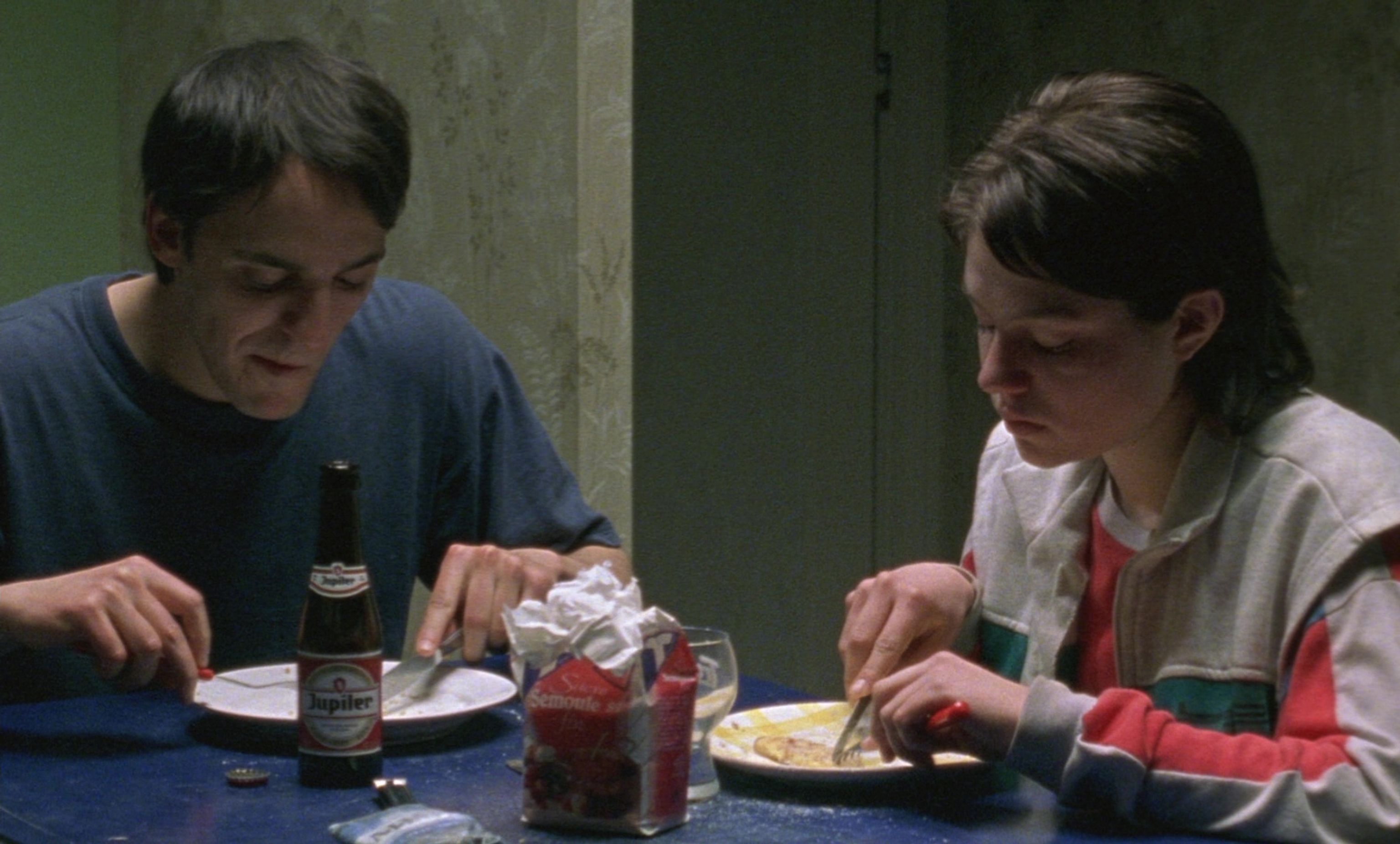
The Dardennes’ background in documentary filmmaking is evident everywhere. Natural light dominates. Locations are real, not dressed. There is no non-diegetic music to guide emotion. Silence, ambient noise, and bodily sounds - footsteps, breathing, fabric brushing against skin - take its place.
Yet Rosetta is not improvised or loose. The film was shot with extreme precision, often repeating scenes many times to achieve a rhythm that felt inevitable rather than expressive. This tension - between documentary immediacy and rigorous control - is a hallmark of the Dardennes’ cinema, and Rosetta may be its purest expression.


Ethics Without Explanation
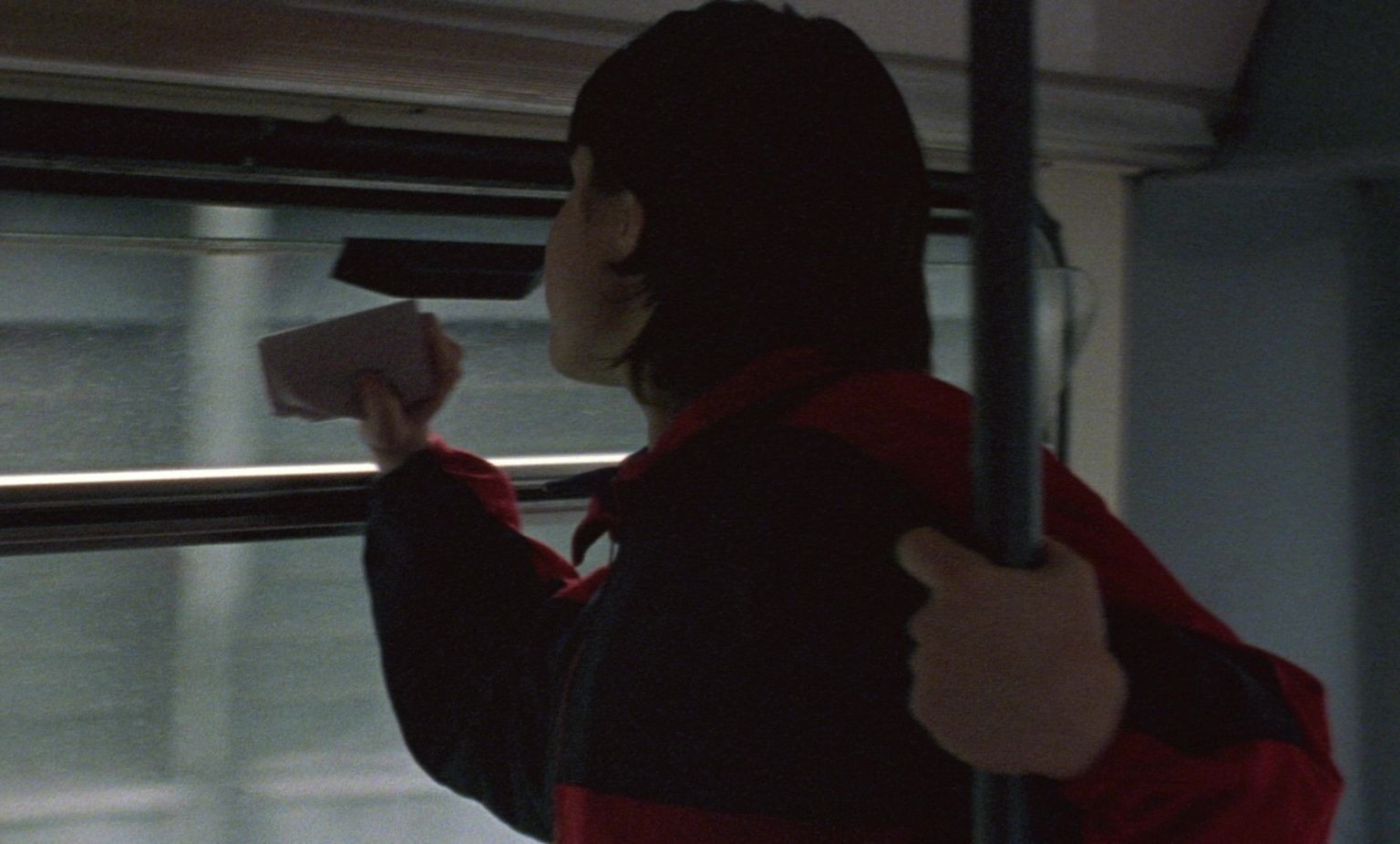
Perhaps the most unsettling aspect of Rosetta is its refusal to explain or justify its protagonist’s actions. Rosetta makes choices that are selfish, cruel, even destructive - and the film never steps in to interpret them for us.
The camera does not judge, but it also does not console. By staying physically close and emotionally neutral, the cinematography forces the audience into a moral proximity that is uncomfortable and unresolved. We are not asked to admire Rosetta, only to stay with her.

Lasting Influence
In Belgium, the film became so closely associated with youth unemployment that a labor reform aimed at protecting young workers was nicknamed the “Rosetta Plan,” a testament - mythologized or not - to the film’s social resonance.
More importantly, Rosetta influenced an entire generation of filmmakers drawn to its austere realism and ethical seriousness. Its handheld camera, once seen as aggressive or destabilizing, became a language for social urgency.
More than two decades later, Rosetta still feels abrasive. It resists comfort, interpretation, and catharsis. Its cinematography does not beautify suffering or frame resilience as inspiration. Instead, it creates friction - between viewer and image, body and world, survival and morality.
In Rosetta, the camera runs not to capture action, but because stopping would mean losing her. And losing her, the film insists, is not an option.