
Carlo Celli
Rozzol Melara Complex
- ArchitectCarlo Celli
- ProjectStudio Celli Tognon Trieste
- PhotographerRoberto Conte
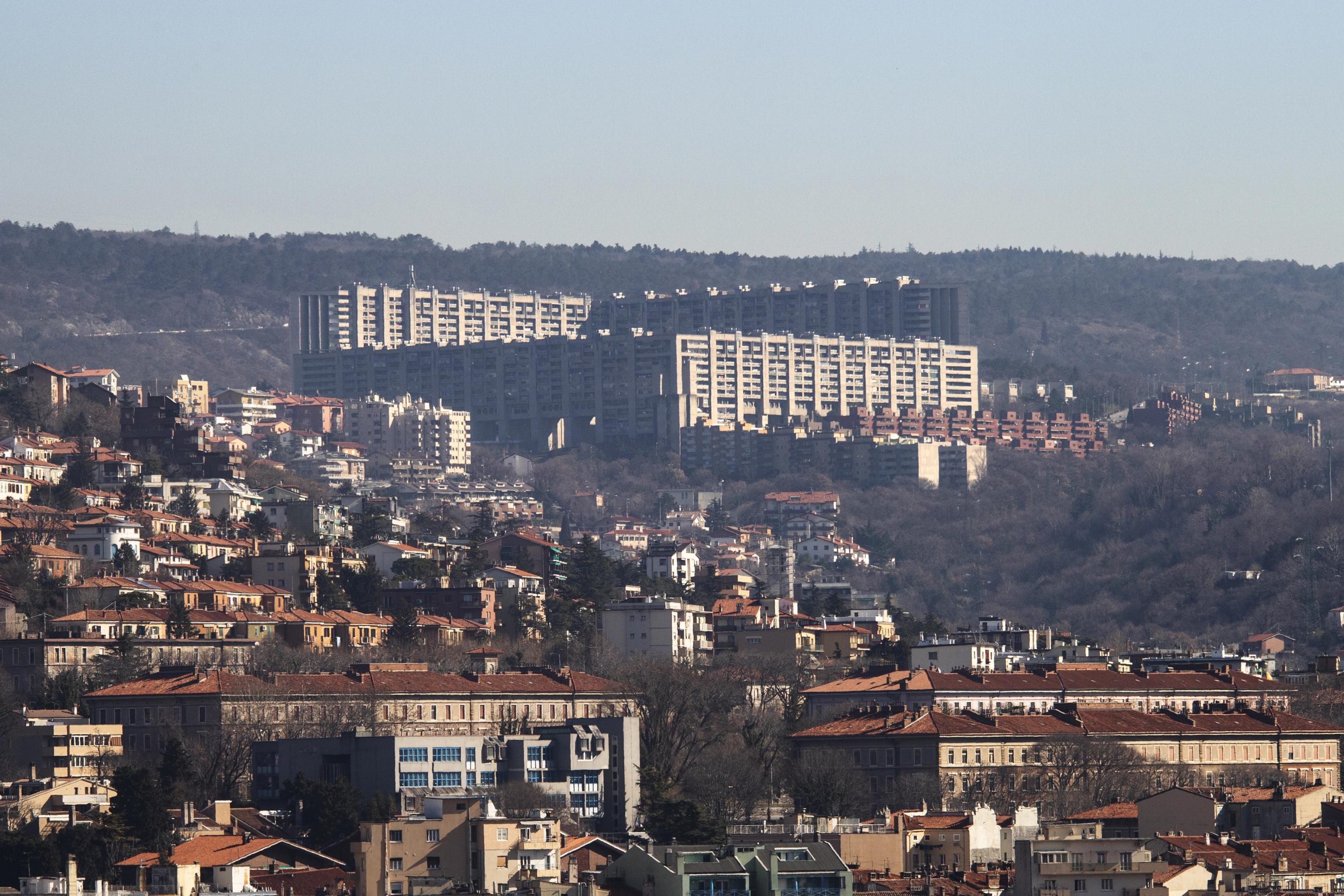
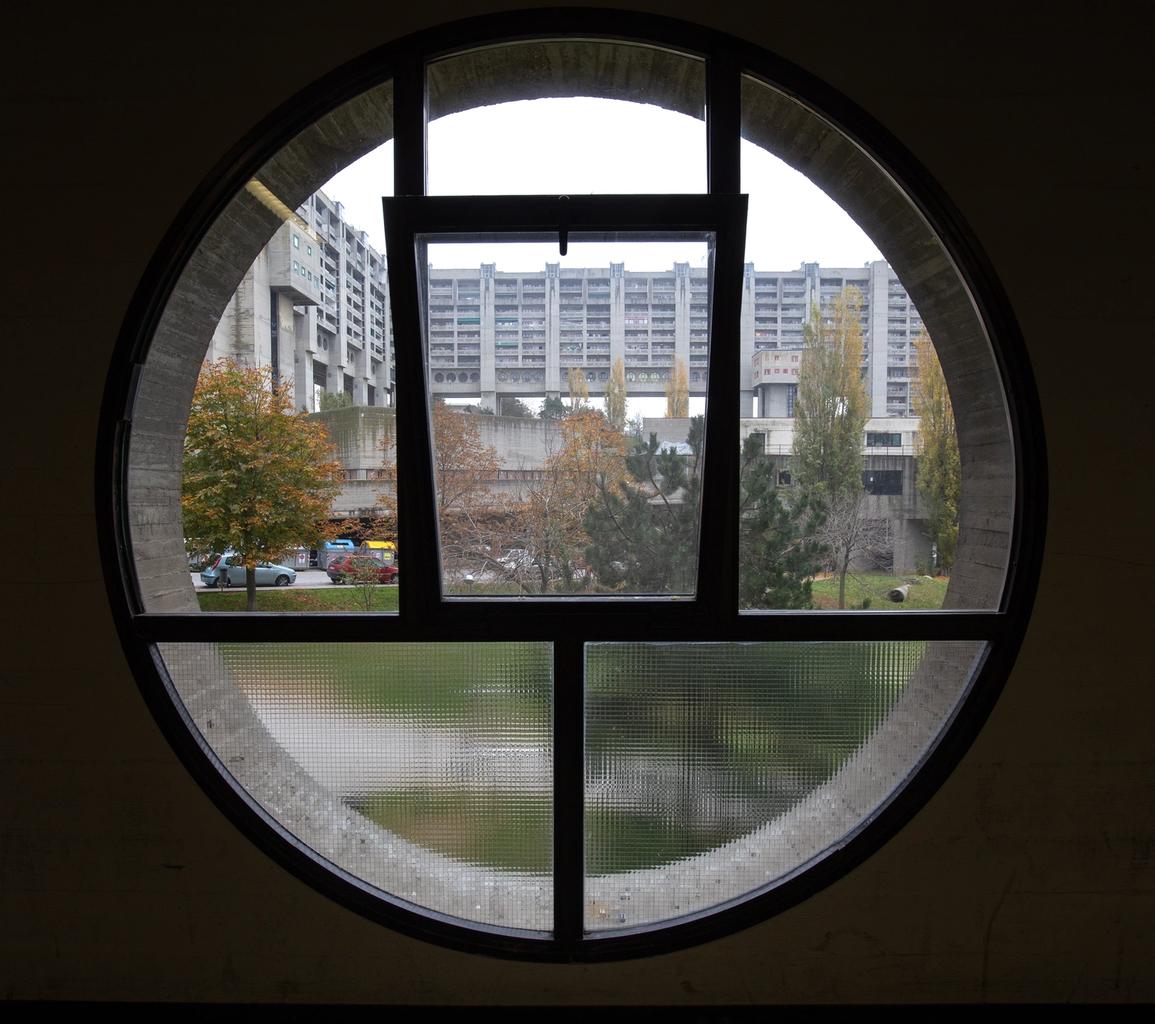
Philippe Lê This project is a utopia, located on a mountain slope it houses 2500 people in a complete isolated complex that offers breathtaking view on the city of Trieste and the Mediterranean sea. It is the modernist dream of a city within a building...
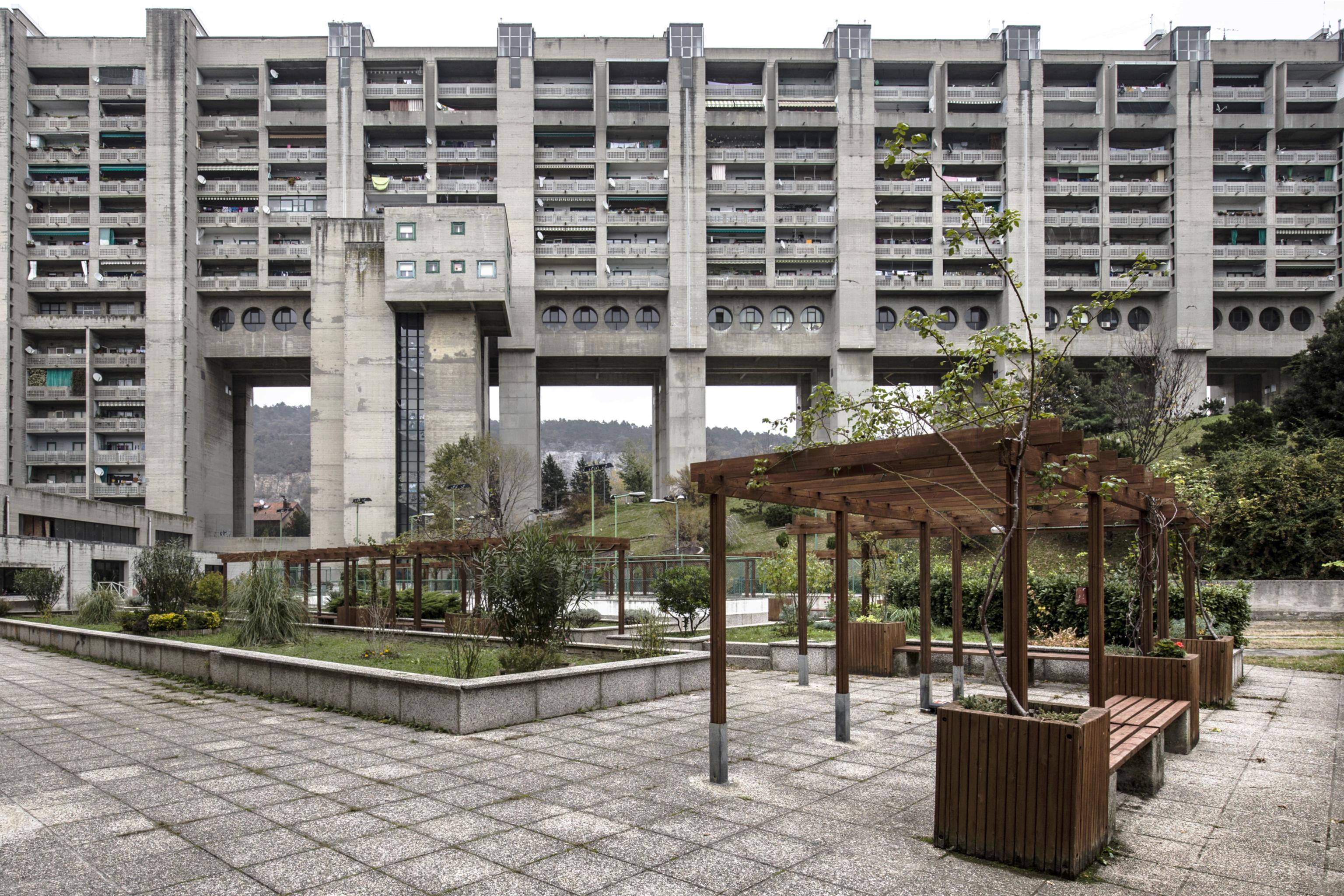

Philippe Lê's perspective on Rozzol Melara Complex
After years of neglect, it is slowly being revived and renovated. The generosity of the interior spaces, the intricate network of corridors and passage ways makes it a unique environment that goes beyond the « Unité d’Habitation » of Le Corbusier.
This « utopia » is the only real progressive research and architectural innovation developpped after World War 2. Even if the current conditions are the incarnation of all the stereotypes of deshumanizing concrete distopia held by the public the underlying structures expresses optimism and integration and respectful renovation can finally accomplish its original intend as it has been done with the Barbican in London for example.


Rozzol Melara: Trieste’s Concrete Enclave
Rozzol Melara is a monumental social housing complex perched on a windswept ridge four kilometers from the center of Trieste, Italy. Commissioned by the Istituto Autonomo Case Popolari (IACP) in 1969 and completed in 1983, it was conceived as a self-contained “urban village” for approximately 2,500 residents.
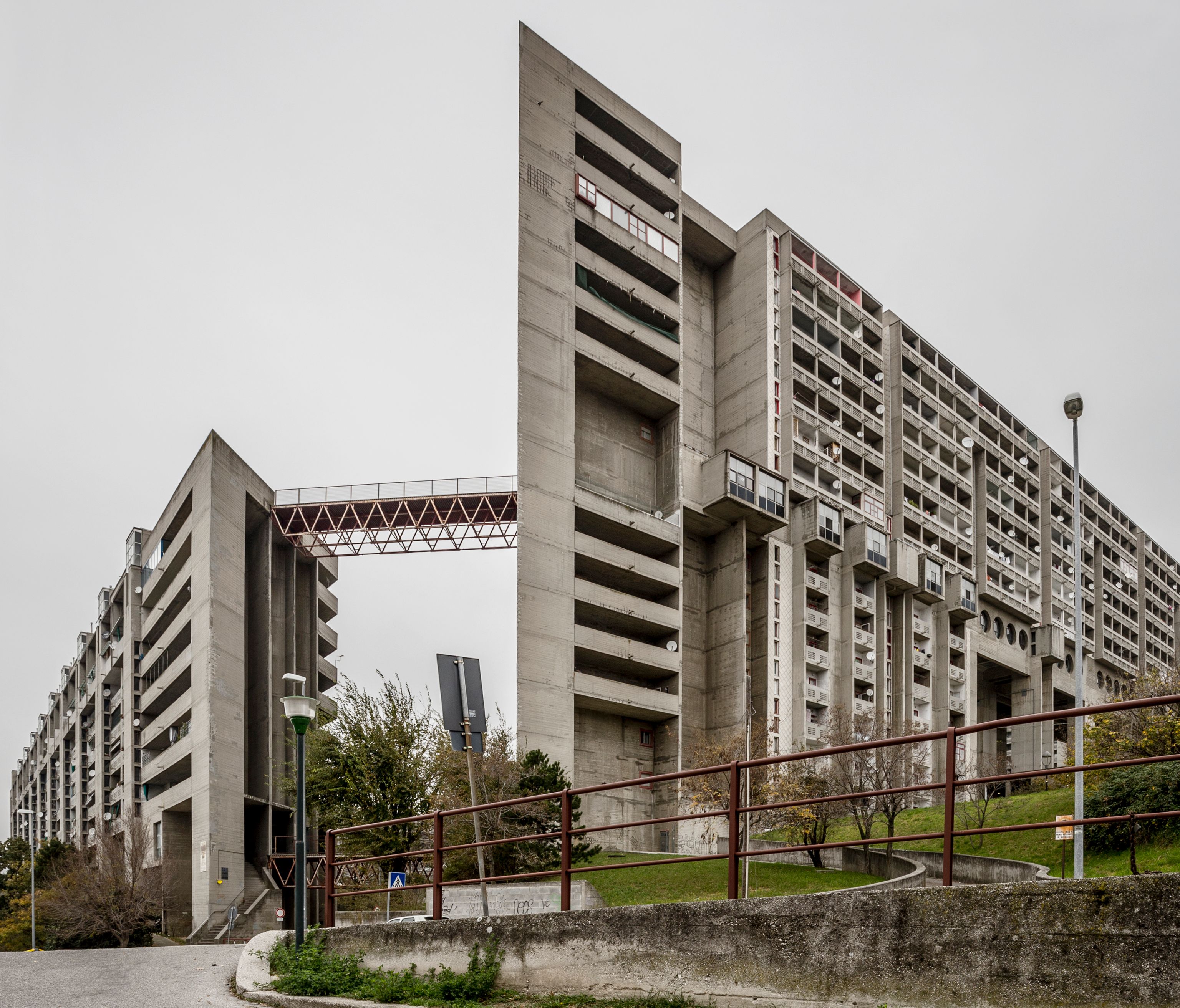
Led by architect Carlo Celli with a design team of 29 professionals, the project was inspired by Le Corbusier’s later works, particularly the Unité d’Habitation and the Sainte Marie de La Tourette convent, while also nodding to Louis Kahn’s monumental voids. The complex was intended as a model of high-density living that combined housing, services, schools, and communal spaces, all organized around two massive L-shaped concrete slabs, forming a quadrilateral that dominates the hillside and overlooks the Adriatic Sea.

Architecture, Circulation, and Social Vision
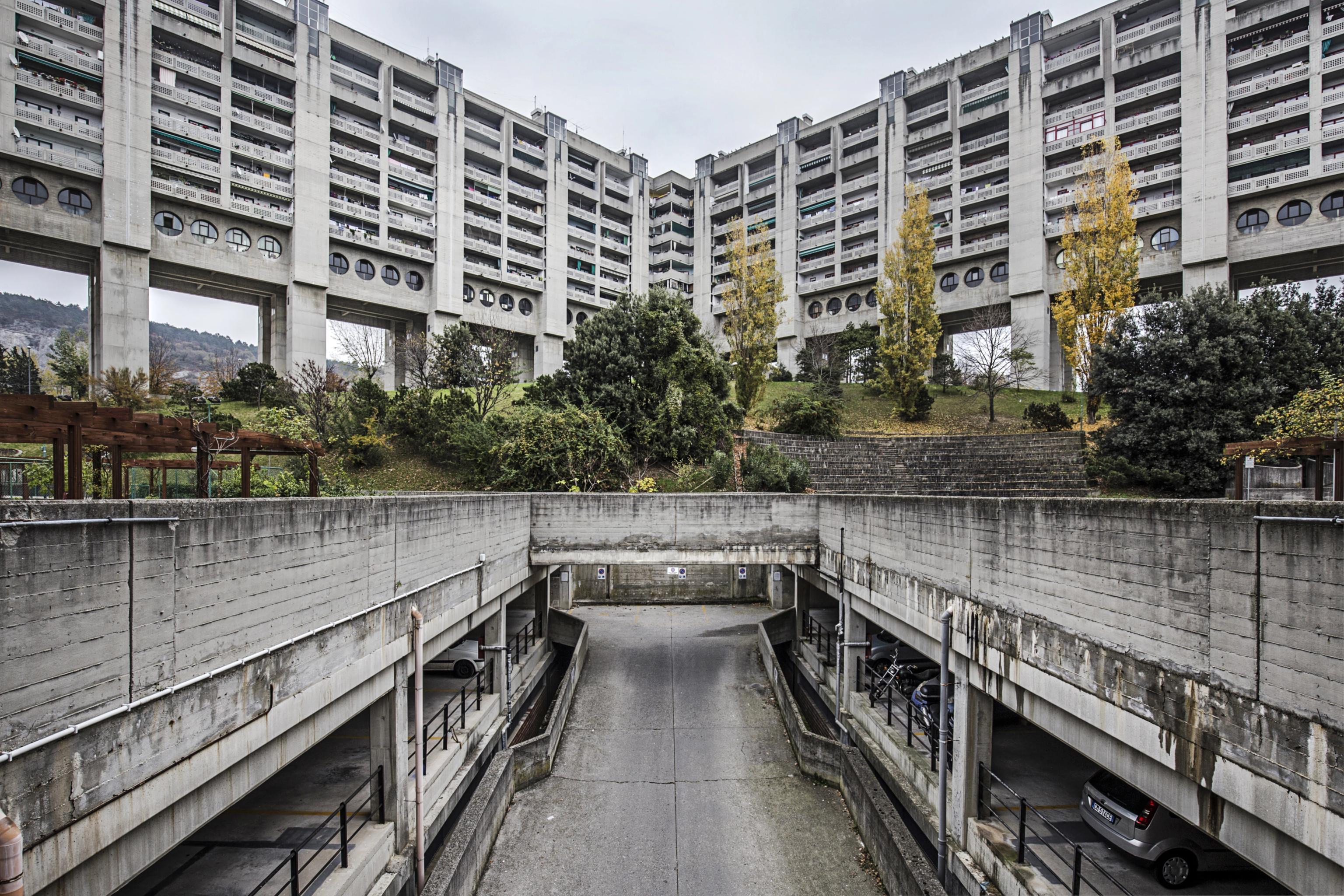
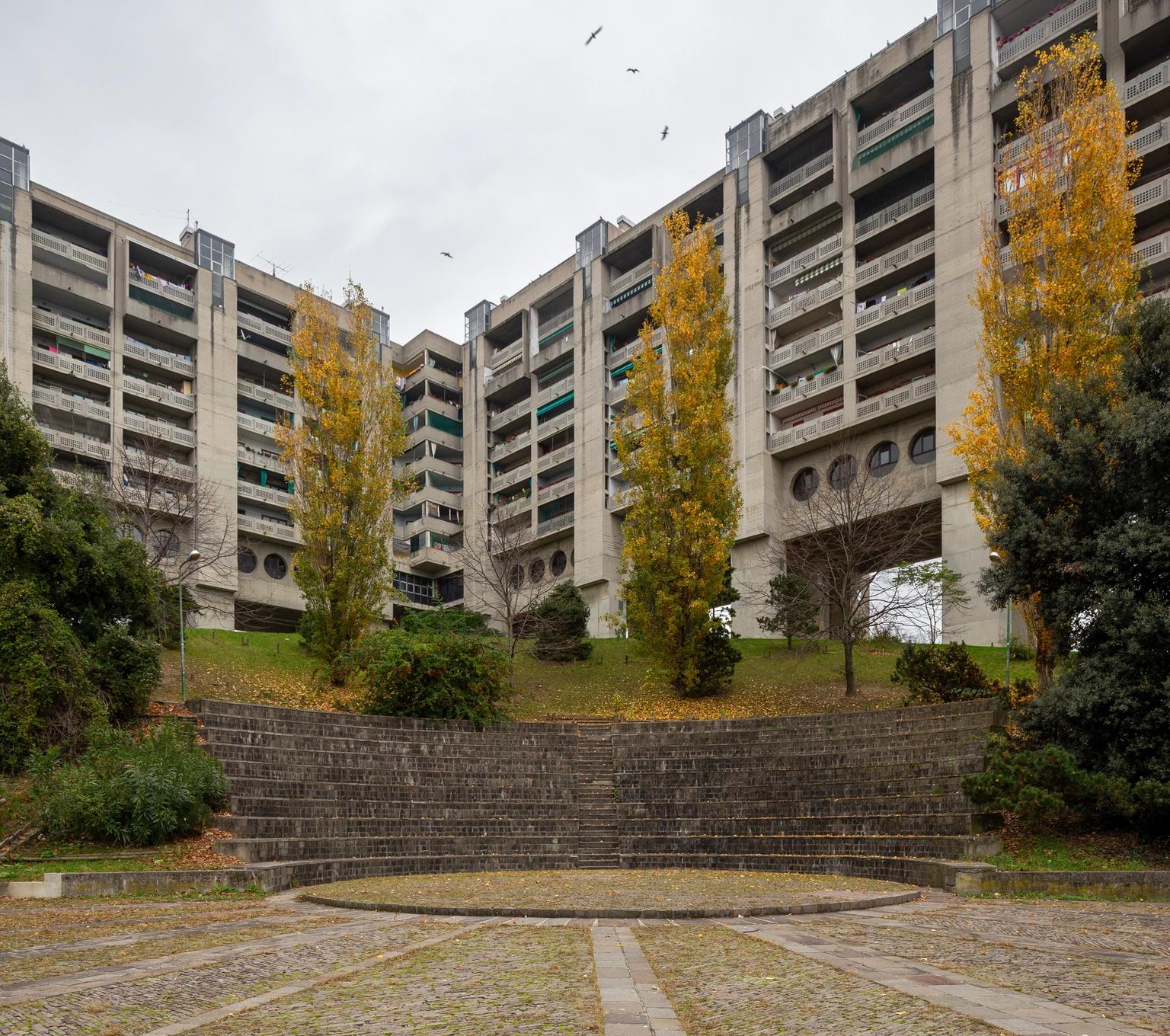
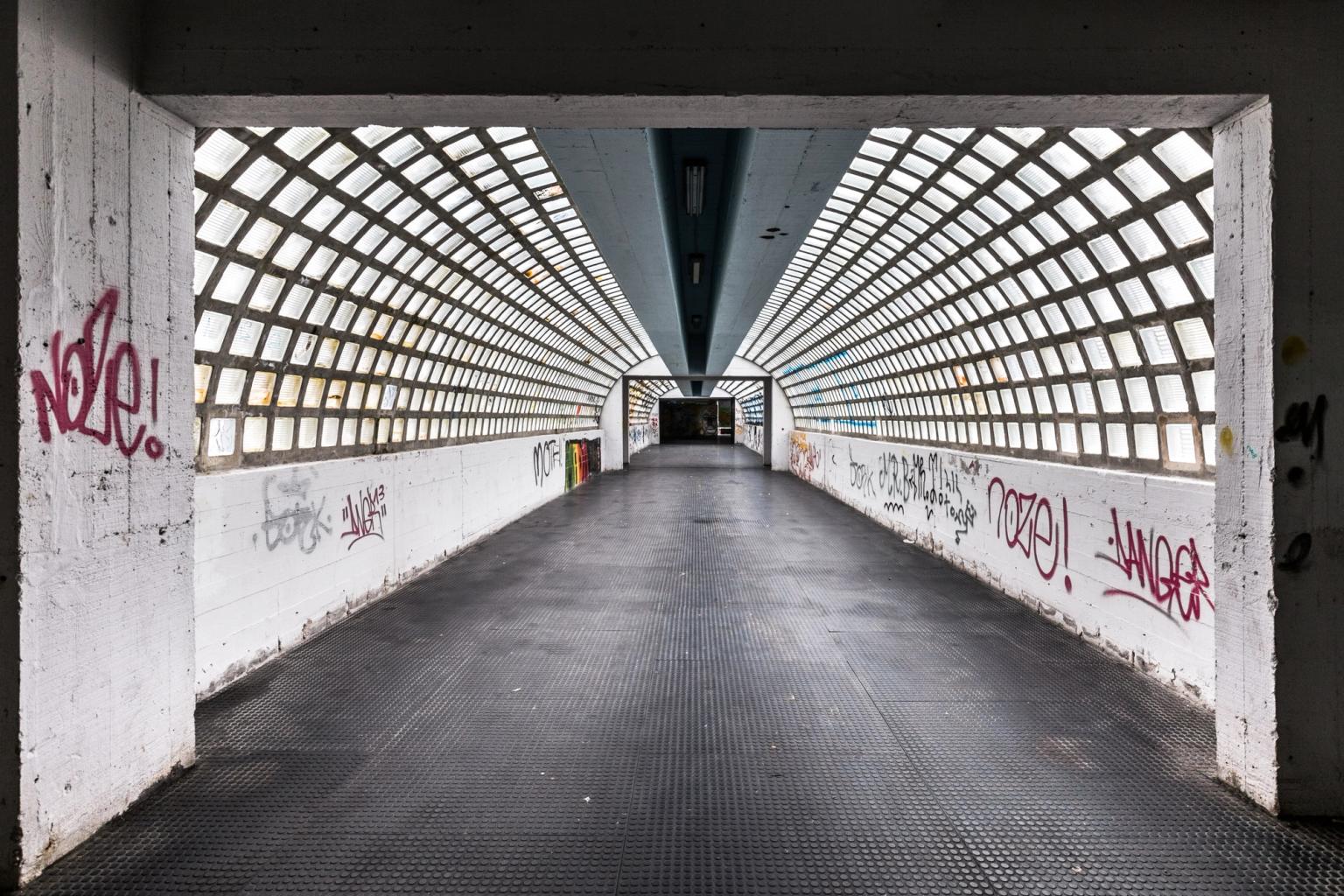
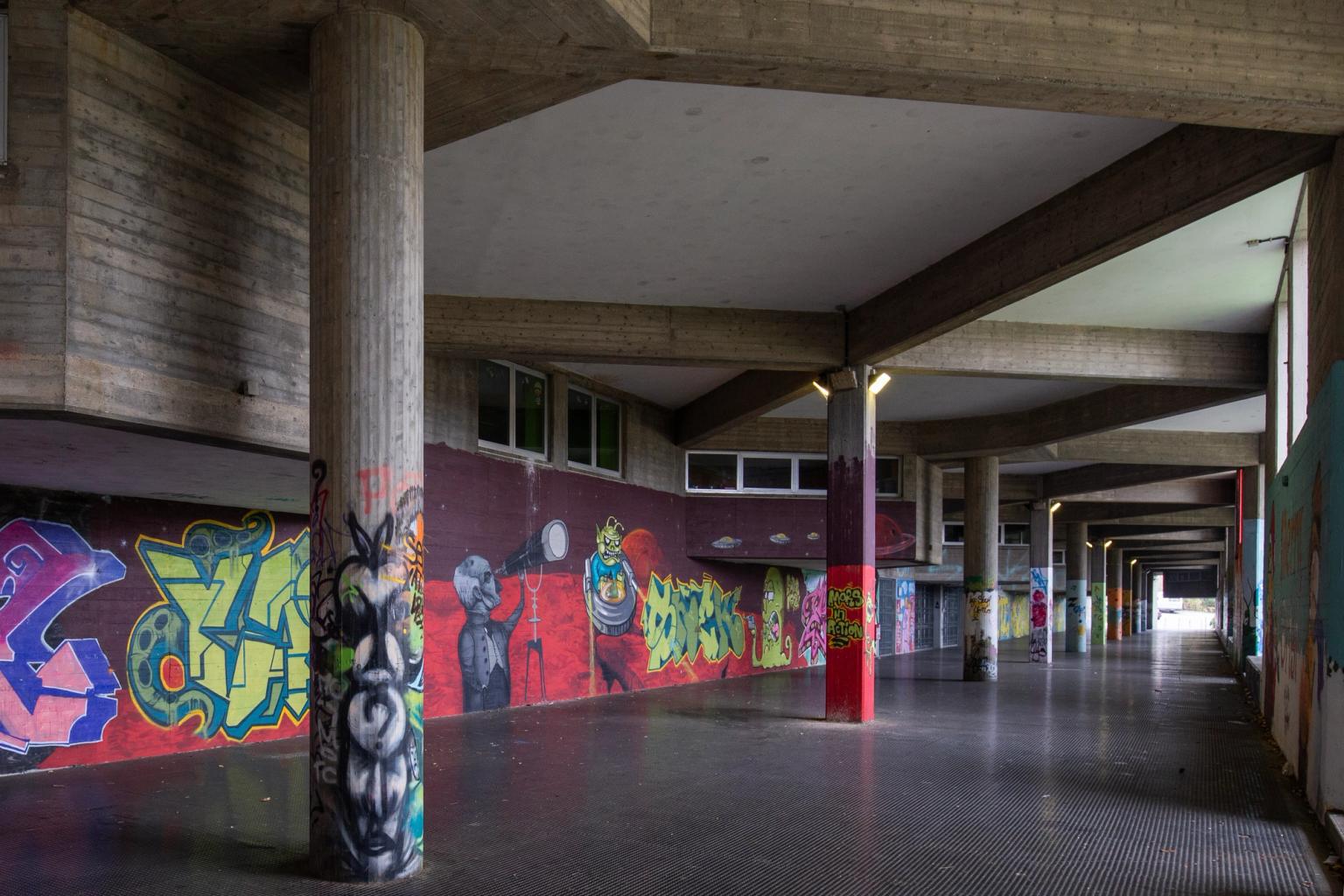
Rozzol Melara’s architectural language is unapologetically brutalist: raw concrete, elevated pilotis, and interlocking volumes create both sculptural drama and functional urbanism. The design incorporates circular voids, covered walkways, bridges, loggias, and a central cross-shaped courtyard, creating networks of shared spaces intended to foster community interaction.
The two L-shaped buildings are connected internally and externally, with pathways and metal walkways weaving through the complex, while tall pylons double as circulation cores, lifting pedestrian areas above vehicular traffic. The architects sought to integrate public, private, and collective life, crafting an environment that feels simultaneously monumental and protective - a “metaphorical urban forest” that mediates between the natural topography and social program.


Controversy, Adaptation, and Community
Despite its bold vision, Rozzol Melara was initially controversial. The scale of the concrete slabs, combined with incomplete commercial spaces and long, semi-dark corridors, contributed to perceptions of isolation and social disconnection in the 1980s. Critics described it as a “concrete ghetto,” while residents navigated a daily life of panoramic views offset by spatial disorientation.
Over the decades, however, dedicated interventions by ATER and local associations have transformed the complex. Schools, parks, community centers, and improved services have fostered safety, cohesion, and a sense of neighborhood pride. Residents have actively reclaimed their homes, turning Rozzol Melara from an emblem of social isolation into a rare example of “brutalism with a happy ending.”
Today, Rozzol Melara stands as a landmark of Italian and Western European Brutalism, celebrated for its sculptural ambition and social experimentation. Its architectural significance is recognized through inclusion in the SOS Brutalism database, while its monumental spaces continue to inspire cultural production: music videos, literature, and short films have all used the complex as a backdrop for narratives of urban dystopia, resilience, and human experience. By bridging the utopian aspirations of postwar housing with contemporary realities, Rozzol Melara embodies both the potential and the challenges of Brutalist design - an enduring dialogue between architecture, landscape, and community life.