
Luigi Moretti
San Maurizio Apartment Building
- ArchitectLuigi Moretti
- PhotographerYoung & Ayata
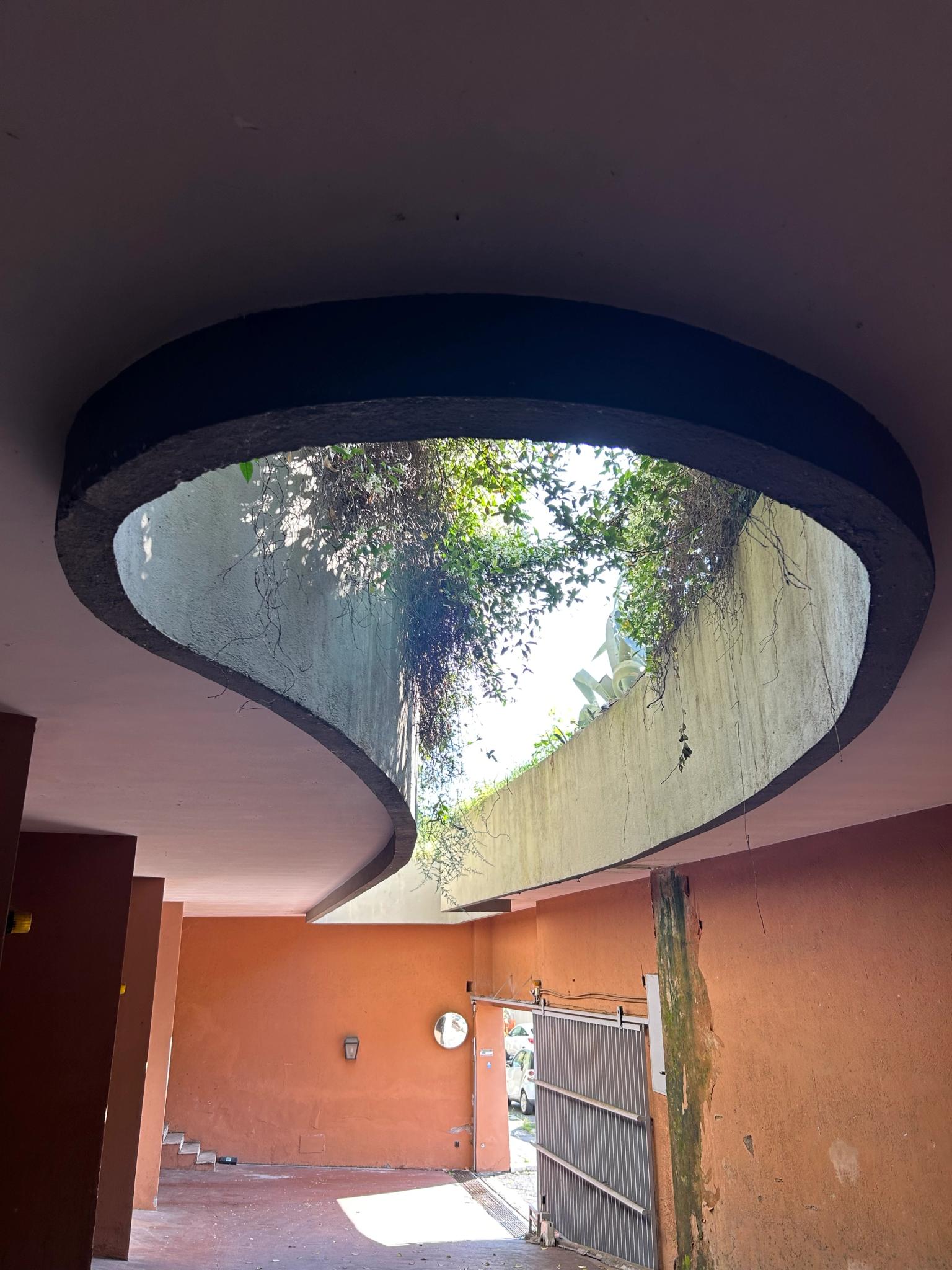
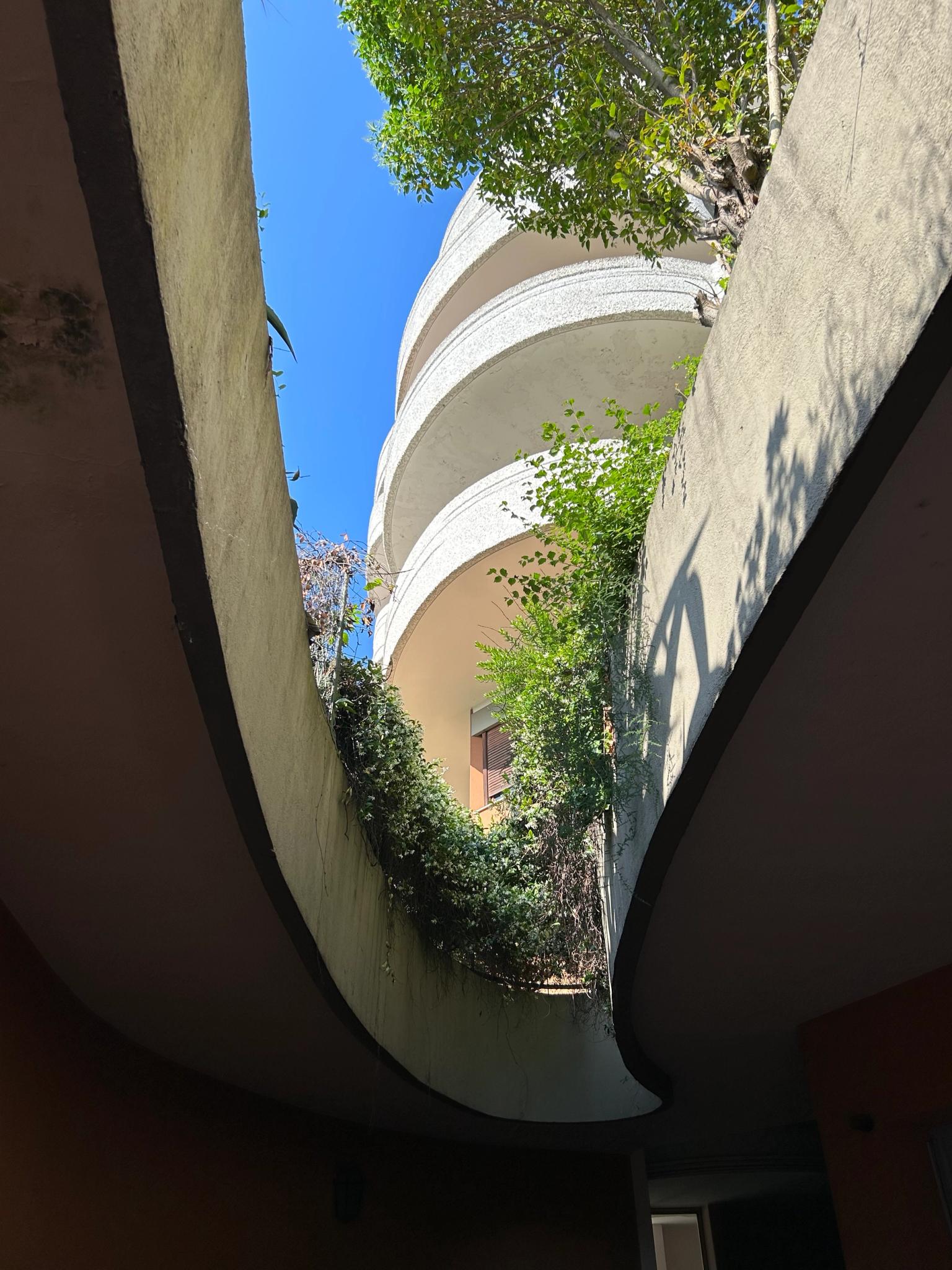
Isaac Michan and Alexandra Bové The apartment building is expressive yet restrained. There is an incredible precision in the balance between the curvatures and the way they are stacked.
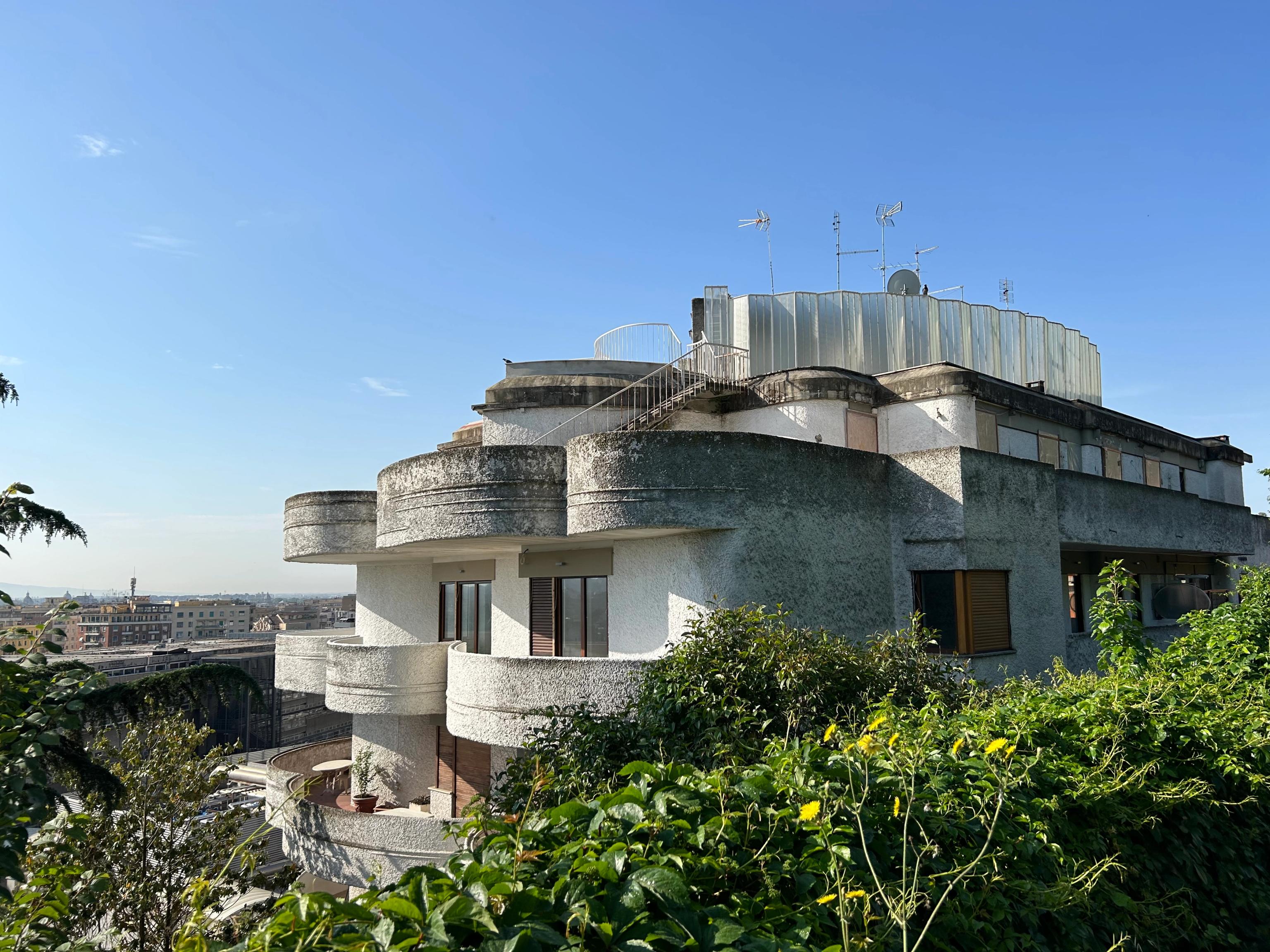

A Residential Project From The Early 1960s In Rome
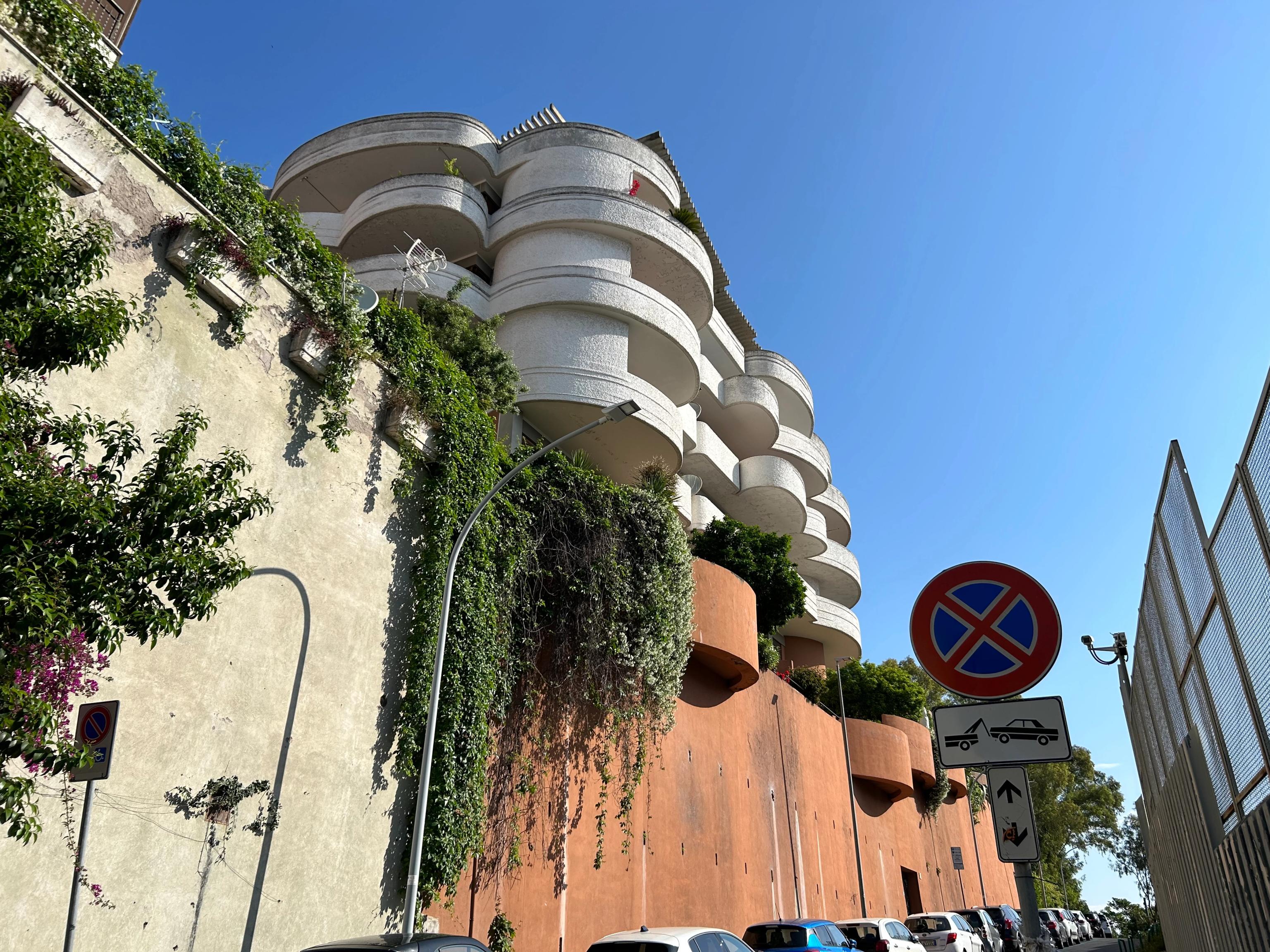
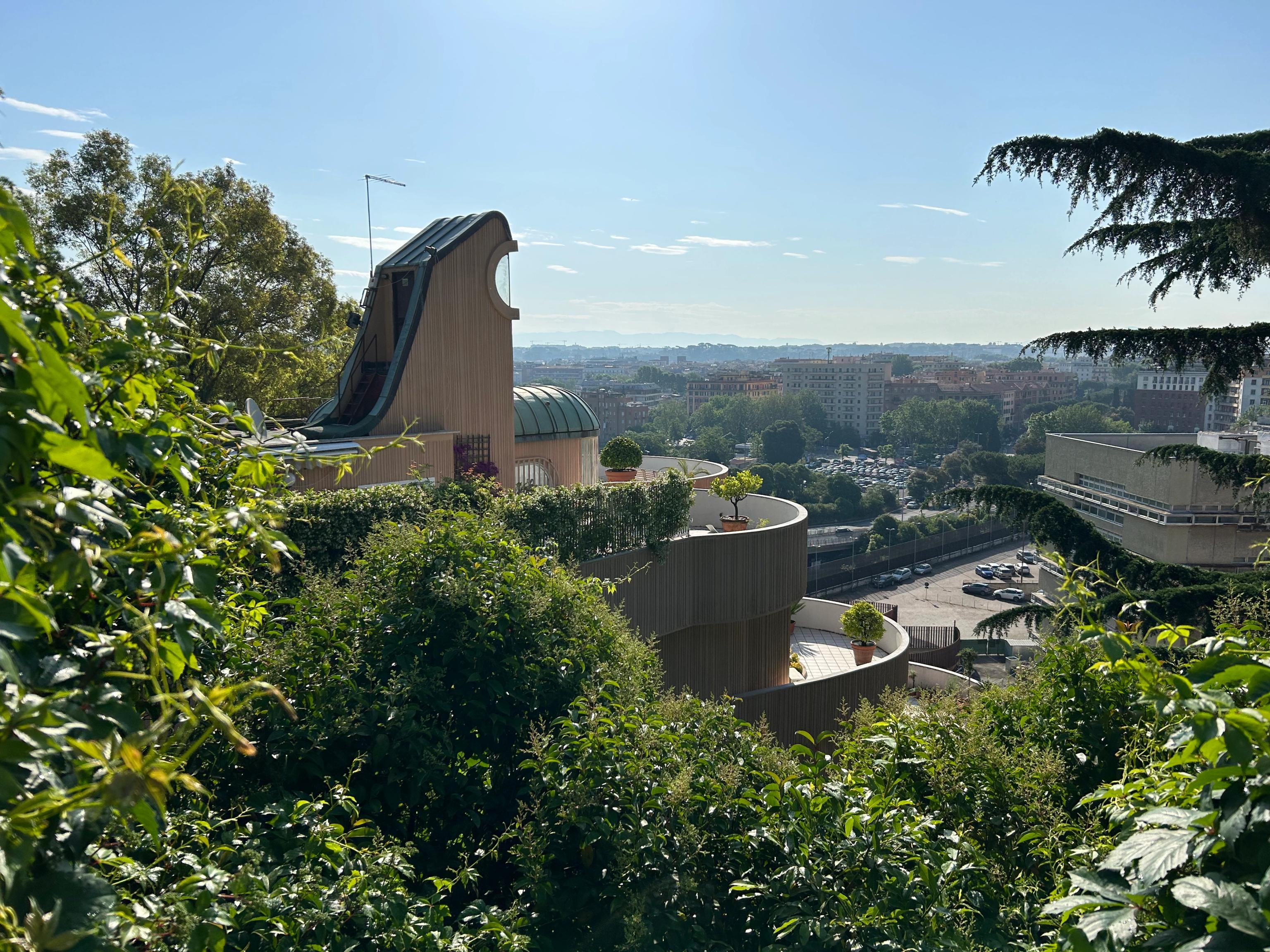
San Maurizio Apartment Building is an apartment building designed and built in the early 1960s (completed around 1962–1965) on the slopes of Monte Mario in Rome. It is a residential project made up of multiple apartments stacked along a steep terrain, where the main idea is to adapt the building to the hillside rather than impose a rigid form on it. Instead of a simple block structure, the building is shaped through horizontal layers and stepped volumes, which allow it to follow the natural slope and open up towards the surrounding landscape. The result is a housing complex that is both dense in program but visually broken down into smaller parts, giving each apartment access to light, air, and outdoor space.
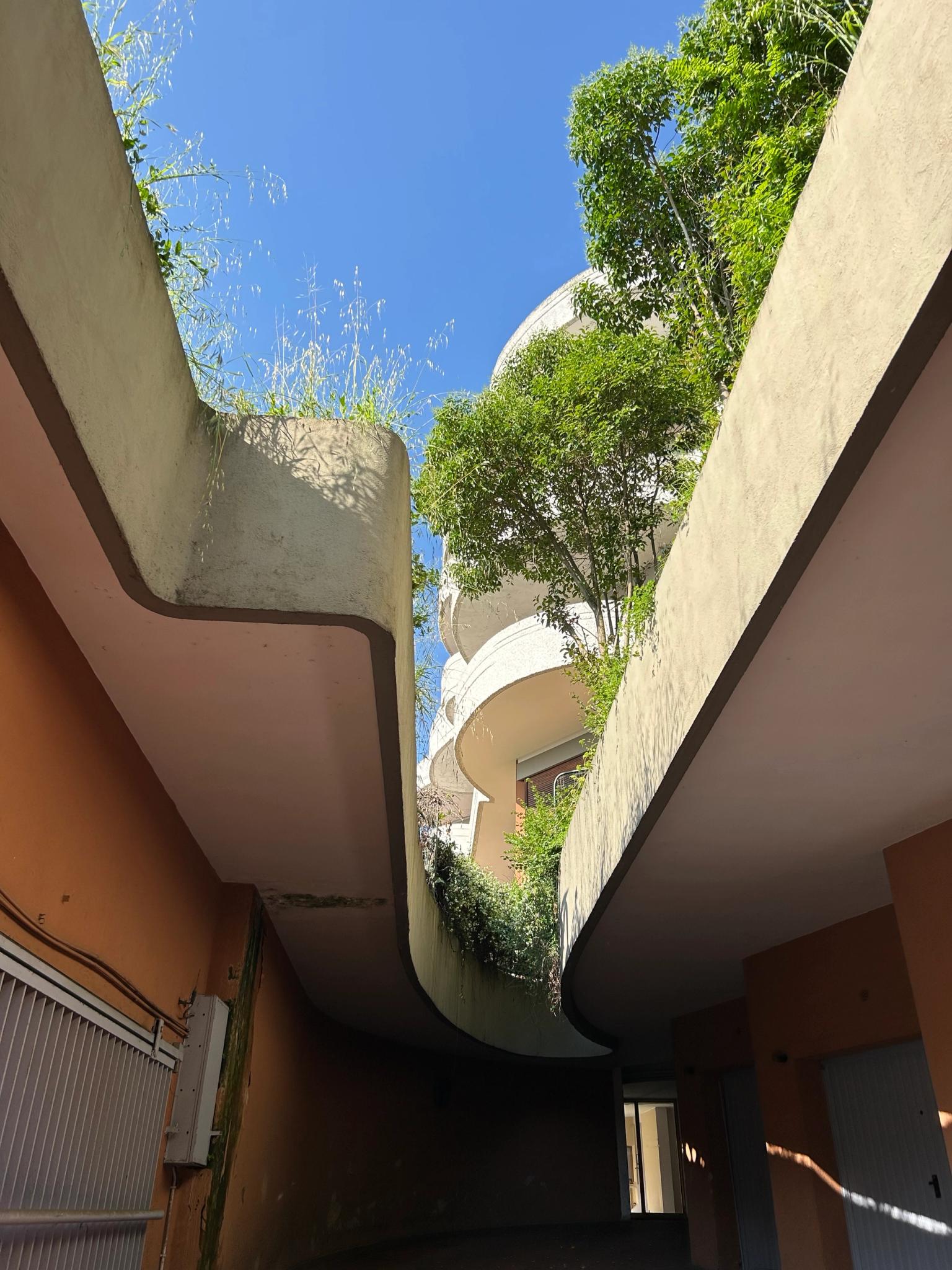

Luigi Moretti And His Approach To Architecture
The building was designed by Luigi Moretti, who was an important figure in Italian post-war architecture. Moretti worked at a time when architects were trying to redefine modern housing, and he became known for a more experimental and expressive approach than many of his contemporaries. Rather than focusing only on efficiency and repetition, he was interested in how buildings could create spatial experiences, how they are perceived, moved through, and emotionally registered. His work often combines modern construction logic with references to Roman and Baroque spatial ideas, where architecture is understood as something layered, dynamic, and never completely static. He also published theoretical writings, where he explored ideas about structure, form, and the relationship between interior and exterior space.
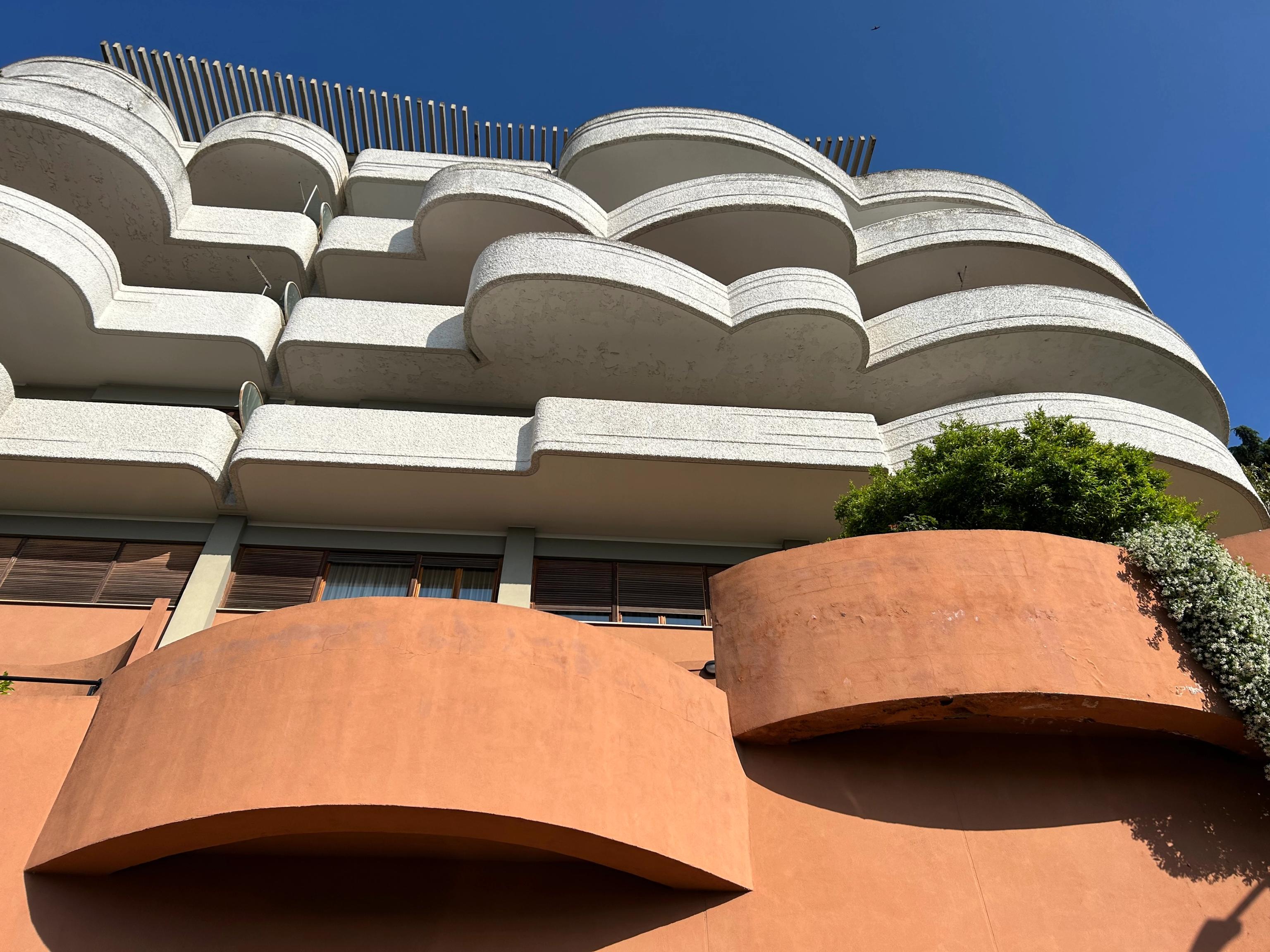

A Composition Shaped By Horizontal Layers
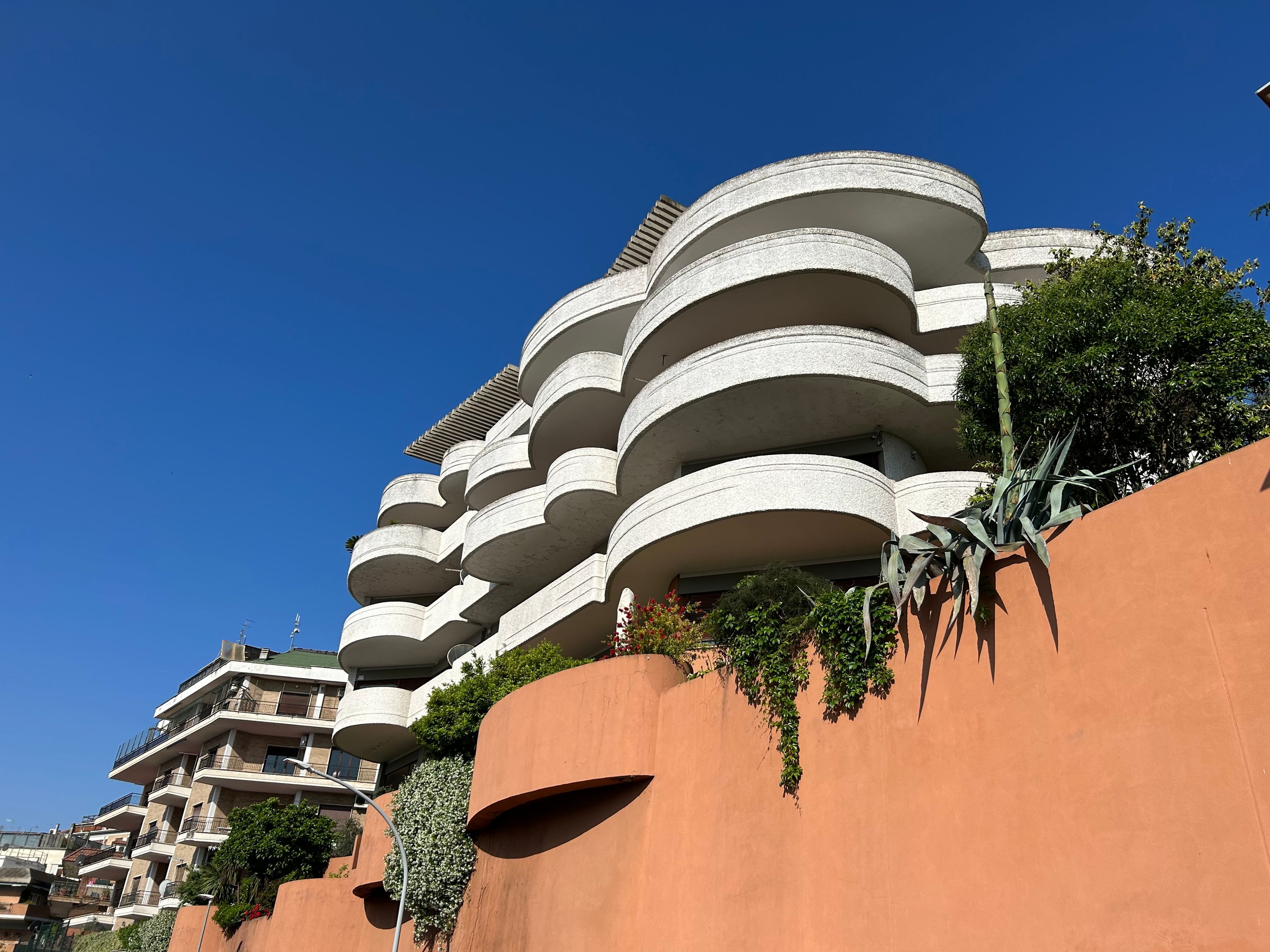
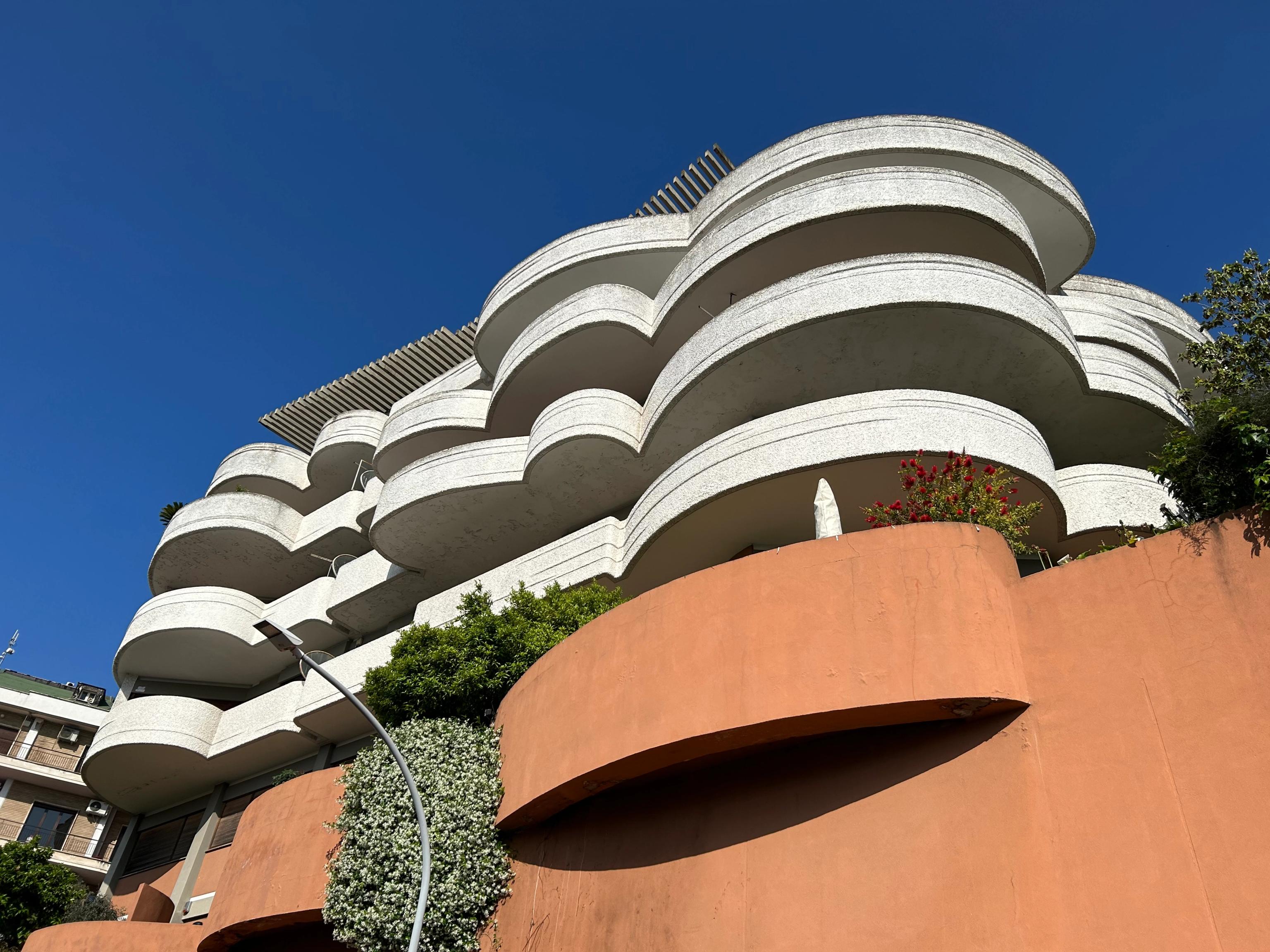
The design of the San Maurizio Apartment Building is based on a clear architectural strategy: instead of building a compact vertical volume, Moretti breaks the structure into a series of horizontal layers that shift and extend along the slope. These layers are slightly offset from one another, which reduces the sense of a single unified block and instead creates a more fragmented and rhythmic composition. This approach allows the building to respond more directly to the terrain and to avoid a heavy, monolithic presence. At the same time, it gives the façade a sense of movement, as if the different parts of the building are sliding past each other within a controlled system.
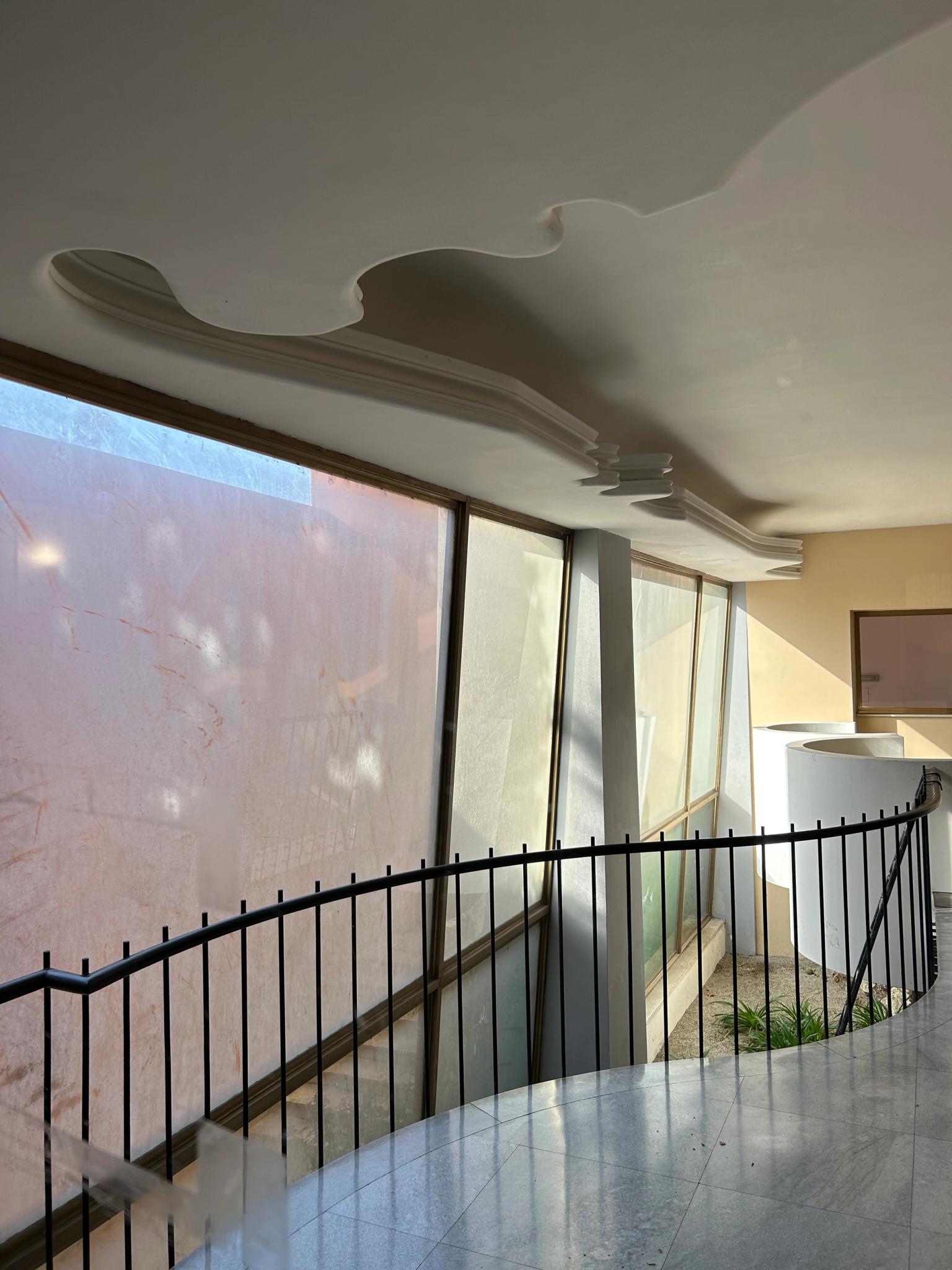

Living Spaces Extended Into The Landscape
A central feature of the project is the way it integrates outdoor space into everyday living. Each apartment is connected to generous terraces that function as extensions of the interior rooms. These are not secondary balconies but primary spatial elements that shape how the homes are used. Large glass surfaces and sliding panels allow the boundary between inside and outside to be adjusted, so that the apartments can open fully toward the view when desired. This creates a living experience that is closely tied to light, air, and the surrounding landscape, and gives each unit a slightly different character depending on its position in the building.


Material Presence And Architectural Atmosphere
The building is constructed with a relatively simple palette, but the surface treatment plays an important role in its appearance. The rough plaster finish gives the façades a textured quality that changes with light and shadow throughout the day. Combined with the horizontal layering and the depth of the terraces, this creates a façade that feels visually active without relying on decoration. The overall atmosphere is calm but not static, shaped by subtle shifts in depth, light, and proportion. Even though the building is structurally rational, the final impression is more atmospheric than purely technical, reflecting Moretti’s interest in architecture as something experienced rather than only understood as construction.