
Schemata Architects
Sayama Flat
- ArchitectSchemata Architects
- Photographer© Takumi Ota Photography
Søren Pihlmann I am drawn to Sayama Flat for its sense of remaining unfinished and still in process. Rather than presenting a resolved architectural image, the project stays open to adjustment and use, suggesting an aesthetic where architecture is provisional and continuously shaped over time.

Sayama
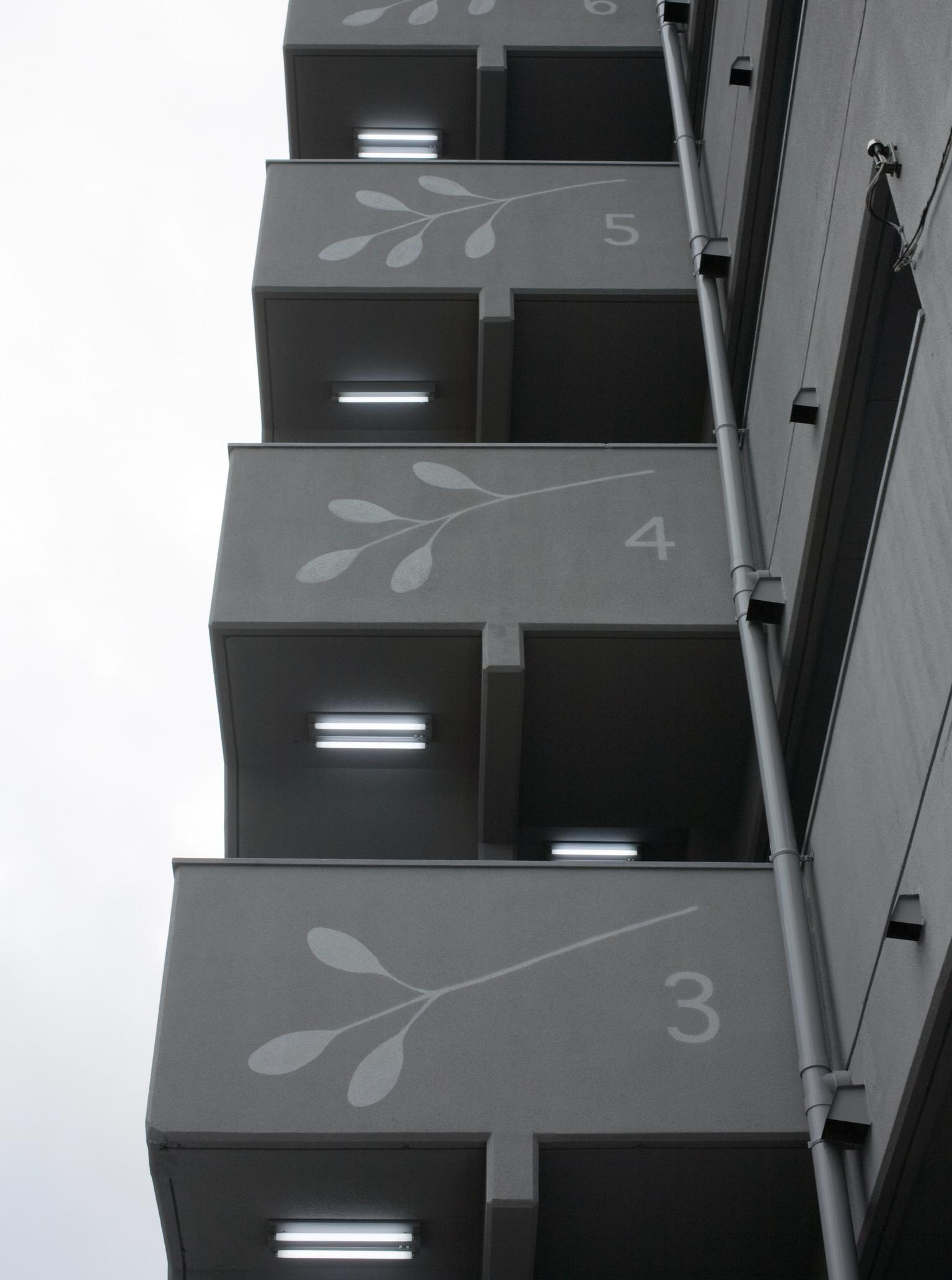
Located in Sayama, Saitama Prefecture, around an hour from central Tokyo, Sayama Flat is a renovation of a post-war apartment block originally built during Japan’s period of rapid economic growth. The 38-year-old building contained 30 standardized “nLDK” units and was formerly used as company housing. When converted into rental apartments, its distance from Sayama Station and modest surroundings required rents to remain low, setting an extremely tight construction budget of roughly one million yen per unit.
Rather than treating these constraints as limitations, Schemata Architects embraced them as the project’s driving force, allowing economy, location, and existing conditions to directly shape the architectural approach.






Designing Without Drawings
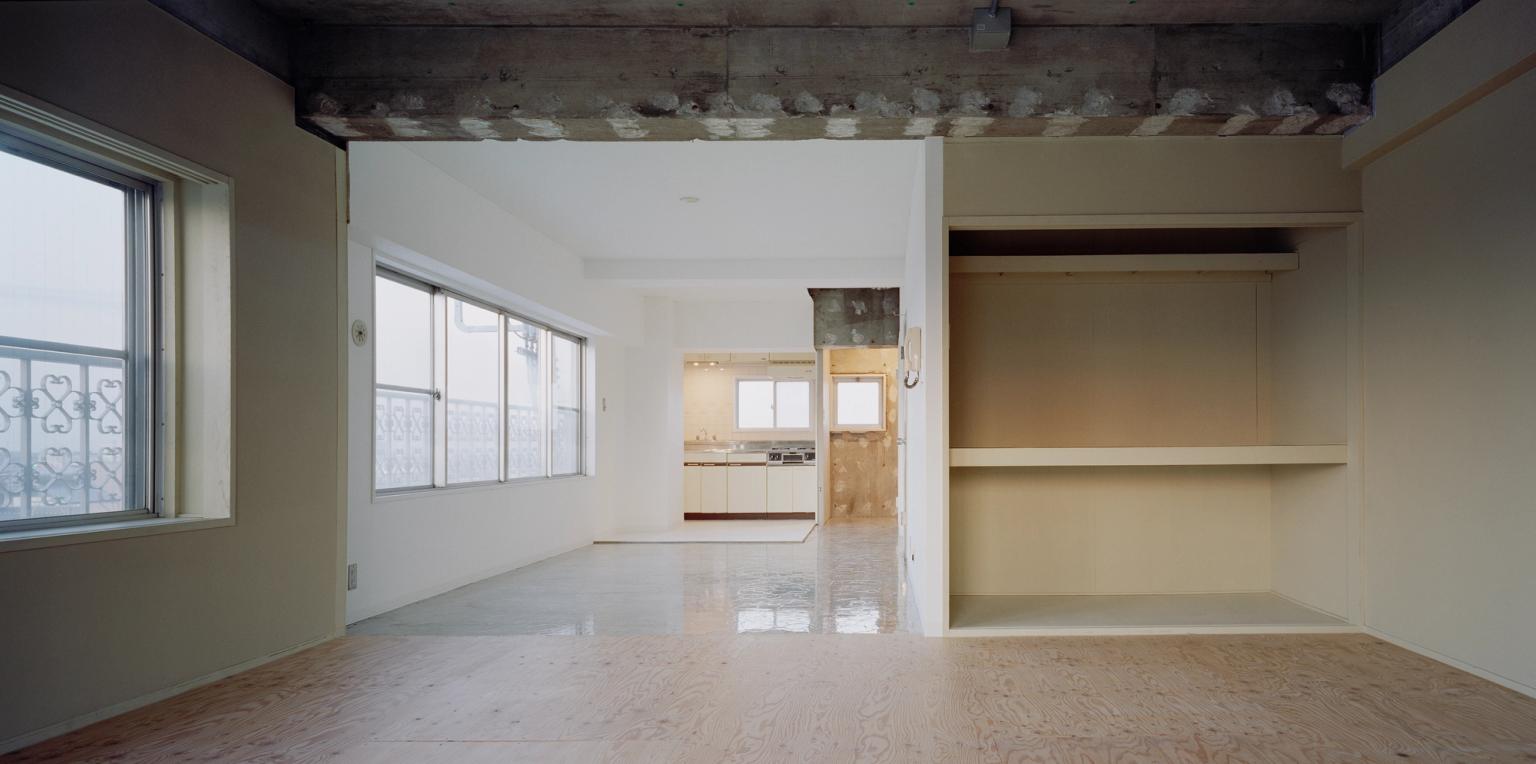
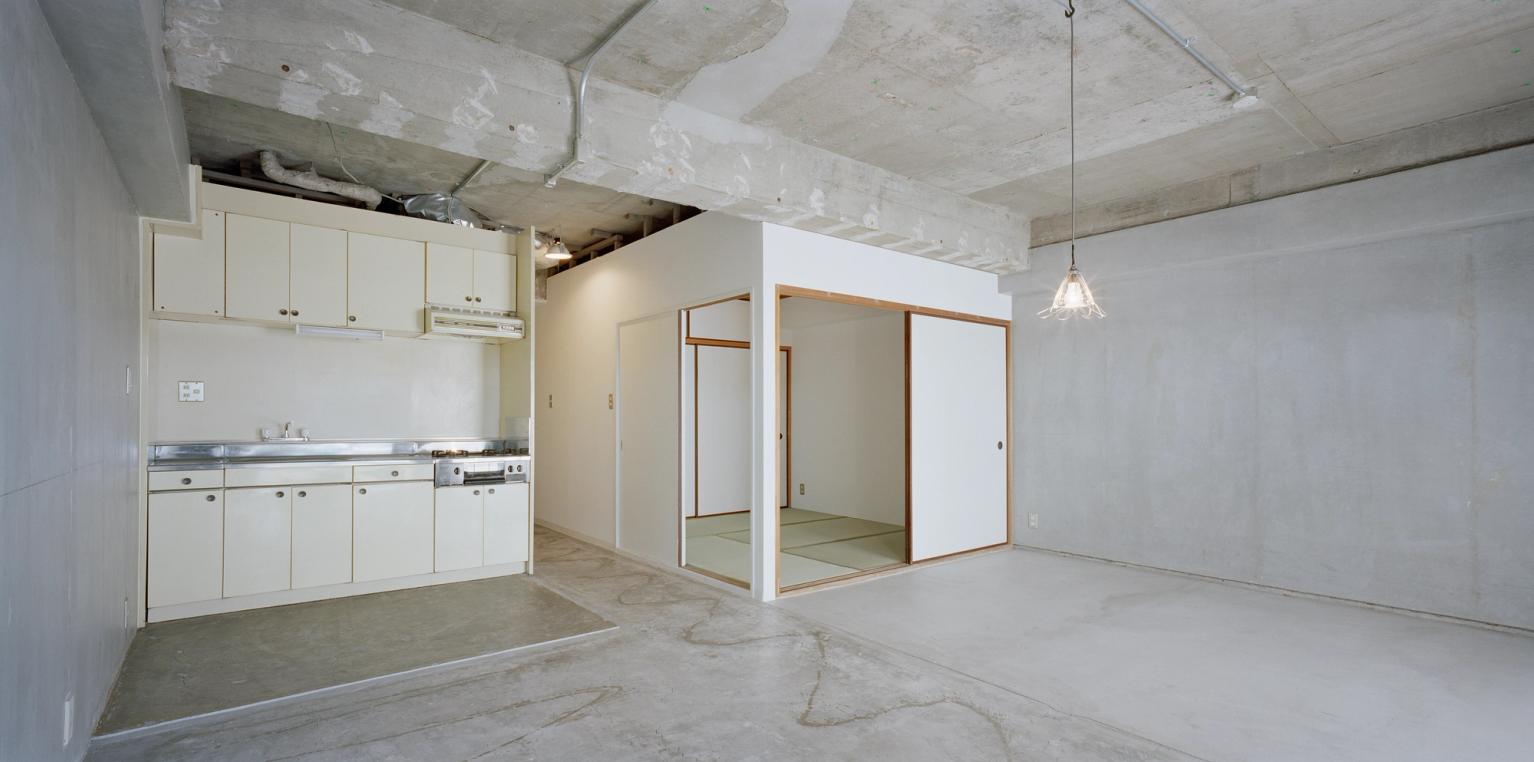
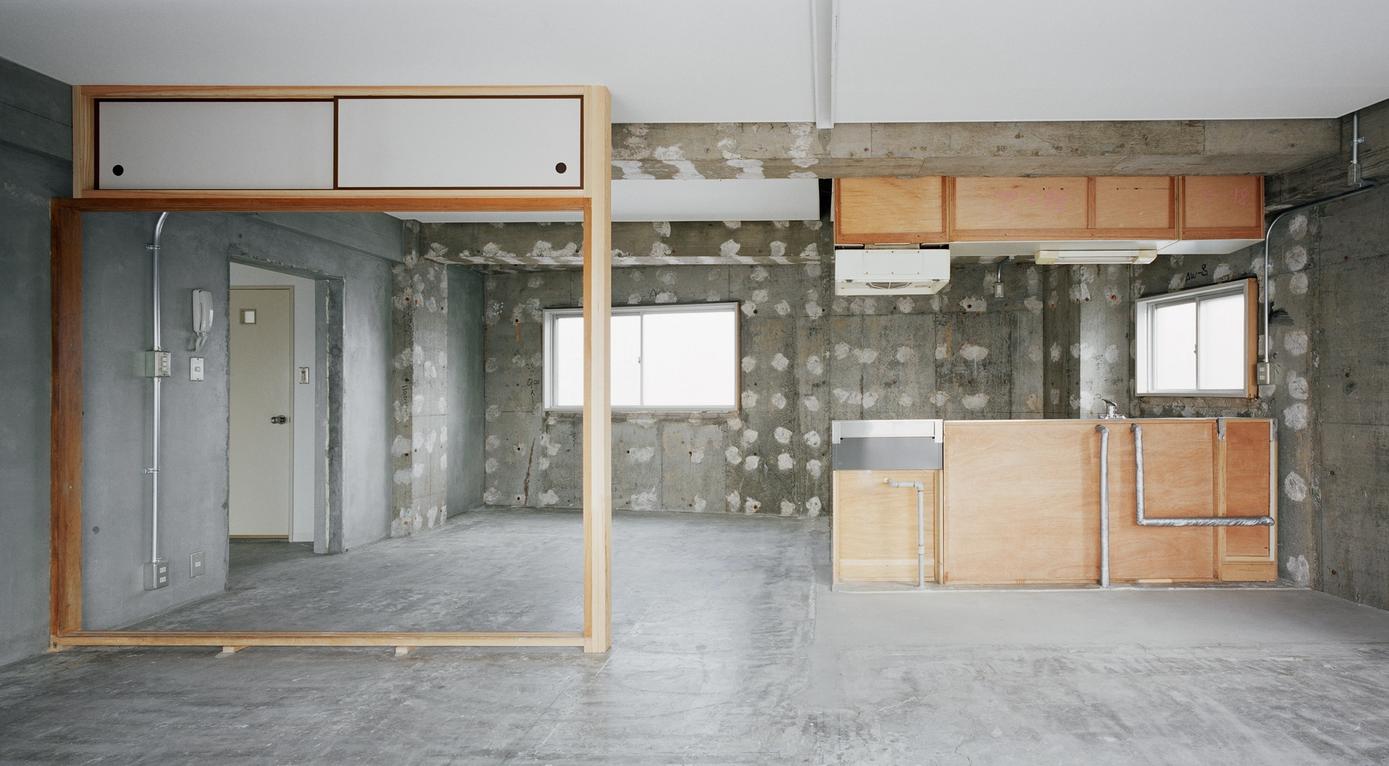
Conventional renovation processes – drawings, models, staged approvals – were set aside. Instead, Jo Nagasaka, founder and principal of Schemata Architects, and his team developed a hands-on, improvised method rooted in on-site decision-making. Four apartments were initially selected as test cases, where demolition and construction unfolded simultaneously with design thinking. Walls were removed, spaces opened, and results reviewed directly with the client in real time. This “DIY construction” process proved both efficient and convincing, and was subsequently applied to the entire building. The method allowed each apartment to evolve individually while maintaining a shared logic, producing varied yet coherent spaces without predefined plans.


Subtraction as Architecture
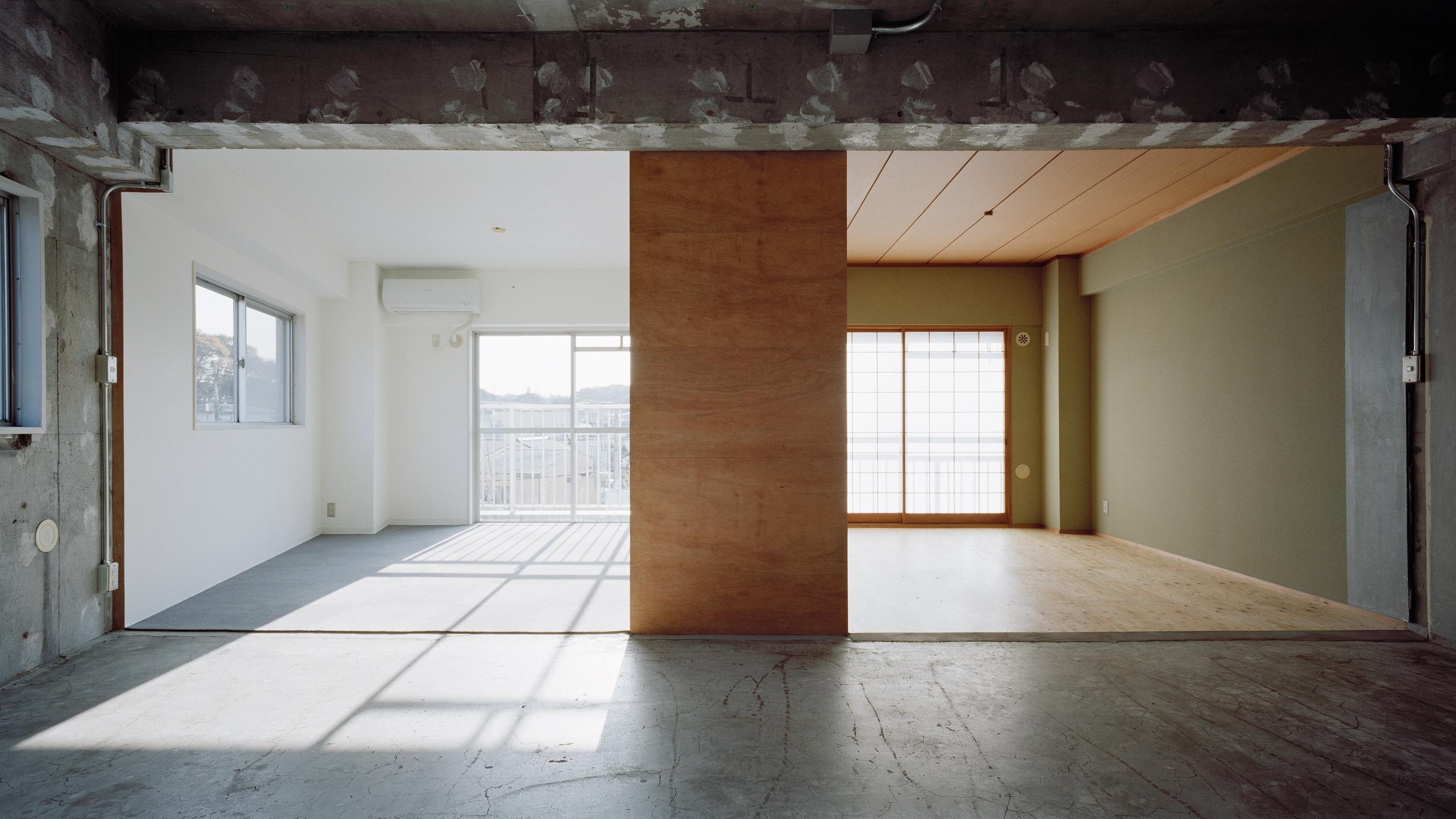
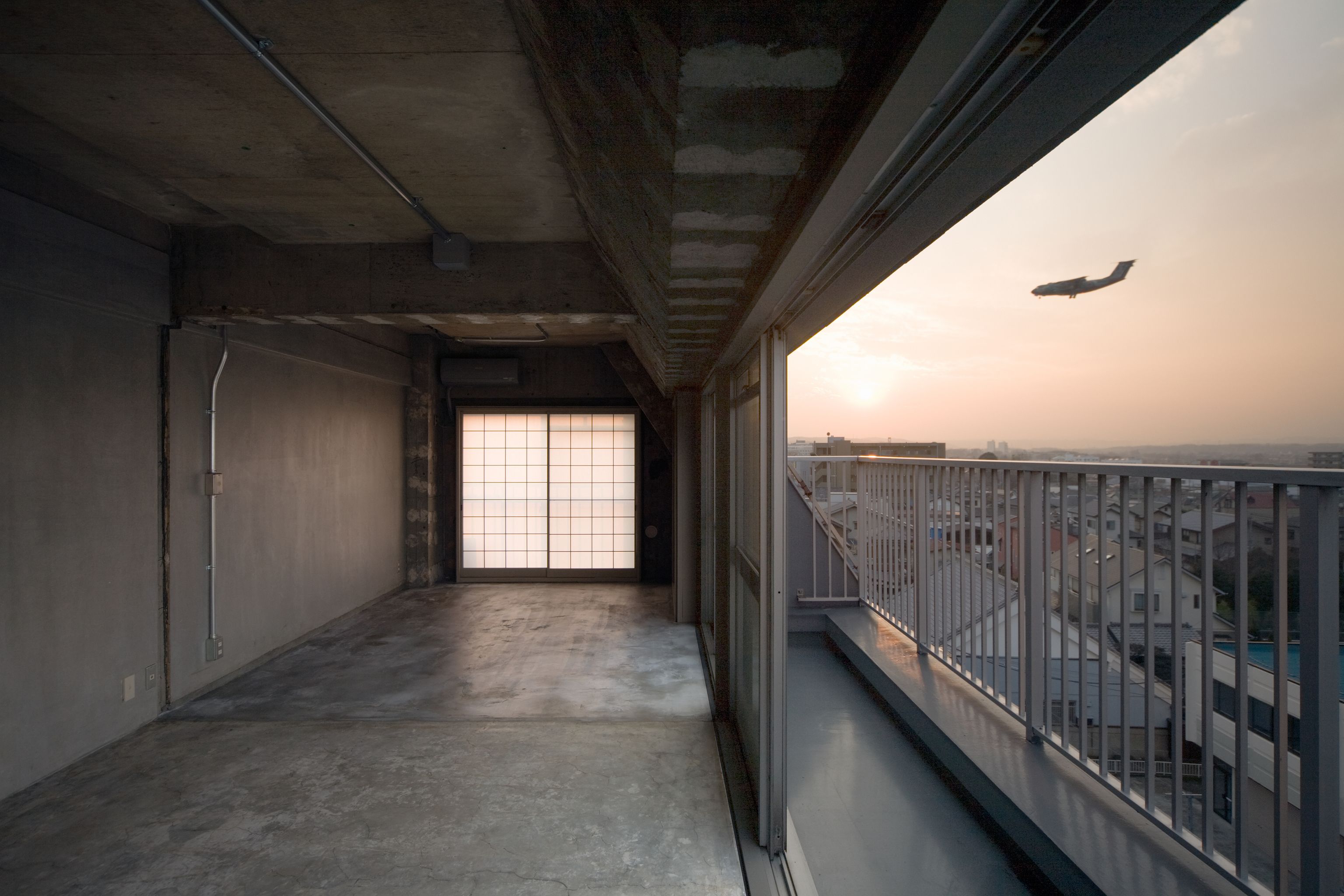
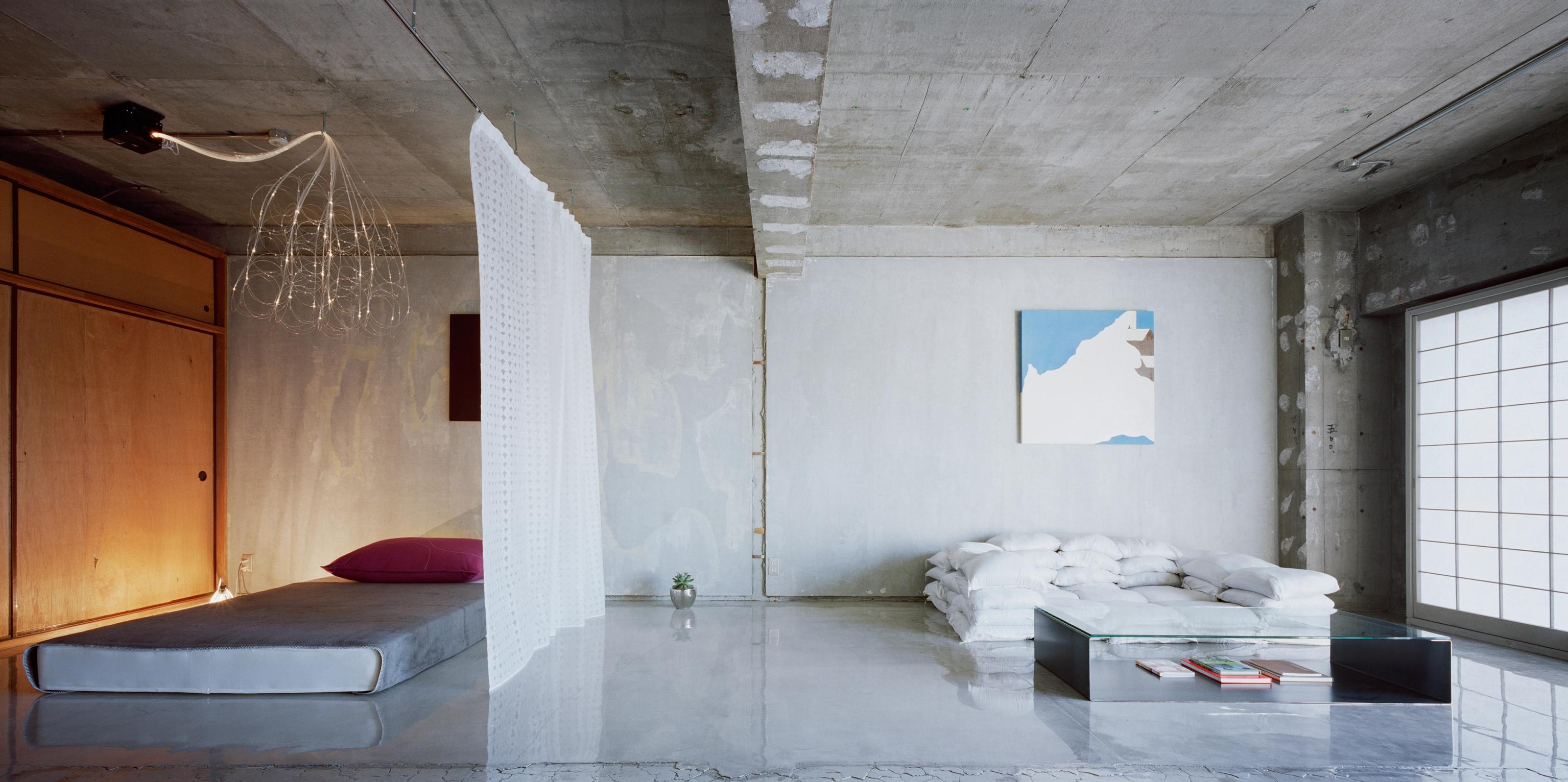
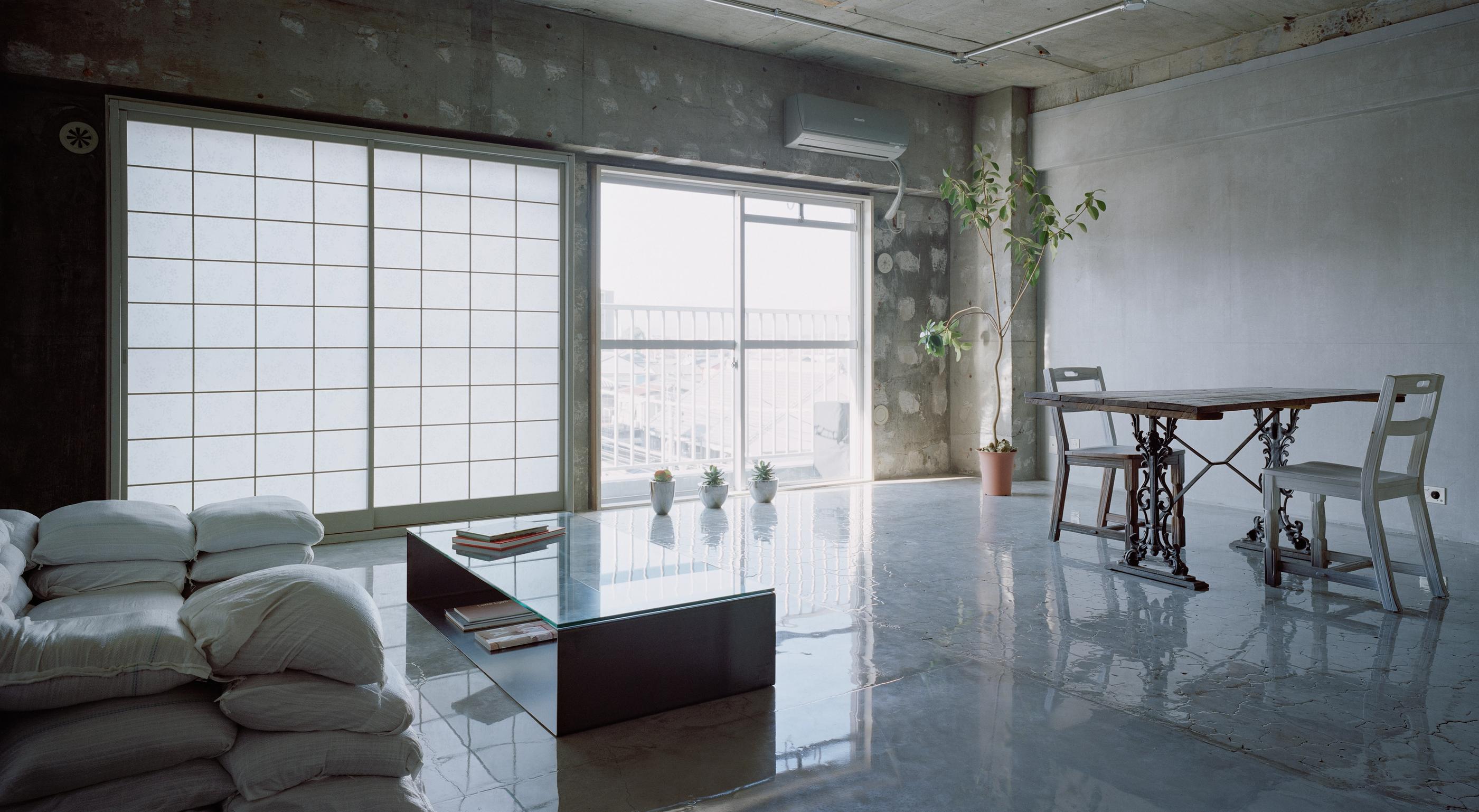
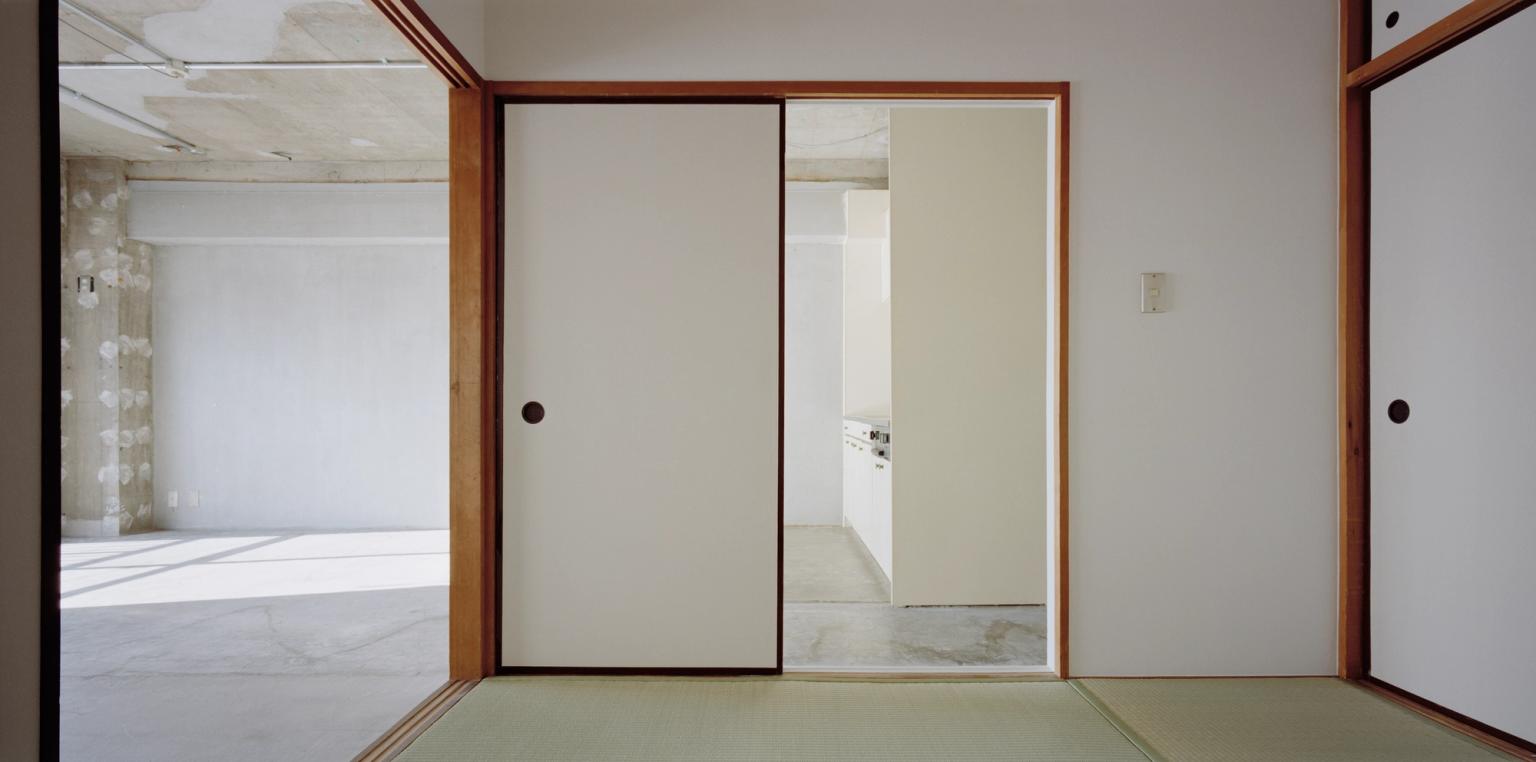
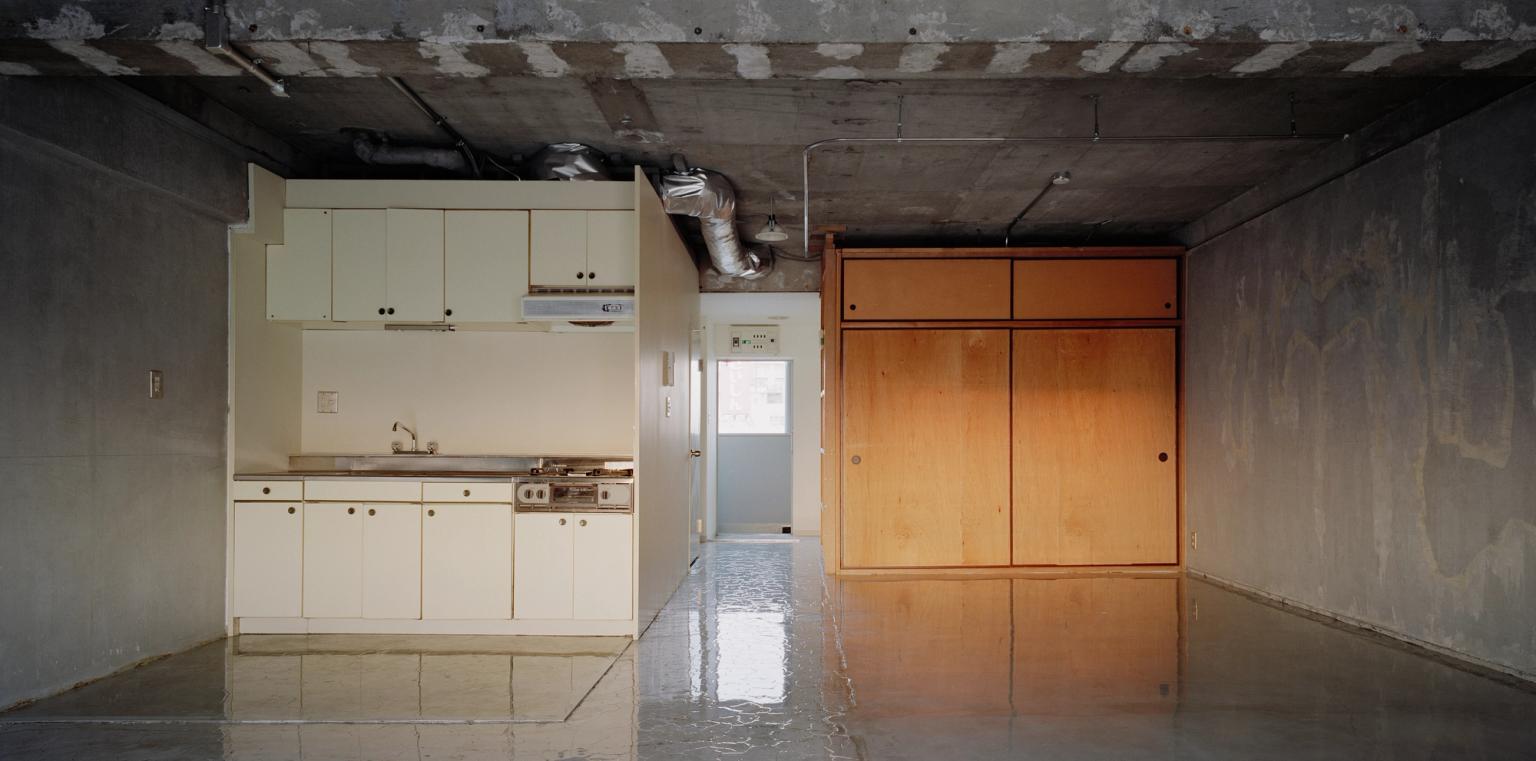
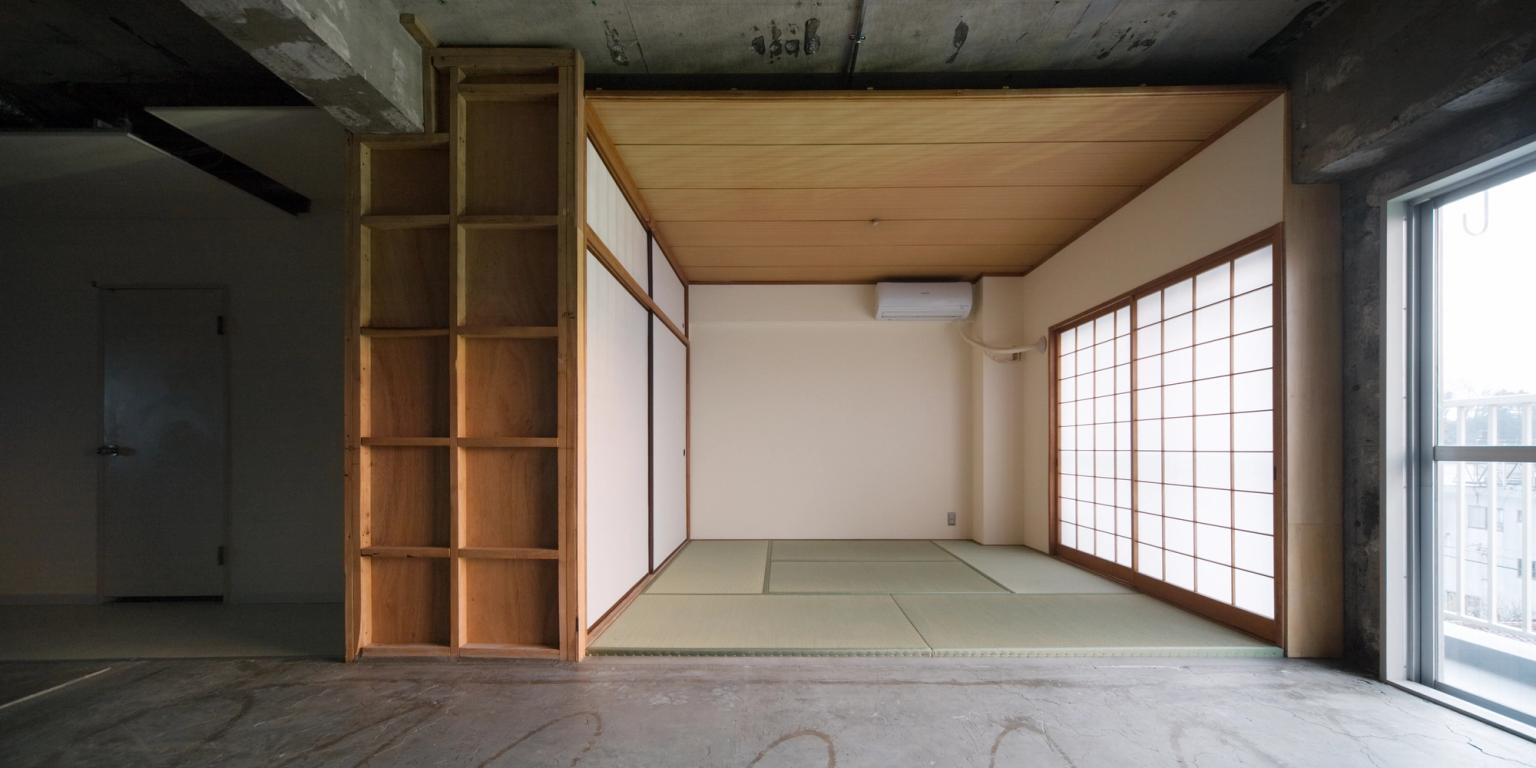
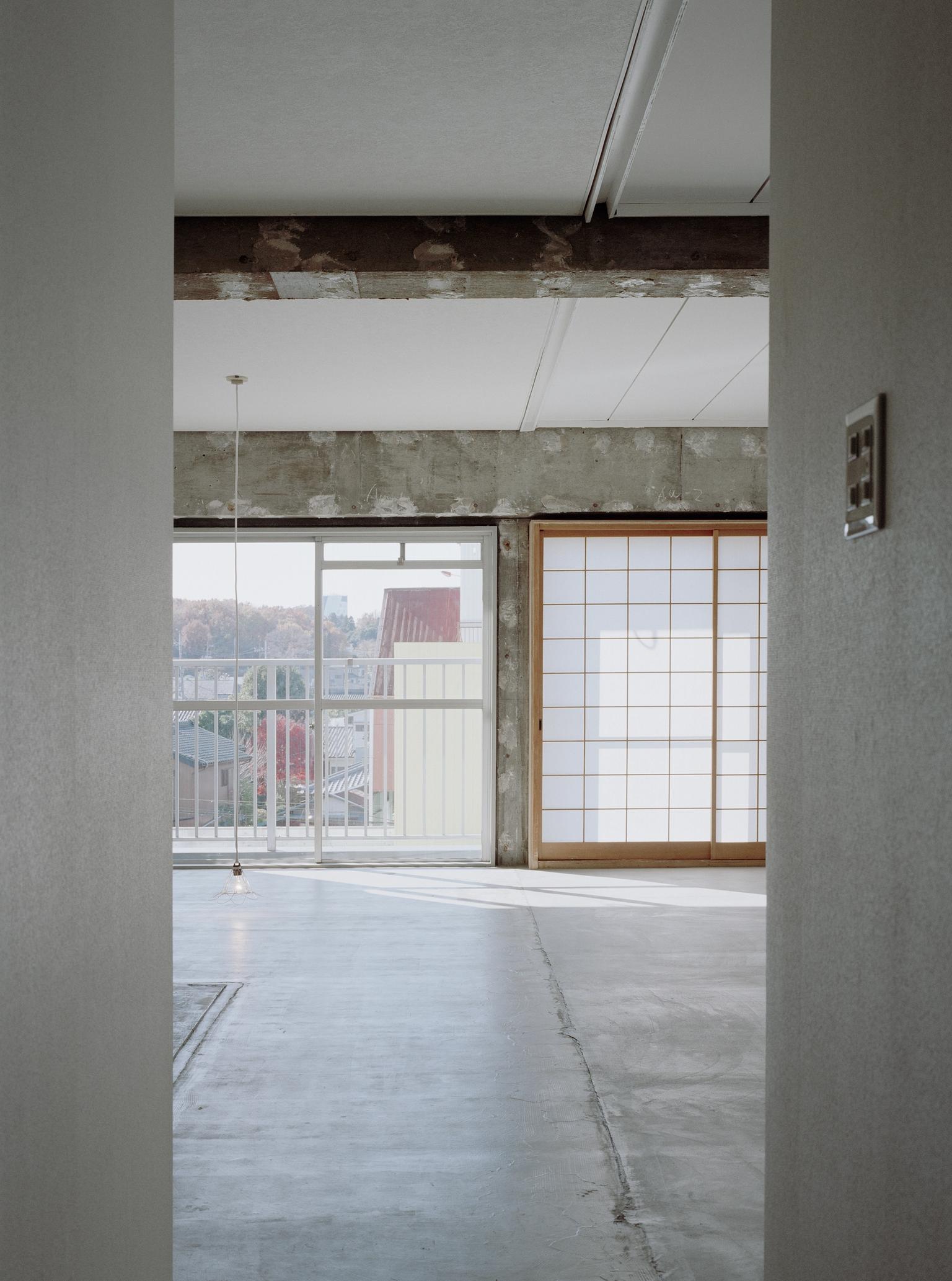
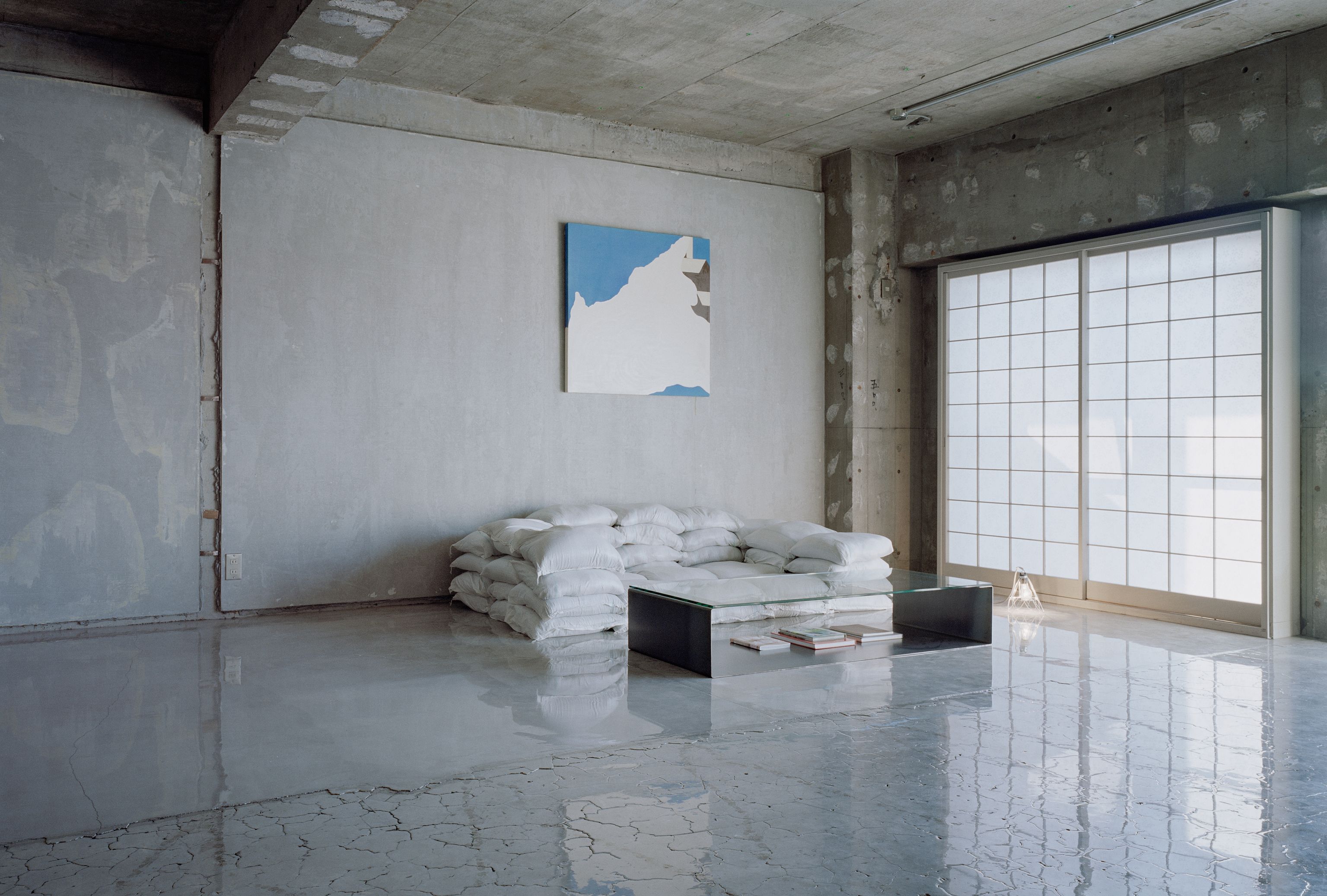
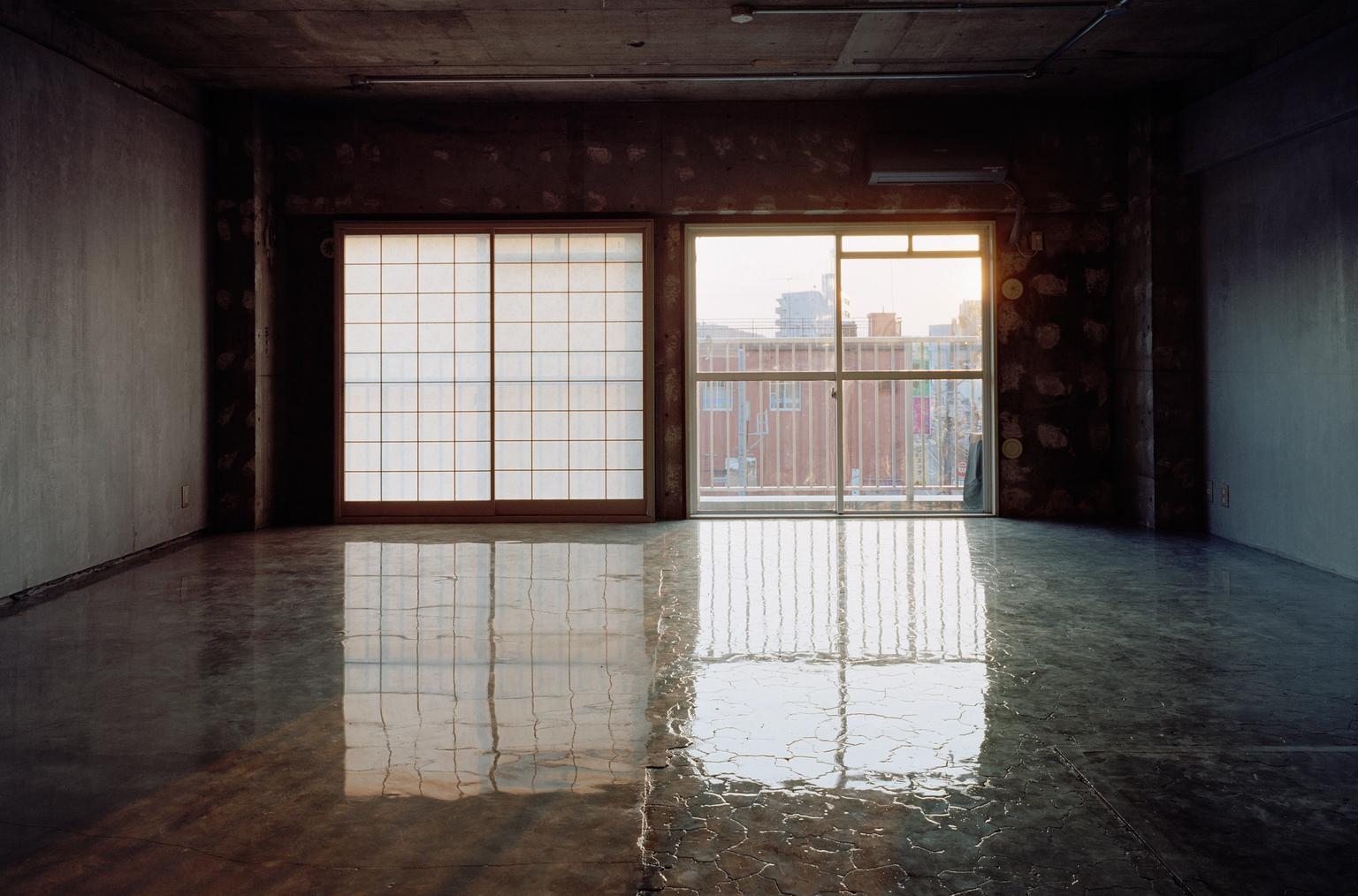
At the core of Sayama Flat lies the idea of “subtraction.” Rather than adding new finishes or reprogramming every surface, the architects focused on removing what was unnecessary. Demolition became a design tool: eliminating walls brought daylight deeper into the apartments, dissolved rigid separations, and revealed unexpected spatial relationships. Traditional Japanese elements, such as paper screen walls, now meet Western-style kitchens; old and new coexist without hierarchy. Many existing components, kitchens, fixtures, ordinary furniture, were deliberately left in place, their familiarity creating neutral interiors capable of absorbing diverse lifestyles. This ordinariness gives the spaces resilience, openness, and a tolerance for future change.

Schemata Architects
Schemata Architects was founded in 1998 by Jo Nagasaka after graduating from Tokyo University of the Arts. Based in Kitasando, Tokyo, the studio works across scales from furniture and interiors to architecture and urban landscapes. Nagasaka’s approach emphasizes close attention to the 1:1 scale, repurposing everyday objects, and uncovering new value in existing spaces.
The practice has developed original concepts such as “subtraction,” “misuse,” “knowledge renewal,” “invisible development,” and “half-architecture,” which inform its broad portfolio of residential, commercial, and public projects. The firm’s work ranges from apartment renovations and houses to cafés, exhibition stands, bespoke furniture, and art installations, with a consistent focus on materiality, improvisation, and experimentation.


Living With the Existing
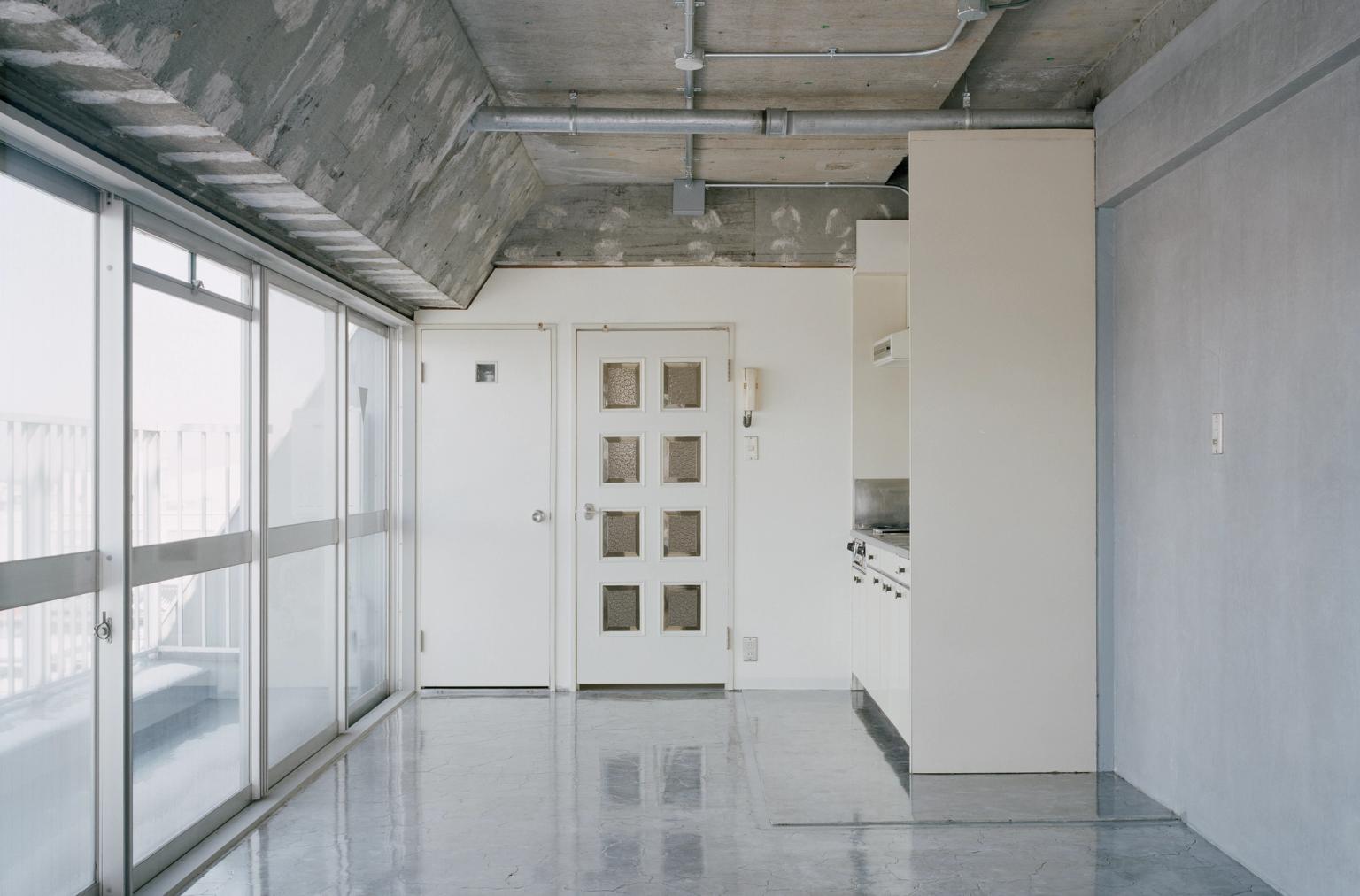
By selectively stripping apartments back to their concrete shell while preserving usable elements, Sayama Flat avoids the total erasure typical of Japanese renovations. The result is a collection of calm, adaptable interiors that invite residents to define their own ways of living. Beyond the scale of the apartment, Nagasaka positions subtraction as a broader architectural strategy, one that resonates with Japan’s shrinking cities and aging building stock. Sayama Flat demonstrates how careful removal, rather than replacement, can extend the life of existing structures and offer a flexible framework for contemporary urban living.