
Sir John Soane
Sir John Soane's Museum
- ArtistSir John Soane
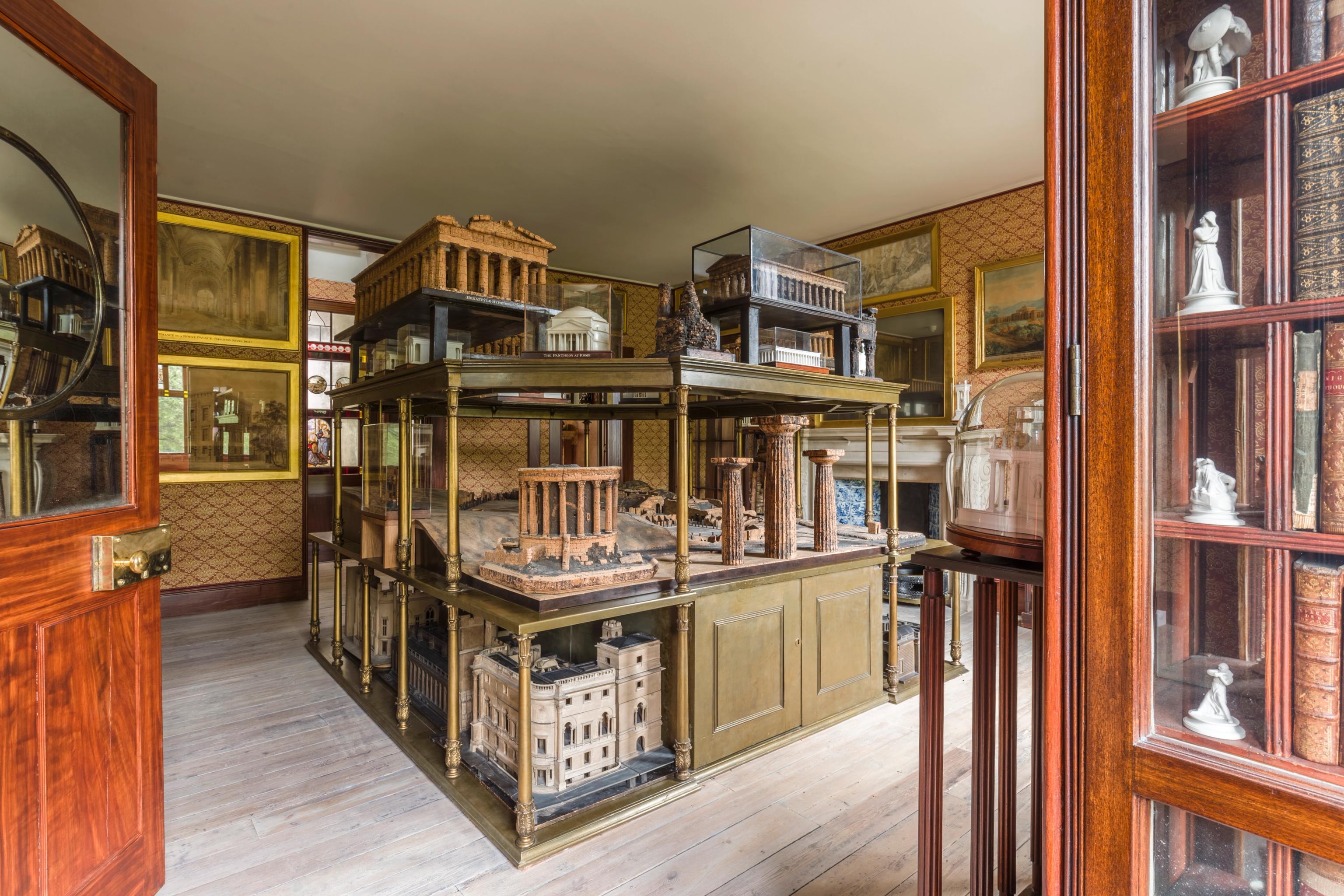
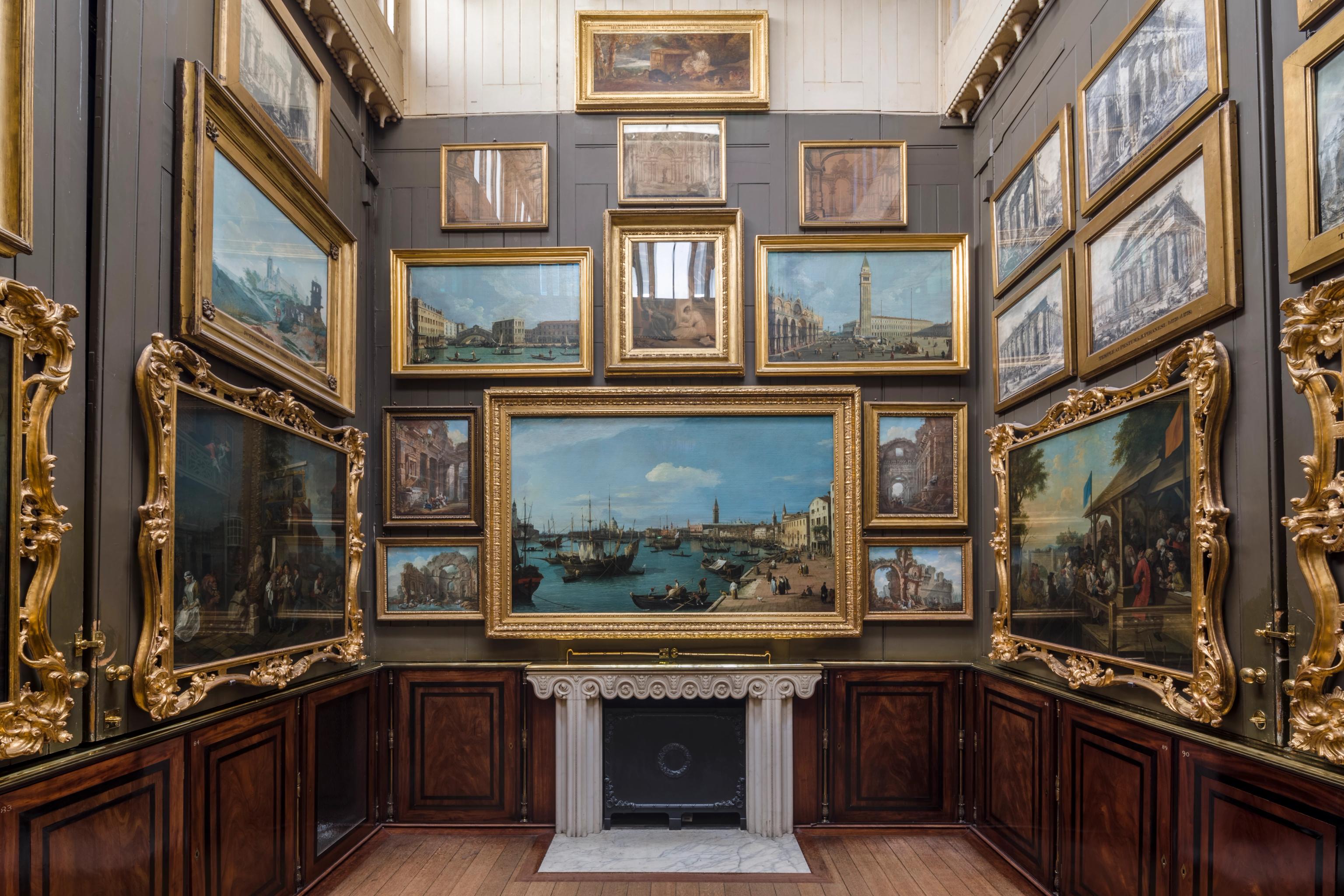
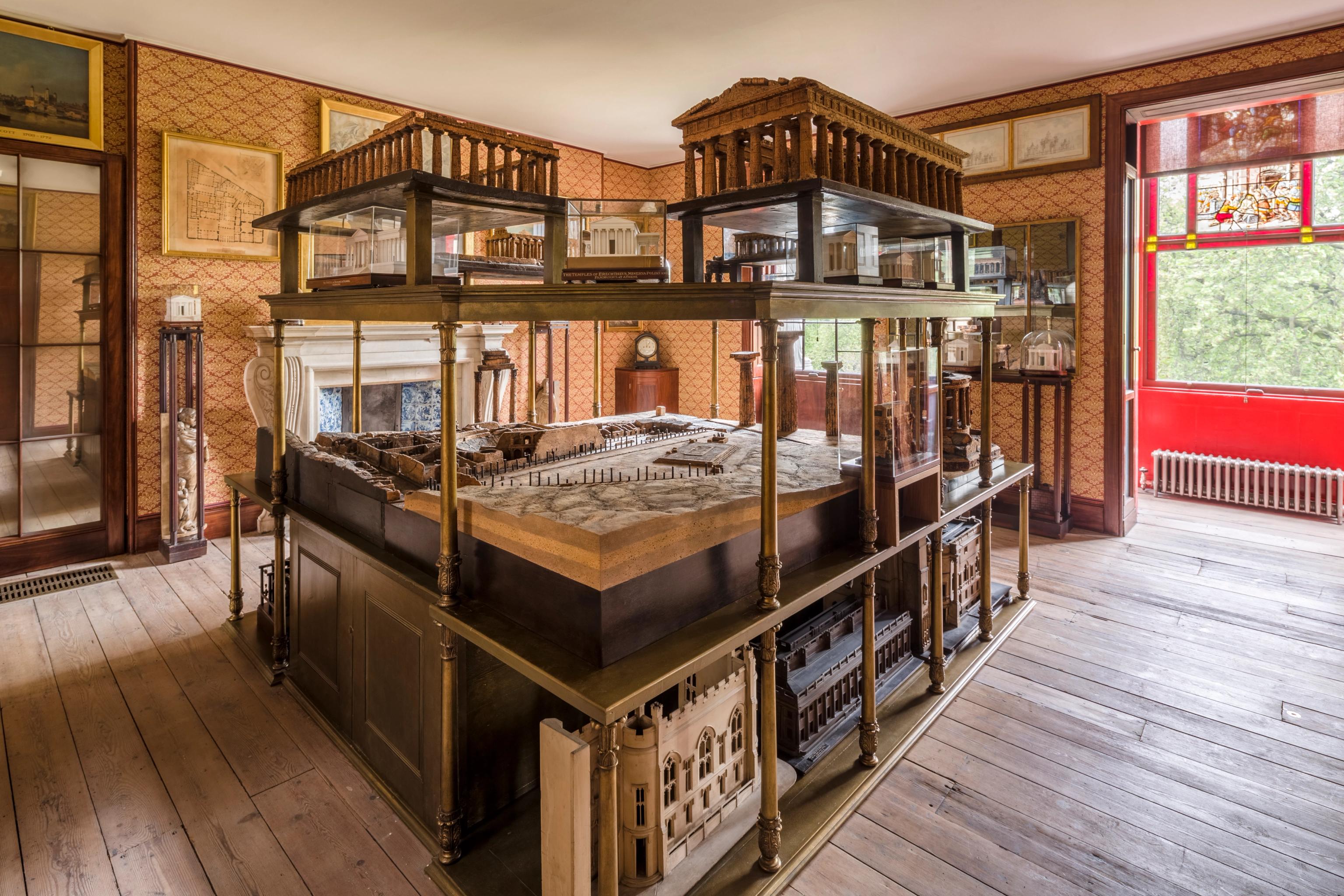
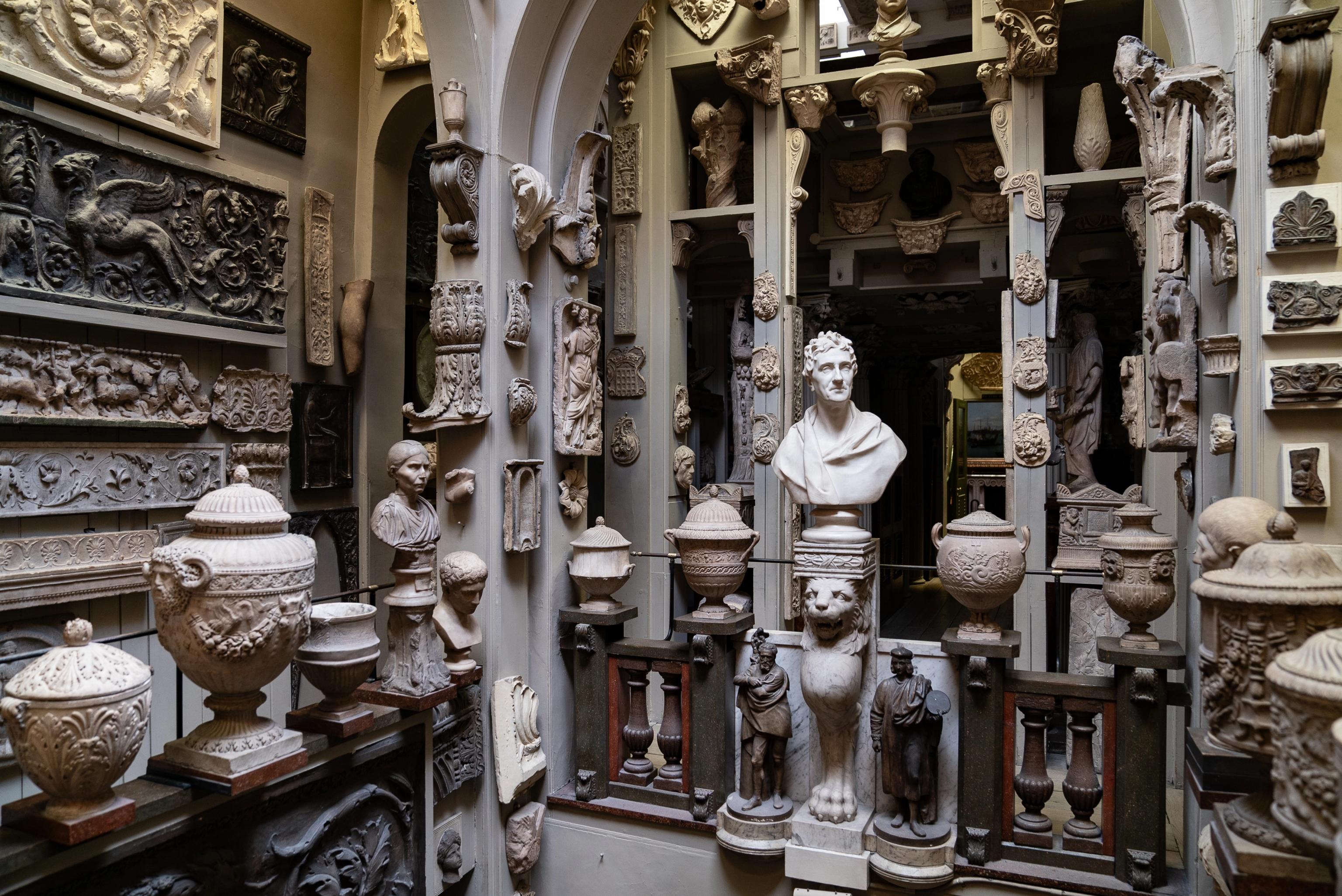
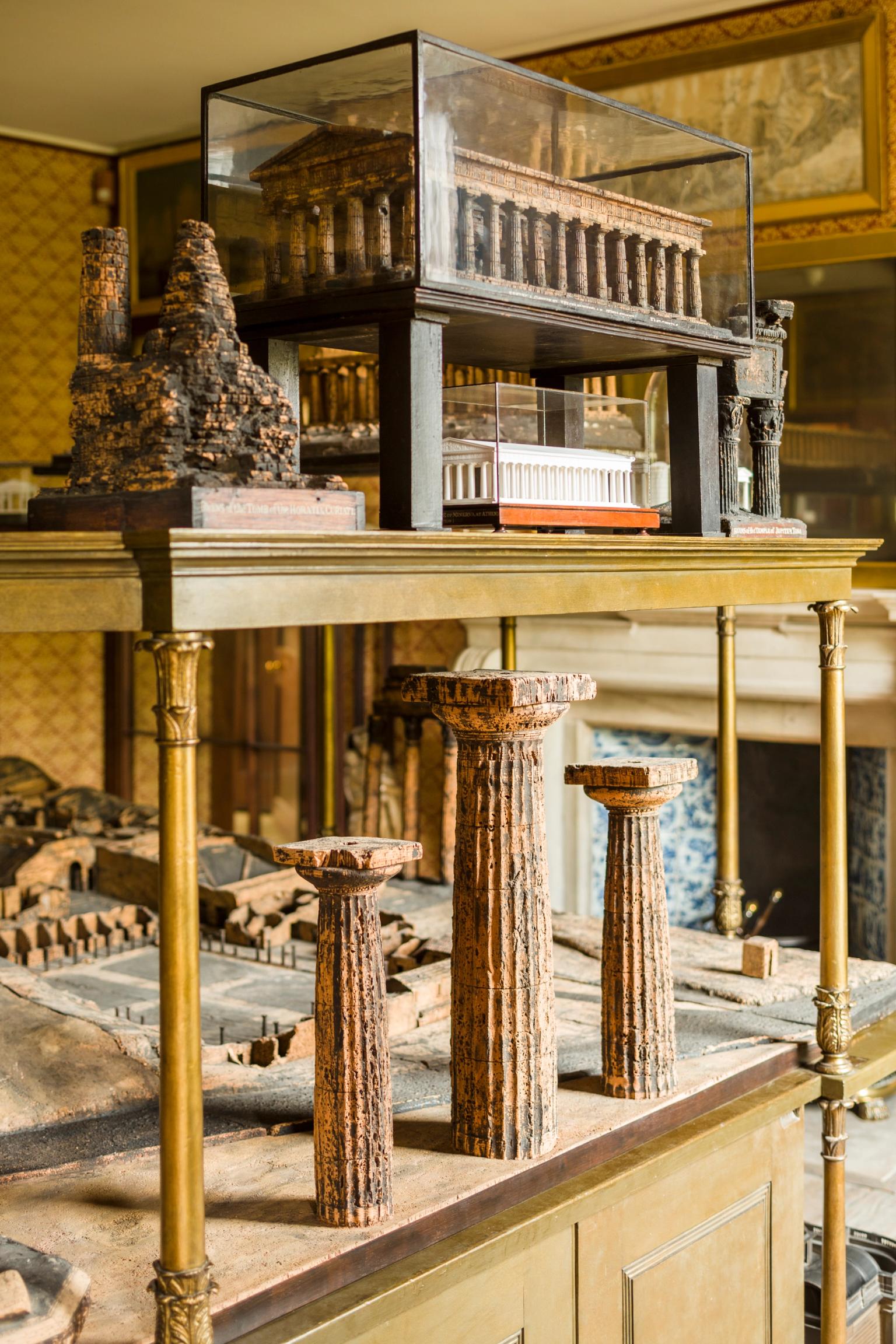
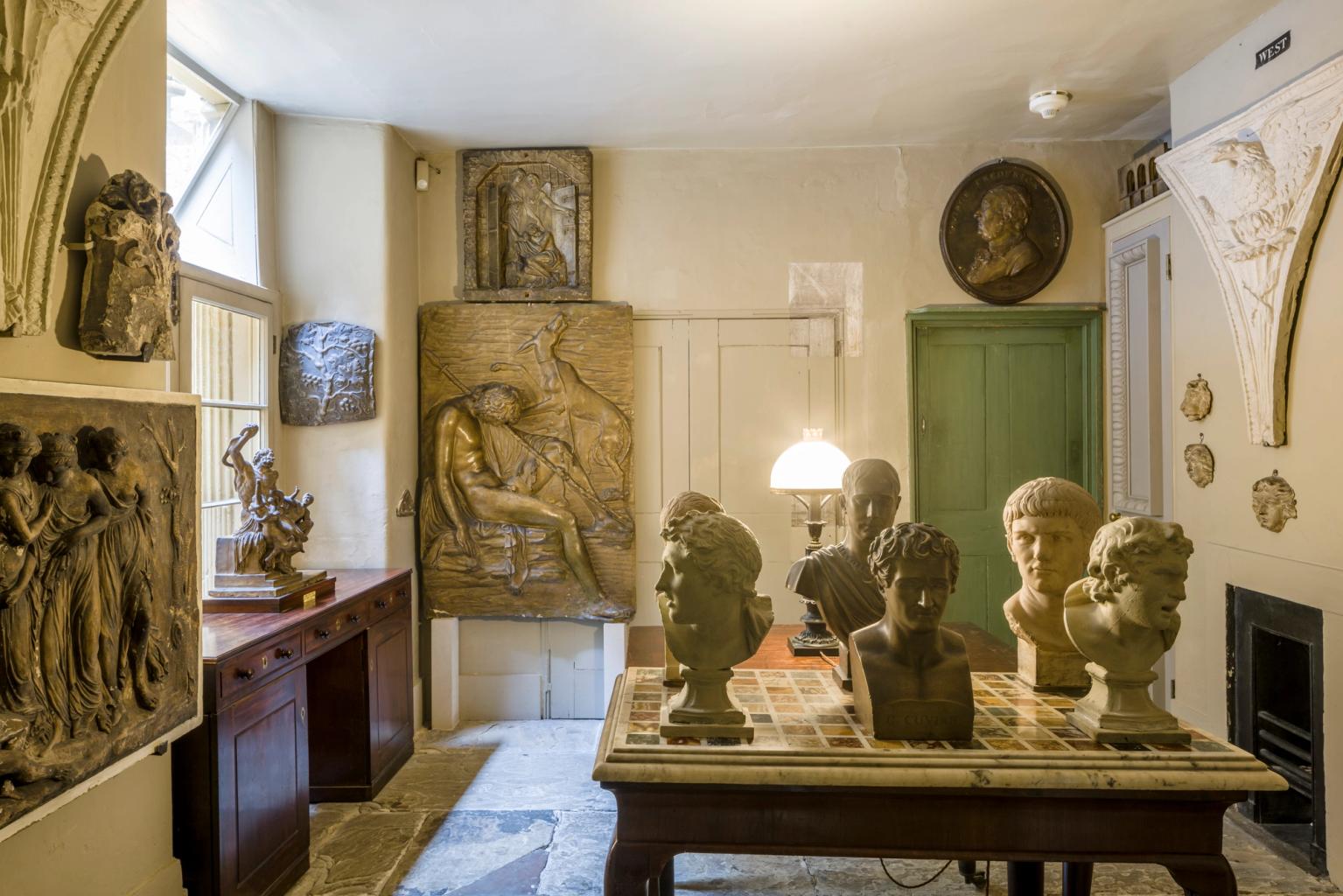
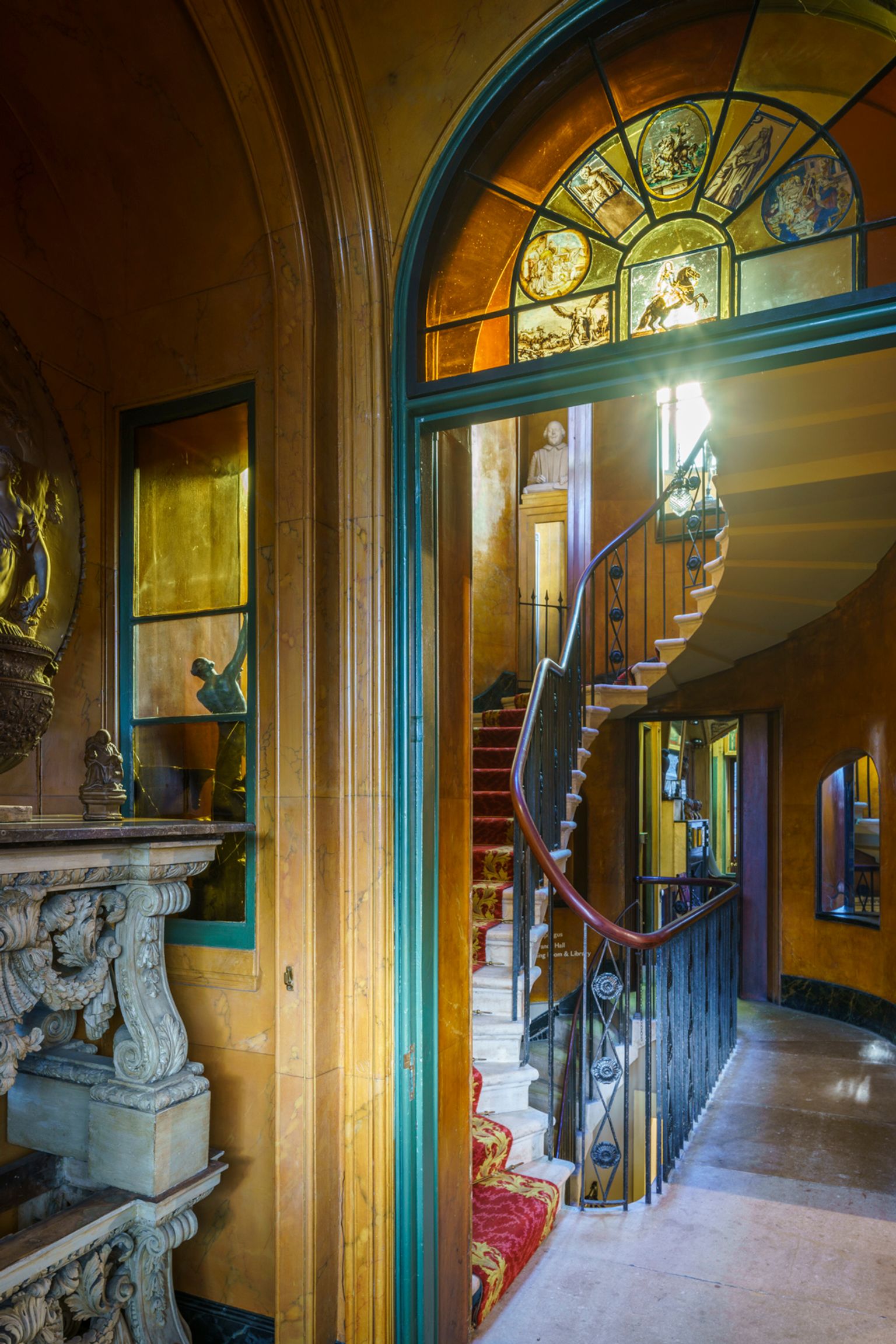
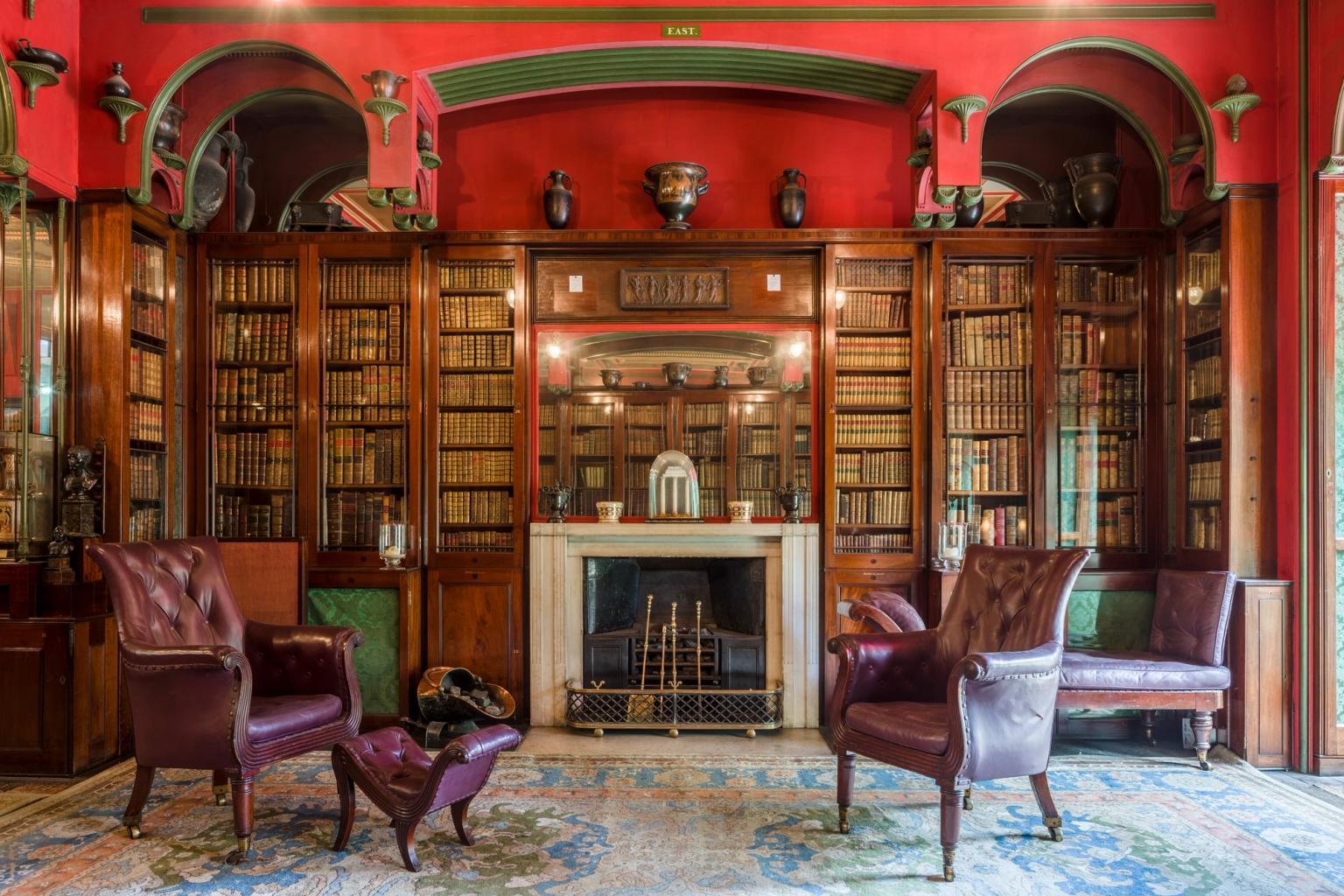
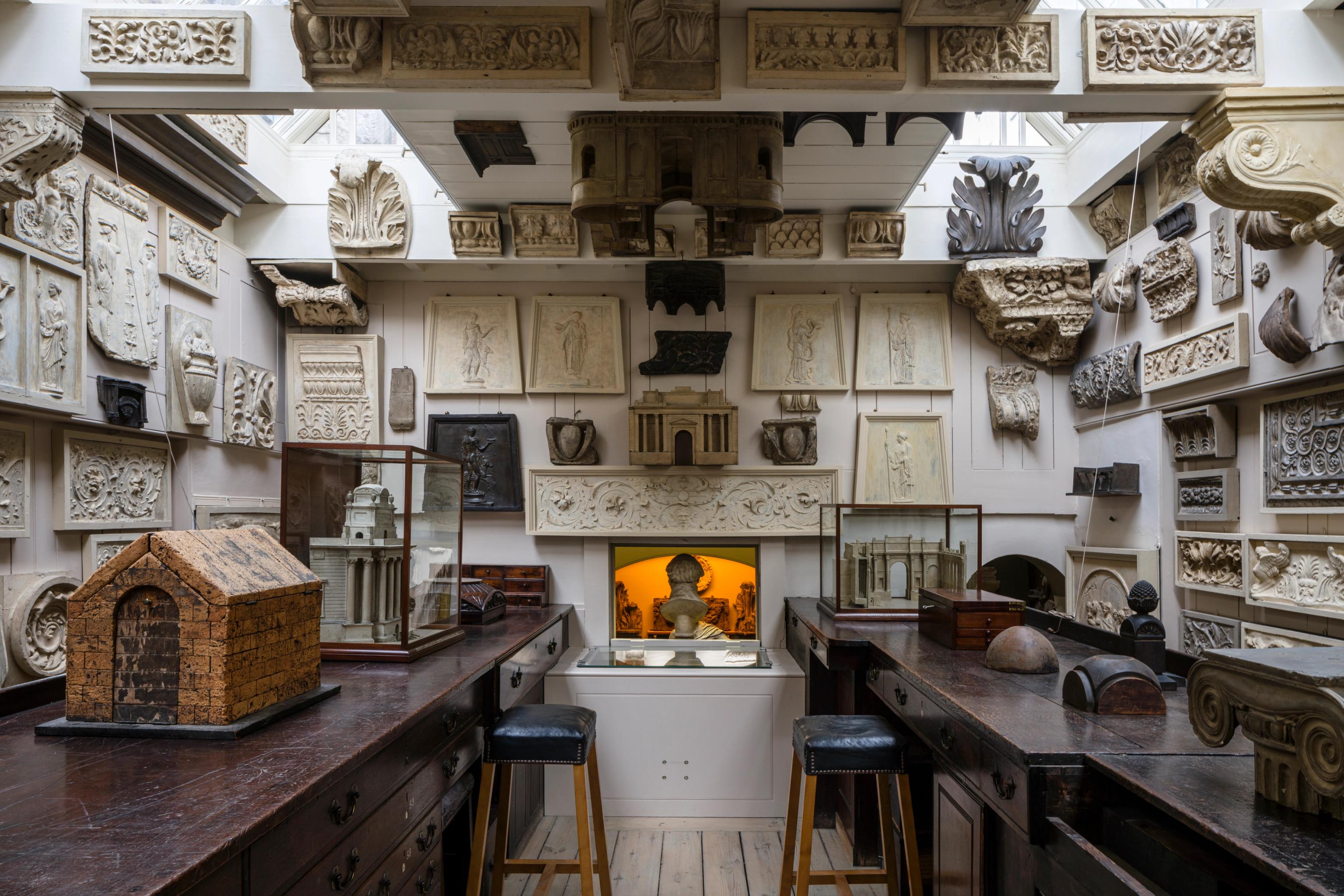
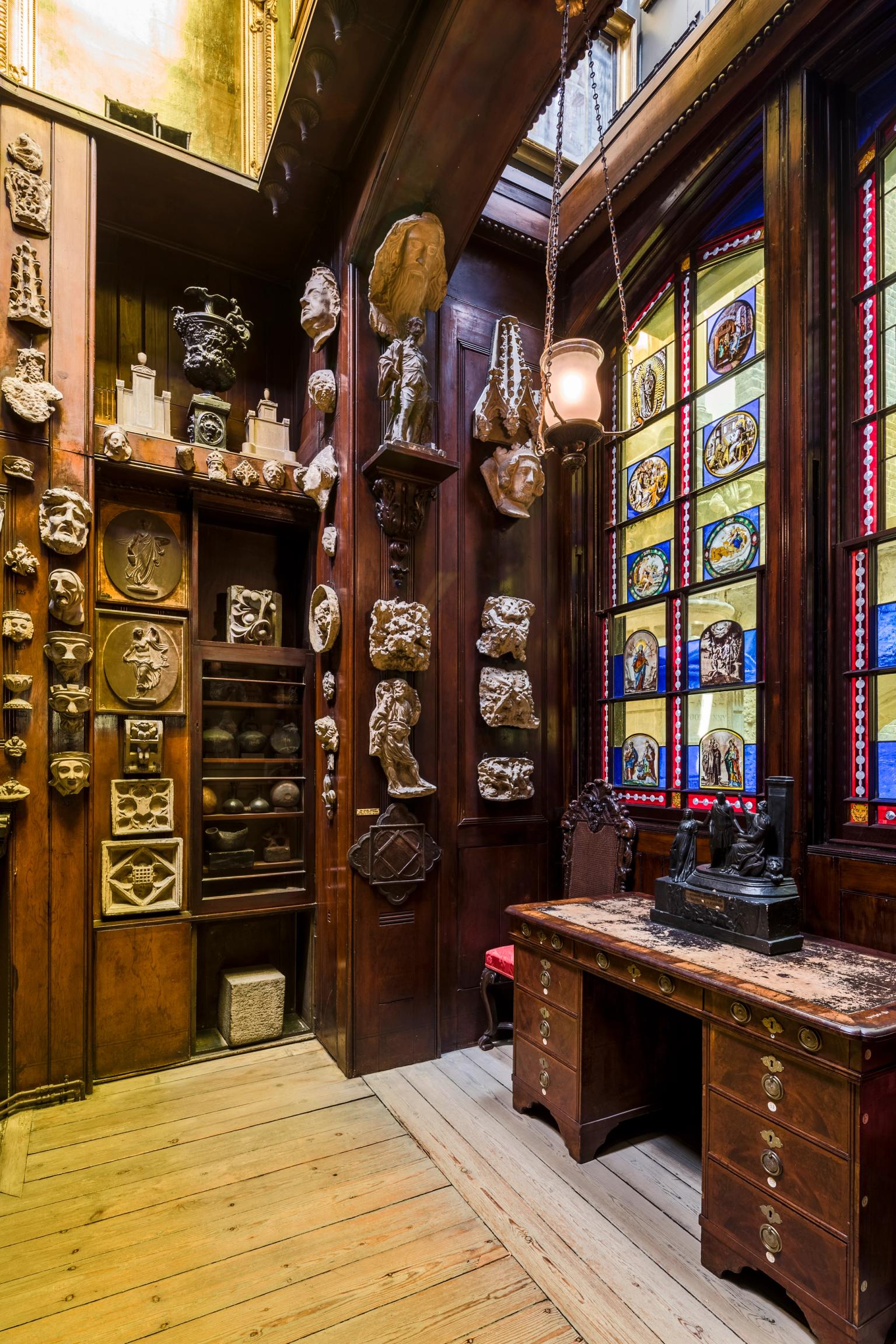
SHOHEI SHIGEMATSU The Soane Museum is an inhabitable cabinet of curiosities. The sheer density of artifacts, which span vastly different types, periods, and cultures, and labyrinthine network of irregular spaces create a uniquely non-hierarchical effect. It encourages you to wander and get lost.






A Mind Turned Into Architecture
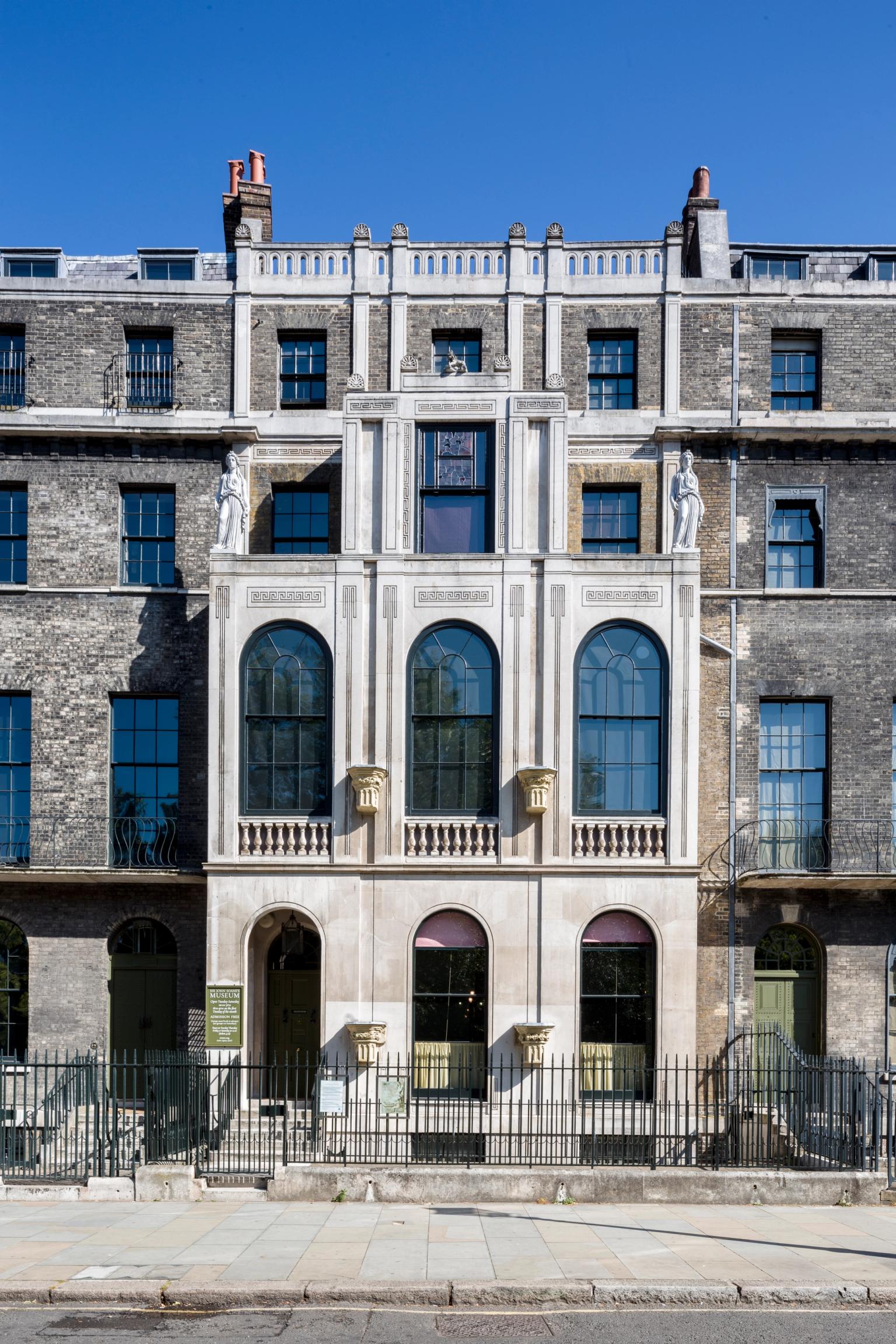
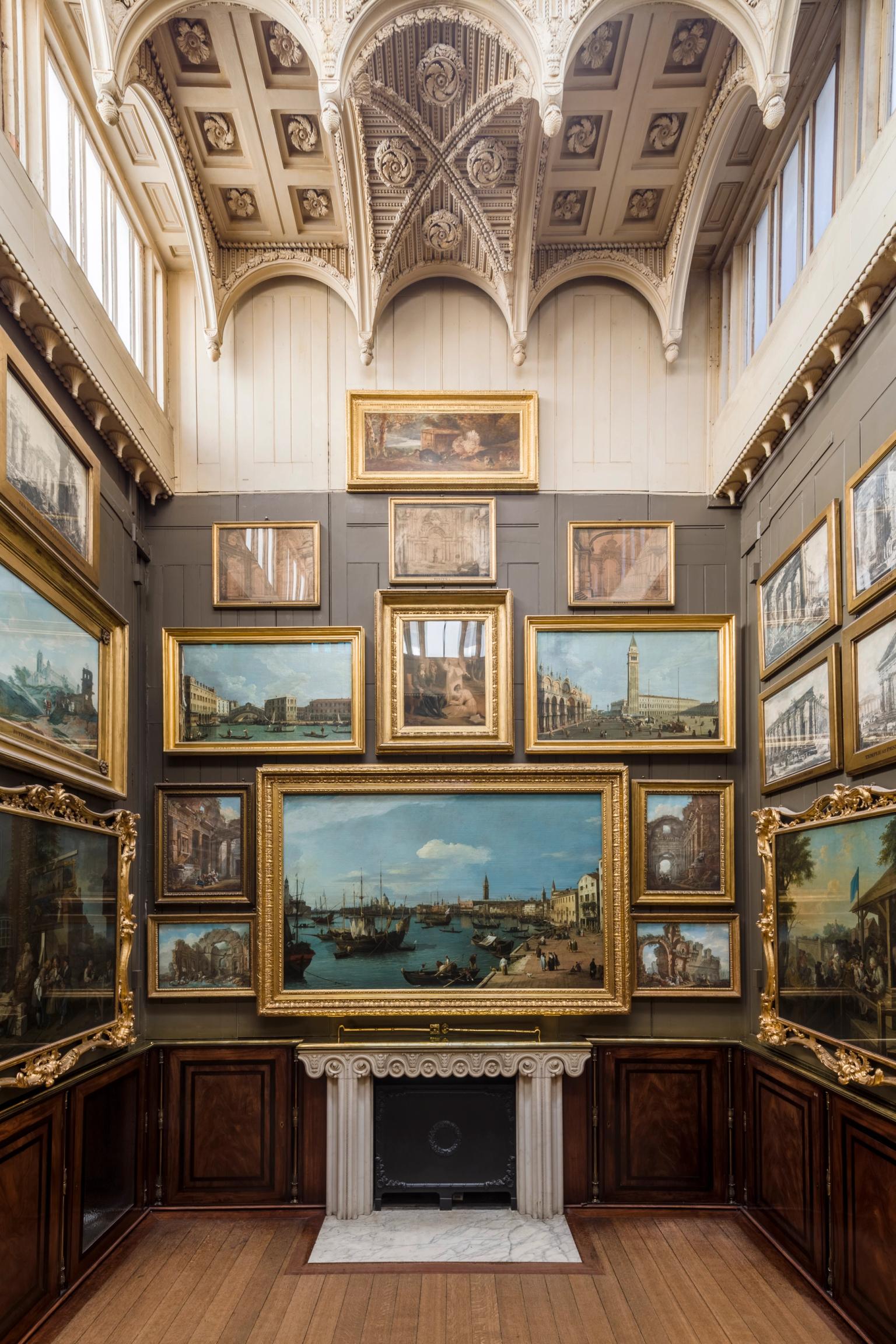
Tucked into a quiet terrace in London, the Sir John Soane’s Museum feels less like a museum and more like stepping into the mind of a man who refused to think small. The house, once belonging to the architect John Soane, is a dense, theatrical labyrinth of art, antiquities, and architectural experiments. What makes it fascinating is not just what it contains, but how and why it came to exist at all.

A house built as a living legacy
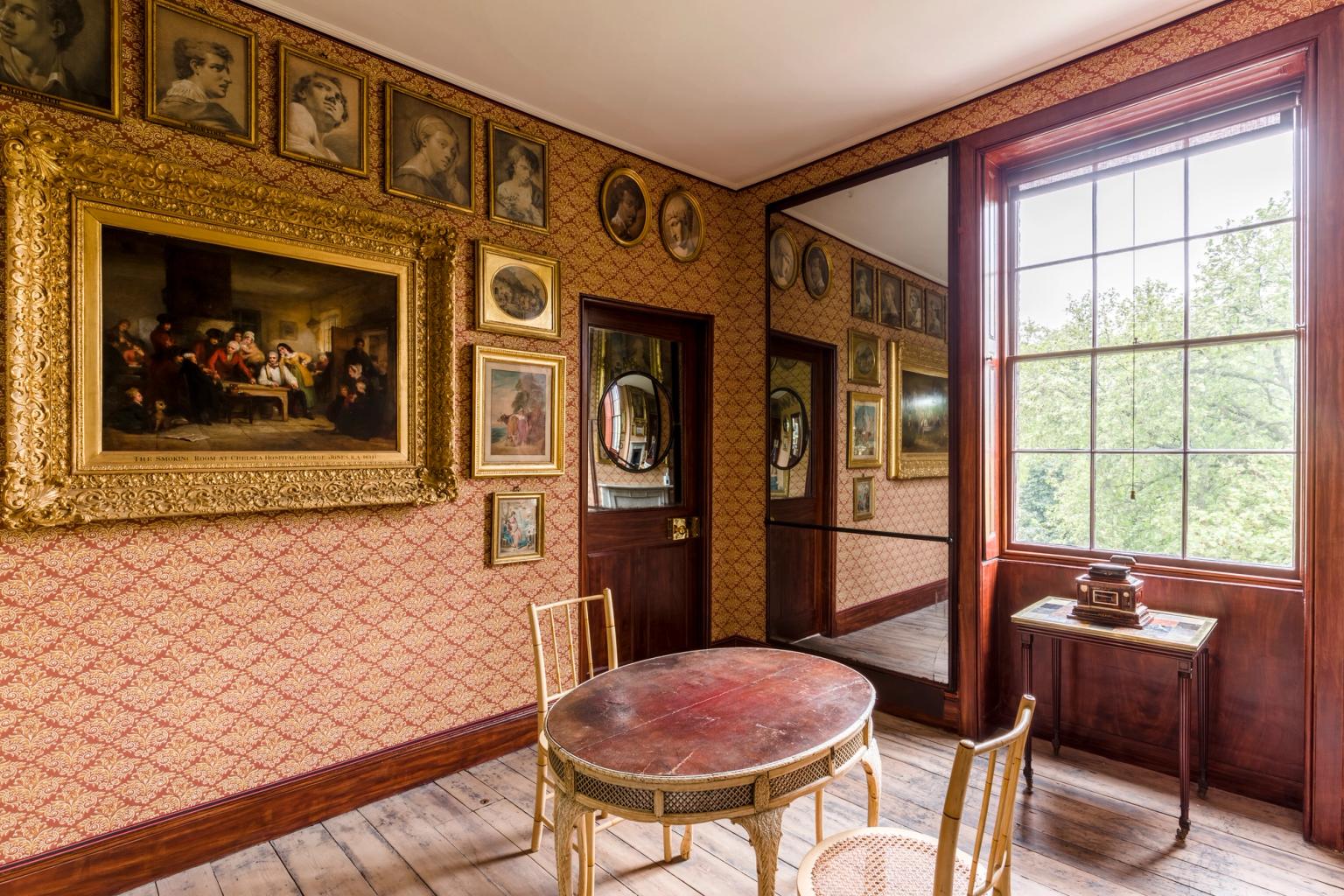
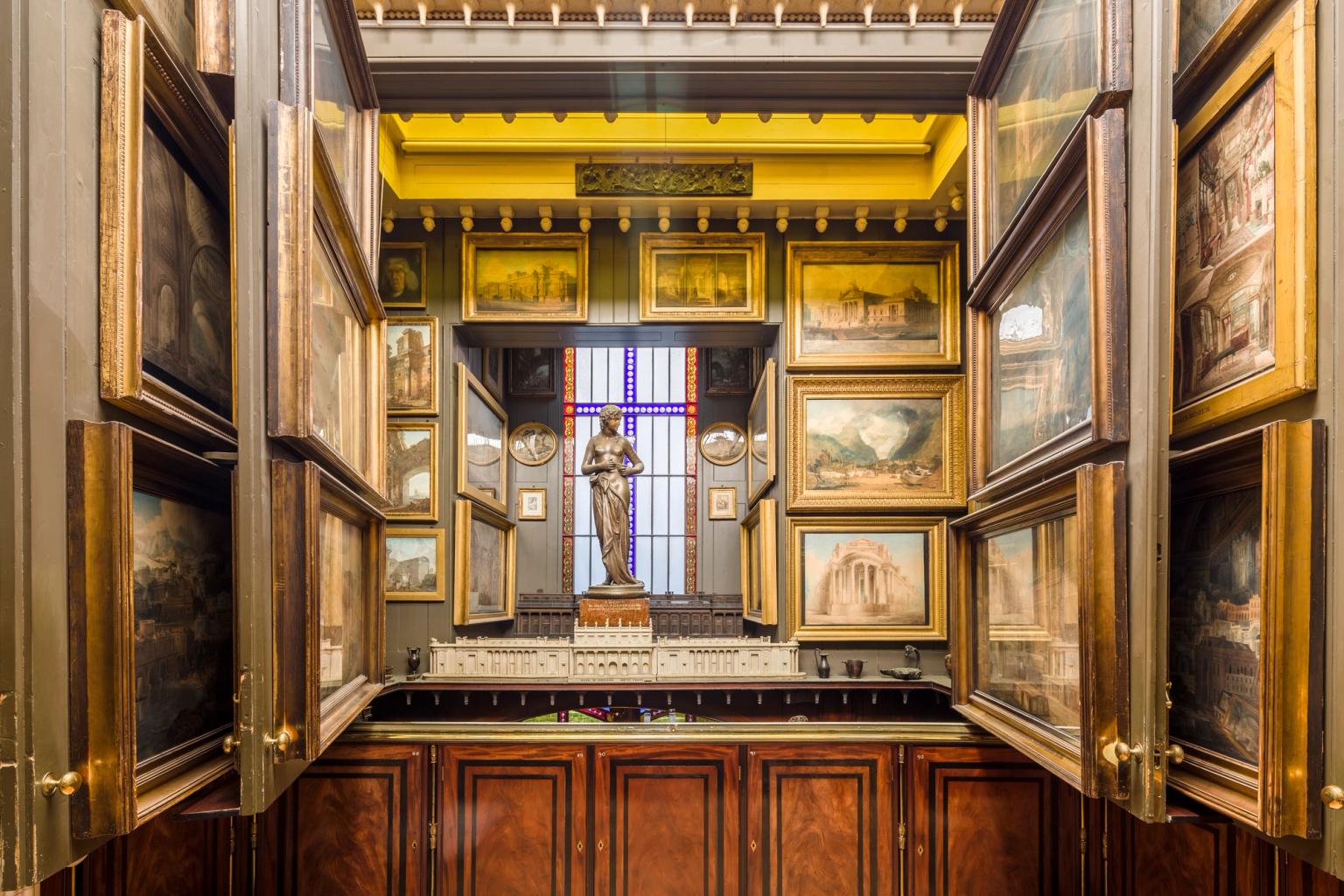
Soane did not design his home merely for comfort. He treated it as a kind of manifesto. Having risen from modest beginnings to become one of Britain’s leading architects, he wanted to secure his reputation permanently. The house became a testing ground for his ideas about light, space, and narrative. Walls open unexpectedly, mirrors multiply perspectives, and skylights turn ordinary rooms into luminous chambers.
But there is something more deliberate at play. Soane arranged objects to tell stories, not chronologically but emotionally. Ancient fragments sit beside Renaissance paintings, while architectural models crowd into niches like memories competing for attention. Even during his lifetime, he opened the house to students, almost as if he were staging his own posthumous exhibition.

The tragedy behind the collection
Beneath the visual spectacle lies a darker personal story. Soane’s relationship with his sons was strained, particularly with his eldest, who publicly criticized him in print. This deeply affected him. Some historians believe the obsessive collecting and intricate arrangement of the house were, in part, a response to that emotional rupture.
Rather than building a conventional family legacy, Soane turned inward. The museum became a controlled universe where he could define meaning on his own terms. After his wife Eliza died, he created a small, melancholic space dedicated to her memory in the house. It remains one of the most intimate corners of the museum, contrasting sharply with the grandeur elsewhere.


A museum frozen in time
Perhaps the most unusual aspect of the museum is that it has barely changed since Soane’s death in 1837. This is no accident. An Act of Parliament ensured that the house and its contents would be preserved exactly as he left them. That decision transformed the building into a time capsule of one man’s vision.
Among its most famous treasures is the sarcophagus of Seti I, dramatically displayed in a crypt-like space. Yet even this remarkable artifact feels secondary to the experience of the house itself. Every narrow corridor and hidden panel contributes to a sense that you are walking through a carefully constructed dream.
In a city filled with grand institutions, the Sir John Soane’s Museum stands apart. It is not a place that explains history so much as one that embodies a personality. Visiting it feels like entering a conversation that began two centuries ago and never quite ended.