Mary Ellen Mark & Martin Bell
Streetwise
- DirectorMary Ellen Mark & Martin Bell
- CinematographerMartin Bell
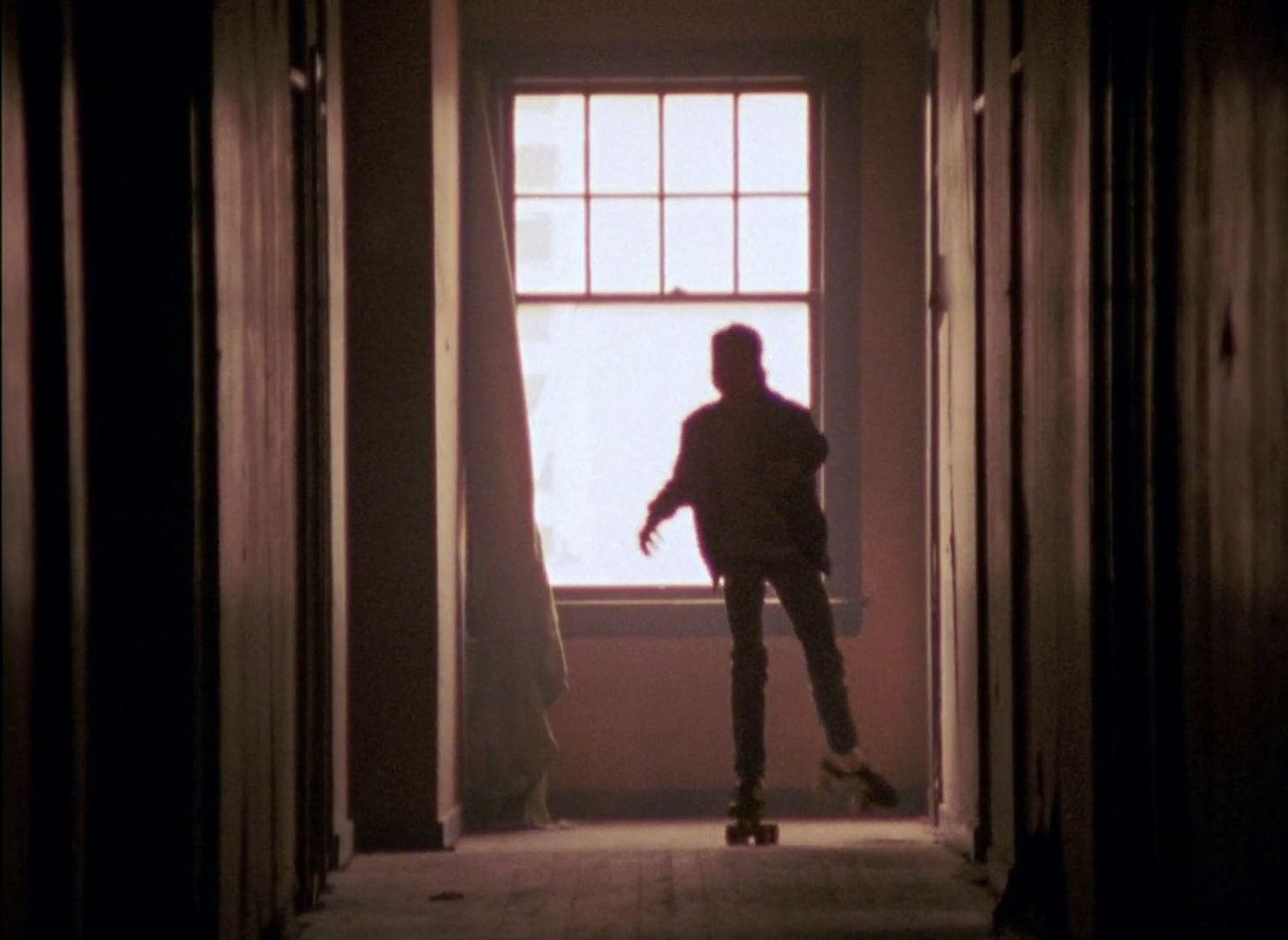
JASON EVANS Similar to Vagabond, Streetwise is a powerful exploration of life lived on the margins. A film that began as a photo-essay by photographer Mary Ellen Mark, for Life Magazine. As a feature, the quality of a photo-essay remains, observing unhoused teenagers in what seem to be small, intimate moments, without the structure of a strict narrative or any commentary on what is seen.

How It Began
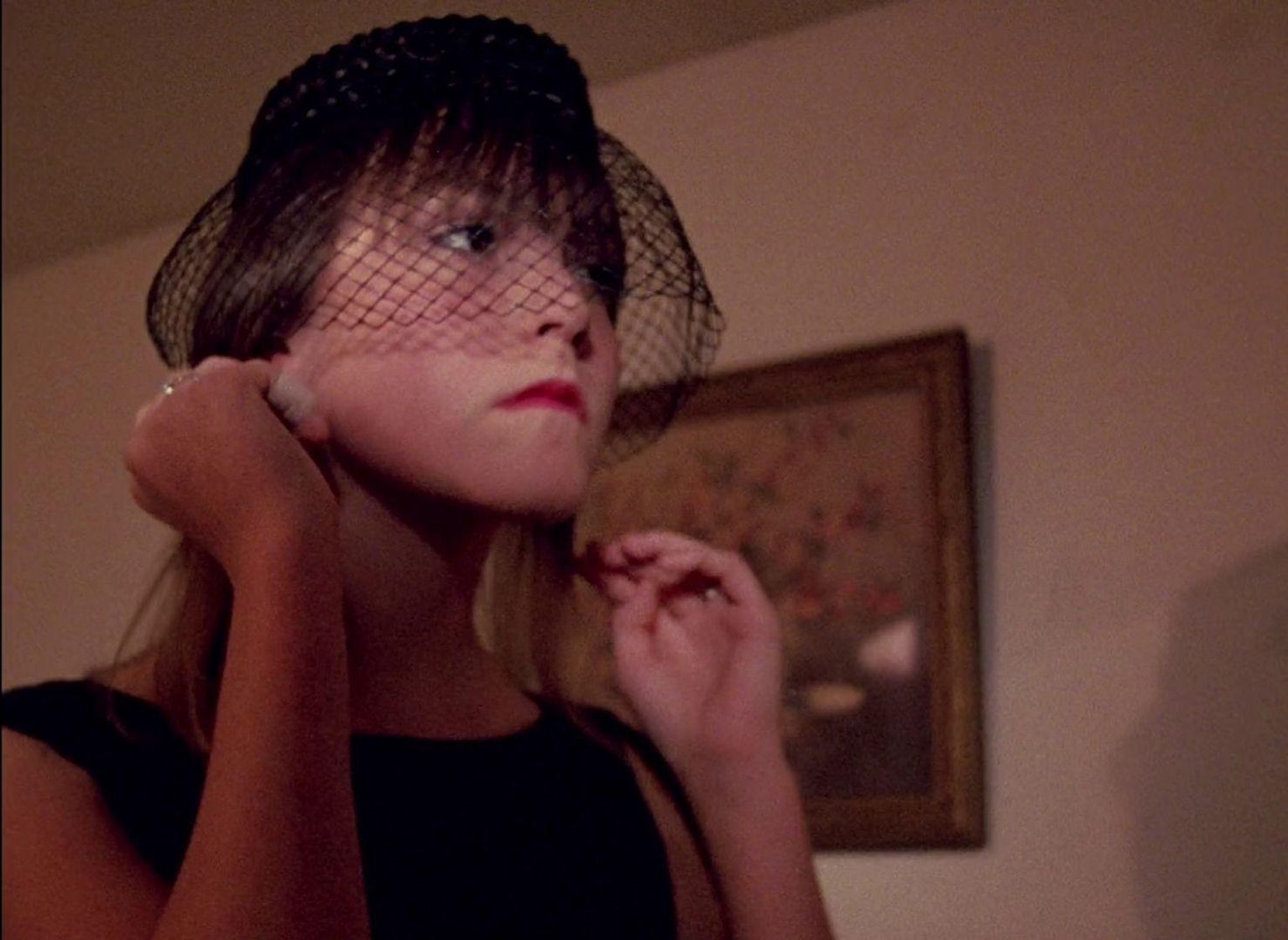
Streetwise (1984) began not as a film, but as a photo assignment. In 1983, Life magazine sent renowned documentary photographer Mary Ellen Mark to Seattle to photograph homeless and runaway teenagers living on the streets. What Mark encountered went far beyond what could be captured in a single photo essay.
The young people she met were articulate, guarded, humorous, and deeply scarred by abuse, neglect, and poverty. Their lives unfolded with a raw immediacy that still photographs alone could not fully convey. Recognizing this, Mark proposed expanding the project into a documentary film. Her husband, filmmaker Martin Bell, took on directing duties, transforming the assignment into what would become Streetwise.
What the Film Shows
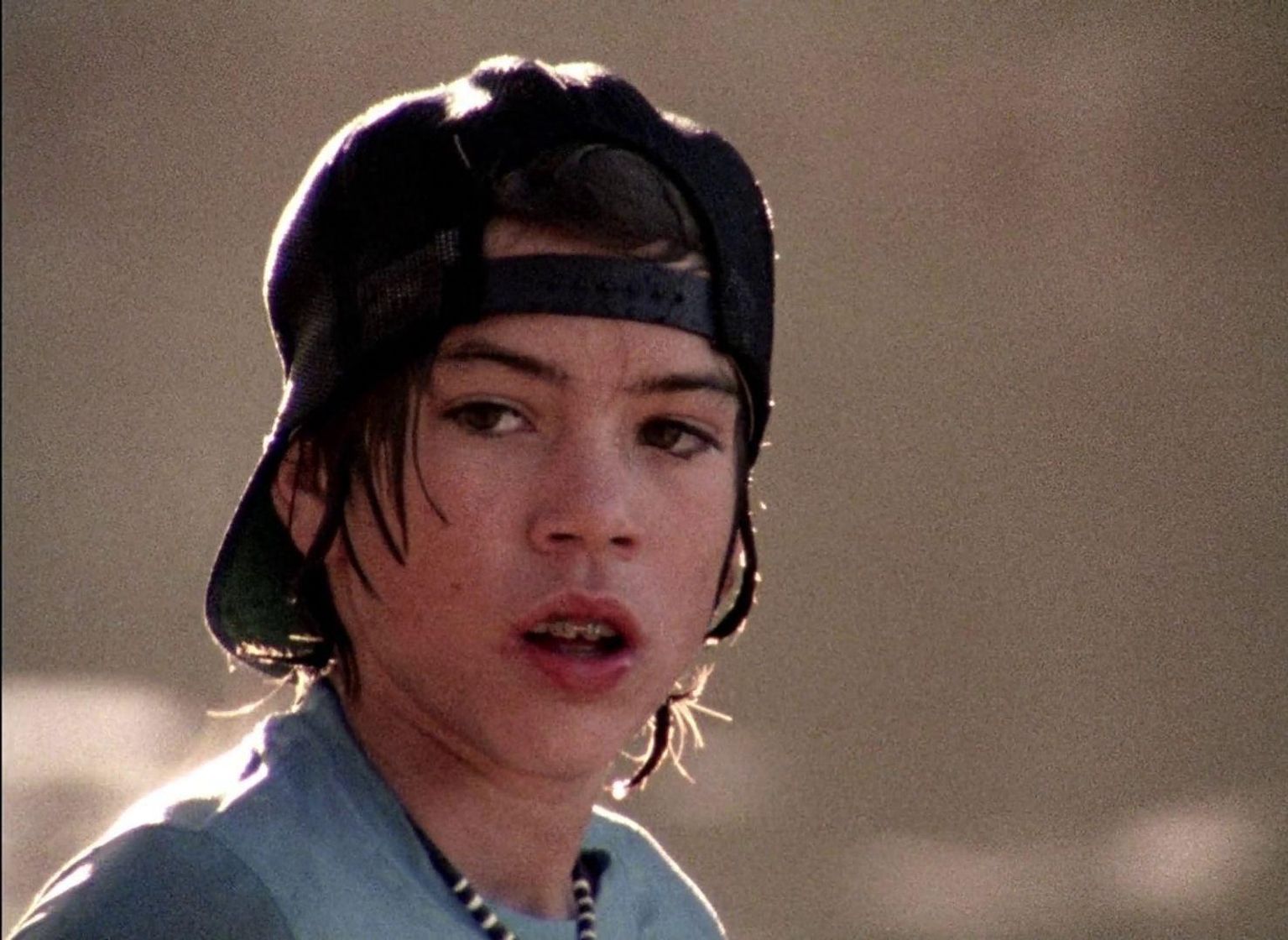
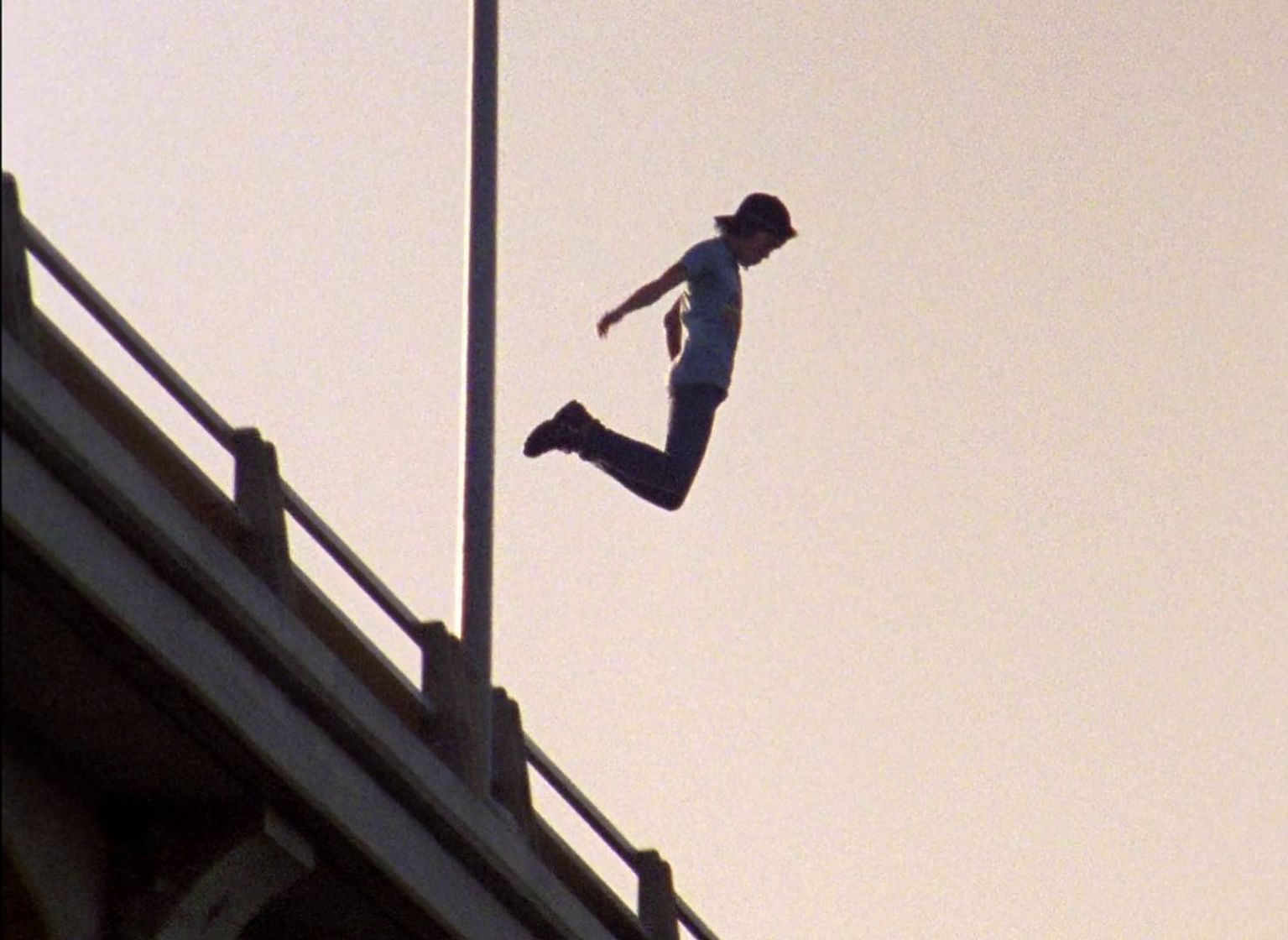
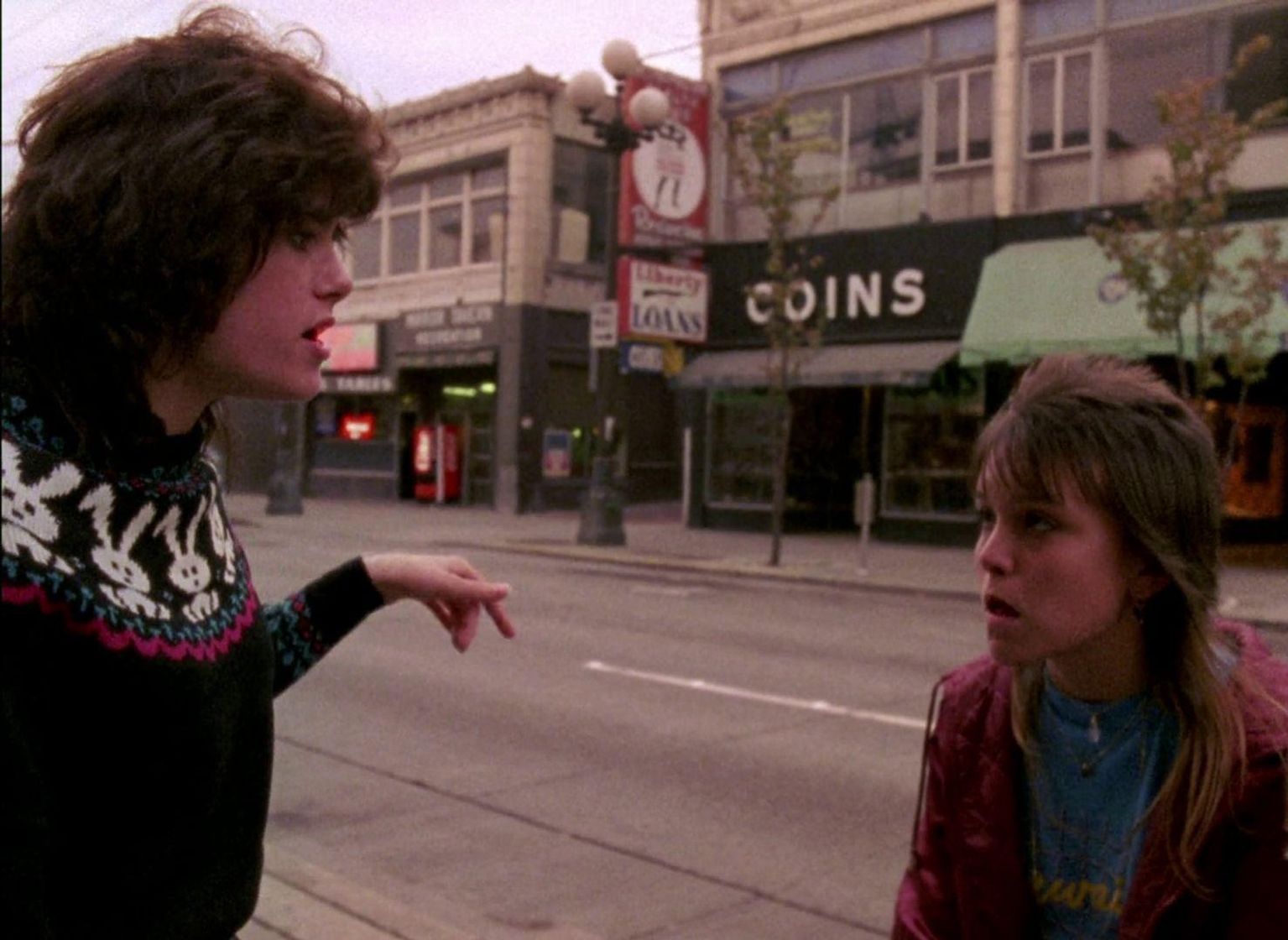
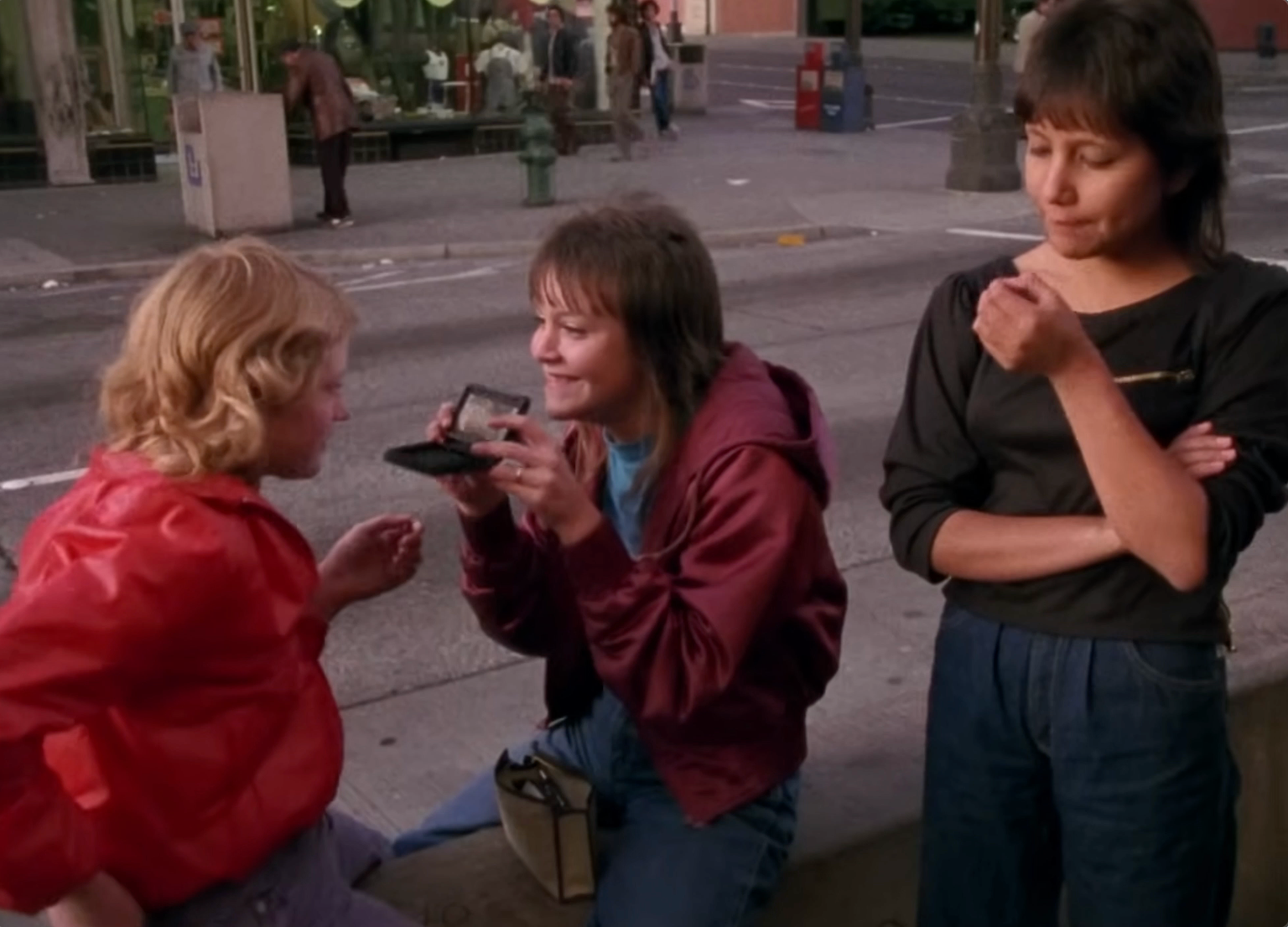
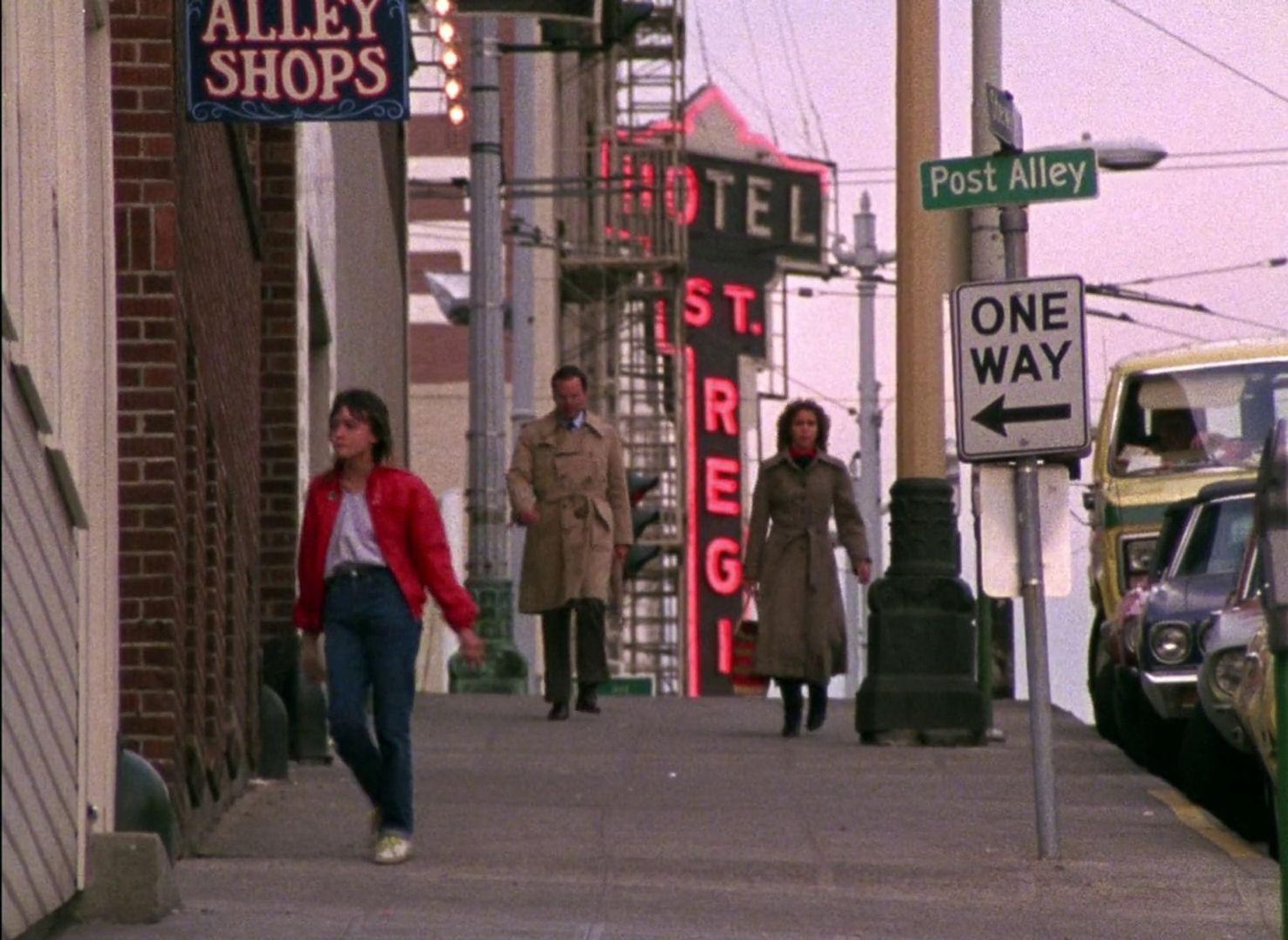
Shot in a restrained, observational style, Streetwise follows several teenagers surviving on Seattle’s streets. The film documents their daily realities - panhandling, prostitution, drug use, fleeting friendships, and constant negotiation with danger.
Rather than framing the kids as victims or moral lessons, Bell allows them to speak for themselves. The camera lingers without judgment, capturing moments of humor, bravado, fear, and resignation. The result is a portrait of street life that feels intimate rather than exploitative.


Tiny’s Story
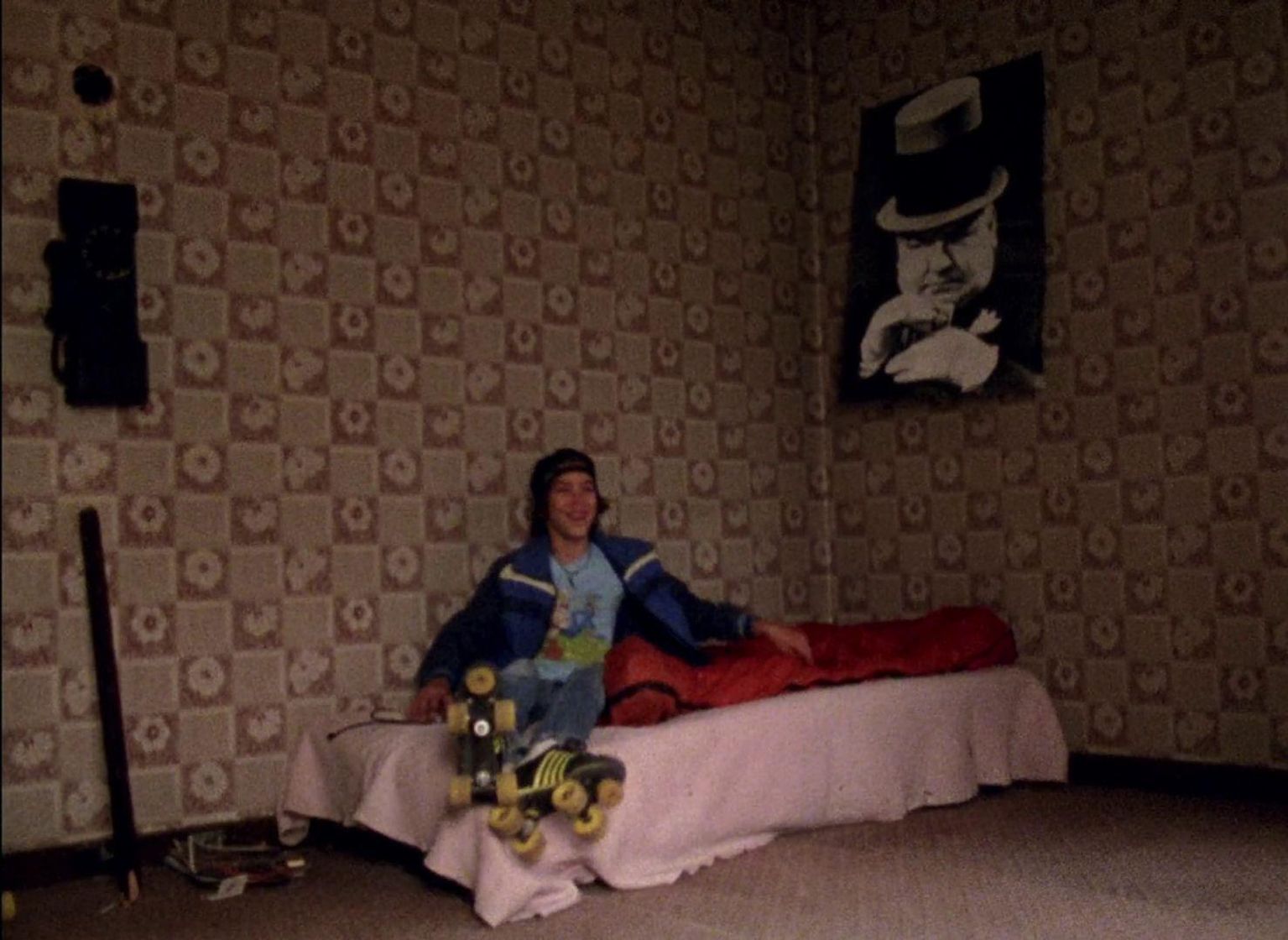
At the center of Streetwise is “Tiny” (Erin Blackwell), a 14-year-old runaway who supports herself through sex work. Tough, witty, and strikingly self-aware, Tiny quickly became the emotional anchor of the film.
Her presence resonated deeply with audiences - not because she fit a stereotype, but because she defied one. Tiny spoke openly about her circumstances while still expressing hope for a future that included stability, love, and family.
What makes her story extraordinary is what followed: Mary Ellen Mark continued photographing Tiny for more than 30 years, documenting her transition into adulthood and motherhood. This long-term engagement culminated in Tiny: Streetwise Revisited (2016), revealing how childhood trauma echoed across decades.
Ethics and Trust
One of Streetwise’s most enduring qualities is its ethical approach. Bell and Mark spent extensive time building trust with their subjects. The children were collaborators in their own representation, not passive objects of observation.
Importantly, the filmmakers did not disappear once filming ended. They remained in contact with several of the teens, a rarity in documentaries about marginalized communities. That sustained relationship adds moral weight to the film and distinguishes it from more detached reportage.
Legacy
Streetwise was nominated for the Academy Award for Best Documentary Feature and is now considered a landmark in social documentary filmmaking. It has influenced generations of filmmakers and photographers with its humane, unflinching approach to difficult subject matter.
Decades later, the film remains relevant - not only as a document of 1980s America, but as a reminder that the stories of society’s most vulnerable demand time, empathy, and commitment to be told honestly.