
Gerry Johansson
Sverige
- PhotographerGerry Johansson
Ingvar Kenne I left Sweden properly for the first time when I was 21. Looking back, I had struggled with the perfect society that had surrounded me for some time…

Ingvar Kenne on Sverige by Gerry Johansson
I left Sweden properly for the first time when I was 21. Looking back, I had struggled with the perfect society that had surrounded me for some time. There are so many beautiful things about that place – the people and their forthrightness, the landscape with it is light in summer, the social welfare system that never let you fall too far down. Simultaneously, I felt nothing of significance can, nor will, ever happen. The risk wasn’t there.
I ended up travelling for the better part of a decade before settling in Australia with a family and new life.
When I got hold of Gerry’s book - Sverige – it was electrifying. I felt like being both the positive and negative connection of a battery simultaneously. The work – again square – is so delicate and balanced and honed to Gerry’s own particular perfection. Like the country. But within the frames there is an almost forensic precision. Yet, I feel “all” is about to snap. But that is me putting myself on top of Gerry’s work.
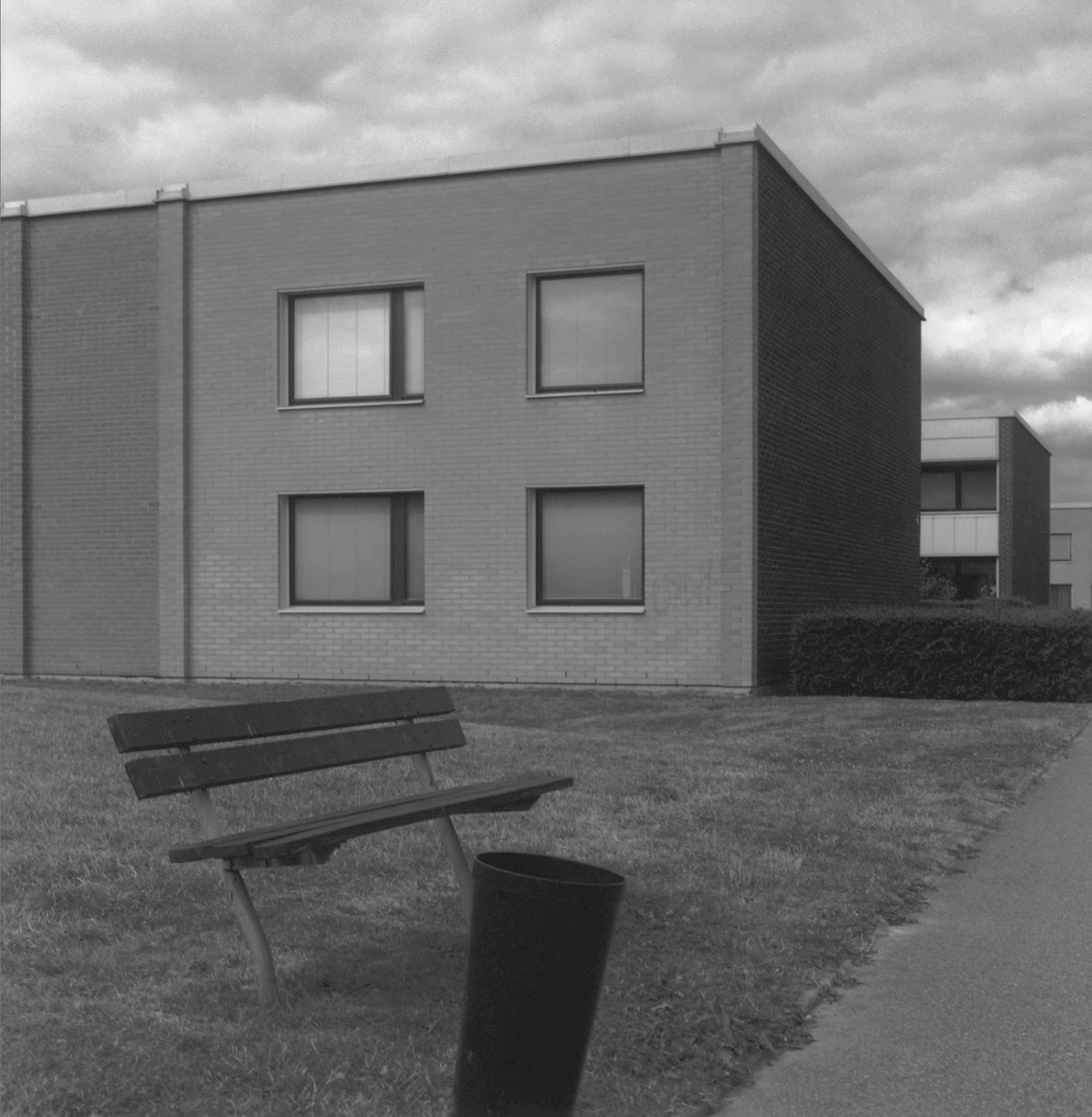
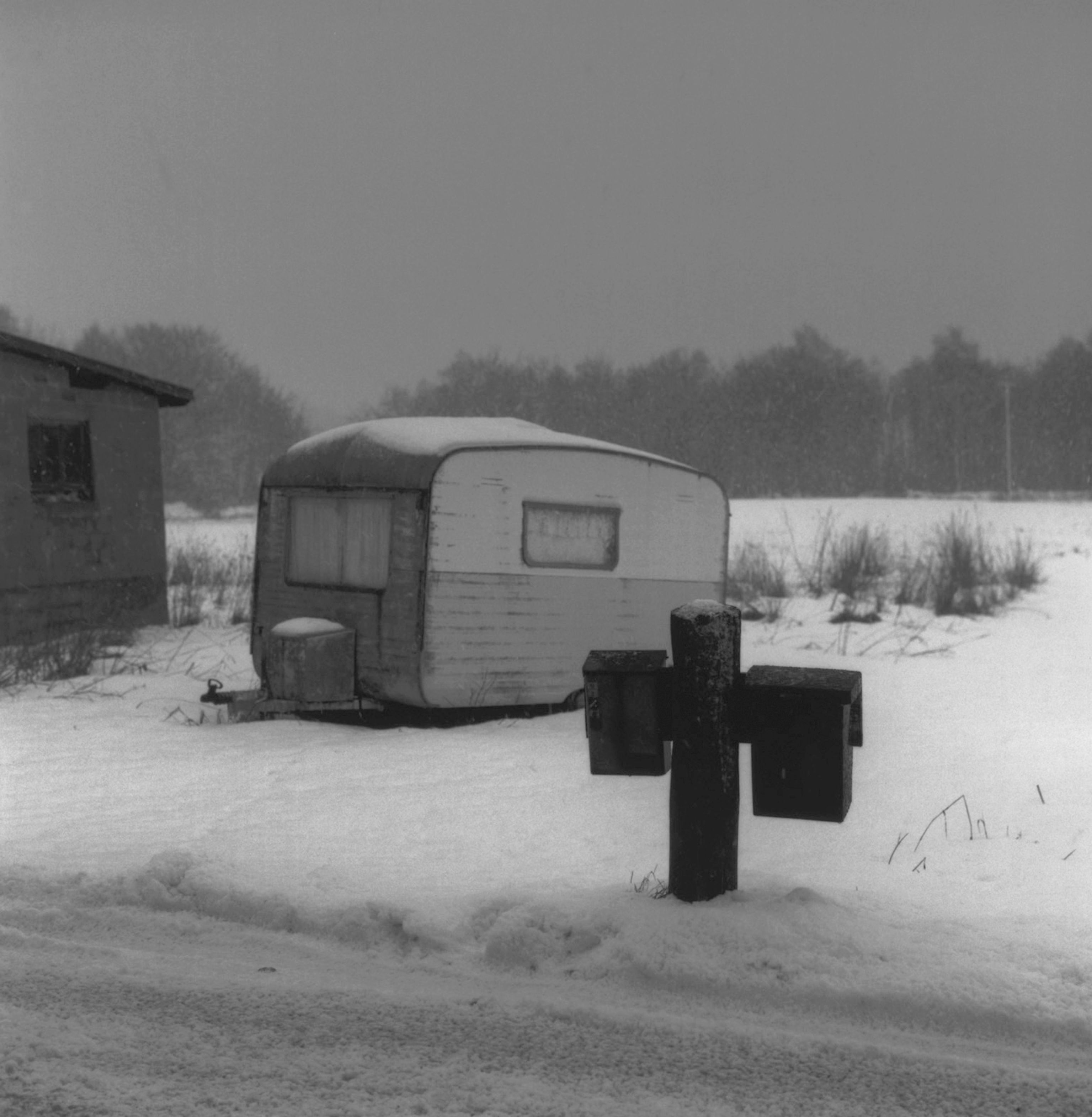
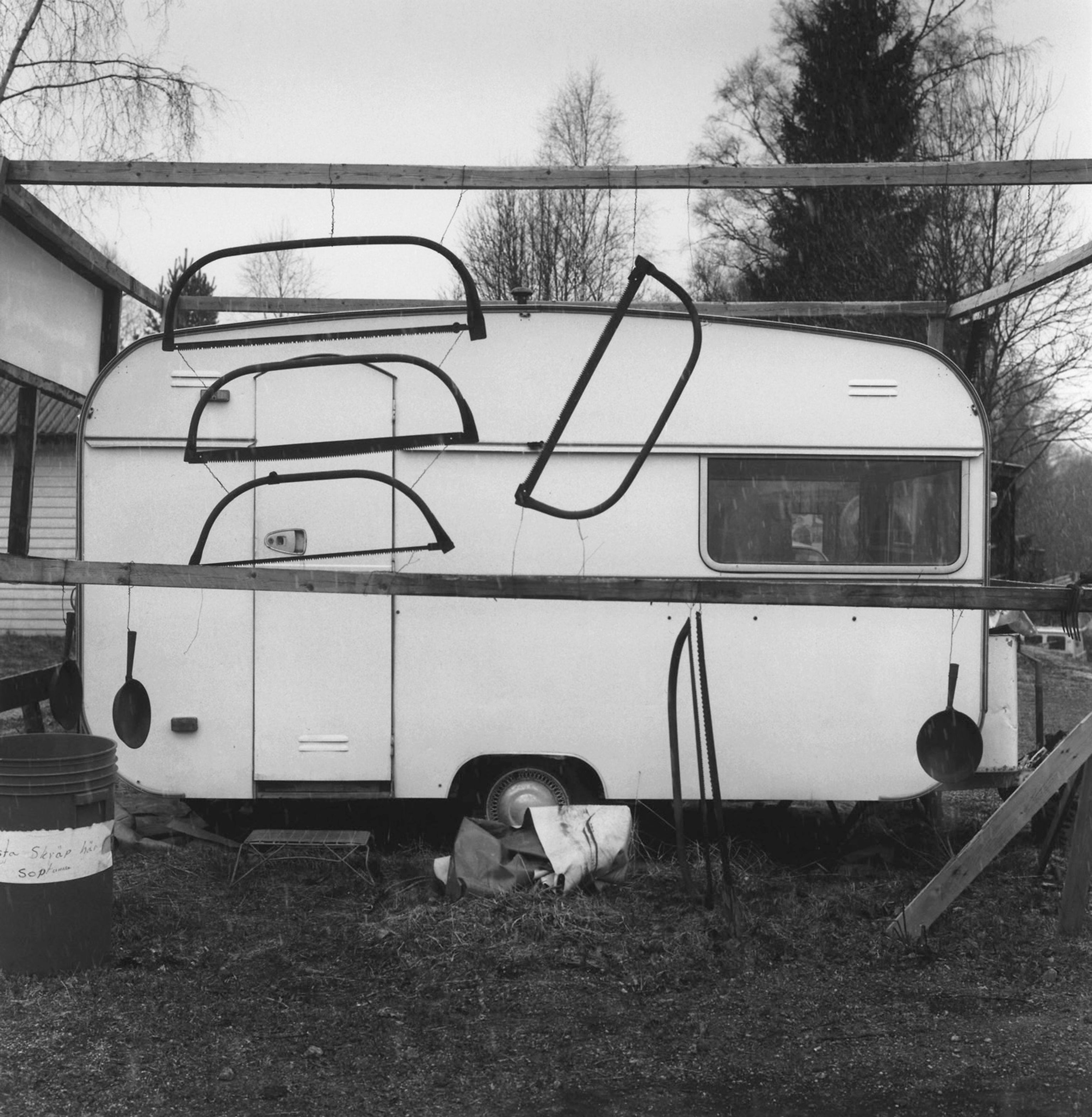
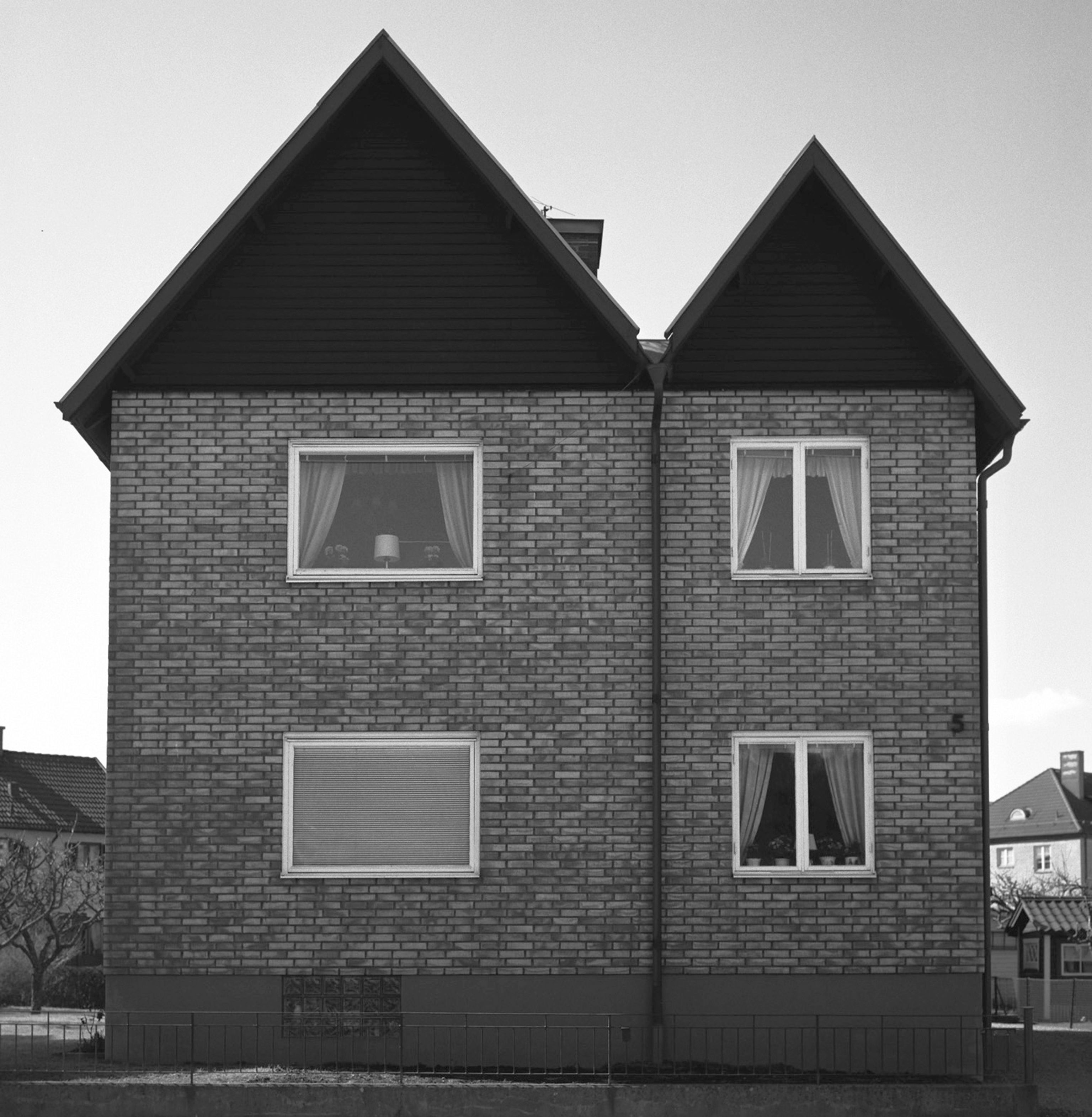
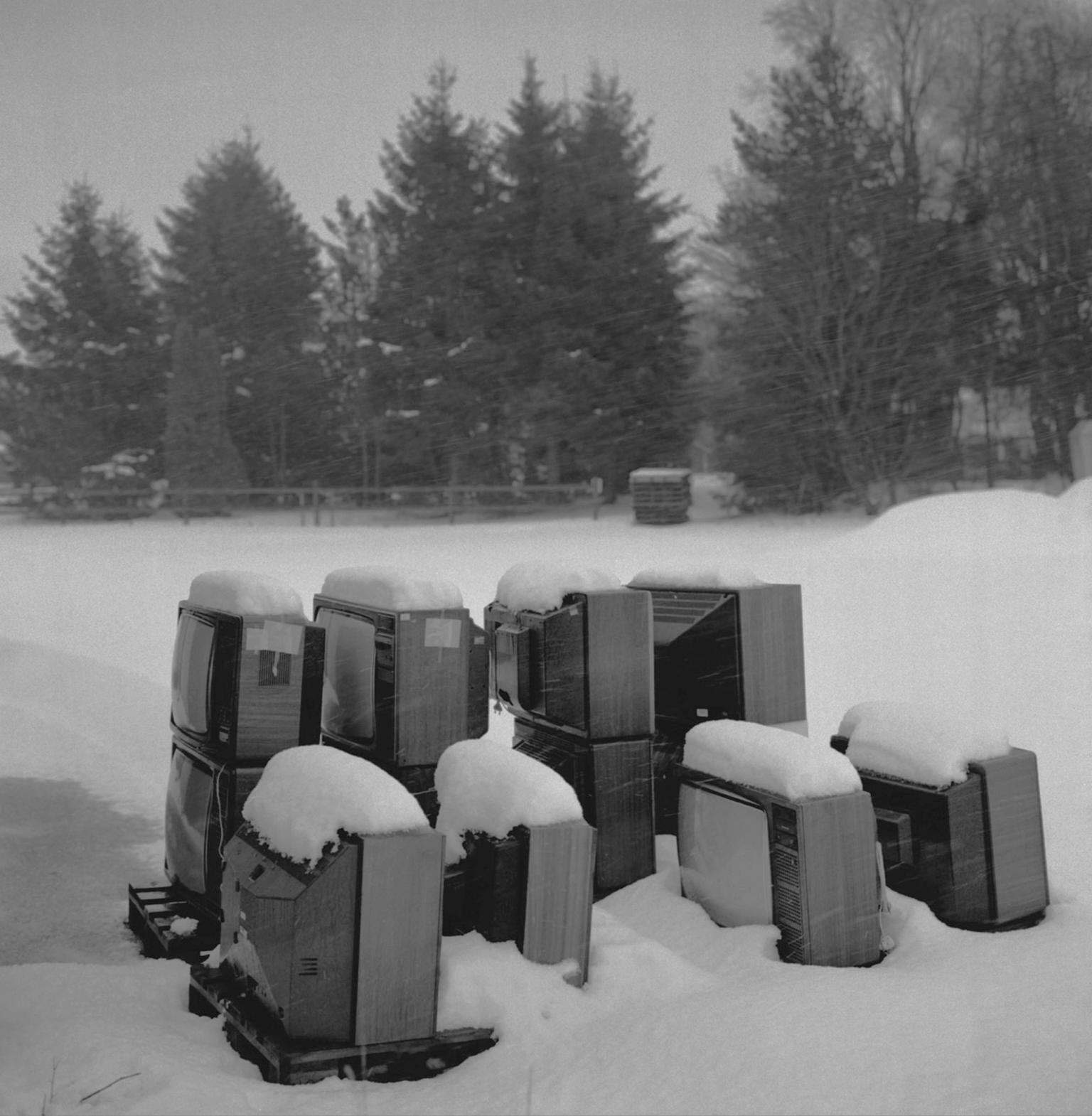
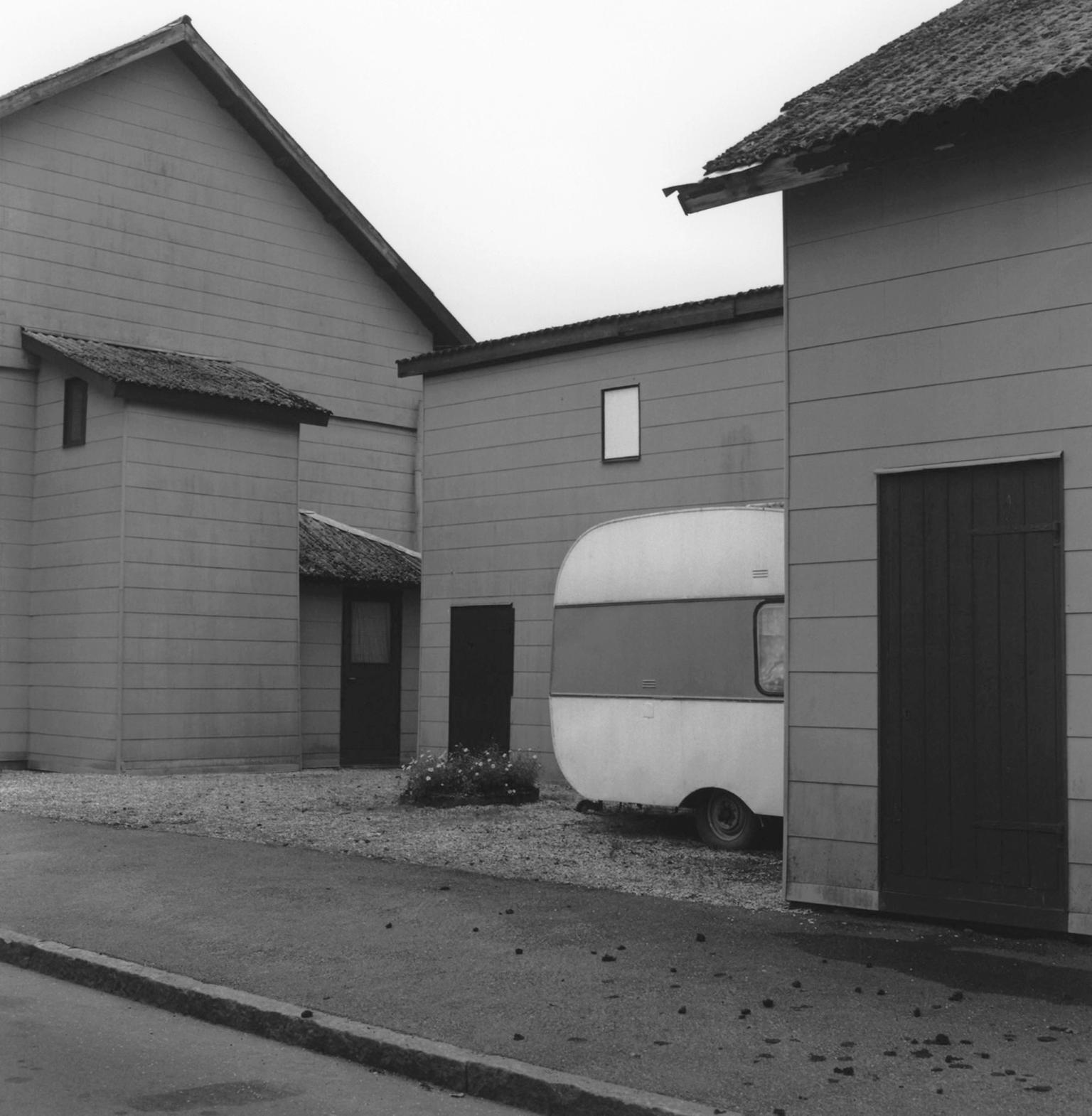
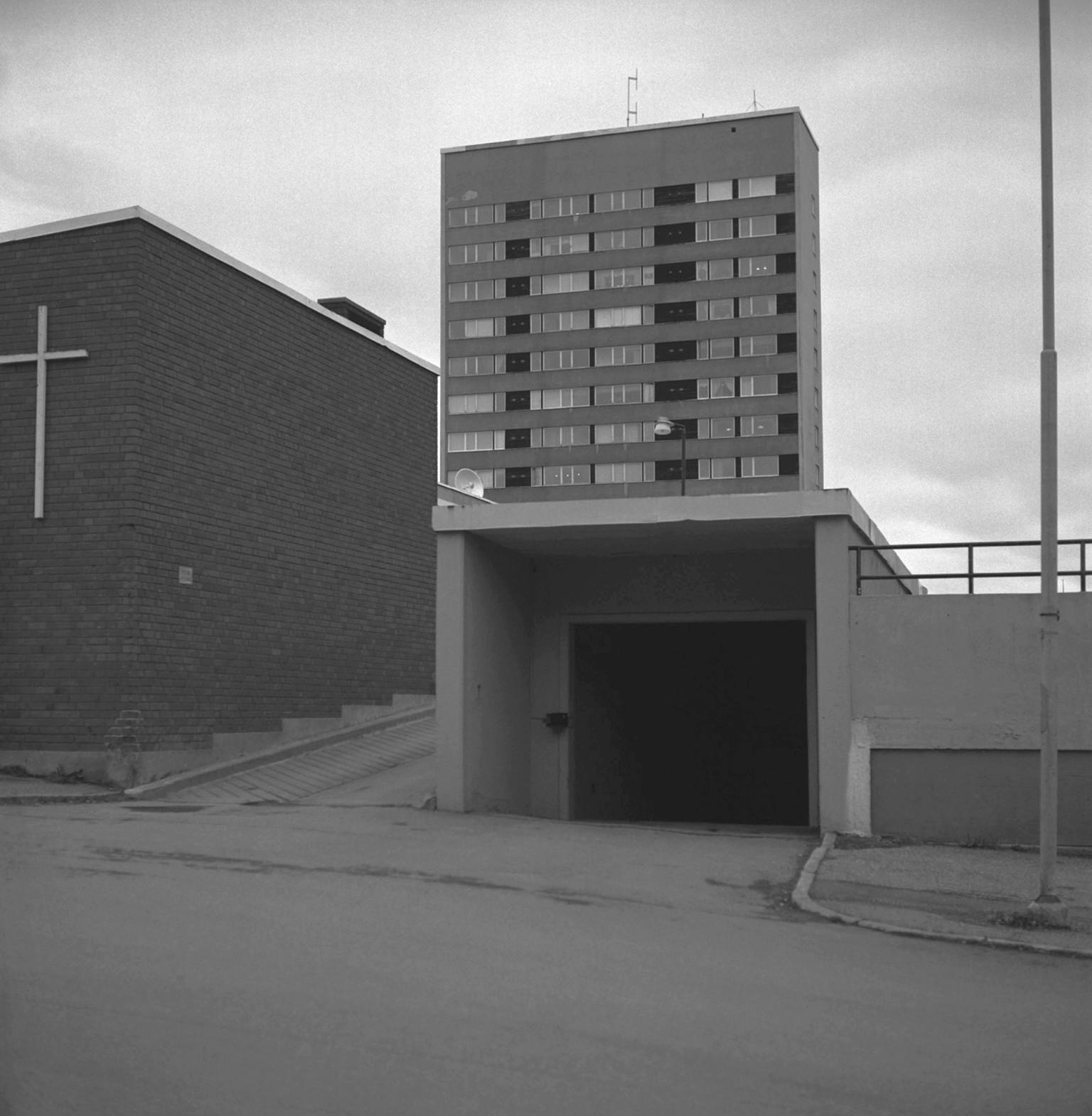
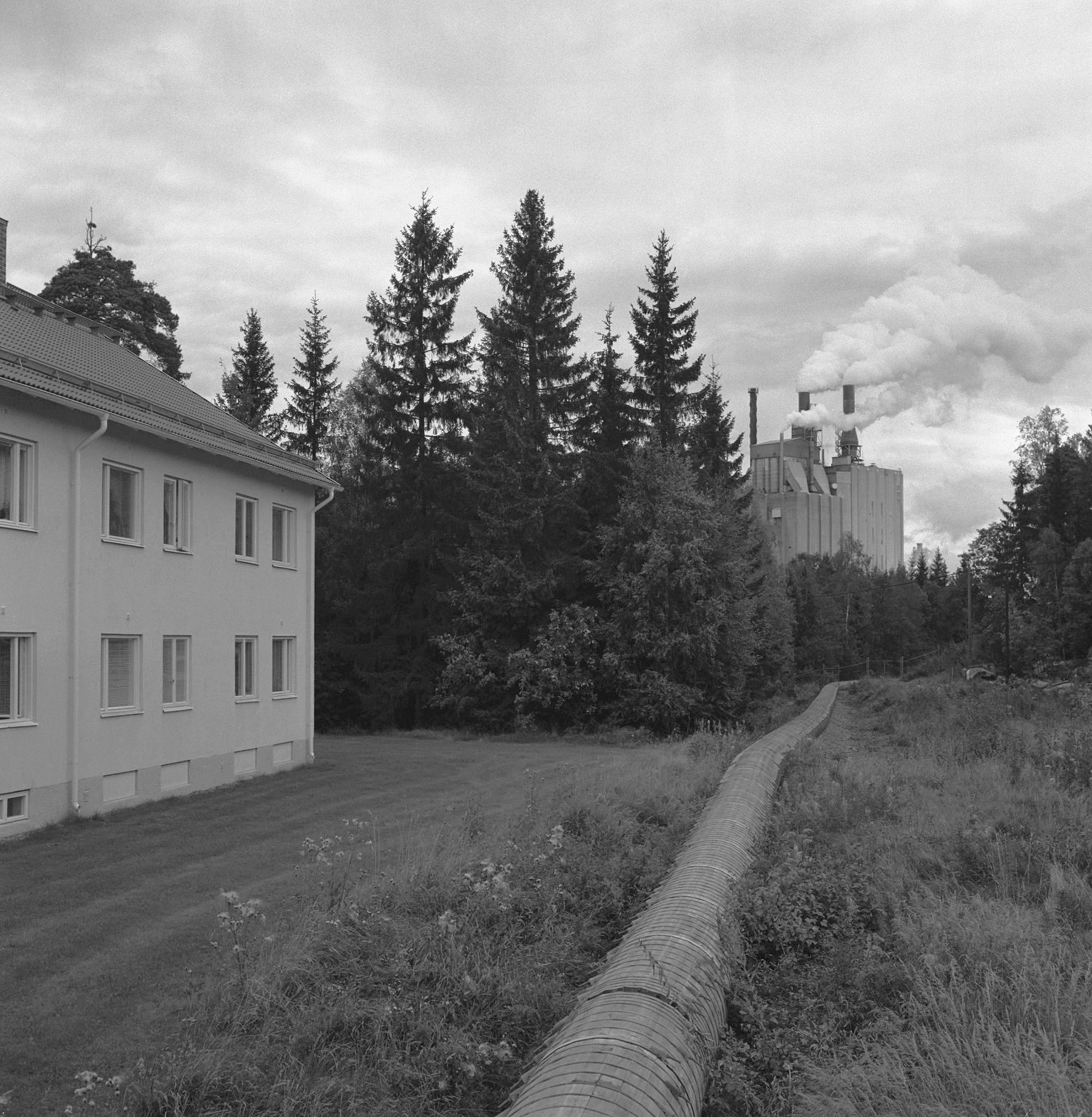
No people appear and we only see places created by human hand. Over everything lies the melancholy (we say “vemod” in Swedish) like a heavy homemade quilt.
Looking at the Everyday
Swedish photographer Gerry Johansson has spent decades photographing towns, streets and landscapes, paying close attention to the details that often go unnoticed. Born in Örebro, Sweden, in 1945, he developed an interest in photography as a child before studying graphic design and working in the field for 15 years. He turned to photography full-time in the mid-1980s, developing a practice centred on observing places as they are. Working primarily in black and white, Johansson creates carefully composed images of buildings, roads, shopfronts and open spaces, finding interest in ordinary surroundings rather than exceptional sights.


A Portrait of Sweden
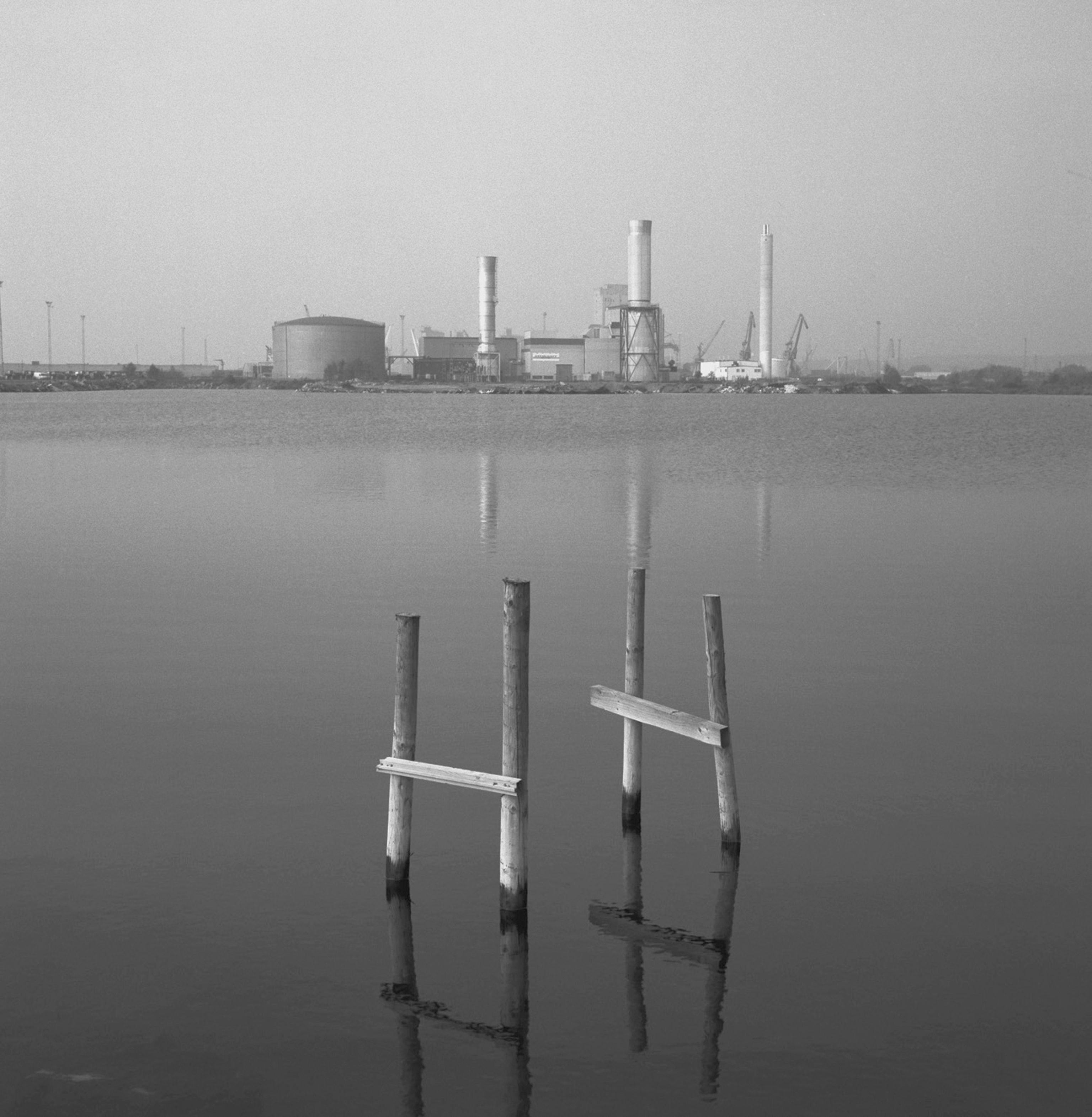
In Sverige (Sweden), Johansson turns his attention to his home country, photographing Swedish towns and landscapes between 1988 and 2005. The series moves between built environments and rural settings, documenting places that might otherwise escape attention. Residential streets, modest buildings and quiet stretches of landscape become subjects in their own right.
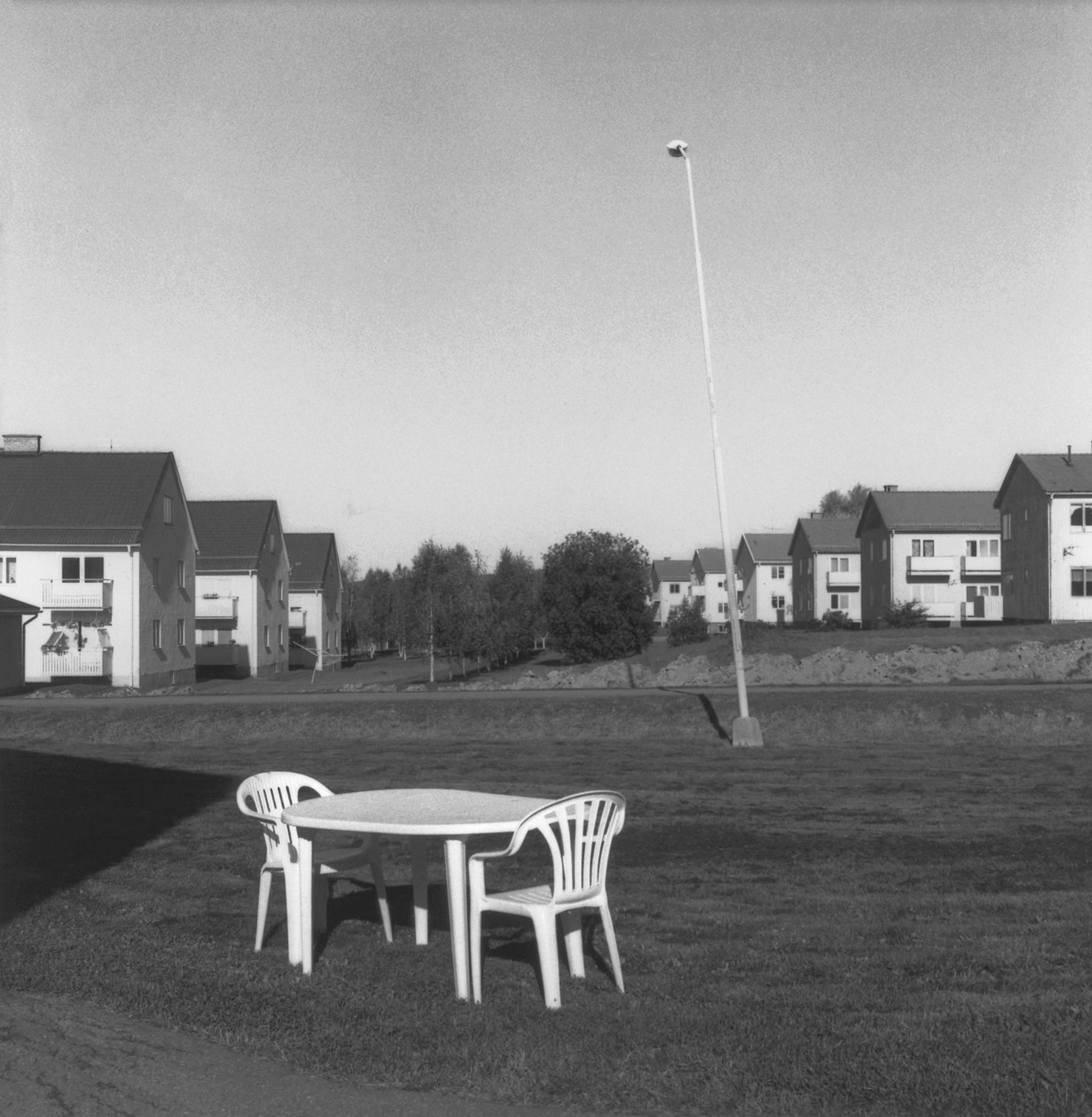

Rather than presenting Sweden through familiar landmarks or picturesque scenery, Johansson offers a more understated view of the country, shaped by the everyday environments in which people live. Published as a photobook in 2005, Sverige brings together photographs made over many years, creating a portrait of a country observed through its smaller details.

The Language of Black and White
Johansson’s restrained approach gives his photographs a particular clarity. Working predominantly with black-and-white film, he pays close attention to structure, light and the relationship between objects within the frame. His background in graphic design is reflected in the precision of his compositions, where buildings, trees, signs and roads often form balanced arrangements. Without colour to direct the viewer’s attention, subtle differences in texture, tone and shape become more apparent. The result is a body of work that feels both direct and carefully considered, allowing the photographs to be read without imposing an obvious narrative.

Places and Their Differences
Geography plays an important role throughout Johansson’s practice. Alongside Sverige, he has photographed places as varied as Germany, the United States, Japan and Mongolia. Although each location has its own visual character, his consistent approach makes it possible to notice the differences between them. The arrangement of buildings, the use of public space and the relationship between architecture and landscape offer clues to the culture of a place. Johansson does not need to explain these differences directly; instead, he presents the photographs and leaves the viewer to make connections between what they see.

The Beauty of Ordinary Places
For Johansson, photography begins with looking closely at the world around him. His images find beauty in places that are neither spectacular nor necessarily designed to attract attention, from an unremarkable street corner to a building showing the passage of time. There is little attempt to dramatise or romanticise these scenes. Instead, Sverige invites a slower kind of observation, in which familiar surroundings become worth looking at again. Through this quiet attention to the everyday, Johansson builds a lasting record of the places people inhabit and the subtle ways in which they differ.