
John Pawson
Tetsuka House
- DesignerJohn Pawson
- Photographer© Edmund Sumner
Thelonious Stokes John Pawson’s language gave me a space to illustrate context to where I see I may feel comfortable resting. Rest is a sport in my life and I want to win.

Tetsuka House: A Minimalist Masterpiece
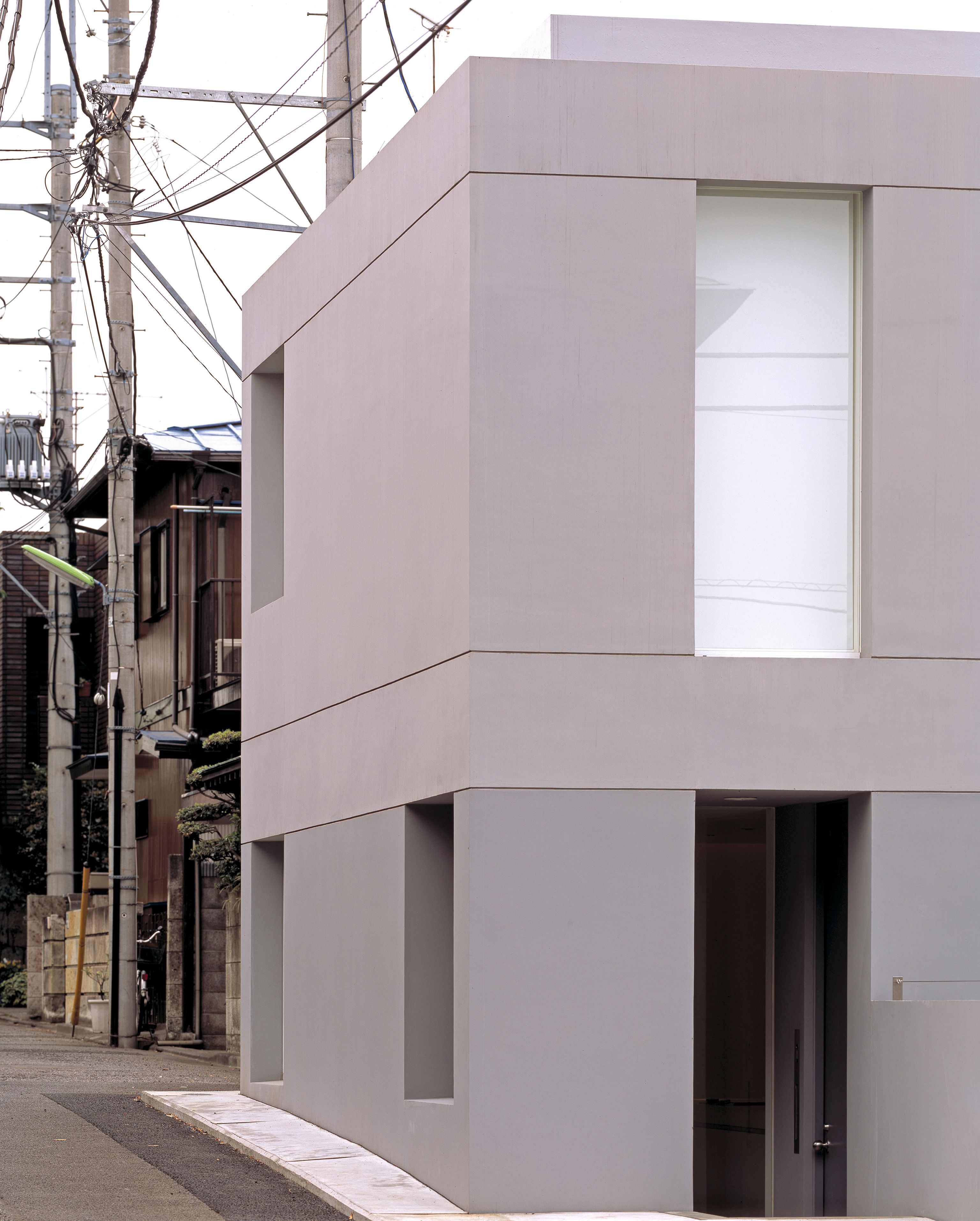
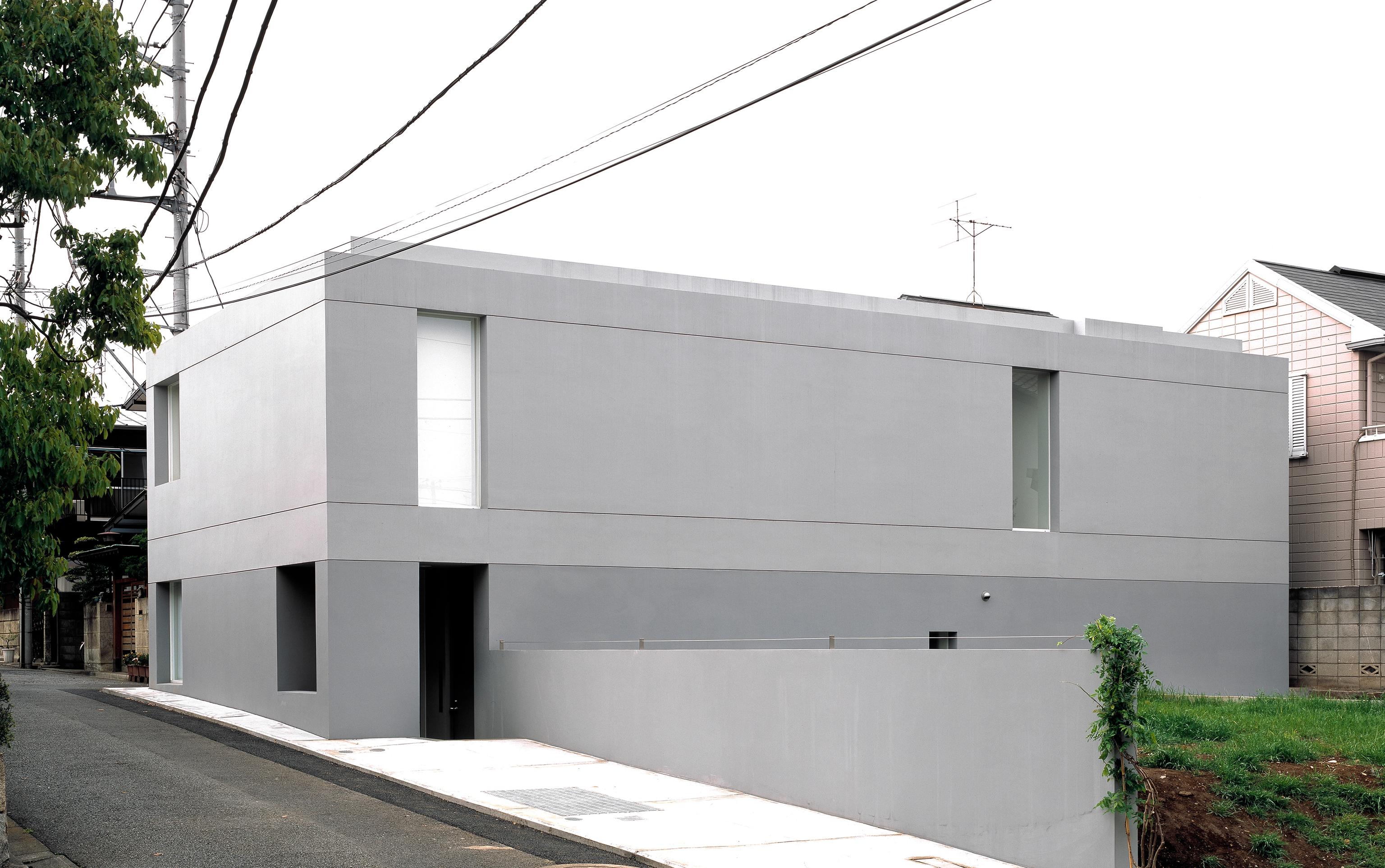
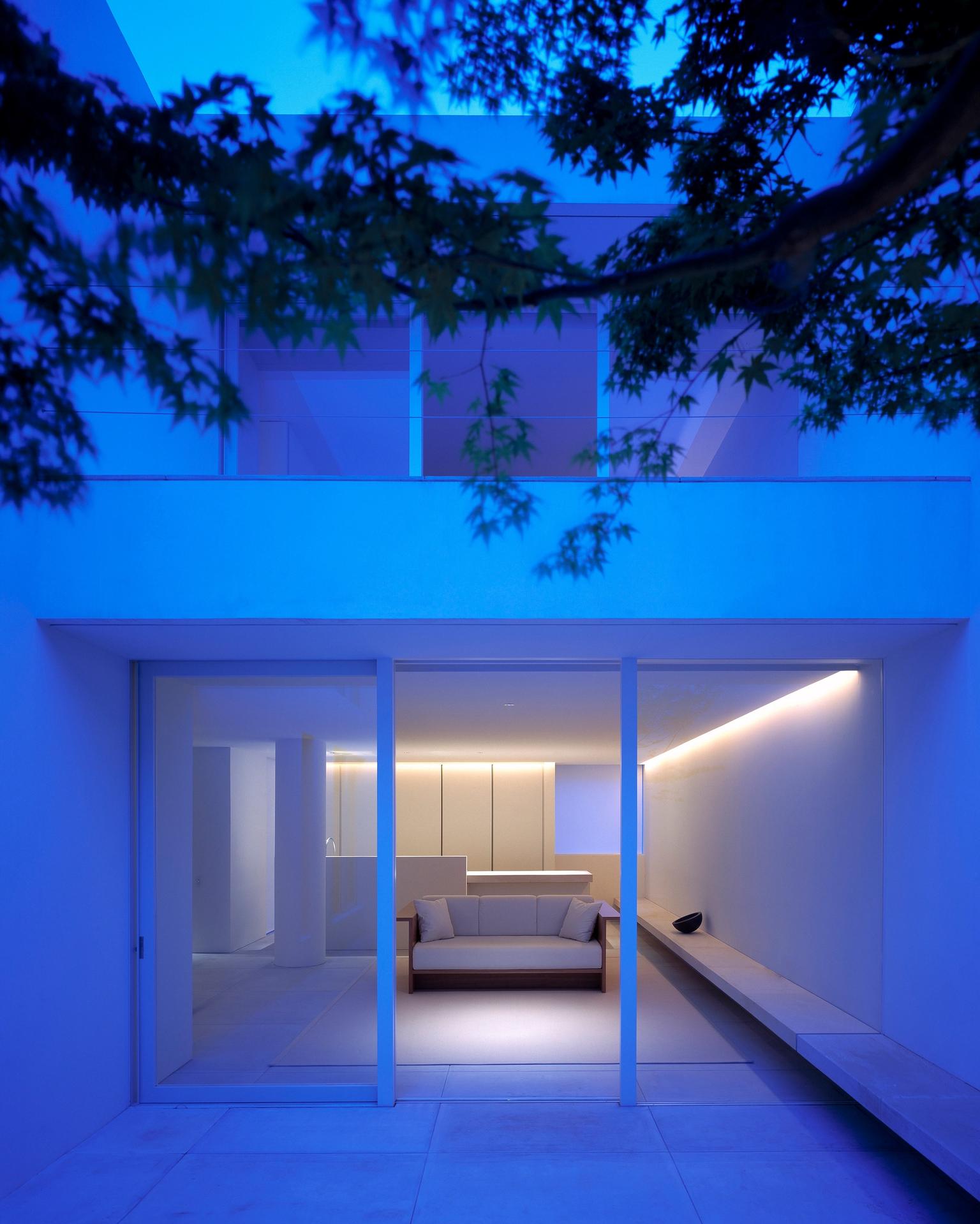
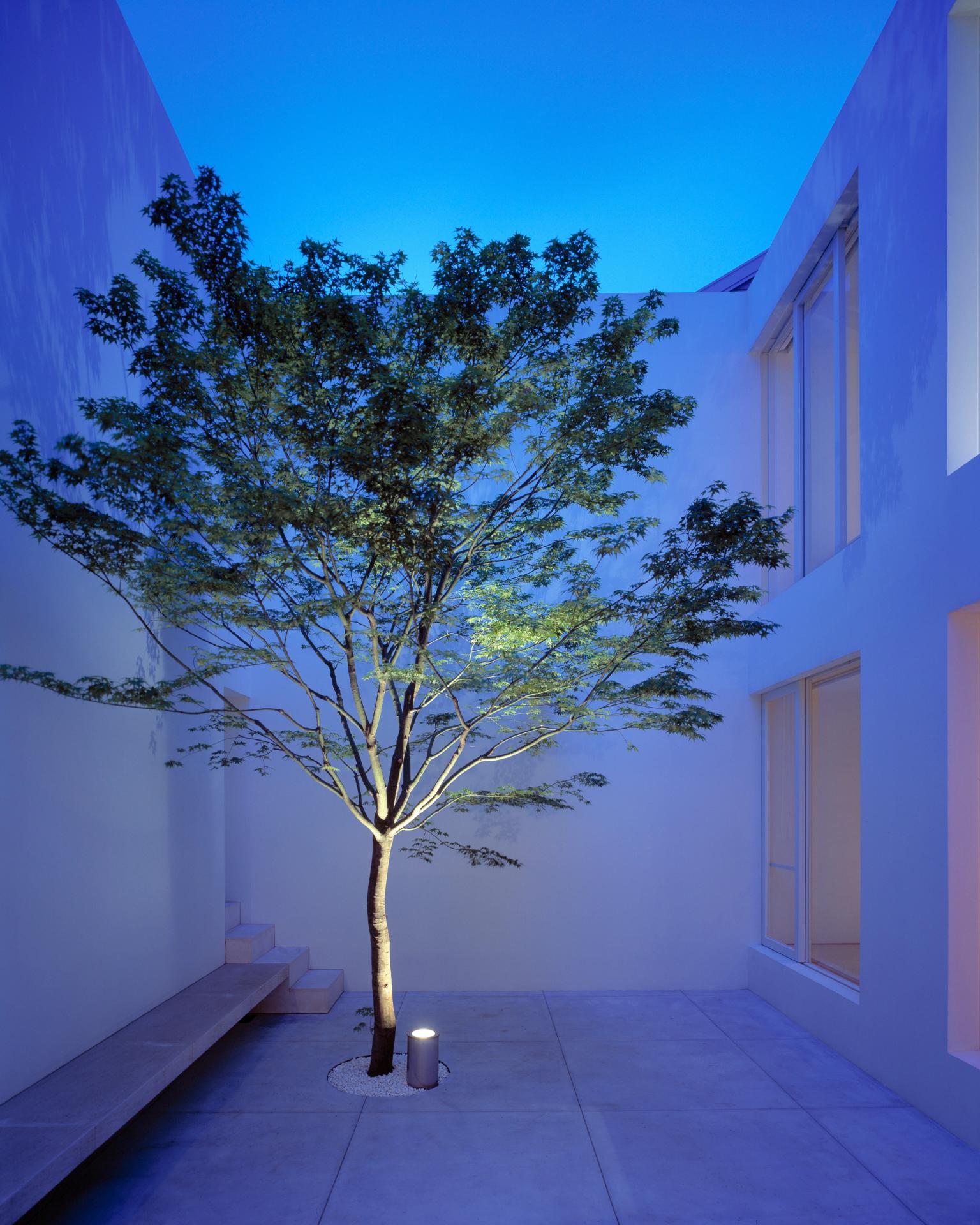
John Pawson’s Tetsuka House (2003–2005) marks his first realized domestic project in Japan, located in the quiet suburbs of Tokyo. The house takes the form of a carefully proportioned rectangular box, containing both living quarters and a room dedicated to the rituals of the traditional Japanese tea ceremony. At the heart of the residence lies a double-height courtyard, open to the sky, which infuses the interior with natural light and a sense of spatial generosity. Pawson’s meticulous attention to materiality and proportion transforms a compact site into a dwelling that feels expansive and contemplative, embodying the essence of his minimalist philosophy.


Architectural Composition and Spatial Flow
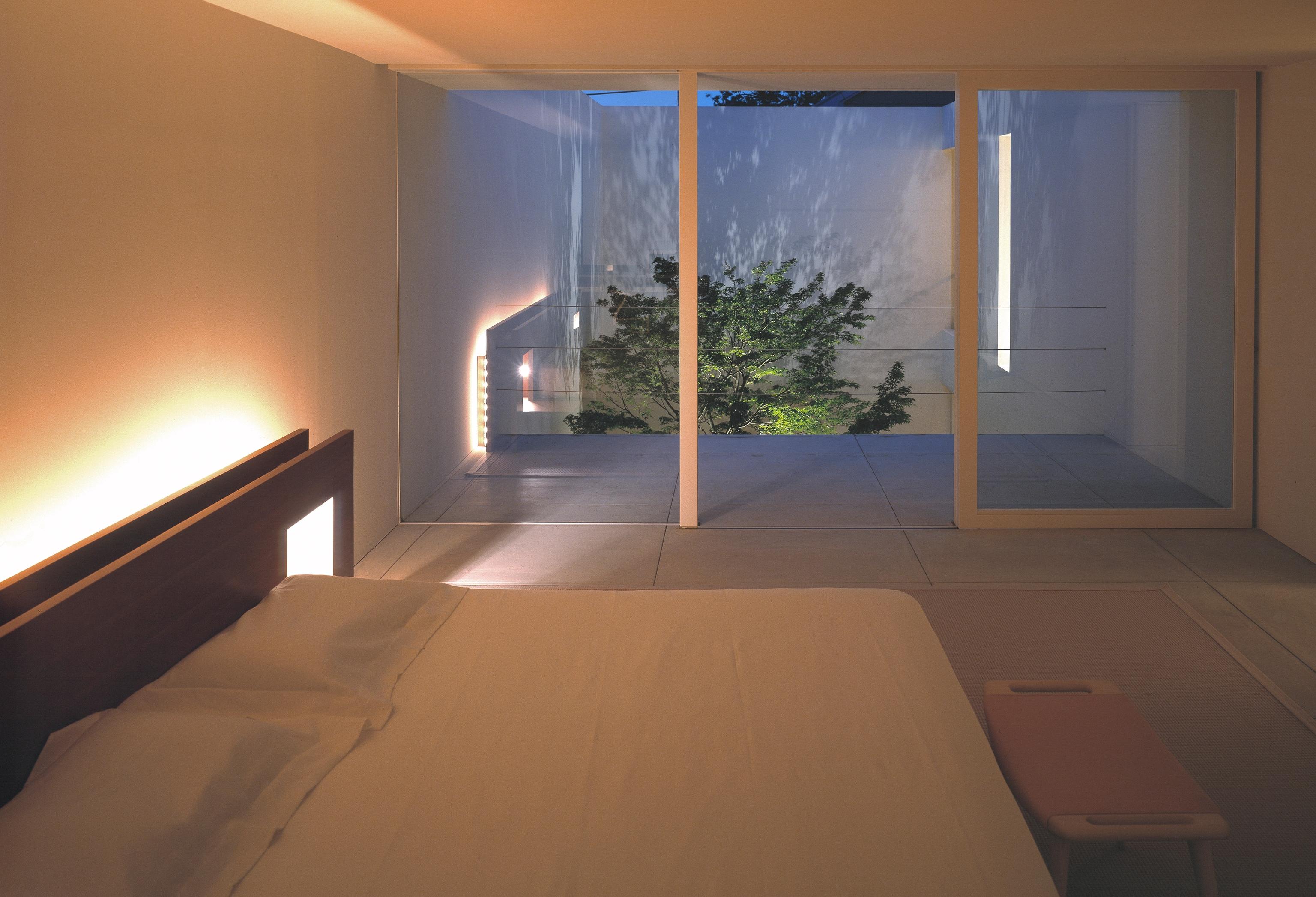
The design’s concrete envelope is subtly tinted, revealing the internal division between floors while emphasizing the purity of the structure’s geometric clarity. Carefully considered apertures punctuate the walls, framing a sequence of views that merge the interior with the external environment. Each opening functions as a lens, capturing glimpses of light, sky, and garden, creating a choreography of sightlines throughout the house. The elongated wall leading to the entrance introduces an element of quiet theatre, guiding residents and visitors through a ritualized experience of arrival, and reinforcing the home’s interplay between form, movement, and anticipation.

Dialogue Between Tradition and Modernity
Tetsuka House reflects Pawson’s engagement with Japanese cultural traditions, particularly the ceremonial tea room, while simultaneously expressing a modern, minimalist aesthetic. By paring away excess ornamentation, Pawson highlights essential elements: light, proportion, texture, and the experience of space itself. The residence is a study in contrasts - intimate yet open, simple yet meticulously curated - where every detail, from floor divisions to apertures, has been carefully considered to enhance the inhabitant’s daily rituals. The house embodies a serene balance between functional living and contemplative practice, echoing a broader dialogue between historical Japanese architecture and contemporary design sensibilities.


Materiality, Minimalism, and Experience
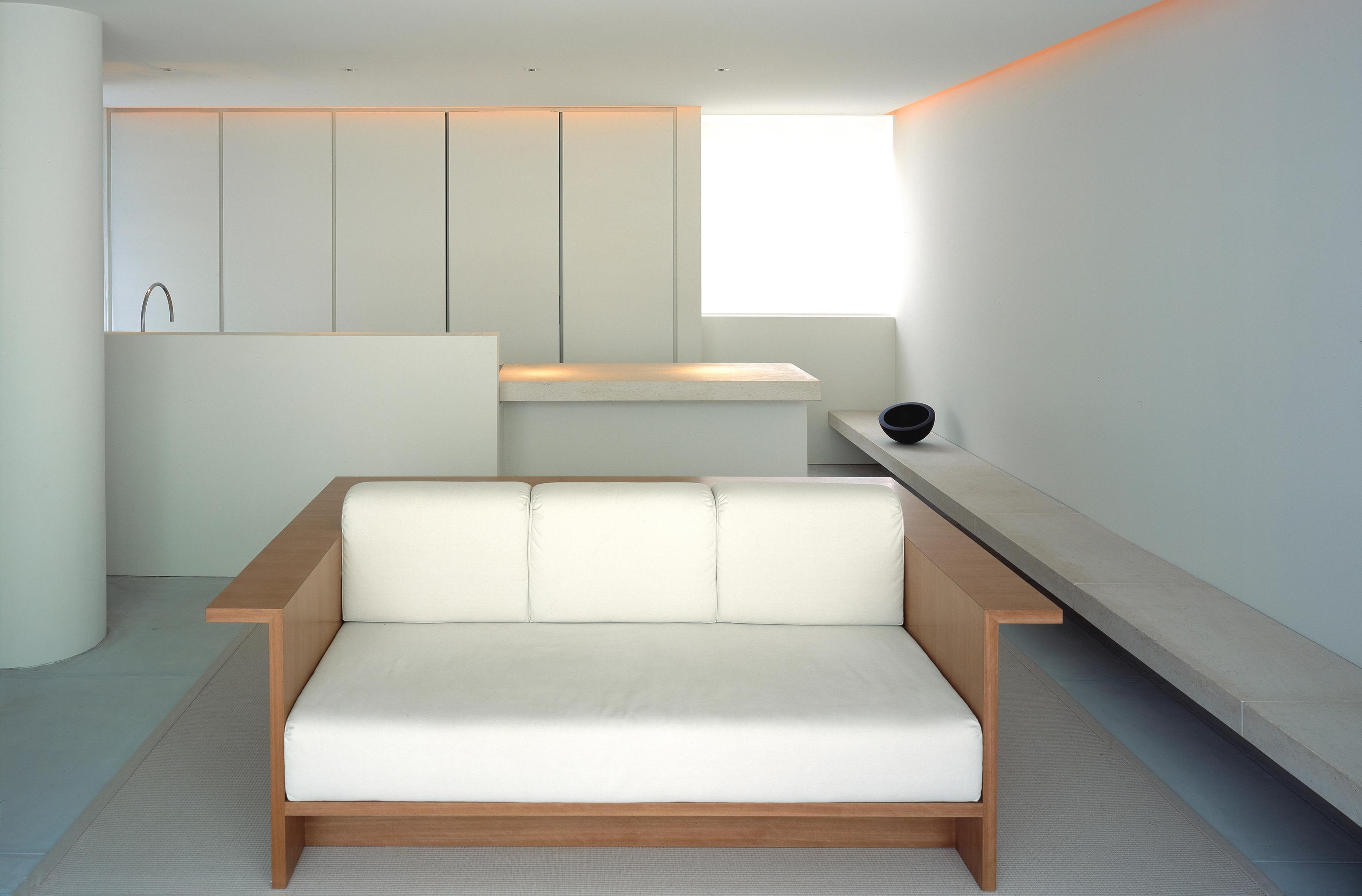
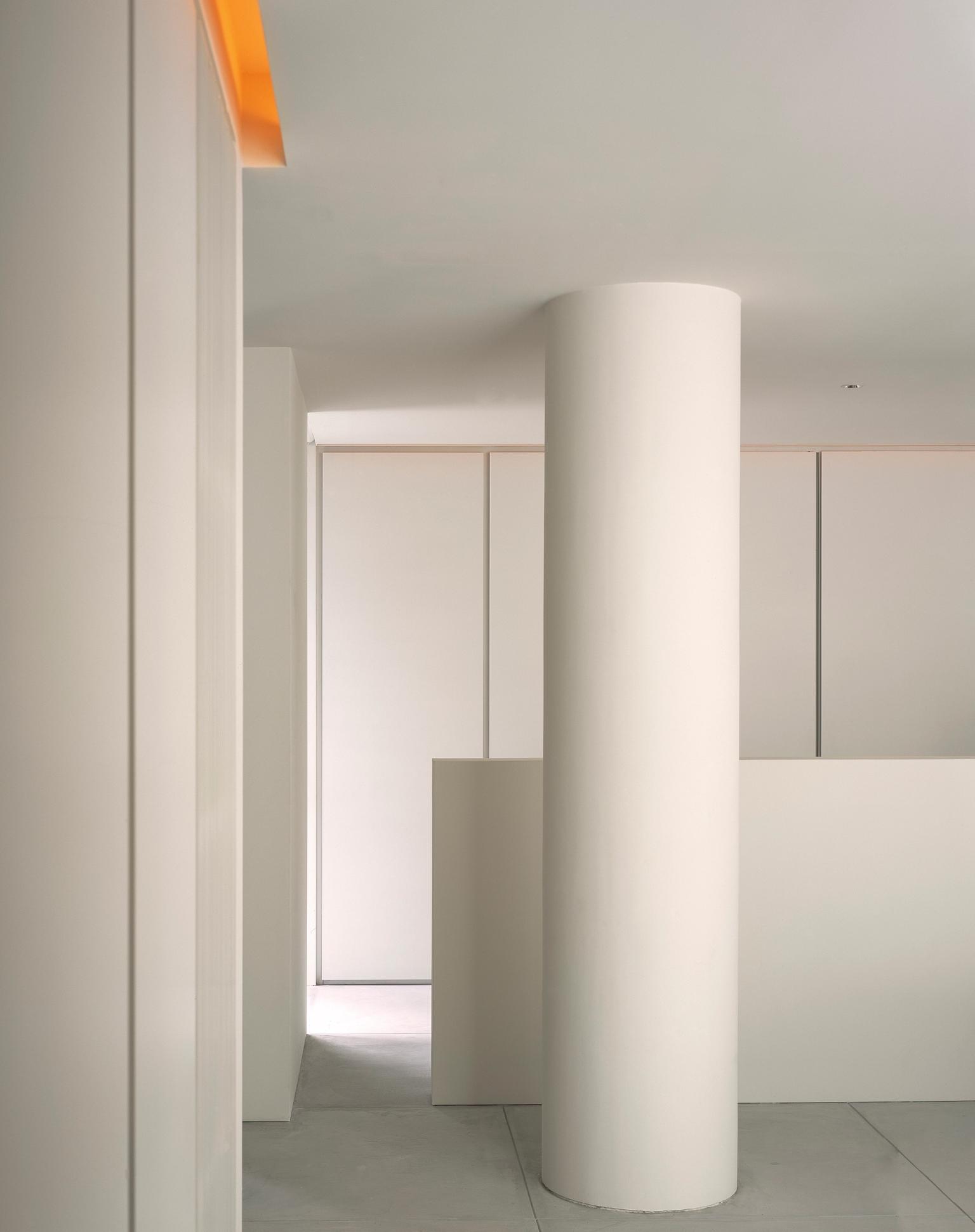
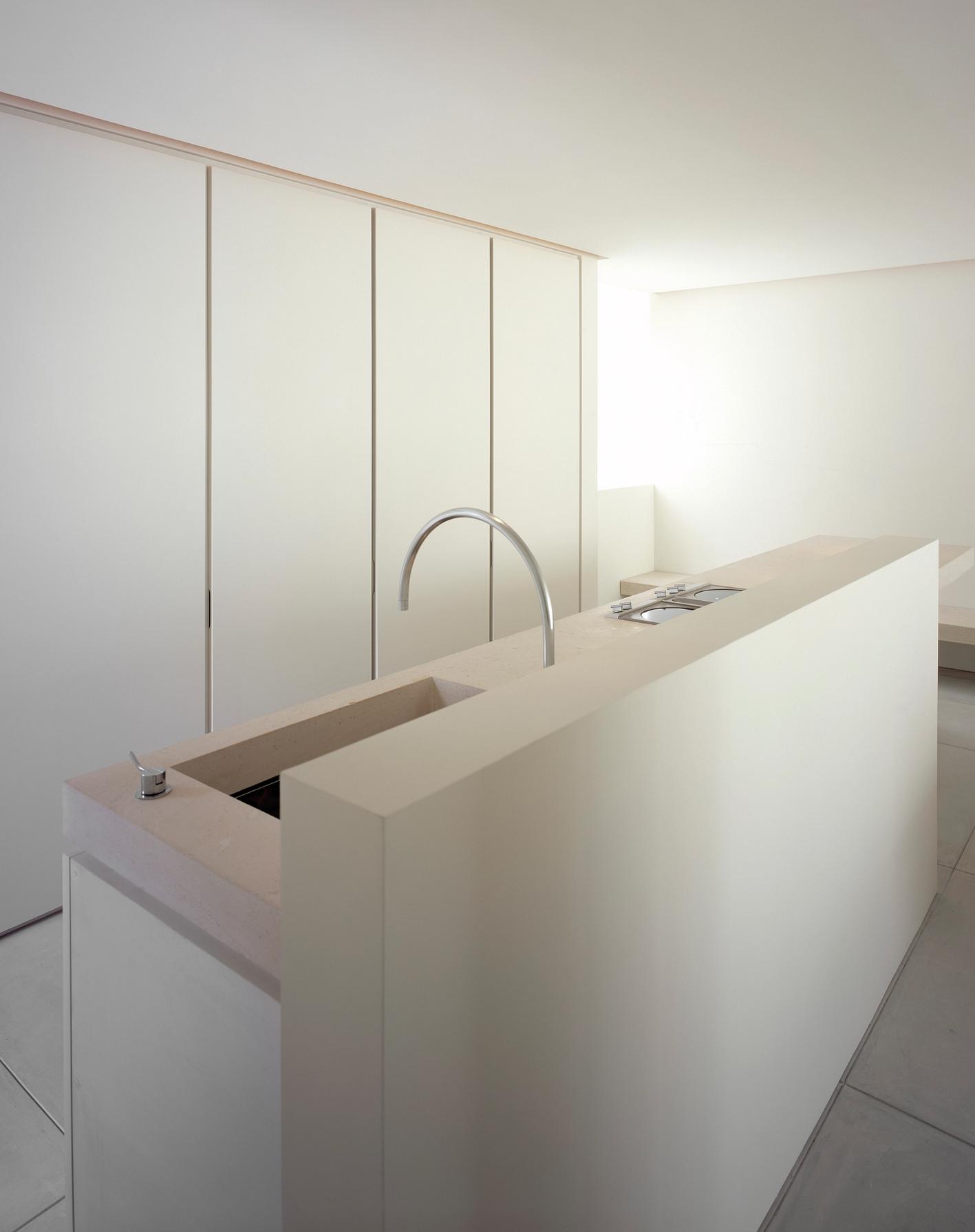
The restrained palette and tactile quality of materials - smooth concrete, natural light, and carefully proportioned voids - contribute to a profound sense of calm and focus. Pawson’s approach transforms minimalism from mere visual style into a holistic experience, where architecture shapes perception and daily life. The Tetsuka House demonstrates that simplicity, far from being limiting, allows for richness in spatial experience, sensory engagement, and emotional resonance. It is an architectural meditation on the quiet power of reduction, a space where geometry, light, and texture converge to define the rhythm of domestic life.