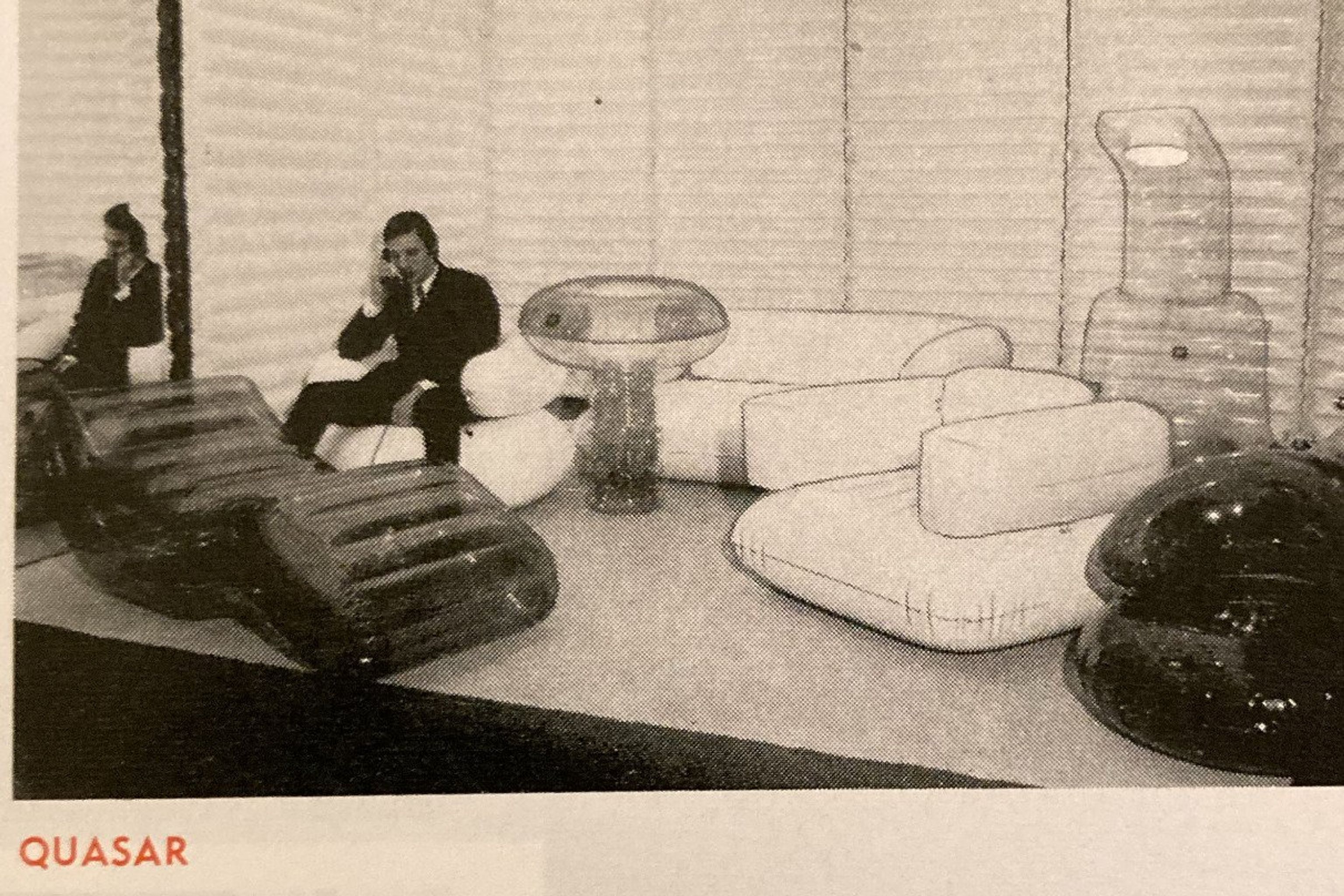

Quasar Khanh
The Aerospace Interior
- DesignerQuasar Khanh and Emmanuelle Khanh
- GalleryGalerie Meubles et Lumières
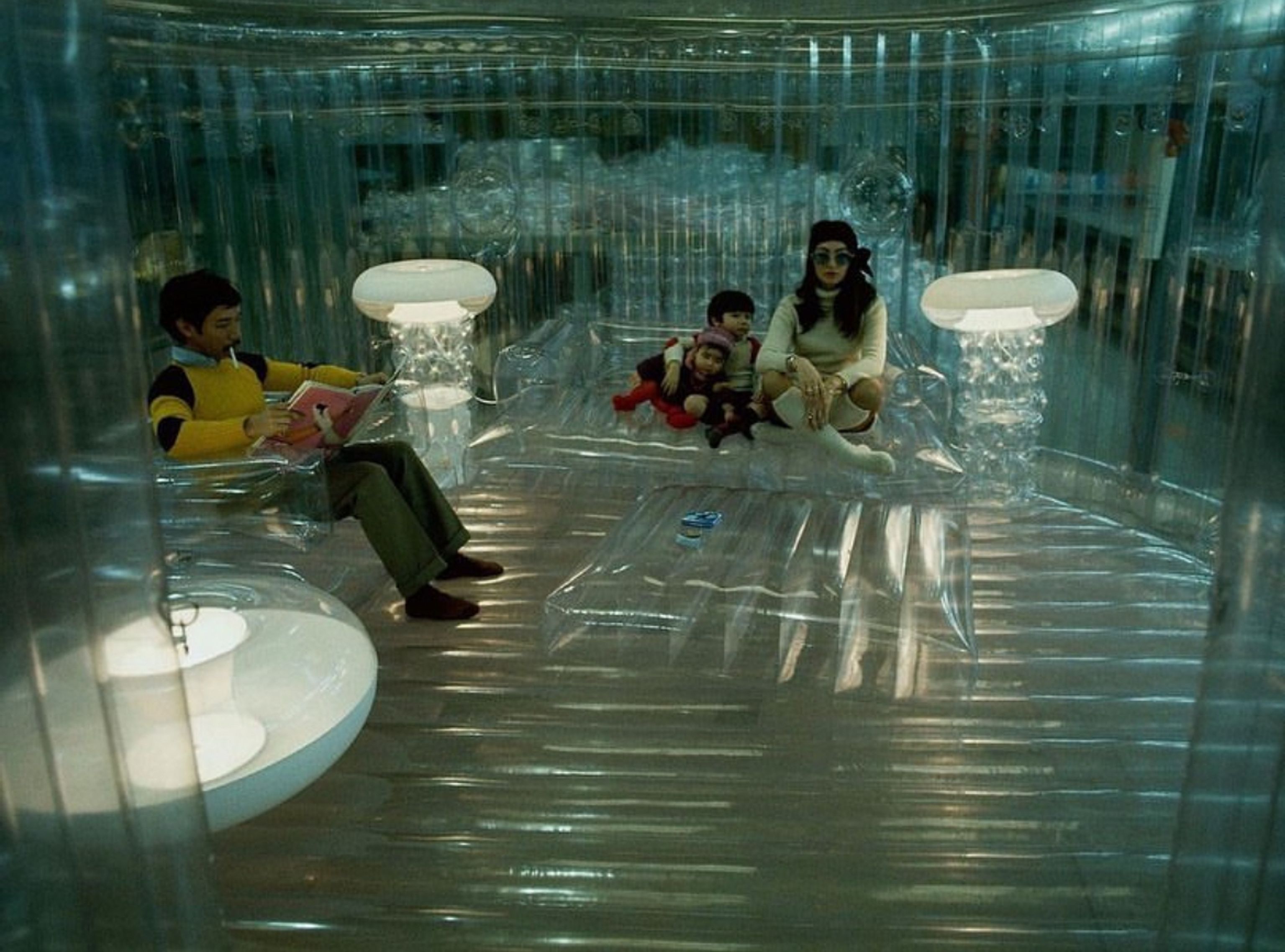
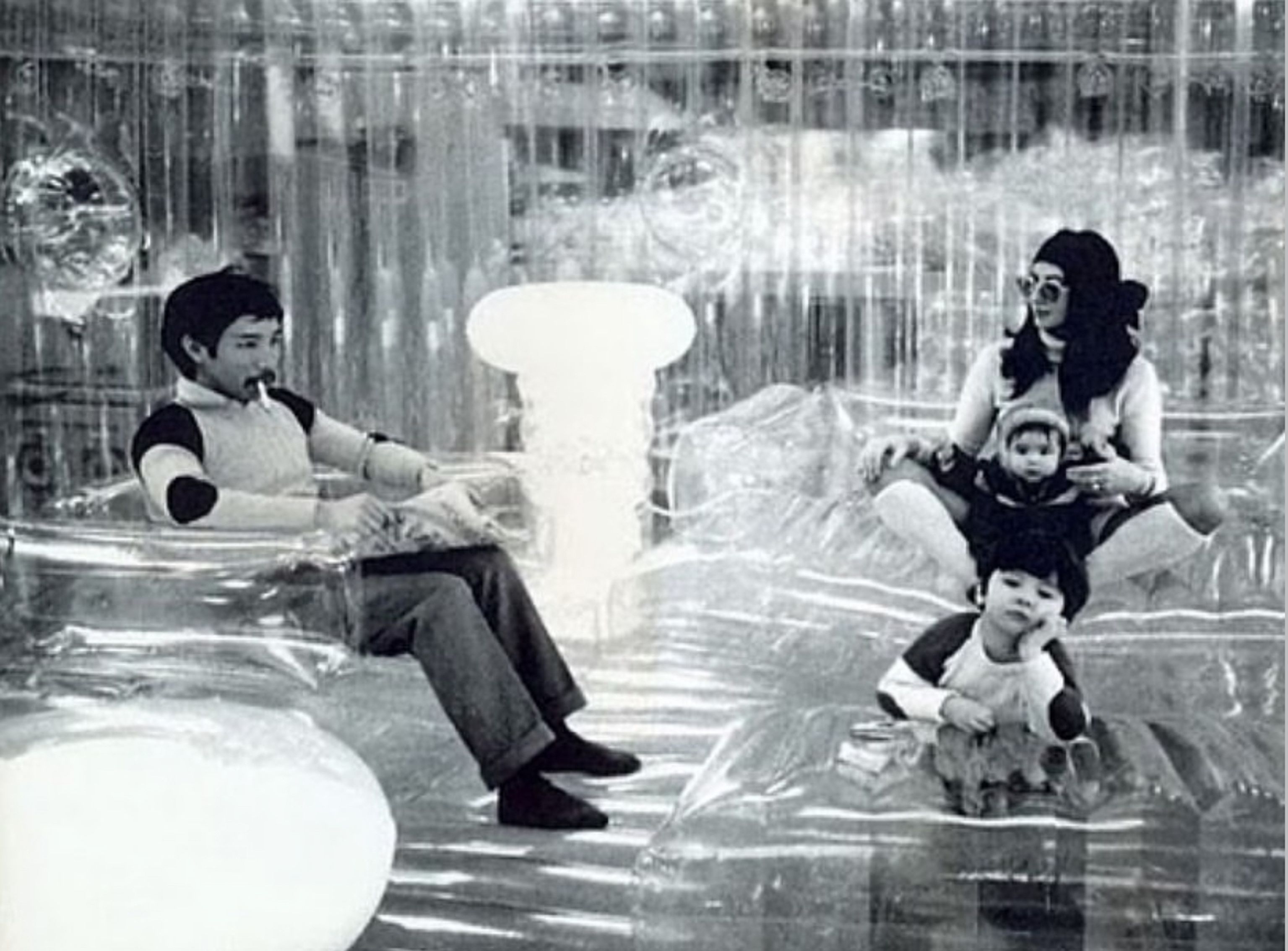
Eleni Petaloti This interior captures the radical experimentation of the 1970s at its most visionary. Inflatable furniture, reflective materials, and sensual forms create an environment that feels both futuristic and deeply liberated. I’m interested in how the space rejects permanence and traditional domesticity in favor of fluidity and fantasy. It represents a moment when interiors became speculative, playful, and emotionally expressive in entirely new ways.

A Visionary Designer
Quasar Khanh, born Nguyen Manh Khanh in 1934 in Hanoi, is a rare figure who moves between engineering, design, and pure experimentation without ever fully belonging to one category. After moving to Paris at a young age, he trained as an engineer at the École Nationale des Ponts et Chaussées, while simultaneously developing a visual and conceptual language shaped by both technical systems and artistic imagination. In the late 1950s, he adopted the name Quasar, inspired by a cosmic object brighter than stars, a symbolic gesture that reflects his ambition to design beyond the limits of conventional material thinking. His early career in large-scale infrastructure projects, especially dam engineering, became the unexpected foundation for his later obsession with pressure, structure, and inflatable systems. He worked on major hydraulic projects in France and Canada, where questions of force, materials, and compression directly informed his later design thinking.
From Engineering to Inflatable Living
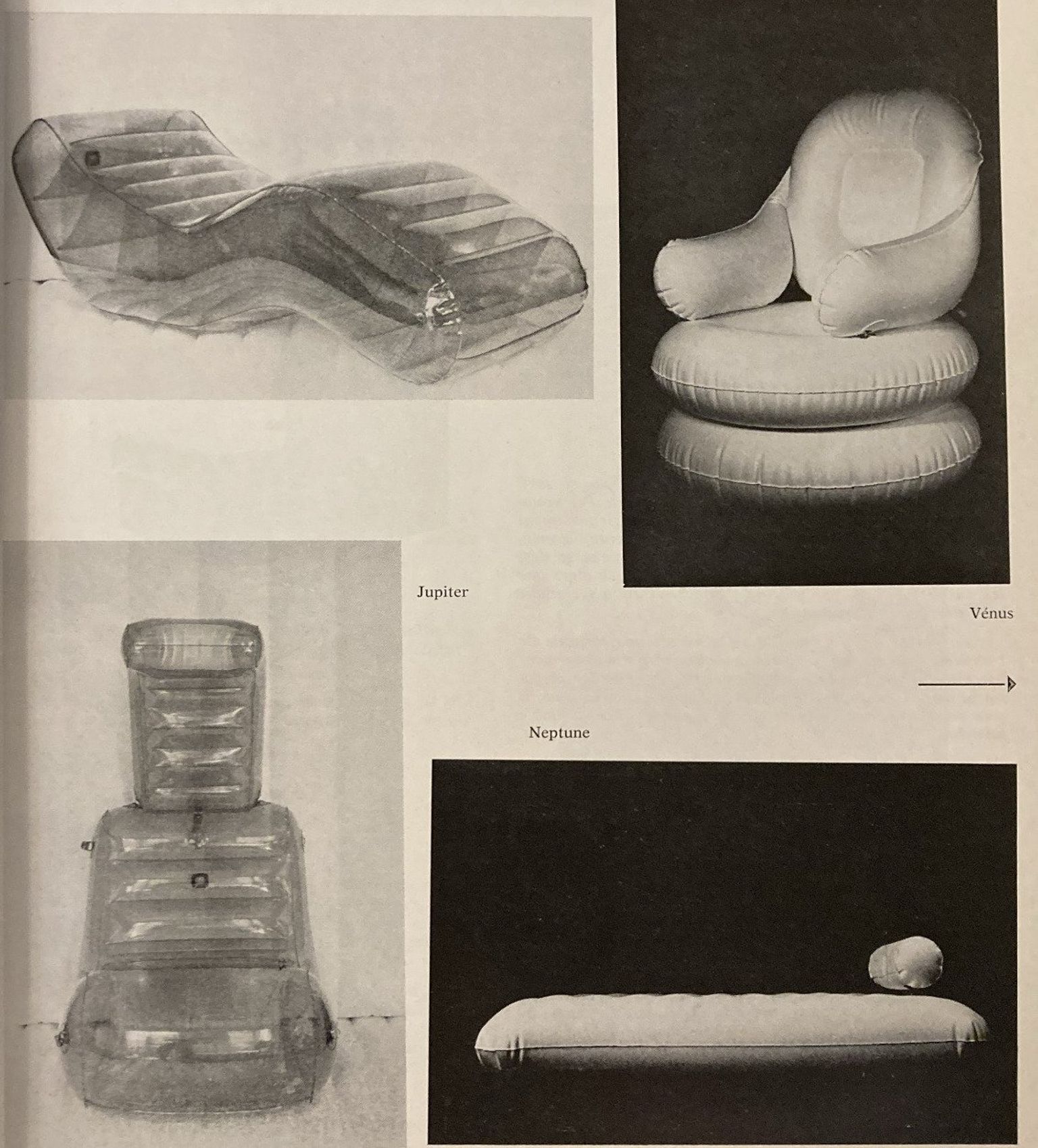
Khanh’s breakthrough came when he began working with compressed air as a structural principle. What started as technical research within hydraulic engineering gradually turned into a radical design language built around transparency, lightness, and impermanence. This shift led to his iconic “Aerospace” collection in the late 1960s, a series of inflatable furniture pieces made in translucent PVC. These objects were not just functional products but experiments in how interiors could behave more like atmospheres than fixed compositions. Chairs, sofas, and modular forms could be inflated, deflated, moved, and reconfigured, challenging the idea of permanence in domestic space and proposing a more fluid relationship between body, object, and environment. The collection was widely shown in the period and is today part of major museum collections, including institutions such as the Centre Pompidou and MoMA.

A Domestic Space Without Permanence
The interior created with Emmanuelle Khanh in the 1970s extends this logic into a full spatial experience. Rather than a fixed room, it operates as a temporary environment where furniture and architecture merge into one continuous surface. Inflatable seating, reflective materials, and soft, rounded forms dissolve traditional boundaries between structure and object. Emmanuelle, herself a key figure in French fashion, known for shaping the rise of ready-to-wear, was also Khanh’s wife and long-term creative partner, and their shared domestic life directly influenced this environment. Together, they created a space that feels less like a room and more like a scenario: something that can shift, expand, and disappear again. Domesticity here is no longer stable; it becomes something performative and open-ended.

Space Age Thinking and Cultural Context
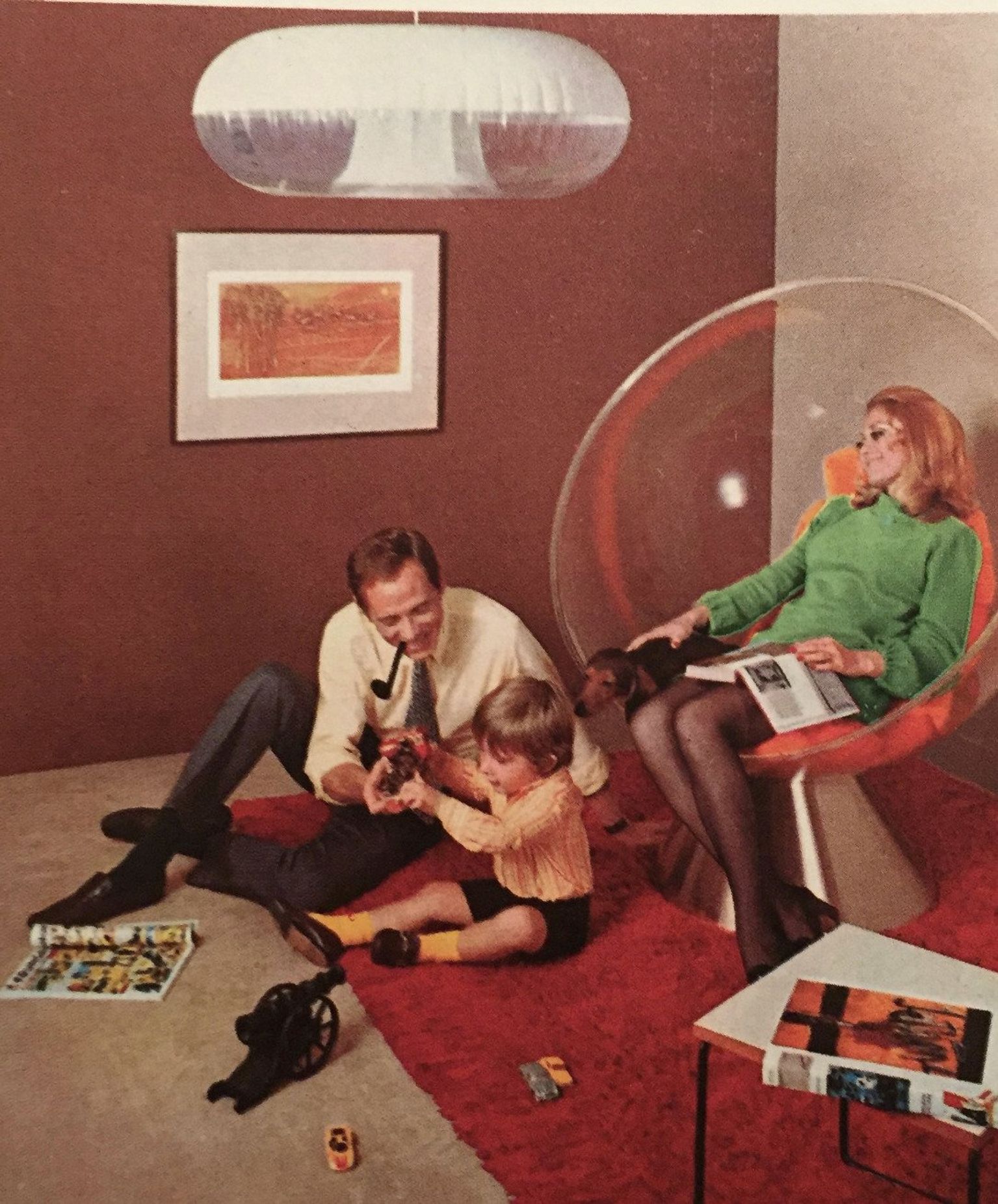
The project emerges from a wider cultural moment defined by space exploration, technological optimism, and material experimentation. The 1960s and 70s were marked by a belief that design could actively reshape everyday life, and Khanh’s work sits directly within that mindset. His inflatable objects were exhibited internationally, including at institutions such as the Centre Pompidou in Paris and MoMA in New York, positioning them as both design objects and conceptual propositions. At the same time, his practice extended beyond furniture into prototypes for vehicles, such as the Quasar Unipower car, and architectural systems, reinforcing his position as a designer constantly testing the limits between fantasy and engineering reality.
The Couple as a Creative System
Emmanuelle and Quasar’s collaboration is central to understanding this interior. They married in 1957 and became part of the wider creative scene in Paris, where fashion, design, and engineering often overlapped. Emmanuelle’s work in fashion, particularly her role in redefining silhouettes and materials in French ready-to-wear, echoed Quasar’s interest in flexibility and transformation. Their shared environments, including inflatable structures used for presentations and domestic life, became extensions of this experimental approach. Rather than treating interior design as static decoration, they approached it as a living system shaped by movement, social interaction, and technological curiosity.

A Legacy of Lightness
Today, this body of work stands as a key moment in 20th-century experimental design. Quasar Khanh’s inflatable interiors represent a shift away from permanence toward adaptability, where objects are no longer fixed but responsive. The “Aerospace” logic continues to influence contemporary discussions around modular design, nomadic living, and speculative interiors. Seen through this lens, the Emmanuelle and Quasar Khanh interior is not only a historical artifact but a proposal: a reminder that domestic space can be reimagined as something soft, temporary, and open to constant reinvention.