Jean Paul Gaultier
The Cook, the Thief, His Wife & Her Lover
- DirectorPeter Greenaway
- Costume DesignerJean Paul Gaultier
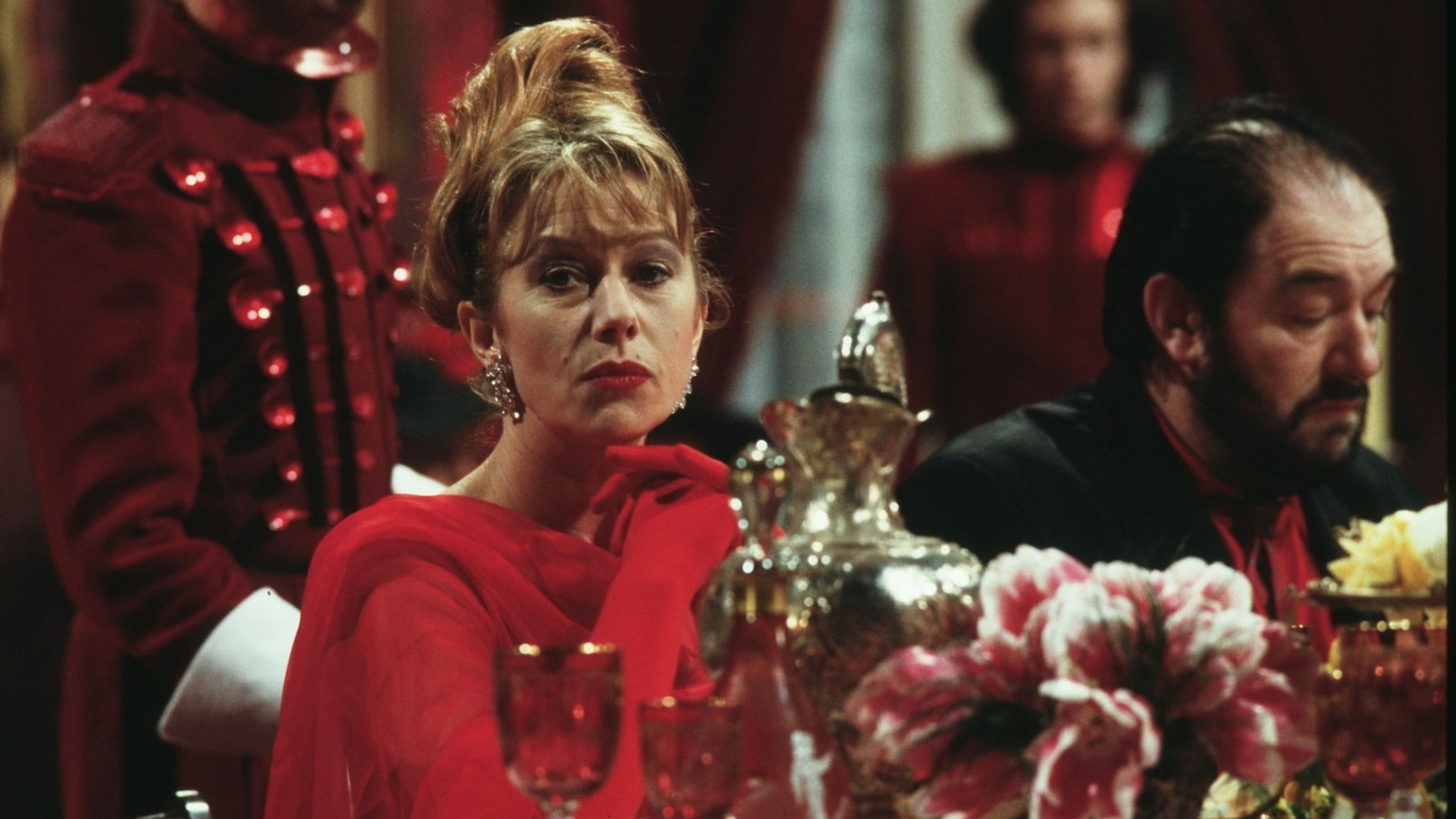
KRISSIE TORGERSON A fashion school classic, I can’t tell you what this movie is about but I can describe the clothing in it. The costumes were all done by Gaultier, which is so obvious for those who know.


When Fashion Became Theatre
In 1989, The Cook, the Thief, His Wife & Her Lover arrived like a visual shock. Directed by Peter Greenaway, the film was built on excess, cruelty, appetite, and power, but much of its unforgettable atmosphere came from the costumes created by Jean Paul Gaultier. His work did not simply dress the actors, it became part of the architecture of the film itself.
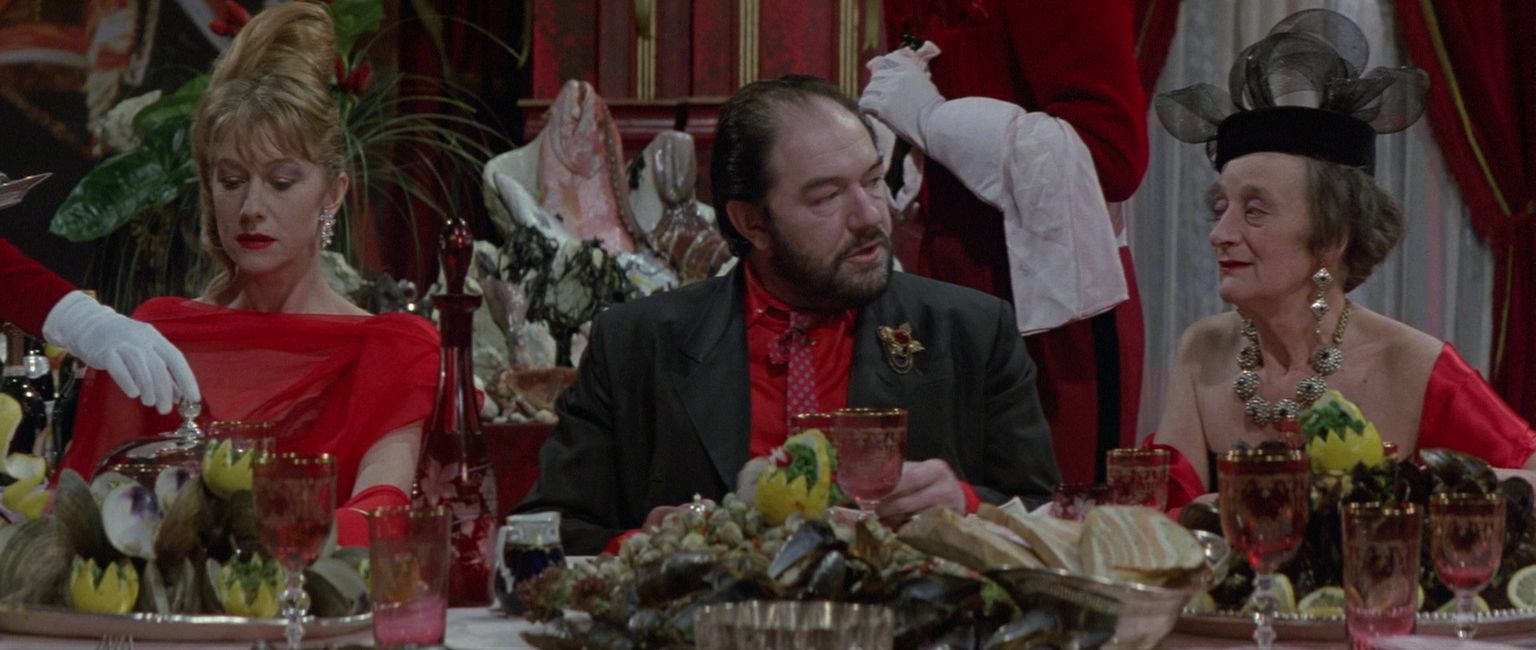
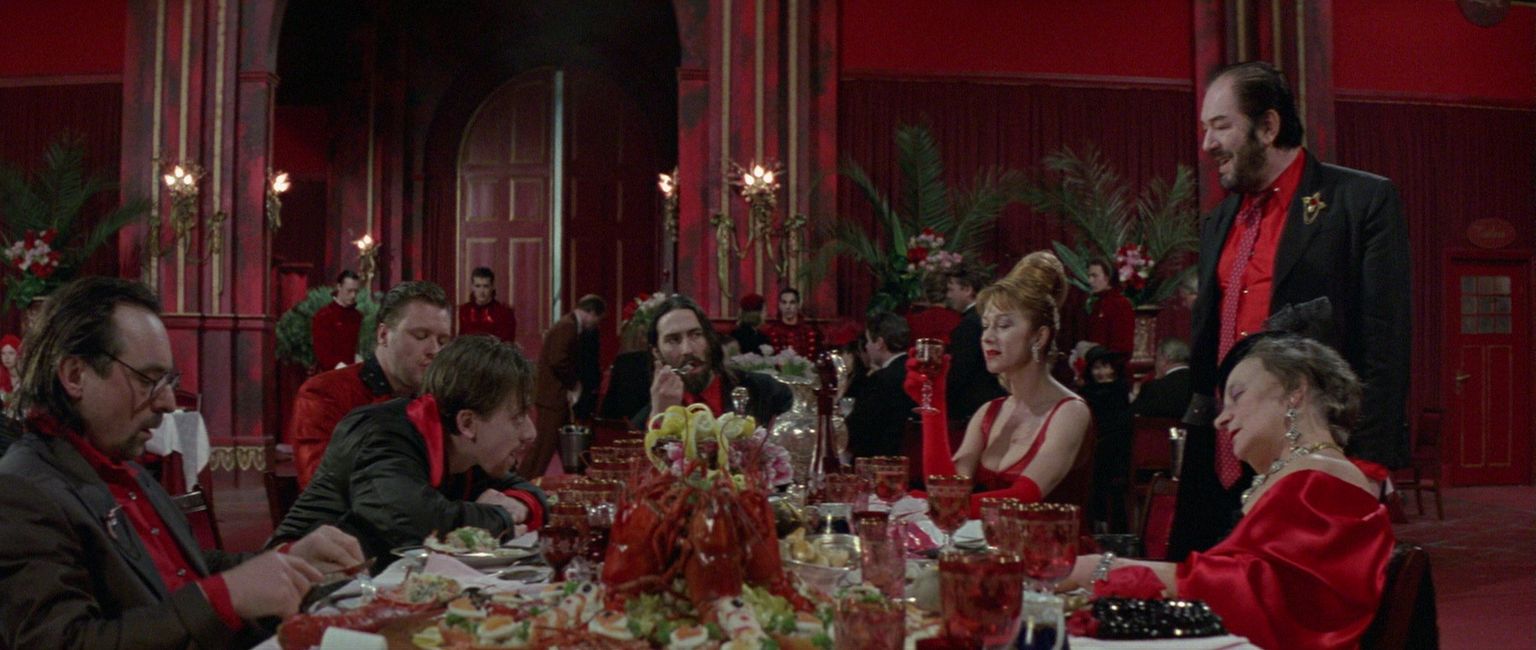
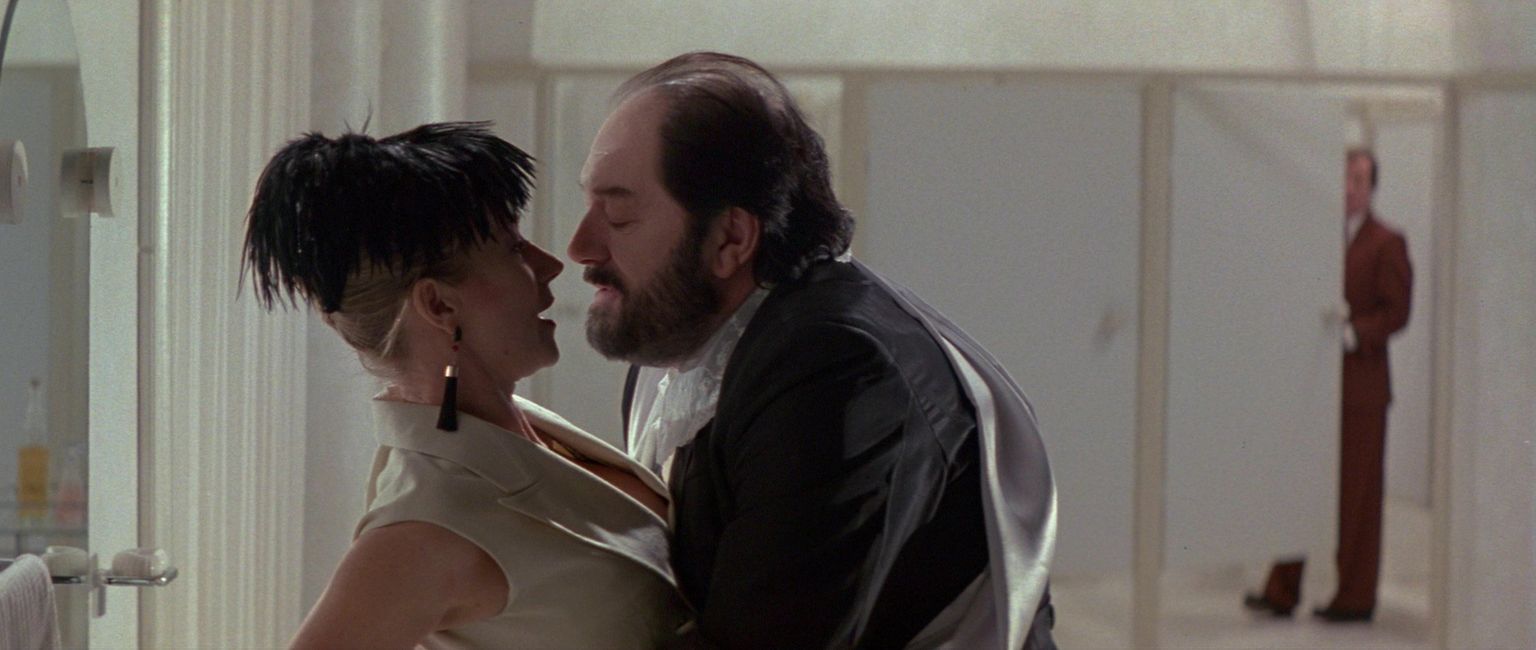
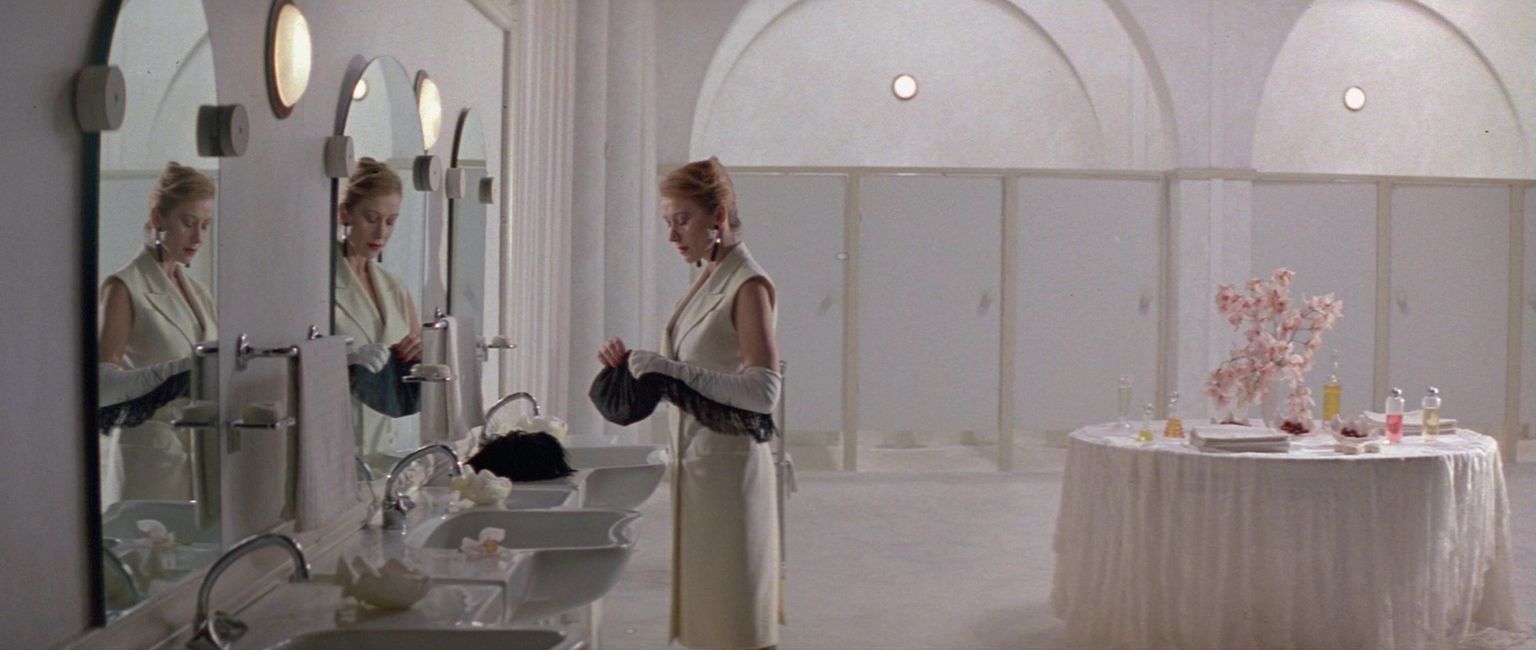
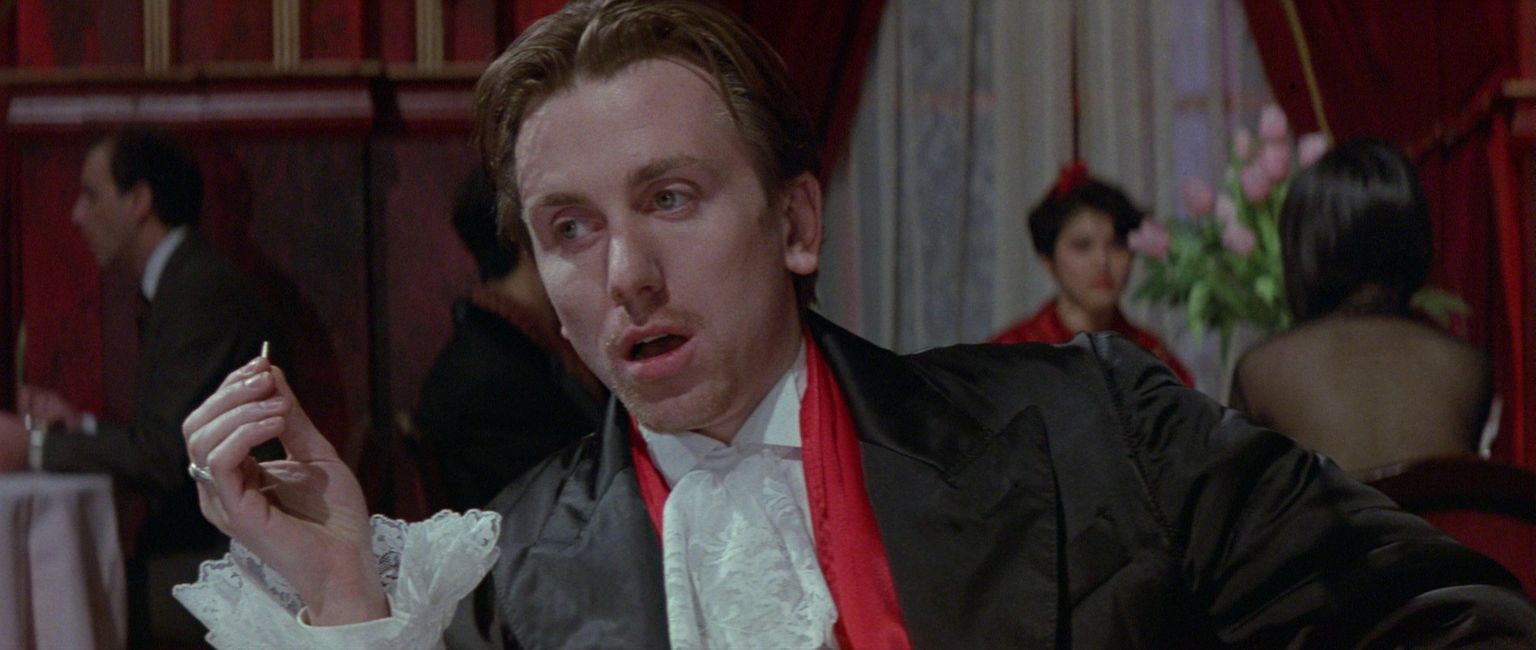
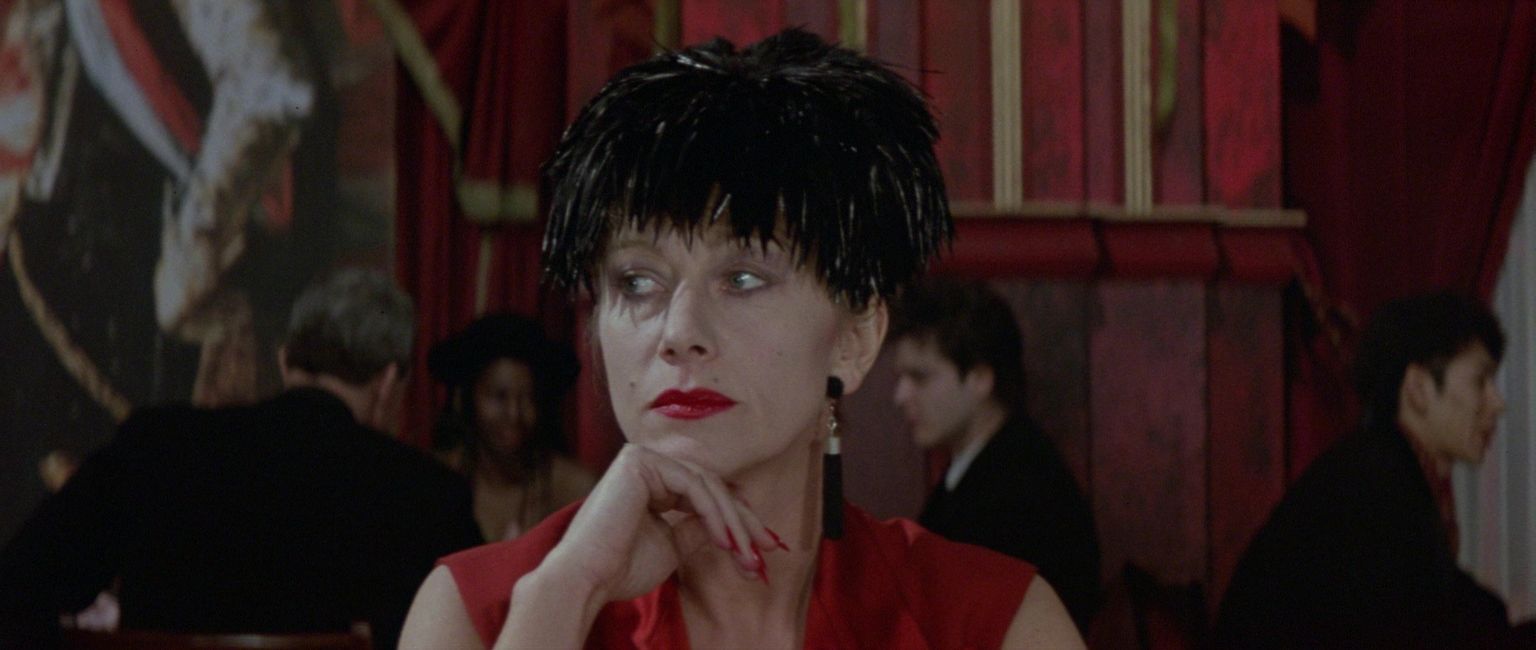
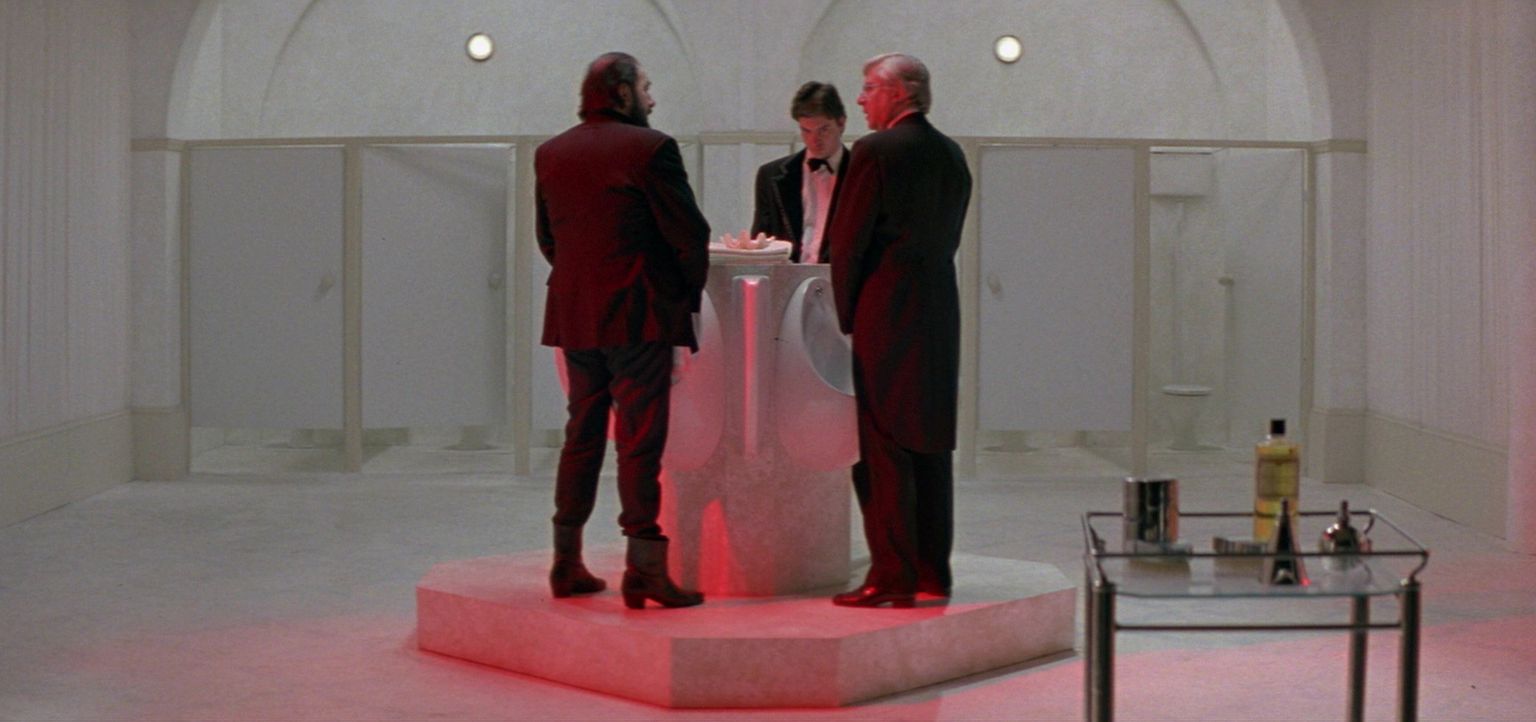
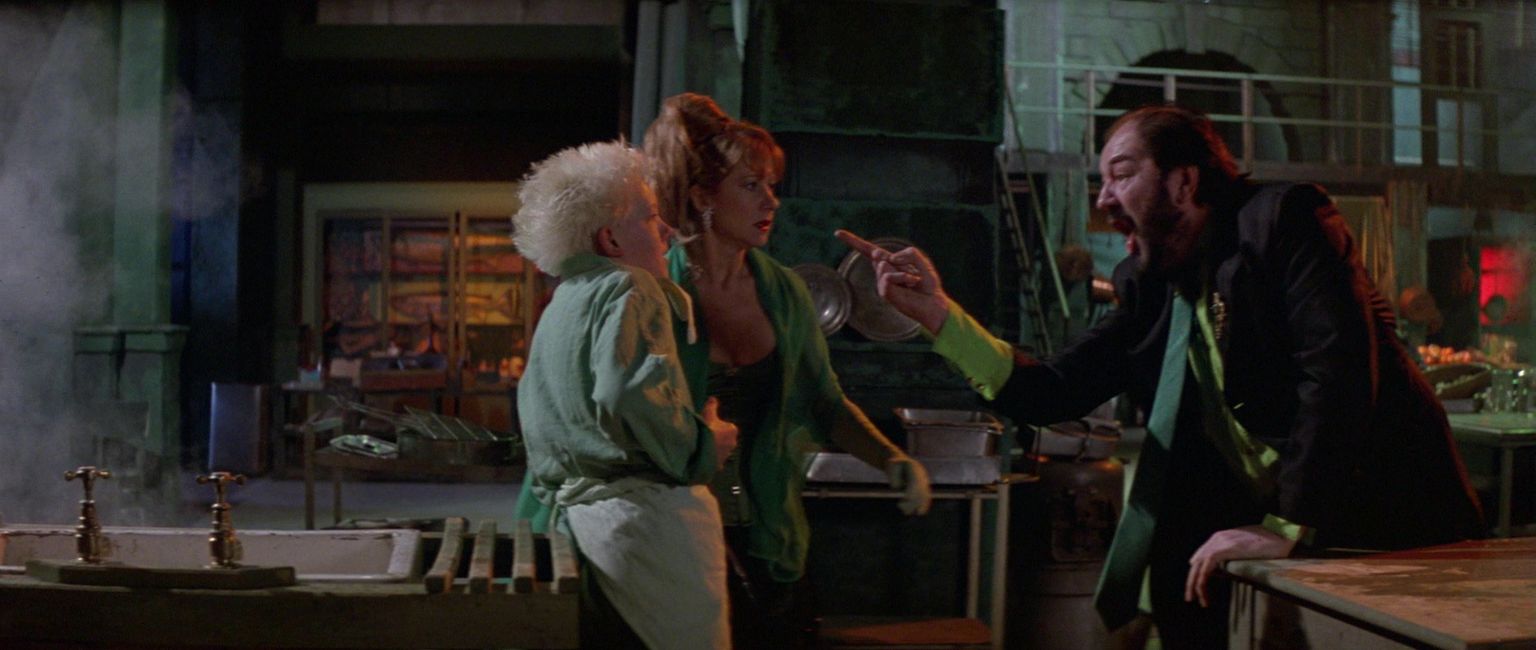
Set almost entirely inside the grand restaurant Le Hollandais, the story follows the brutal gangster Albert Spica, his elegant and trapped wife Georgina, her secret lover Michael, and the cook who silently witnesses everything. Greenaway wanted the film to feel like a living painting, and Gaultier understood exactly how clothing could serve that vision. He designed costumes that shifted in color as characters moved through different spaces. Outside the restaurant the palette turned blue, in the kitchen it became green, the dining room burned in deep red, the bathrooms were white, and the book depository glowed in warm orange brown tones. Costume and set moved together like choreography.






Dressing Decadence
Gaultier’s fashion language was perfect for Greenaway’s world. By the late 1980s he was already known as the enfant terrible of Paris fashion, mixing corsetry, military references, fetish details, and historical silhouettes with punk irreverence. In this film, he pushed that instinct into something almost operatic.
Helen Mirren’s Georgina is the emotional center of the story, and her wardrobe reflects both glamour and imprisonment. She appears in richly structured gowns, dramatic tailoring, feathered hats, and severe elegance, looking both powerful and trapped at once. Michael Gambon’s Albert is vulgar and monstrous, but even his costumes carry theatrical authority, turning greed into a kind of grotesque luxury. Greenaway described the film as having a medieval feeling, with rotten flesh hidden beneath elaborate clothing, and Gaultier translated that idea into fabric, shape, and silhouette. Victoriana, militarism, Japonisme, and futurism all existed together, creating a world that felt outside time.
A Legacy Beyond the Screen
The costumes of The Cook, the Thief, His Wife & Her Lover remain among the most striking examples of fashion entering cinema not as decoration, but as narrative force. Gaultier was not designing realism. He was designing appetite, corruption, lust, and revenge.
More than three decades later, the film is still referenced for its blood red dining room, its surreal uniforms, and Georgina’s unforgettable presence moving through spaces that changed color like emotion made visible. It also marked one of Gaultier’s most important early film collaborations before later projects such as The Fifth Element made his cinematic style famous to wider audiences.
In Greenaway’s film, costume design was not background. It was language. Jean Paul Gaultier turned clothing into symbolism, and in doing so helped create one of the most visually fearless films of modern cinema.