Lucien Castaing-Taylor and Véréna Paravel
The Fabric of the Human Body
- DirectorLucien Castaing-Taylor and Véréna Paravel
Luis Rojo Formal and conceptual exploration: what are the limits of cinema – technical, ethical, formal? Fascinating. Revelatory. Inspiring. A modern classic – the final scene is Plato’s Cave.

The The Body as Frontier
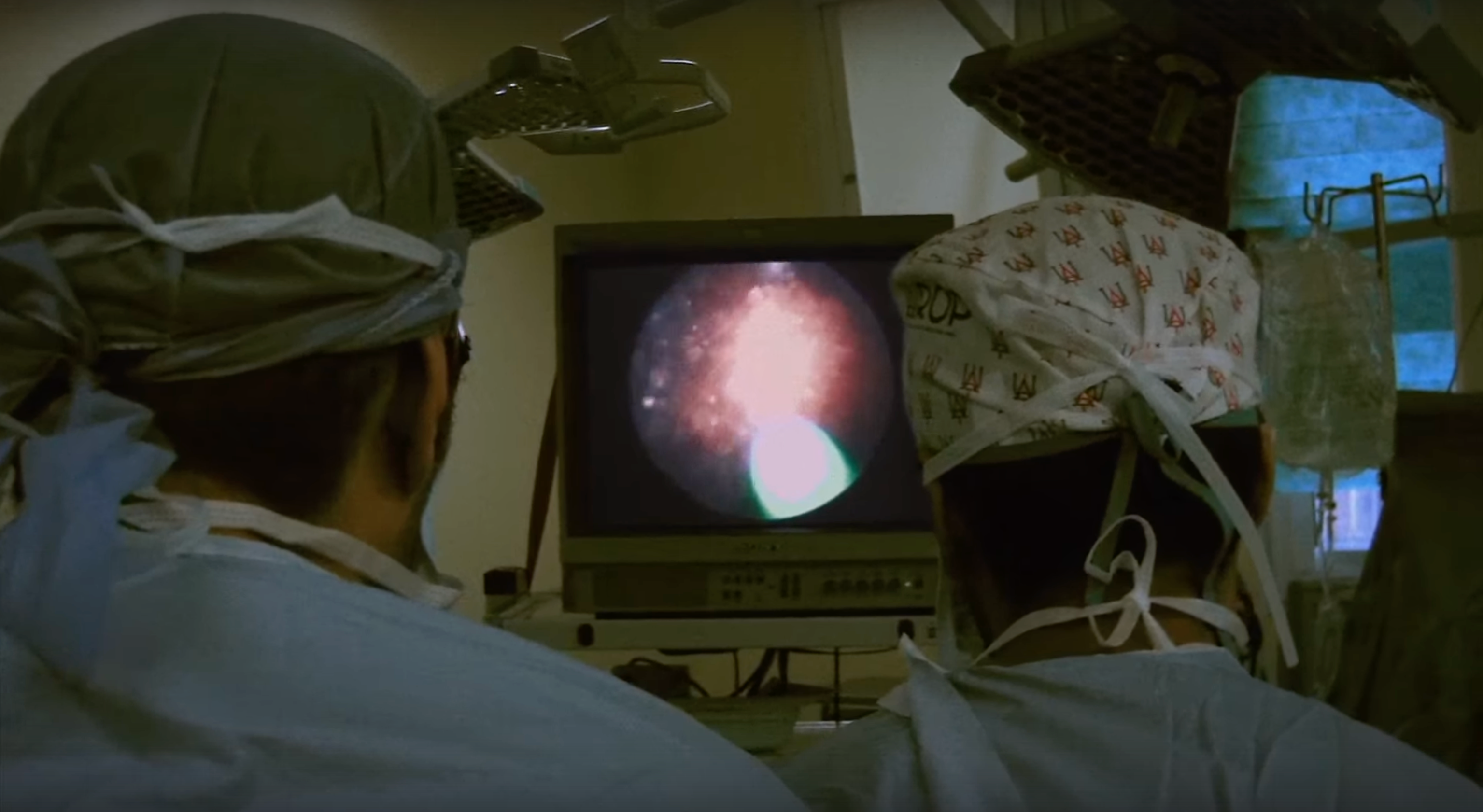
Whether one enters timidly or with hardened resolve, The Fabric of the Human Body (titled in Latin: De Humani Corporis Fabrica) overwhelms the senses like a hypnotic work of art. Premiering in the Directors’ Fortnight at Cannes – where walkouts quickly became part of its legend – the film stands as one of the most viscerally radical cinematic experiences of recent years. Its title, borrowed from Andreas Vesalius’ 16th-century anatomical treatise, situates the project within a long scientific lineage. Yet the film offers no didactic anatomy lesson. Instead, it transforms the human body into an alien frontier: a shifting terrain of marbled textures, tunnels, pulsating membranes, caverns of fluid, and fleeting glimpses of the familiar – a pupil, a scalpel, a human face under surgical light.
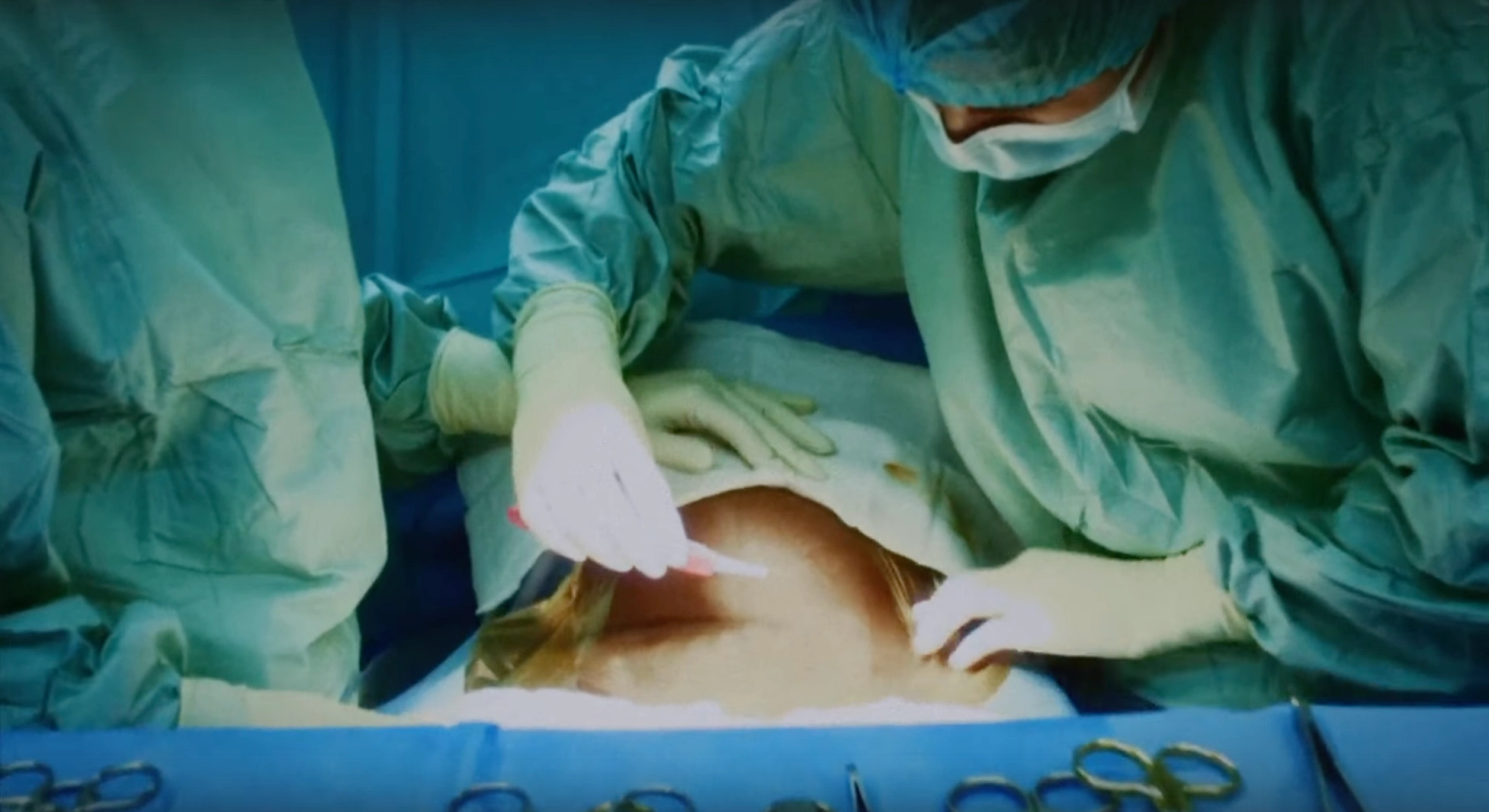
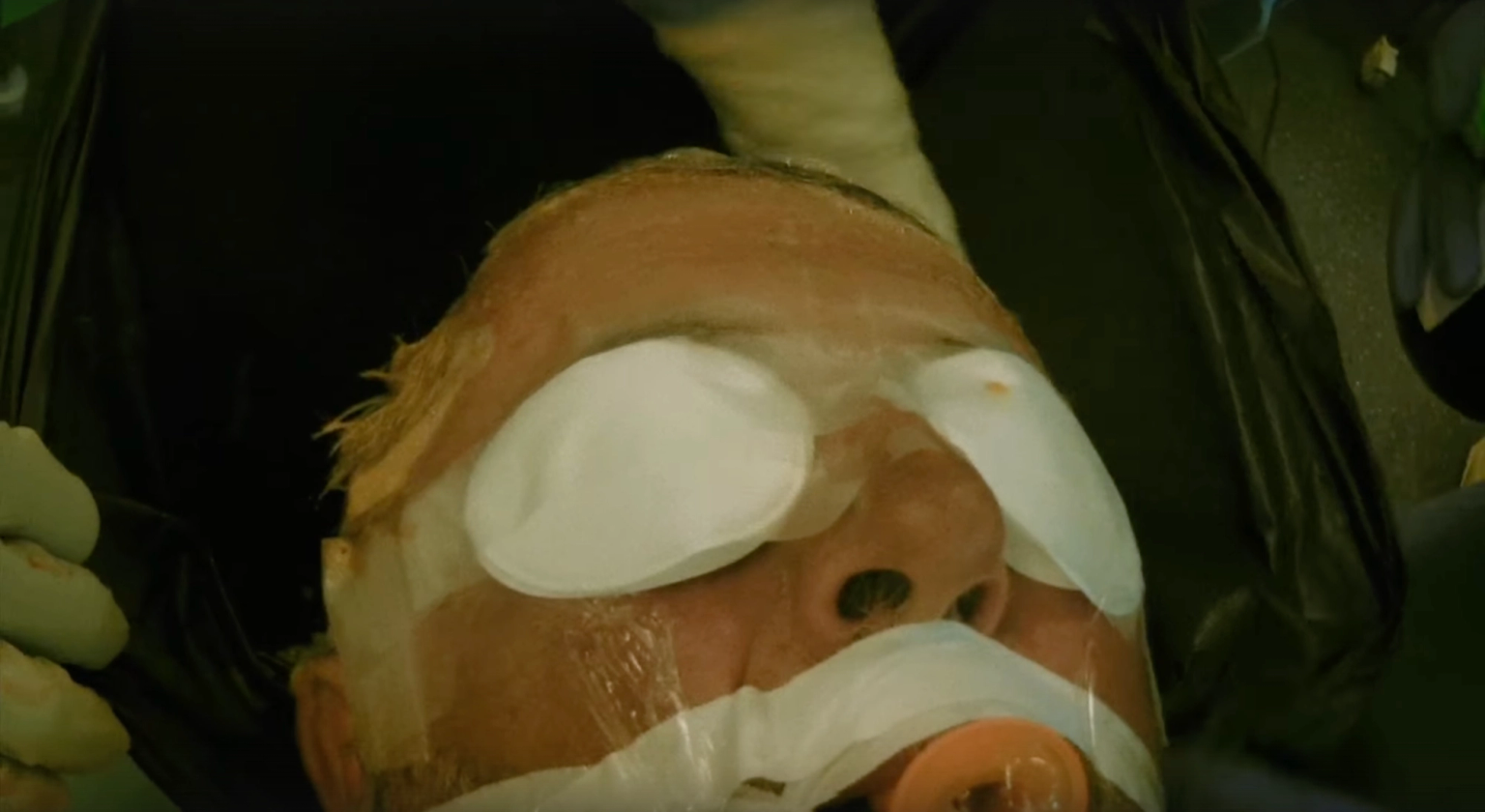
Shot across multiple Parisian hospitals, the film plunges viewers directly into operating rooms and, more radically, inside the body itself. Brain surgeries, endoscopies, caesarean sections, prostate removals, eye operations, mastectomies and procedures that test even the strongest stomach unfold with unflinching proximity. What initially appears unbearable gradually becomes mesmerizing. Through its patient rhythm and understated crescendo, the film confronts us with the estrangement of our own anatomy. We are made acutely aware of sensation, our discomfort, fascination, and vulnerability, more intensely than in most disaster films. The journey is not outward but inward: an inverse out-of-body experience that destabilizes our relationship to ourselves.
Shot across multiple Parisian hospitals, the film plunges viewers directly into operating rooms and, more radically, inside the body itself. Brain surgeries, endoscopies, caesarean sections, prostate removals, eye operations, mastectomies and procedures that test even the strongest stomach unfold with unflinching proximity. What initially appears unbearable gradually becomes mesmerizing. Through its patient rhythm and understated crescendo, the film confronts us with the estrangement of our own anatomy. We are made acutely aware of sensation, our discomfort, fascination, and vulnerability, more intensely than in most disaster films. The journey is not outward but inward: an inverse out-of-body experience that destabilizes our relationship to ourselves.


Cinematography: Flesh, Light, and Machinery
Created over five years and distilled from 350 hours of footage, the film’s visual language pushes documentary form into uncharted territory. Working under Harvard University’s Sensory Ethnography Lab, directors Véréna Paravel and Lucien Castaing-Taylor employ ceiling-mounted scialytic cameras, handheld rigs, and specially designed “lipstick cameras” that burrow into organs and crevices with astonishing intimacy. The result is imagery so close it becomes abstract – surfaces of tissue illuminated like subterranean caves under a searchlight, landscapes of meat rendered both surreal and strangely beautiful.
Sound plays an equally crucial role. Surgeons’ casual conversations – about housing prices, daily frustrations, bureaucratic fatigue – float over the visceral soundscape of suction, cutting, mechanical whirring, and the soft churn of bodily fluids. The directors meticulously synchronize these recordings, yet the effect produces a disorienting duality: we inhabit two universes simultaneously – the hyper-interior of flesh and the mundane exterior of hospital routine.
The hospital itself becomes an organism, with arteries of corridors and circulatory tubes transporting organs and blood samples through its depths. In moments of crisis – such as a robotic prostate extraction gone wrong, blood flooding the cavity as metallic arms scramble to repair the damage – the camera lingers without resolution, cutting away before closure. Suspense is left suspended in the viewer’s body.
Beyond Observation – The Directors’ Method
Paravel and Castaing-Taylor are no strangers to immersive experimentation. Their breakthrough Leviathan (2012) submerged viewers into the brutal rhythms of deep-sea fishing, revolutionizing contemporary documentary language. Here, they turn the lens inward, continuing their commitment to sensory ethnography, an approach that dissolves the boundaries between documentary, art film, and scientific inquiry. Refusing interviews or explanatory voice-over, they position the camera not as commentator but as participant.
The project began in Boston but found its home in France after legal barriers in the United States proved insurmountable. Filming across public hospitals in and around Paris, the directors observed not only surgeries but the broader ecosystem of hospital life: geriatric wards, corridors where patients wander, machinery rooms humming at the building’s core, and fleeting glimpses of those who orbit the institution. In one uncanny insertion, elderly women repeat fragmented phrases in what feels like a dementia residence, while a shrieking parrot disrupts expectations. These interruptions deepen the sense that life, decay, absurdity, and mortality coexist within the same institutional body. As Castaing-Taylor has remarked, their ambition is not to explain but to approach a state of “half-thinking,” where meaning emerges from immersion rather than analysis.
The project began in Boston but found its home in France after legal barriers in the United States proved insurmountable. Filming across public hospitals in and around Paris, the directors observed not only surgeries but the broader ecosystem of hospital life: geriatric wards, corridors where patients wander, machinery rooms humming at the building’s core, and fleeting glimpses of those who orbit the institution. In one uncanny insertion, elderly women repeat fragmented phrases in what feels like a dementia residence, while a shrieking parrot disrupts expectations. These interruptions deepen the sense that life, decay, absurdity, and mortality coexist within the same institutional body. As Castaing-Taylor has remarked, their ambition is not to explain but to approach a state of “half-thinking,” where meaning emerges from immersion rather than analysis.

Legacy and Radical Impact
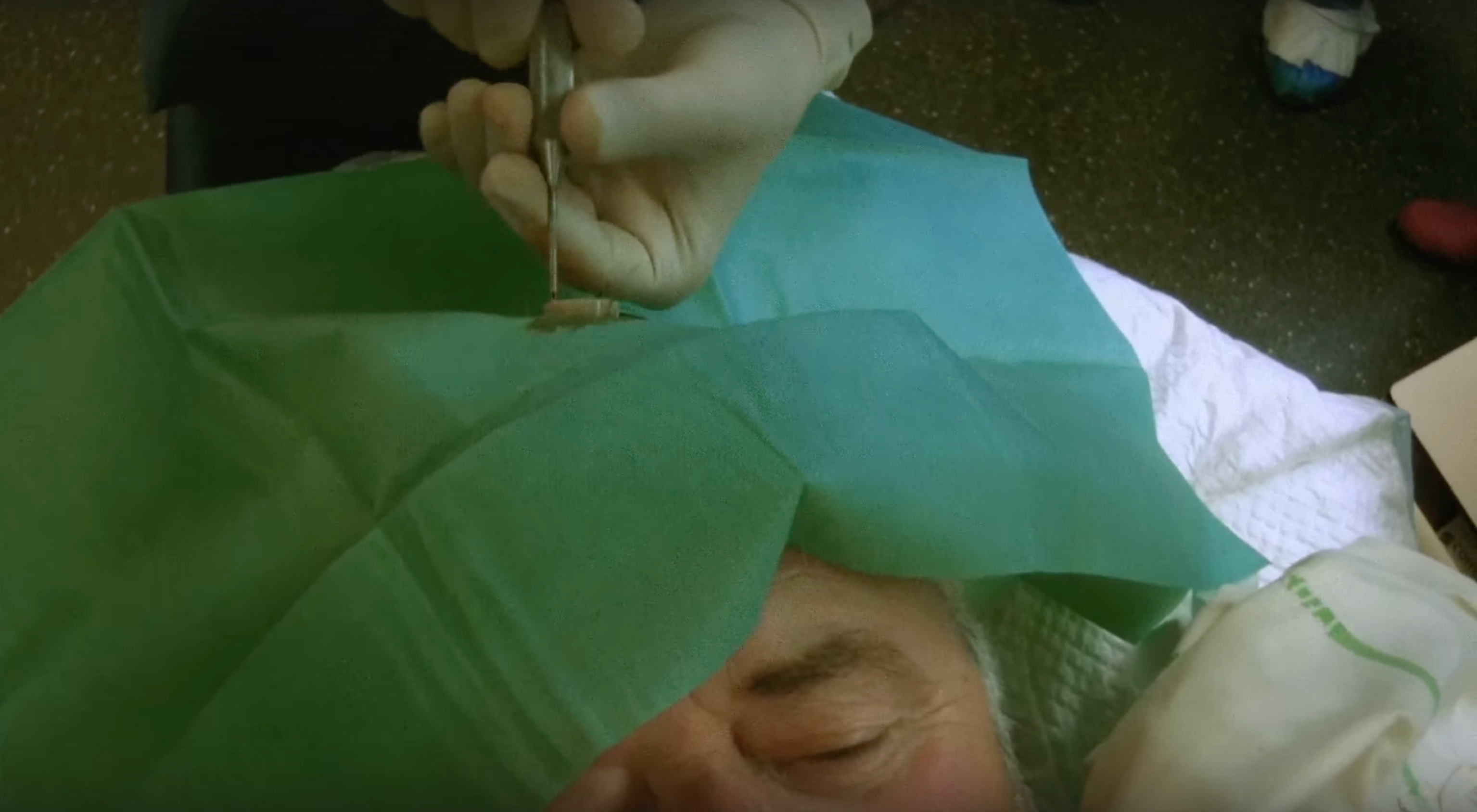
The Fabric of the Human Body joins a lineage of boundary-pushing works, from Stan Brakhage’s autopsy study The Act of Seeing with One’s Own Eyes to the institutional portraits of Frederick Wiseman, yet it advances the cinematic language of embodiment further still. Critics have described it as both repugnant and entrancing, a film that transforms the body from decaying vessel into undiscovered planet. Its premiere sparked visceral reactions; yet beyond shock lies a profound meditation on life, death, labor, and fragility. Babies are born while cancerous tissue is examined. Young surgeons joke mid-procedure while elderly patients drift aimlessly through fluorescent corridors. The hospital emerges as a liminal space where mortality and machinery intersect.
Far from exploitation, the film becomes a corporeal inquiry into what it means to inhabit flesh in an era of technological mediation. It exposes the paradox of modern medicine: extraordinary mastery over anatomy alongside the ever-present threat of bodily failure. By collapsing interior and exterior worlds, Paravel and Castaing-Taylor create not merely a documentary but a transformative physical encounter. For those willing to endure its intensity, the reward is a rare cinematic catharsis – an experience that lingers long after the screen goes dark, reminding us that the most foreign landscape we will ever traverse is our own body.