Miloš Forman
The Firemen's Ball
- DirectorMiloš Forman
- CinematographerMiroslav Ondříček
Alexis Ross When I was young and slender I wished I was living in a Goddard film. Now I am older and well fed, so I would prefer living inside Mr. Forman's masterpiece. Certainly my favorite Czech film. Maybe the best film ever.






A Comedy of Collapse
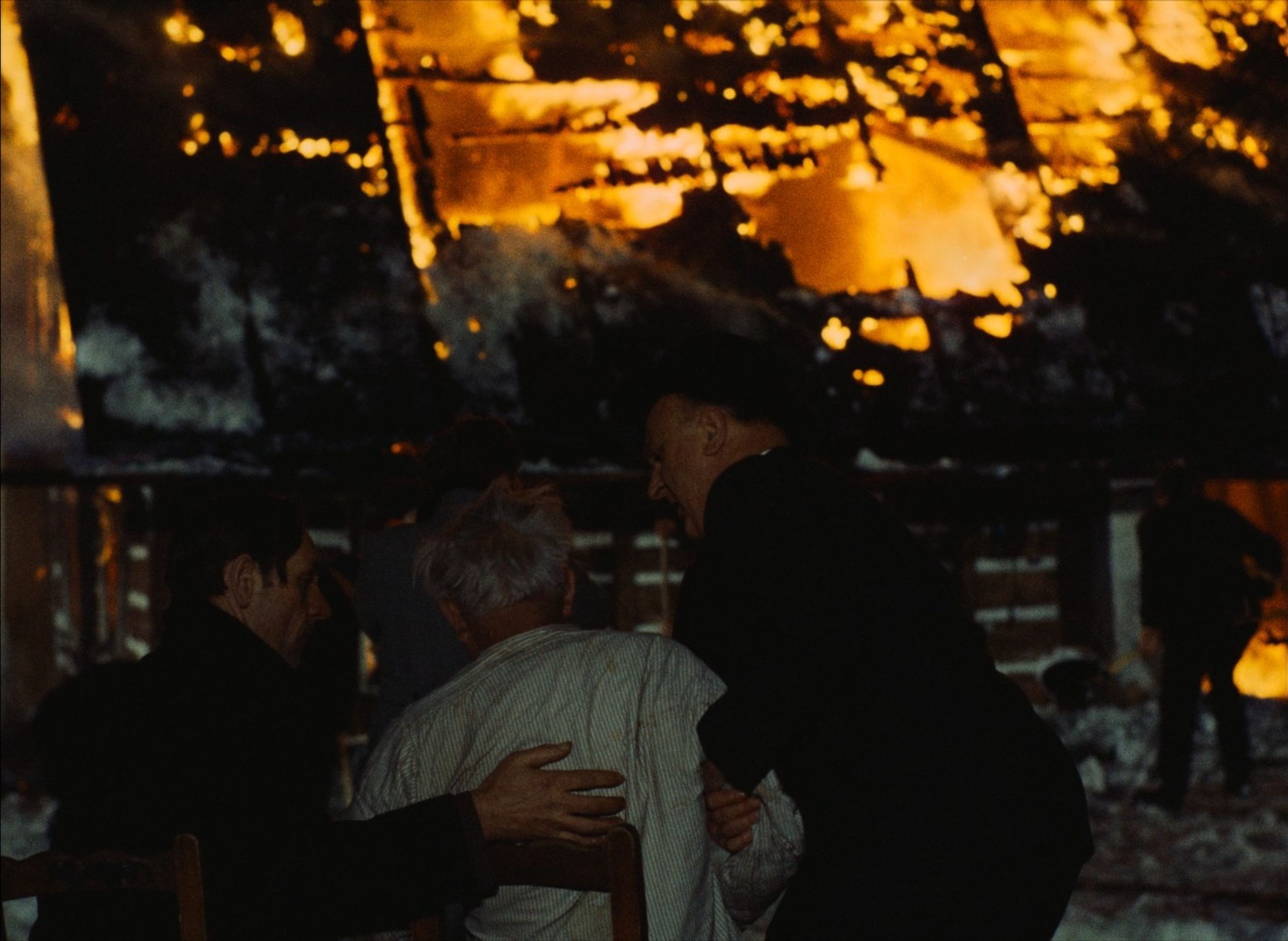
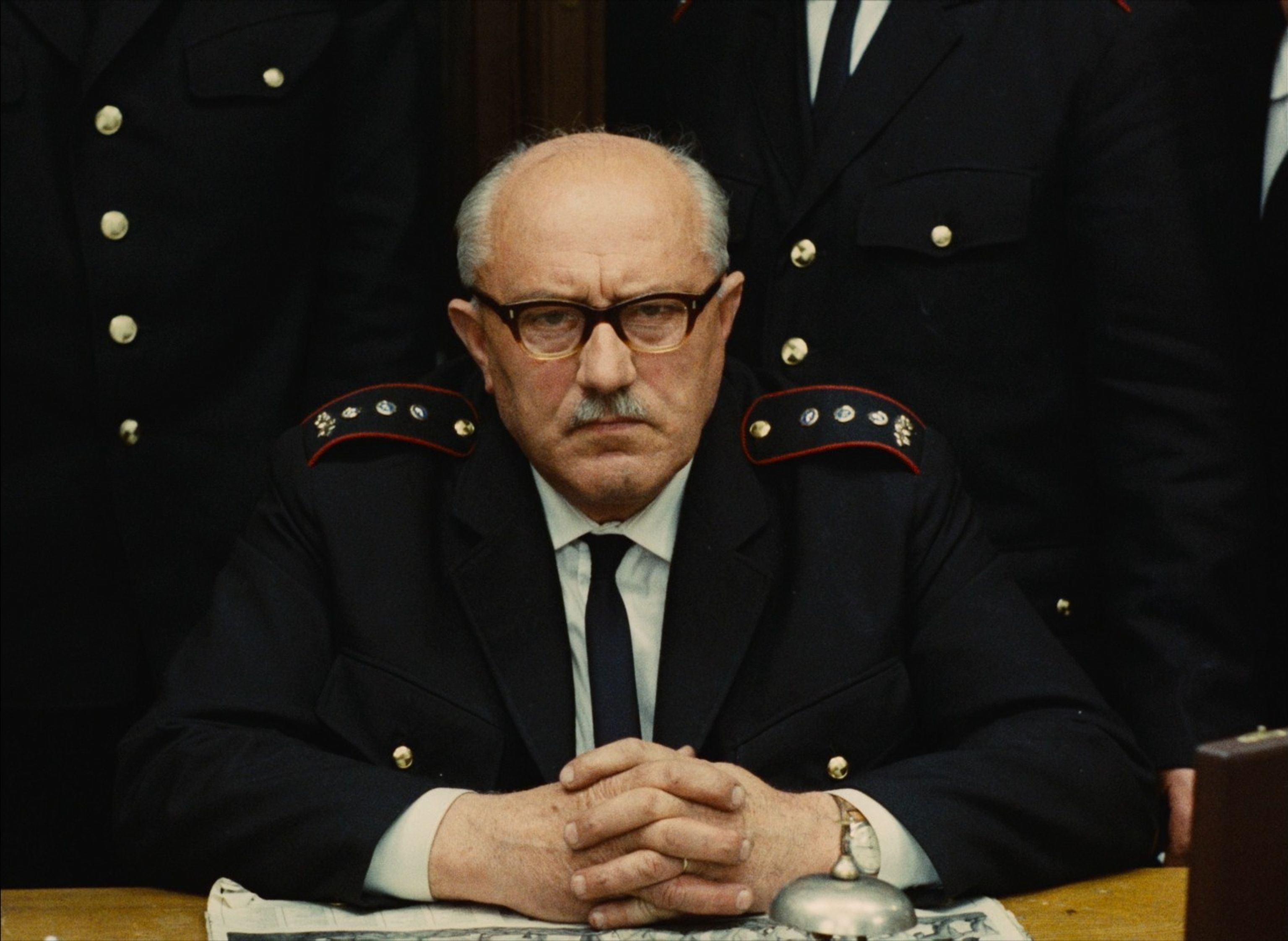
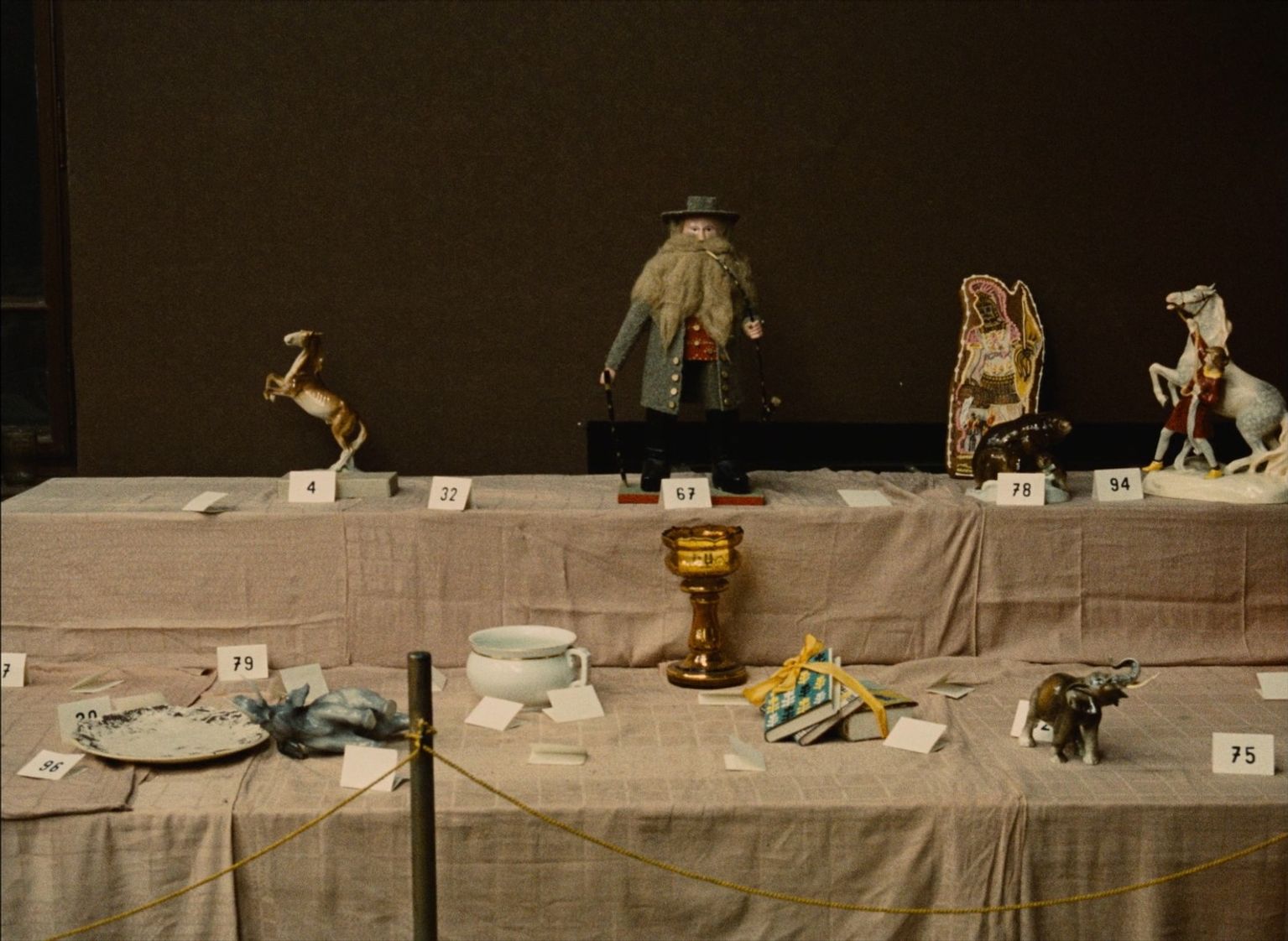
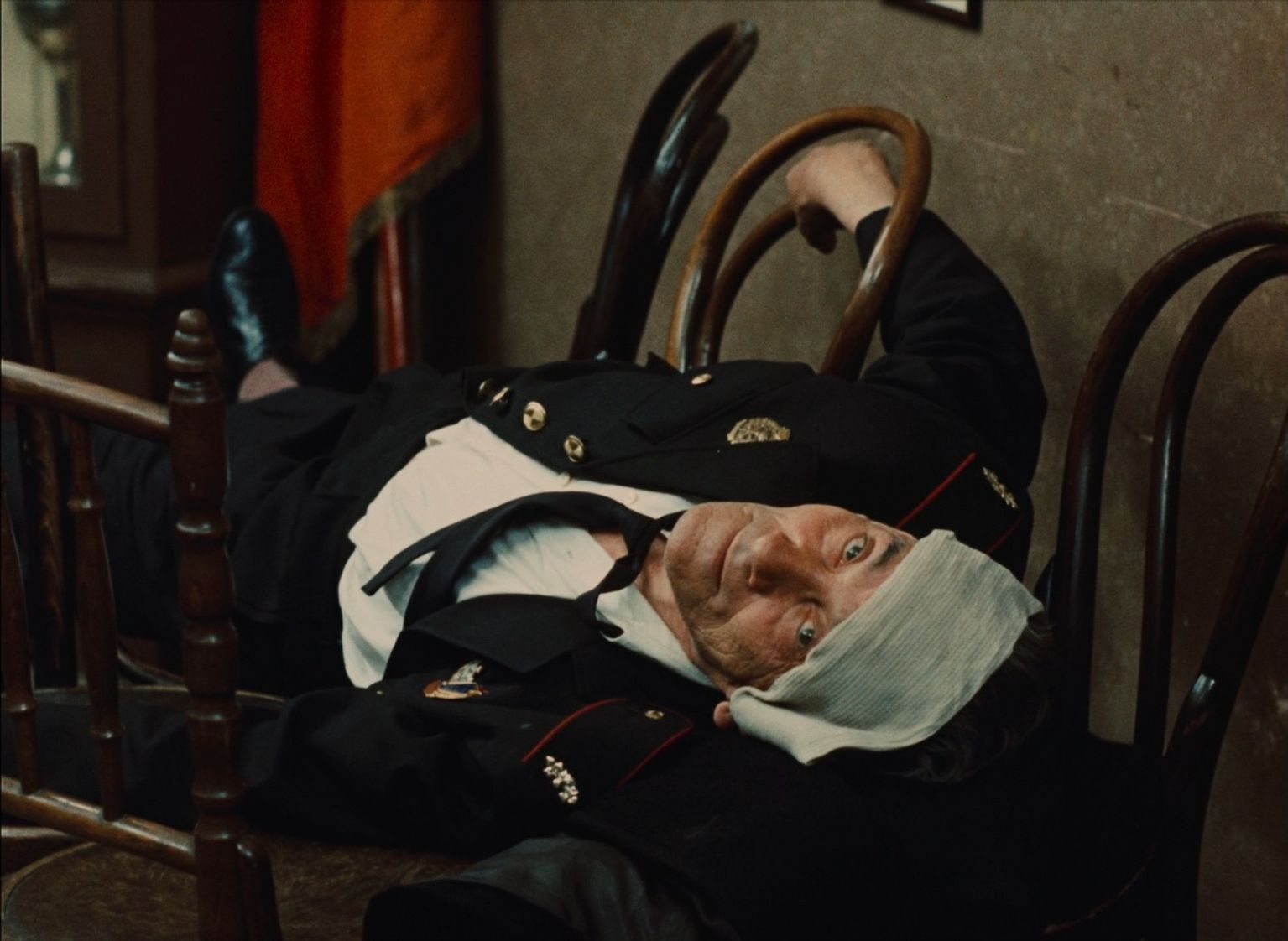
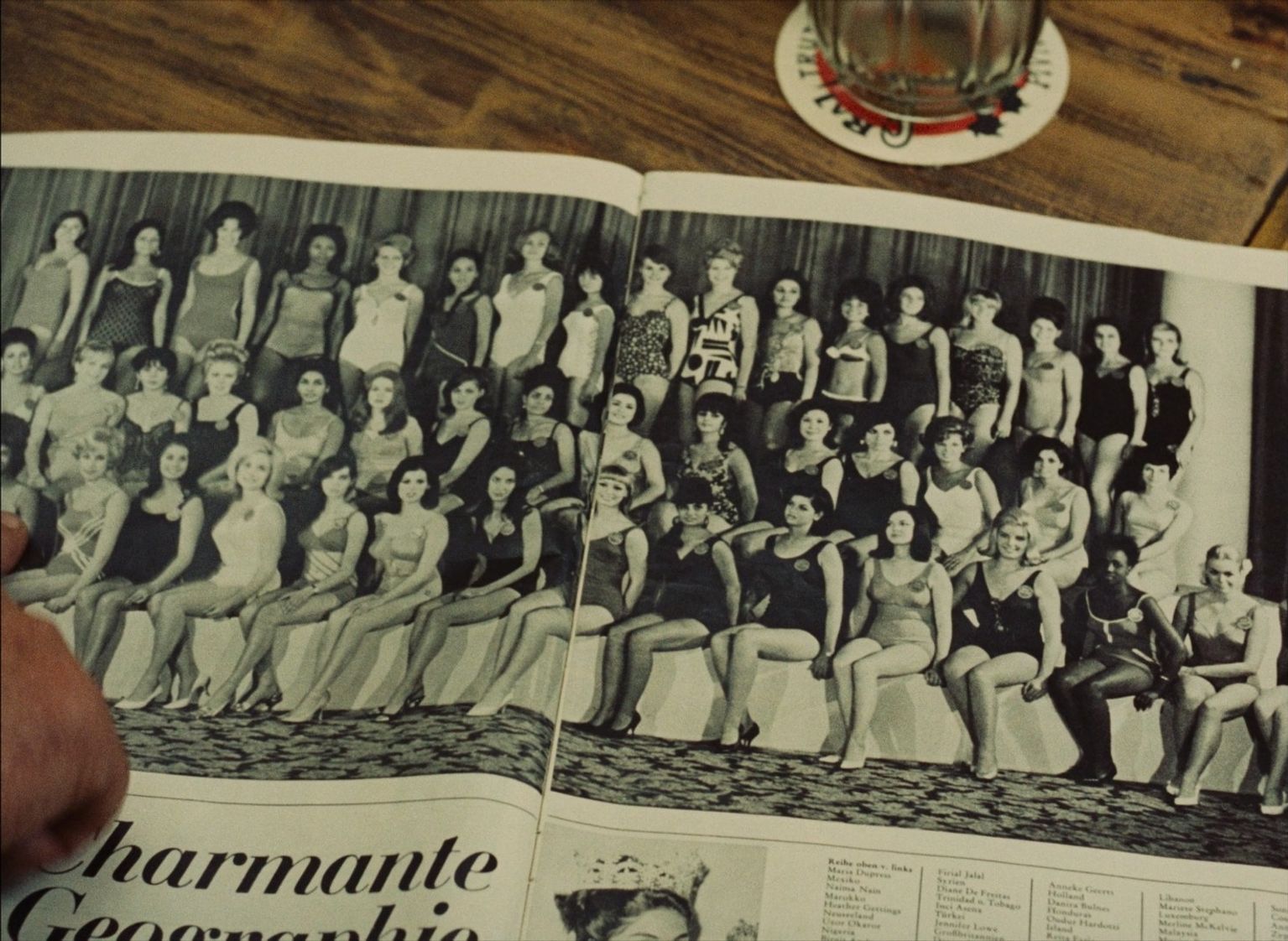
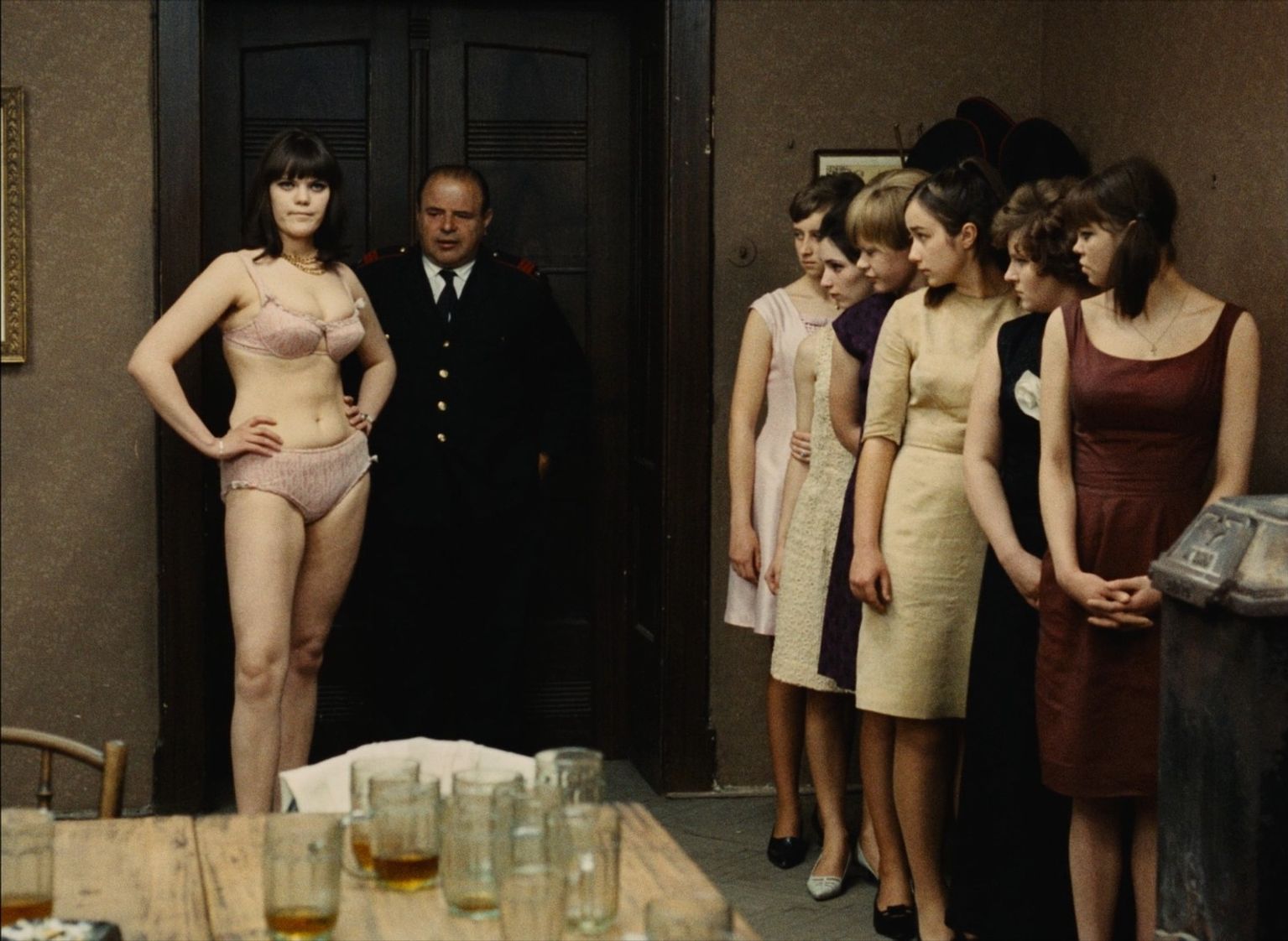
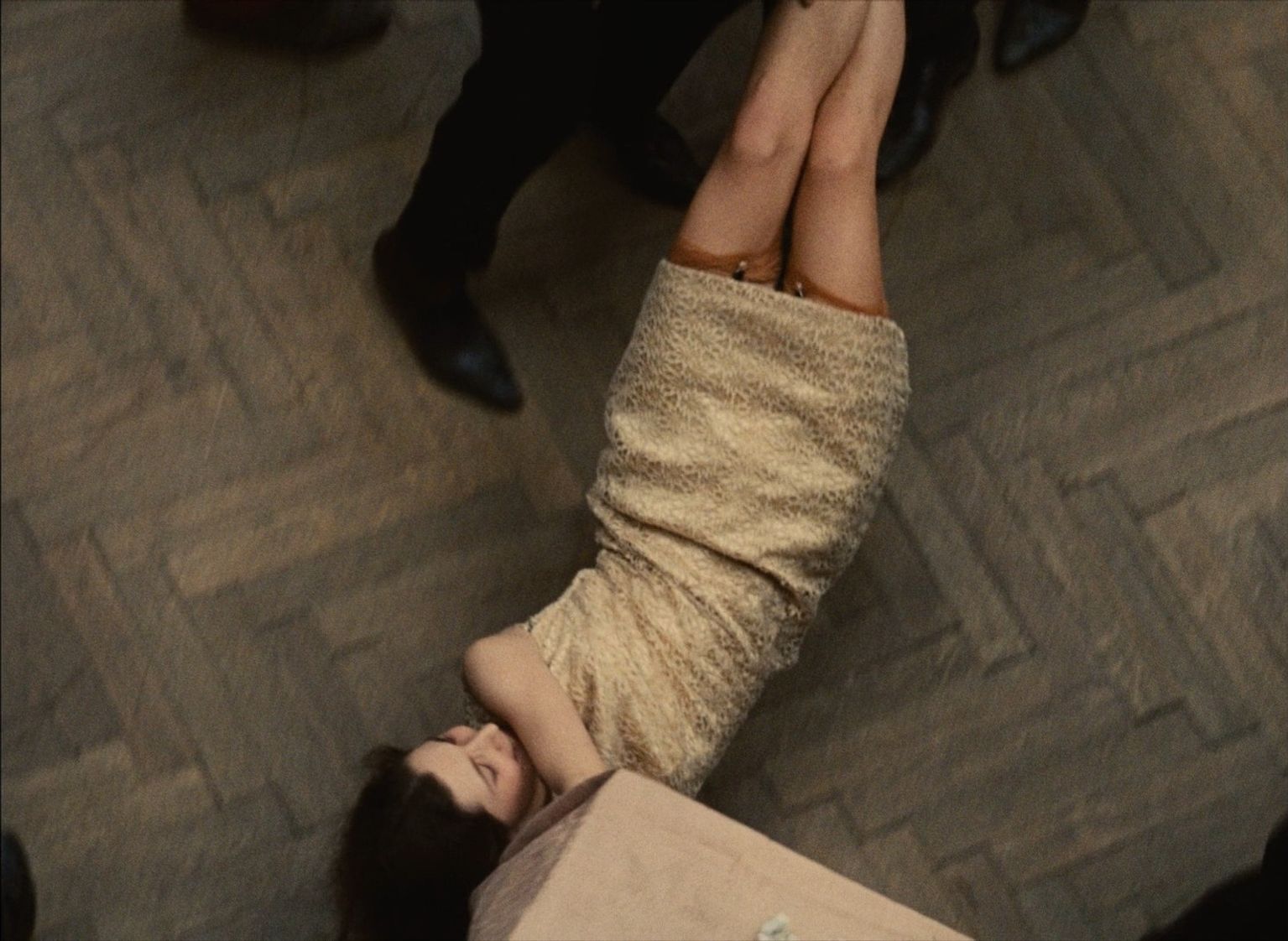
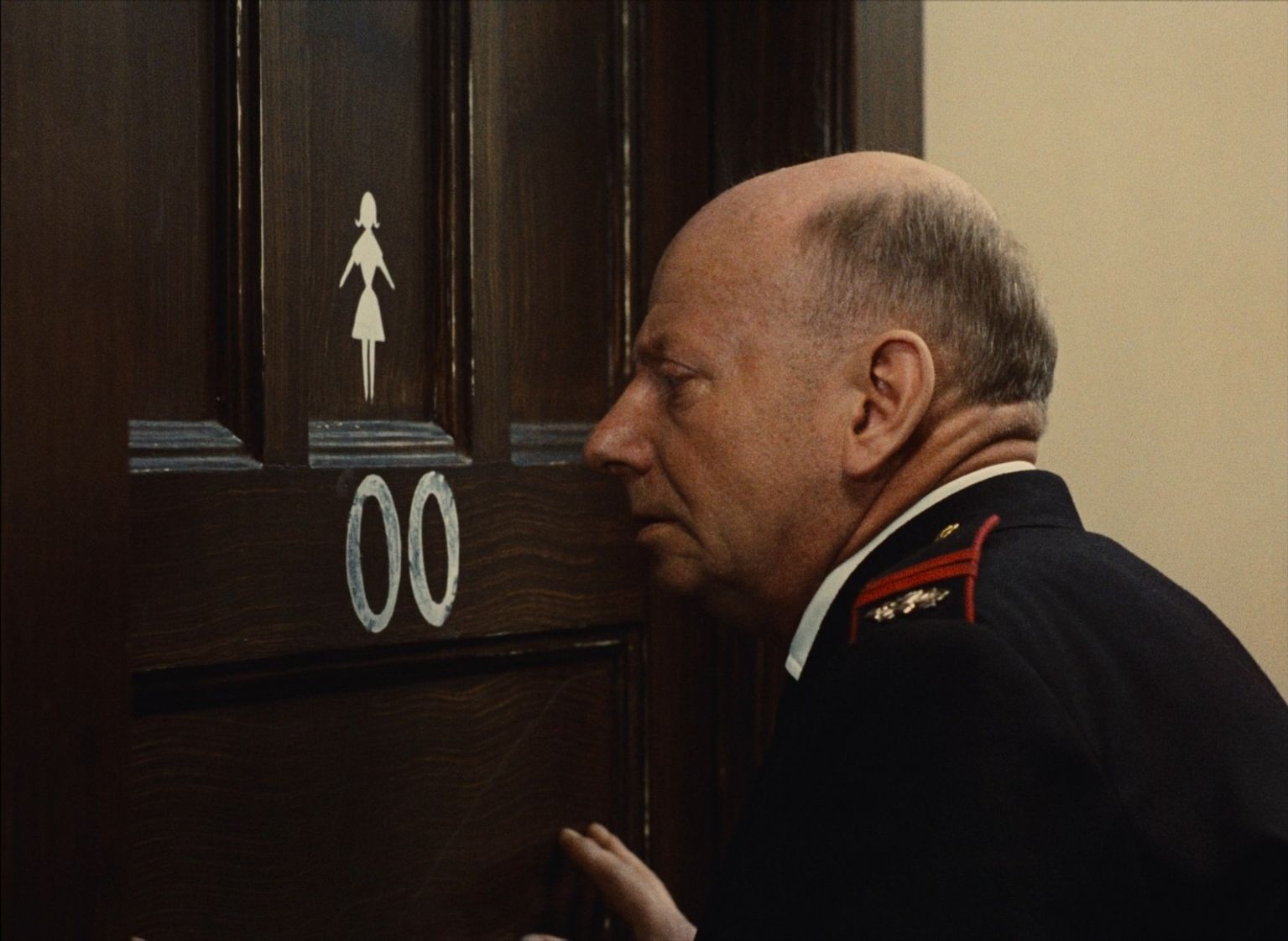
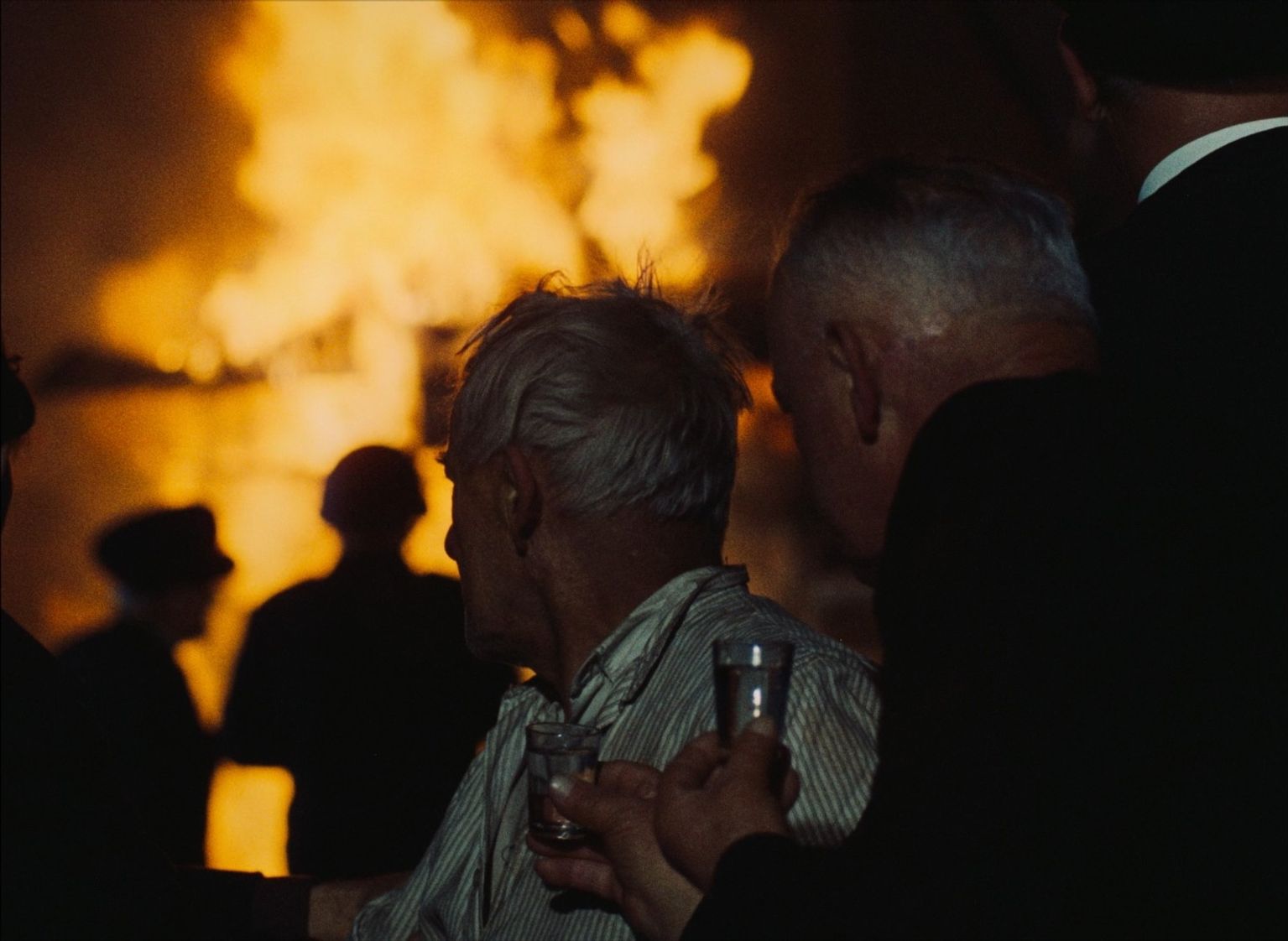
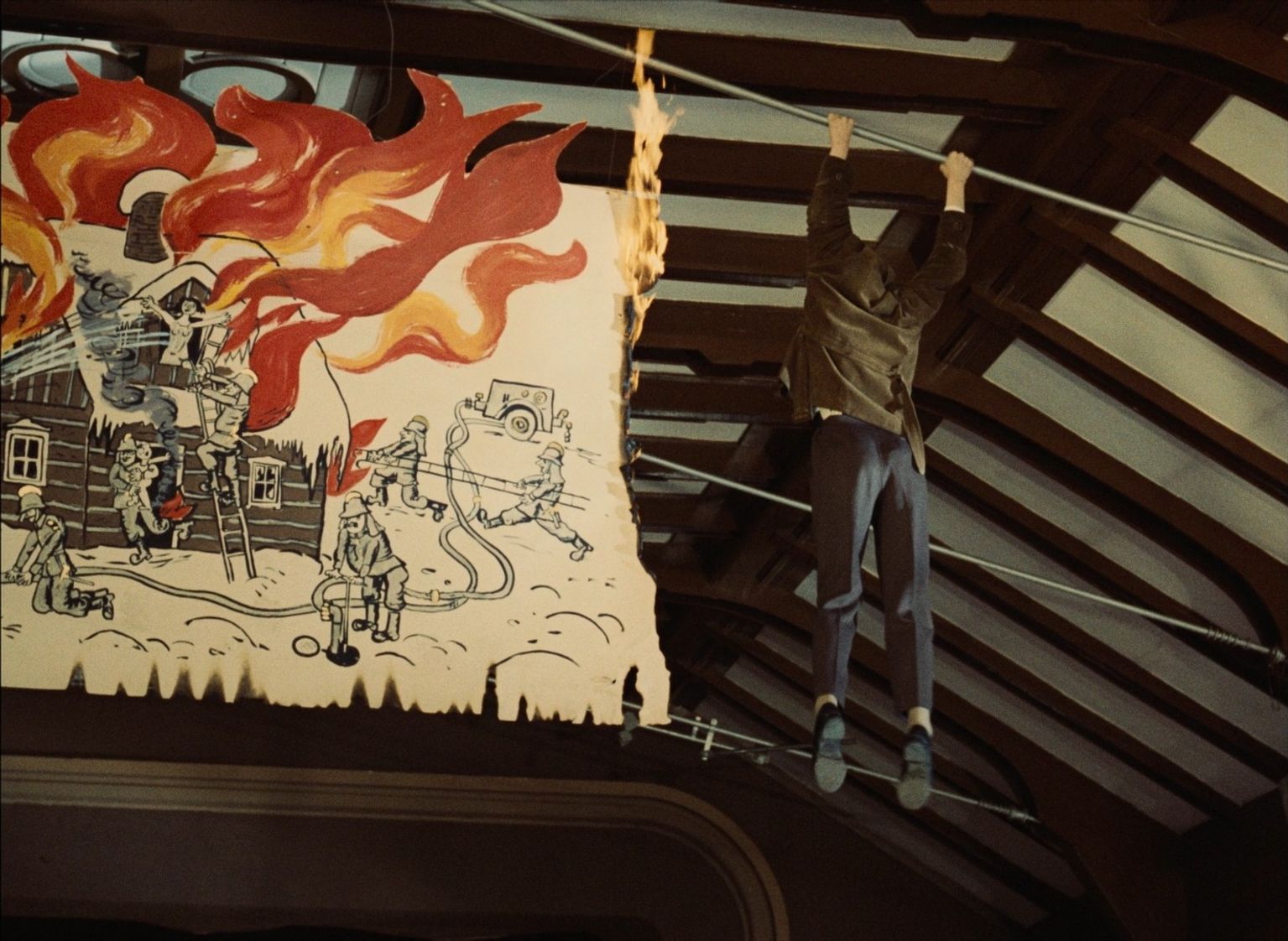
The Firemen’s Ball (1967), directed by Miloš Forman, unfolds over the course of a single evening at the annual ball of a small-town volunteer fire department. What begins as a well-intentioned community celebration gradually unravels into a chain of small disasters: raffle prizes mysteriously disappear, a beauty pageant collapses into chaos, committees argue endlessly, and good intentions dissolve into confusion.
Much of the cast consists of non-professional actors - including actual local firemen - lending the film a raw, observational quality that blurs the line between fiction and documentary. Through precise comic timing and seemingly minor incidents, the film exposes how collective order erodes when responsibility is endlessly deferred.
Satire, Reality, and the New Wave
As a key work of the Czechoslovak New Wave, The Firemen’s Ball uses humor as a sharp analytical tool. Forman famously resisted reading the film as a fixed political allegory, yet its portrait of bureaucratic paralysis, corruption, and performative authority resonated deeply with audiences living under communism.
The film was shot on location in Vrchlabí, using natural sound and minimal staging - even requiring dancers to wear soft slippers so dialogue could be recorded - reinforcing its grounded realism. Its cynical tone sparked widespread controversy: fire brigades protested, Communist Party officials took offense, and the film was eventually banned after the 1968 Warsaw Pact invasion. Despite this, it became a major box-office success and remains one of the most incisive cinematic studies of collective failure.


Legacy and Cinematic Significance
The Firemen’s Ball was Forman’s final film made in Czechoslovakia before his move to the United States, and his first shot in color. Today, it stands as both a cultural document and a timeless work of cinema. Its influence lies not only in its political resonance, but in its method: an understated camera, unpolished performances, and a structure built around observation rather than plot mechanics.
The film’s legacy extends far beyond its historical moment, offering a universal vision of how systems collapse under their own contradictions. At once uproariously funny and quietly devastating, The Firemen’s Ball remains a landmark of modern cinema - a reminder that satire, when rooted in truth, can outlast the regimes it once unsettled.