Ringan Ledwidge
The Guardian - Three Little Pigs
- DirectorRingan Ledwidge
- Production CompanyRattling Stick
- AgencyBBH London
KRISTIAN EILERTSEN & RUNE PETERSEN Reinventing a famous fairytale in the most dramatic fashion to highlight the need for journalistic integrity. Creatively genius and crafted to perfection.




The Story Behind The Guardian: Three Little Pigs
When The Guardian released its Three Little Pigs film in 2012, directed by Ringan Ledwidge, it stood out immediately - not just as an advertisement, but as a piece of cultural commentary. Rather than promoting subscriptions or headlines, the film reimagined a familiar fairy tale to explain something far more abstract: how modern journalism works.
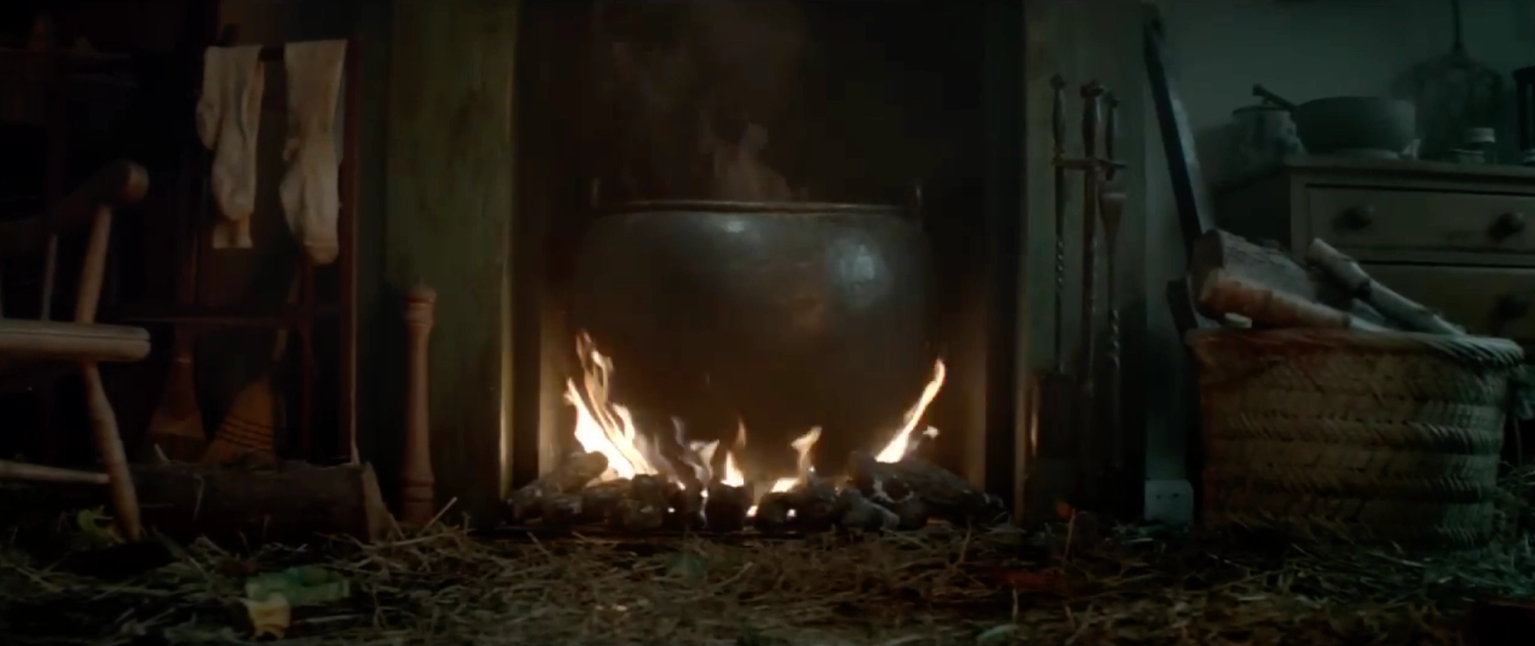
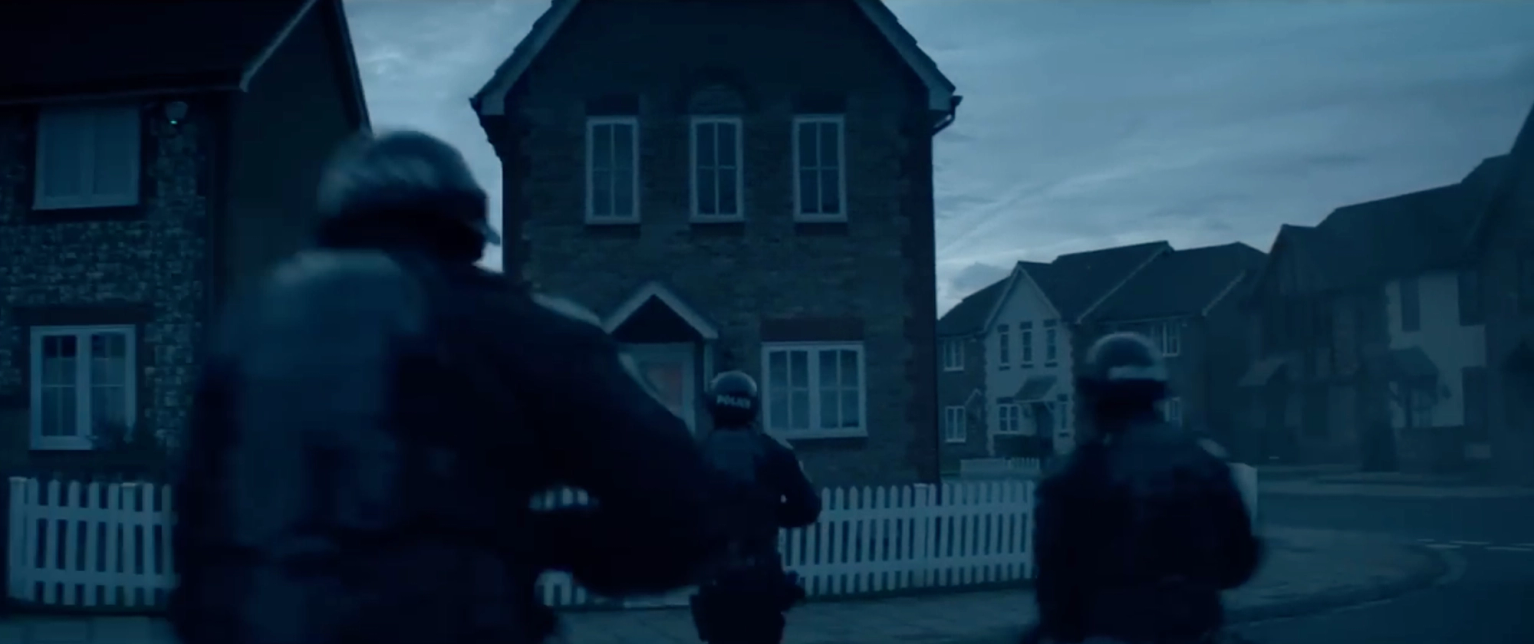
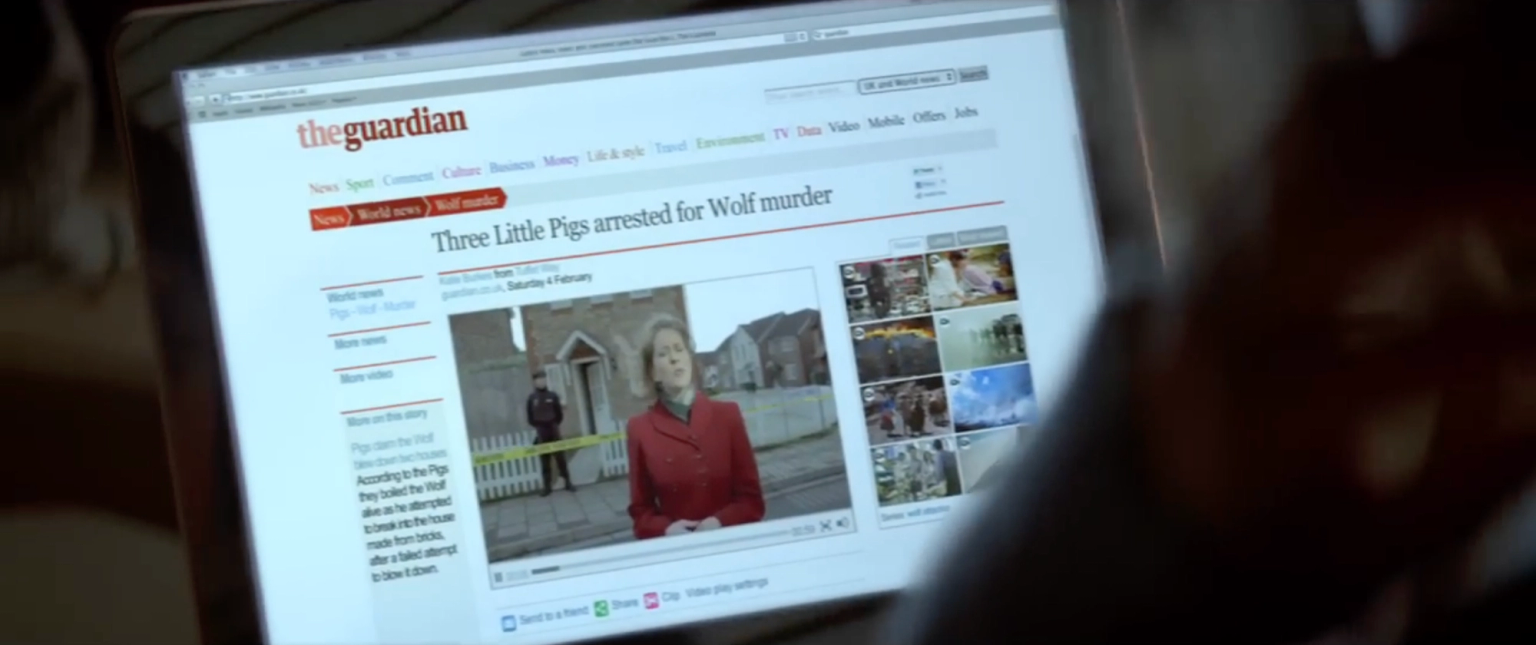
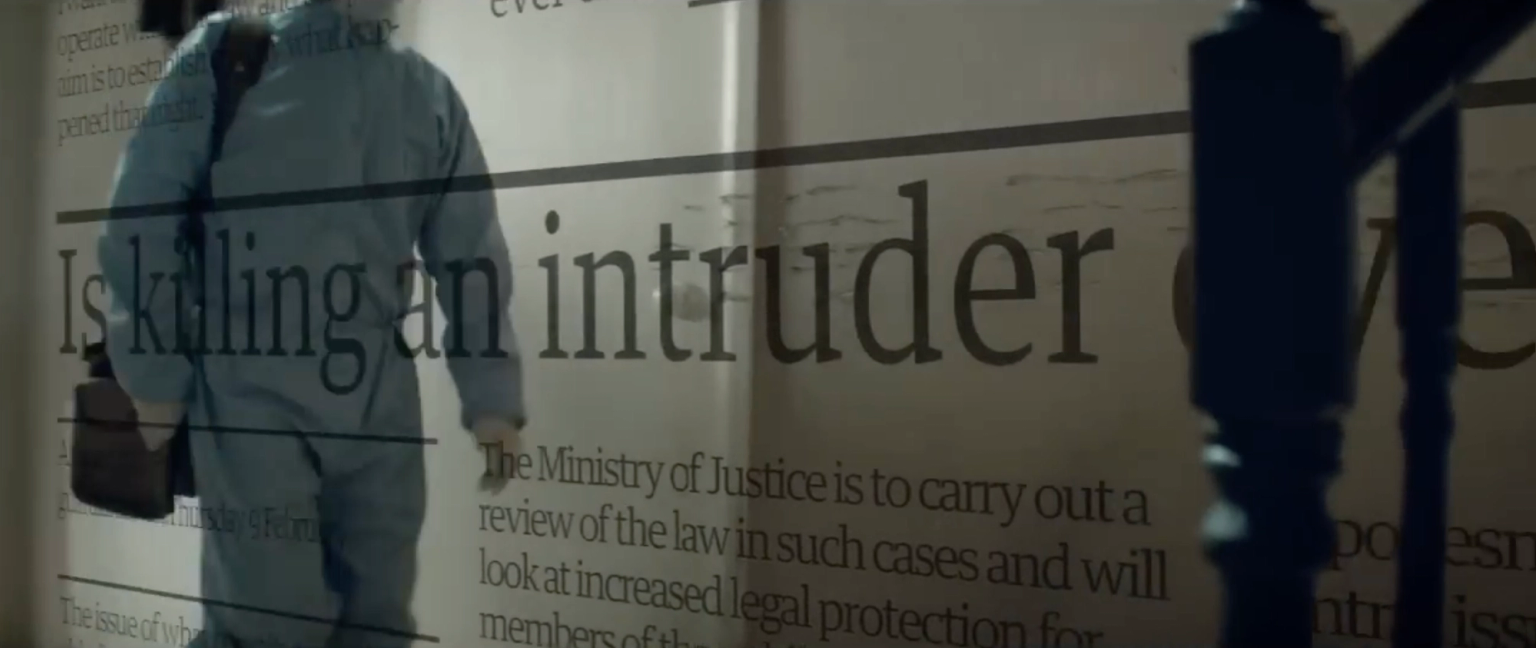
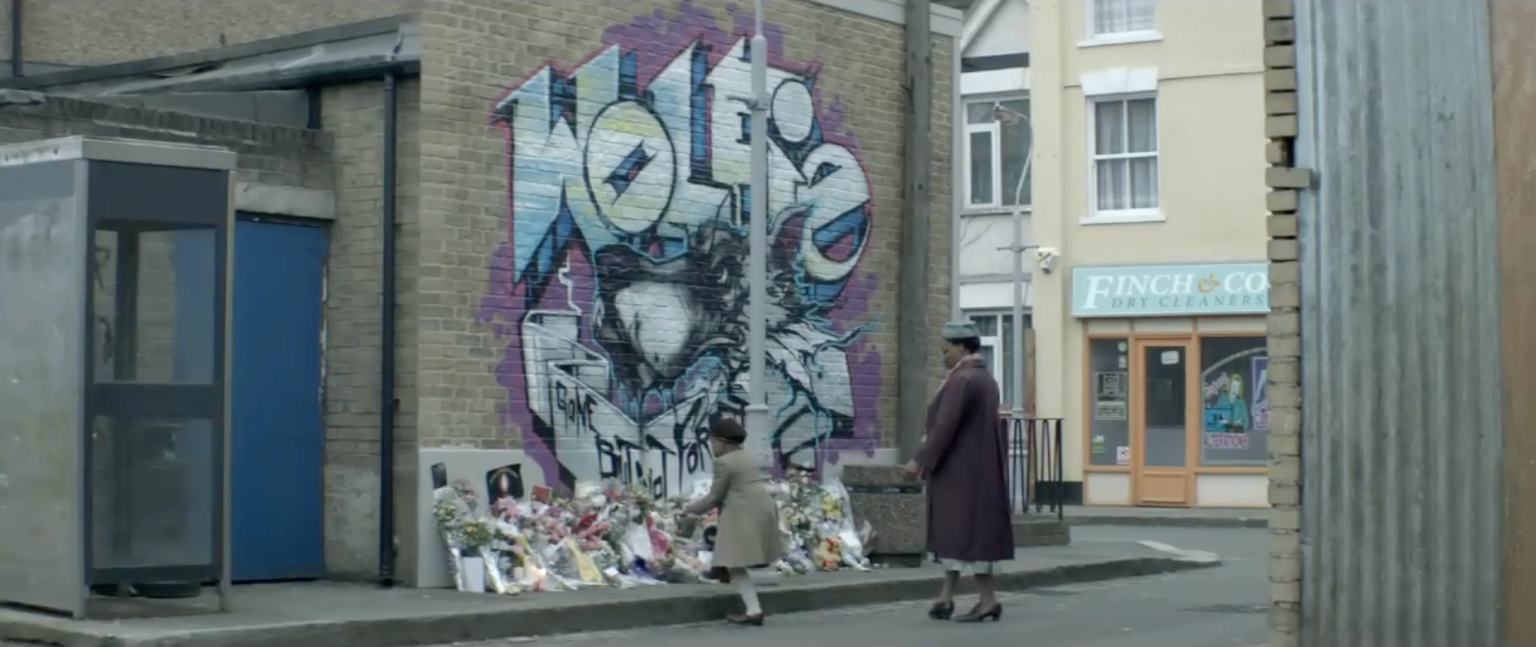
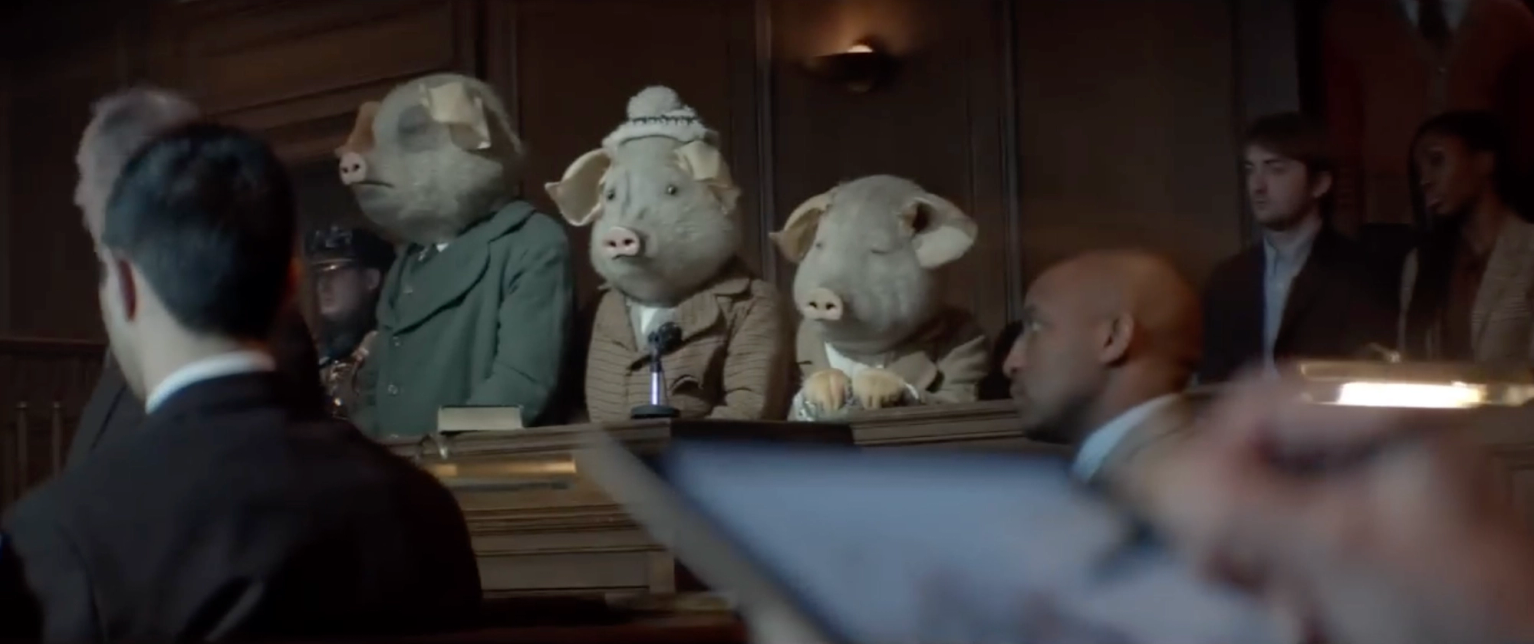
The concept was deceptively simple. Take the universally known story of the Three Little Pigs and present it as if it were a breaking news event unfolding in real time. A pig’s house collapses, the wolf is arrested, and the public reacts. But instead of a single narrative, the story fractures across platforms - television reports, newspaper headlines, online articles, social media posts, surveillance footage, and reader comments. Each new layer complicates what initially seemed like a straightforward moral tale.
A Fairy Tale in the Age of Breaking News
This was the heart of The Guardian’s message. At the time, the paper was championing its philosophy of “open journalism,” an approach that emphasized transparency, participation, and the idea that news is no longer delivered from on high but shaped through dialogue between journalists and the public. The film visualizes this process: facts are questioned, motives are debated, and the audience witnesses how truth emerges not instantly, but through accumulation, challenge, and context.
Ringan Ledwidge’s direction was key to the film’s impact. Known for cinematic, emotionally grounded commercials, he treated the fairy tale with complete seriousness. The tone is gritty and contemporary, echoing real news coverage, which makes the satire sharper. The pigs are not cartoon characters but citizens caught in a media storm; the wolf is not simply evil but legally ambiguous.


Open Journalism, Dramatized
Rather than ending with a neat conclusion, Three Little Pigs deliberately resists closure. Viewers are left with competing interpretations and unanswered questions - a reflection of real-world journalism, where certainty is rare and perspective matters. The campaign’s tagline, “The Whole Picture,” reinforces this idea: understanding comes from seeing multiple angles, not accepting the first version of events.
Why the Film Still Resonates
Ringan Ledwidge was one of the most respected British commercial directors of his generation, known for bringing cinematic craft and emotional realism to advertising. His work consistently blurred the line between commercial storytelling and short-form cinema, often favoring restraint, atmosphere, and character over overt messaging.
More than a decade later, the film remains a reference point in advertising and media studies. It captured a moment when news consumption was rapidly changing and did so with intelligence, restraint, and storytelling confidence. The Guardian: Three Little Pigs didn’t just explain open journalism - it practiced it, inviting viewers to think critically about how stories are told, shared, and believed.