
Bruce Miller
The Handmaid’s Tale
- DirectorBruce Miller
- Set designJulie Berghoff & Mark White
- CostumesAne Crabtree & Natalie Bronfman
- CinematographerColin Watkinson, Zoë White & Nicola Daley
Sofie Brünner The way the set design, costumes, cinematography, and colour grading in The Handmaid’s Tale come together in such an uncompromising, conceptual, and visually striking way is remarkable. While the story is compelling, I could easily watch it muted purely for its aesthetic qualities.





The Handmaid’s Tale
The Handmaid’s Tale presents a chilling vision of a near-future totalitarian society, Gilead, built upon religious extremism and rigid social hierarchy. The story unfolds through the eyes of June Osborne, whose personal journey from captivity to resistance forms the emotional backbone of the series. Each season explores the psychological toll of oppression, the complexities of rebellion, and the subtleties of power dynamics among the elite and oppressed. The narrative structure often employs flashbacks, inner monologues, and fragmented timelines, creating tension and deepening the viewer’s understanding of both Gilead’s societal mechanisms and June’s inner transformation.
The series thrives on nuanced performances that bring depth to its morally complex world. Elisabeth Moss’s portrayal of June oscillates between vulnerability and steely determination, allowing the audience to witness the profound evolution of a woman forced into compliance but determined to reclaim autonomy. Supporting characters, from Serena Joy’s manipulative religiosity to Aunt Lydia’s authoritarian zeal, are crafted to reveal the conflicting motivations within Gilead. Secondary characters such as Moira, Emily, and Janine provide additional lenses, illustrating the varied responses of women subjected to systemic control, from defiance to resignation.

Spatial Storytelling
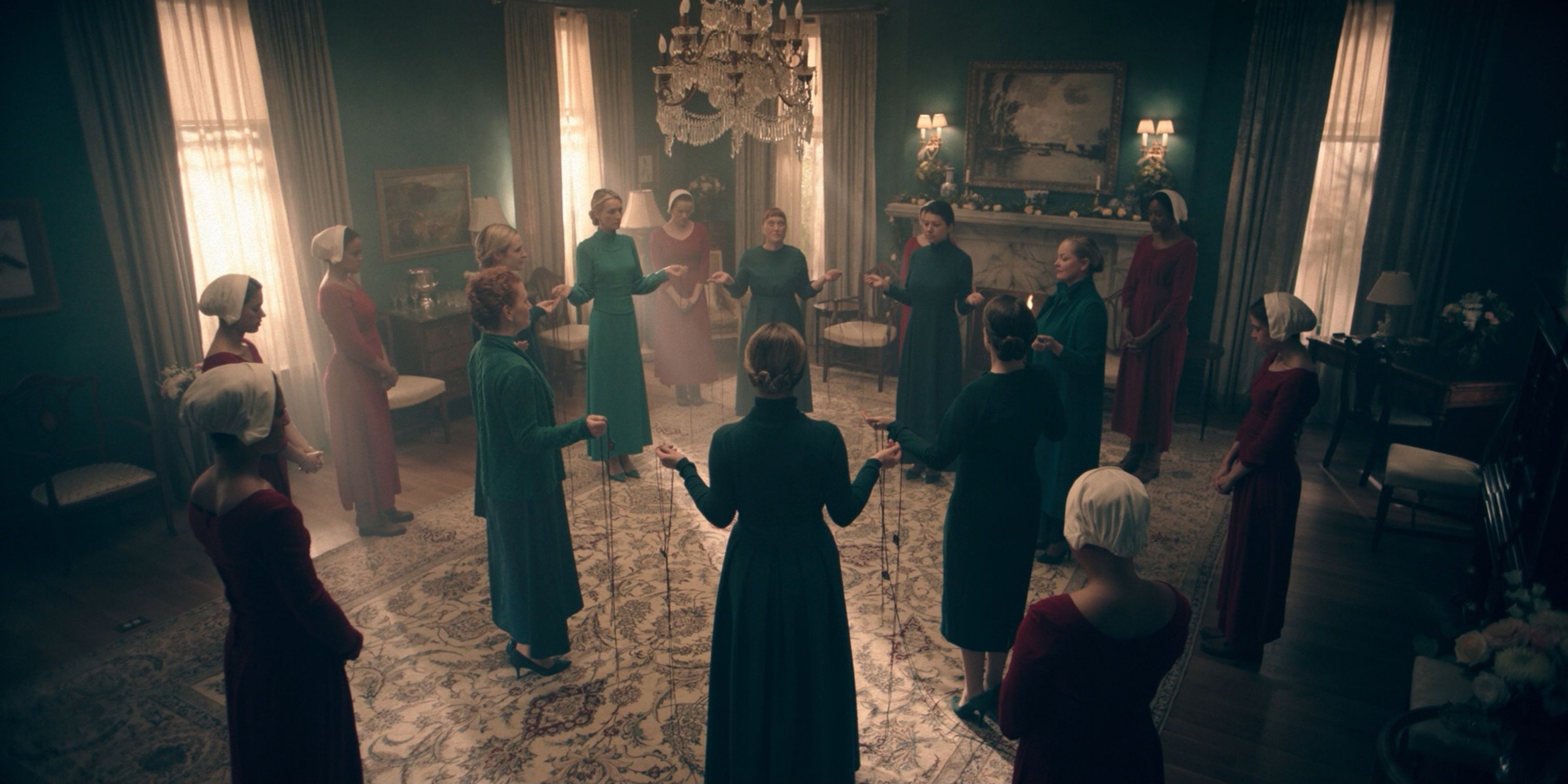
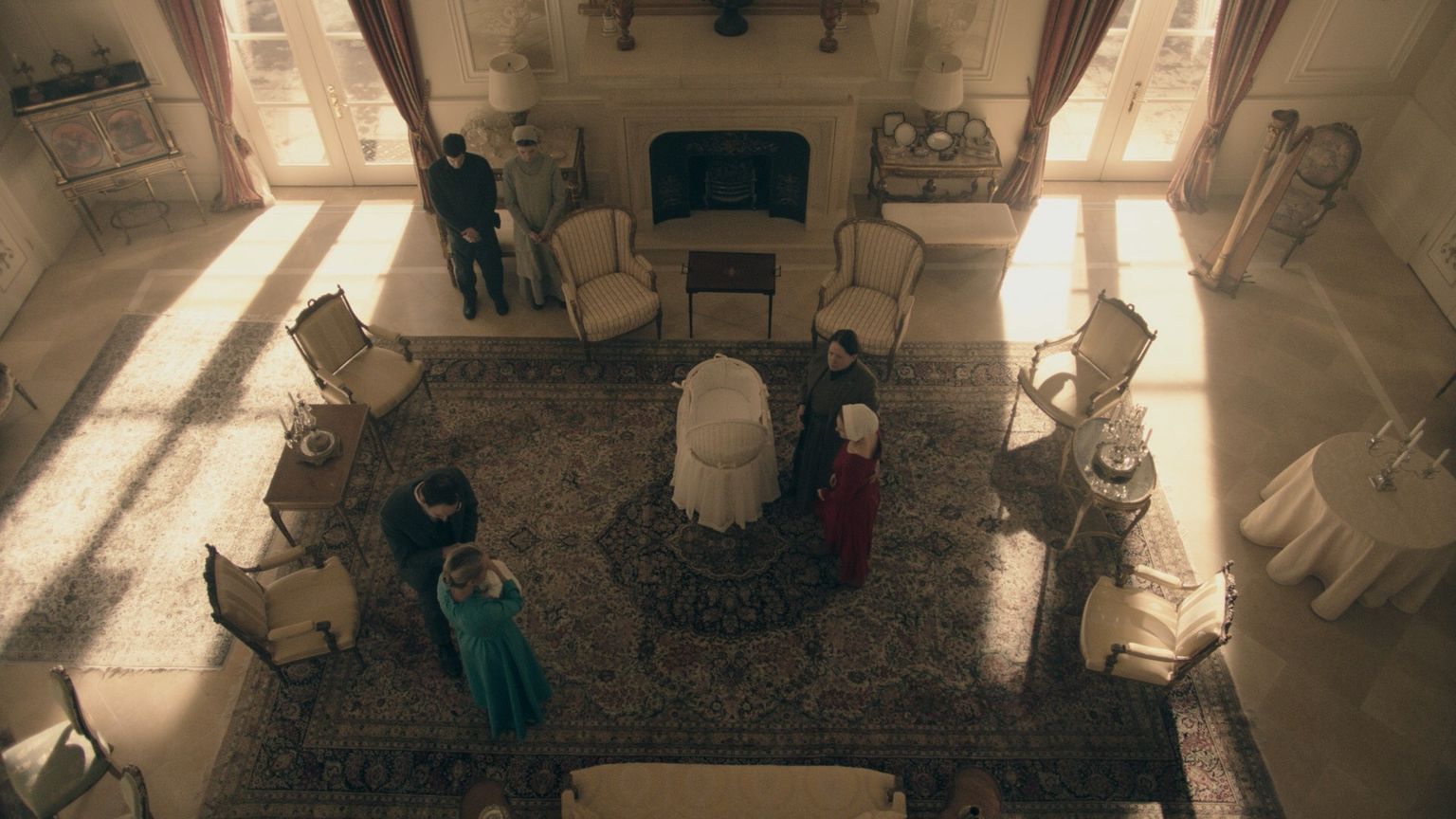
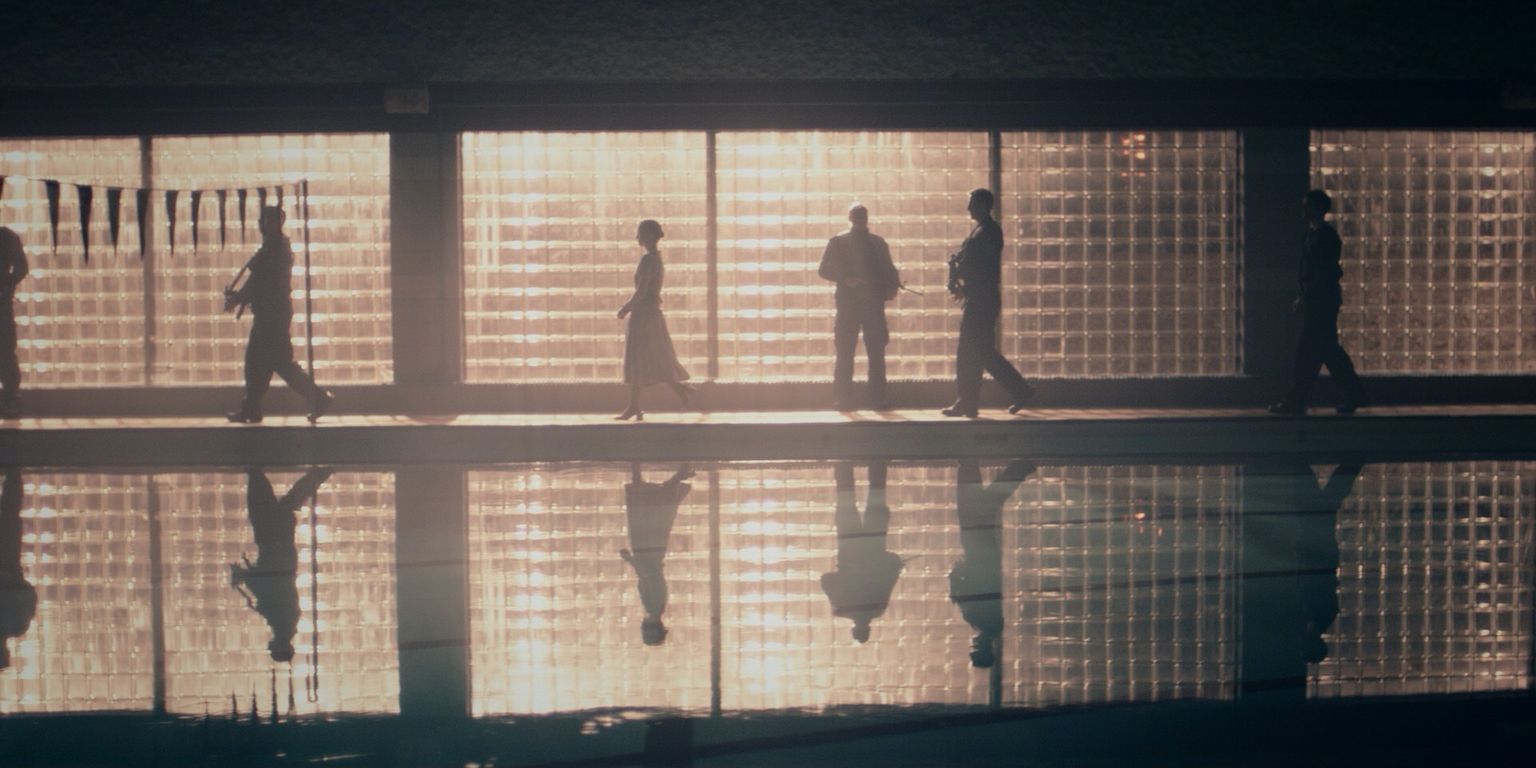
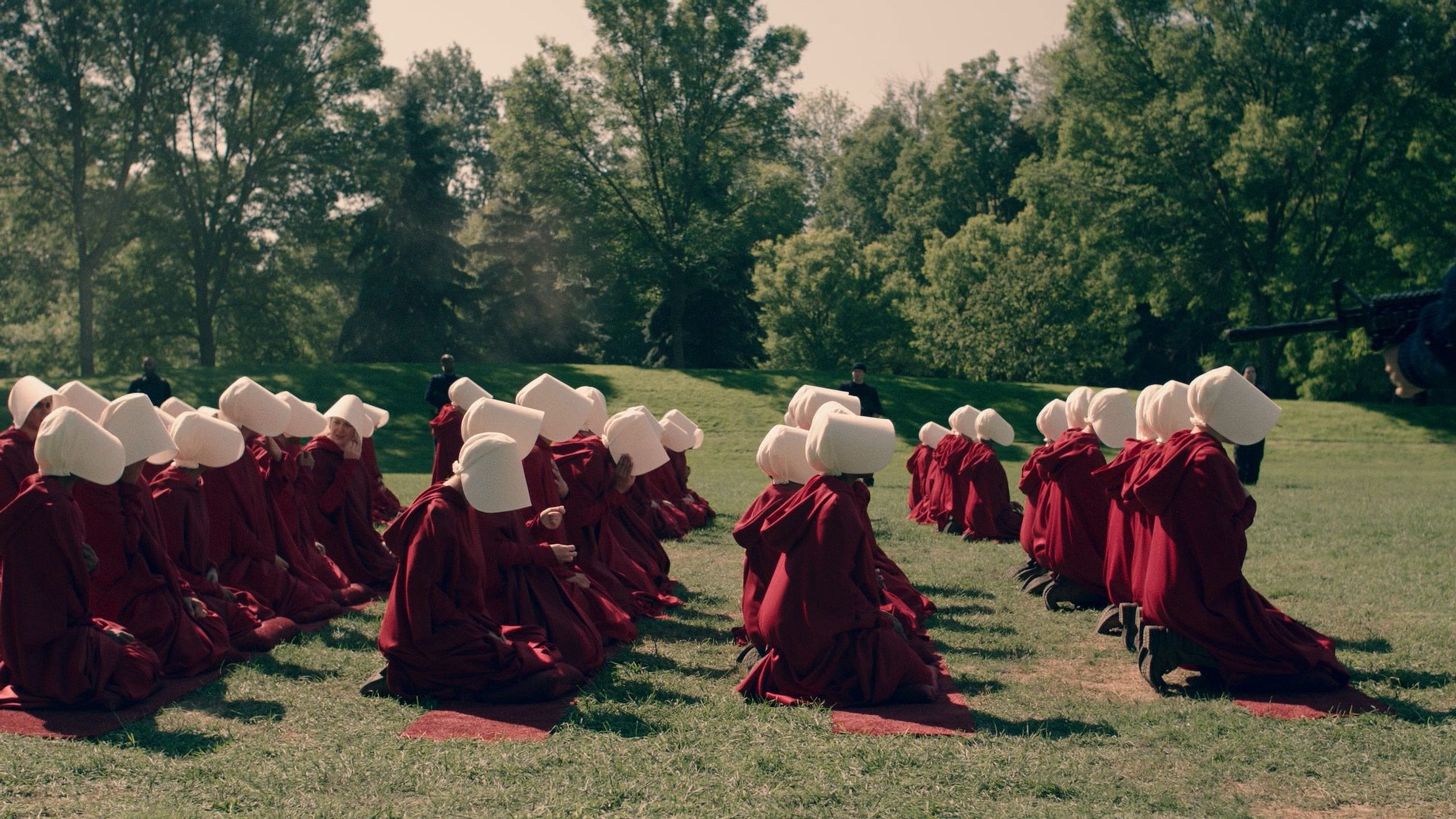
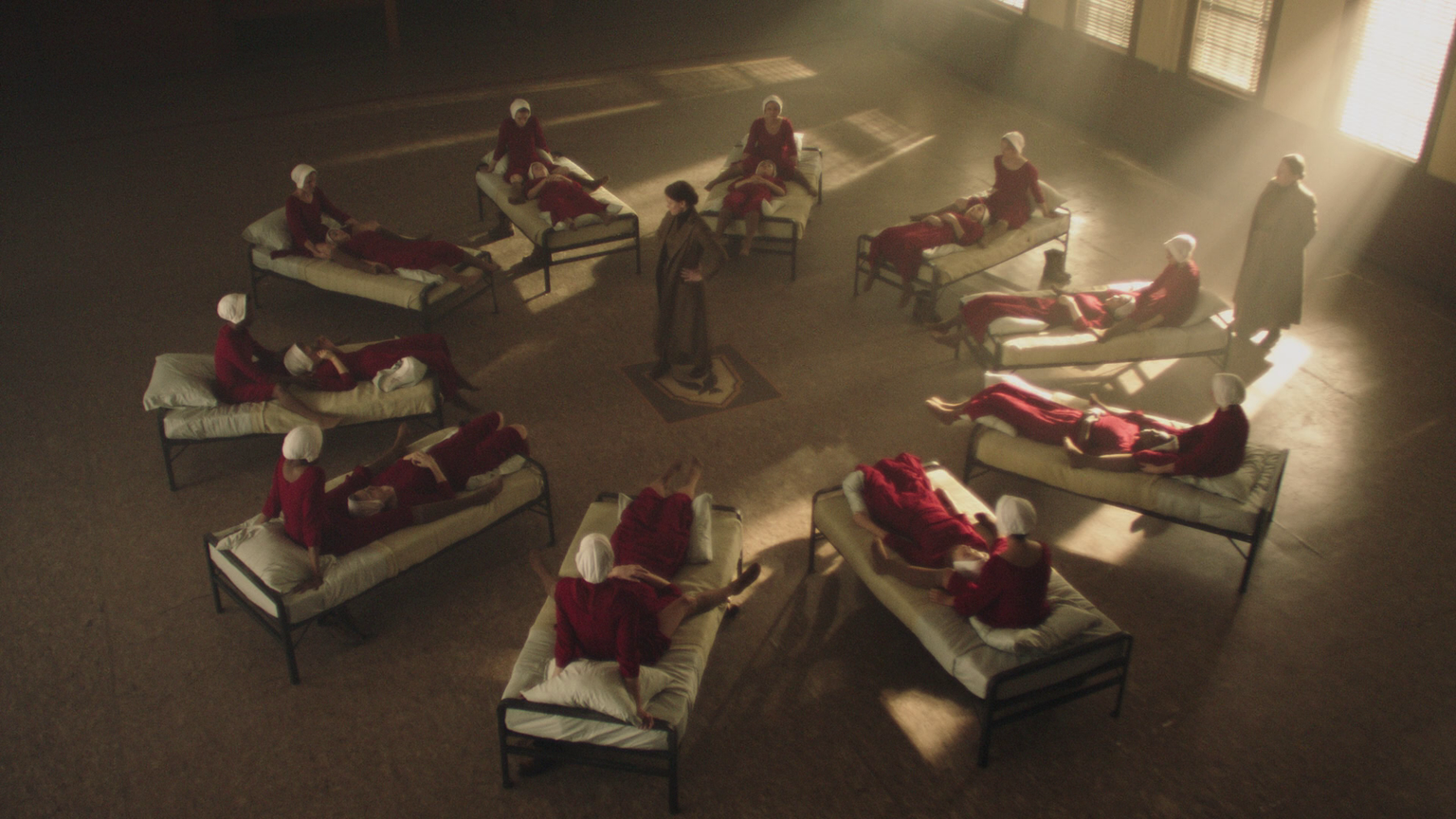
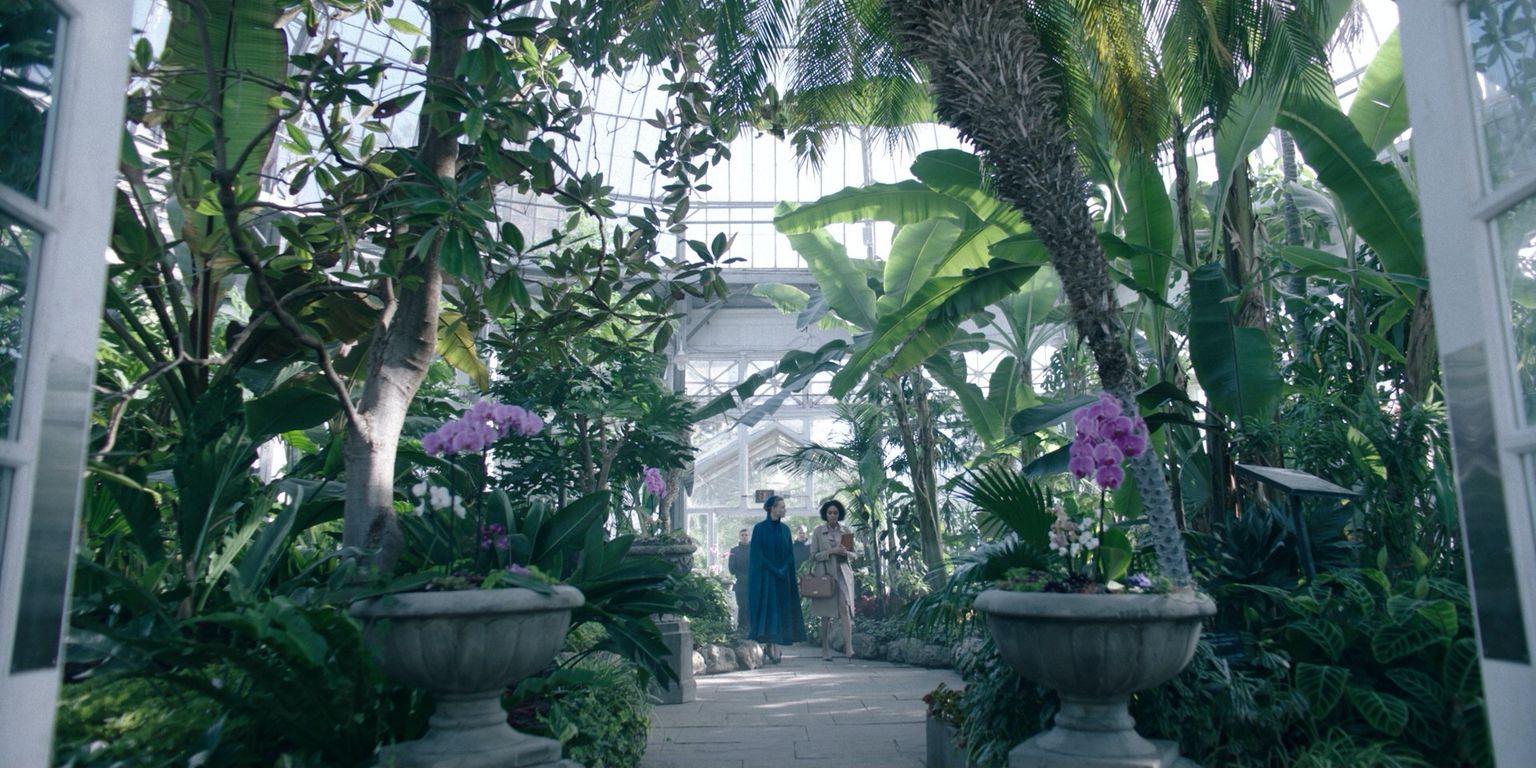
Gilead’s world is meticulously constructed to convey its oppressive ideology visually. The interiors of Commander’s homes, austere public spaces, and ritualistic settings like the Red Center are intentionally sterile yet ceremonial, creating a visual tension between domesticity and control. Production designers utilize architectural lines, confined spaces, and symbolic furniture placement to reinforce hierarchical structures. Public and private spaces differ in light, scale, and decoration, allowing each setting to communicate social power, surveillance, and restriction without overt exposition.

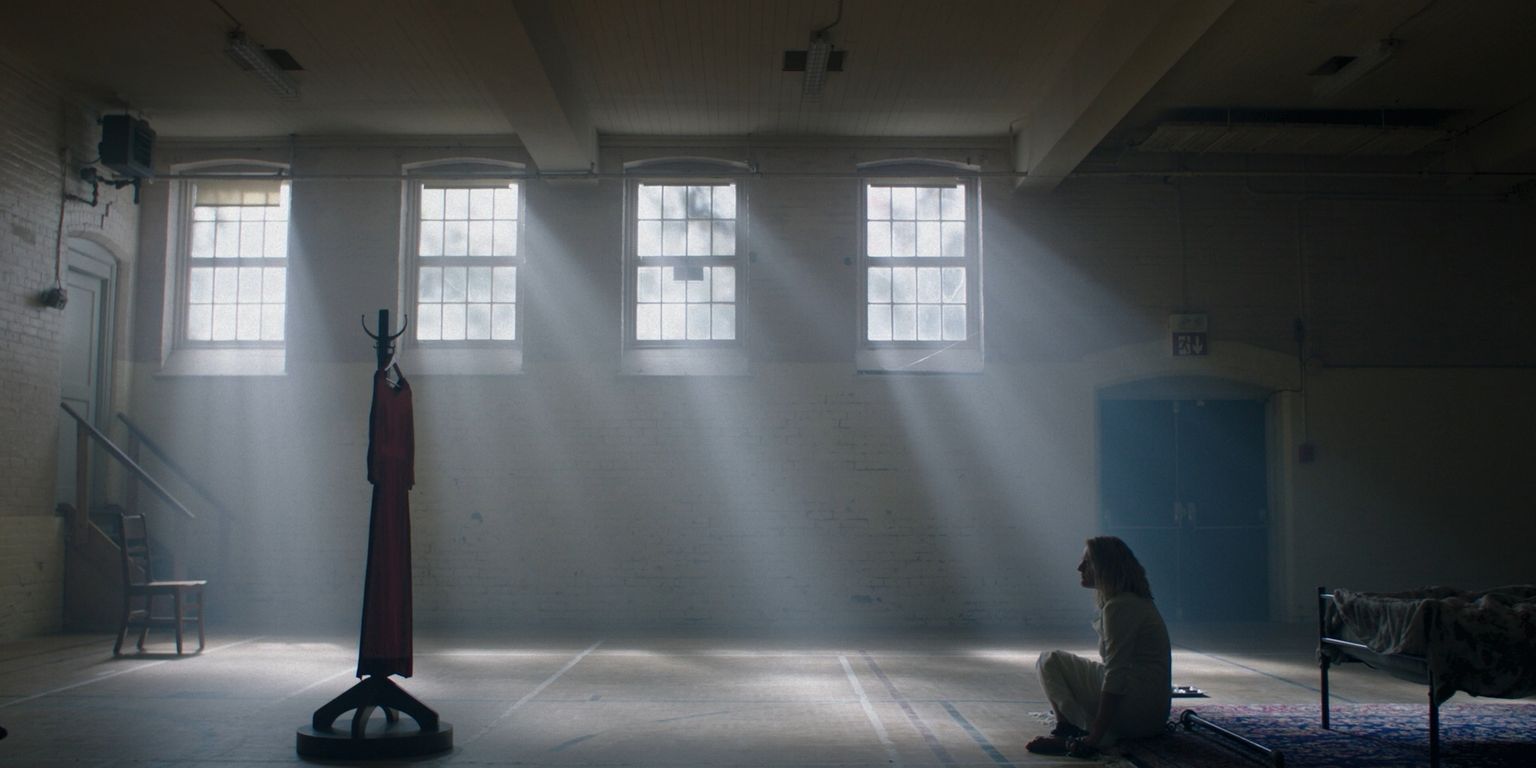

Costume Design and Symbolism
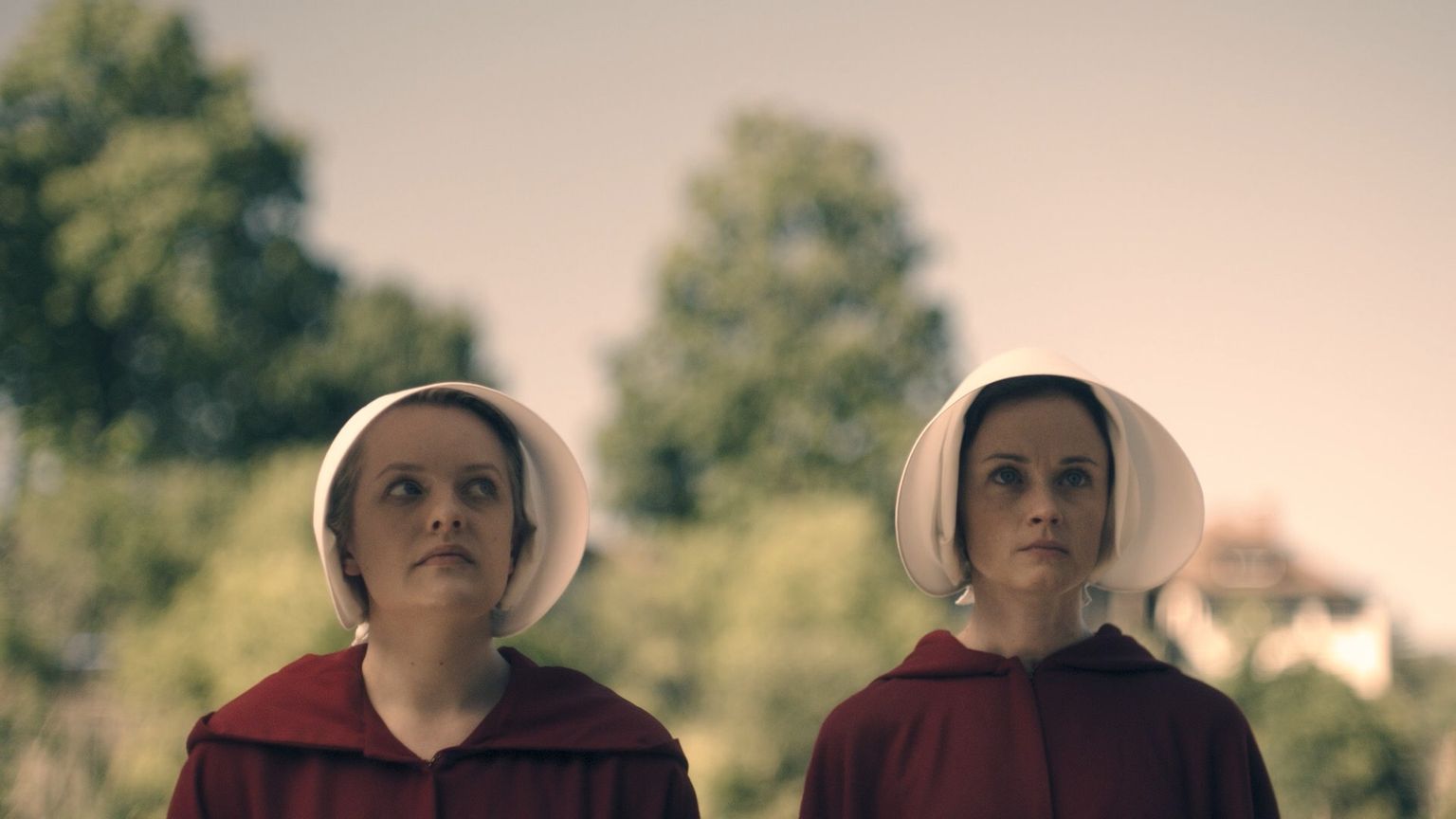
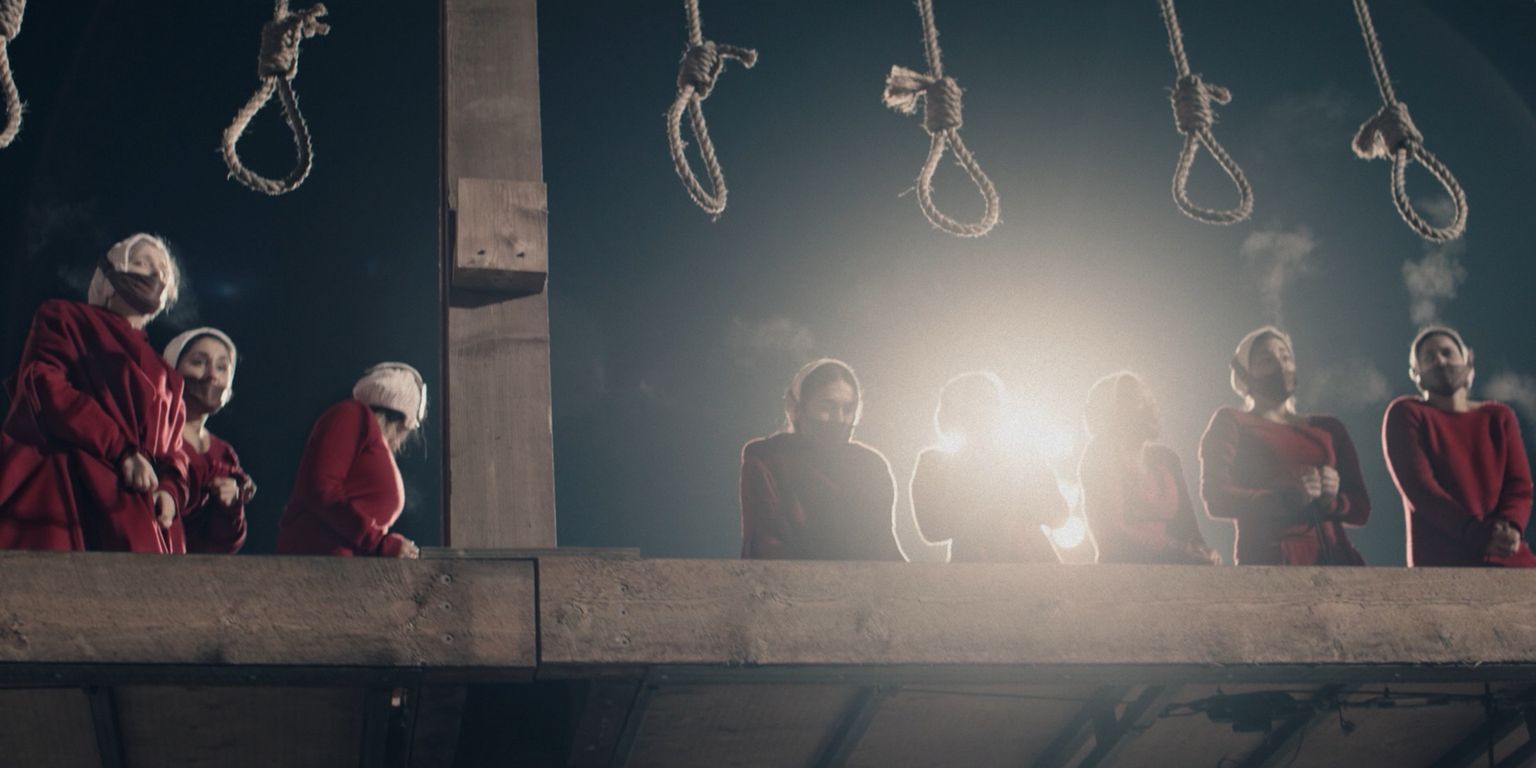
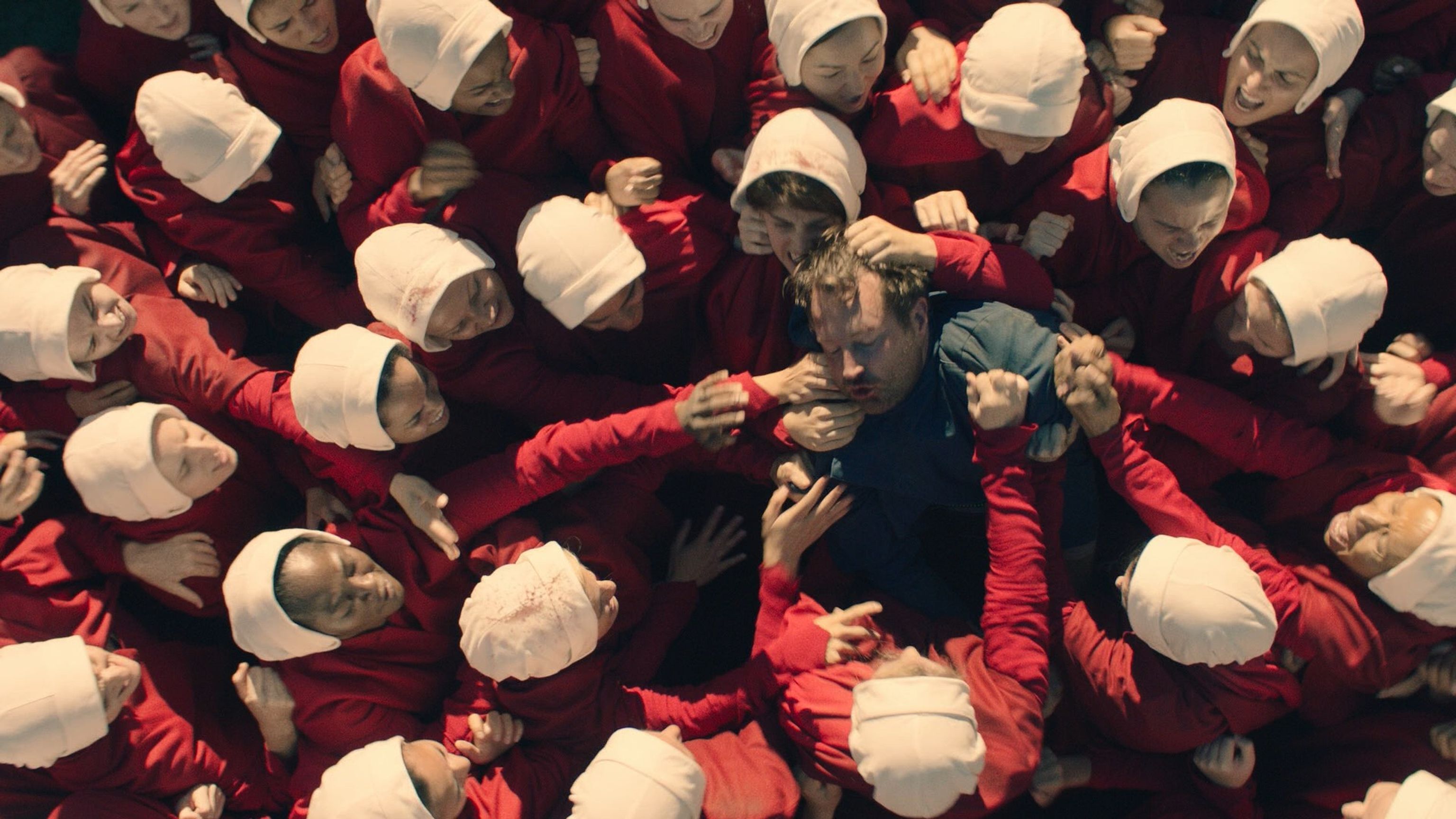
Costumes in The Handmaid’s Tale function as a language of power, class, and identity. The distinctive red cloaks and white bonnets of Handmaids not only establish visual cohesion but symbolize fertility, subjugation, and visibility within a society that seeks to erase individuality. Commanders’ wives, Marthas, and Aunts wear color-coded attire, each palette reflecting social function and control. Costume designer Natalie Bronfman integrates fabric choice, silhouette, and cultural symbolism to express psychological states, convey societal rules, and subtly track the evolution of characters over time.

Visual Language
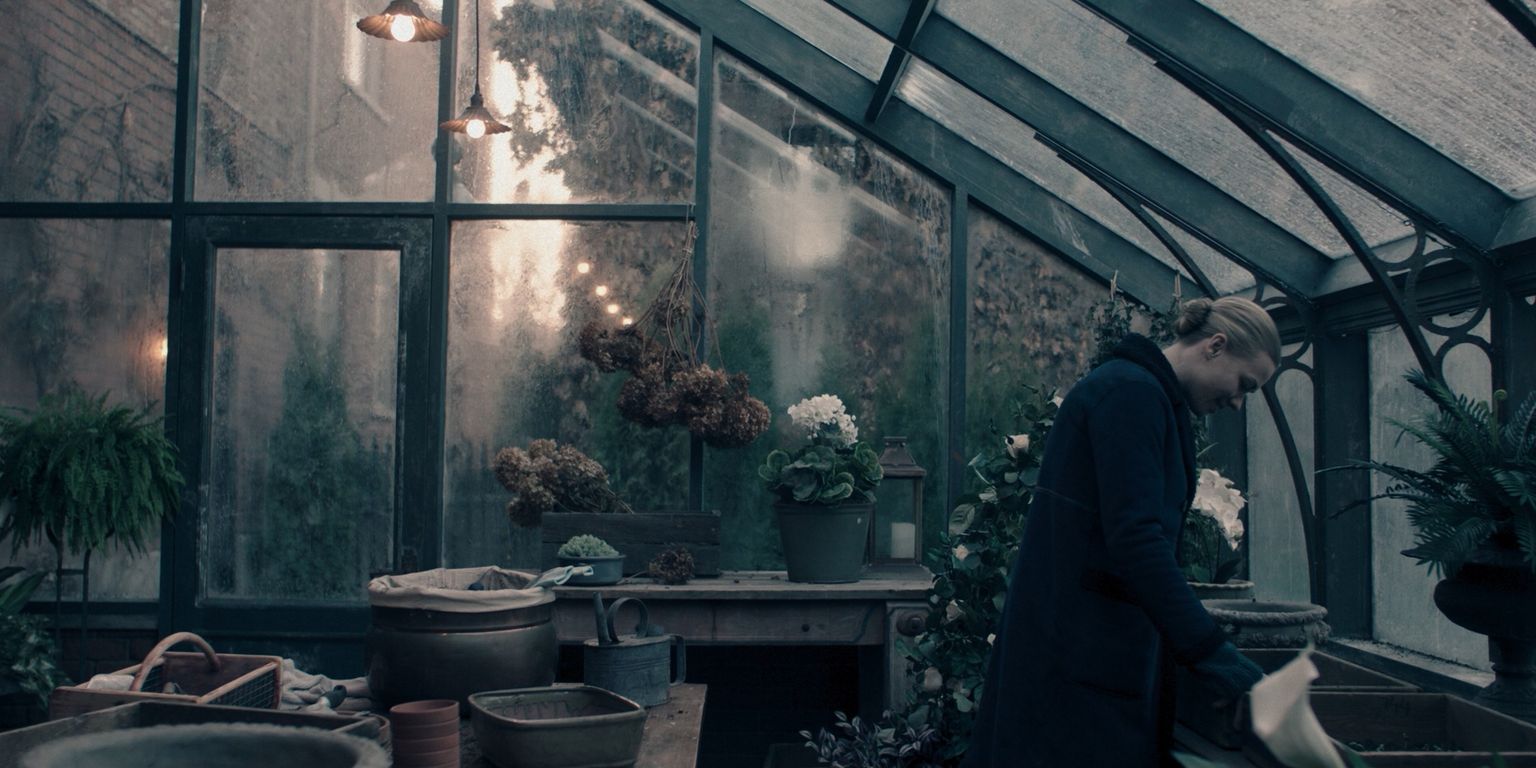
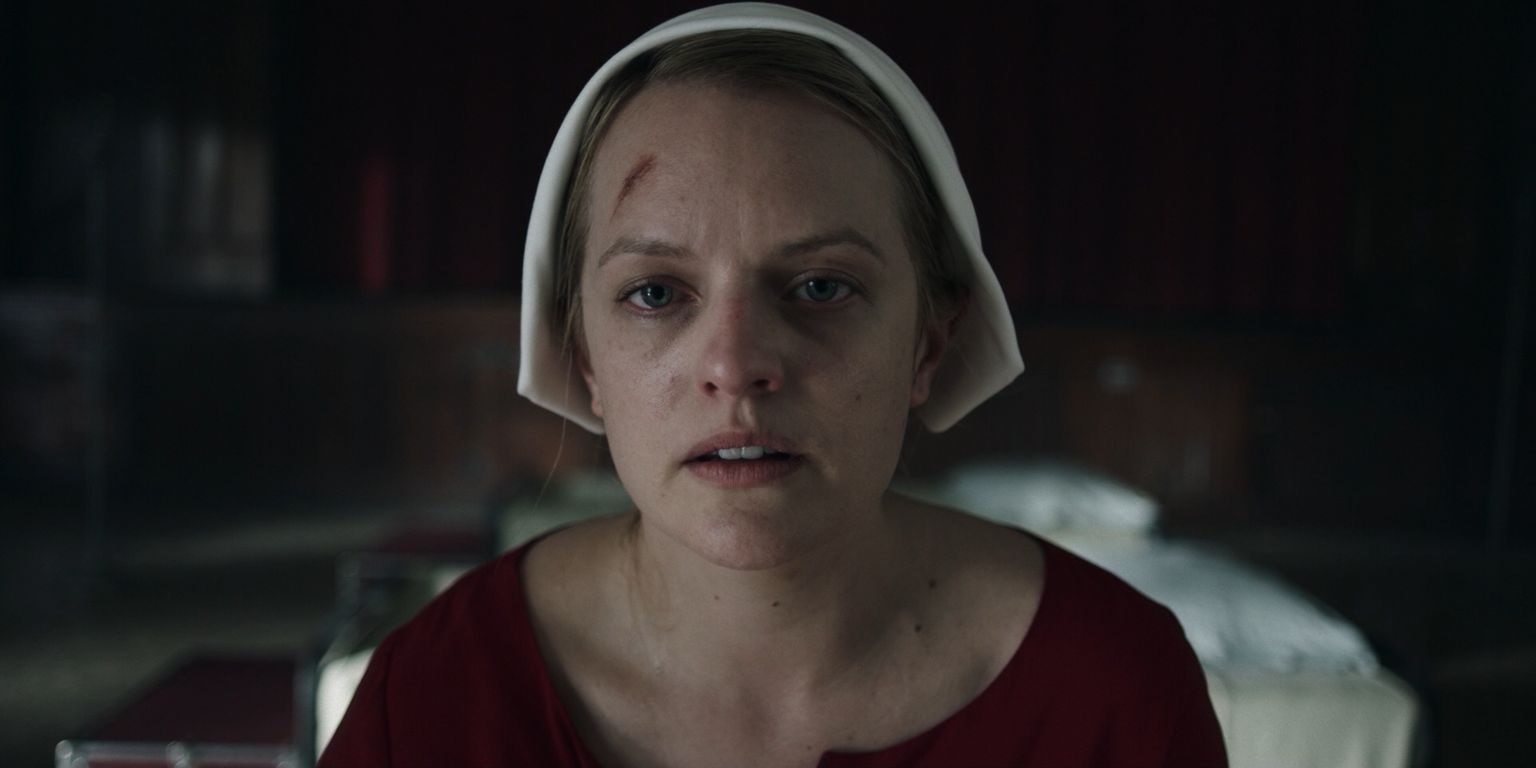
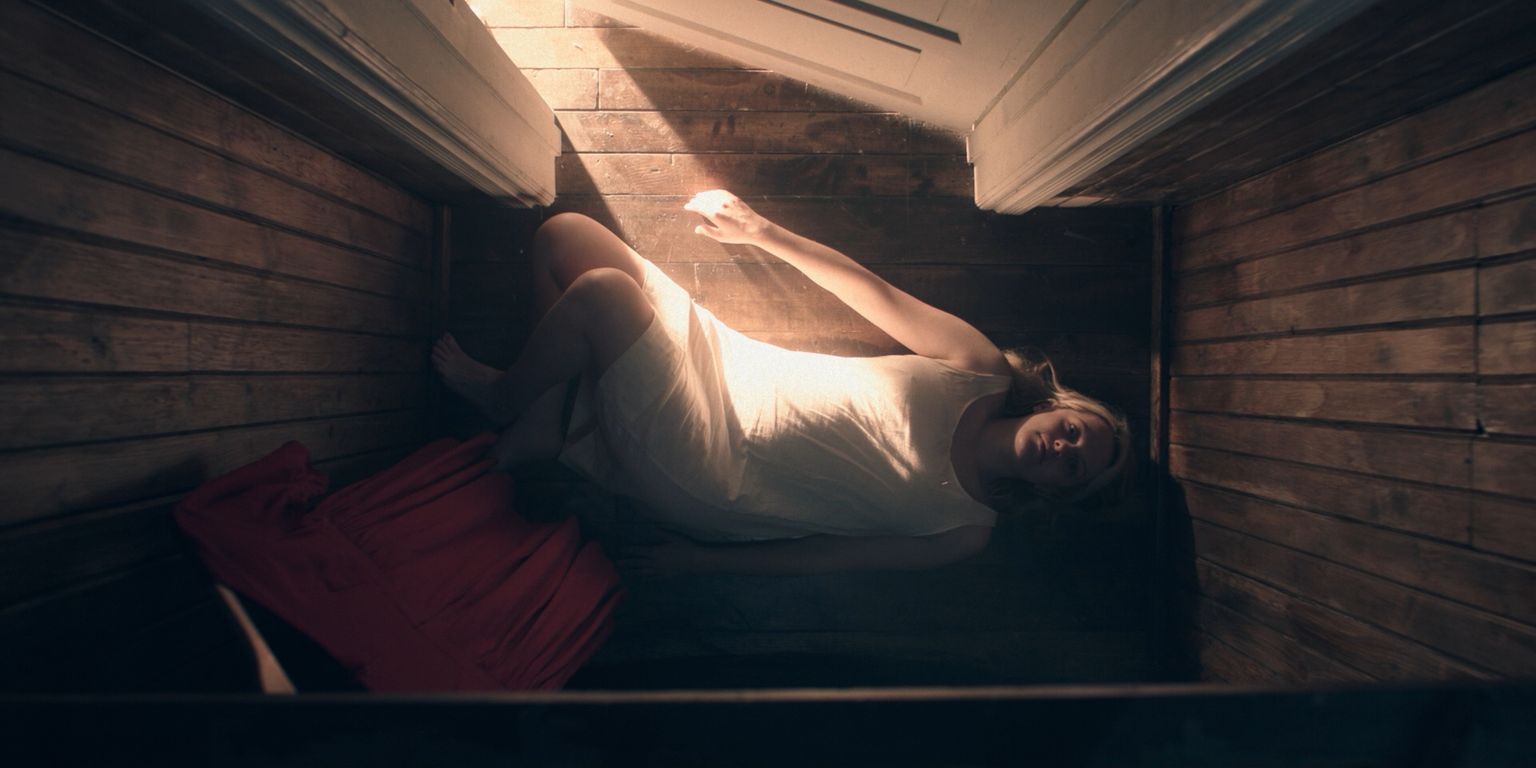
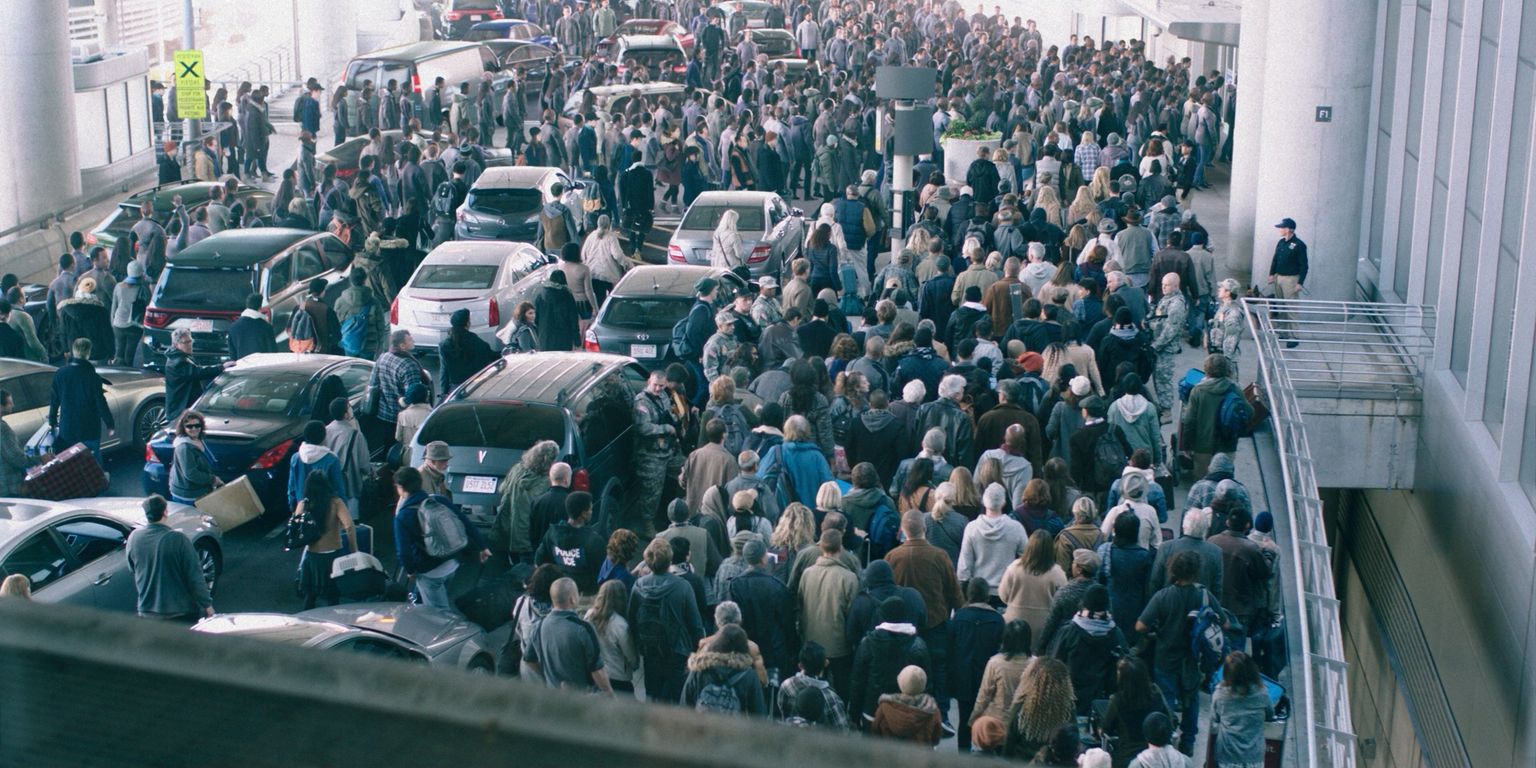
The cinematography in The Handmaid’s Tale employs a deliberate, intimate framing that immerses viewers in the claustrophobic reality of Gilead. Director of photography Colin Watkinson emphasizes naturalistic lighting, long takes, and constrained camera movement to intensify the feeling of surveillance and entrapment. Color grading enhances thematic resonance: muted tones dominate interior scenes, while reds, greens, and blues punctuate key emotional or narrative moments. Strategic depth of field isolates characters, reinforcing their vulnerability or isolation, while visual composition underlines power hierarchies subtly yet effectively.
Color functions as a psychological and narrative device, guiding viewers’ perception of environment, mood, and emotion. The series contrasts the saturated red of Handmaids’ garments against the pale, sterile interiors of Gilead’s institutions to create a visual hierarchy. Greens and blues often signify hope, secrecy, or rebellion, while dim, desaturated tones convey despair or surveillance. The meticulous grading process ensures that even subtle variations in lighting communicate shifts in tone or the internal state of characters, turning every frame into a narrative statement.






Social Commentary and Cultural Impact
Beyond storytelling, the series operates as a contemporary allegory addressing gender inequality, authoritarianism, and reproductive rights. By portraying a society where women are stripped of autonomy, the narrative resonates with ongoing debates surrounding women’s rights, systemic control, and bodily autonomy globally. Its visual lexicon – especially the red Handmaid costume – has transcended the screen, inspiring protests, performances, and discussions around political extremism and the fragility of civil liberties.