Florian Henckel von Donnersmarck
The Lives of Others
- DirectorFlorian Henckel von Donnersmarck
- CinematographerHagen Bogdanski
TROELS CARLSEN European history , art communities, politics and love. Everything is under pressure in this unforgettable movie. Should be mandatory in every classroom.

The Lives of Others
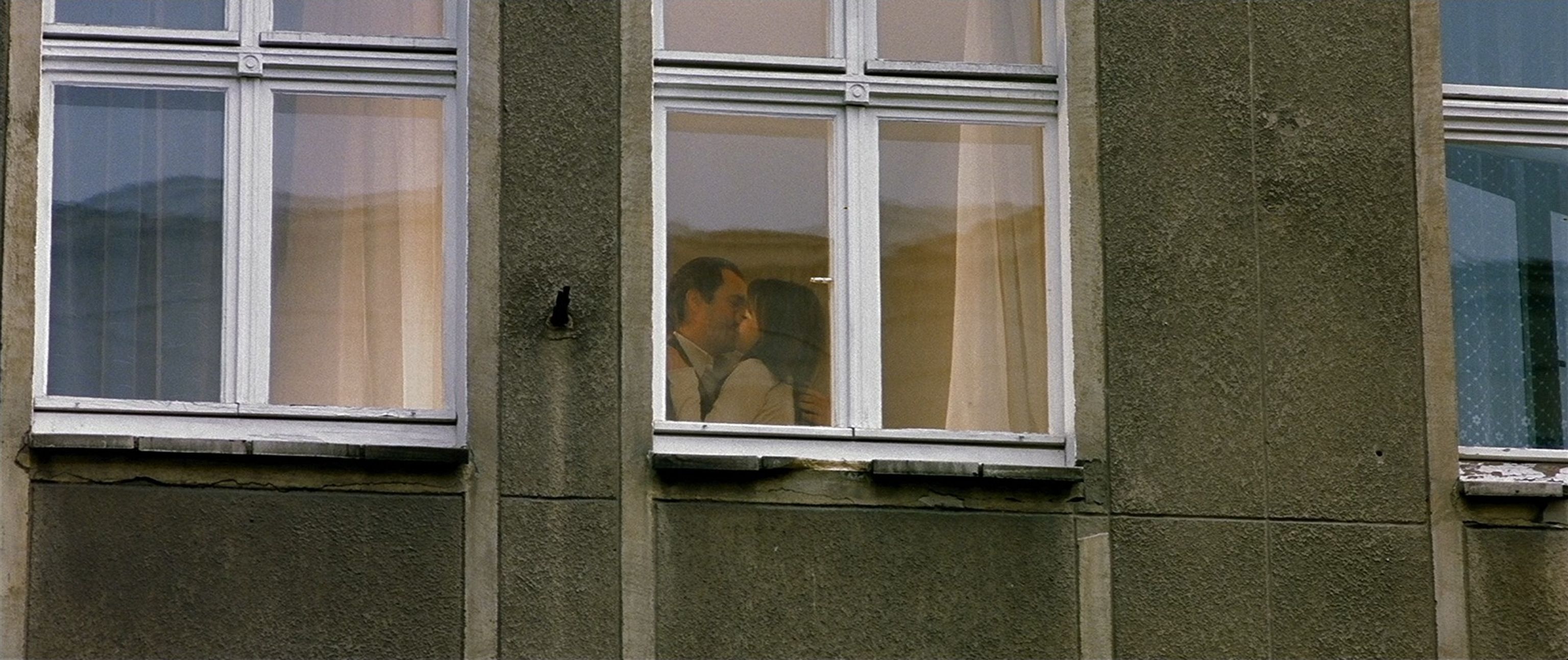
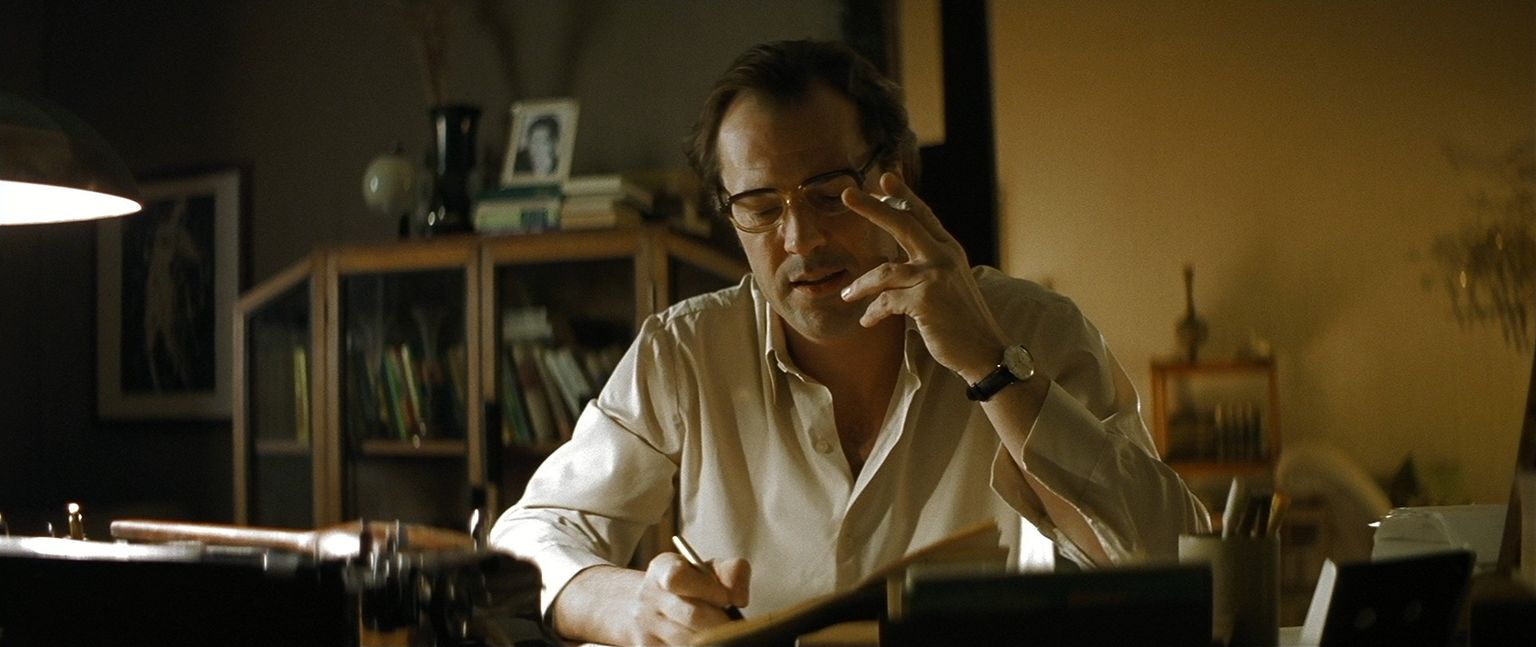
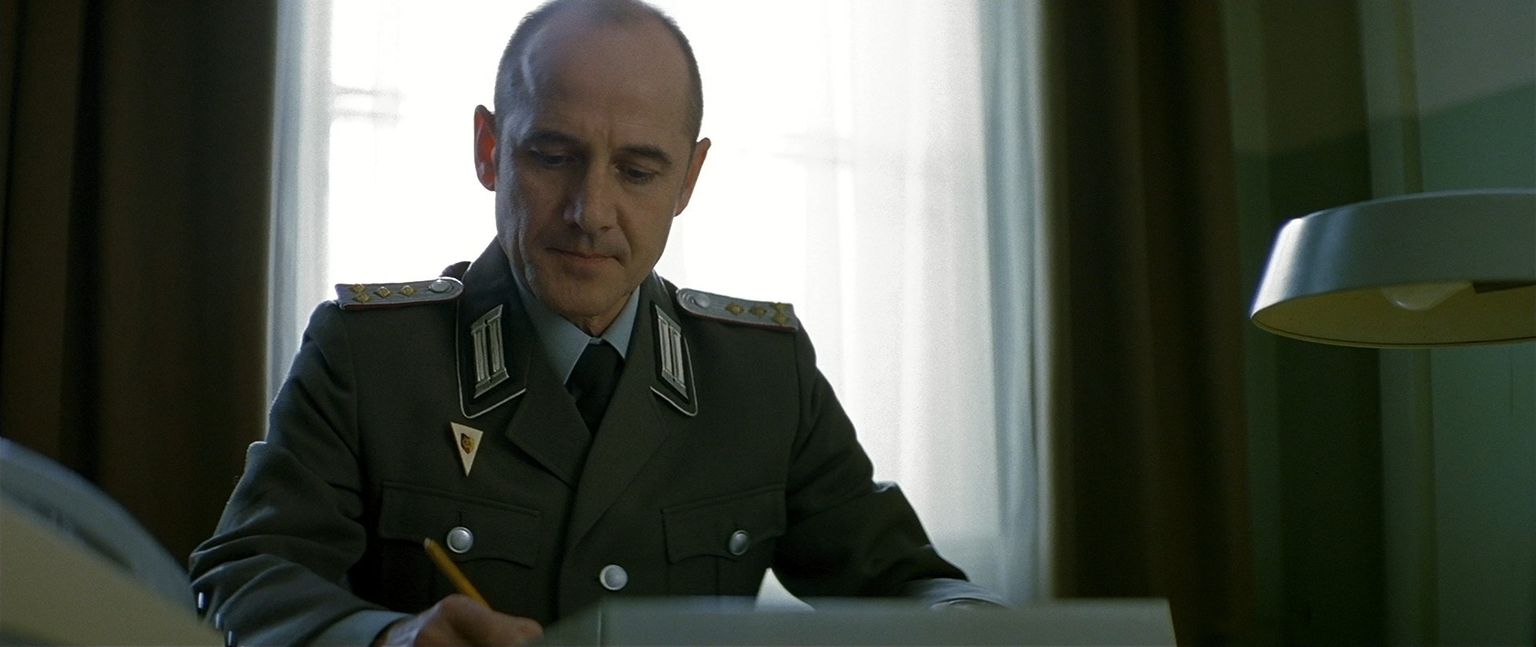
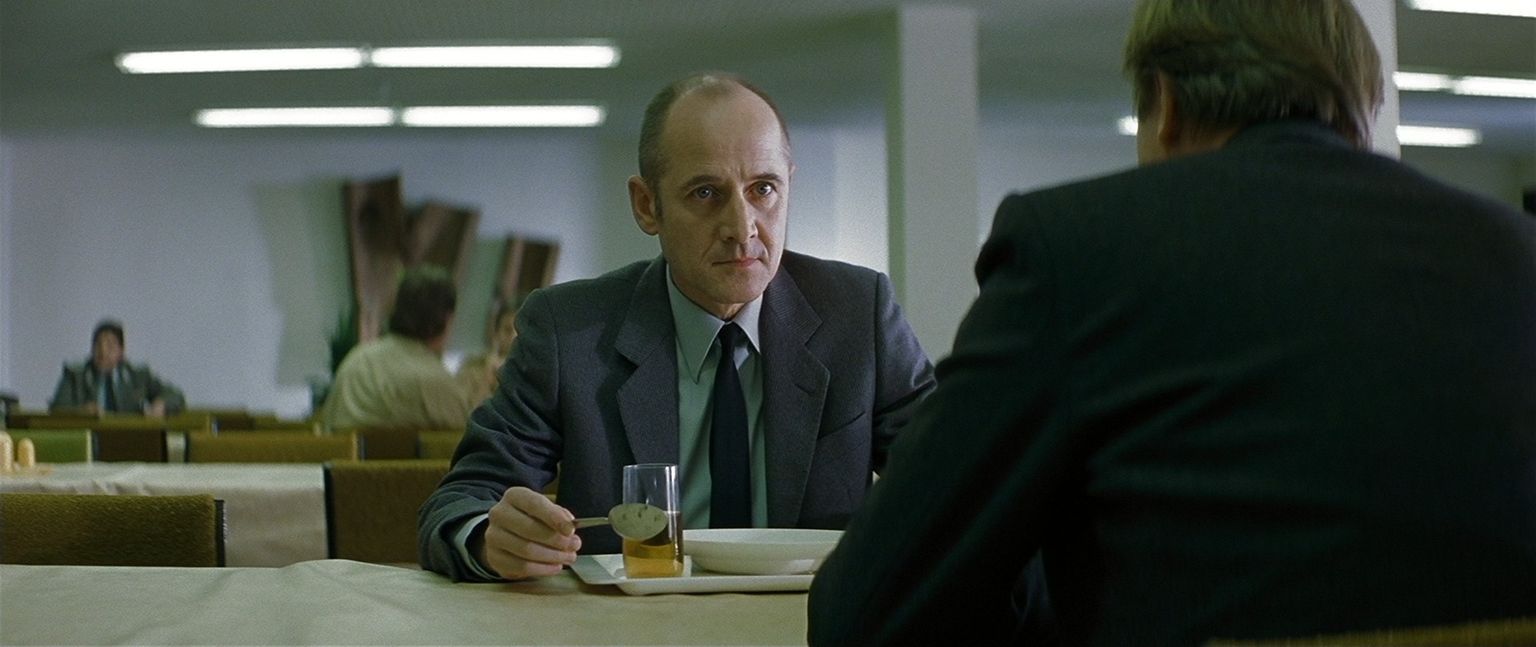
The Lives of Others arrived quietly in 2006 and left like a thunderclap. Set in East Berlin in 1984, it follows a Stasi officer assigned to spy on a playwright and his partner. What begins as routine surveillance becomes a moral awakening. The film won the Academy Award for Best Foreign Language Film, but its real power lies in how personal and intimate it makes a system built on fear.


A Story Born From Listening
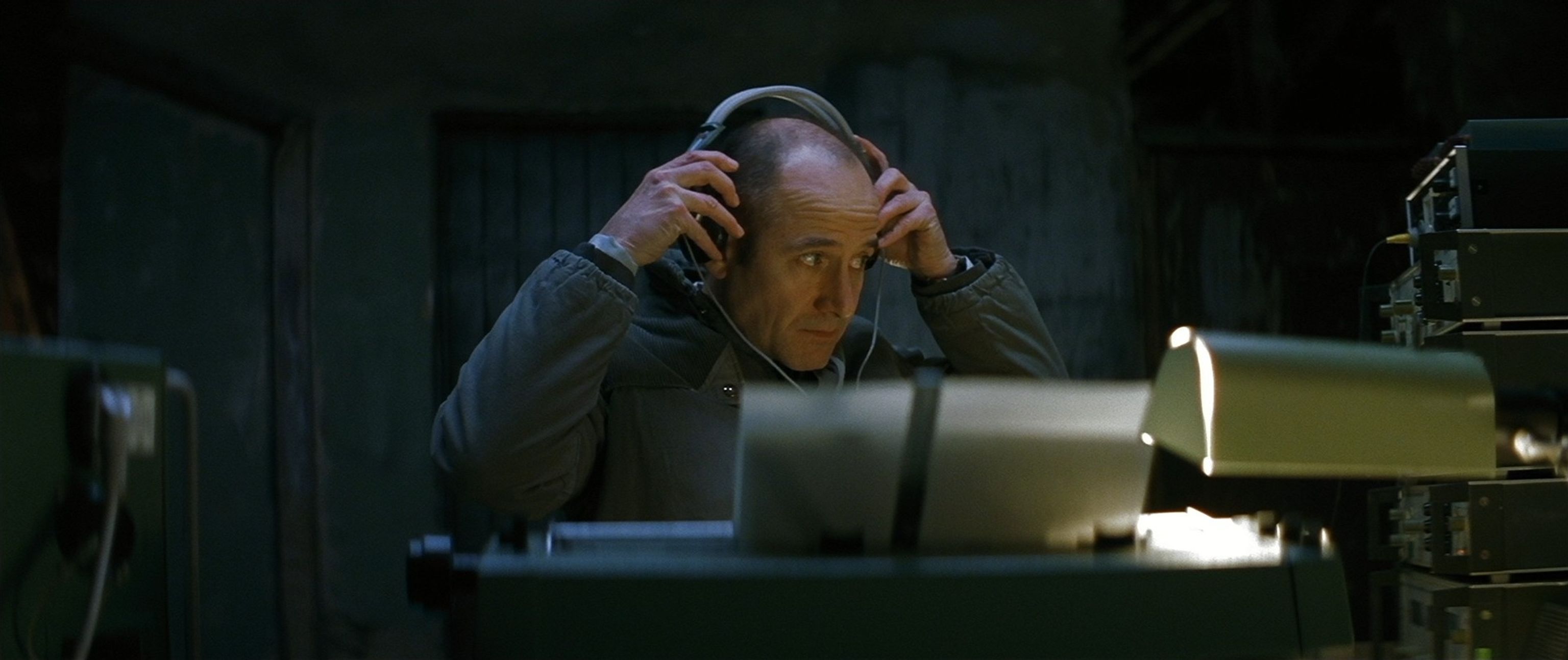
Writer director Florian Henckel von Donnersmarck did not grow up inside the Stasi machine. He grew up around its echoes. He interviewed former officers, victims, and ordinary citizens who learned to speak in whispers. One detail changed everything for him. Stasi agents once joked that their headphones were so sensitive they could hear people breathe. That idea of breath, of private life turned into evidence, shaped the film’s quiet tension.
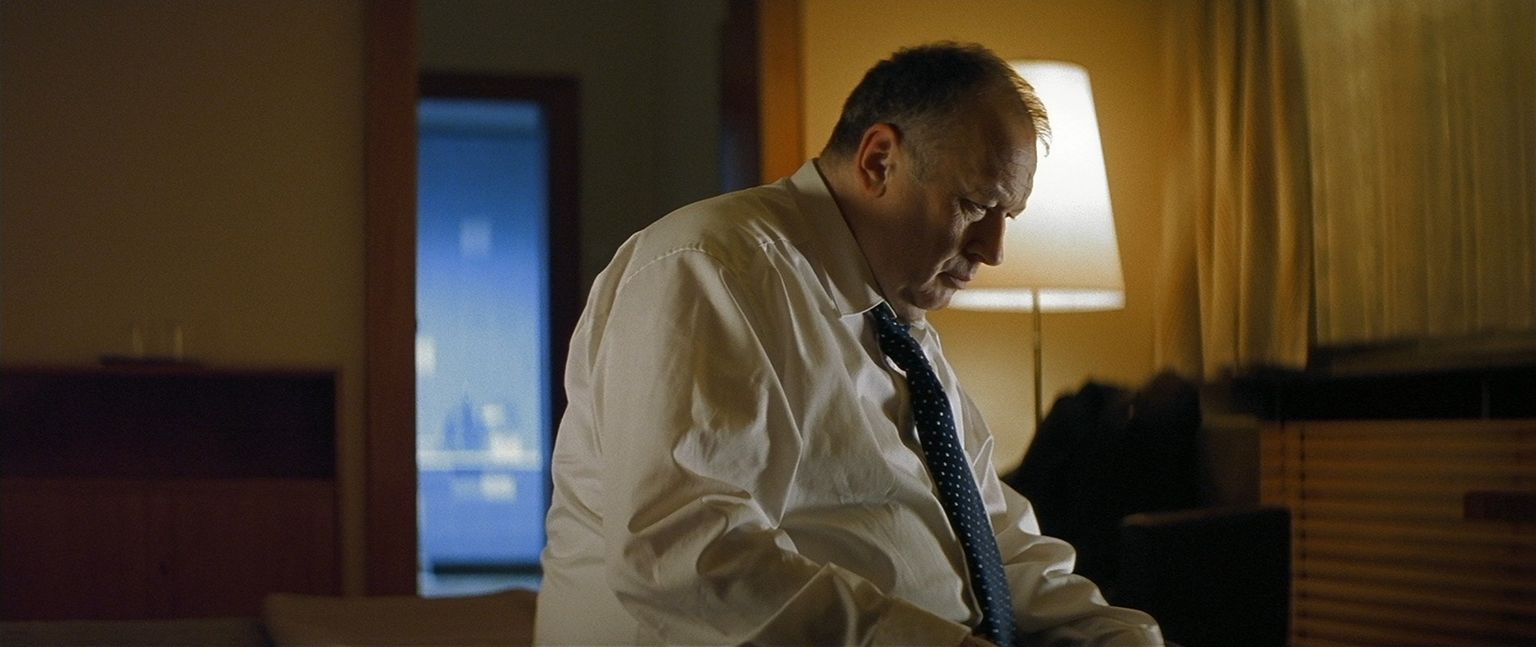
The character of Gerd Wiesler is not based on one person. He is a composite drawn from many testimonies, including rare cases of officials who felt the weight of what they were doing. The film does not claim most spies turned human. It argues that even in rigid systems, individual conscience can flicker to life.
What It Is Really About
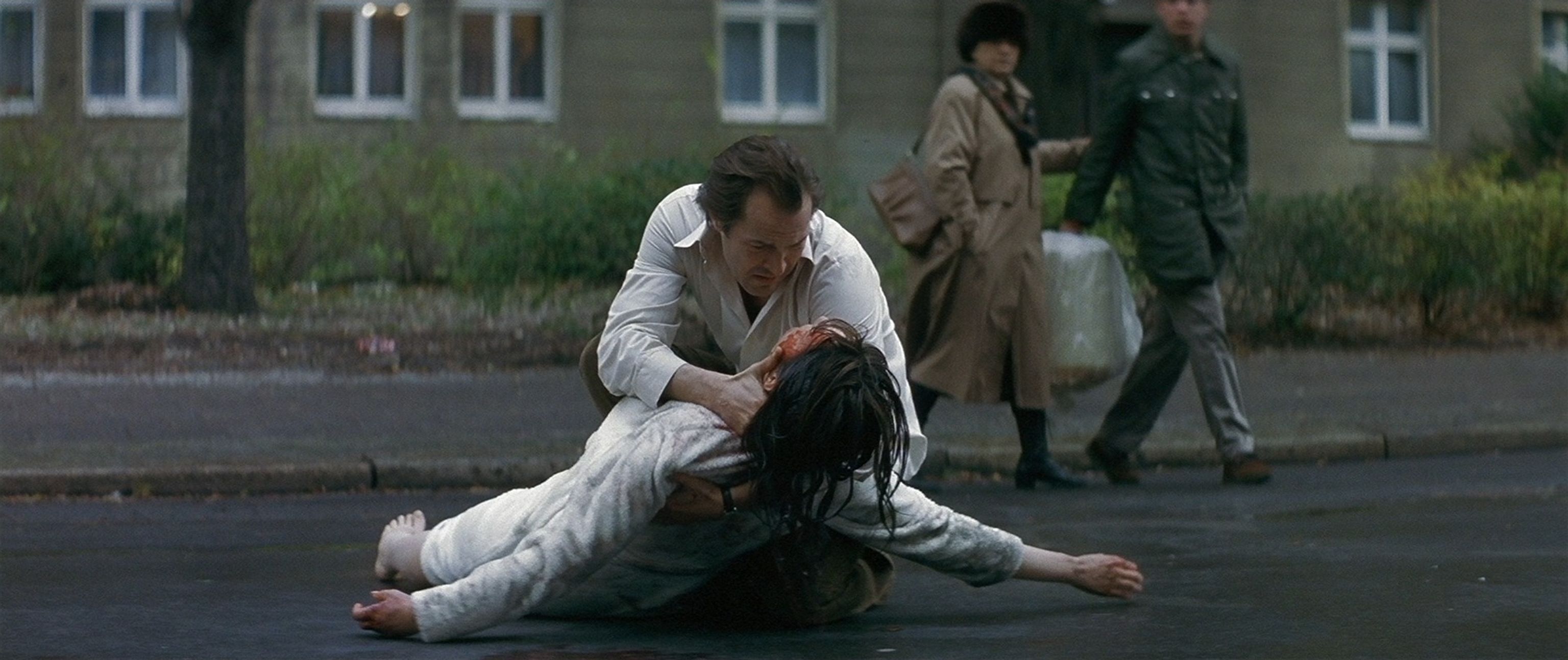
On the surface, the movie is about surveillance. Underneath, it is about art and empathy. Wiesler’s change begins not with politics but with music. A piano piece breaks through the wall of his training. He starts to see the couple not as targets but as people. This is the film’s central meaning. Art can restore humanity where ideology has erased it.
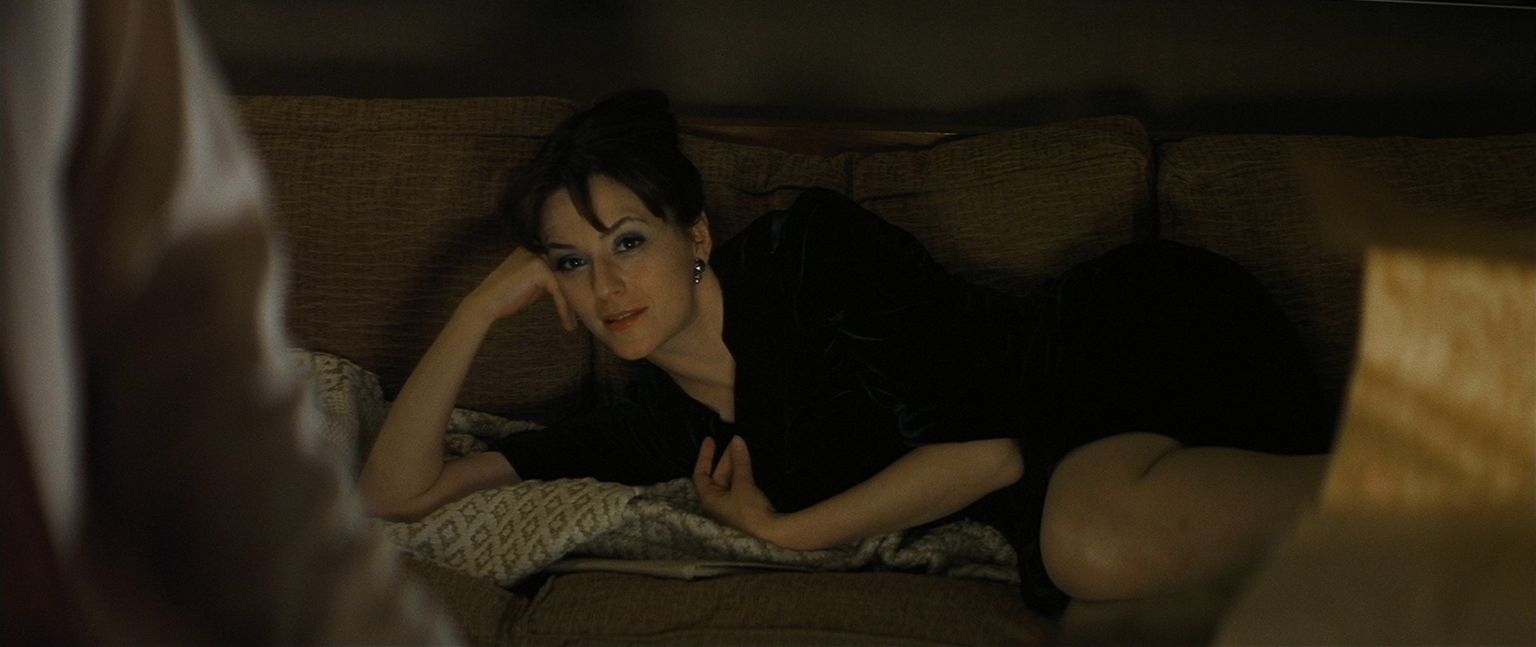
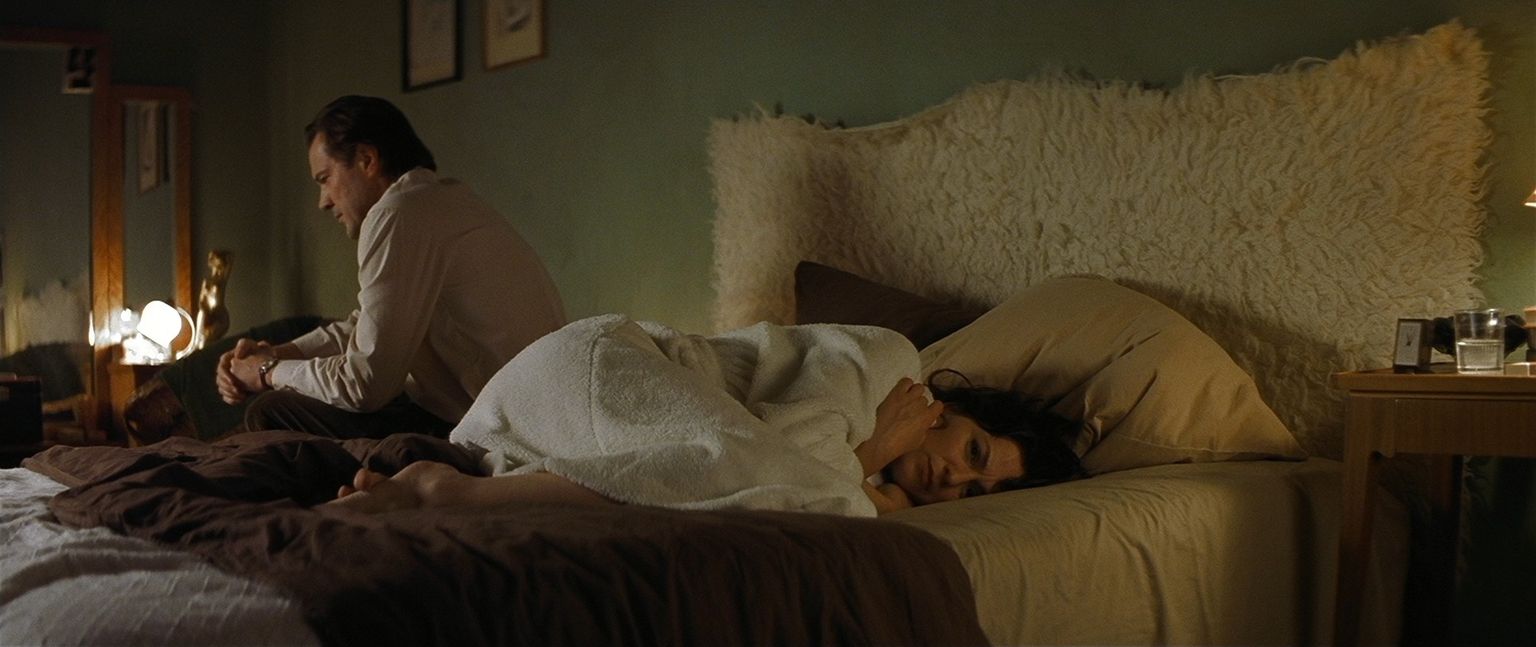
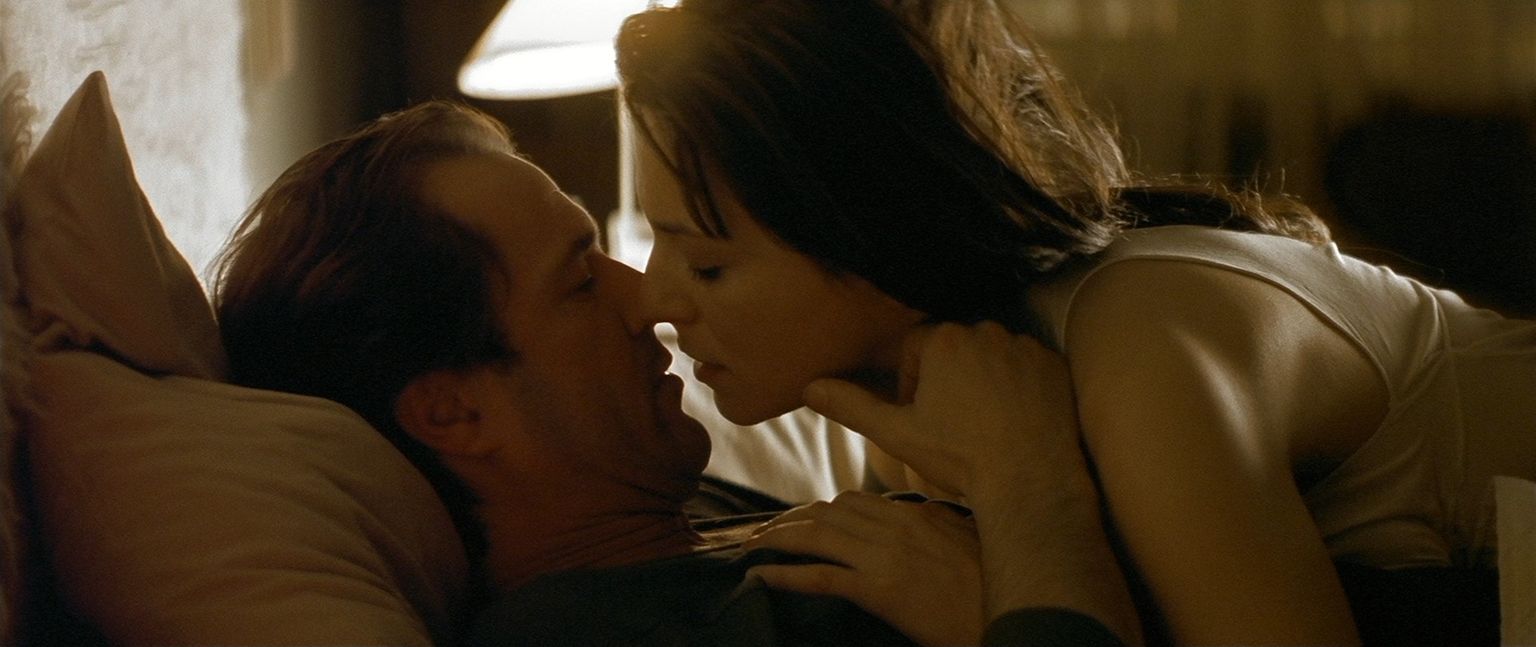
It also explores how power distorts love and loyalty. The playwright is protected by a minister’s interest. His partner is trapped between fear and compromise. The Stasi does not only collect information. It engineers moral collapse by forcing people into impossible choices.

Why It Still Matters Today
We live in a time of constant observation. Phones listen. Cameras watch. Algorithms infer. The film feels prophetic because it shows the emotional cost of being watched, not just the political one. When privacy disappears, behavior changes. People censor themselves. Relationships strain. Creativity narrows.
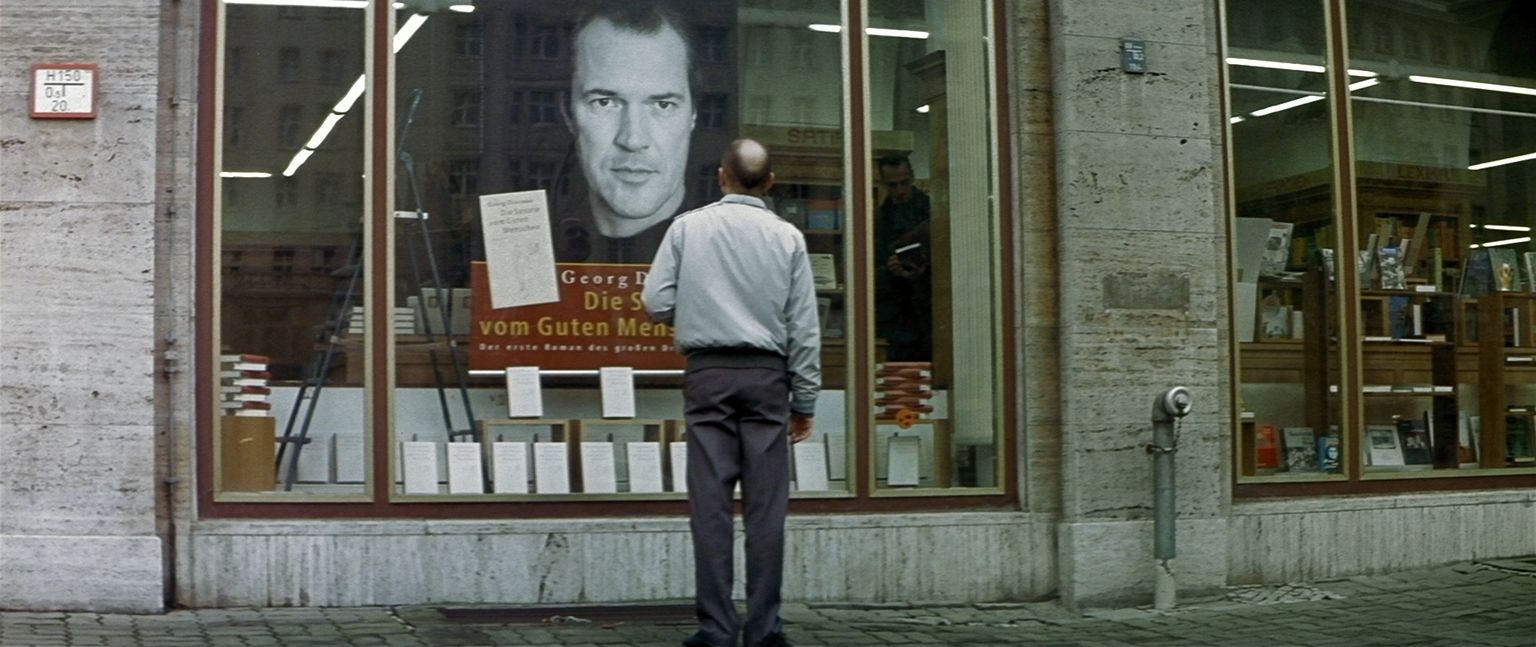
The movie also matters because it refuses simple heroes. Wiesler’s redemption is small and private. He saves a man, not a nation. In an age obsessed with grand gestures, the film argues that ethical change often looks like quiet disobedience.






A Lesson for the Present
The most haunting line of the film is not spoken. It is the long silence when someone realizes they have been heard all along. Today, the question is not whether we are monitored. It is who controls the listening and to what end.
The Lives of Others endures because it reminds us that systems do not feel guilt. People do. And when a person chooses to stop obeying cruelty, even in a tiny way, history bends a little.
The Final Note
Years after the fall of the Berlin Wall, the film suggests that freedom is not only about borders opening. It is about inner doors opening too. The choice to protect another person’s inner life is a radical act. That idea has not aged. It has only become more urgent.