Uncommon Creative Studio
The Ordinary - The Periodic Fable
- ClientThe Ordinary
- AgencyUncommon Creative Studio
- CreativeEllie Daghlian, Elisa Czerwenka, Ali Dickinson and Jake Haynes
- Production CompanySmuggler
- DirectorOlivia De Camps
- CinematographerPeter Bishop
- Production DesignerSarah Asmail
HUGO GARCÍA MOYA Black Mirror vibes all the way.
The Periodic Fable takes the language of science, the periodic table, chemical elements, all that stuff that makes something feel credible and trustworthy, and uses it to expose how ridiculous beauty marketing can get.
I love how simple the idea is. They basically created a fake science for all the bullshit we’ve been sold for years.
Smart, weird, exceptionally executed, and a little disturbing.


The Beauty Industry’s Fiction
In an industry where scientific language has become one of beauty marketing’s most powerful tools, The Ordinary and Uncommon Creative Studio decided to turn the language itself against the industry. The Periodic Fable imagines a parallel periodic table, one in which chemical elements are replaced by 49 familiar skincare promises such as “Poreless”, “Medical Grade”, “Wrinkle Erasing”, “Miracle” and “Fat Freezing”. The result is a scientific table with zero science, exposing how easily the authority of scientific language can make questionable beauty claims appear credible.
Rather than simply telling consumers that beauty marketing can be misleading, the campaign gives those claims a physical system. Each invented element is presented with the visual authority of chemistry, complete with symbols and classifications, while the absurdity of the language gradually becomes apparent. The concept is rooted in The Ordinary’s longstanding emphasis on transparency and evidence based skincare, but the campaign extends that philosophy into a broader critique of an industry built around aspiration, transformation and increasingly elaborate promises.

A Classroom of Beauty Rituals
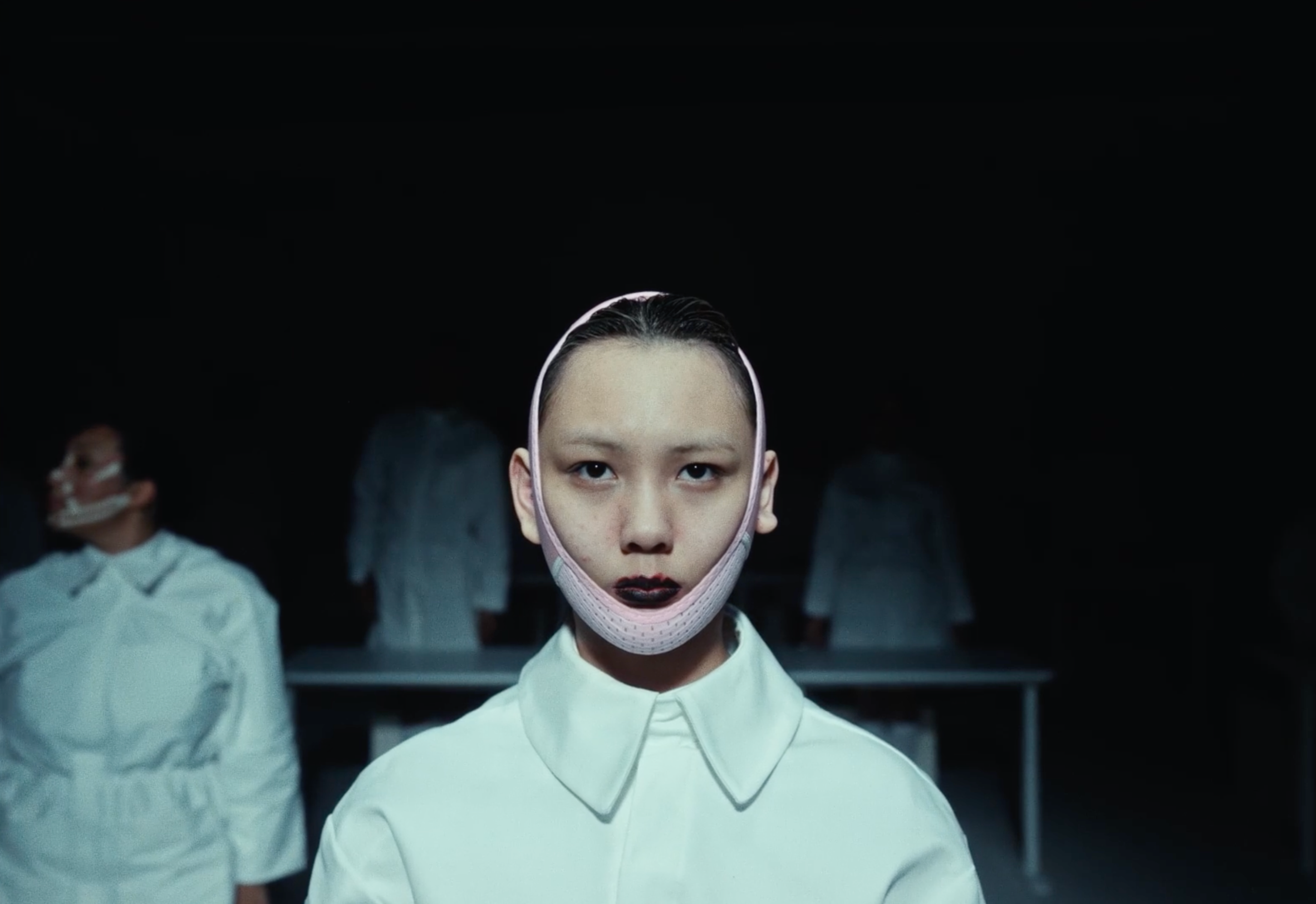
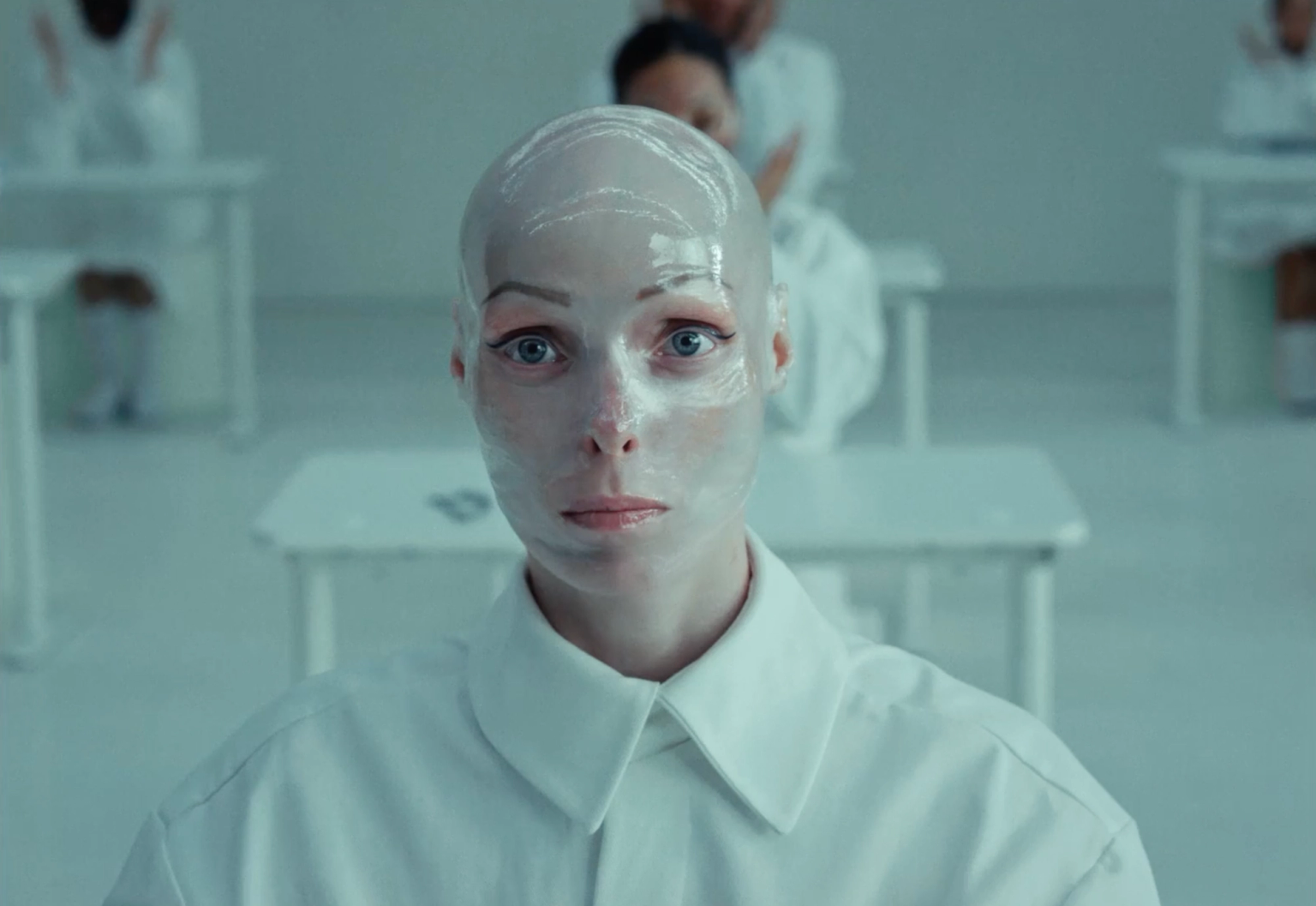
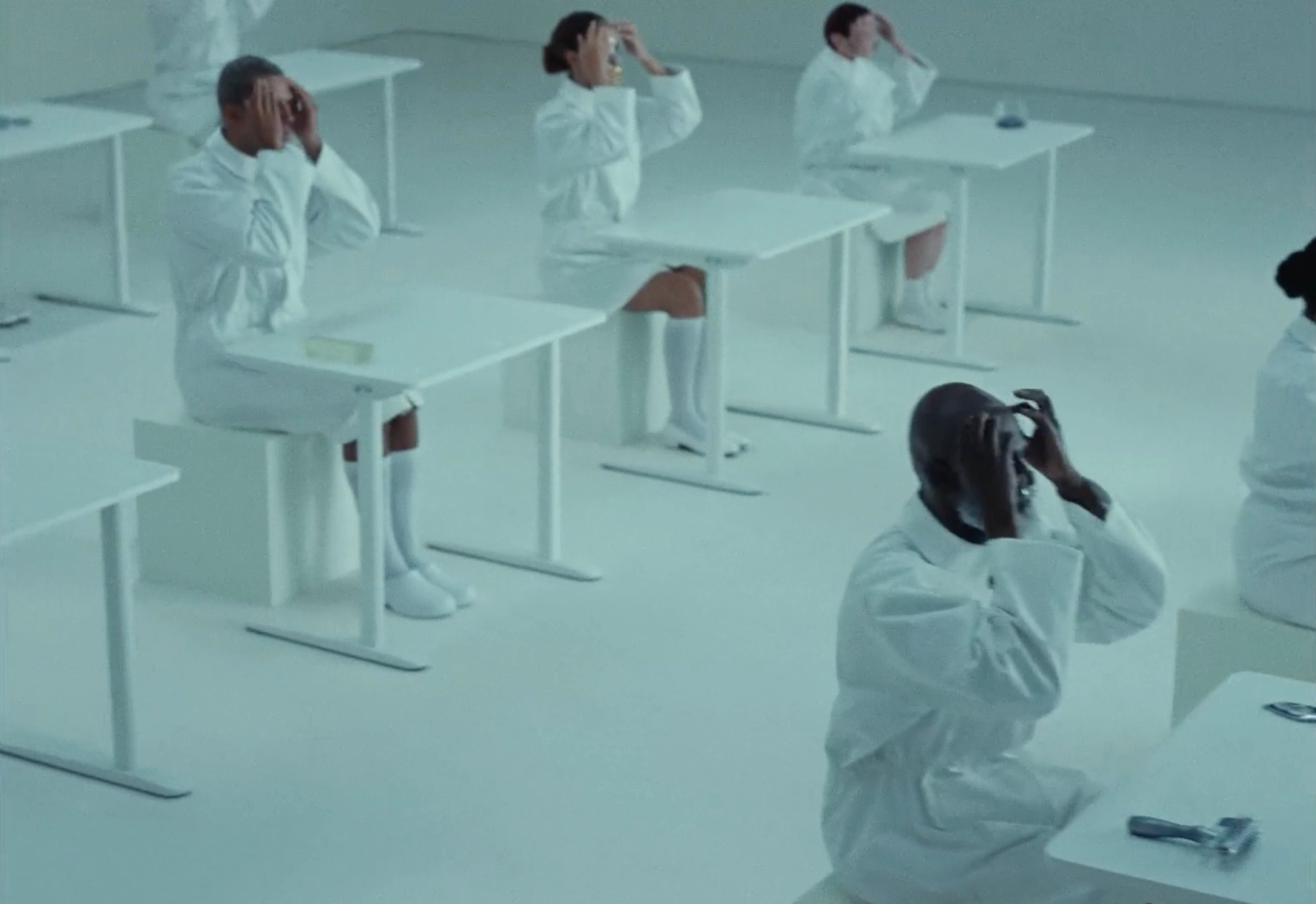
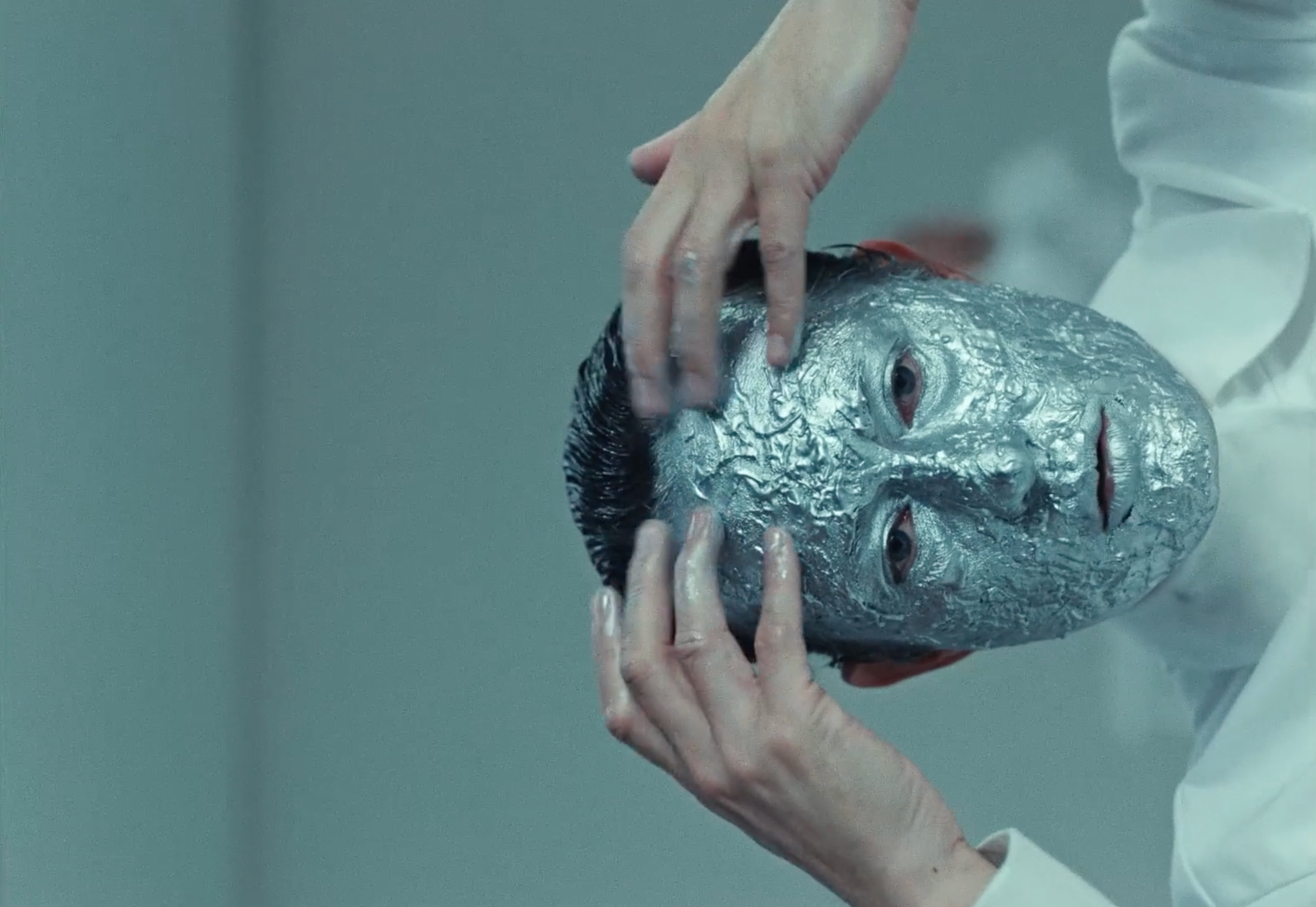
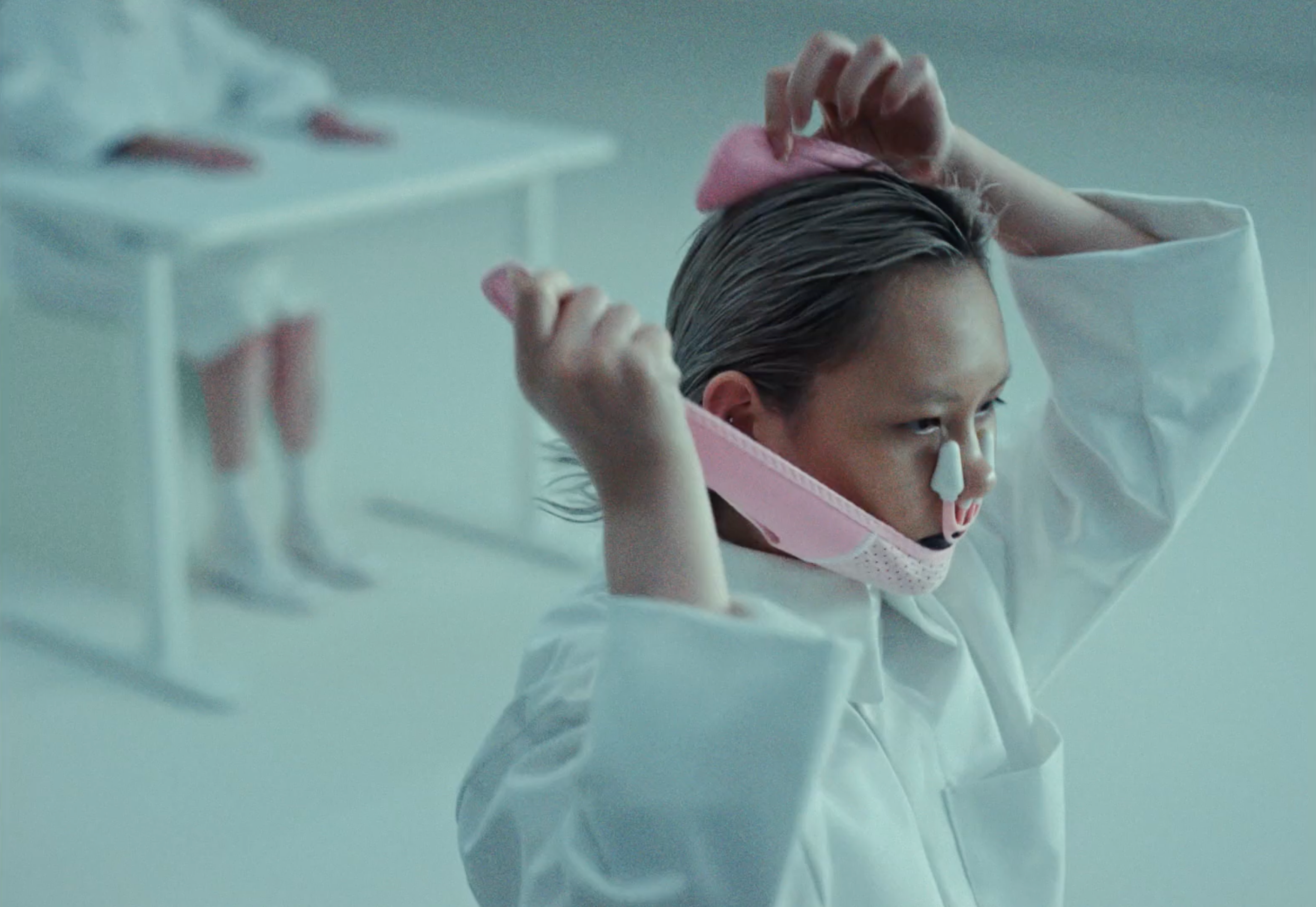
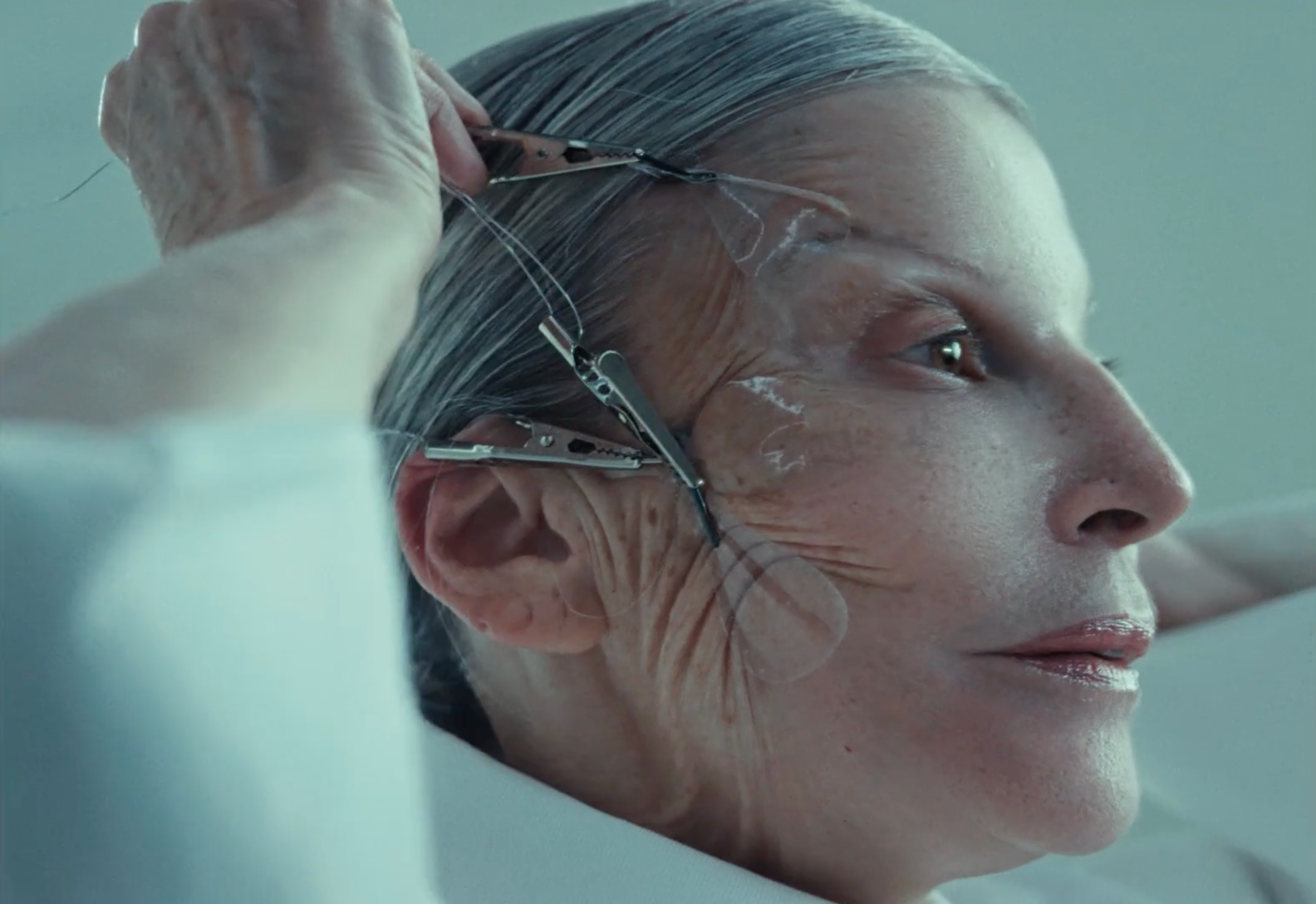
The idea comes to life in a surreal 60 second film directed by Olivia De Camps and produced by Smuggler. Set inside an uncanny classroom, students move through a series of synchronised beauty rituals, from ice rolling and facial massage to other familiar routines. Their behaviour feels almost hypnotic, as though they are repeating lessons they have absorbed without questioning where the claims behind them come from.
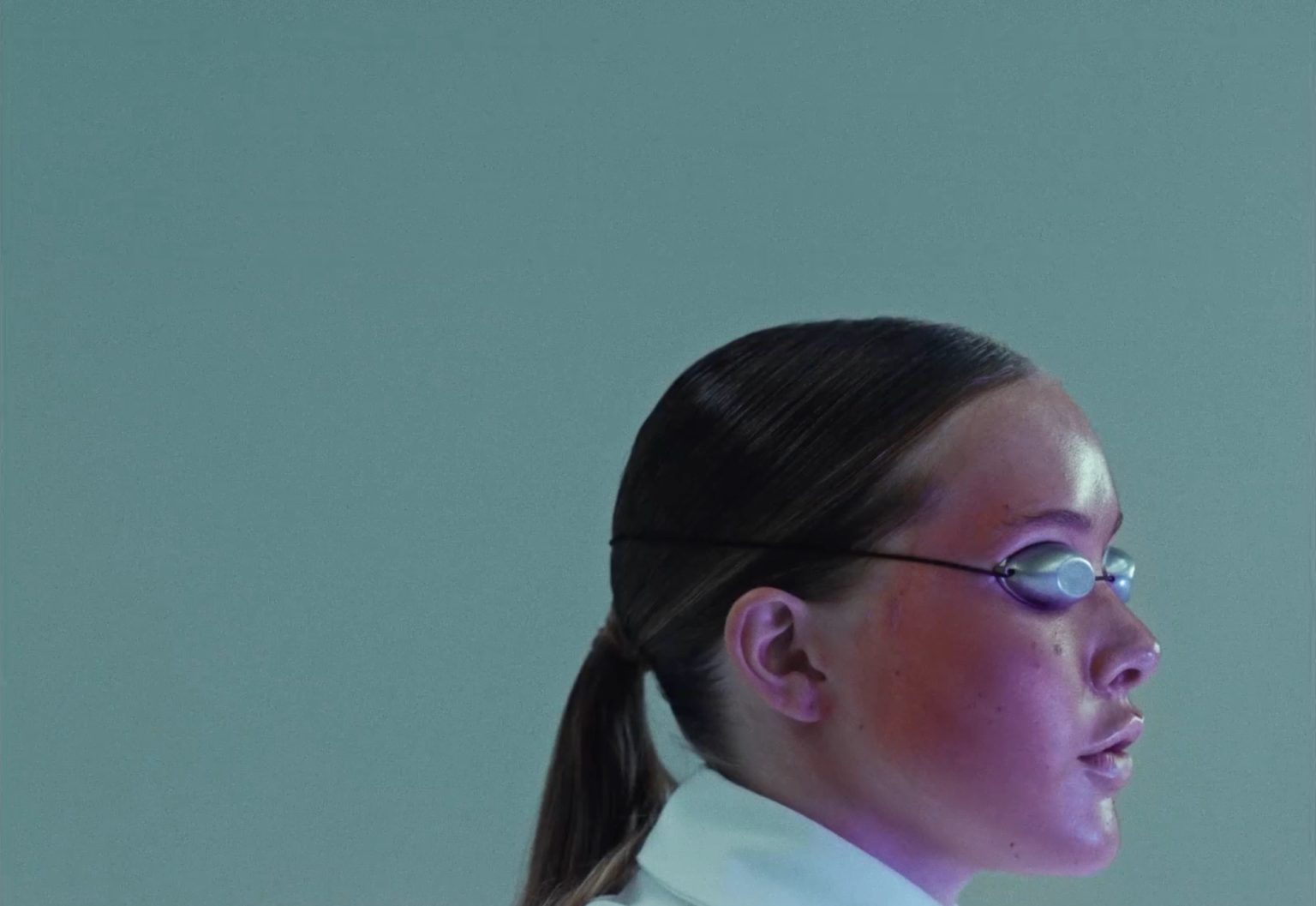

The film deliberately avoids the conventional structure of a beauty commercial. There is no polished product demonstration or immediate brand reveal. Instead, it creates an unsettling world in which beauty rituals have become a kind of collective conditioning. The atmosphere is strange, controlled and slightly dystopian, allowing the audience to recognise the behaviour before understanding what is being criticised. Eventually the illusion breaks and the Periodic Fable is revealed as the lesson hiding in plain sight.


Turning Marketing Language Against Itself
What makes the campaign particularly effective is that the film is only one part of a much larger idea. The fictional periodic table extended into outdoor advertising, social media, influencer activity and an interactive digital experience where audiences could explore the individual “elements” and discover why the claims behind them lack scientific grounding.
The work treats design not simply as decoration but as evidence. By borrowing the visual authority of chemistry, it makes the language of beauty marketing look strange when removed from the context in which consumers normally encounter it. The campaign asks a simple question: if a skincare claim sounds scientific, what actually makes it scientific?
The result is a piece of advertising that turns the mechanics of persuasion into its subject. Instead of adding another layer of beauty mythology, The Periodic Fable dismantles the mythology itself, using humour, visual precision and an unsettling film language to make the familiar suddenly look unfamiliar. In doing so, Uncommon and The Ordinary transform a campaign about skincare into a wider reflection on the power of language, the authority of science and the stories consumers are taught to believe.