
Architecture as a Living Tradition
The Royal Court of Tiébélé
ELORA HARDY The Royal Court of Tiébélé has been a living complex for around 500 years. It is an extraordinary accumulation of buildings, passages, courtyards, surfaces and patterns that has evolved through generations, with different forms of building for people at different ages and stages of life…


Elora Hardy on The Royal Court of Tiébélé
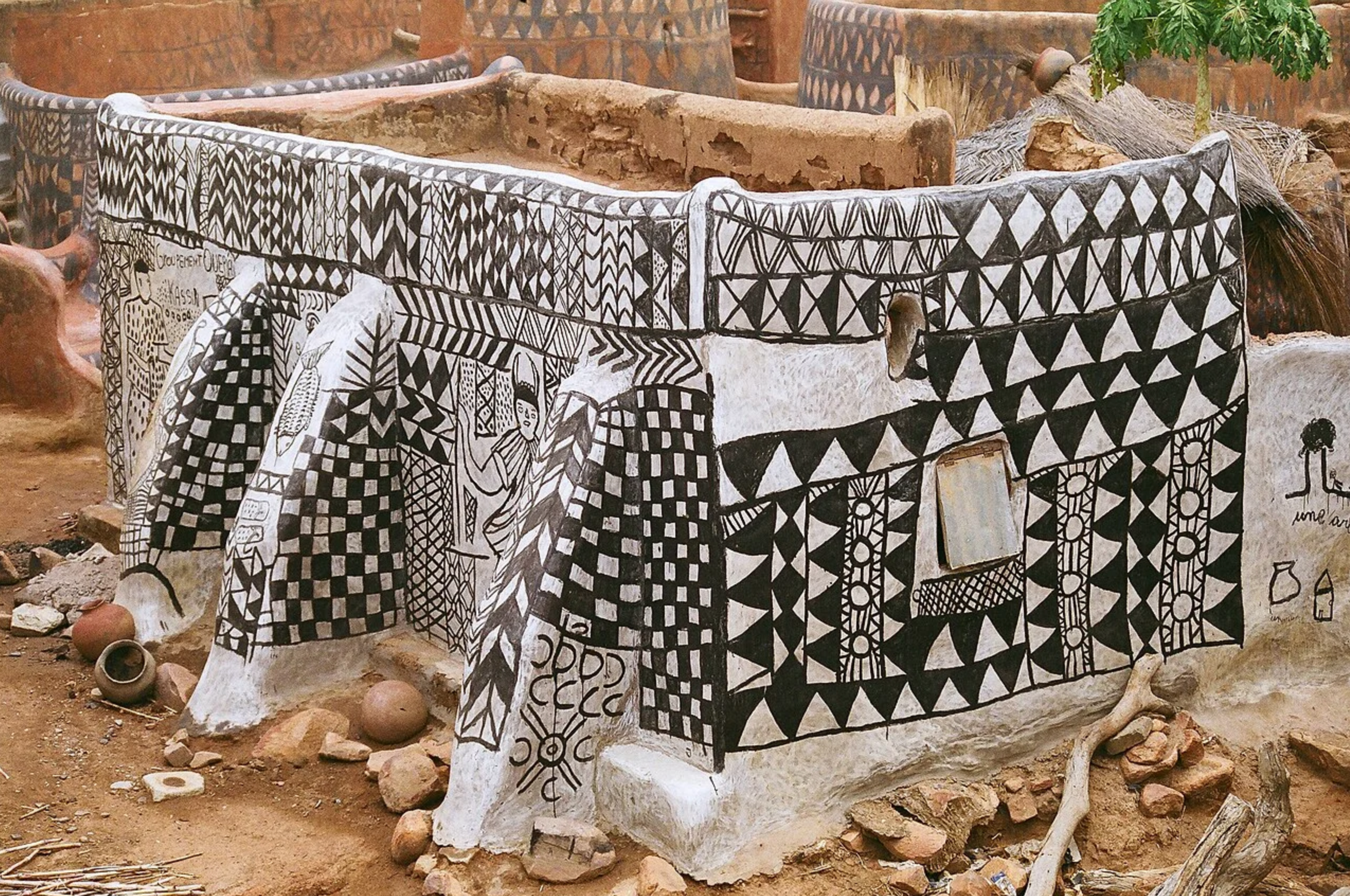
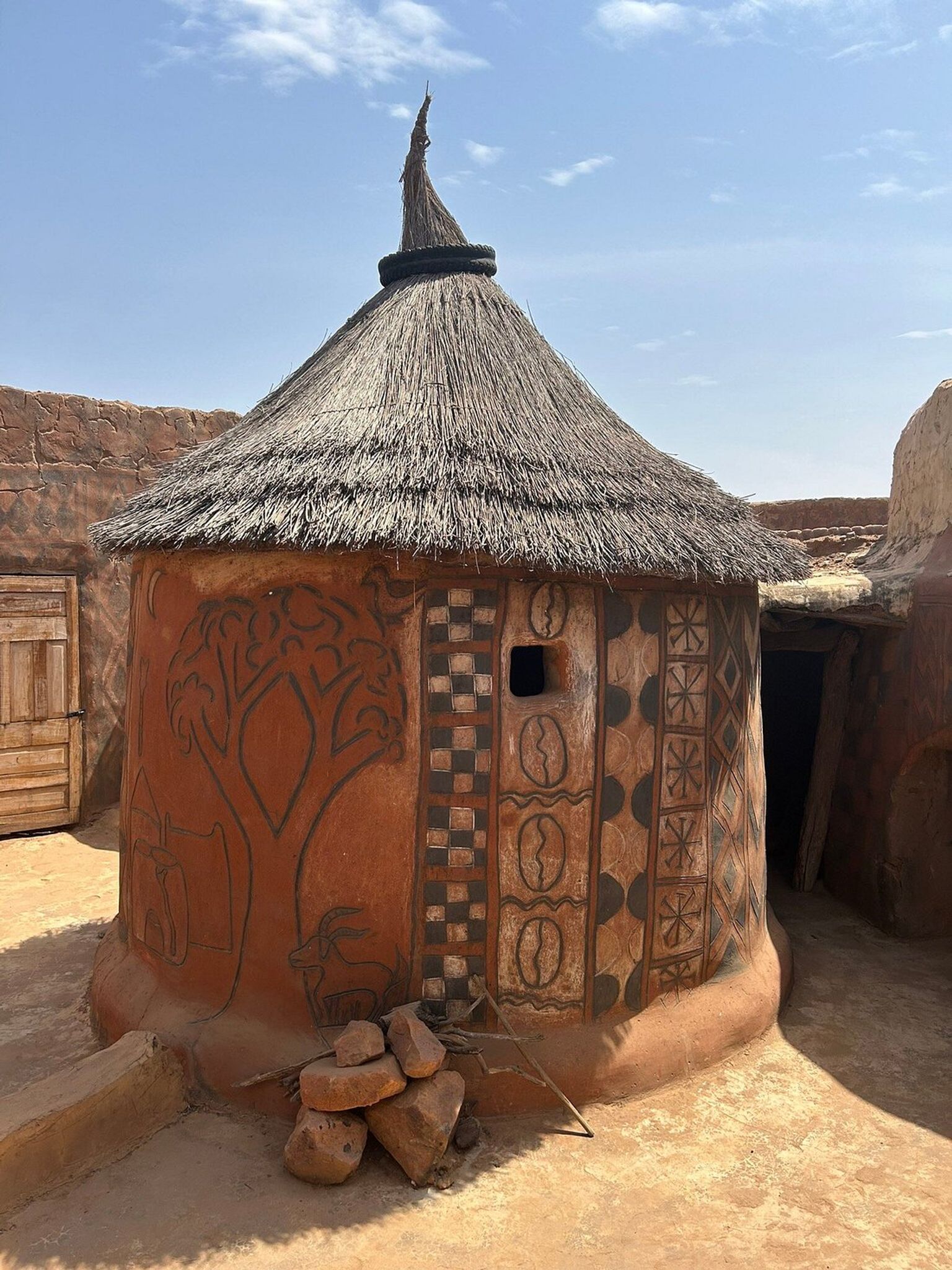
The Royal Court of Tiébélé has been a living complex for around 500 years. It is an extraordinary accumulation of buildings, passages, courtyards, surfaces and patterns that has evolved through generations, with different forms of building for people at different ages and stages of life. I love the clusters of places for different kinds of interaction, but also that the architecture grew over and over, and that walls and art aren't separated: the walls are covered with dynamic patterns, as visually striking as decoration but, as with most ancient markings, made for community cohesion and functioning as communication. Constructed by men, painted and repainted by women, carrying on some ancient patterns while also reinventing and iterating. It is architecture as an ongoing collective cultural practice rather than a finished composition, and there is far more depth to it than the gorgeous patterns alone.

A Kingdom Built from the Earth
In the south of Burkina Faso, close to the border with Ghana, the Royal Court of Tiébélé stands as a remarkable expression of the architectural heritage of the Kasena people. Established in the 16th century, this enclosed settlement is a world of earthen walls, sculptural forms and intricate geometric patterns, where architecture serves not simply as shelter, but as a reflection of identity, community and ancestral knowledge.
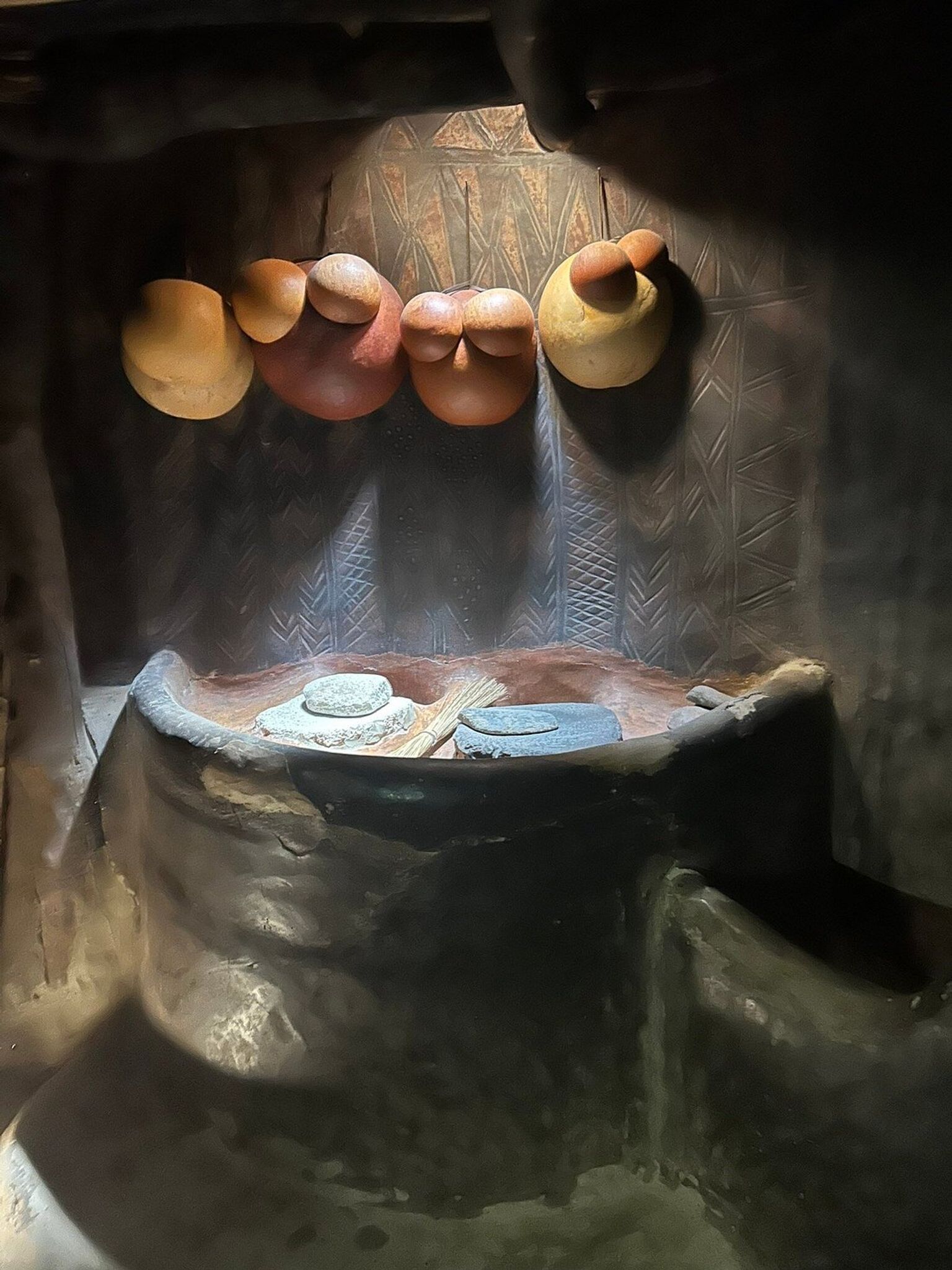
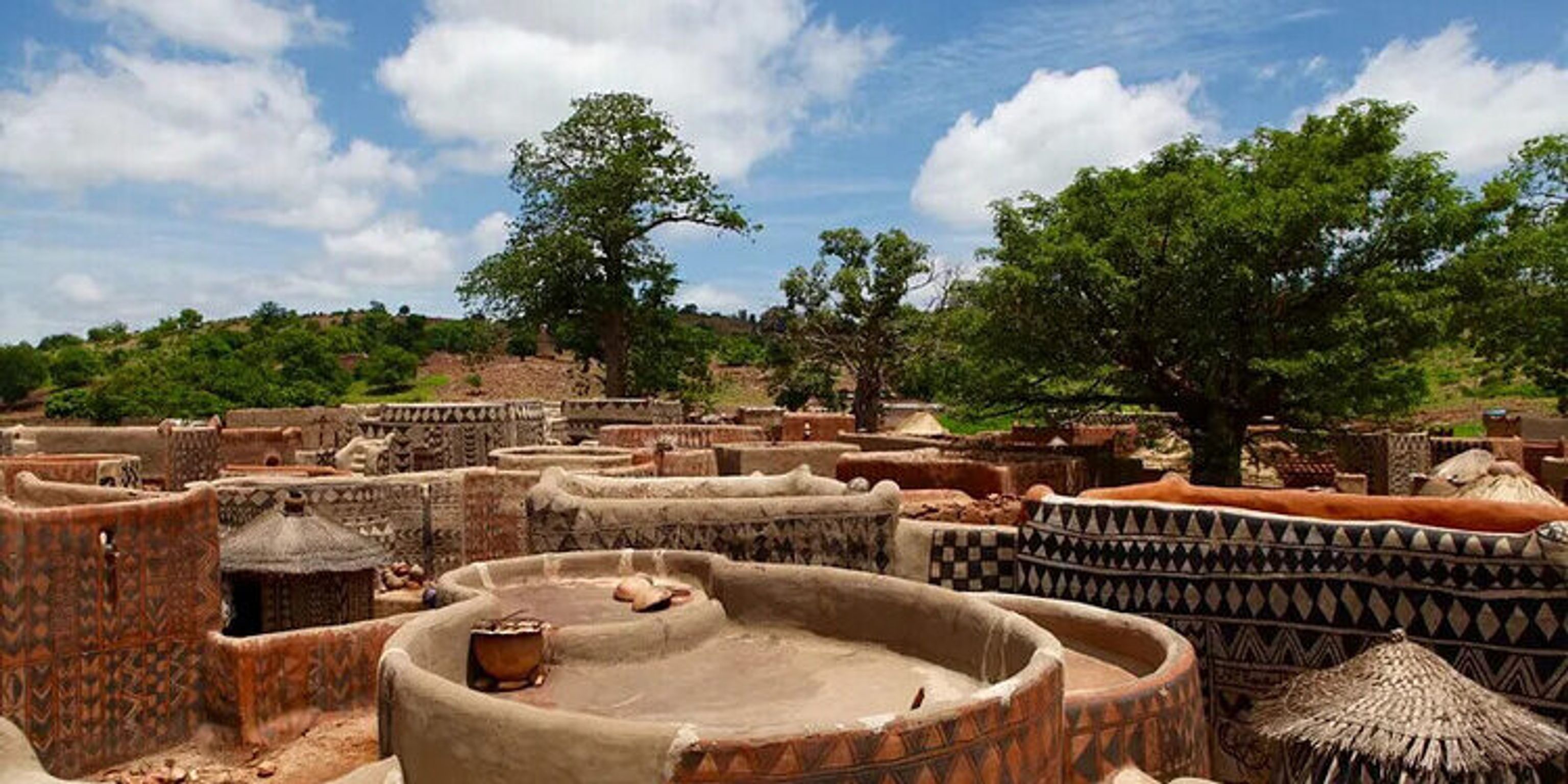
Built from earth, wood, straw and cow dung, the structures possess an elemental quality, shaped by the materials of the surrounding landscape. Within the protective walls, houses, courtyards and narrow passageways form a carefully organised environment. The architecture follows a social logic, with different building forms reflecting the age, marital status and position of their inhabitants. Some houses have figure of eight floor plans, others are quadrangular or circular, creating a varied architectural landscape that feels both ancient and intimately connected to everyday life.

Walls That Tell Stories
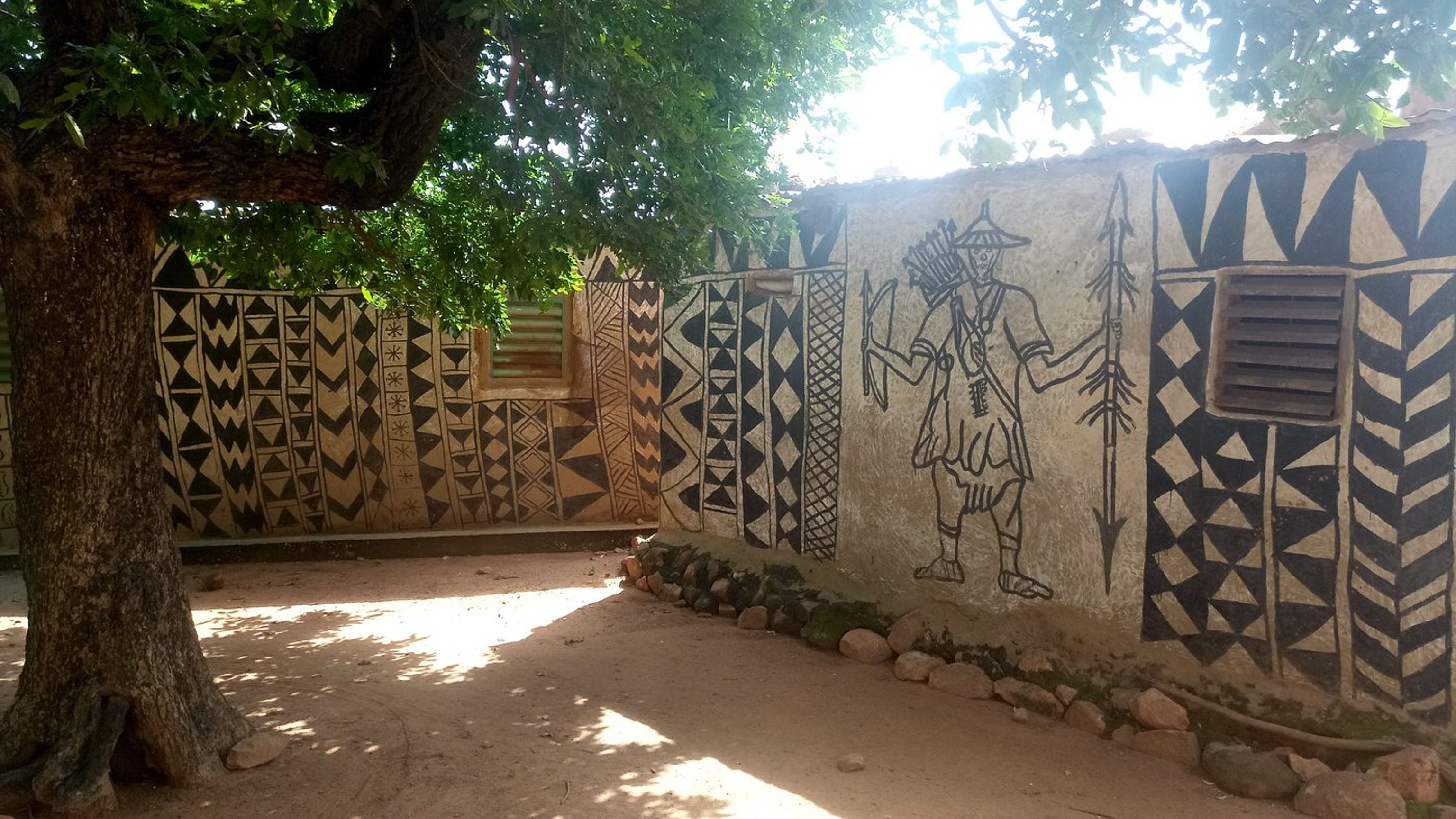
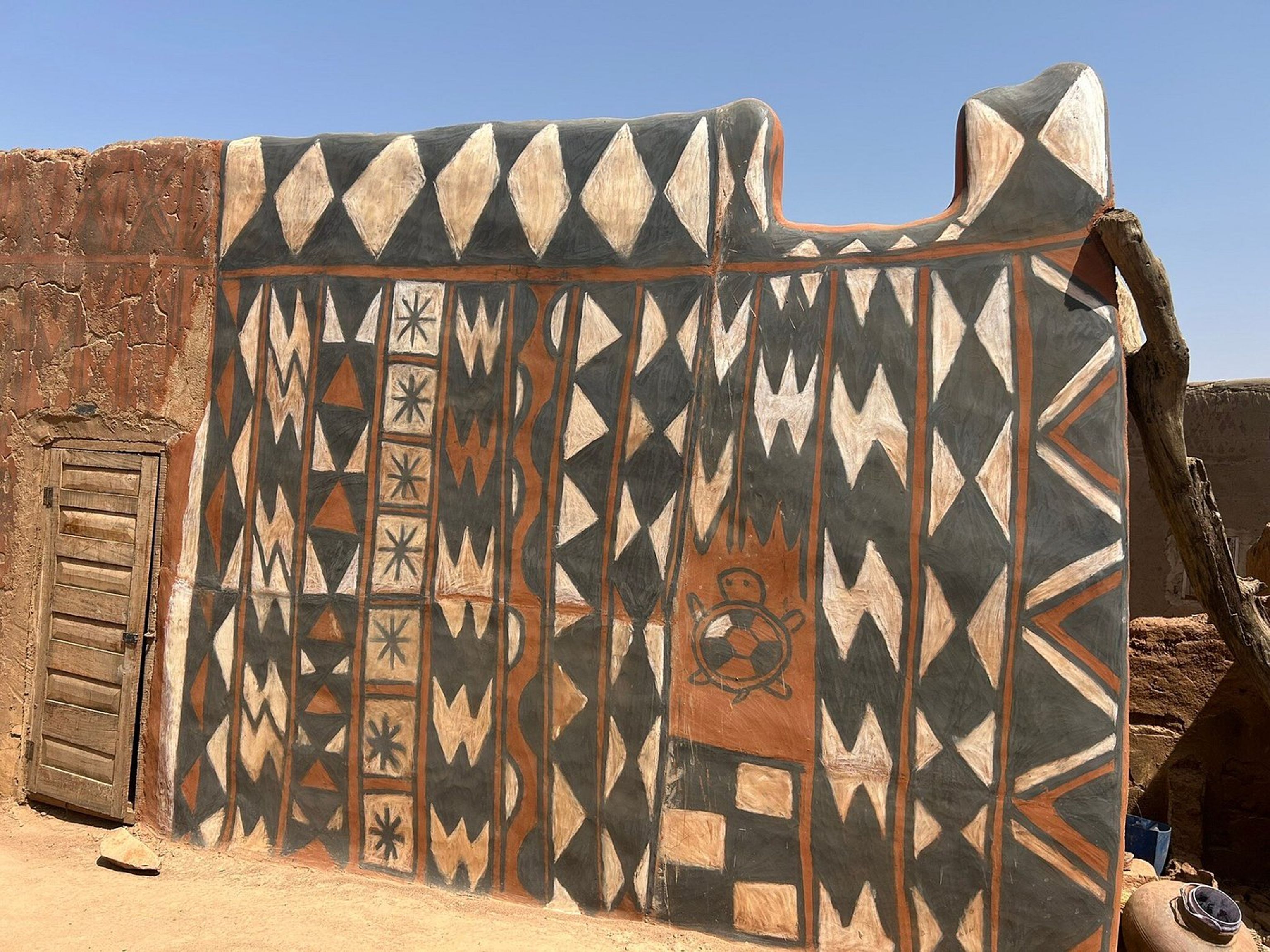
What makes Tiébélé particularly extraordinary is its tradition of mural decoration, a practice entrusted exclusively to the women of the royal court. Using natural pigments, they adorn the earthen walls with intricate compositions of lines, triangles, diamonds and other geometric motifs. The patterns transform the buildings into richly ornamented surfaces, where abstraction, symbolism and craftsmanship meet.
The decoration is far more than an aesthetic embellishment. The motifs form part of a cultural vocabulary passed from one generation to the next through observation, practice and communal rituals. Each generation preserves inherited knowledge while allowing the tradition to evolve, renewing the visual language without losing its connection to the past. The work requires a deep understanding of materials and surfaces, as well as a collective sense of responsibility for the continuity of Kasena culture.
The division of labour is equally significant. While men traditionally construct the houses, women give them their distinctive visual identity. Architecture thus becomes a shared cultural achievement, shaped by complementary forms of knowledge and skill. The result is an environment in which construction, decoration and cultural memory are inseparable.

A Heritage That Remains Alive
Beyond its celebrated painted walls, the Royal Court of Tiébélé is a living cultural landscape. Sacred sites, ancestral tombs, gathering places and ceremonial spaces remain integral to the organisation of the community. The court's spiritual and social life is rooted in traditions that connect present generations to their ancestors, giving the architecture a significance that extends well beyond its physical form.
In 2024, UNESCO inscribed the Royal Court of Tiébélé on the World Heritage List, recognising its exceptional testimony to Kasena culture and its distinctive architectural traditions. Yet its preservation presents a delicate challenge. Earthen architecture requires continual care, and the introduction of cement, industrial coatings and other modern materials can threaten the structures as well as the authenticity of their decoration. Maintaining the court therefore means sustaining not only its buildings, but also the knowledge, rituals and communal practices that keep them alive.
Tiébélé offers a compelling alternative to the idea of architecture as a finished object. Here, buildings are renewed through use, surfaces carry collective memory, and craftsmanship is an essential part of cultural continuity. Its beauty lies not simply in the precision of its patterns or the sculptural character of its houses, but in the enduring relationship between people, place and tradition. It is architecture understood as a living inheritance, continually cared for, interpreted and passed on.