
Hörður Ágústsson
The work of
- ArtistHörður Ágústsson
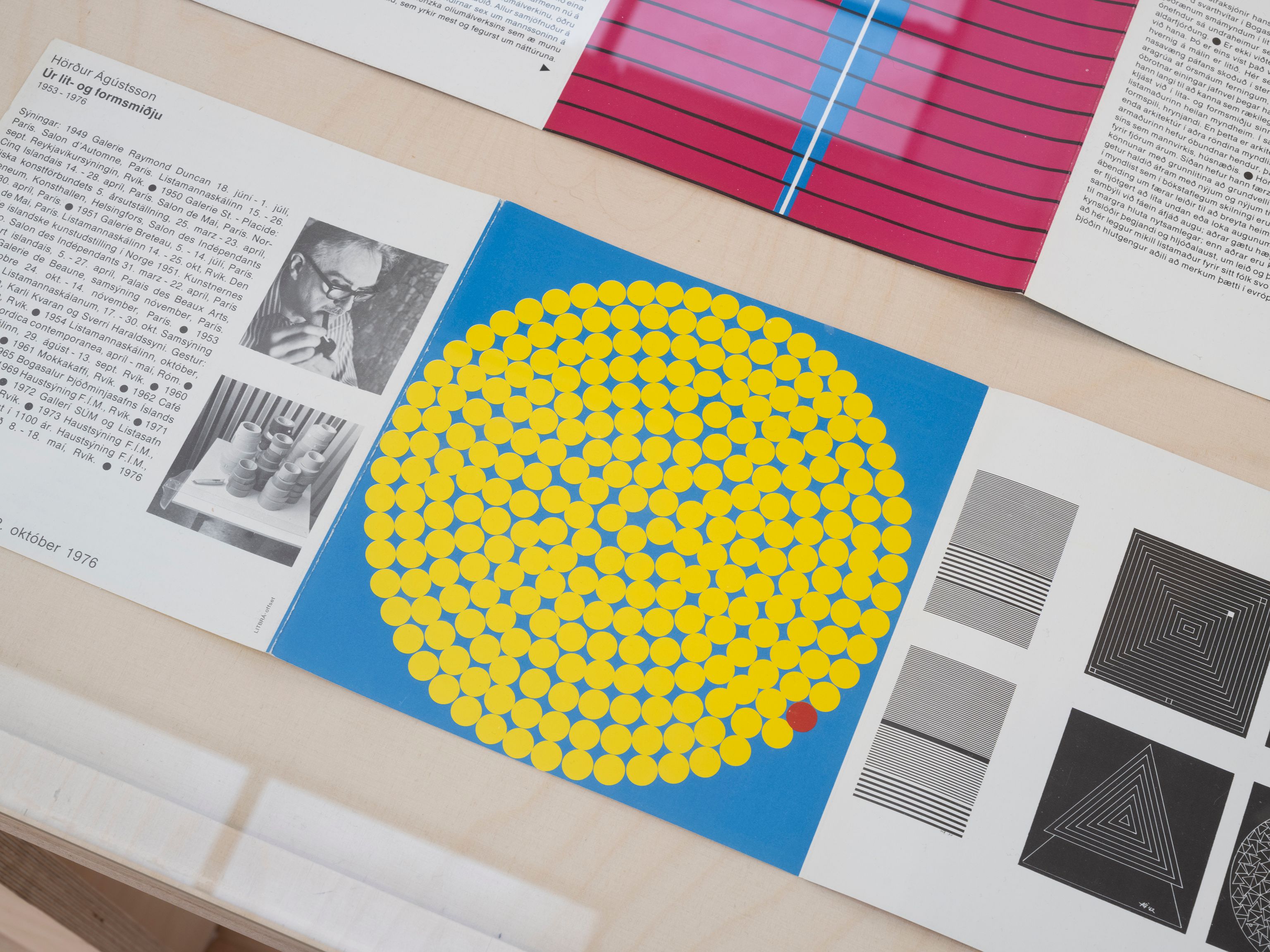
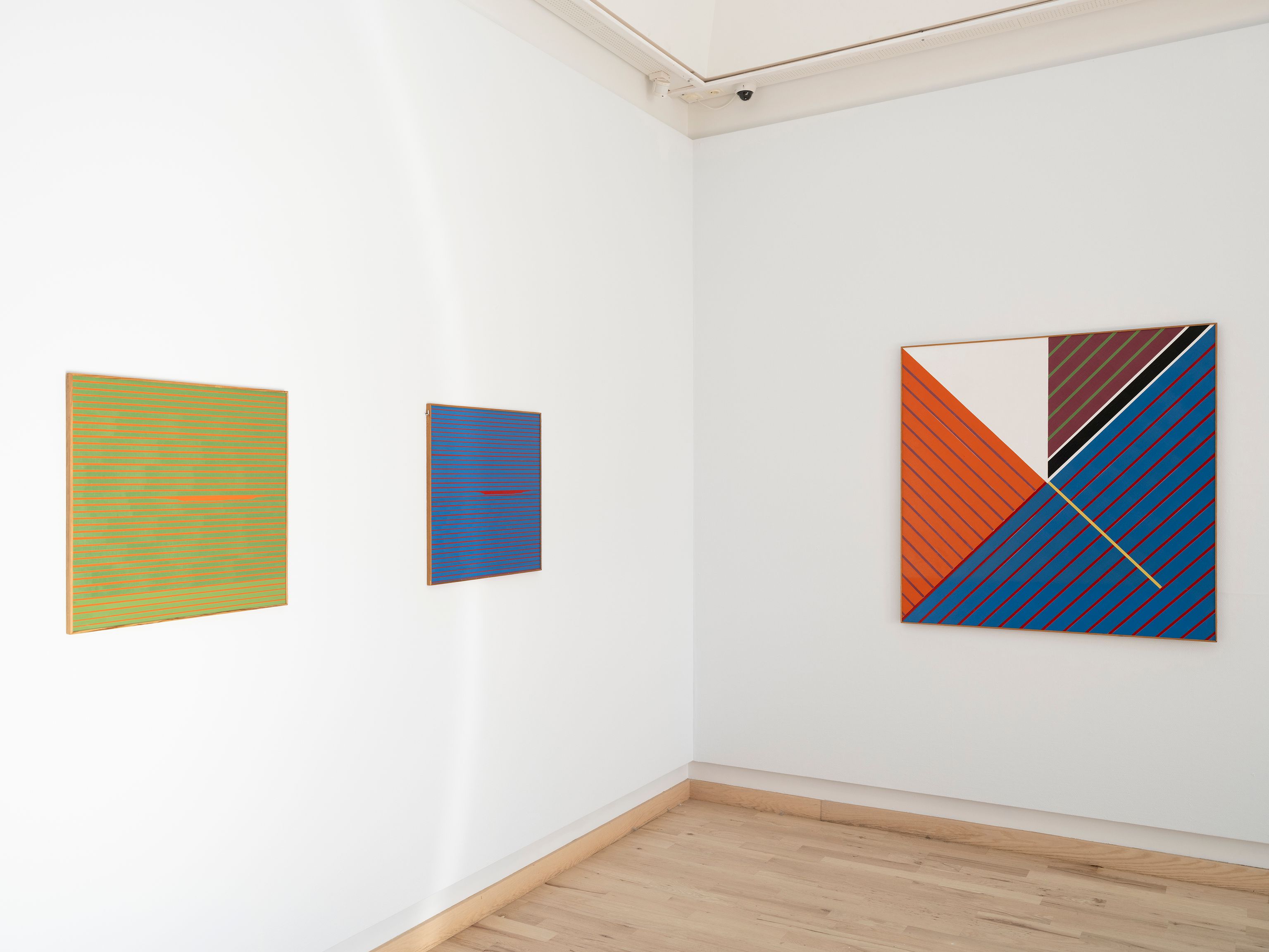
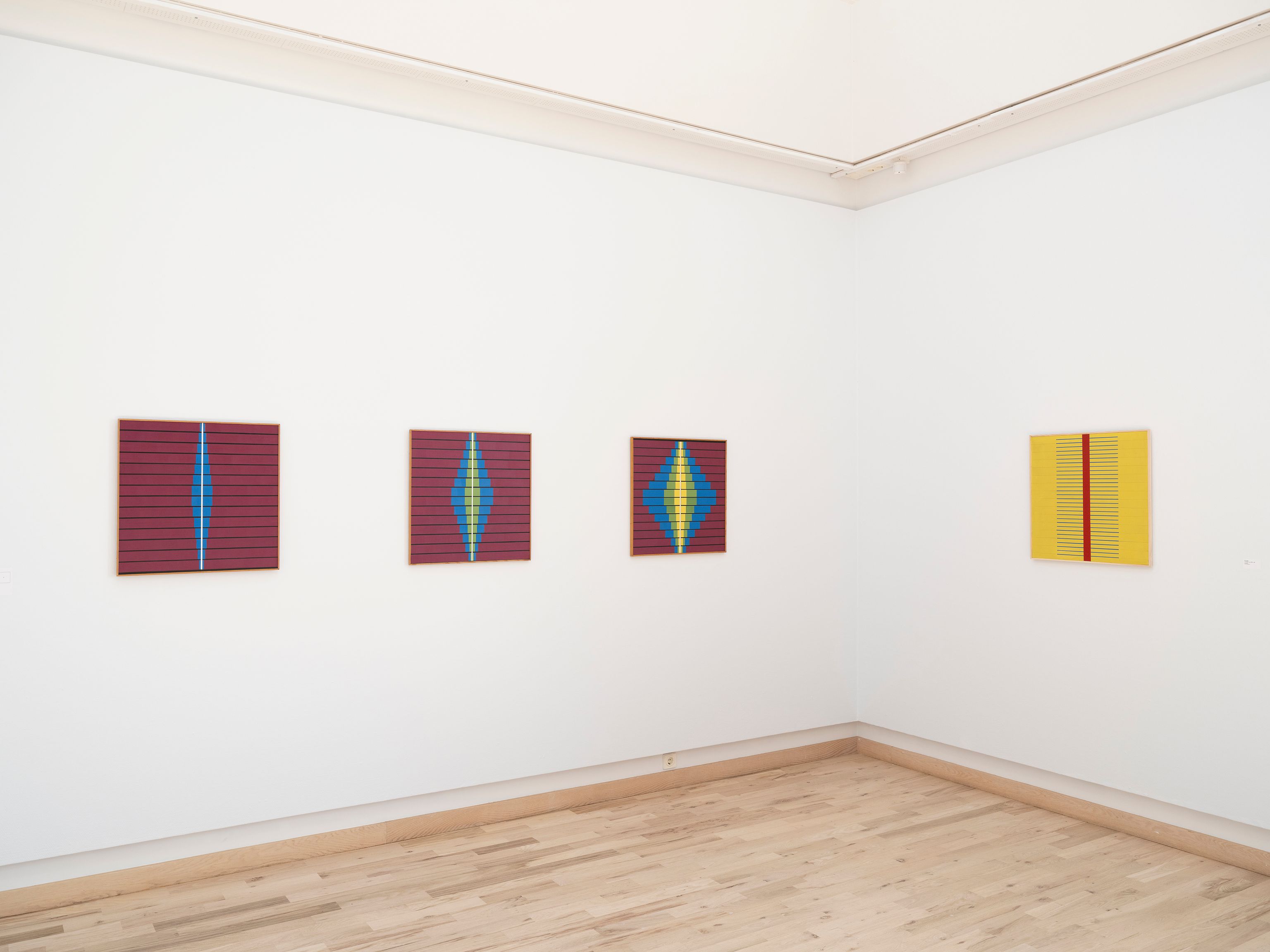
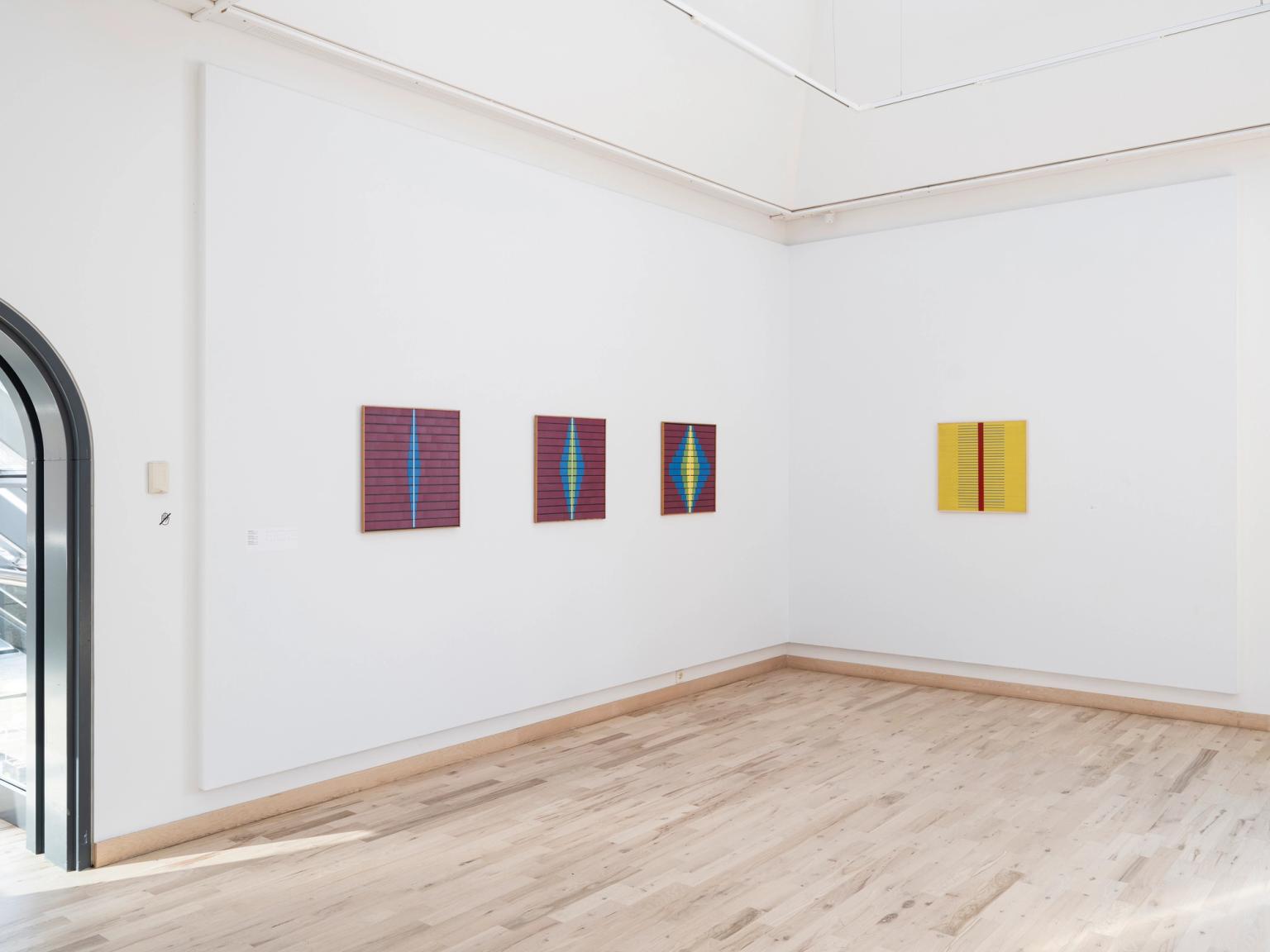
LOJI HÖSKULDSSON Hörður Ágústsson’s work is precise, geometric, and quietly powerful, built from clear lines, structured forms, and carefully balanced color. It’s everything I’m drawn to in two-dimensional art. I also strongly connect to his use of unconventional materials, as he often works with colored gaffer tape to achieve these compositions.

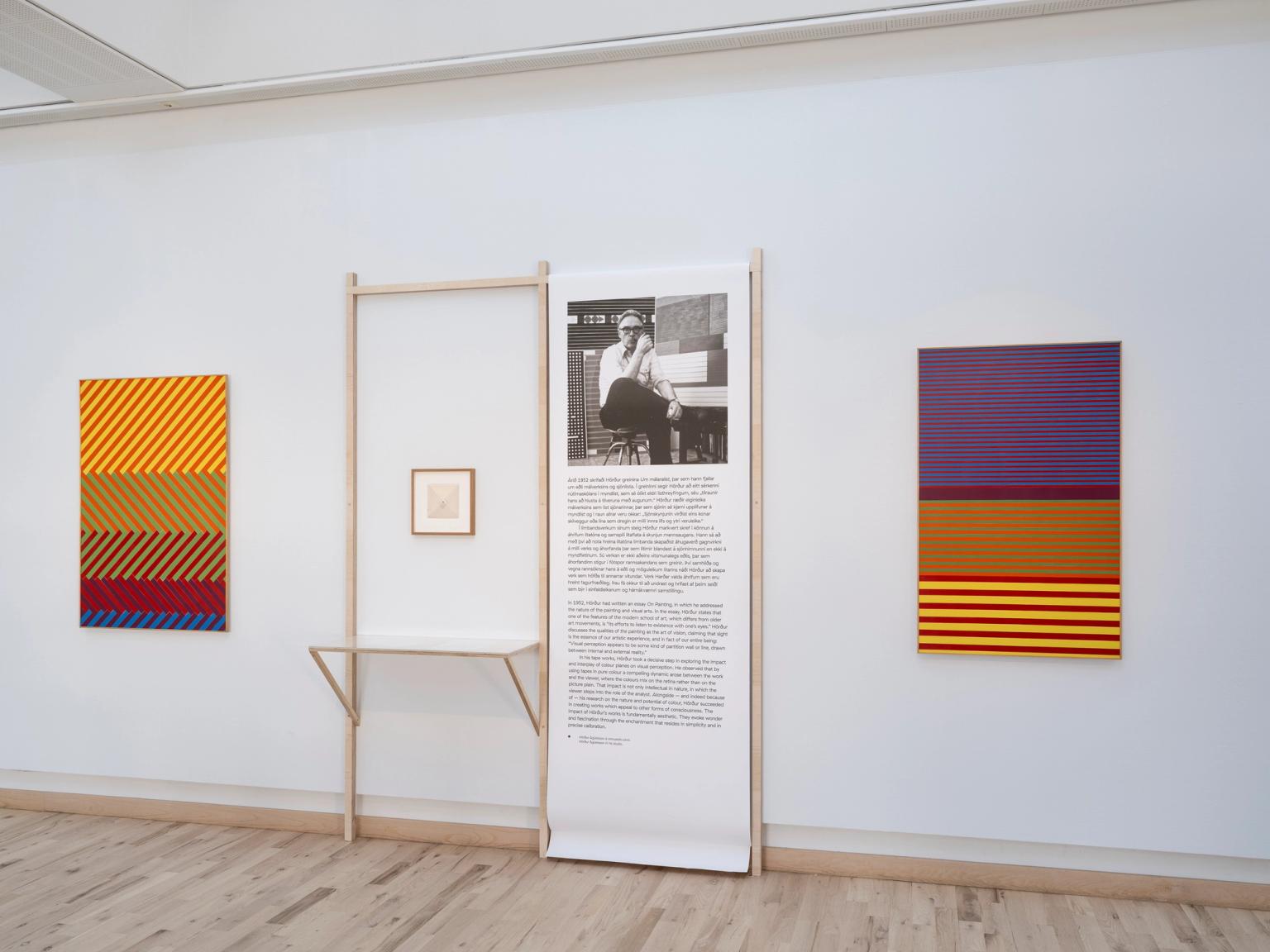

Between Geometry and Imagination
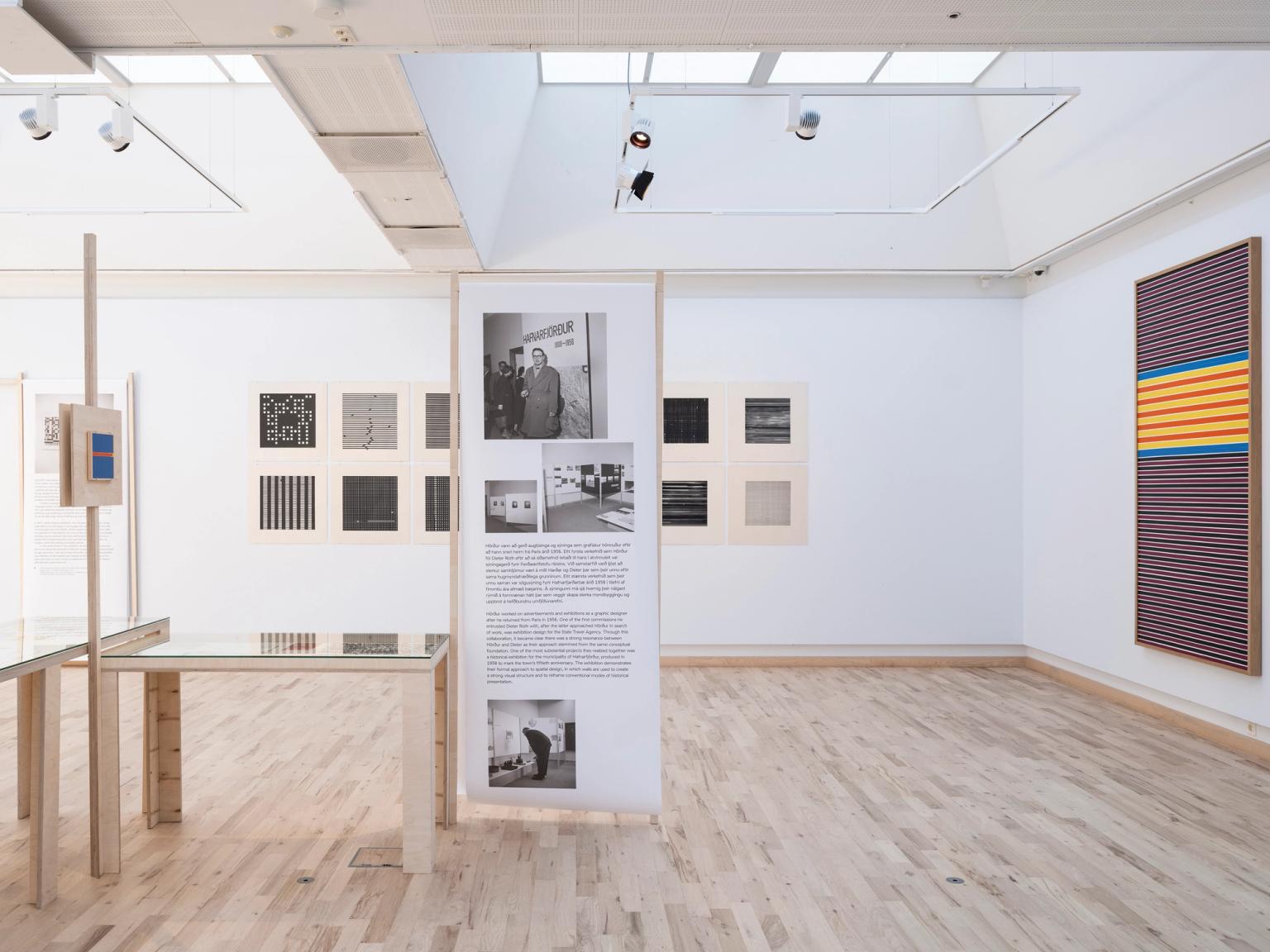
Few Icelandic artists moved as freely between painting, design, architecture, writing, and teaching as Hörður Ágústsson. He was never interested in keeping disciplines apart. For him, art was not simply something hung on a wall, but a way of understanding structure, rhythm, and the visual order of life itself. That idea shaped everything he touched, from abstract paintings and book design to architectural history and cultural debate.
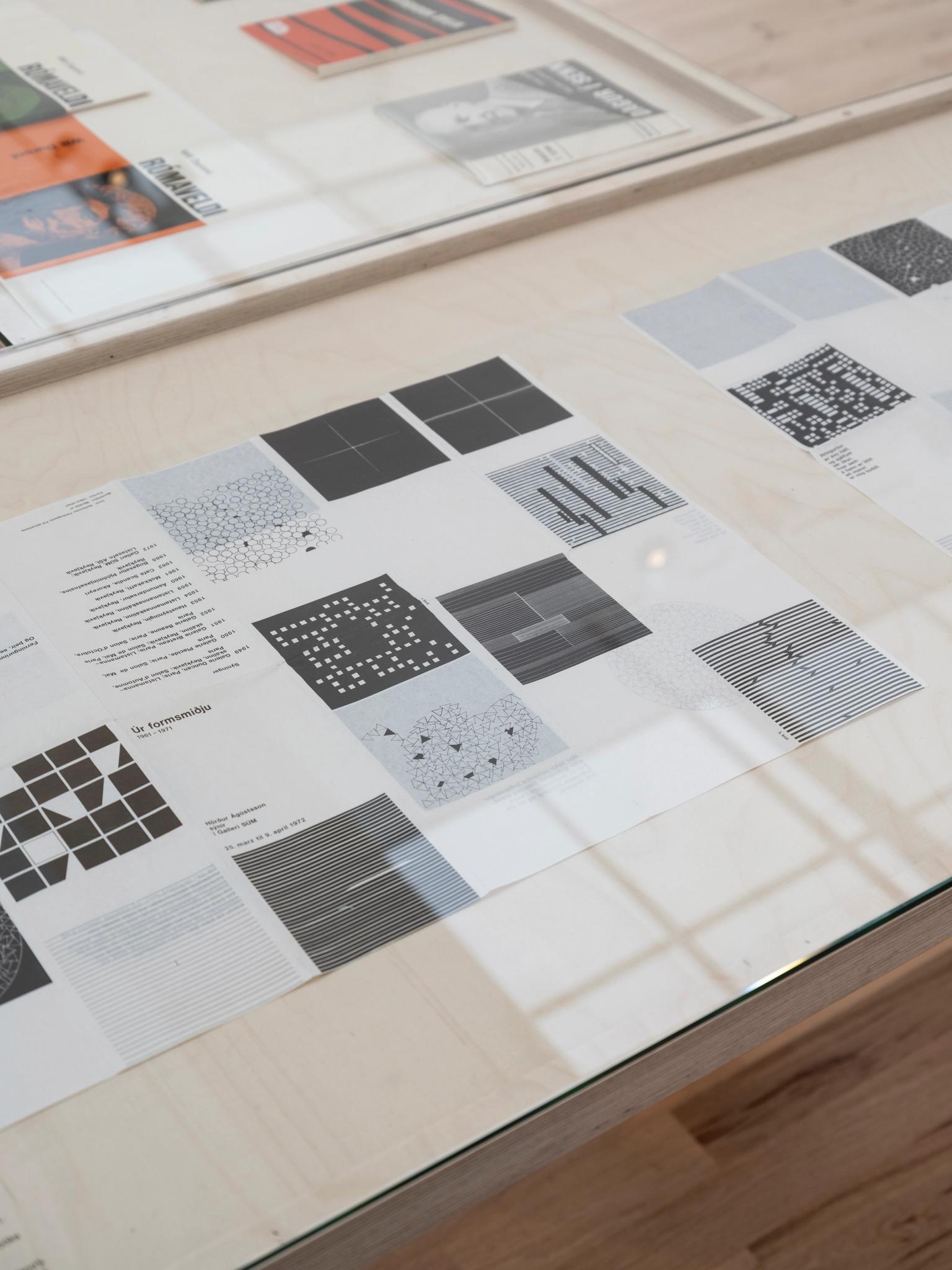
Born in 1922, Hörður became one of the leading figures in introducing geometric abstraction to Icelandic art. After studies in Copenhagen and Paris, he brought home a visual language influenced by Bauhaus thinking and European modernism, but he made it distinctly his own. His works often relied on strict formal systems, hard edges, and precise color relationships. Rather than emotional gesture, he sought clarity. Even in his most minimal compositions, there is a sense of poetry beneath the surface, as if order itself could become lyrical. He also became widely known for his work in graphic design, especially book design, and for his role as editor of the influential modernist journal Birtingur. Later, he turned much of his attention to research into Icelandic architectural heritage, becoming one of the country’s most important voices in preservation and visual culture.

A Retrospective of Form and Thought
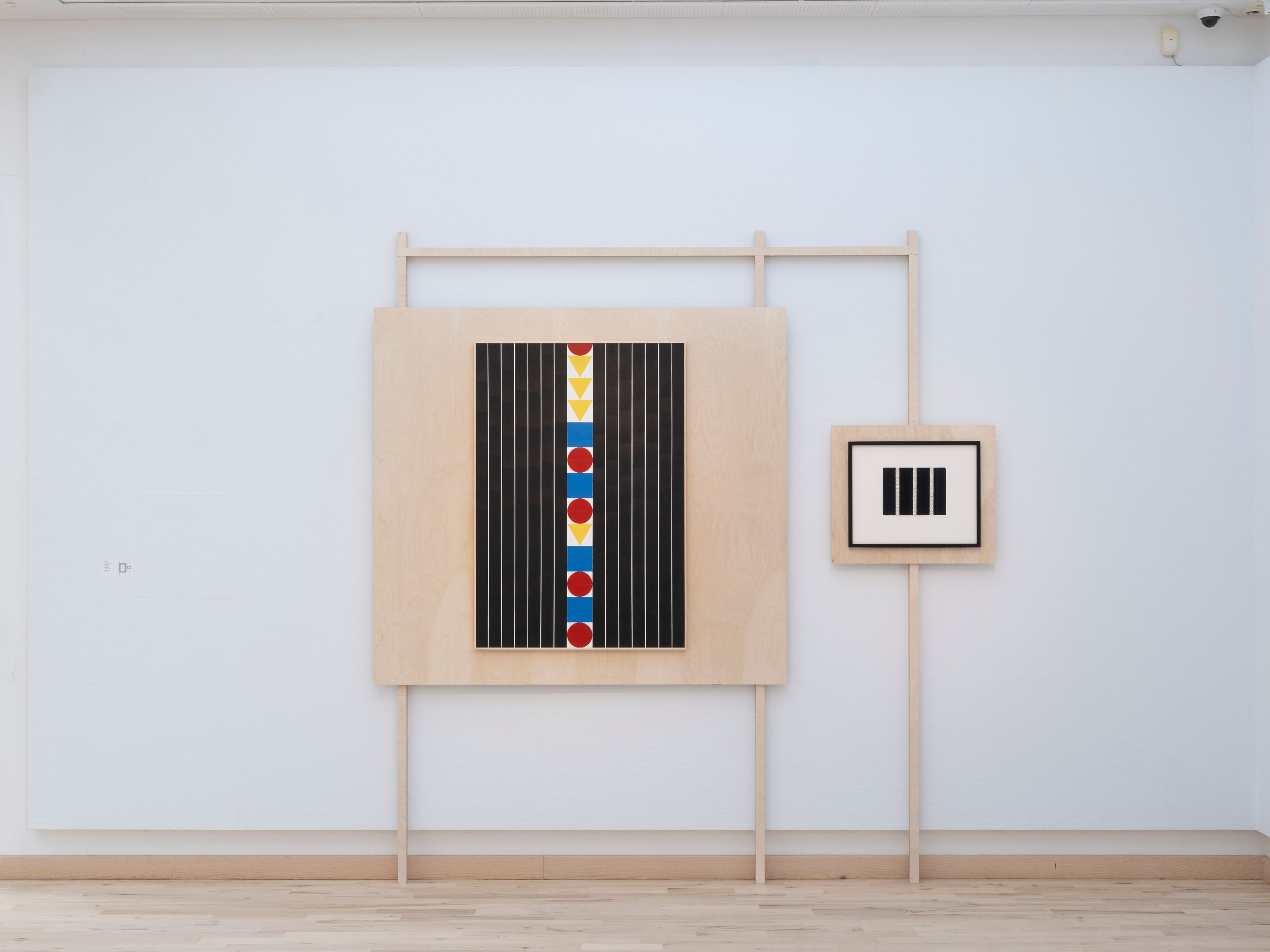
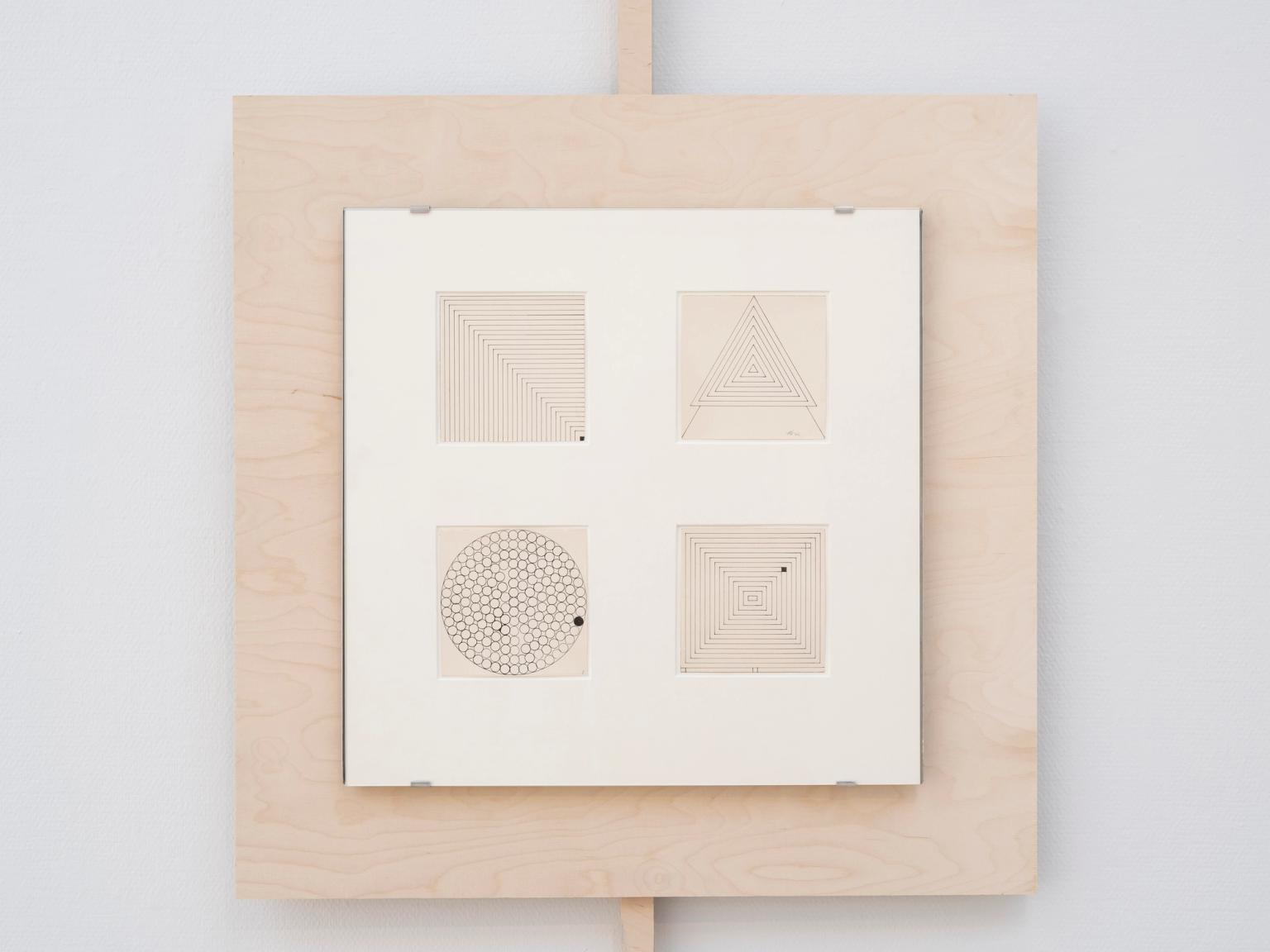
This spring, Gerðarsafn Art Museum presents HÖRÐUR, a major retrospective exhibition dedicated to his work, running from 4 February to 3 May 2026. Rather than treating painting and design as separate practices, the exhibition focuses on how deeply connected they were in his thinking. It centers on his abstract geometric works and explores how his formal approach extended across visual disciplines.
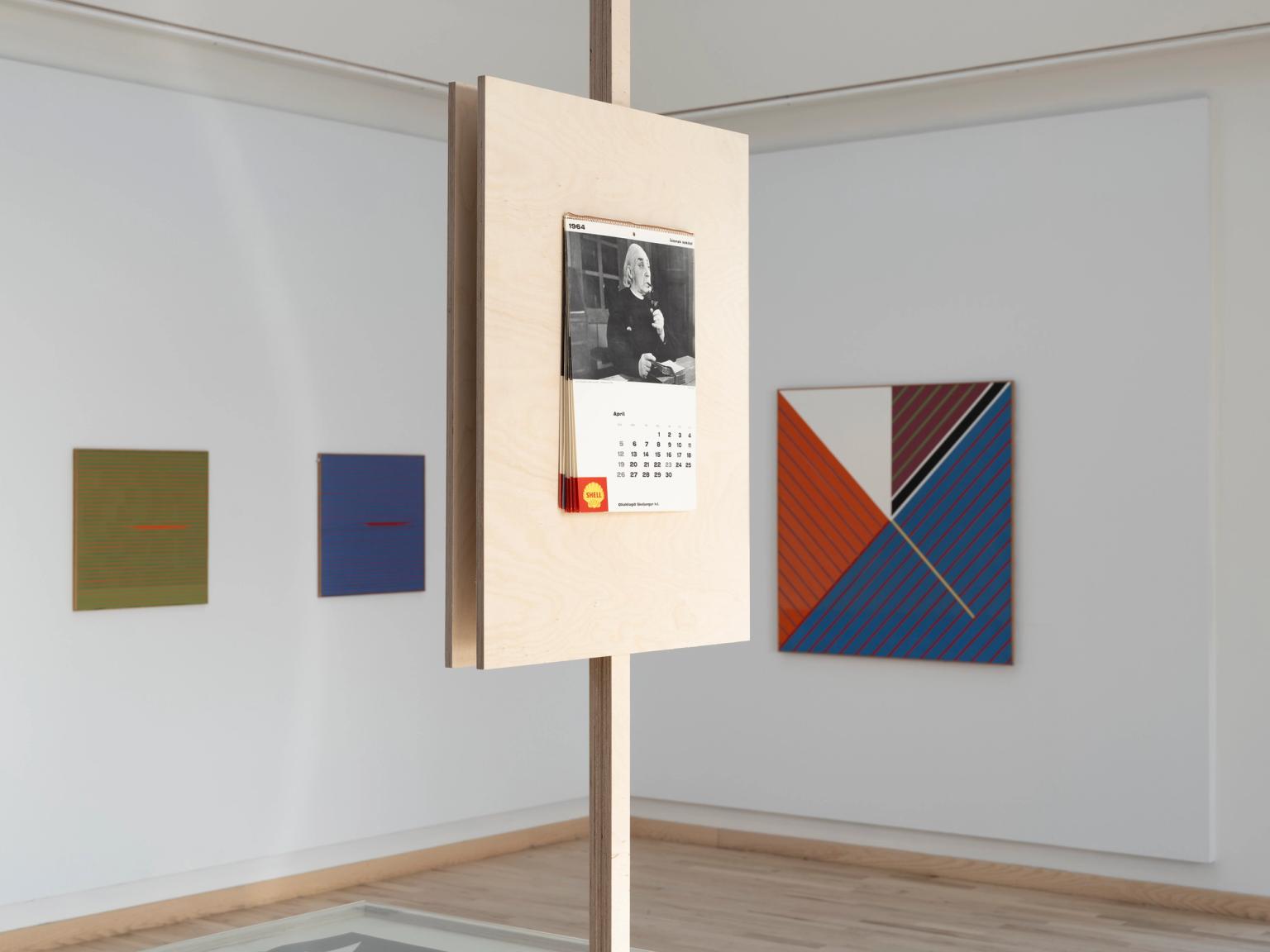
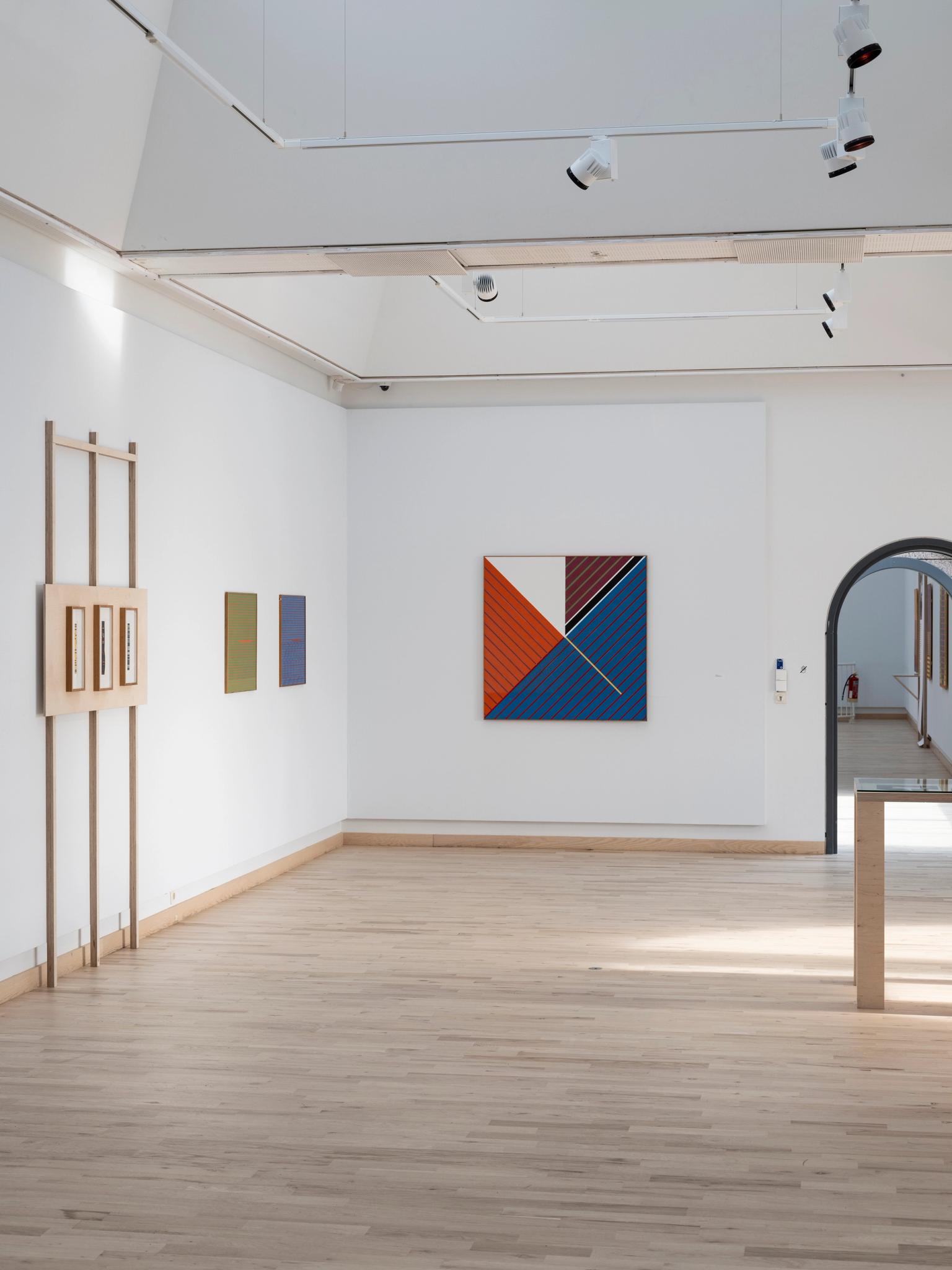
The exhibition presents works from 1955 to 1978, a period that reveals Hörður’s sustained investigation into form and color theory. Visitors encounter compositions where geometry feels almost architectural and where color behaves like structure rather than decoration. Within these works one can sense the space where the architect and the poet intertwine, where the researcher and the creator meet. It is a fitting description for an artist whose practice was always holistic and whose curiosity crossed every border between making and thinking.





The Relevance of Seeing Clearly
What makes Hörður feel strikingly contemporary is not only the elegance of the work, but the intellectual ambition behind it. He believed visual culture mattered deeply and that design, architecture, and art all shaped how society understands itself. His work reminds us that abstraction is never only formal. It is also a way of asking how we organize the world around us.
At Gerðarsafn, this retrospective does more than revisit an important historical figure. It shows how radical it still feels to insist that beauty, research, discipline, and imagination belong together. Hörður Ágústsson did exactly that, and the result is an oeuvre that remains both rigorous and quietly expansive.