
Franz West
The work of
- ArtistFranz West
- Photographer©Archiv Franz West ©Estate Franz West.
MULLER VAN SEVEREN What appeals to me most in Franz West’s work is its radical freedom - the permission he gives himself to explore without restraint. His absurd, unconventional forms challenge expectations while remaining deeply approachable, suggesting that art can be part of everyday life and something to be actively experienced rather than passively observed. The exhibition at Tim Van Laere Gallery captured this spirit vividly, radiating an energy that feels essential to communicate.

The Body Reimagined
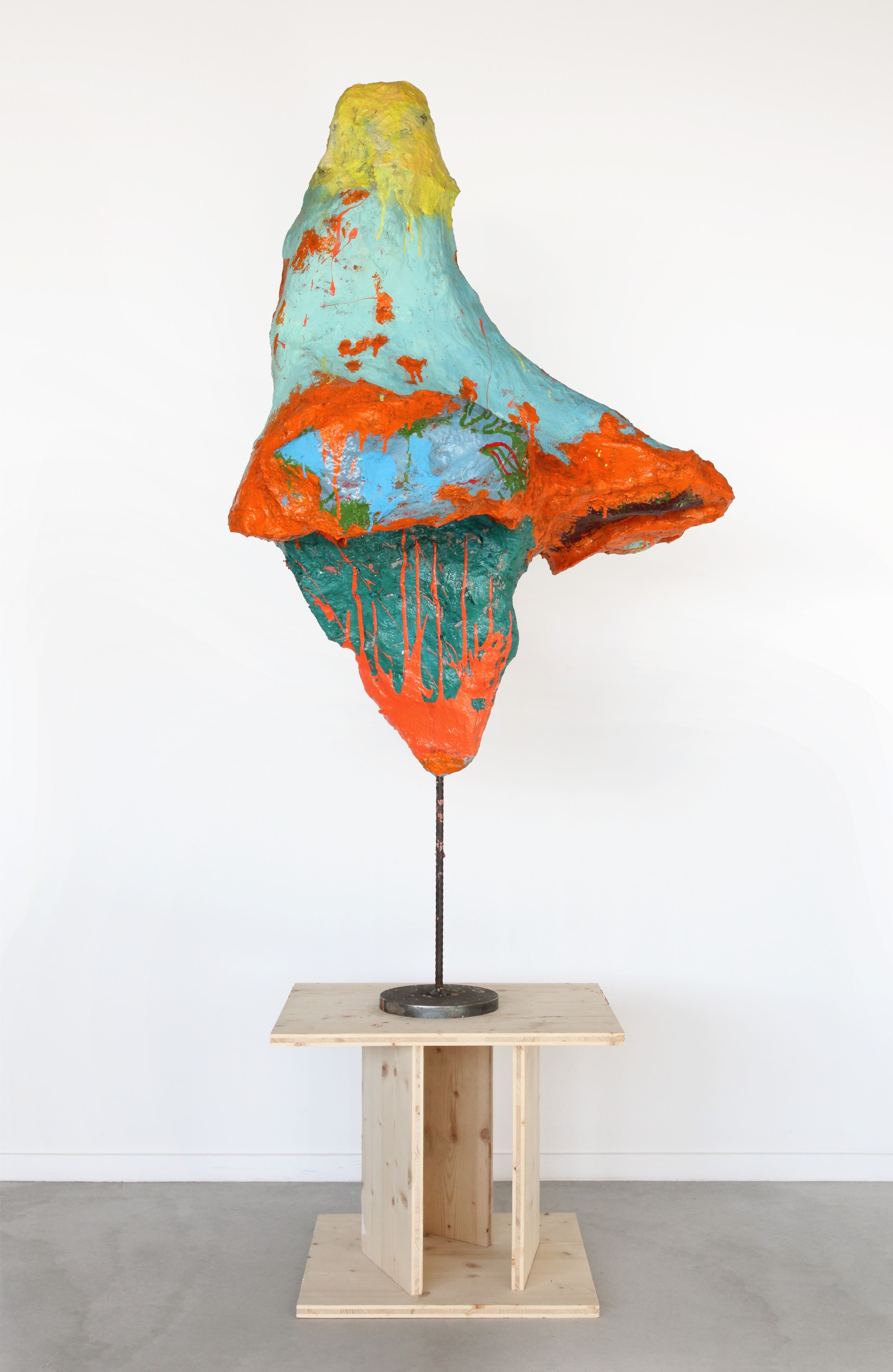
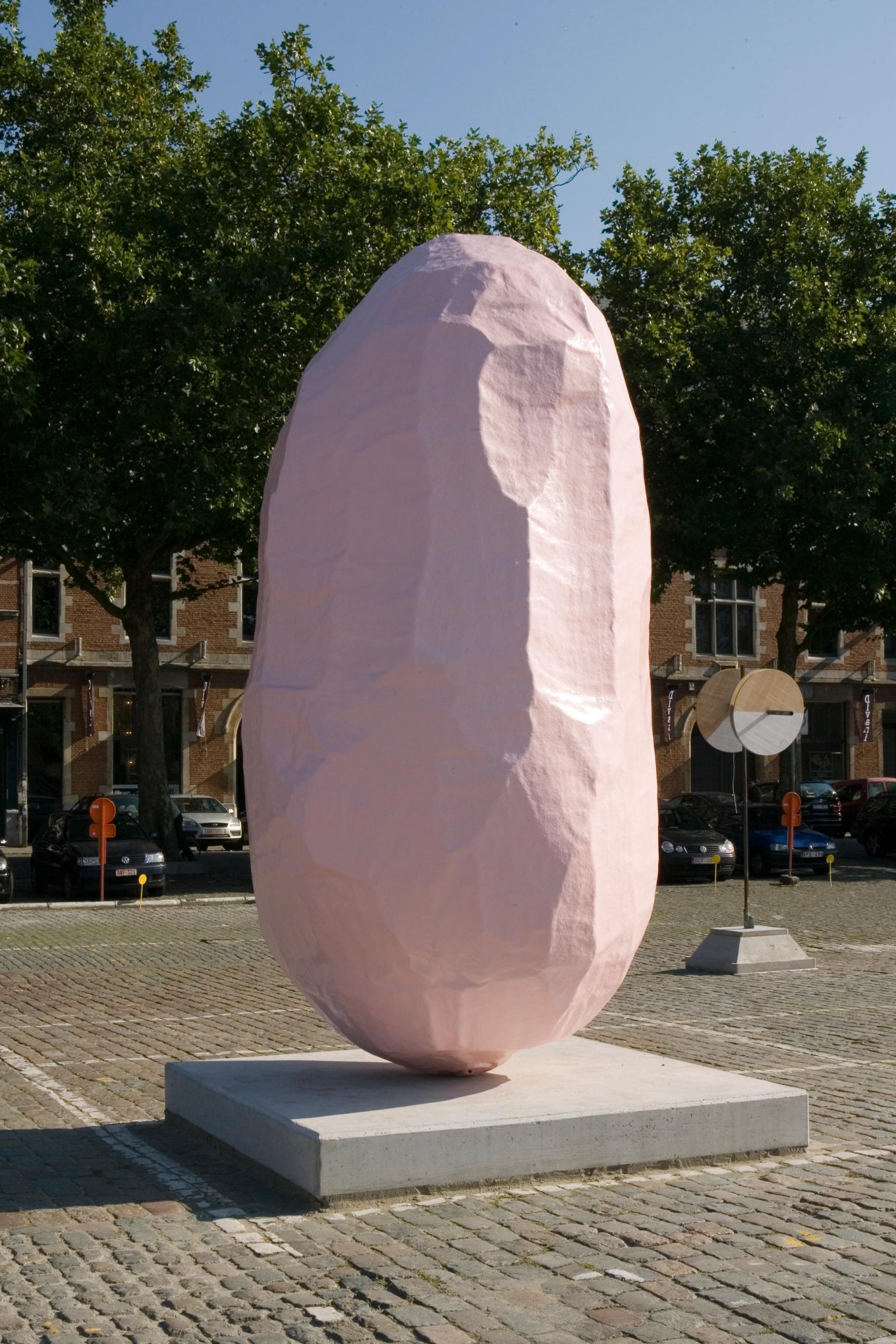
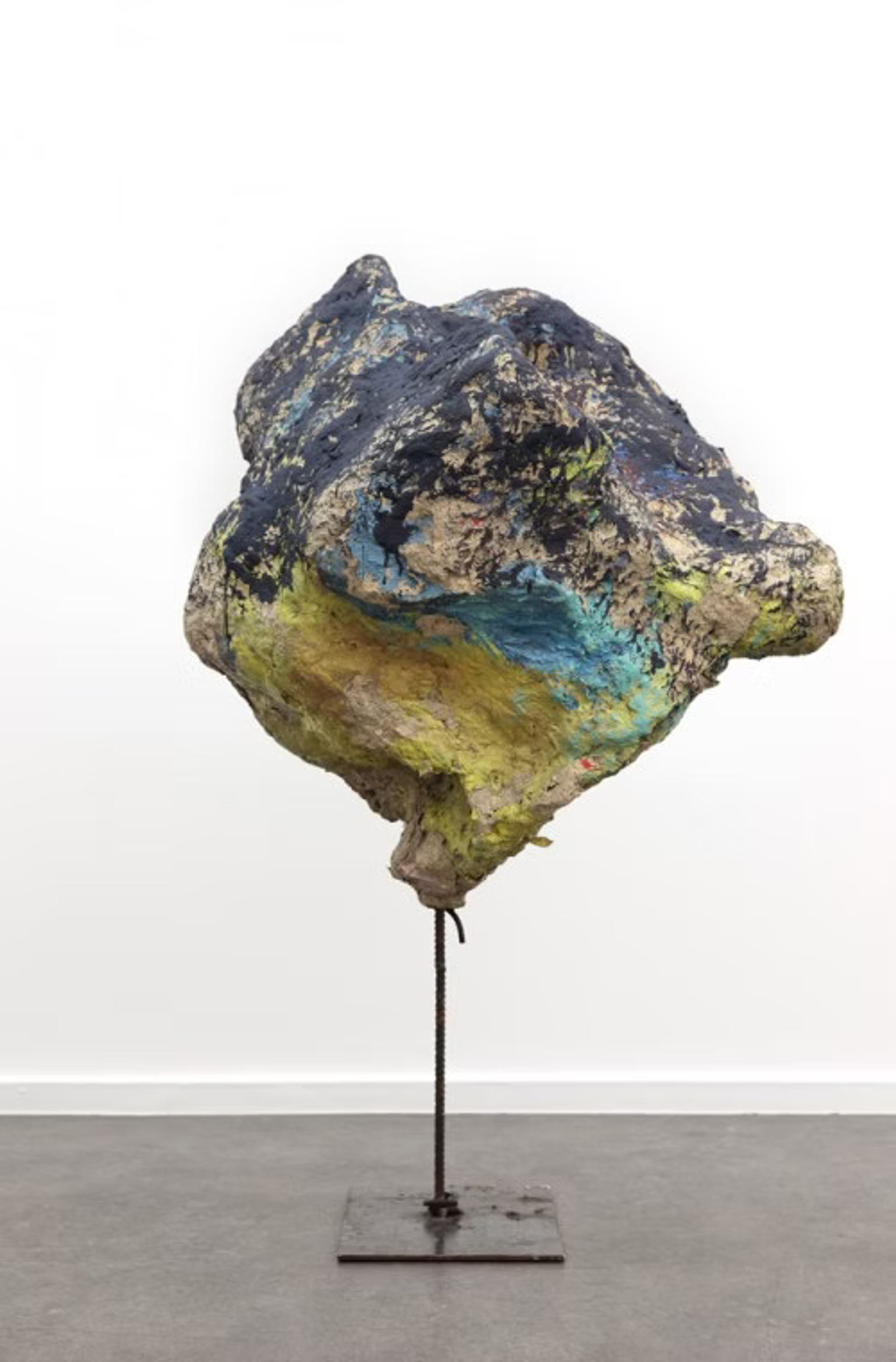
Franz West reshaped the language of sculpture by rejecting polish, distance, and monumentality in favor of something closer to lived experience. His works appear at once awkward and inviting, as if they were caught mid-transformation rather than resolved into a final form. Whether in the swollen pink volumes of his outdoor pieces or the unstable, hand-worked surfaces of his smaller sculptures, West insists on the body as both subject and participant.

Sculpture as encounter
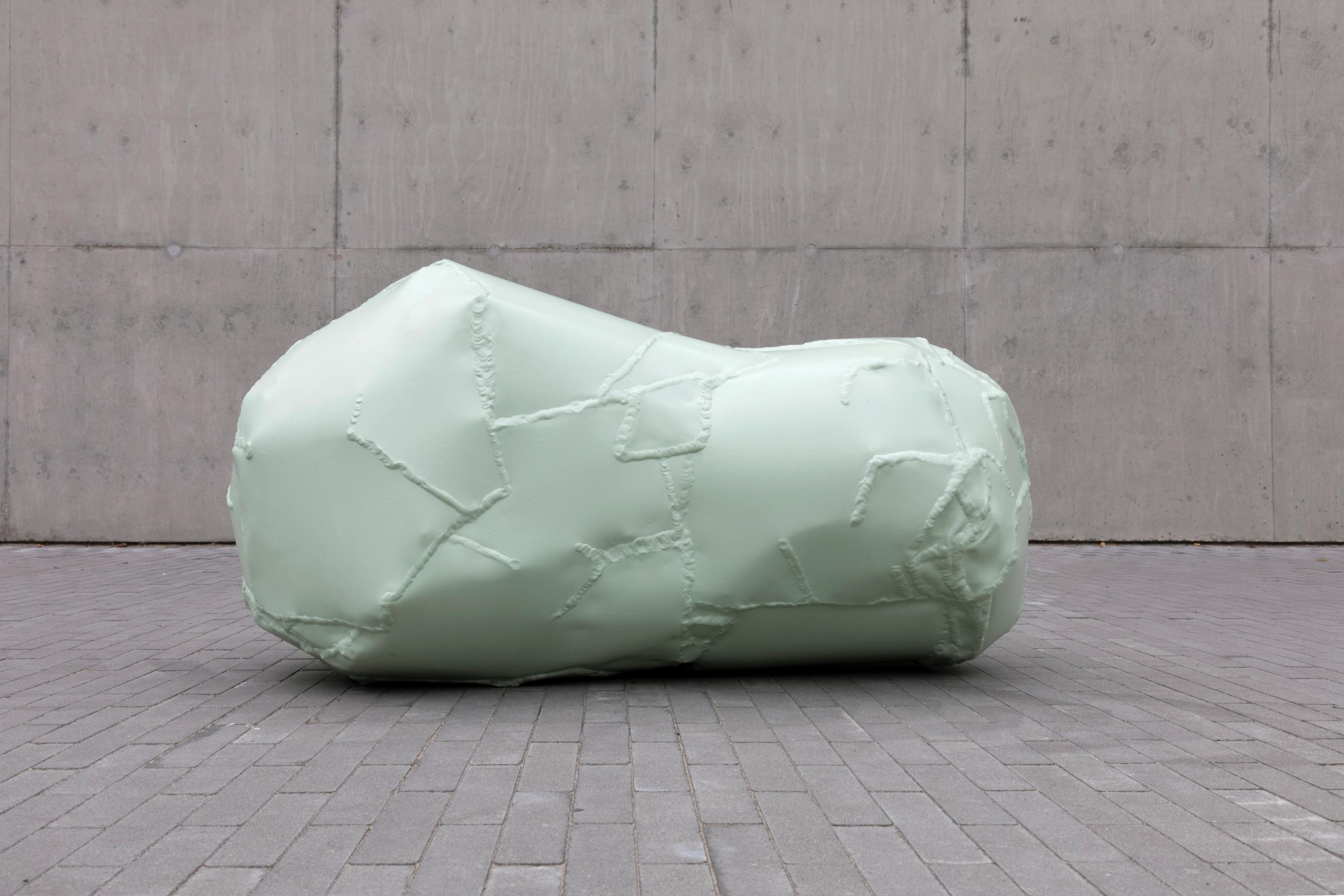
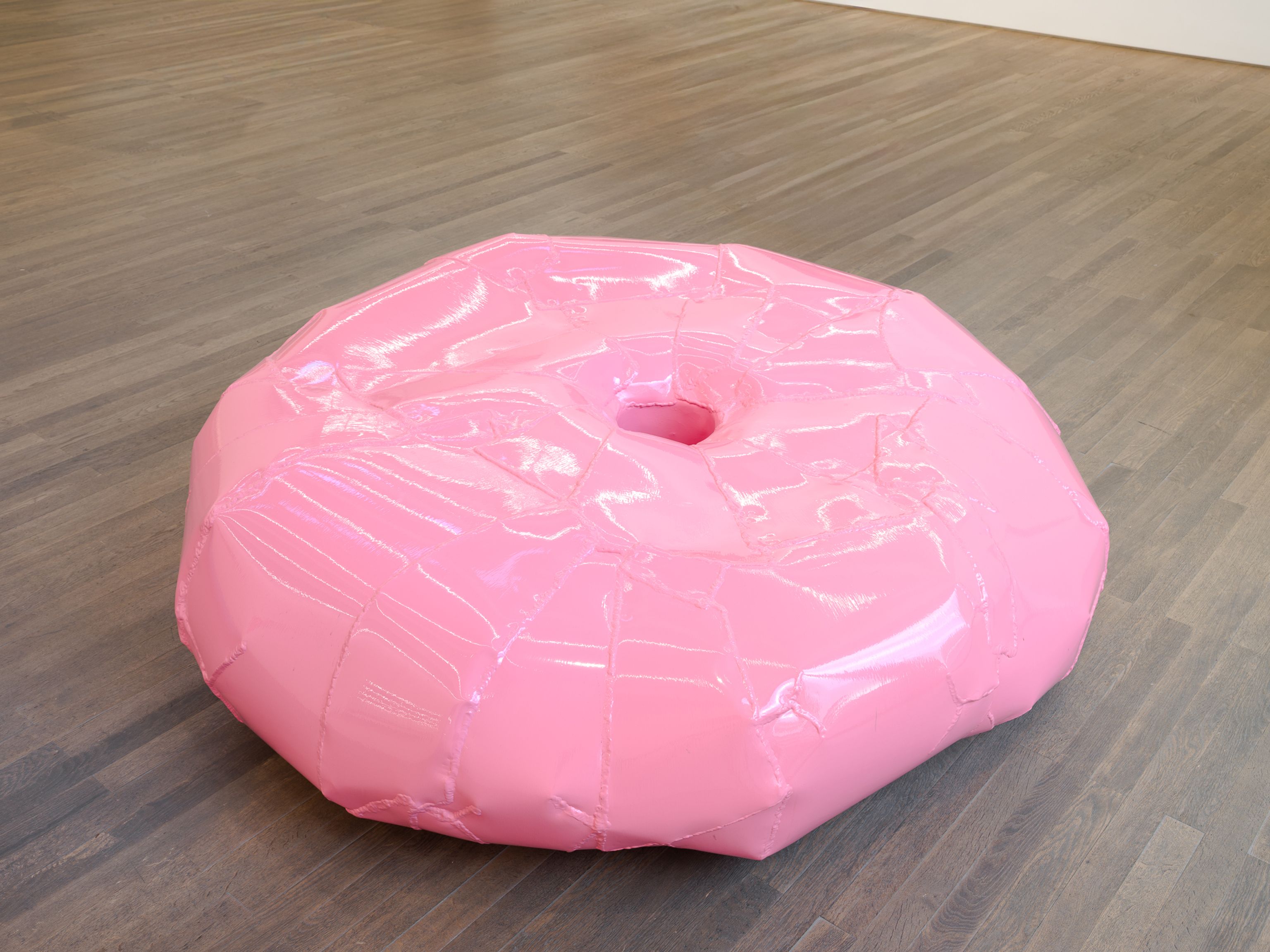
West’s practice dissolves the traditional boundary between viewer and object. His forms suggest touch, weight, and use, even when interaction is not physically possible. The cracked, lacquered skins and irregular contours evoke something handled, worn, or even psychological. Rather than presenting sculpture as something to admire from afar, he positions it as something to confront, to move around, and to feel in relation to one’s own body.

The aesthetics of imperfection
Across materials such as papier-mâché, aluminum, and resin, West cultivates a deliberate crudeness. Surfaces are uneven, seams remain visible, and color is applied with an almost careless intensity. This refusal of refinement becomes a critical gesture. It pushes against the expectation that art must resolve into harmony or beauty, offering instead an aesthetic of friction, humor, and vulnerability.
Between object and organism
Many of West’s sculptures hover between abstraction and figuration, suggesting bodily fragments, growths, or shells without ever settling into a clear identity. Their presence feels both alien and familiar. In this ambiguity lies their power. They do not represent the body so much as echo its instability, its capacity to change, and its constant negotiation with space.
In West’s work, sculpture is no longer a static object but an event. It unfolds through perception, proximity, and the quiet tension between discomfort and curiosity.