
the work of
Jane Dickson
- ArtistJane Dickson
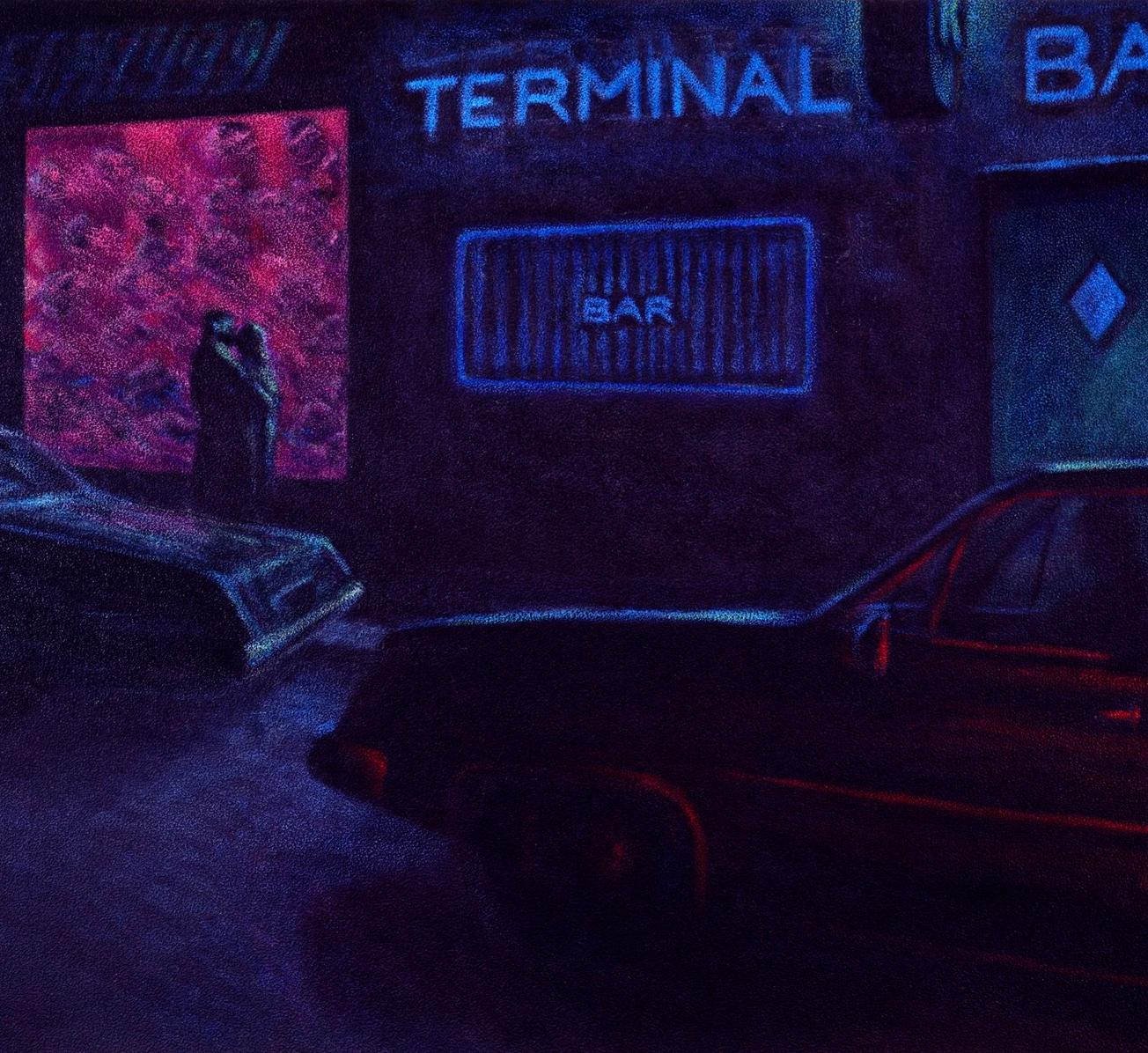
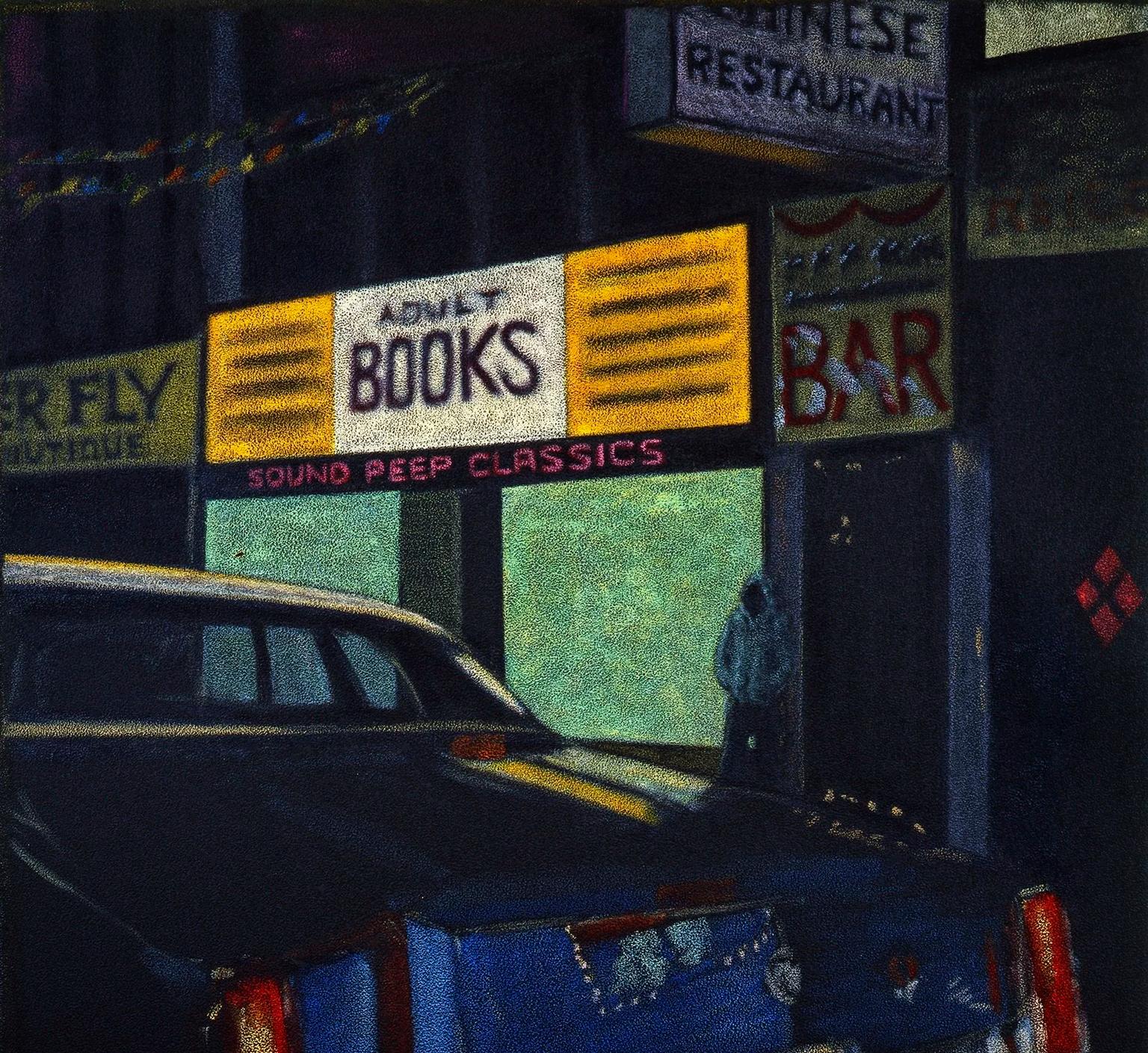
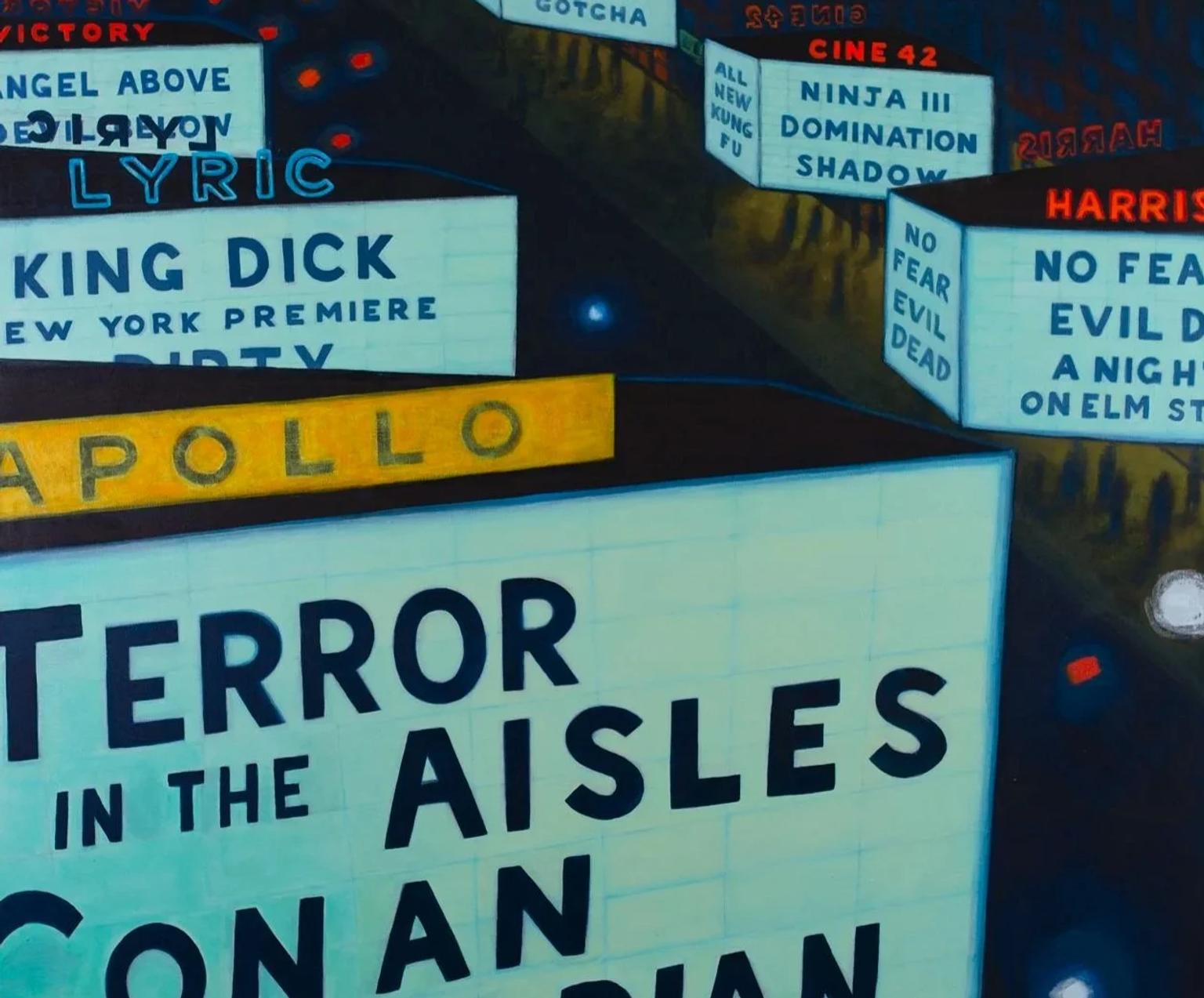
Alexis Ross I was fortunate to catch Time Square in the 1980's as a teen. The dirty book stores and the XXX theater marques blew my mind. Also the thrill that something might come out of the dark and grab you. Jane's paintings bring that all rushing back.


Jane Dickson
Jane Dickson (b. 1952, Chicago) is a painter, photographer, and early pioneer of digital art whose practice is inseparable from the psychogeography of New York City - most notably Times Square. After moving to New York in 1977, she became embedded in the city’s late-1970s countercultural art scene and was a central figure in the artist collective Colab, alongside peers such as Jenny Holzer, Kiki Smith, Charlie Ahearn, and David Wojnarowicz.
In 1978, Dickson answered a New York Times job ad seeking an “artist willing to learn computers,” leading her to work behind the first digital Spectacolor billboard at 1 Times Square. There, she programmed animated visuals, ran the New Year’s Eve countdown, and - crucially - used the billboard as a platform to curate and enable some of the earliest widely seen digital artworks by artists including Jenny Holzer, Keith Haring, and David Hammons. This unique position placed Dickson at the intersection of painting, technology, public space, and collective artistic production at a formative moment in contemporary art.






Working Across Image and Experience
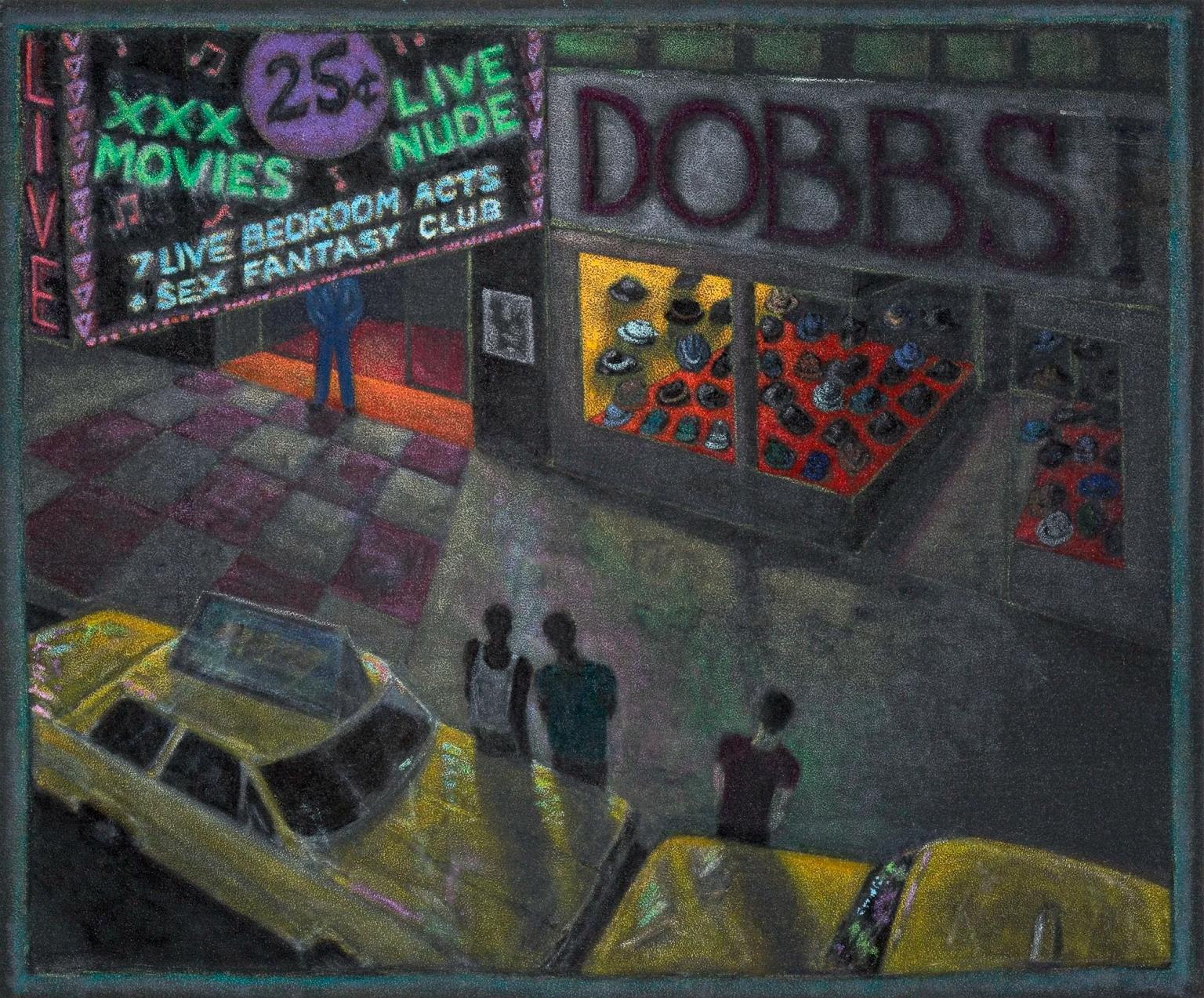
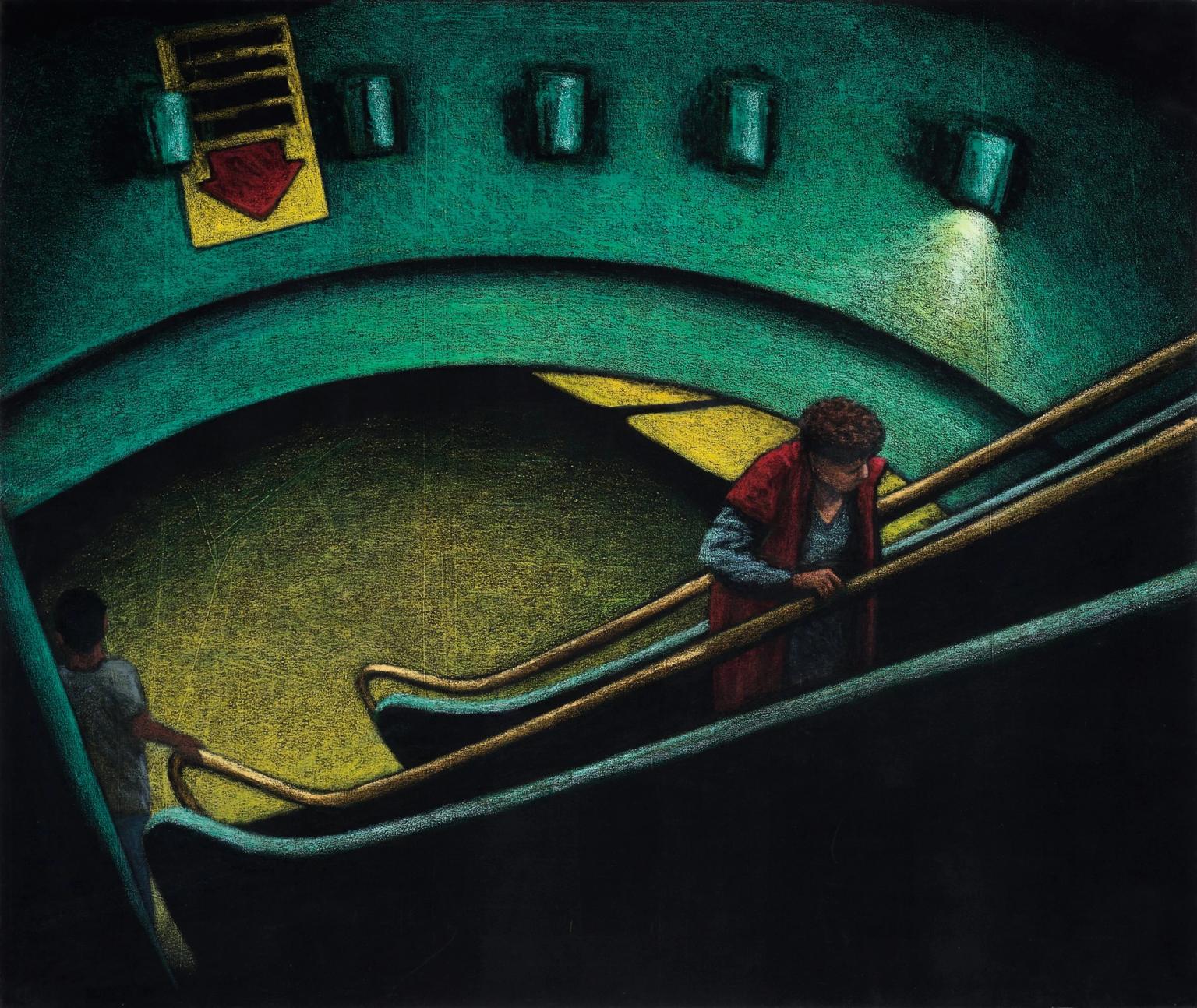
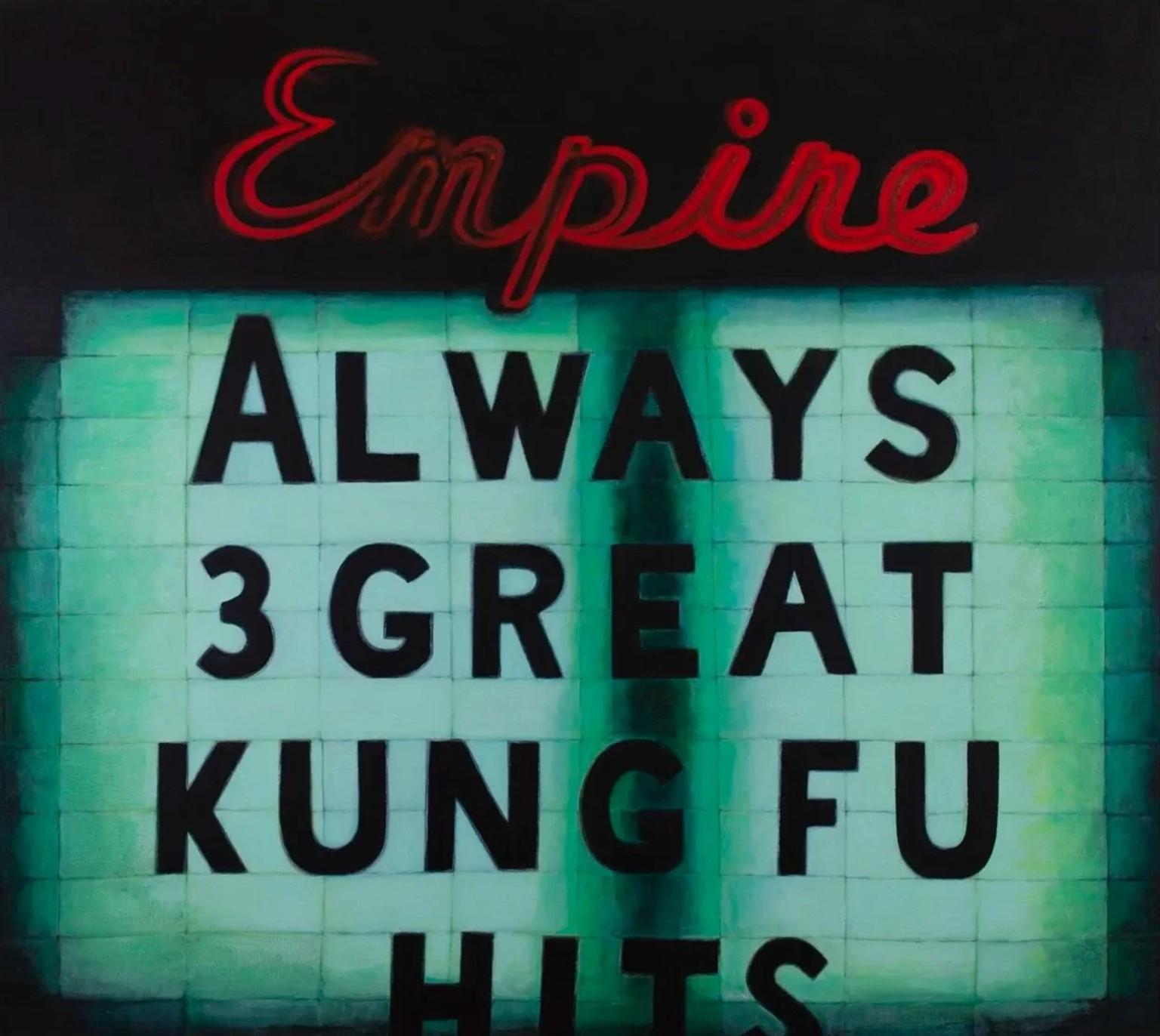
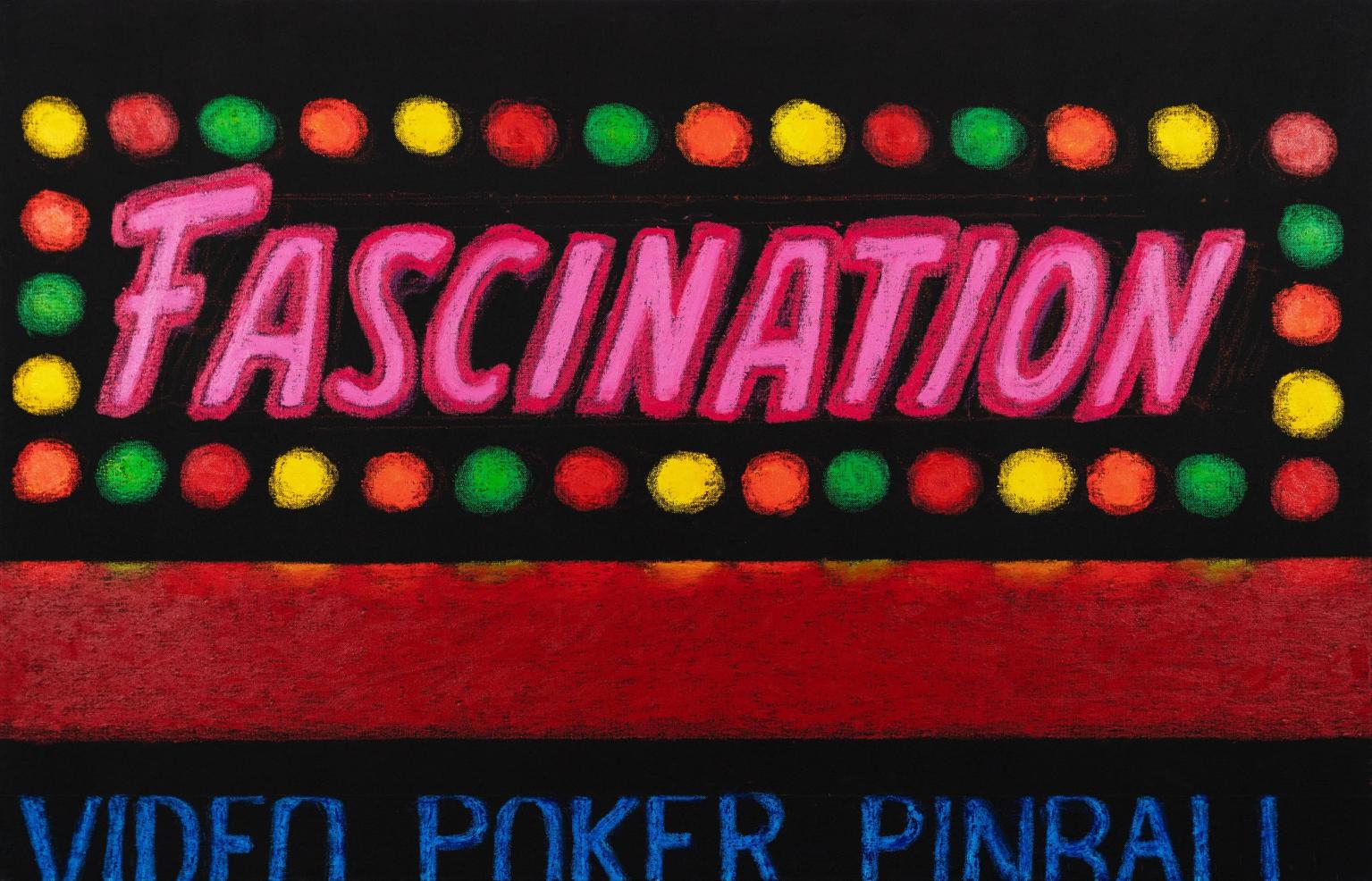
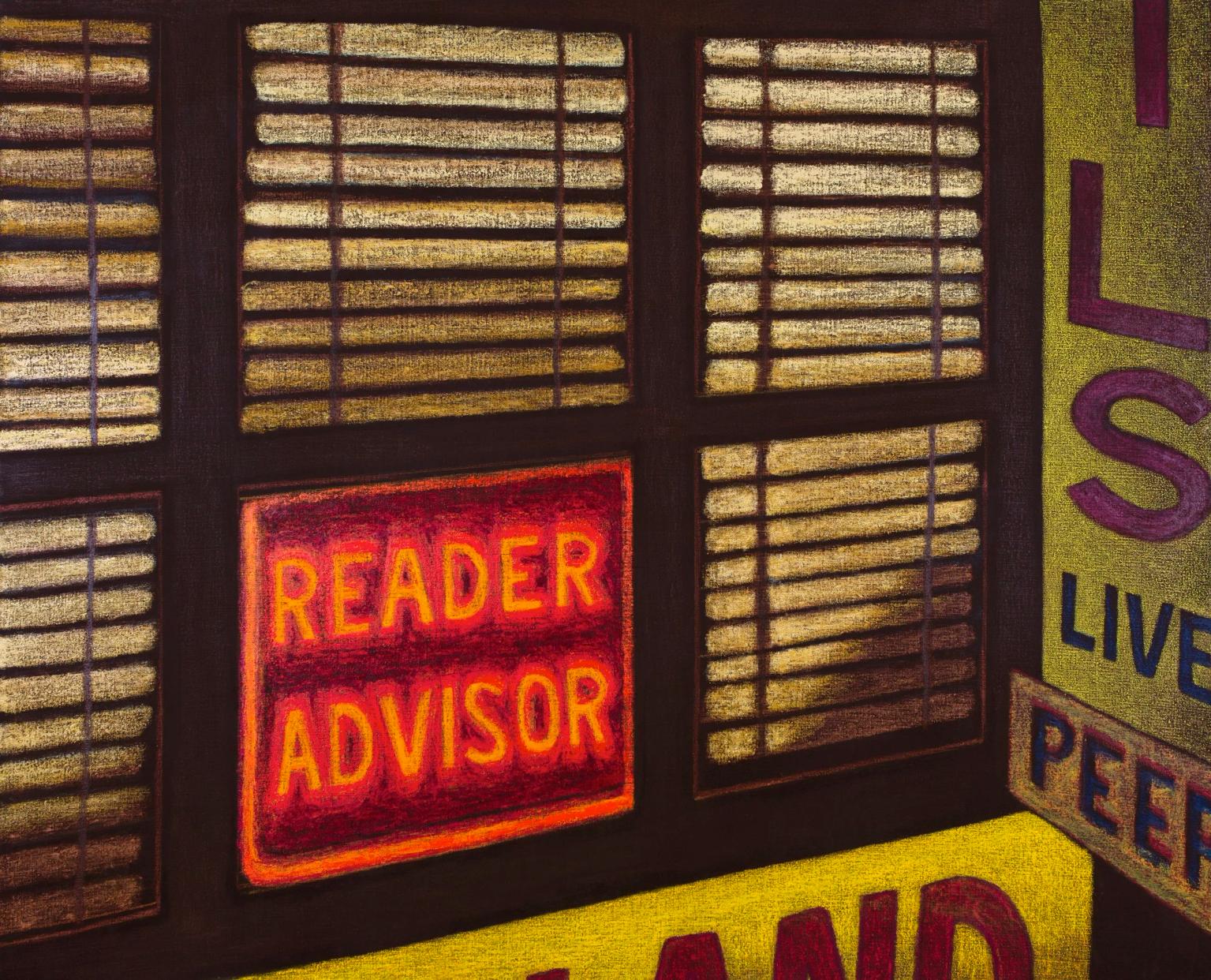
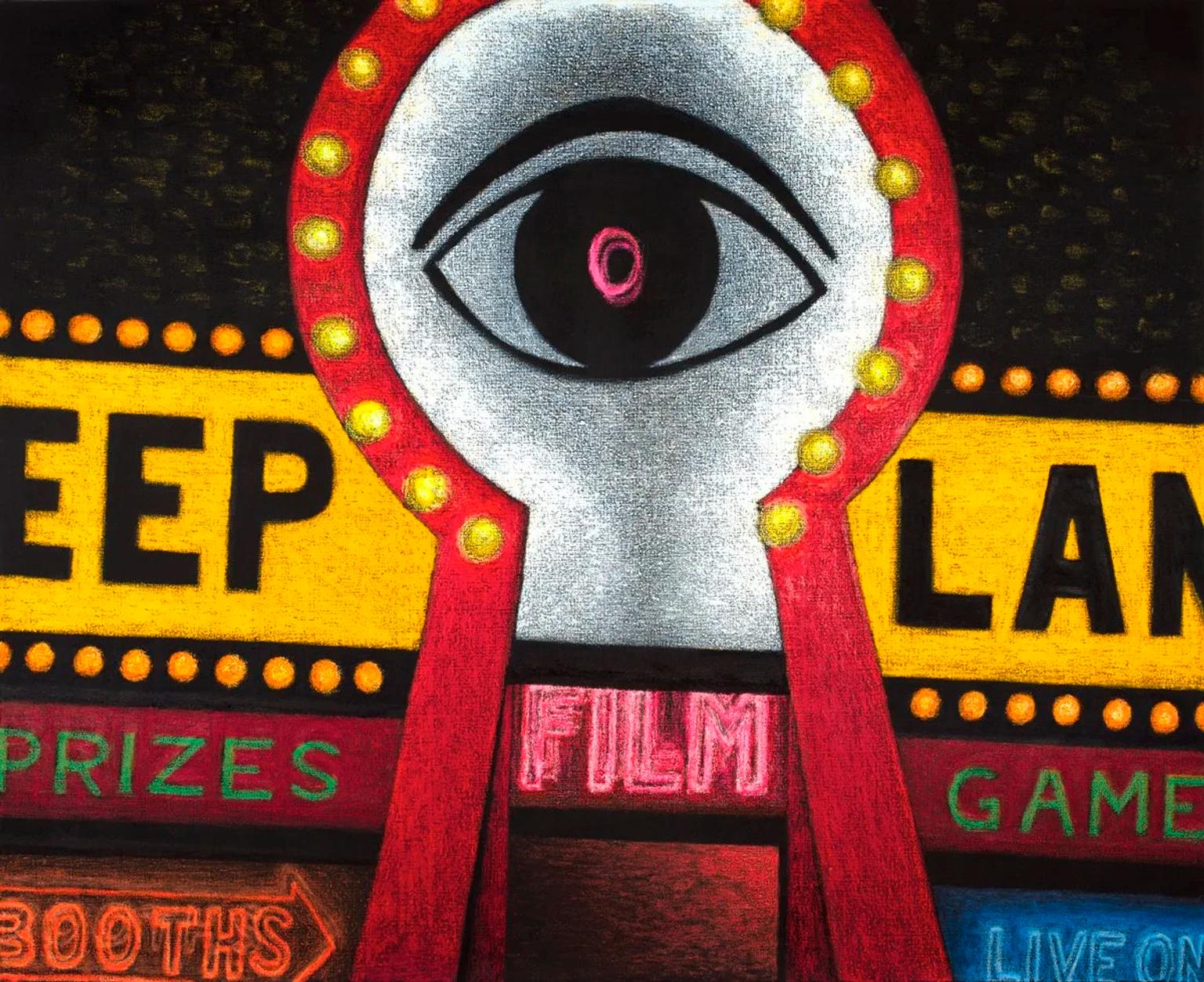
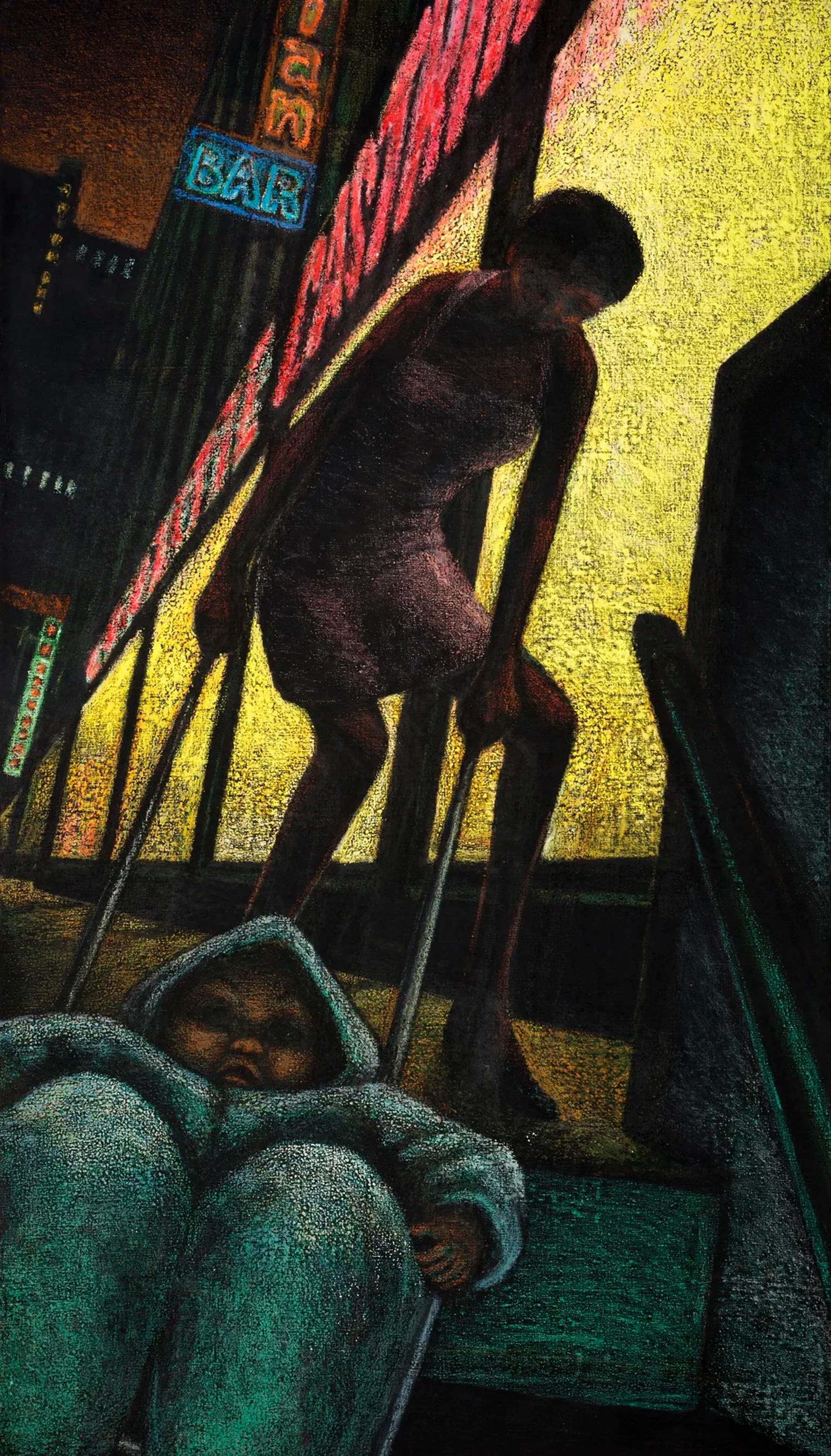
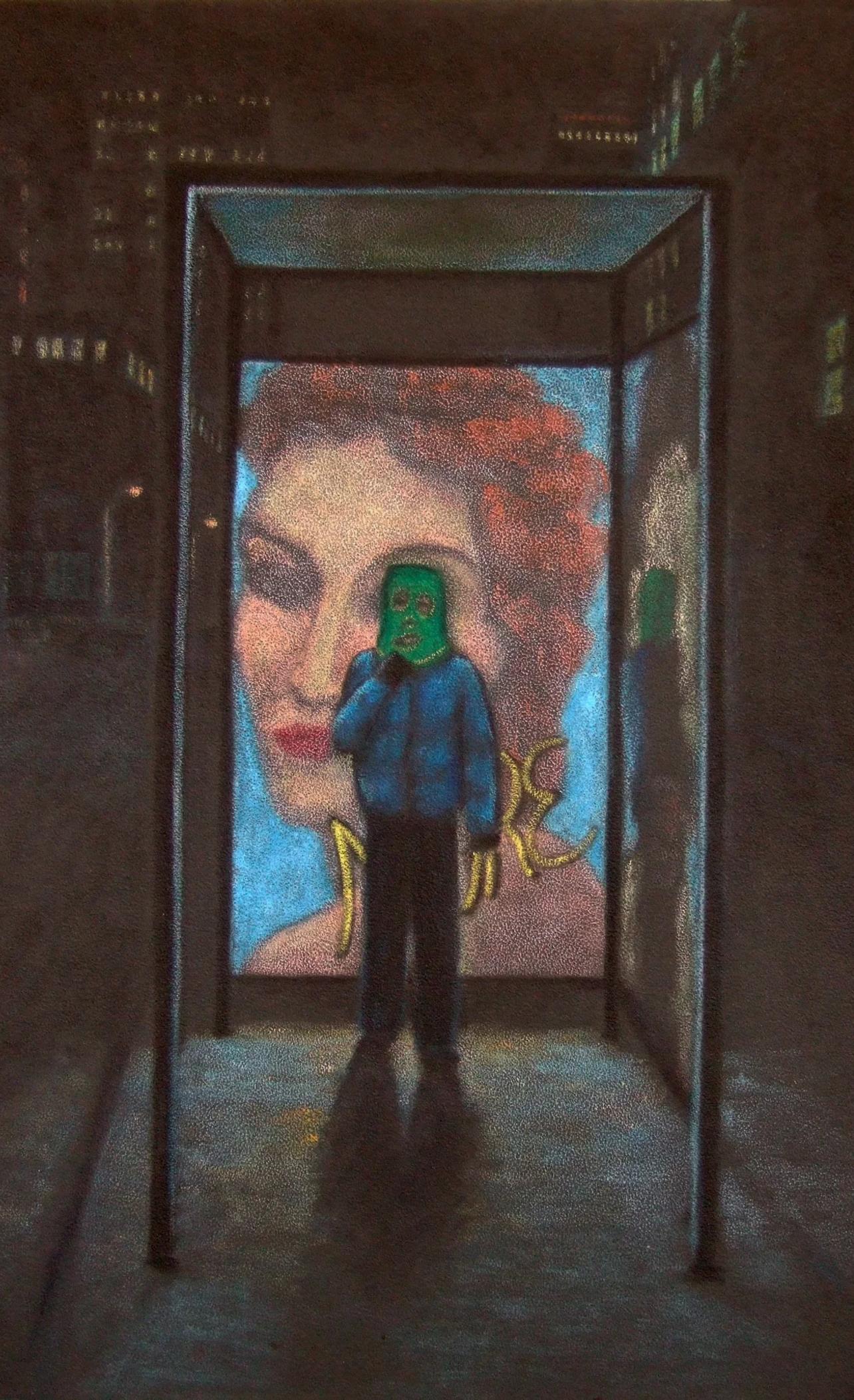
Although primarily known as a painter, Dickson’s work has always been grounded in direct observation and lived experience. From 1978 to the mid-1980s, she produced an extensive photographic archive documenting Times Square and its surrounding streets at night - a seedy, electric, and socially charged environment populated by hustlers, sex workers, artists, punks, and night-shift laborers. These photographs, often taken intuitively and without artistic self-consciousness, later became the basis for paintings that blur figuration and abstraction through hazes of neon light, motion, and darkness.
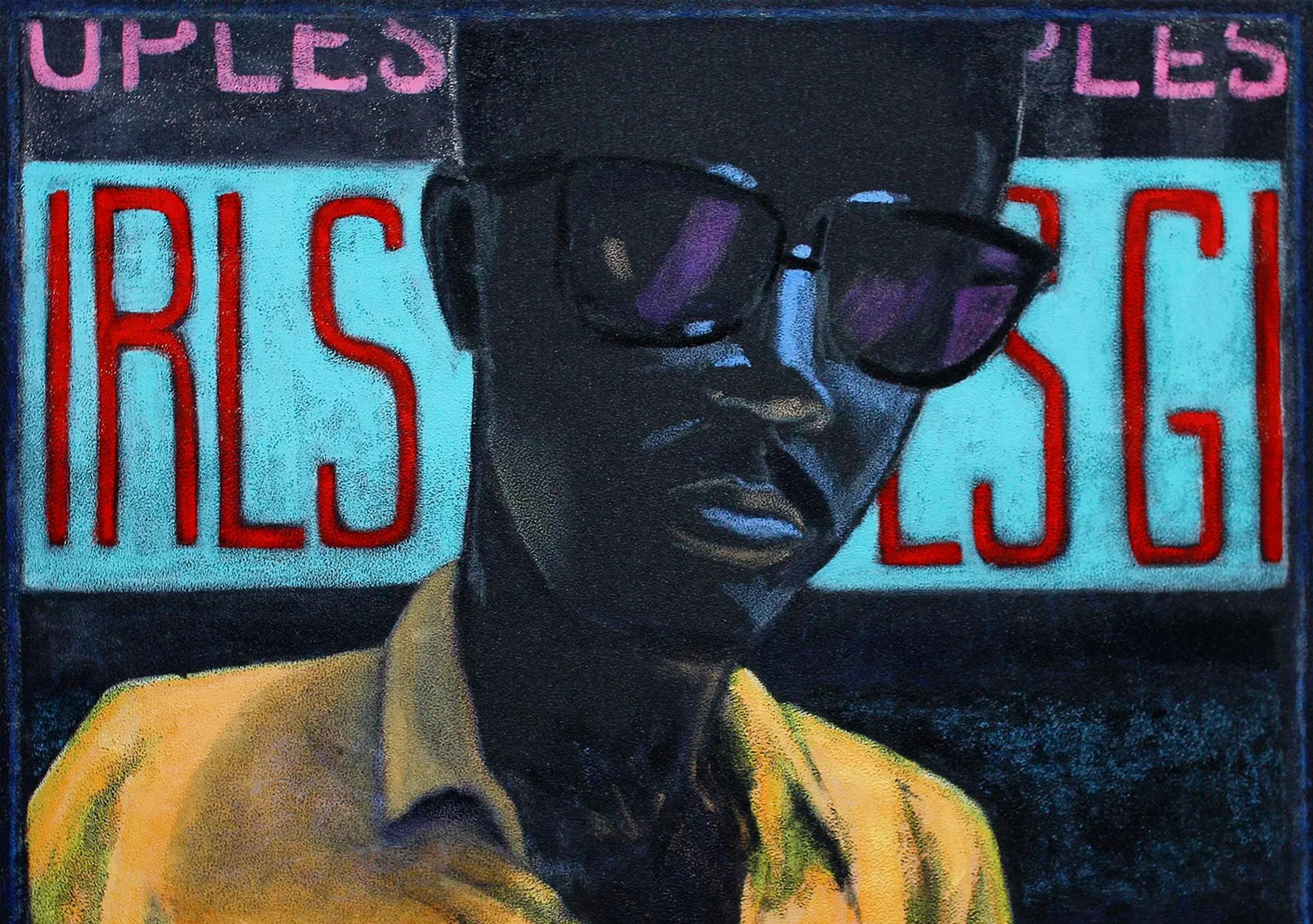
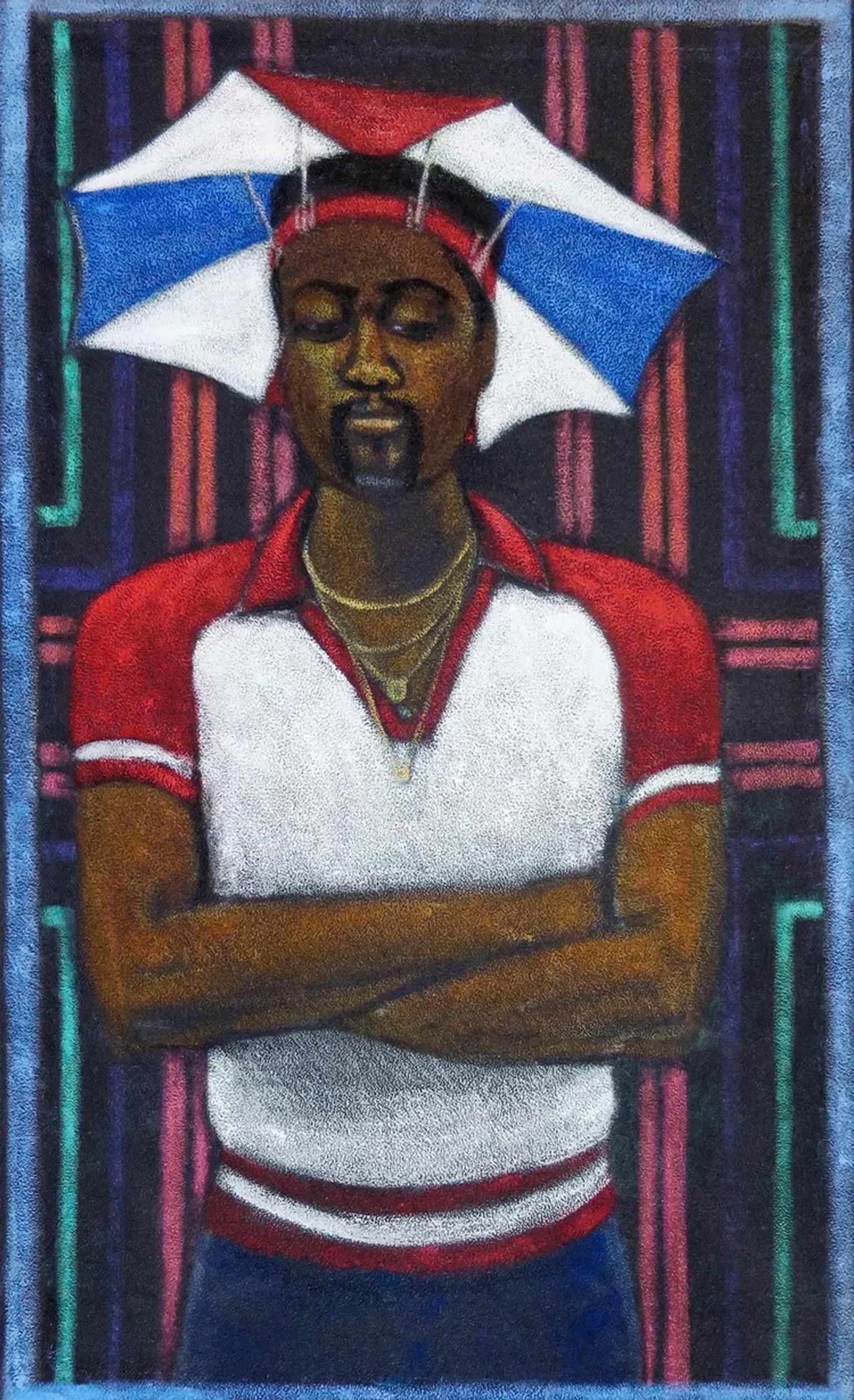
Working from her own images, Dickson developed a distinctive visual language in which social realism collides with feminist critique and postmodern sensibility. Her subjects - strip clubs, peep shows, diners, motels, revelers, and anonymous passersby - are rendered with empathy and unease, capturing the seductive danger and emotional intensity of urban nightlife. Using oil and acrylic on canvas and linen, as well as unconventional surfaces such as vinyl, felt, Astroturf, and sandpaper, her paintings convey a tactile immediacy that mirrors the physical and psychological texture of the city itself.


Witnessing Times Square
Dickson’s long-term engagement with Times Square culminates in works that are both historical documents and deeply personal acts of witnessing. After moving into a loft overlooking Times Square in 1981, she photographed the streets from above, exploring themes of surveillance, vulnerability, and power - an experience that later informed her Witness paintings and her Revelers series, which began in response to the chaos and danger of New Year’s Eve celebrations.
In 2008, this body of work was permanently embedded into the city through her monumental mosaic installation Revelers at the 42nd Street–Times Square subway station, composed of vibrant Murano glass and transforming a site of transit into one of shared humanity. Widely exhibited, including participation in the 1985 Whitney Biennial with Group Material, and held in major institutions such as the New Museum and the Art Institute of Chicago, Dickson’s work stands as a vital record of a vanished New York. Across painting, photography, and public art, she remains an artist of the everyday - one who captured moments that were “glittery, exciting, and a little out of control,” before they slipped from lived present into history.