
Sigvaldi Thordarson
The work of
- ArchitectSigvaldi Thordarson
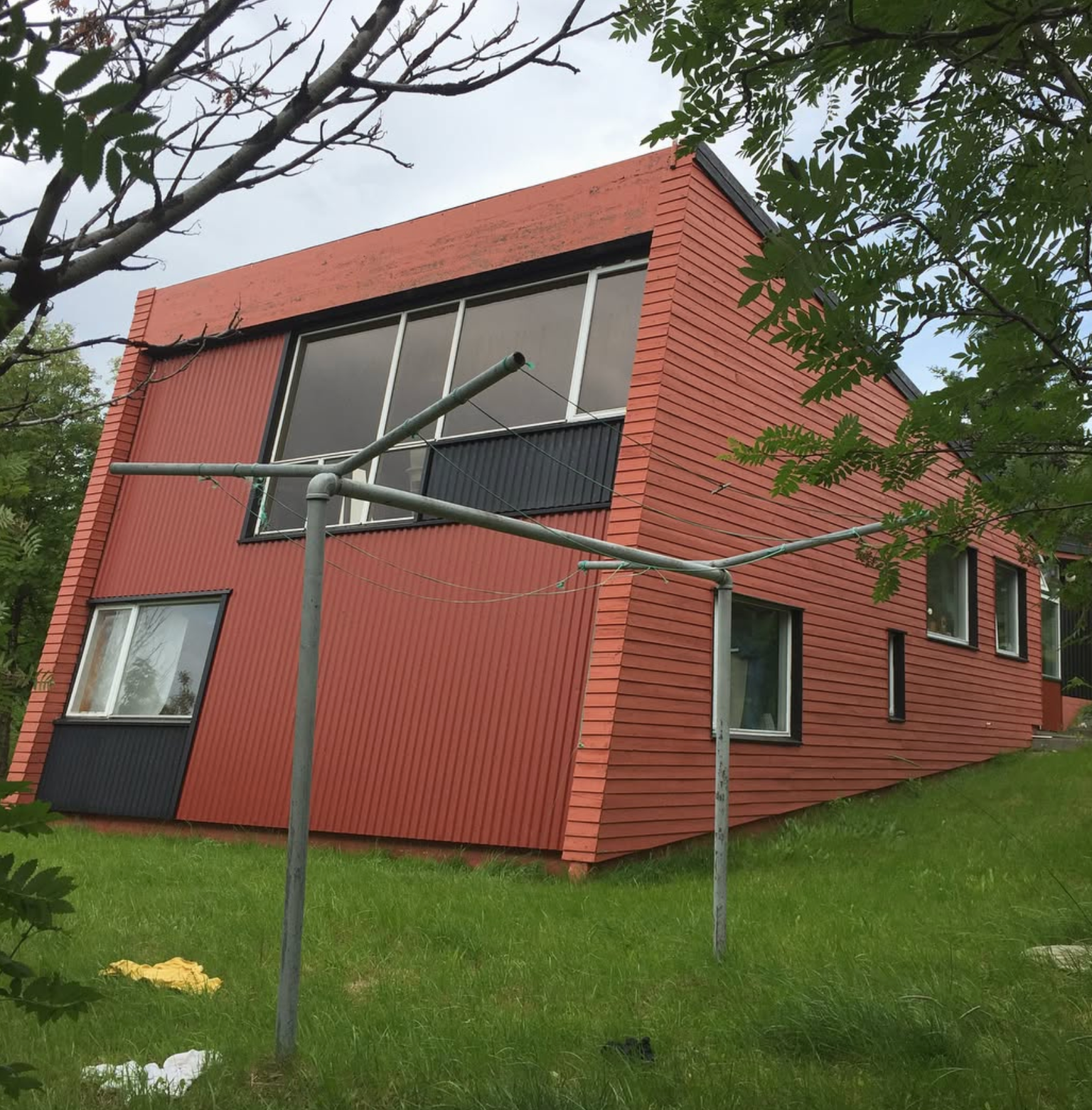
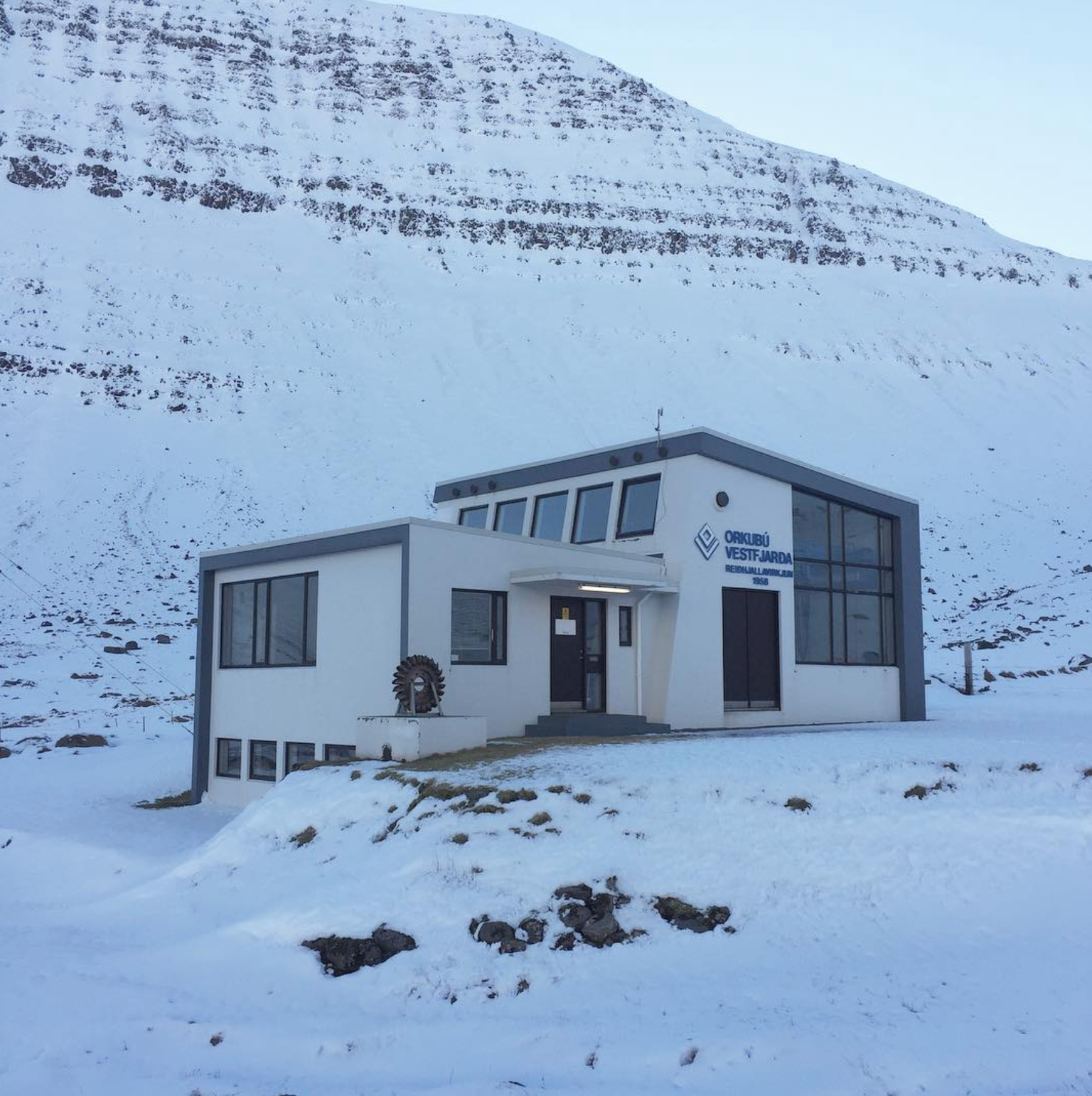
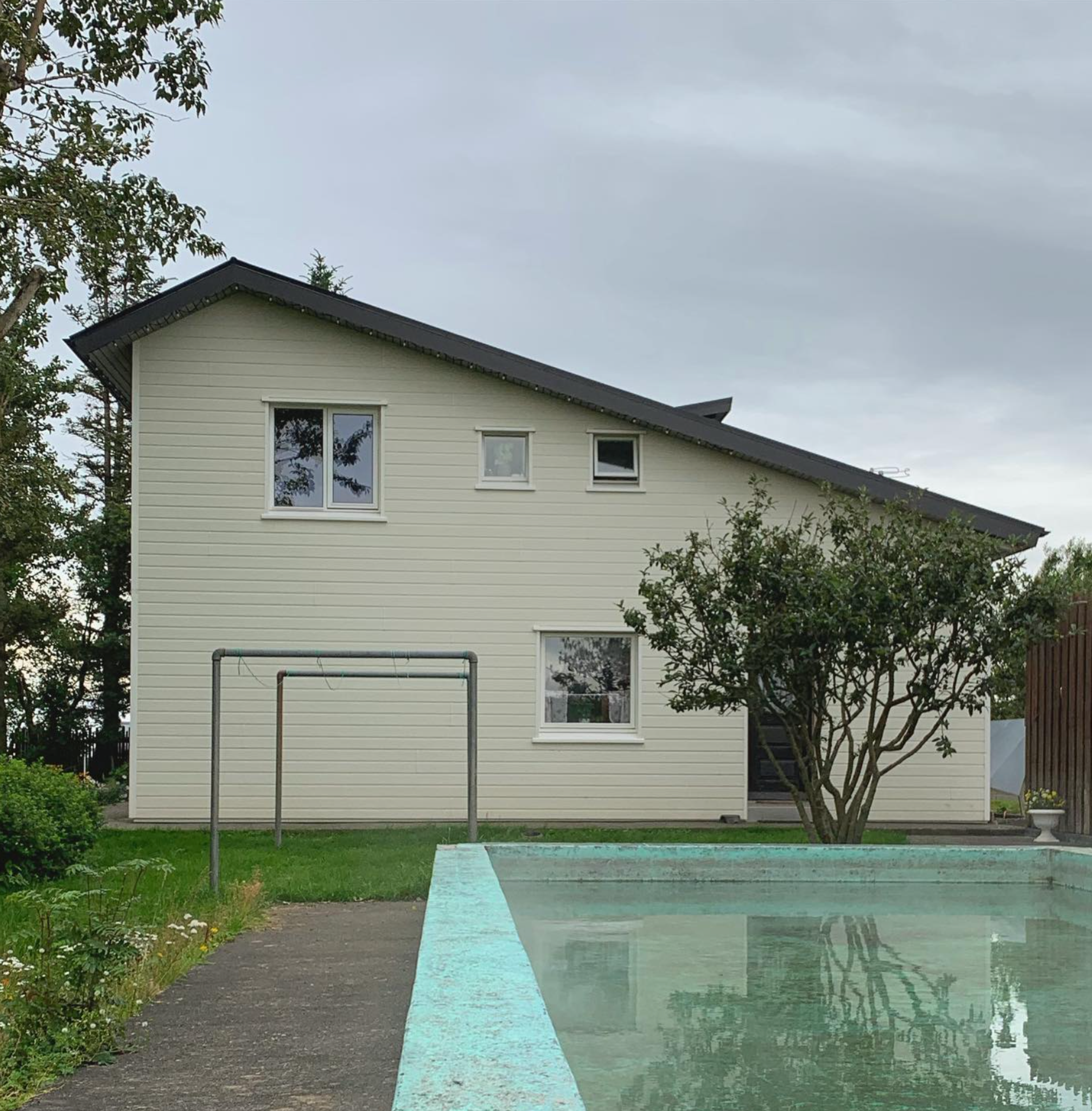
LOJI HÖSKULDSSON This might be a bit of a side obsession of mine, but the work of the Icelandic architect Sigvaldi Thordarson has had a strong influence on me. He uses bold forms and strong colors in shaping his buildings, and I’m especially drawn to how young Iceland’s architectural history is, and how much he helped transform its visual landscape. I run an Instagram page dedicated to his work, where you can find almost all of the buildings and projects he created.

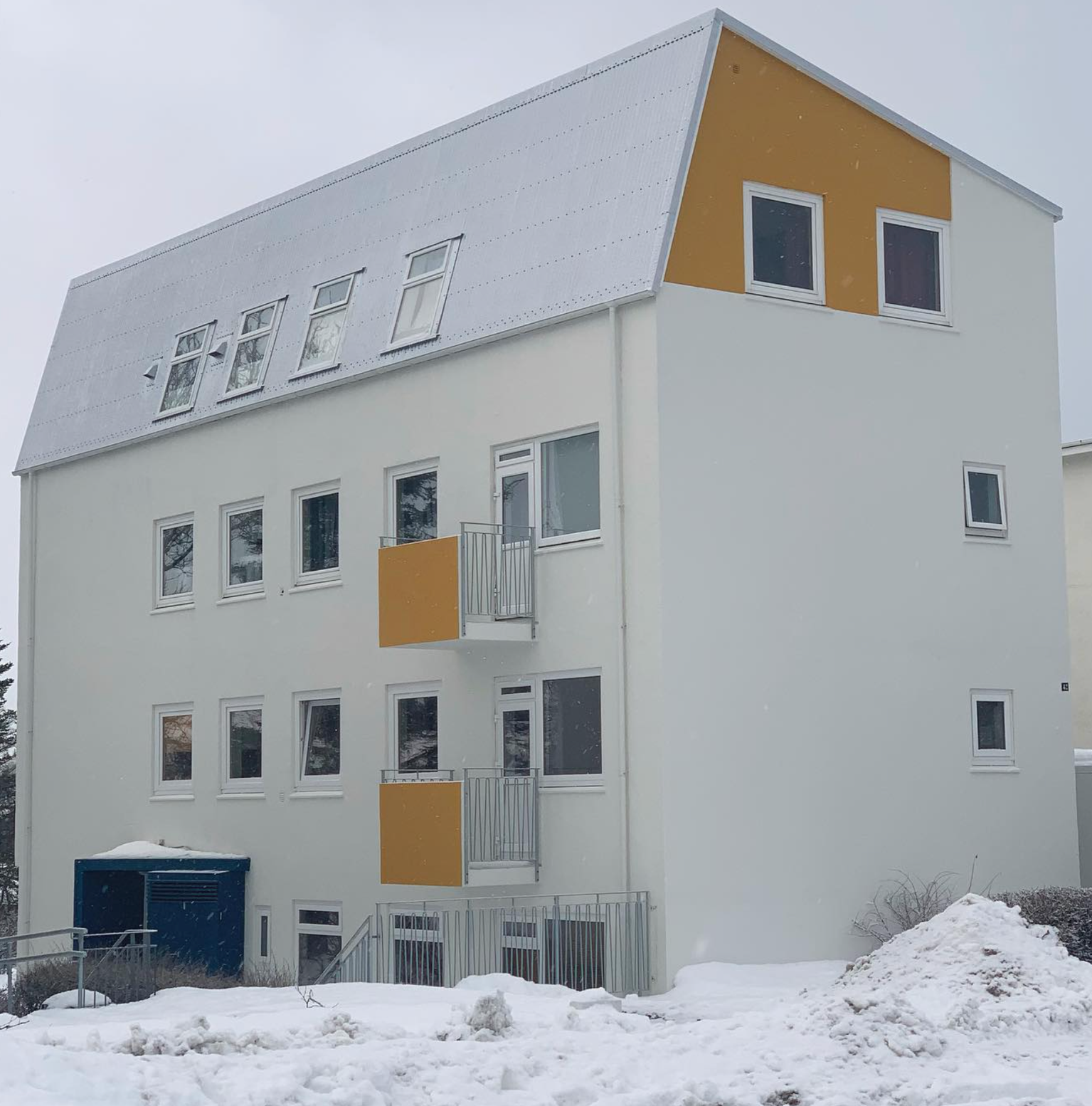

Sigvaldi Thordarson - The Architect Who Colored Modern Iceland
In the story of Icelandic architecture, some names are spoken with immediate recognition, and among them stands Sigvaldi Thordarson, a figure whose work quietly shaped the visual identity of Reykjavík and beyond. Though he died young, at just 52 in 1964, his influence remains deeply embedded in the streets, neighborhoods, and homes of Iceland. His buildings are still lived in, photographed, admired, and in many cases affectionately referred to simply as “Sigvalda houses.”
Born in 1911 in Ljósaland in Vopnafjörður, East Iceland, Sigvaldi came from a rural landscape far removed from the growing urban modernism that would later define his career. Yet it was perhaps this contrast that gave his work its unique balance between practicality and personality. He studied architecture in Denmark, as many Icelandic architects of his generation did, and during the difficult war years of the 1940s he returned to Iceland, where he worked alongside fellow architect Gísli Halldórsson before both men completed their studies in Copenhagen in 1946.
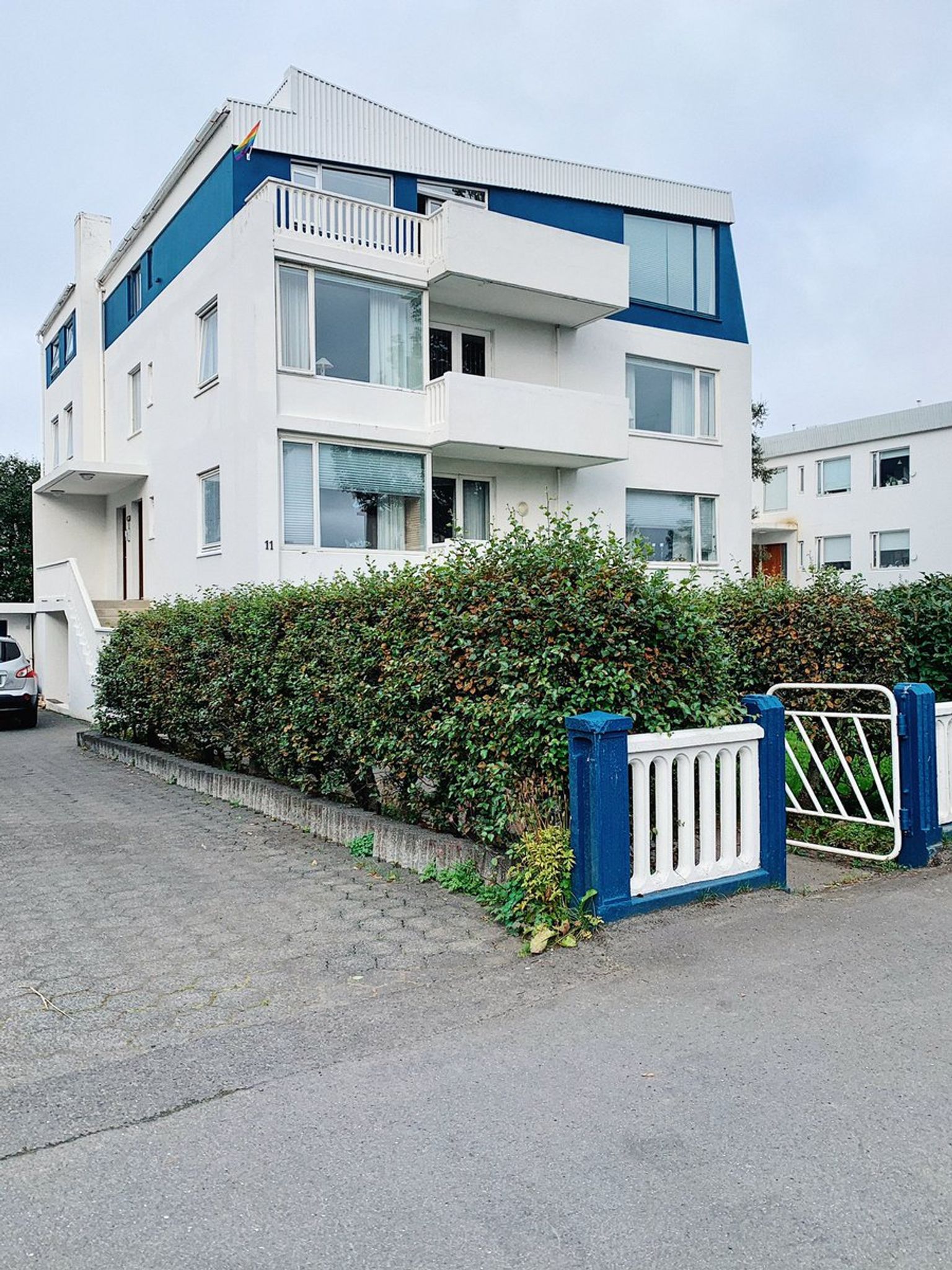

Modernism with Warmth
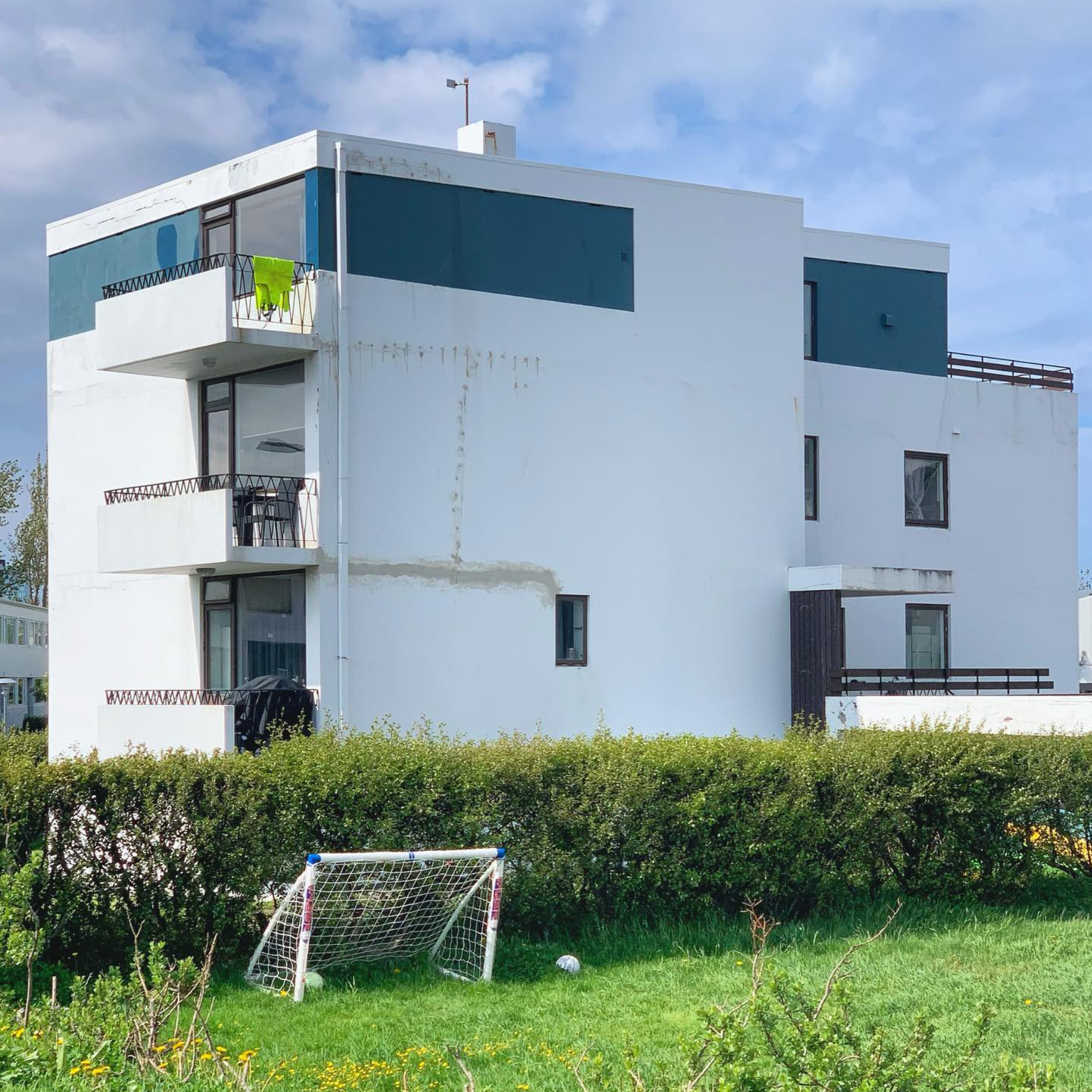
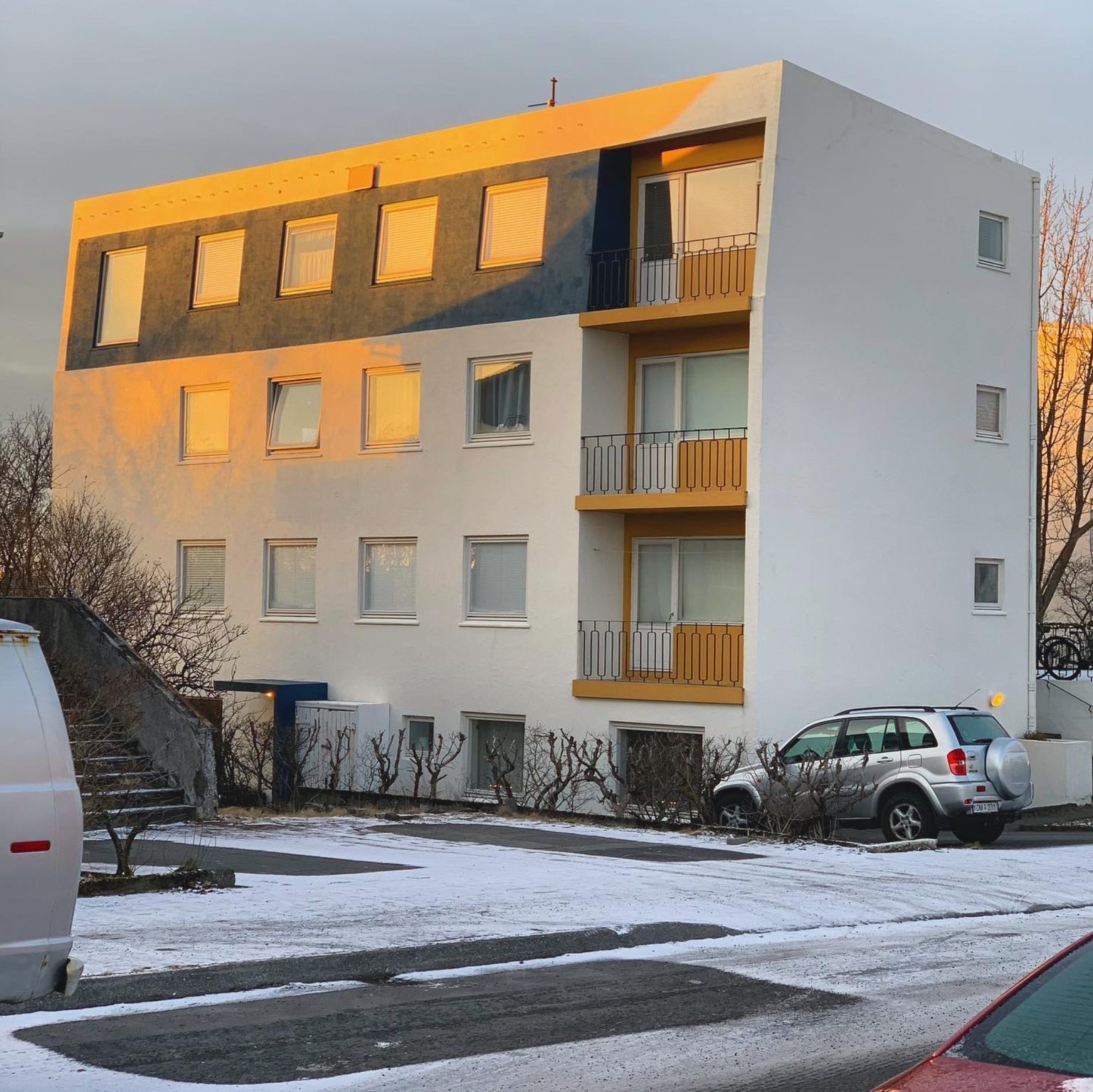
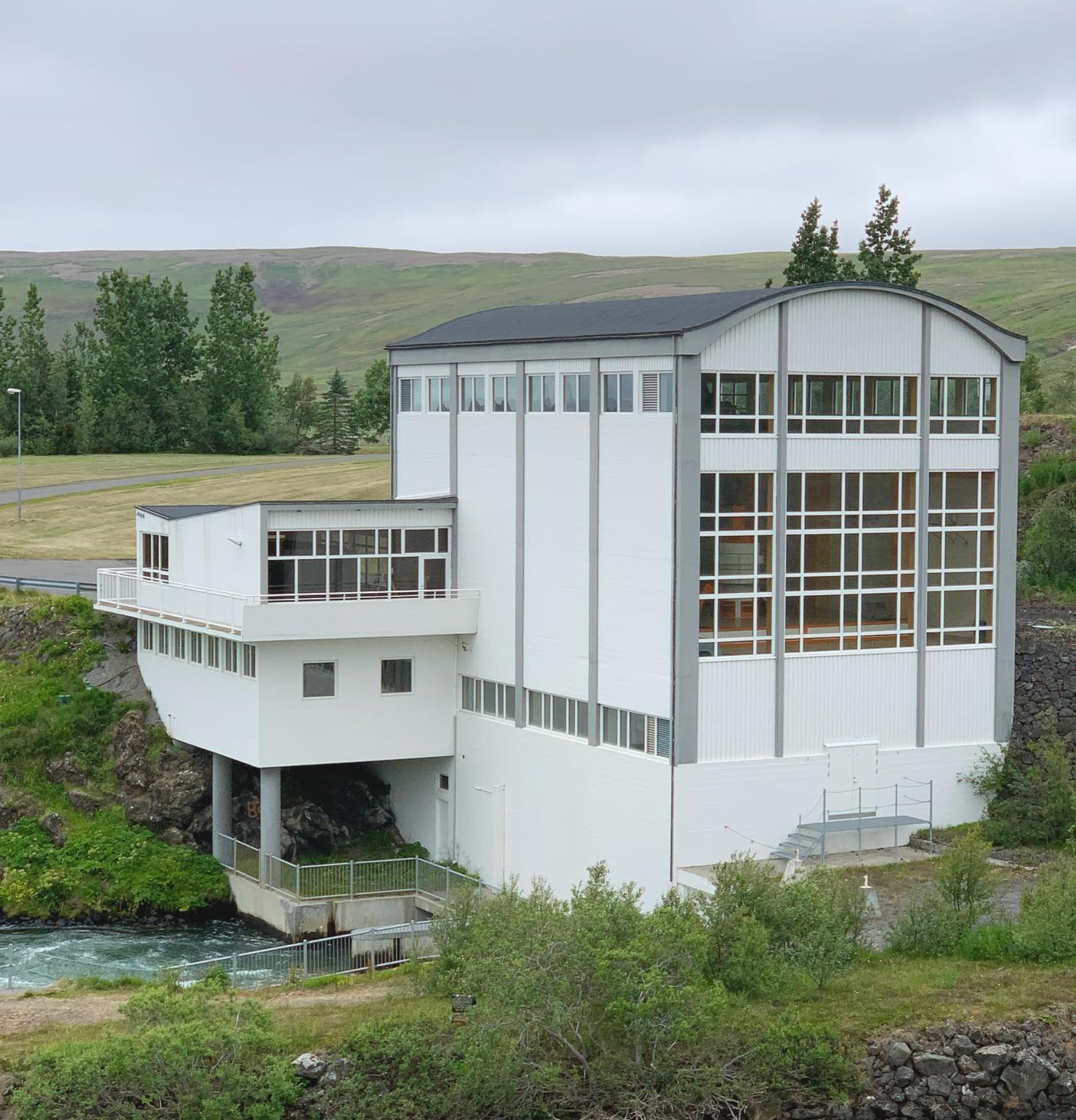
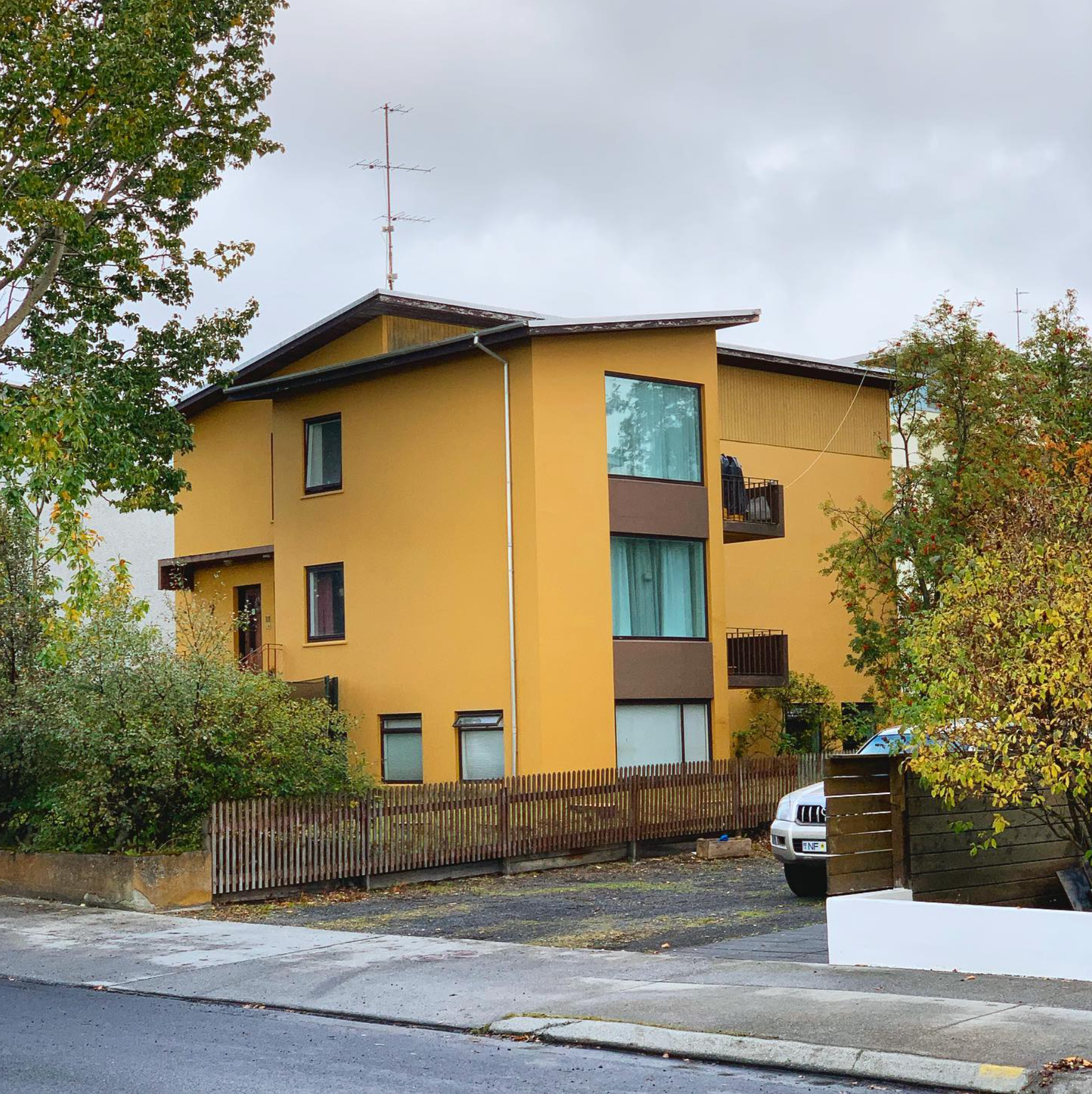
Sigvaldi belonged to the generation that introduced modernism to Iceland, but his version of modernism was never cold or severe. He designed a remarkable range of buildings including private homes, apartment blocks, schools, hotels, and even power stations. His architecture embraced clean lines and functional planning, yet there was always something distinctly human in the proportions and details.
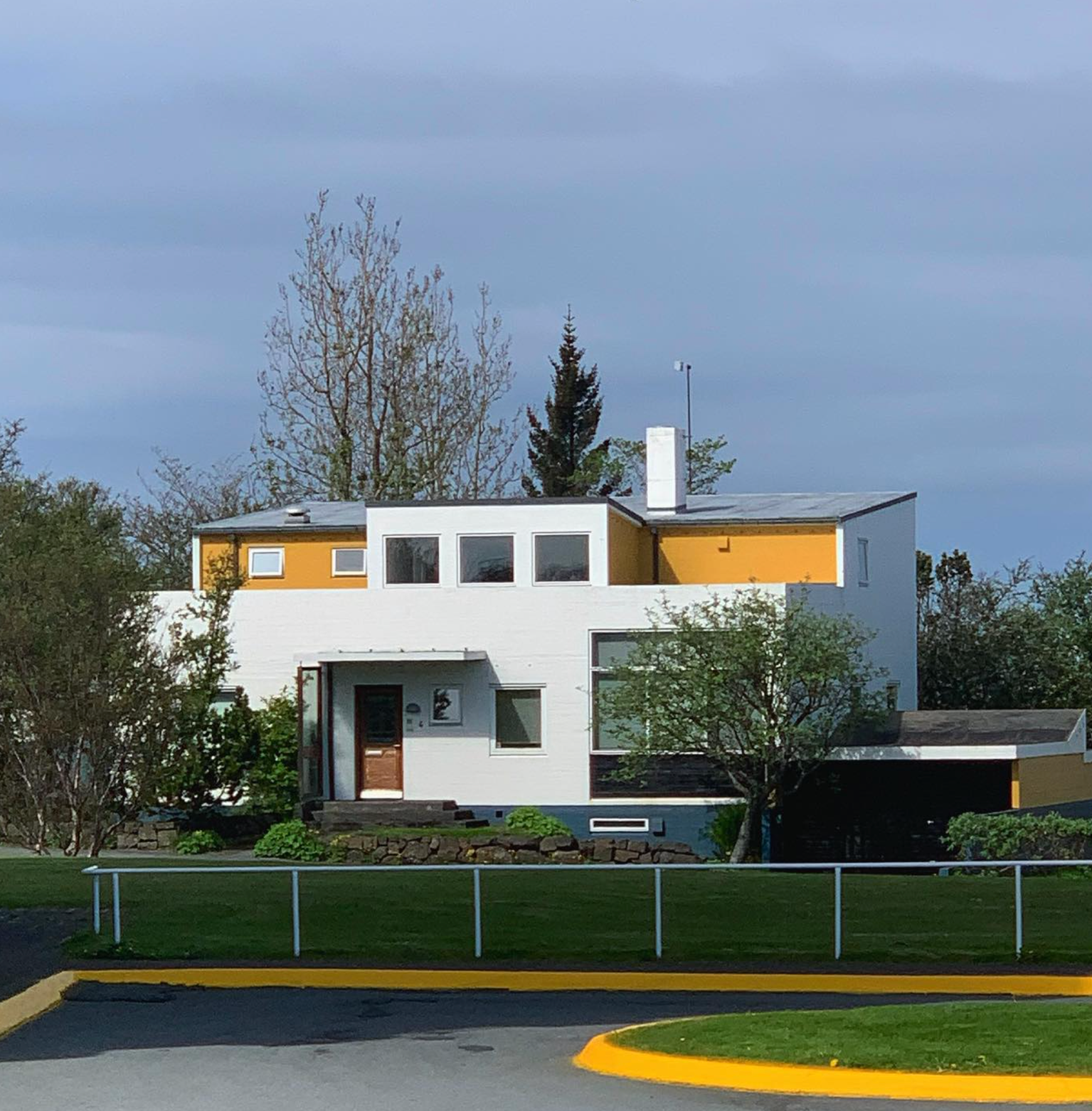
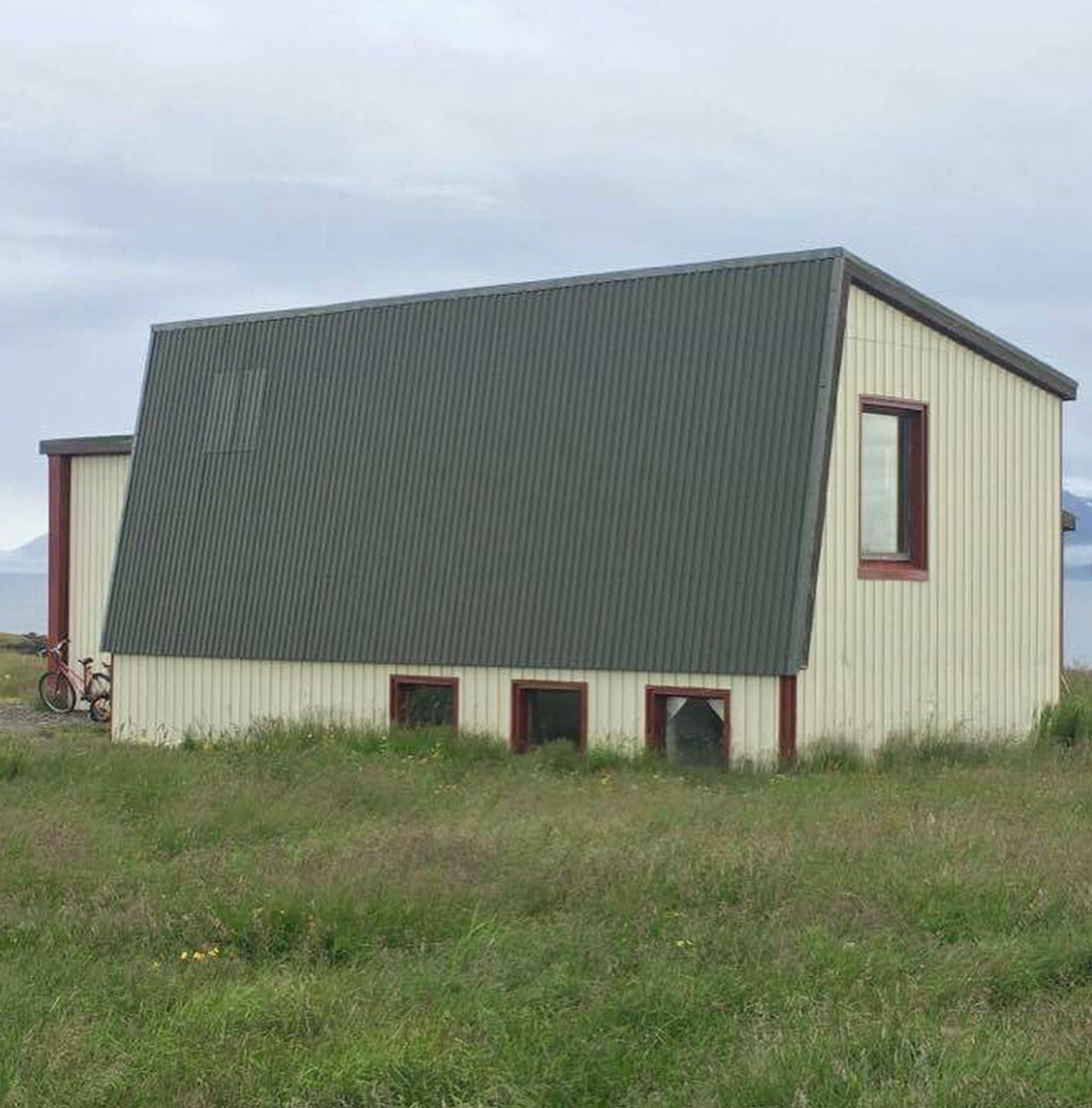
What made his work instantly recognizable was color. While many modernist architects preferred neutral palettes, Sigvaldi embraced bold combinations of yellow, blue, and white. These shades became so associated with him that Icelanders began referring to them as “Sigvaldi colors.” Even today, these bright façades stand out in Reykjavík’s neighborhoods like architectural signatures from another era.
His houses often balanced simplicity with surprising elegance. Large windows invited light into long northern winters, while layouts were designed for real family life rather than pure visual effect. He understood that architecture was not only about appearance, but about how people moved, gathered, and lived.
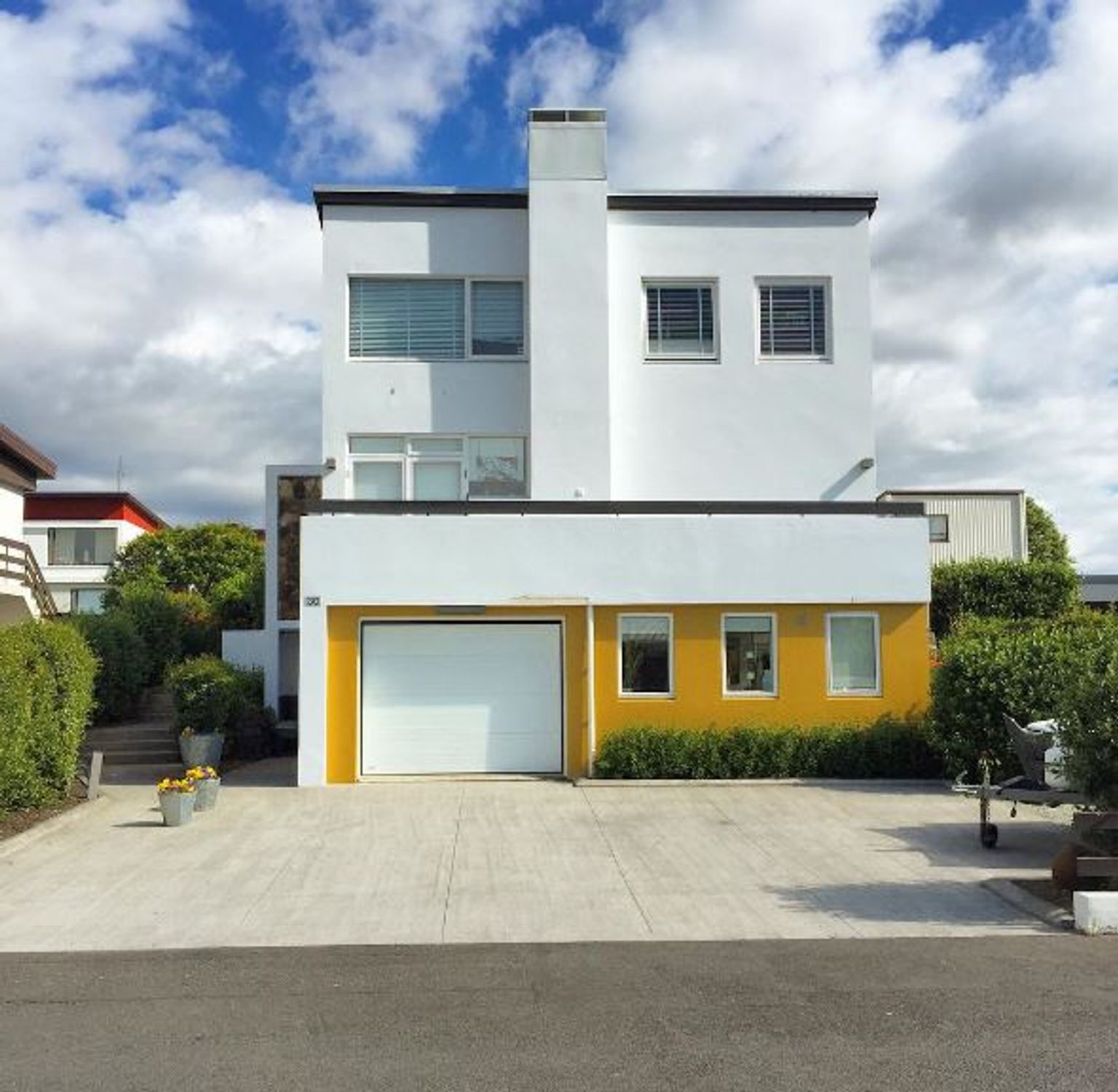

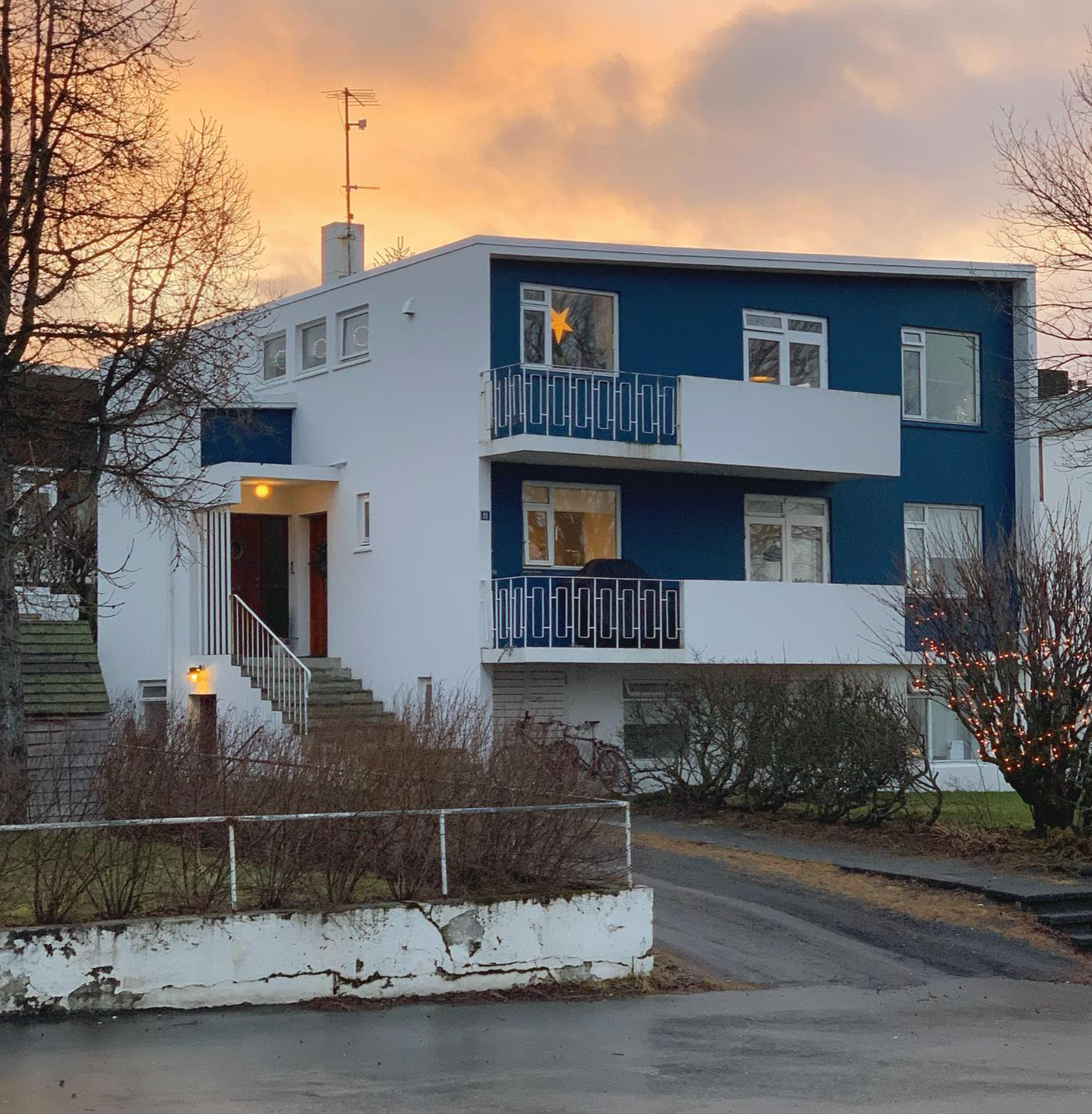





The Legacy of the Sigvalda Houses
Perhaps the strongest proof of Sigvaldi’s legacy is the emotional connection people still have to his buildings. Decades after his death, artists, photographers, and architecture enthusiasts continue to document and celebrate his work. One of the most notable examples is the long term project by artist Loji Höskuldsson, who began photographing every surviving Sigvaldi building and later published the book Ástarbréf til Sigvalda or Love Letter to Sigvaldi. The title says everything about how his architecture is viewed today not simply as design, but as something deeply loved.
Many of his residential buildings are now considered classics of Icelandic domestic architecture. Houses once seen as experimental are today treated almost like cultural landmarks. Real estate listings often mention his name as a mark of distinction, proof that a Sigvaldi design still carries prestige.
There is something poetic in that. Architecture is often anonymous over time, but Sigvaldi’s work resisted anonymity. His buildings kept his name alive.

A Short Life, A Lasting Presence
Sigvaldi Thordarson’s career was brief by architectural standards. He died in 1964 after a productive but relatively short professional life. Yet in those years he created enough to permanently alter the built landscape of Iceland.
He was not an architect of monuments in the grand European sense. His achievement was something quieter and perhaps more meaningful. He designed the places where ordinary Icelanders lived their daily lives. Apartment buildings, family homes, familiar streets these became his true monuments.
Today, to walk through Reykjavík is to encounter his legacy without even trying. A yellow and blue façade, a beautifully proportioned modernist villa, a building that feels both practical and unexpectedly joyful chances are, it may well be a Sigvaldi house.
And that may be the finest measure of an architect’s success: not fame alone, but the ability to make everyday life more beautiful, for generations after he is gone.