The work of
Simon Steen-Andersen
- ArtistSimon Steen-Andersen
Carl Krull Simon Steen-Andersen is a wild pioneer, a modern classical composer who dissolves the boundaries between music, performance, theatre, and video. In his expression, he constantly pushes the stage to extremes in ways I’ve never seen before. No one else works in this territory - his approach is completely unique and unmistakably his own.

Simon Steen-Andersen - Between Sound, Space, and Spectacle
Simon Steen-Andersen (b. 1976, Denmark) is a Berlin-based composer and stage director whose work exists at the intersection of music, performance, theatre, choreography, and film. Known for his transdisciplinary approach, Steen-Andersen challenges the conventional boundaries of musical performance, creating experiences where sound, body, space, and technology intersect. His compositions, often involving electronic elements, video projections, and performative gestures, have earned him international recognition and numerous awards, including the Reumert Award (2024), the Nordic Council Music Prize (2014), the Mauricio Kagel Music Prize, and multiple Carl Prizes.
A member of the Berlin Academy of the Arts since 2016 and the Royal Swedish Academy of Music since 2018, Steen-Andersen also teaches composition and music theatre at the University of the Arts Bern (HKB) and serves as an associate professor at the Royal Academy of Music in Aarhus, Denmark.


Selected Works: Run Time Anomaly
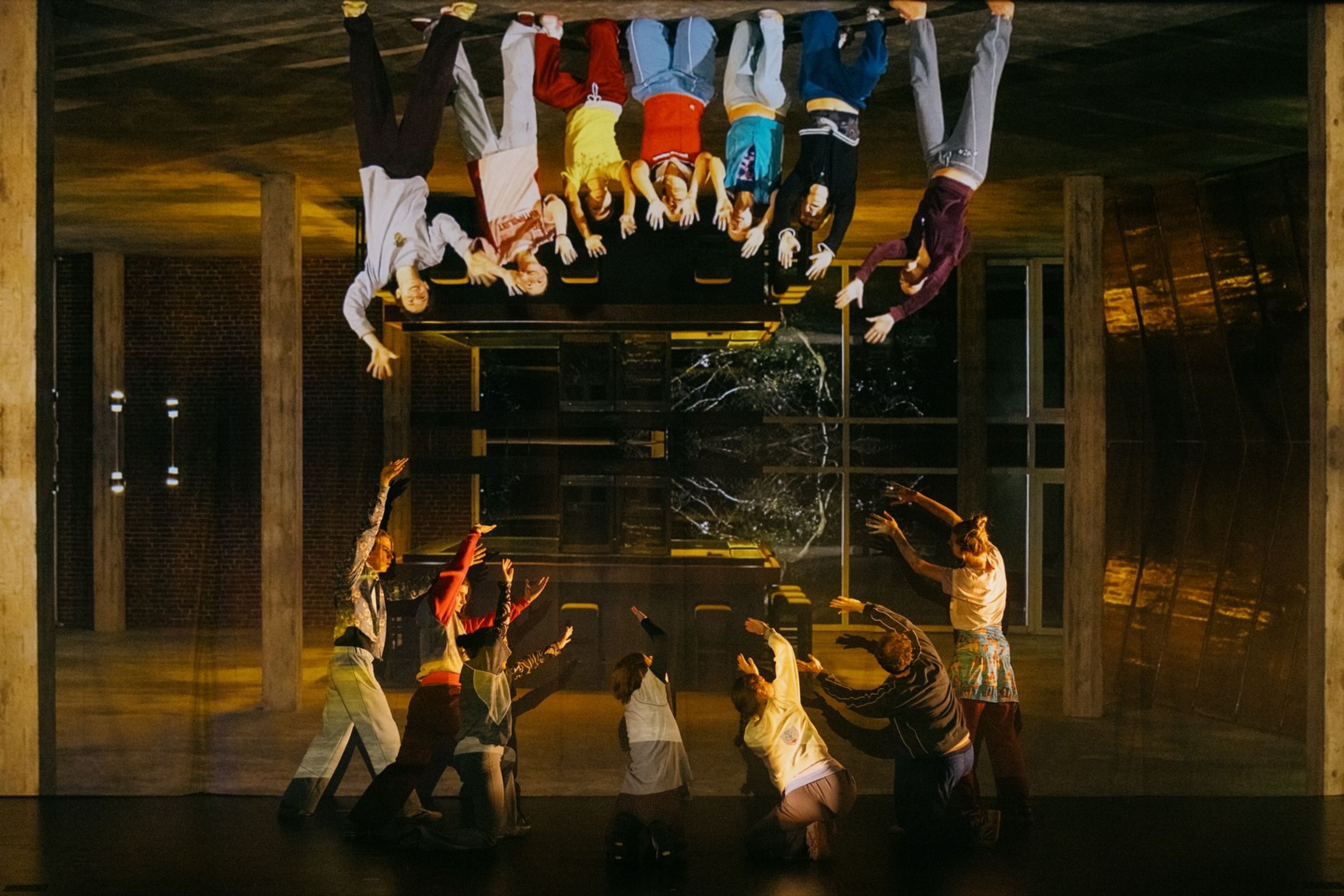
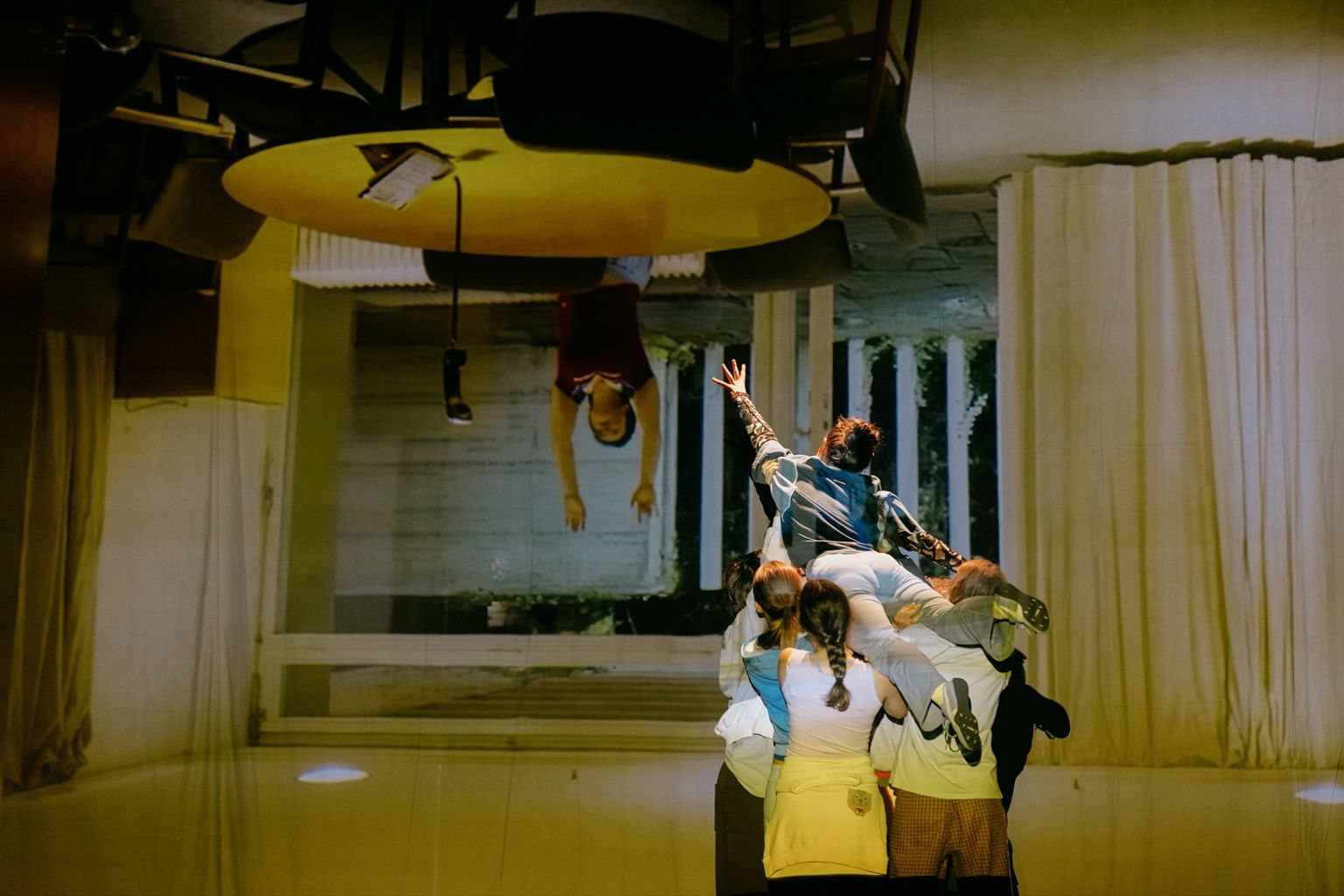
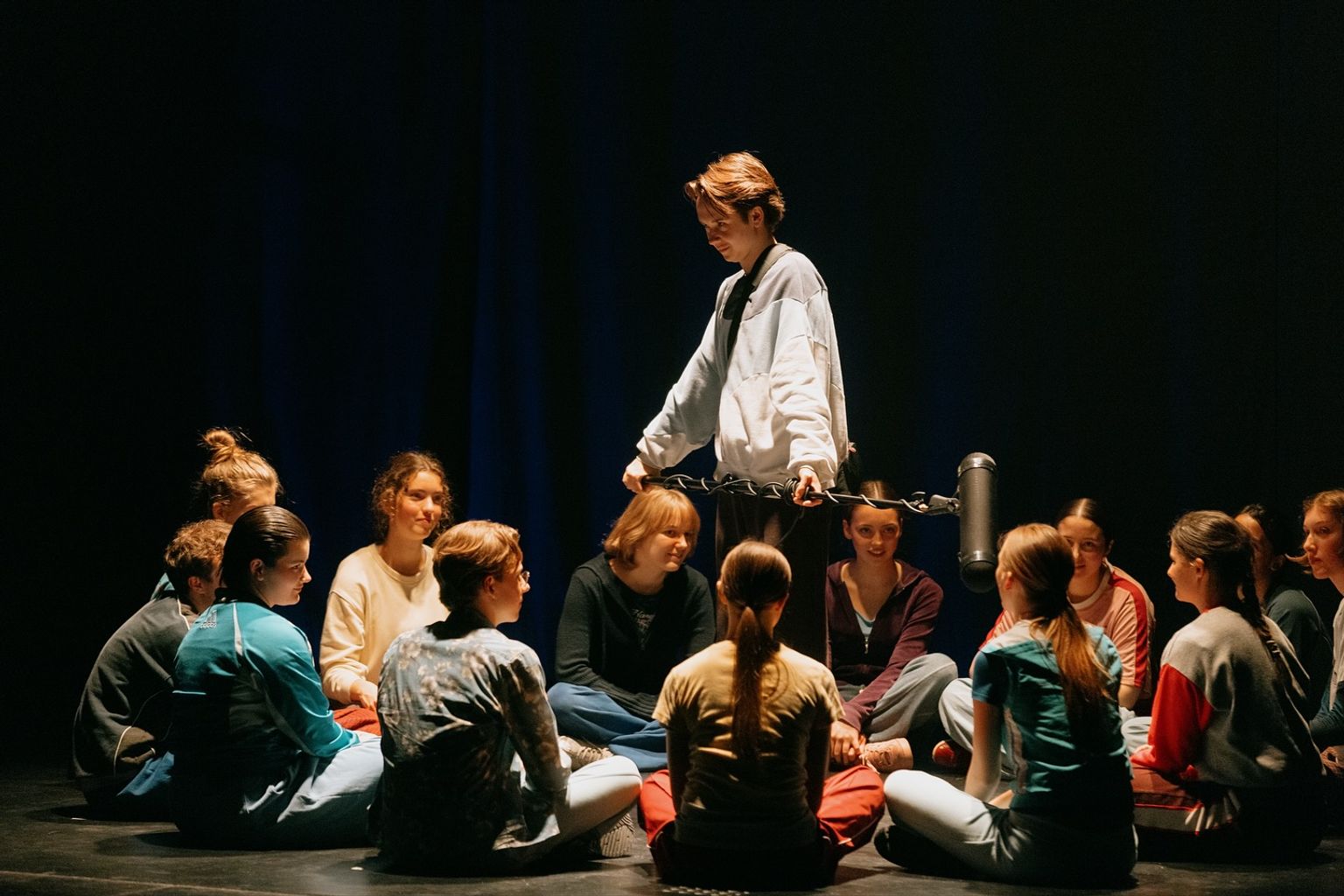
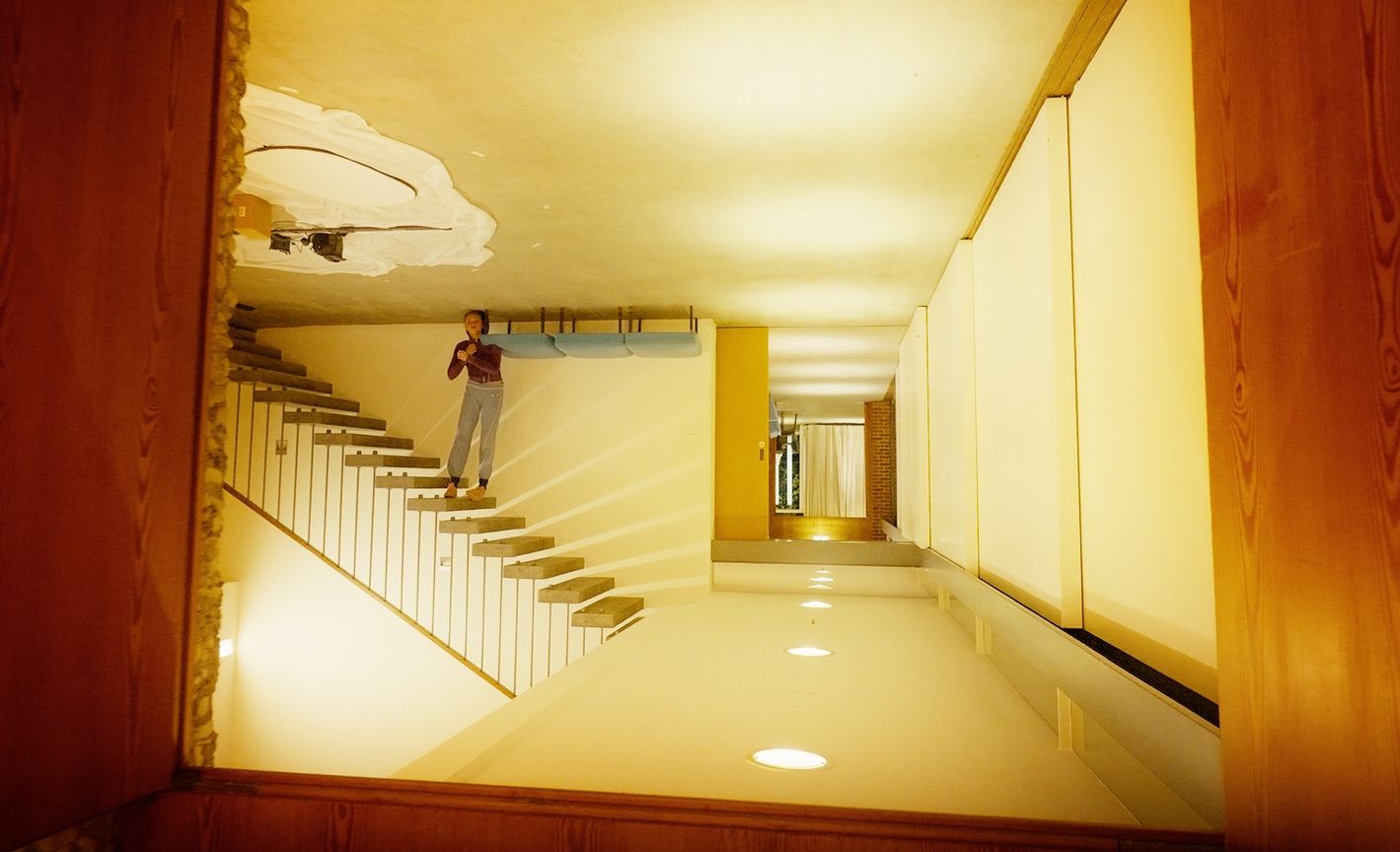
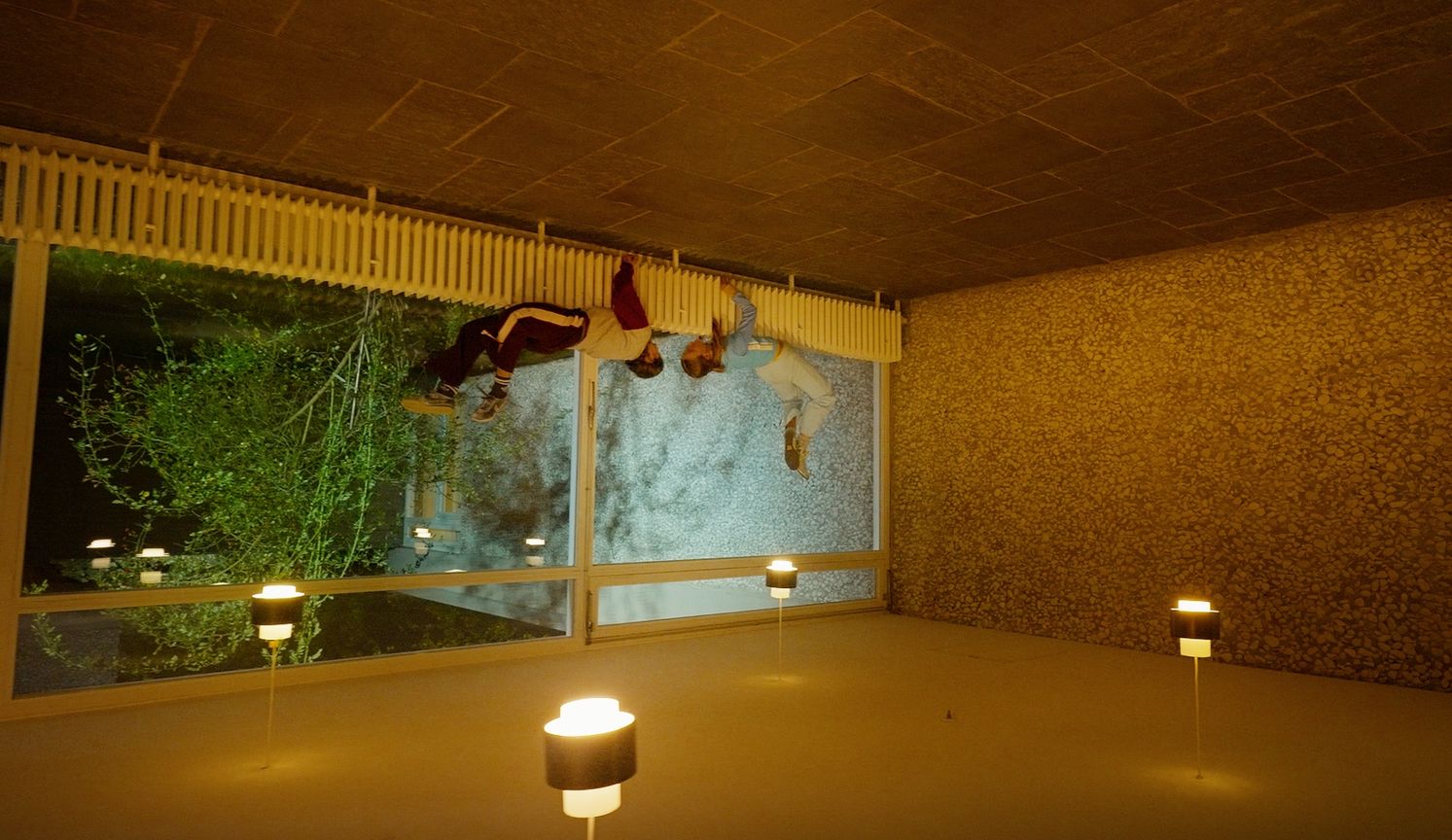
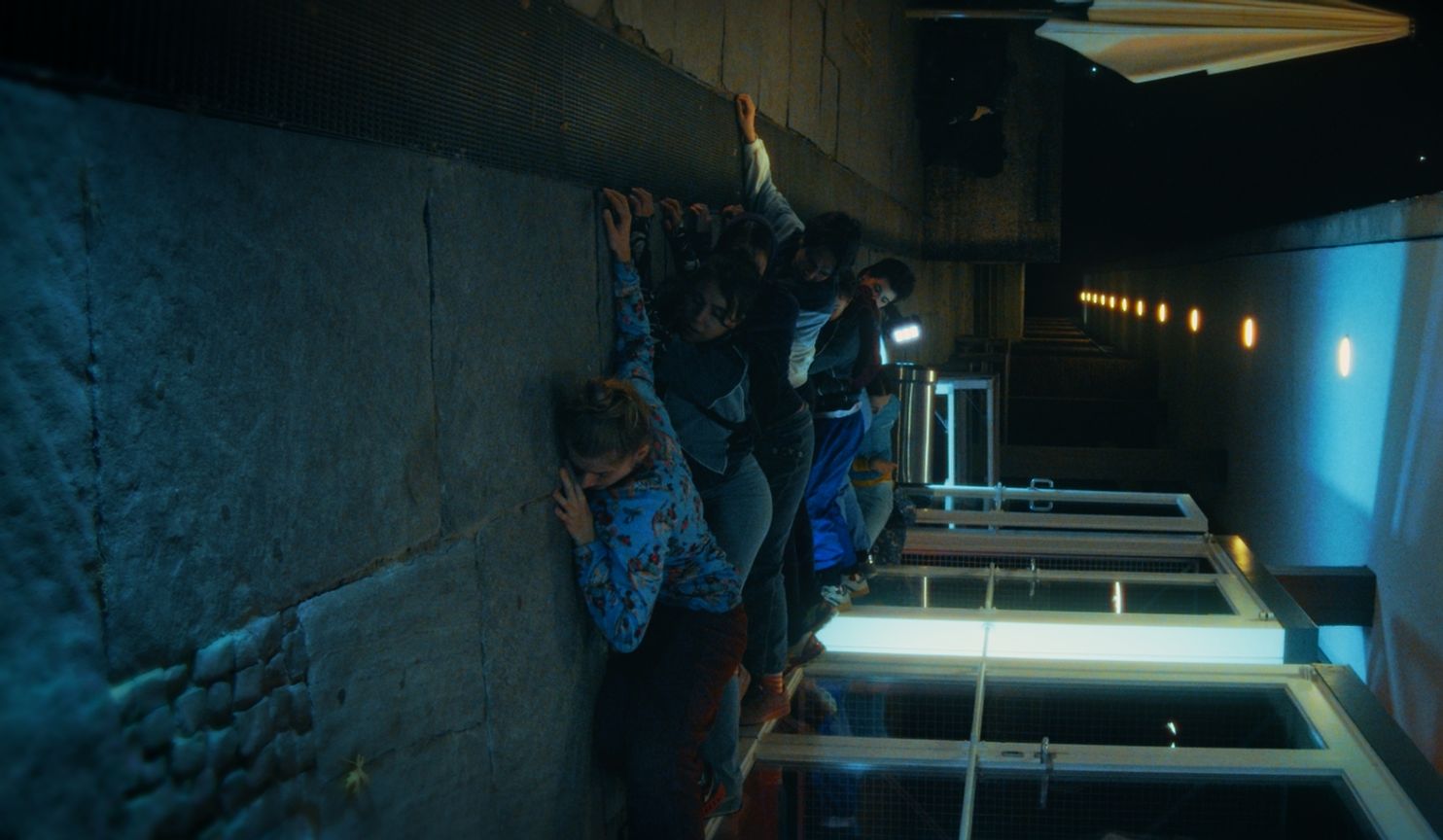
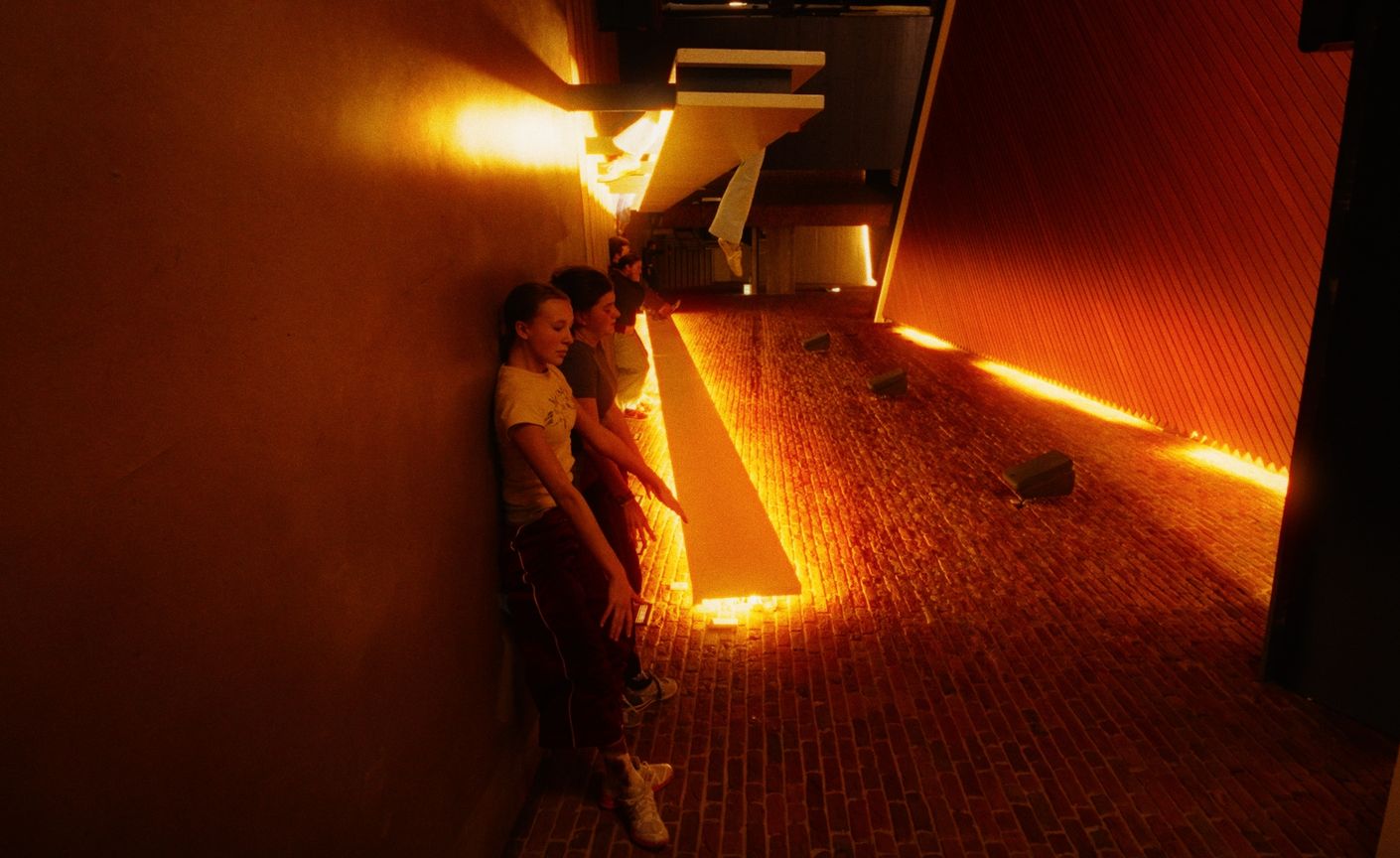
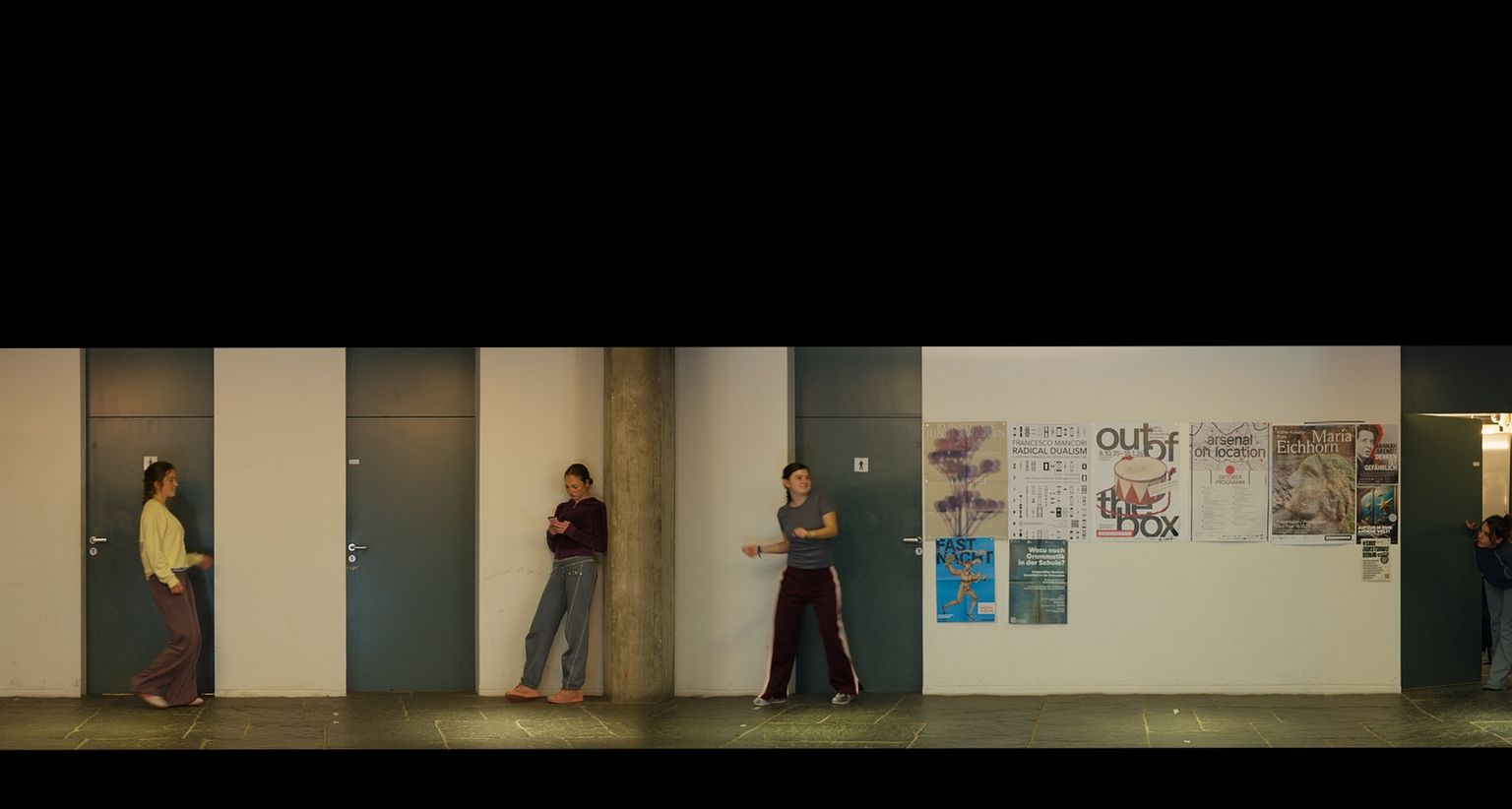
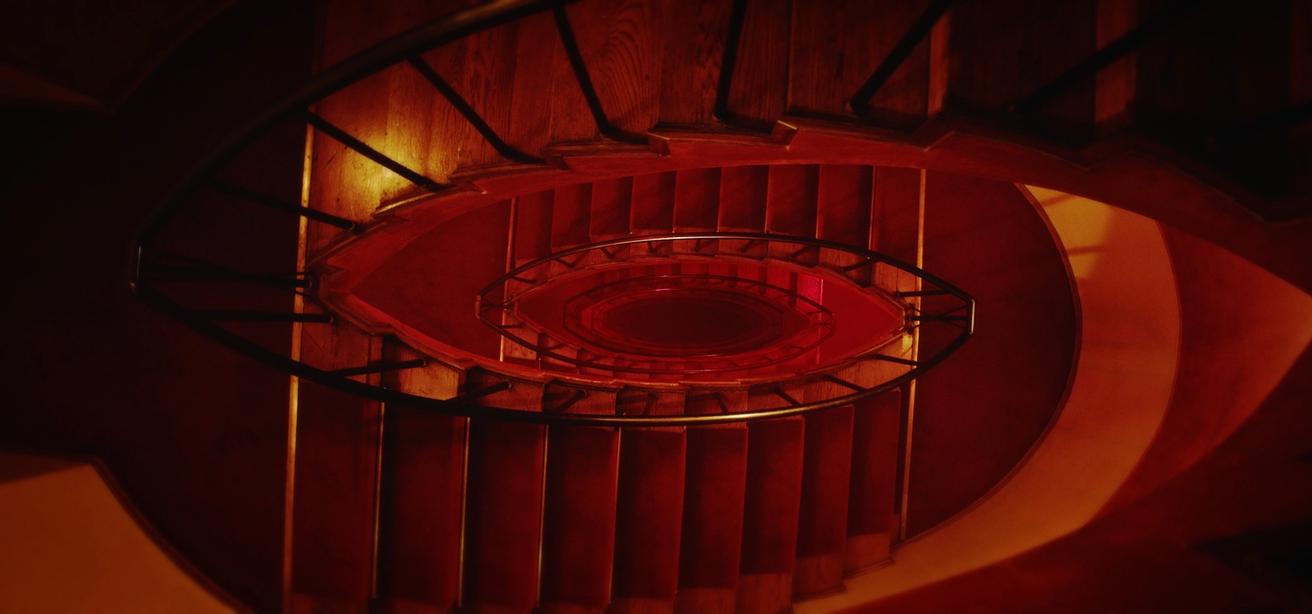
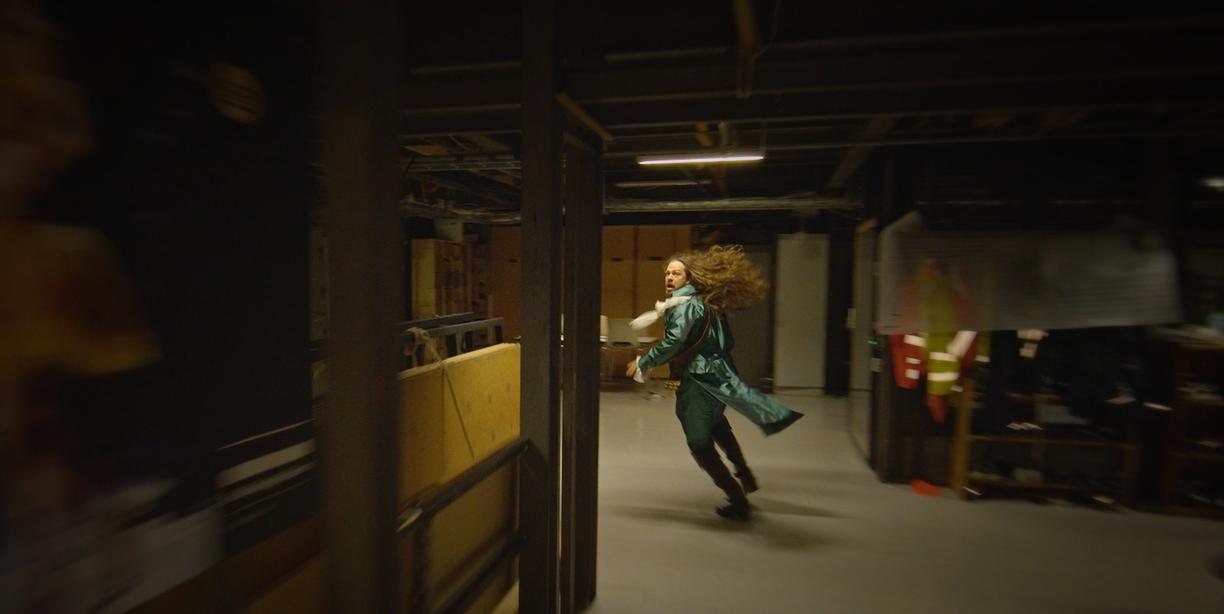
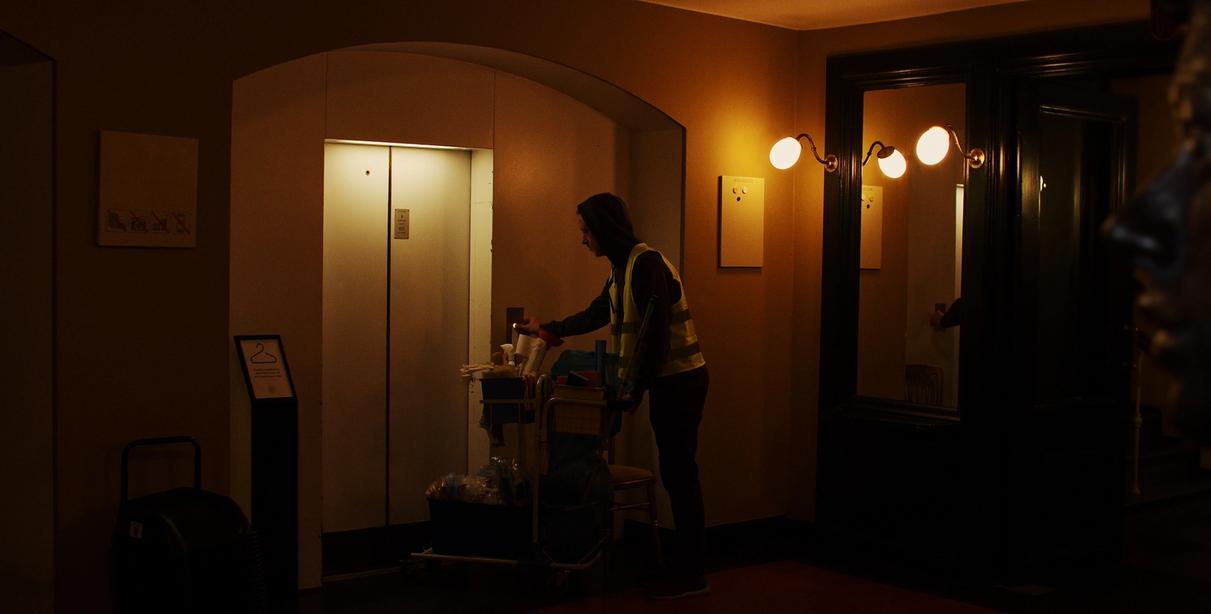
Run Time Anomaly, premiered in 2025 with a running time of 85 minutes, unfolds as a “fantastical documentary” featuring the Sasha Waltz & Guests Youth Dance Company within the architectural context of Berlin’s Akademie der Künste, designed by Werner Düttmann. Steen-Andersen explores the interplay between dancers, sound, and architectural space, blurring distinctions between stage and video, reality and imagination, movement and music. The performance investigates how bodies interact with sound and structure, turning the building itself into an active participant in the work. A short excerpt from the film demonstrates his characteristic use of spatial tilts and visual manipulation, hinting at the complex relationships that govern the full 85-minute piece.





Selected Works: Don Giovanni’s Inferno
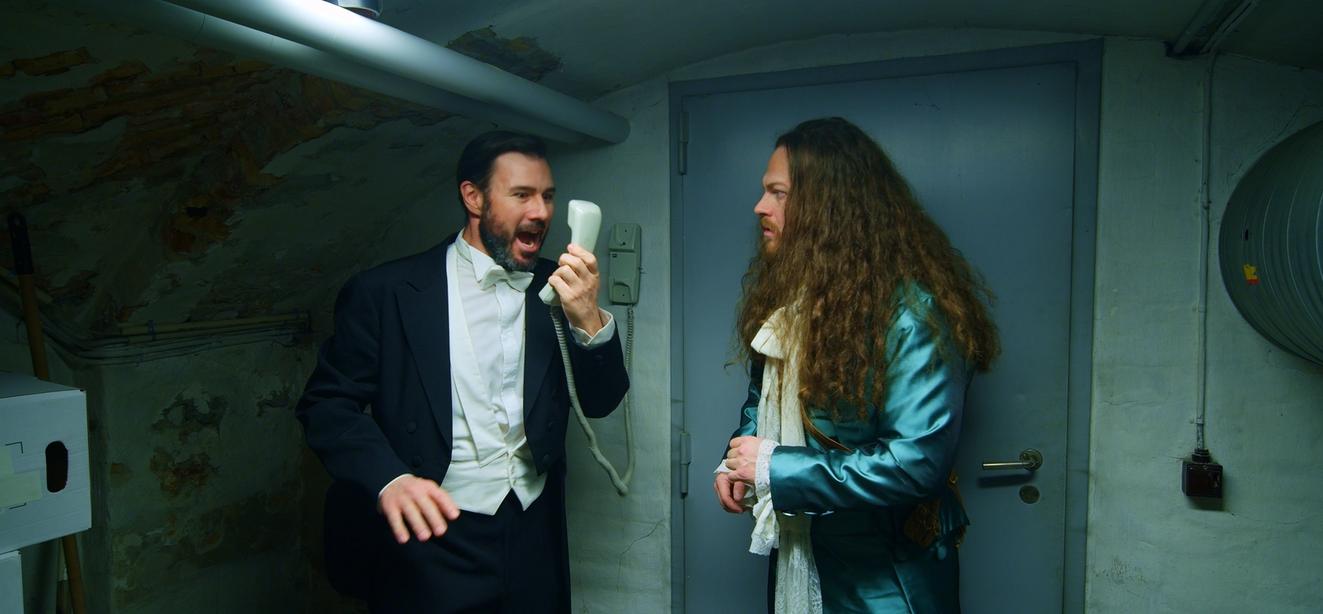
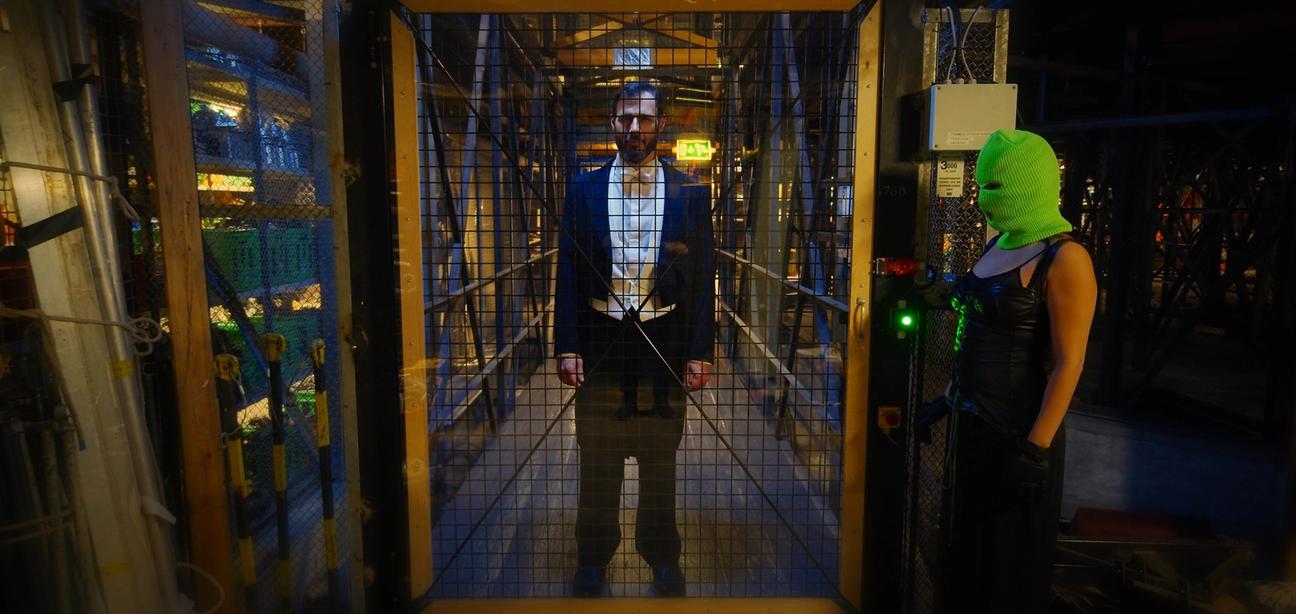
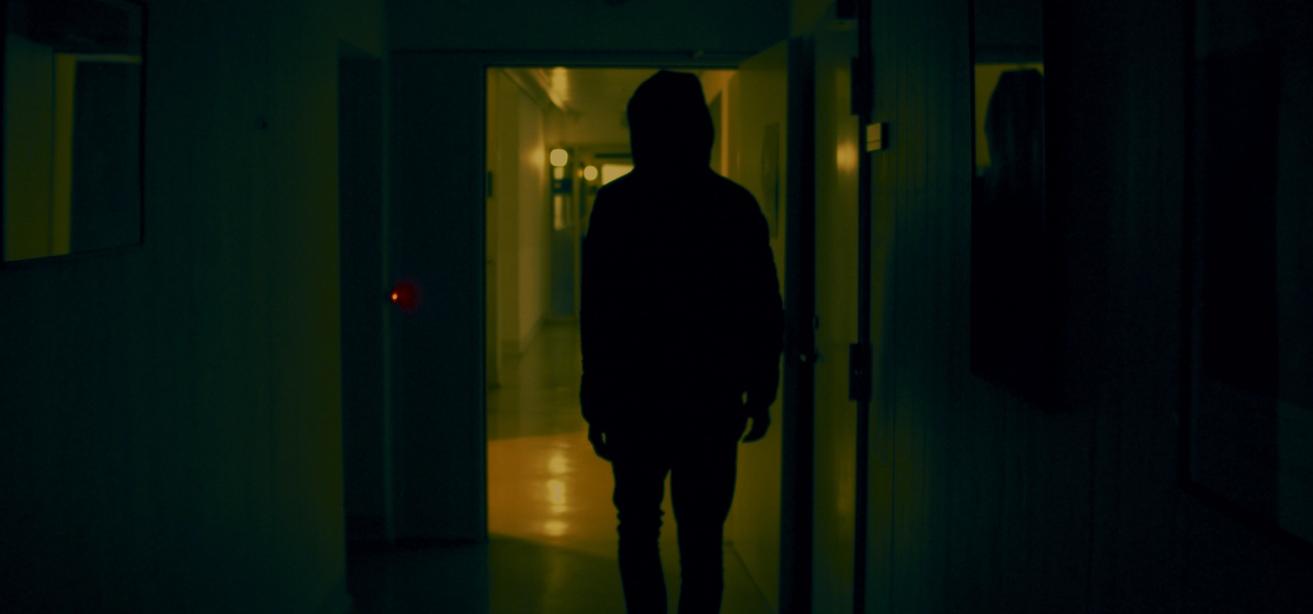
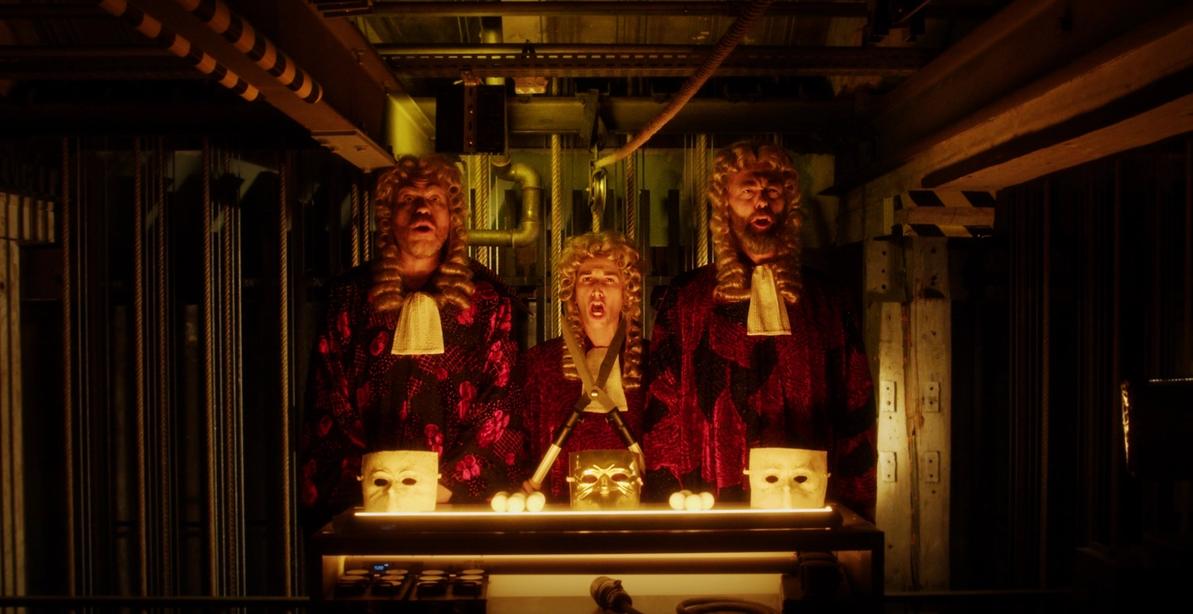
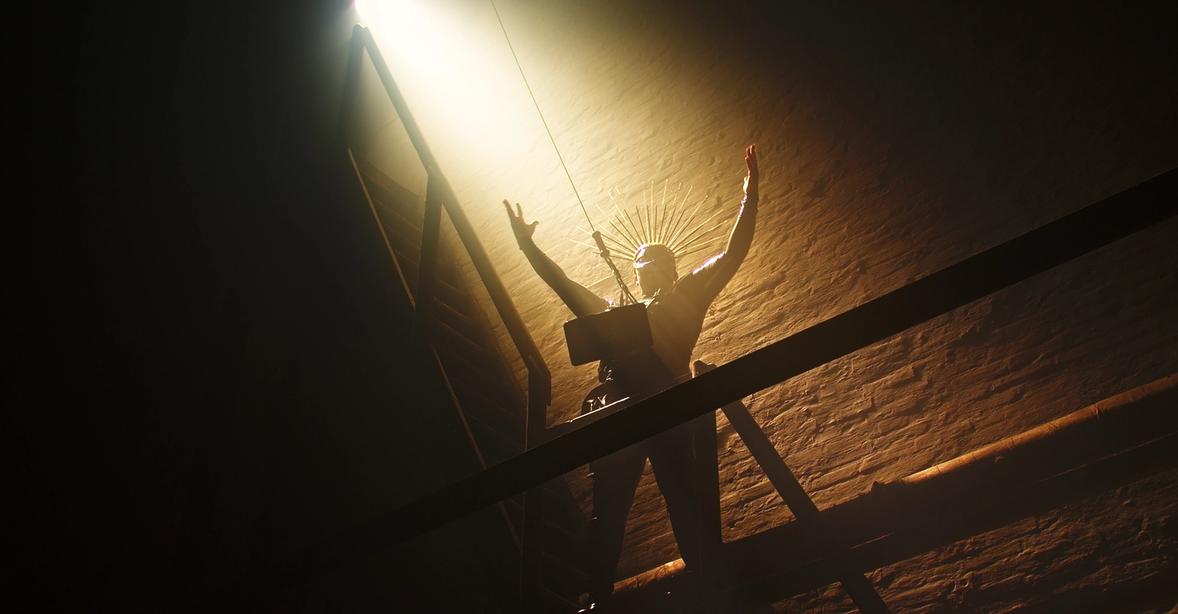
Don Giovanni’s Inferno, created in 2023 and lasting 105 minutes, transports Mozart’s Don Giovanni into a conceptual opera hell, where historical and demonic figures from 400 years of opera collide. Steen-Andersen radically reinterprets context, meaning, and performance roles, transforming the opera house itself into a virtual, mutable stage. Awarded the Reumert Prize for Opera of the Year in 2024, the work exemplifies his interest in narrative reconfiguration, theatrical architecture, and the playful yet incisive questioning of operatic tradition. By integrating video, music, and stagecraft, the production turns canonical material into a dynamic, immersive spectacle.










Selected Works: Radio Archive Scale
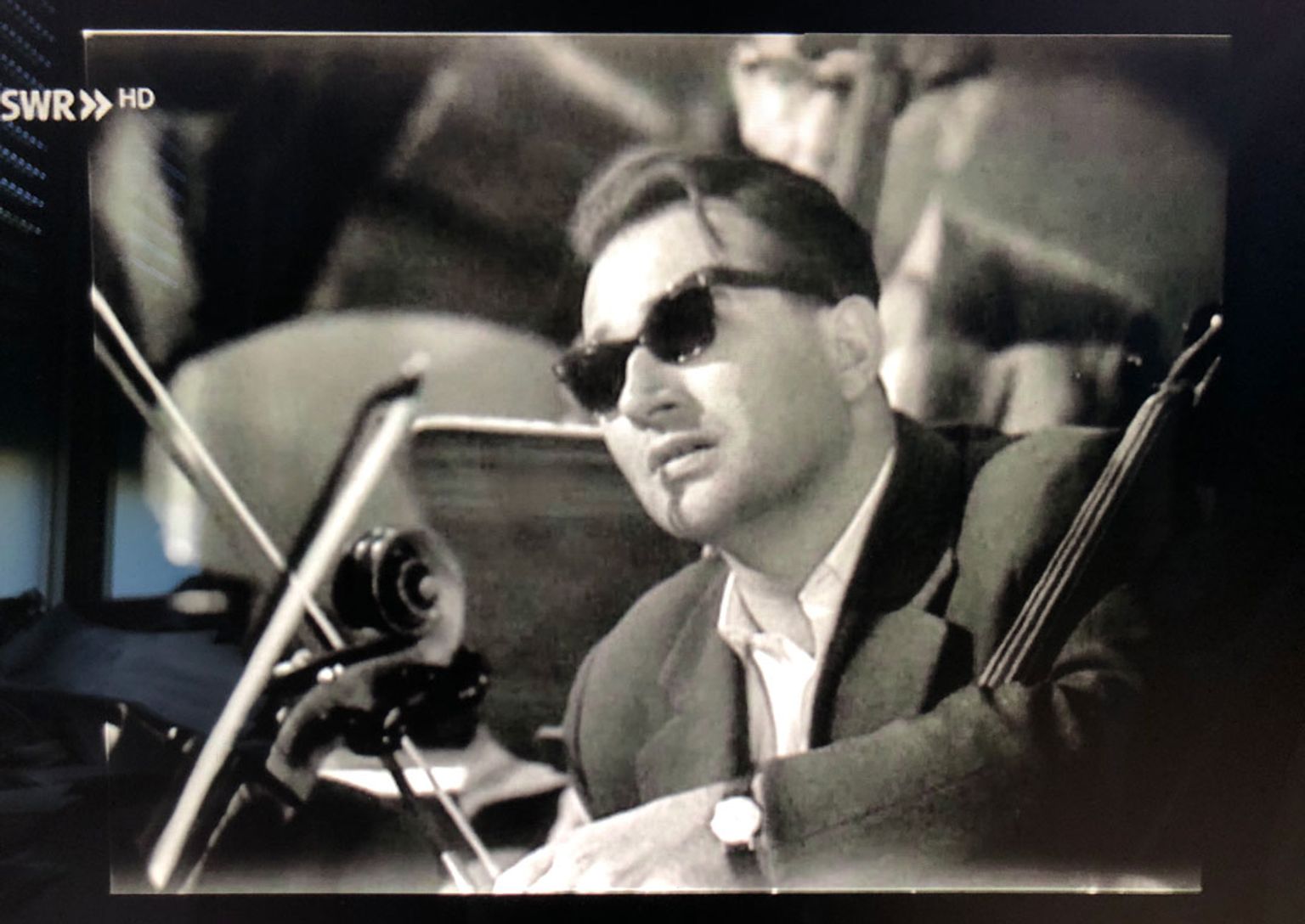
Radio Archive Scale, dating from 2018 and running 4 minutes, serves as a “video-etude” prefiguring the large-scale orchestral work TRIO (2019). Here, Steen-Andersen uses historical media, drawing from digitized television archives from South West German Radio. Clips are rearranged into ascending and descending scales, traversing time, timbre, and style, highlighting his fascination with archival material, musical temporality, and the interplay between visual and auditory narrative. This short work distills his experimental methods, offering a concentrated view into the techniques he expands in larger installations.

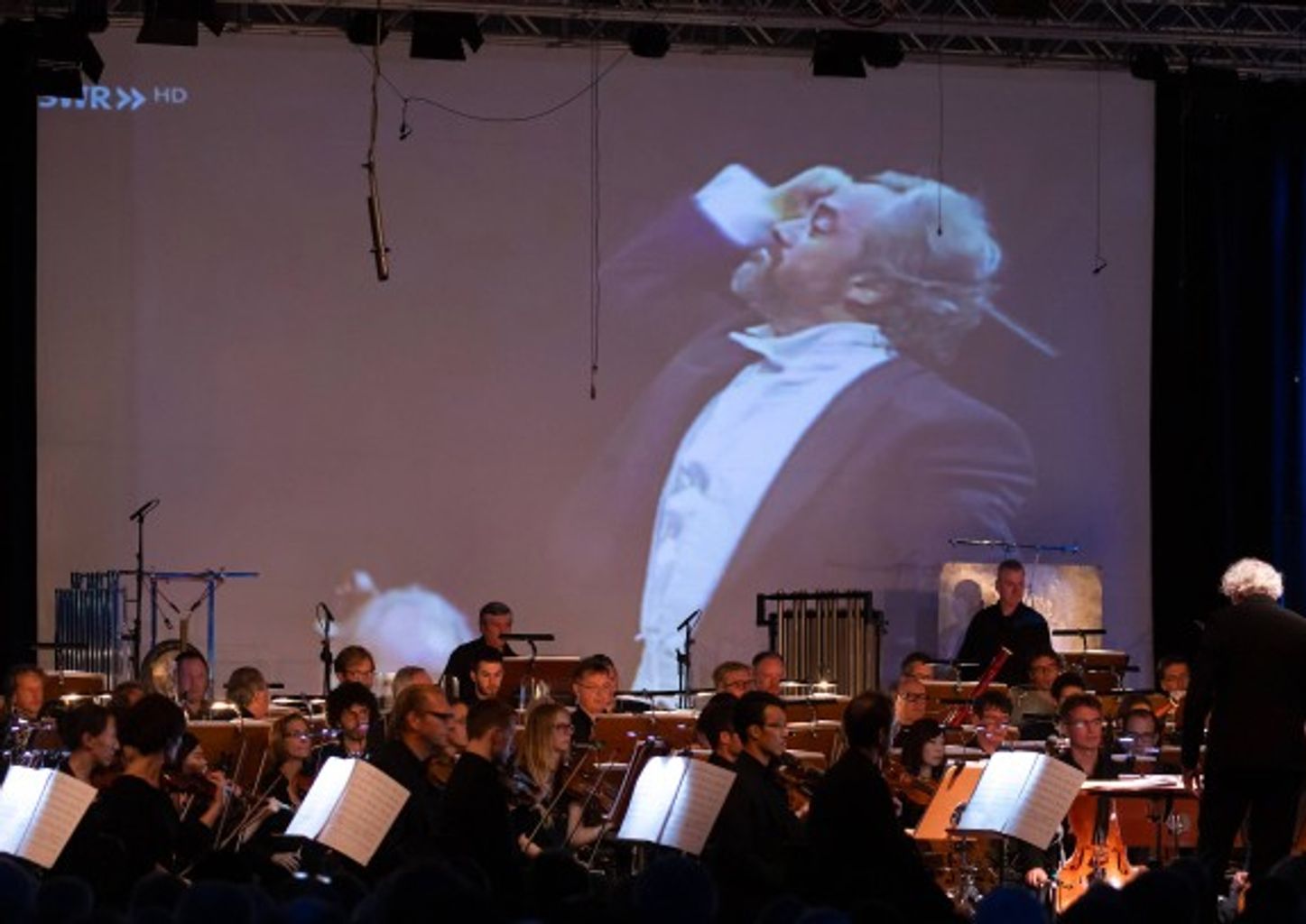

Selected Works: Stockhausen’s Music in the Belly
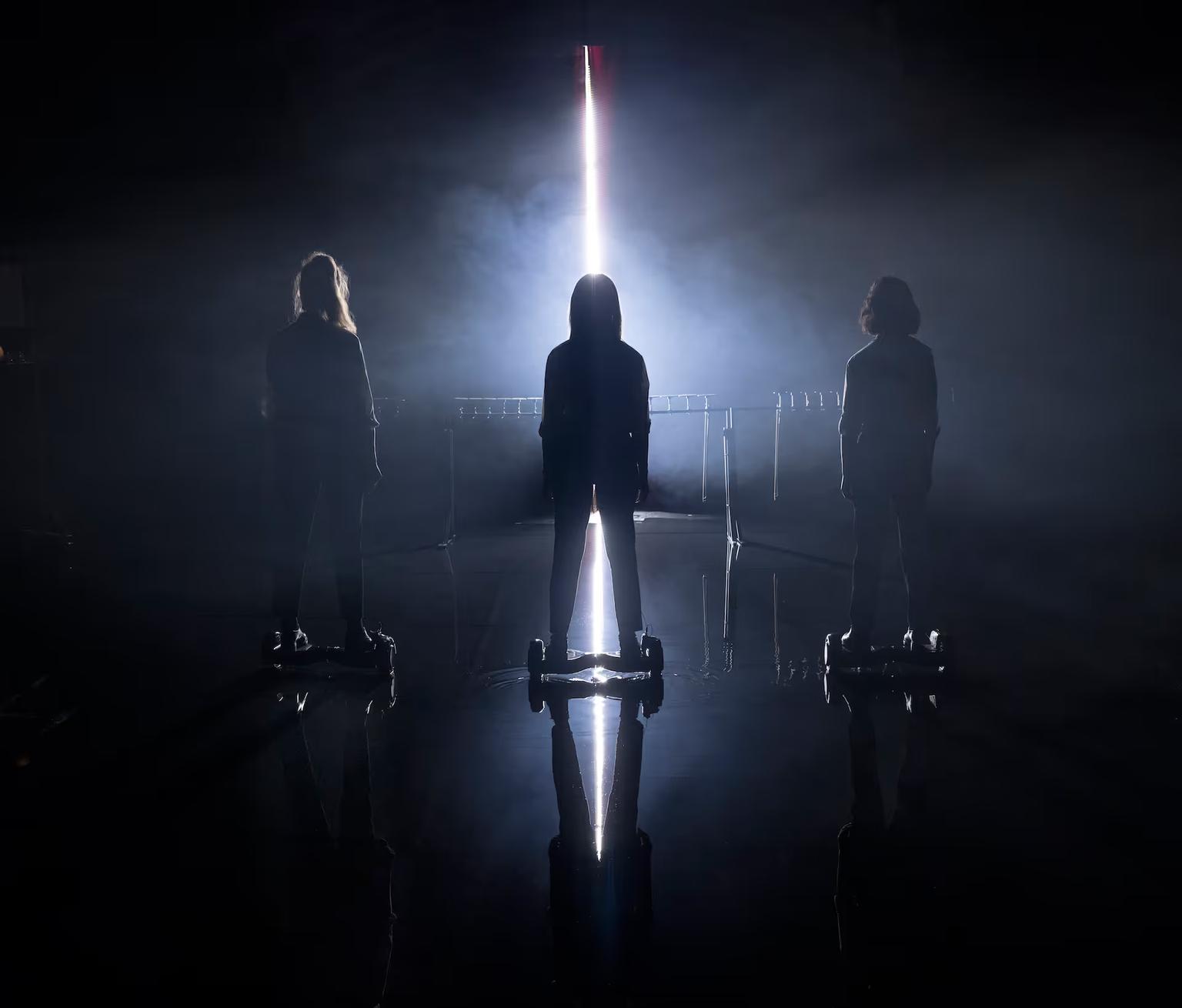
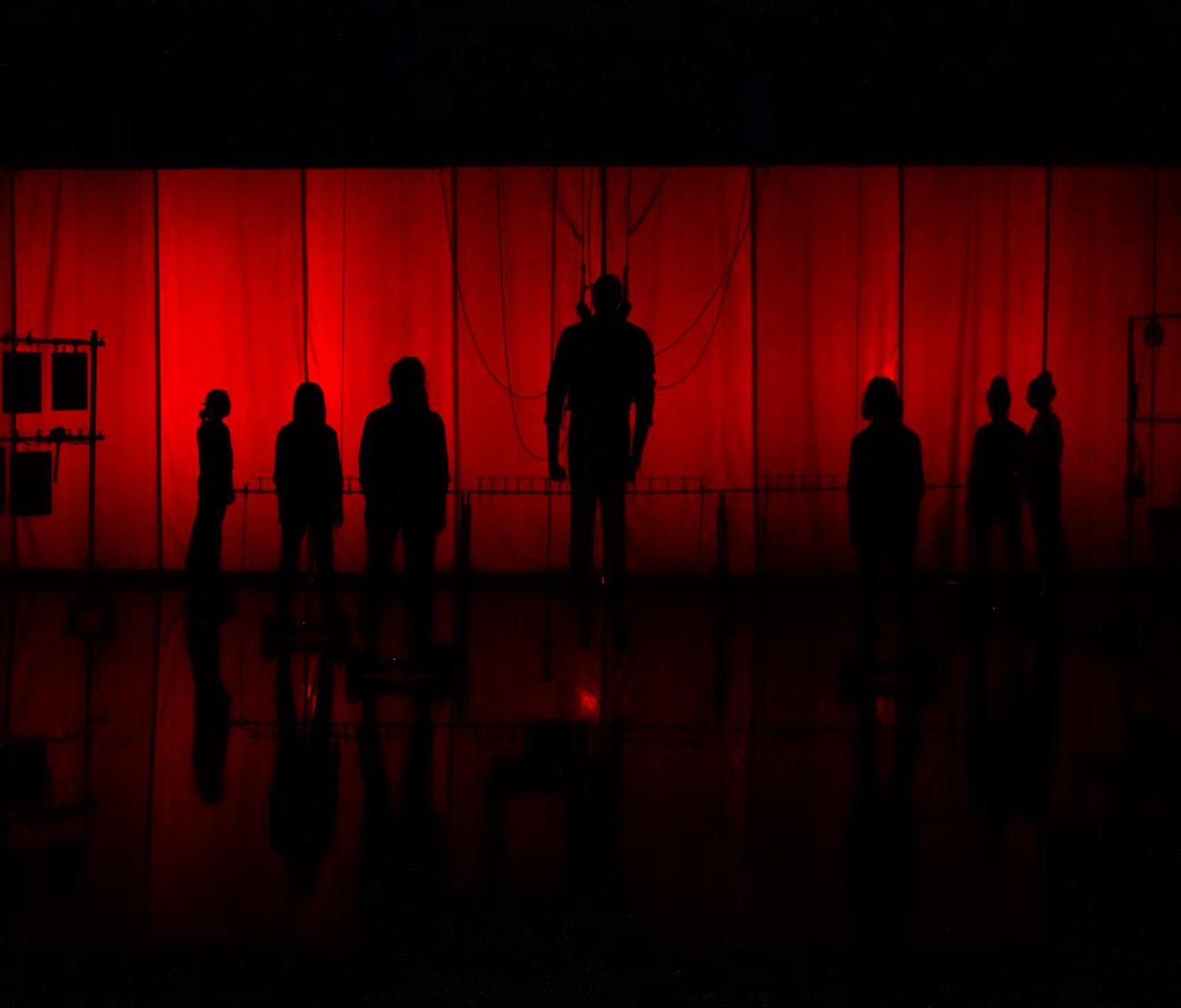
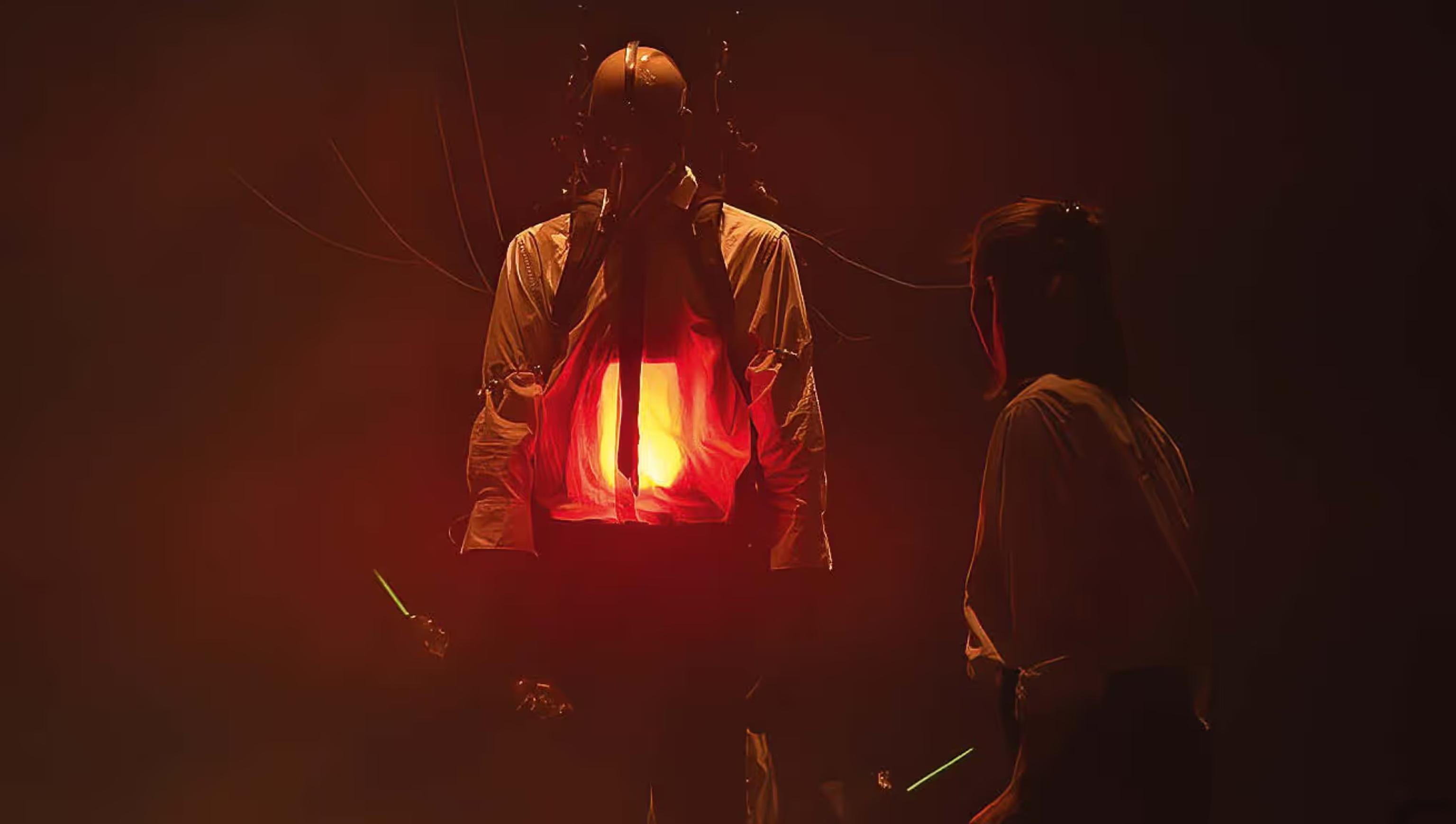
Stockhausen’s Music in the Belly (2022, 50 min.) reimagines Karlheinz Stockhausen’s seminal Musik im Bauch (1975) through a contemporary, experimental lens. Steen-Andersen places six performers on hoverboards within a carefully choreographed environment of water, light, and draped curtains, transforming the stage into a dynamic, immersive soundscape. The original work, conceived as a transcription of a dream, is expanded here into a multilayered exploration of cosmic and mystical themes, with Stockhausen’s own voice appearing via telephone throughout the performance. By merging kinetic movement, visual spectacle, and sonic experimentation, the piece interrogates the boundaries of traditional performance, turning music, space, and technology into a unified, living experience.
Transdisciplinary Vision and Method
Across his work, Steen-Andersen is characterized by a commitment to experimentation and a refusal to be constrained by traditional genre definitions. From instrumental music with performative electronics to video-driven music theatre, his compositions interrogate the physical and conceptual boundaries of performance. Works such as Black Box Music (2012) exemplify this approach, placing the percussionist and conductor’s hands as a single entity within a “black box,” while surrounding ensembles and video projections create a fully immersive environment. Steen-Andersen’s projects reflect a sustained dialogue between history, architecture, sound, and human presence, emphasizing the body, technology, and space as compositional elements in their own right.
His pieces are performed worldwide by leading ensembles, including Ensemble Modern, Ensemble Recherche, Musikfabrik, Percussion de Strasbourg, and orchestras such as DR Symfoniorkestret and the Göteborgs Symfoniorkester. Through his unique transdisciplinary methodology, Steen-Andersen continues to expand the vocabulary of contemporary composition, making each work not only a musical event but a complete sensory experience.