
Spessi
The work of Spessi
- PhotographerSpessi
LOJI HÖSKULDSSON Spessi is a photographer who, with remarkable clarity, captures the most mundane subjects in a way that feels profound. He elevates things you would normally overlook, giving them weight and presence. His work invites you to pause and notice moments that would otherwise pass by unnoticed and be quickly forgotten.



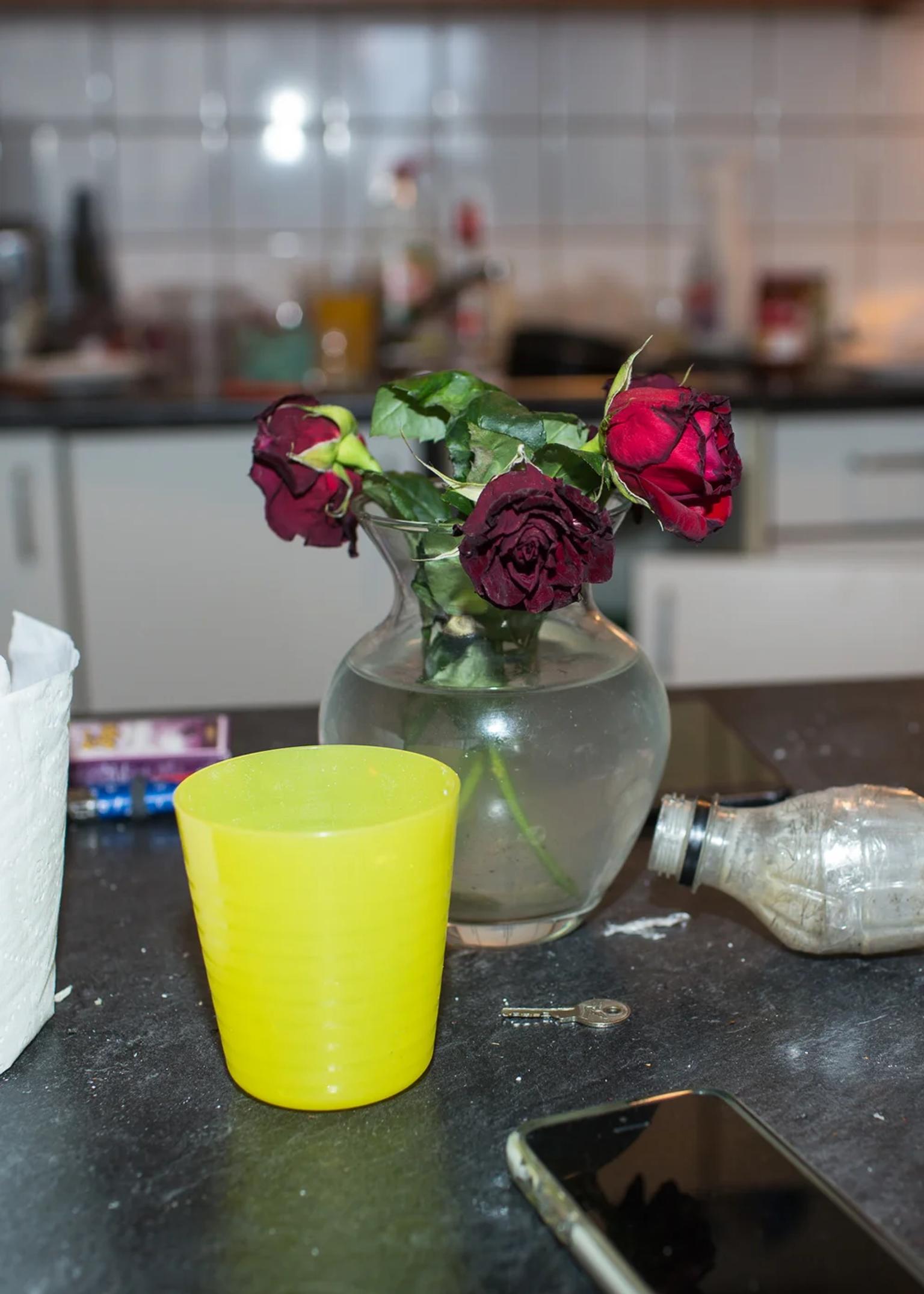

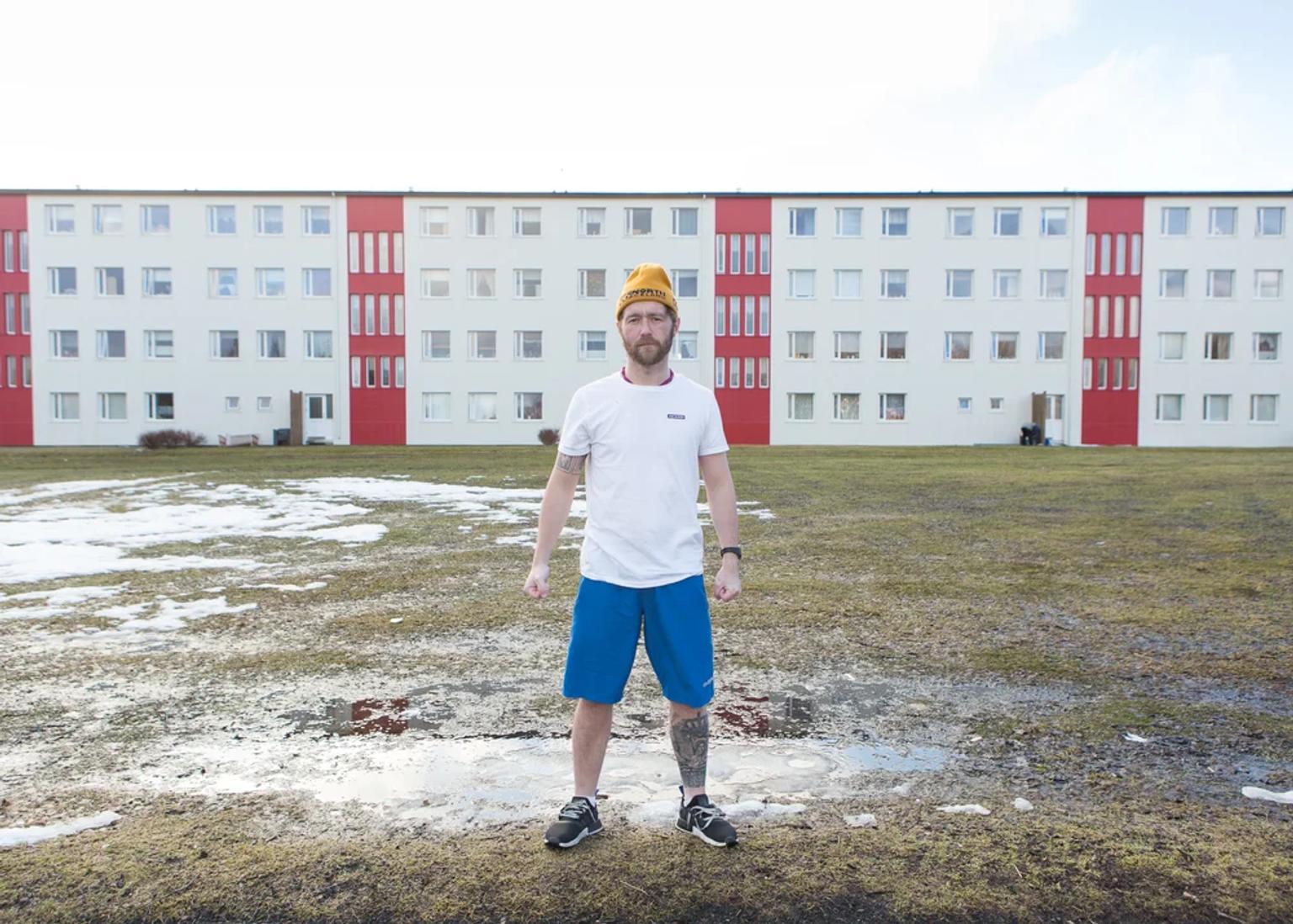

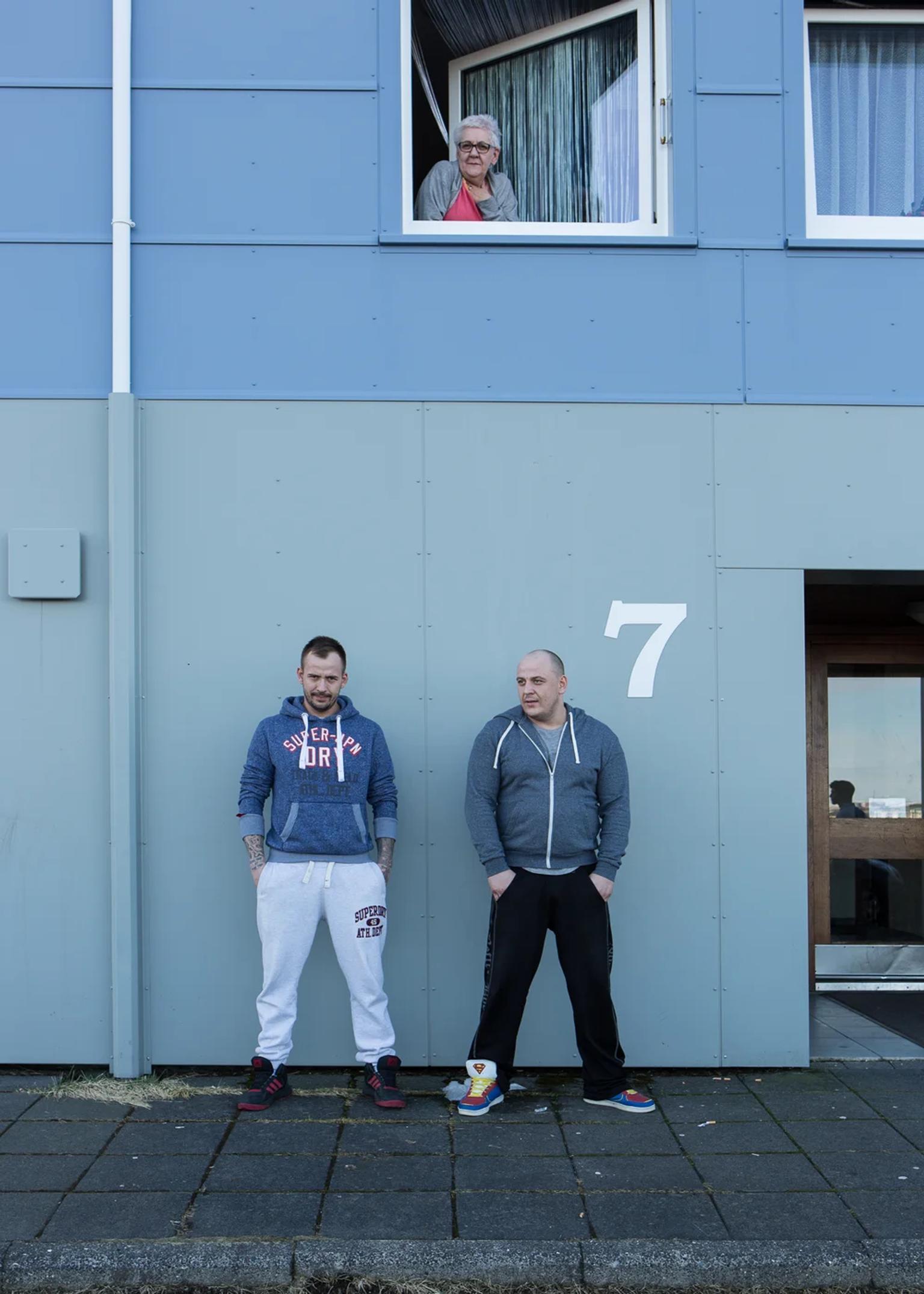

A Postcode as a State of Mind
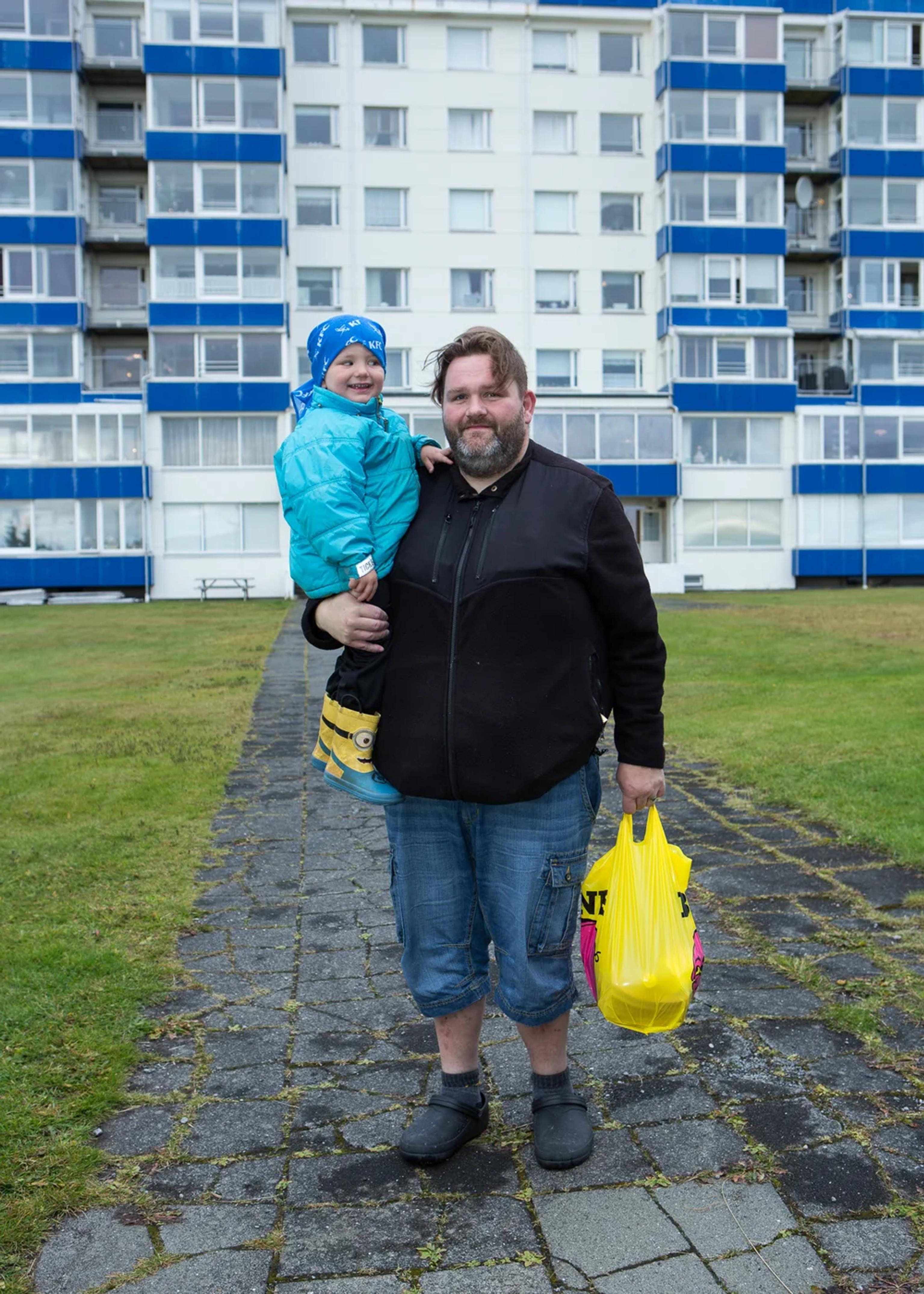
There is a neighbourhood in Reykjavík that most of the city prefers not to think about. Breiðholt, postal code 111, sits high on the edge of the capital, its tower blocks rising like a fortress against the sky. For decades it has carried the weight of a reputation: too crowded, too isolated, too far from the gleaming centre of things. Many Icelanders call it the country's only ghetto. It is the kind of place that gets defined by people who have never spent a night there.
The neighbourhood has a significant social and architectural history, since it was one of the city's first suburbs, planned and built with the aim of solving the housing problems of low-wage earners in the years between 1965 and 1980. The idea was to build brightly coloured apartment buildings with surrounding alleys, children's playgrounds and football fields, so that children would not have to cross busy streets to go to school in the morning. Breiðholt was well intentioned, but it did not age well when its population rose and the city developed more. What began as a progressive vision of urban welfare quietly curdled into something else entirely, a place marked by physical and social isolation, carrying all the stigma that tends to settle on places the prosperous would rather forget.
Into this neighbourhood walked Sigurþór Hallbjörnsson, known to everyone in Iceland simply as Spessi, with a camera and roughly two years of his life.
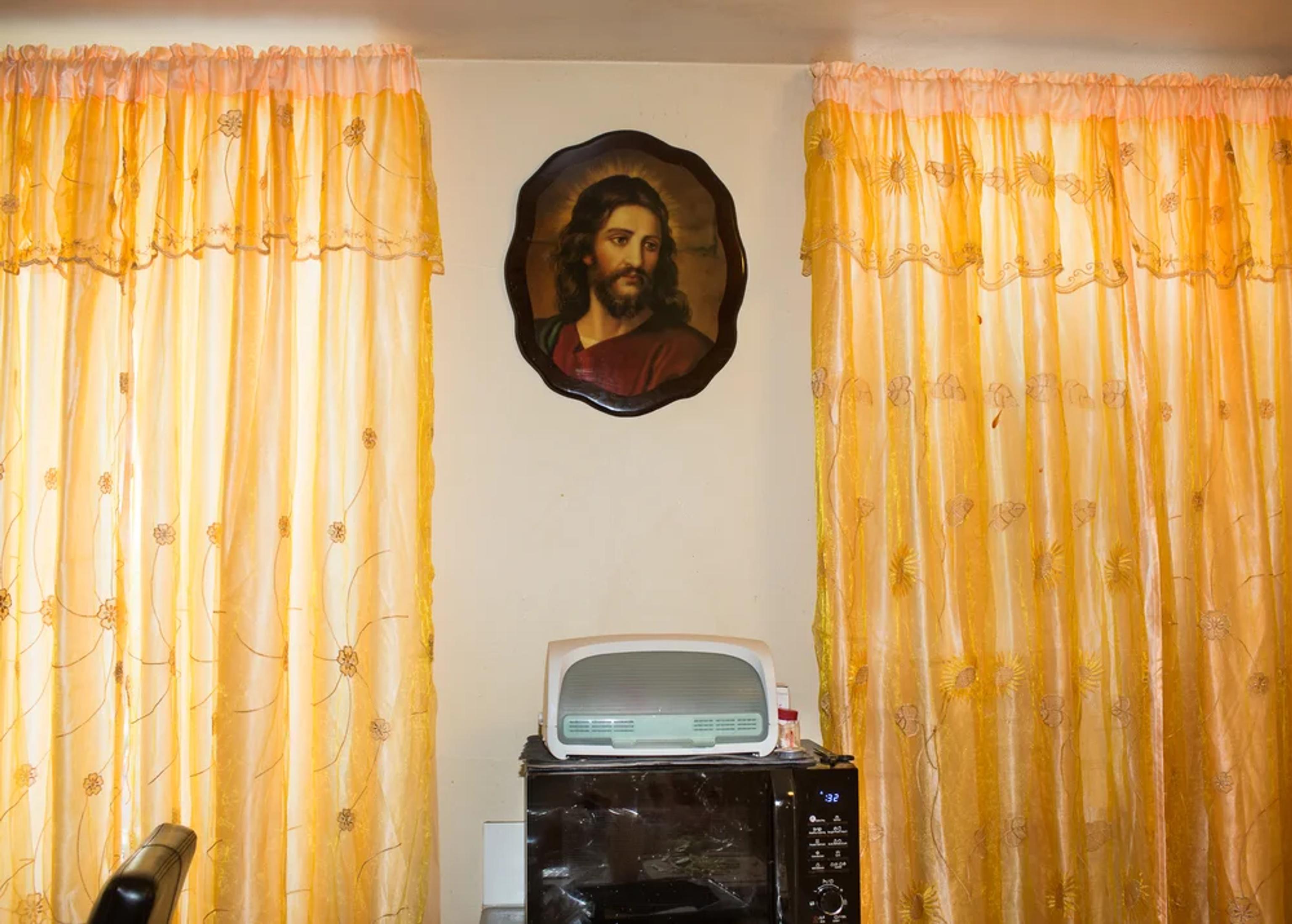

The Man Who Photographs What Others Walk Past
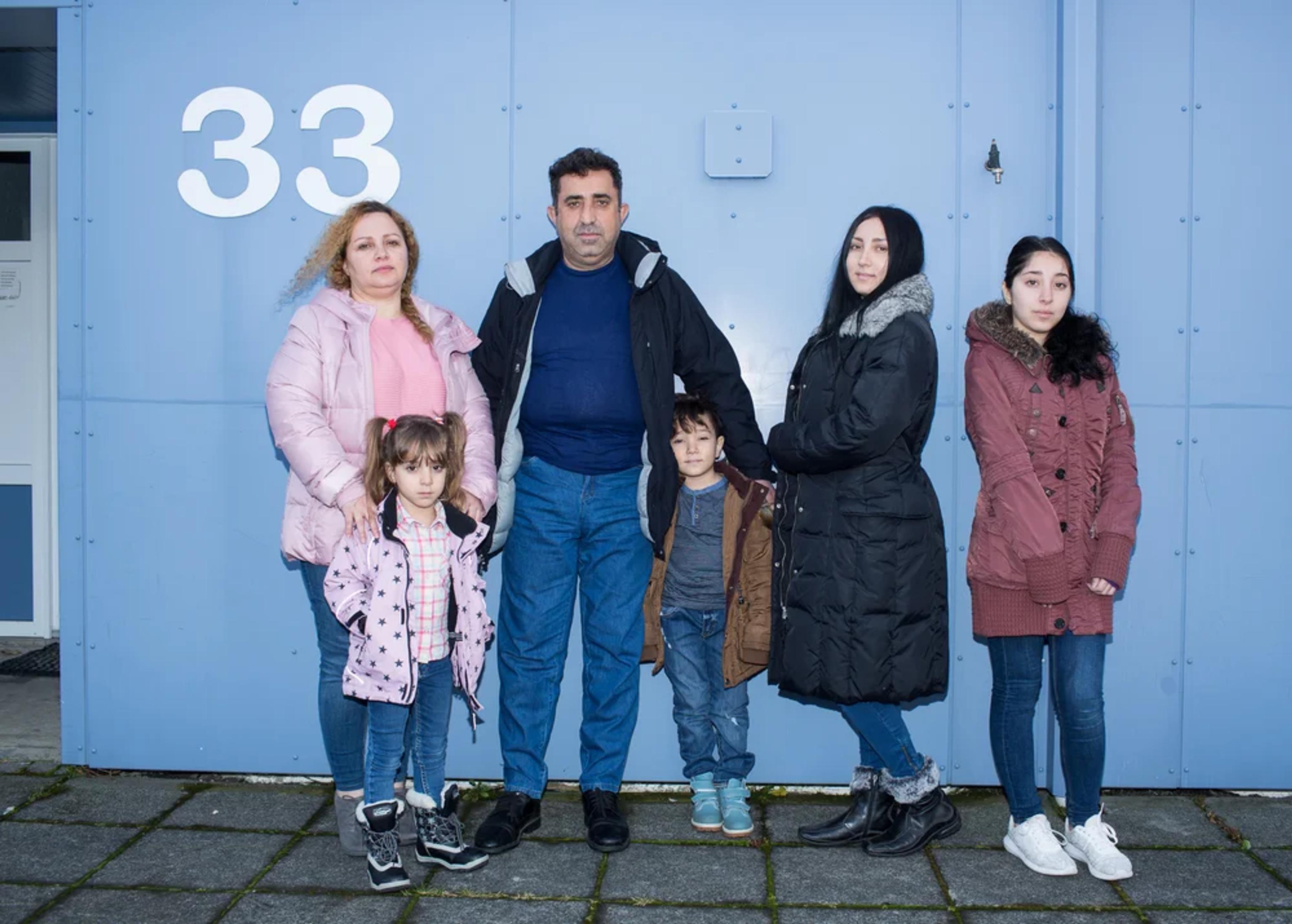
Spessi is one of Iceland's most important visual chroniclers. His style is bold, simple and revealing, but loaded with humour, empathy and understanding of the subjects, places or situations he photographs. His previous work already suggested a photographer drawn to the overlooked. His subjects range from gas stations and campsites to immigrants, drug addicts, soccer players, food and migrant workers, and he even spent three months on a remote island off Newfoundland photographing the locals. He is, in the truest sense, a photographer of the left-behind. Not as spectacle. Not as poverty tourism. But as an act of recognition.
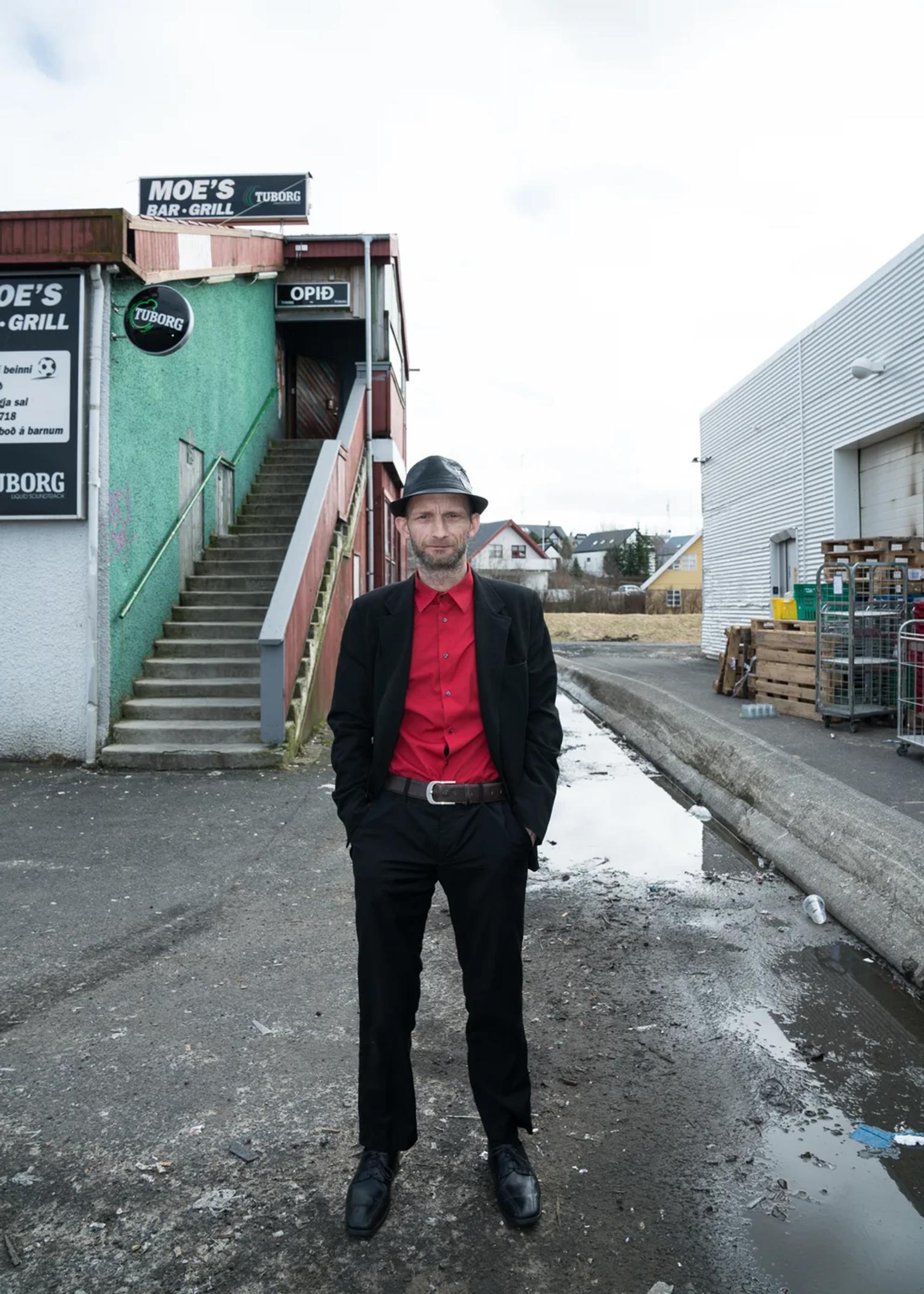
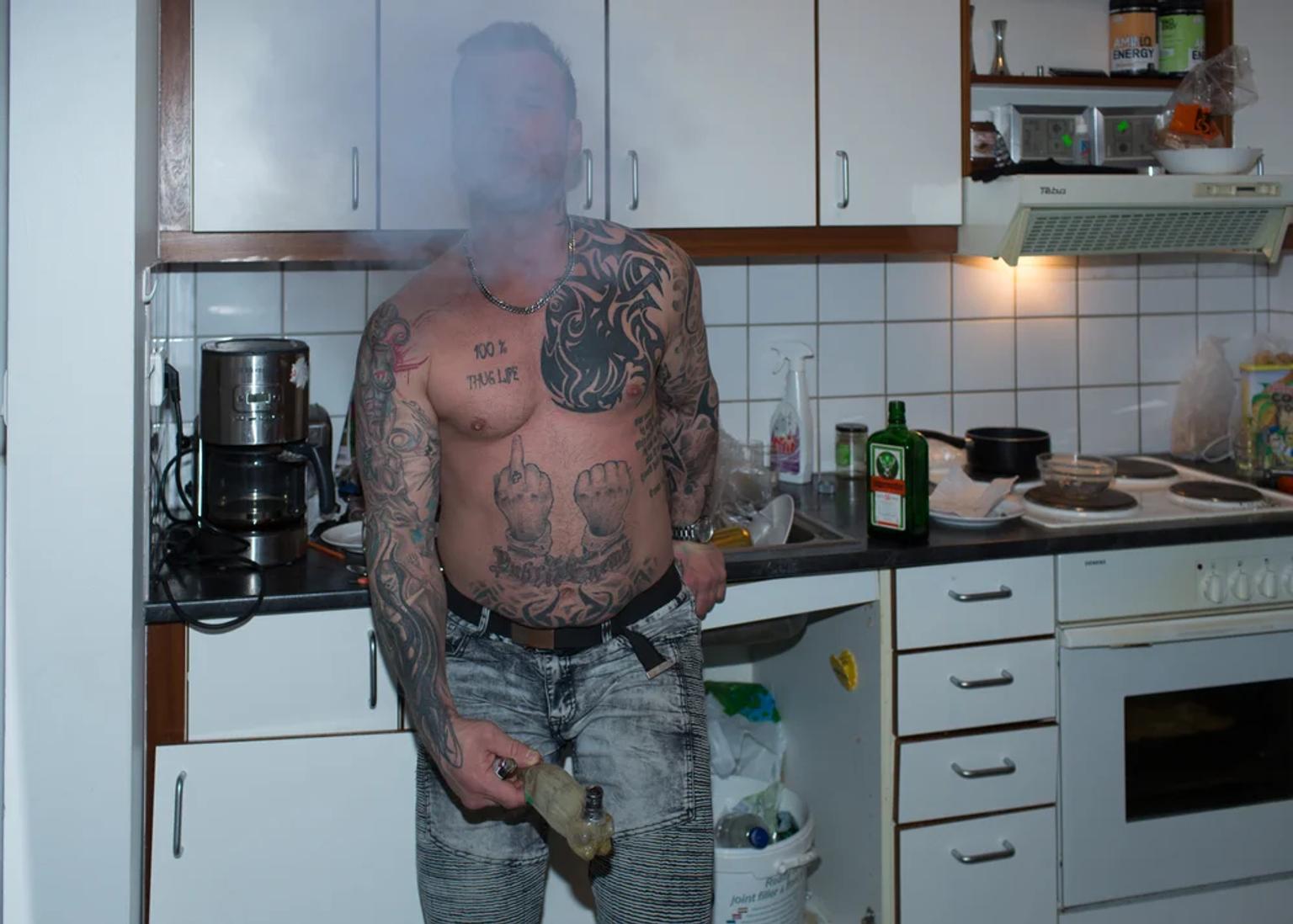
His photographic projects focus on subcultures, which is why he chose to photograph 111 and the people who live there. He found it was important to photograph the people of Breiðholt in order to properly represent them. His connection to the neighbourhood is not that of an outsider arriving with a notebook and good intentions. "I've been around. I was a drug addict, a drunk, and I've been through a lot of things. So for me to come to a crack party, I've been there. I grew up with my grandparents, and they were very poor. These are my people, and that's why I wanted to show the world how it is," he has said.
That intimacy shows in every frame.



Identity Tattooed on the Chest
The project took shape as a photobook, published in 2018 by JPV, and an exhibition first shown at RÝMD, a former bakery in Völvufell in the heart of the neighbourhood itself. The 144-page hardcover carries a simple title: 111. The monograph was received with rave reviews and the first edition instantly sold out from the publisher. It later travelled internationally, showing at the Northern Photographic Centre in Oulu, Finland, and forming part of a major retrospective at the National Museum of Iceland in 2021.
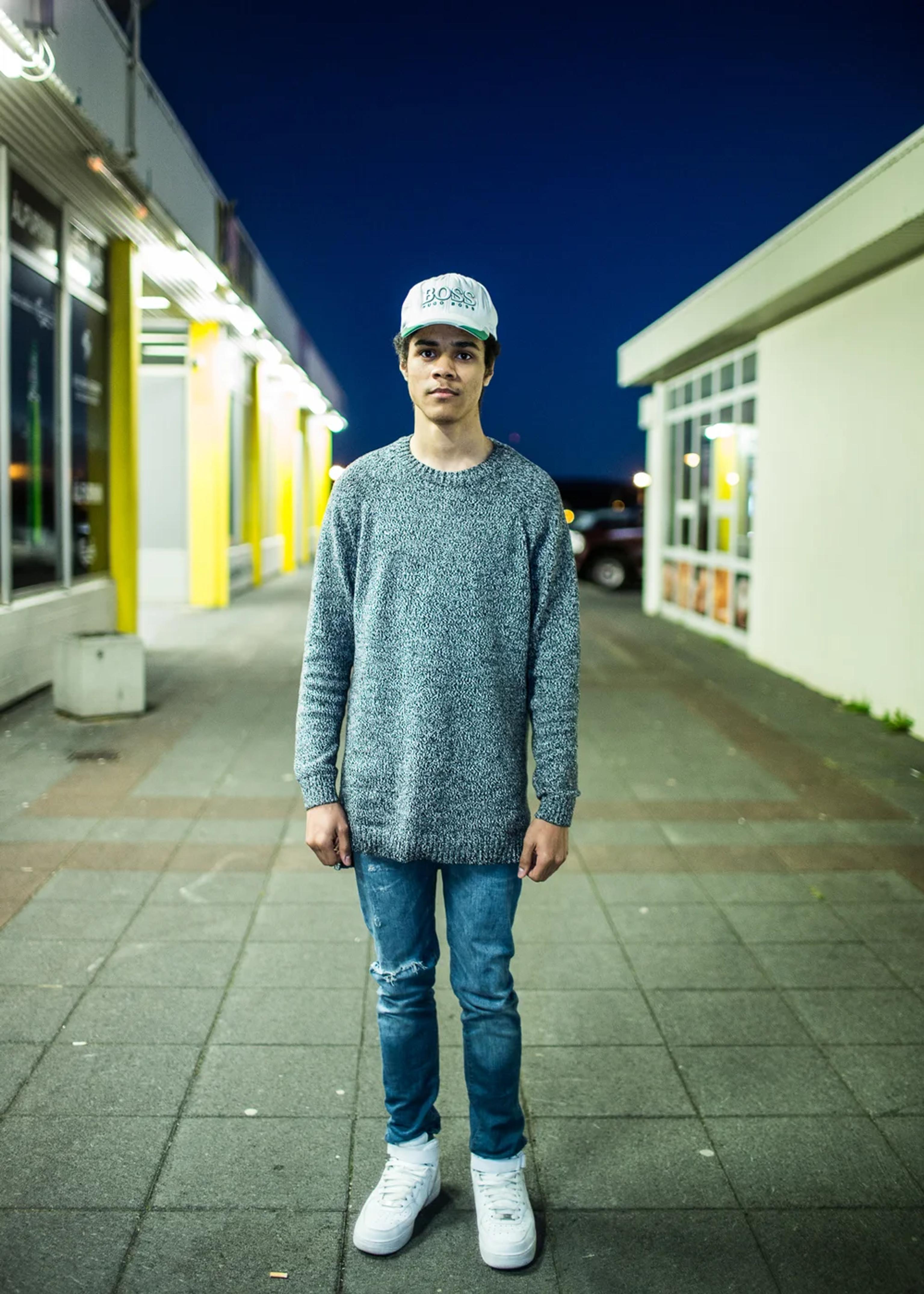
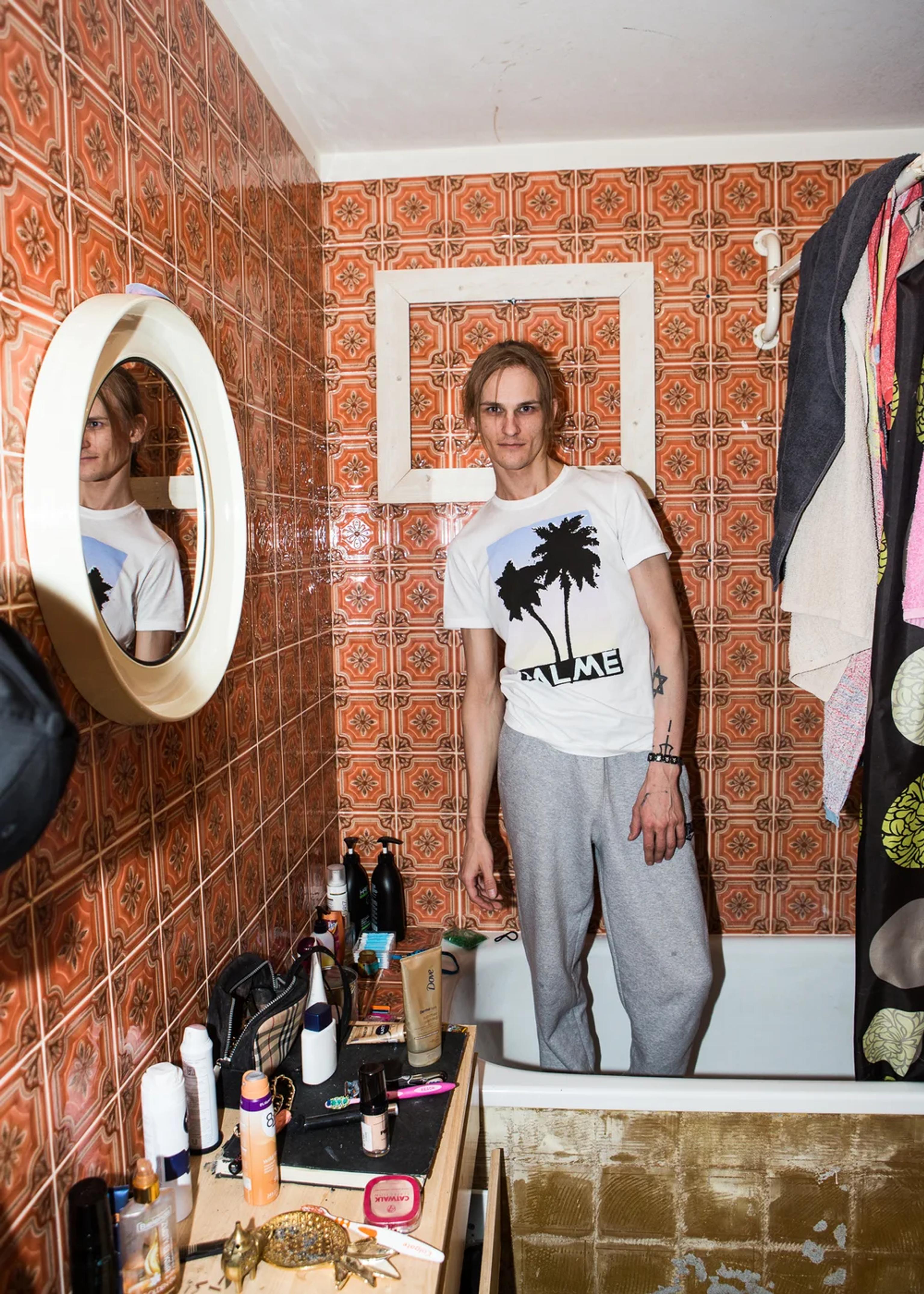
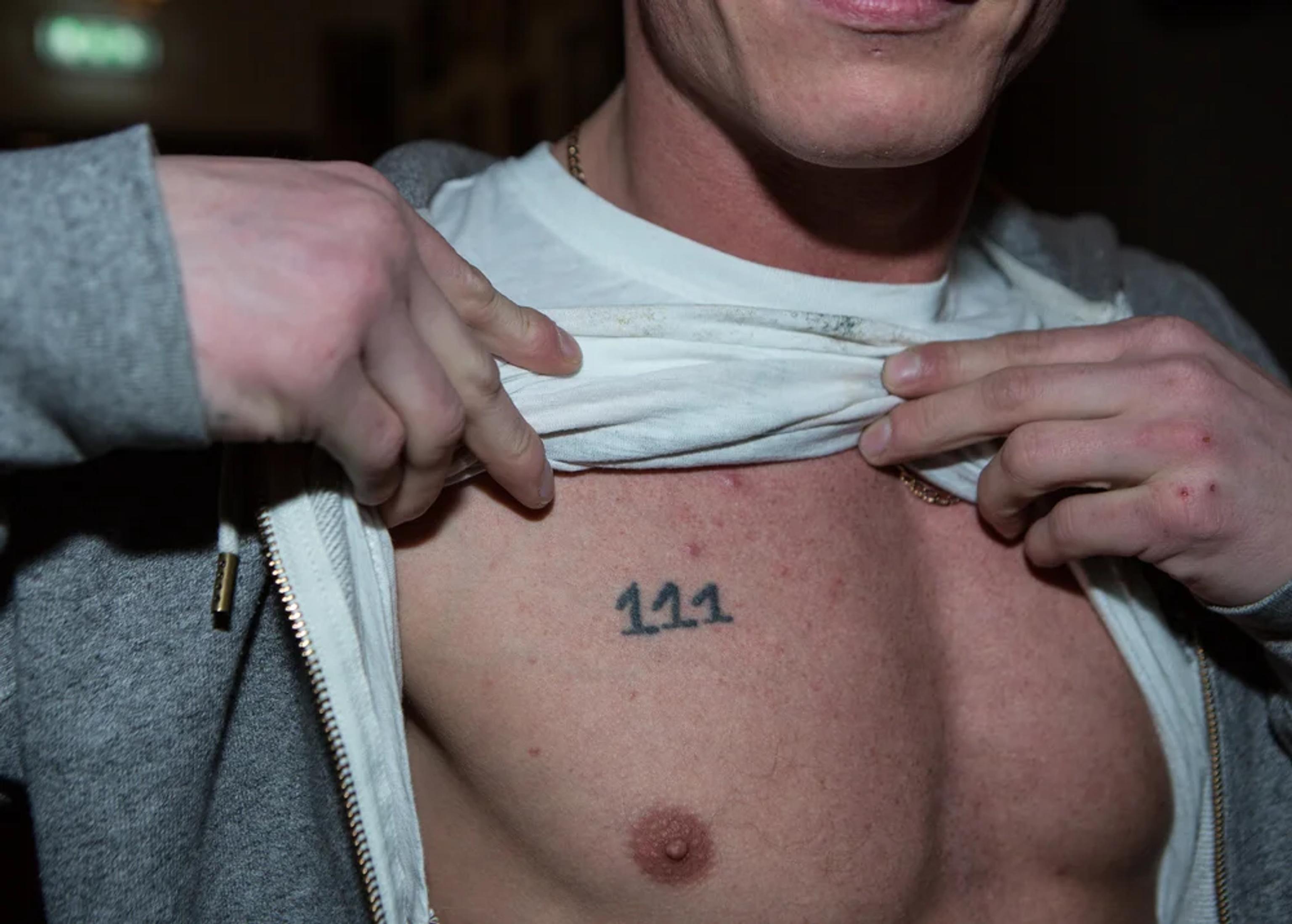
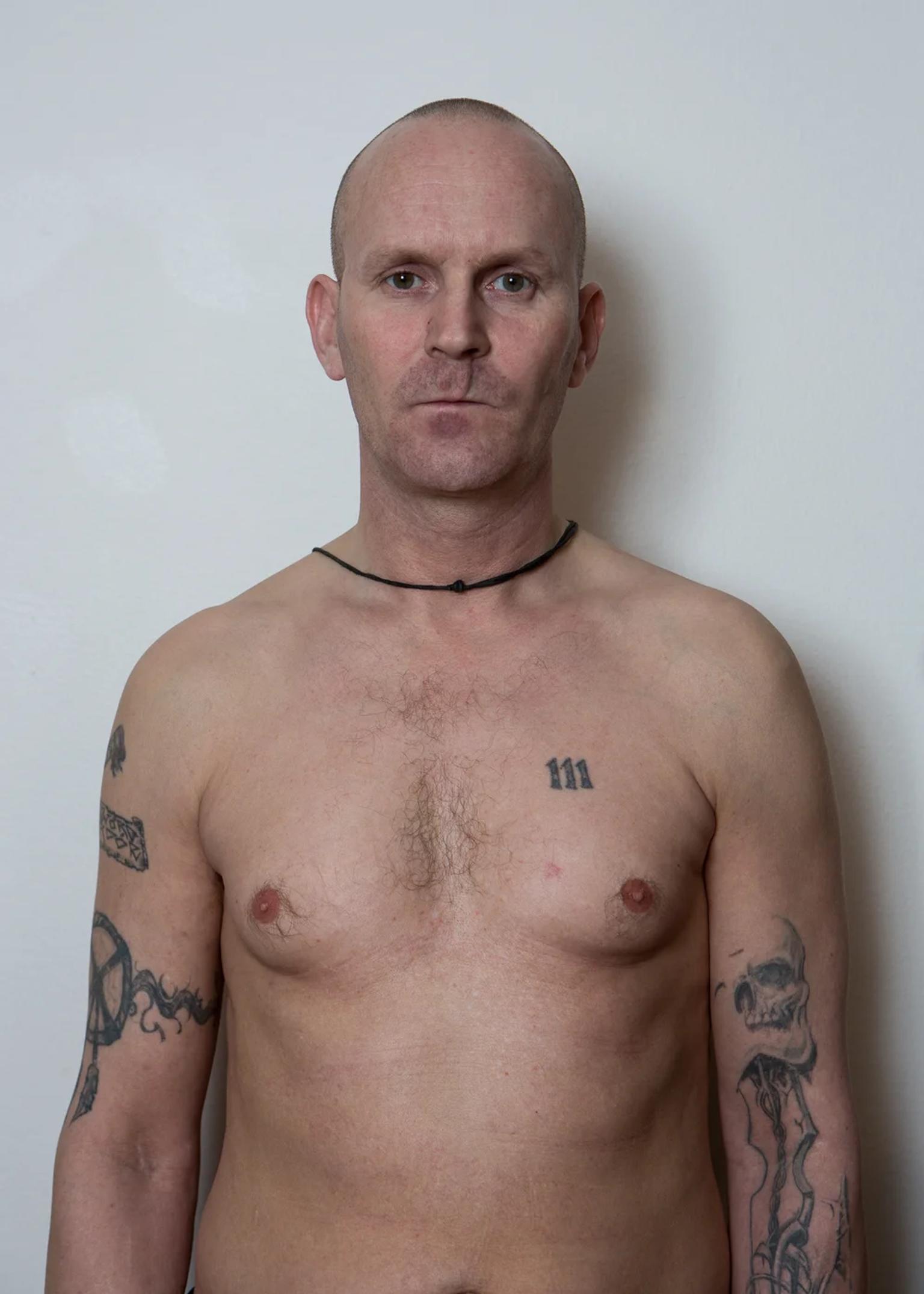
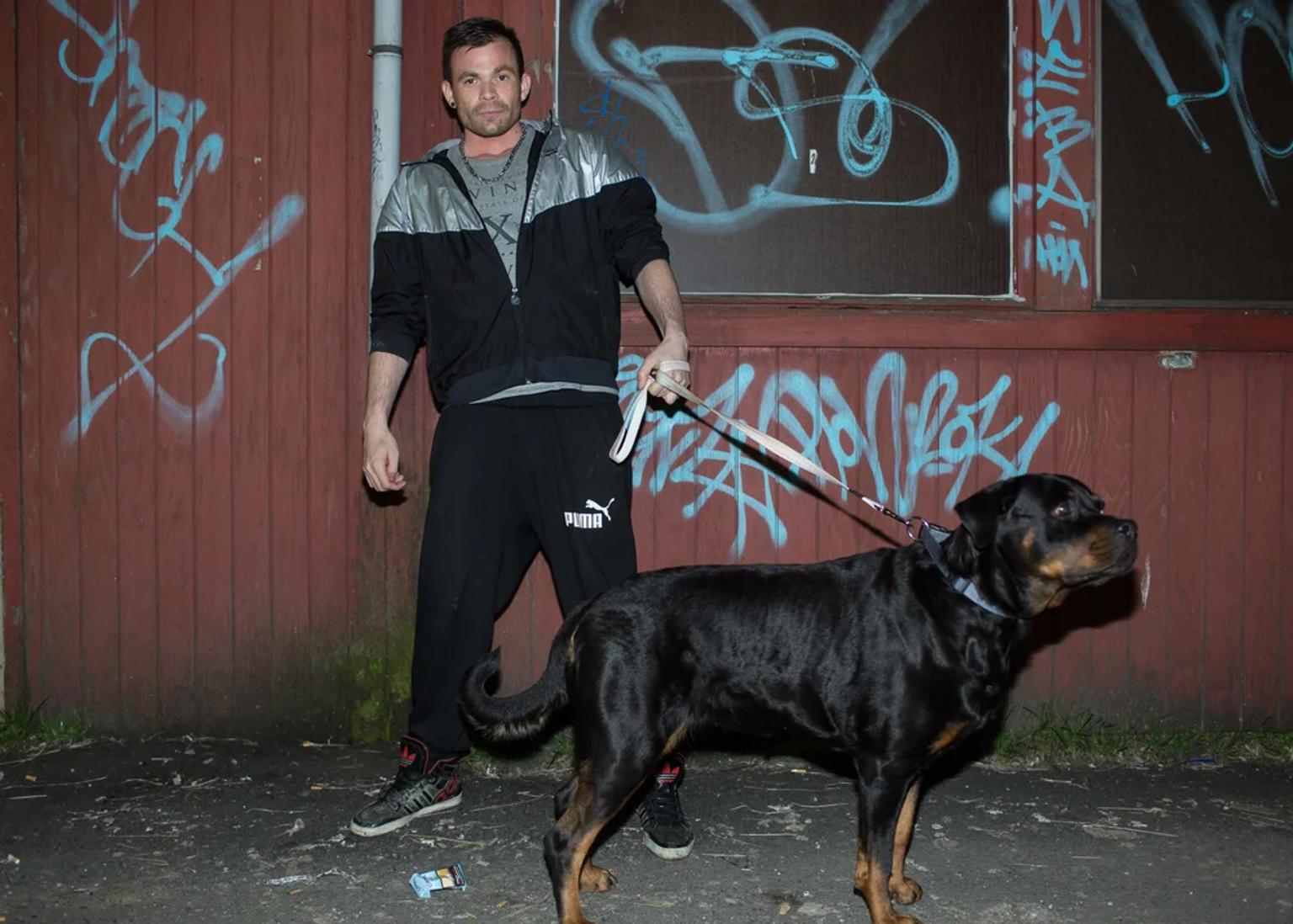
A lot of people who live in Breiðholt tattoo 111 on their chest. "It's this kind of identity," Spessi explains. "It's more like a state of mind, this postcode. It's like 'I'm from the hood', this kind of pride." Spessi understood that pride and built the entire project around honouring it. "This is a very political show," he has stressed. "I'm not showing these people as victims." His portraits give his subjects agency over how they are seen. "When I take portraits of those people I try to let them choose how they present themselves. That's why most of my photos are kind of objective."
The project extended beyond the printed page. When preparing the photobook and exhibition, Spessi thought of linking the community of postcode 111 to the music of the legendary band The Clash, resulting in a vinyl record also released under the title 111. It was a fitting parallel. The Clash made music about people the establishment had written off. So did Spessi, in his own medium.
His portraits evoke a lot of emotion and different reactions from those who view them. Some of the faces look lonely, or scared, but they still want to be seen. This is not made out of pity, but rather out of pride. It is ultimately a story of survival in the challenging realities of the everyday. And at its core, that is what 111 is: a reminder that a postcode is not a verdict.