
pihlmann architects
Thoravej 29
- Architectpihlmann architects
- PhotographerHampus Berndtson
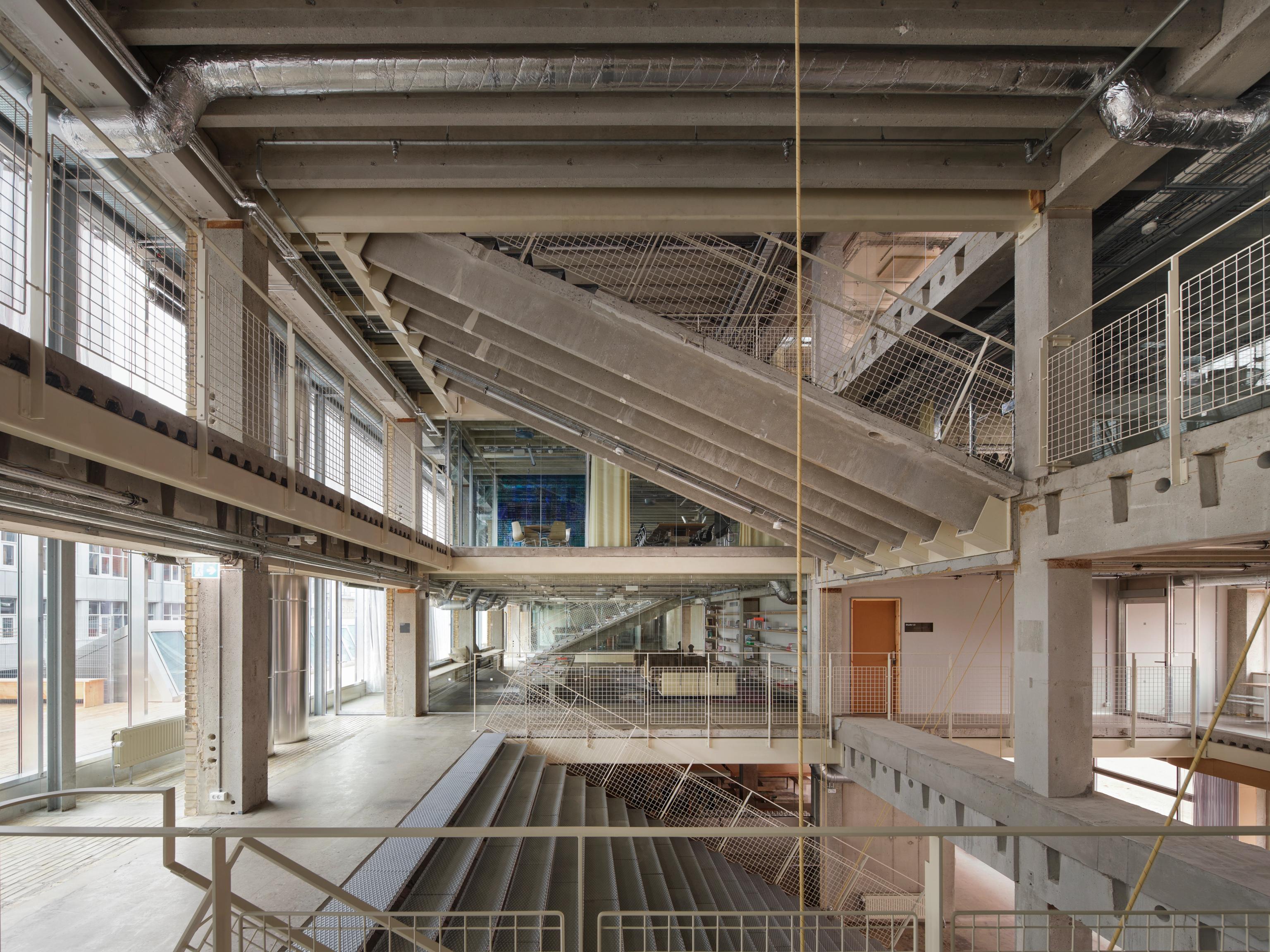
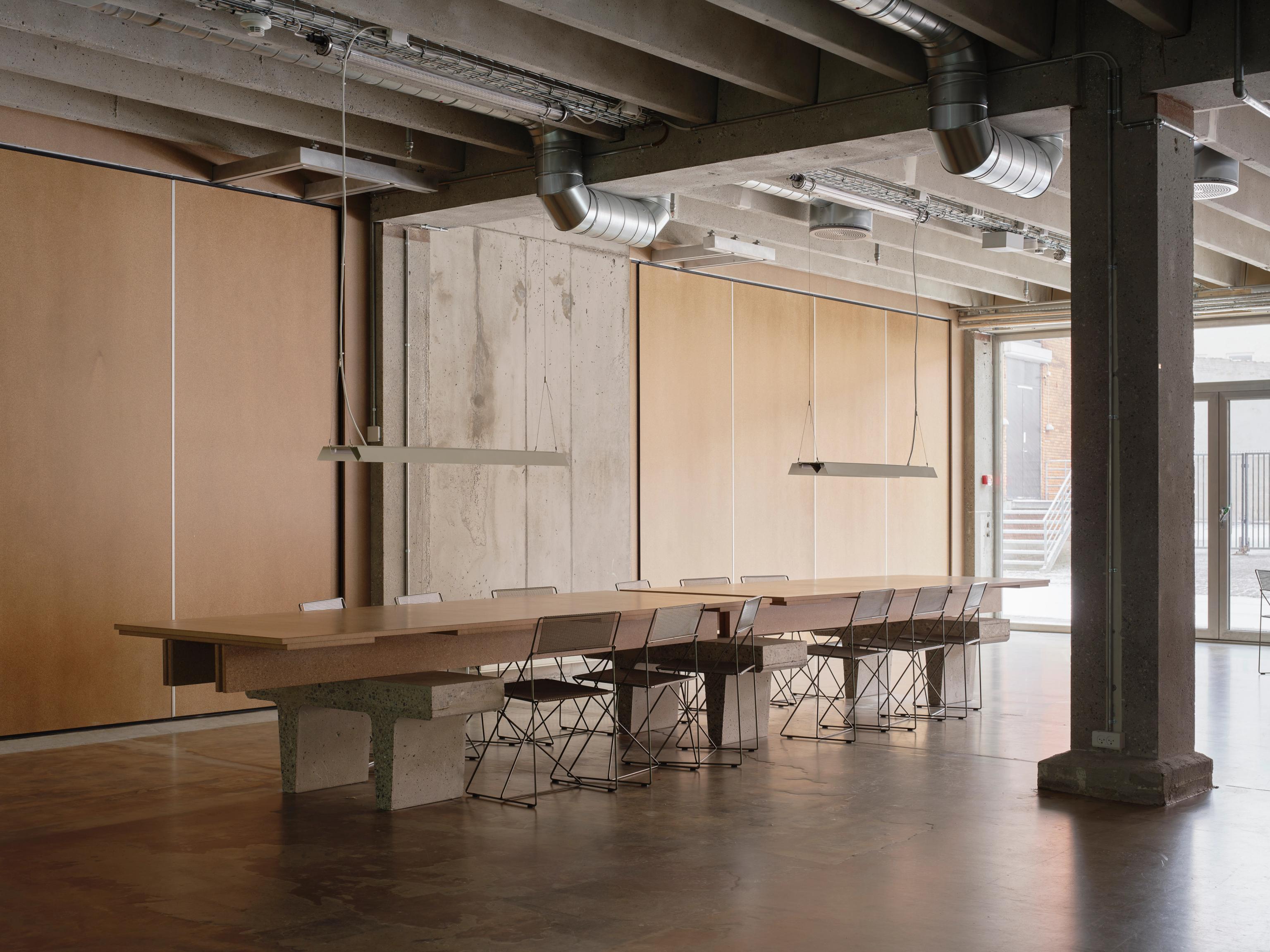
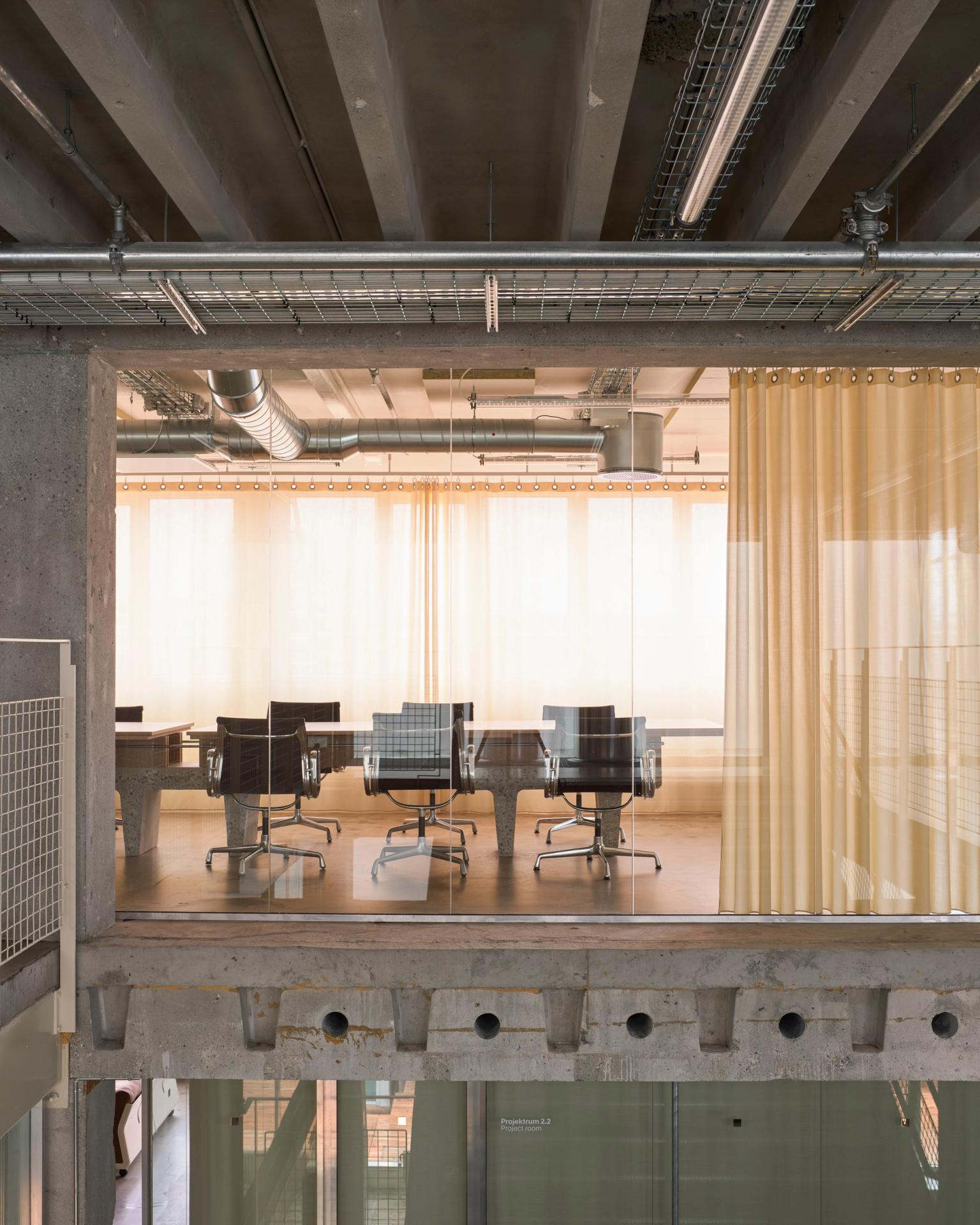
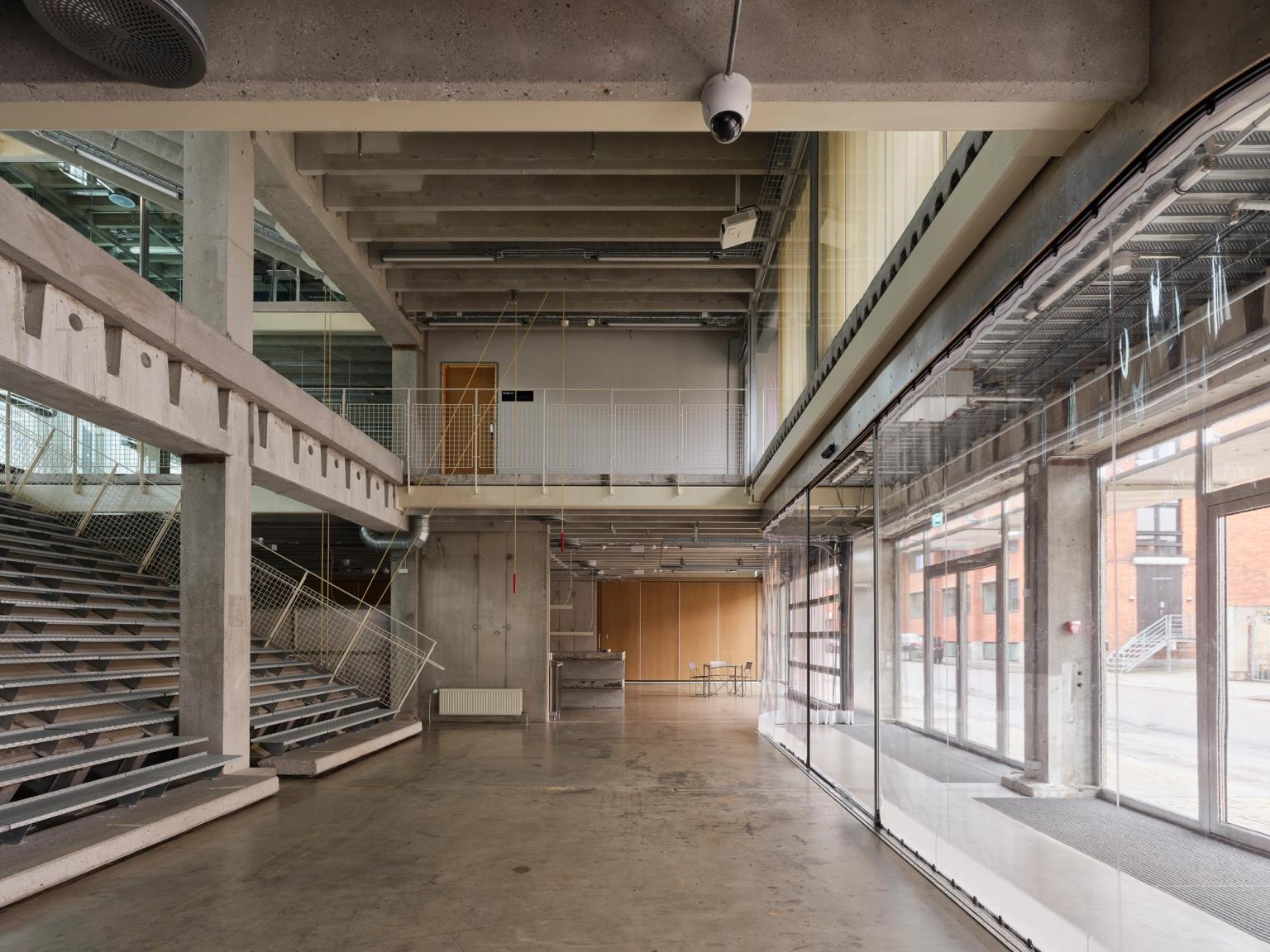
Frederik Gustav Thoravej 29 is a well-documented project, but one we still believe deserves to be highlighted. Most of the interior is made from materials found within the building itself – concrete slabs, bricks, doors and timber, reused in new ways. It is raw, unpretentious and honest.

Pihlmann Architects' Transformation of Thoravej 29
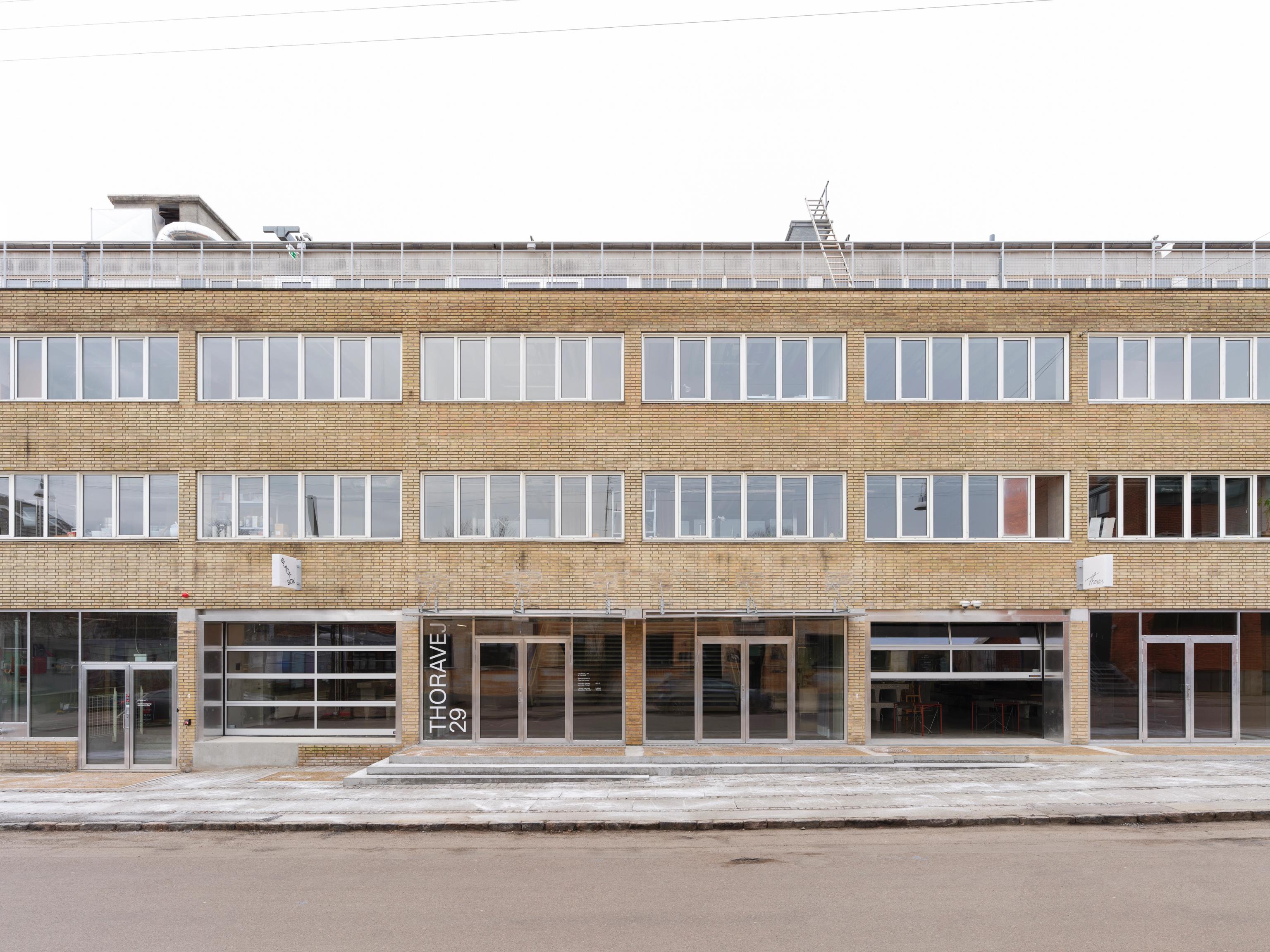
Thoravej 29 is a transformation project in Copenhagen’s Nordvest district that reimagines a former industrial building from 1967 as a contemporary cultural and professional community. Rather than replacing the existing structure, the project works with what was already there, treating the building as a material and spatial archive. Developed by Pihlmann Architects, the project reflects a pragmatic and philosophical approach to architecture where preservation, adaptation, and reuse become the primary design drivers. The building is no longer defined by its original factory function or its later municipal use as a disability centre for the City of Copenhagen, but instead evolves into a multi-tenant cultural hub hosting artistic production, dialogue, and shared work environments.

Architecture as a Material Bank
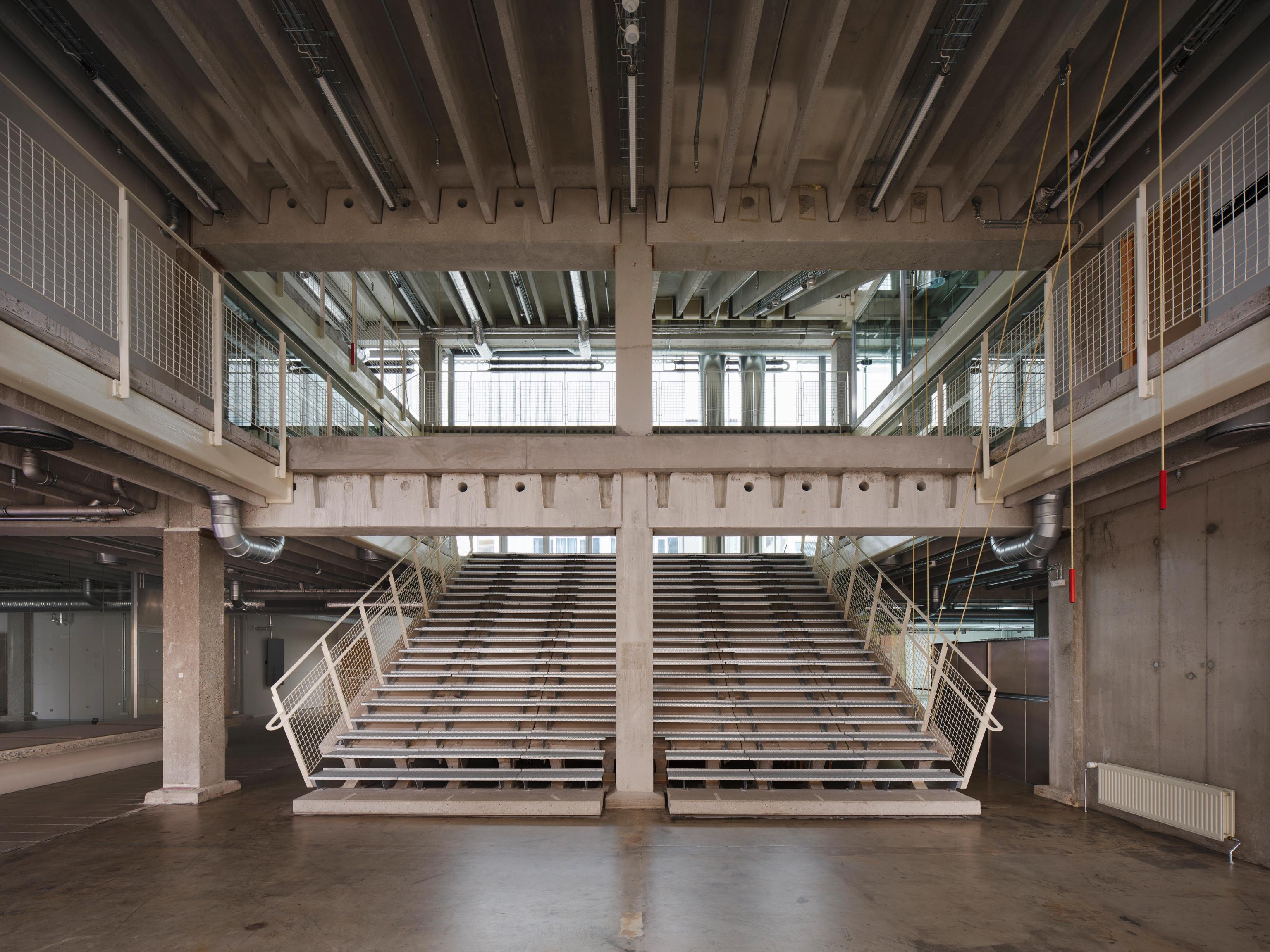
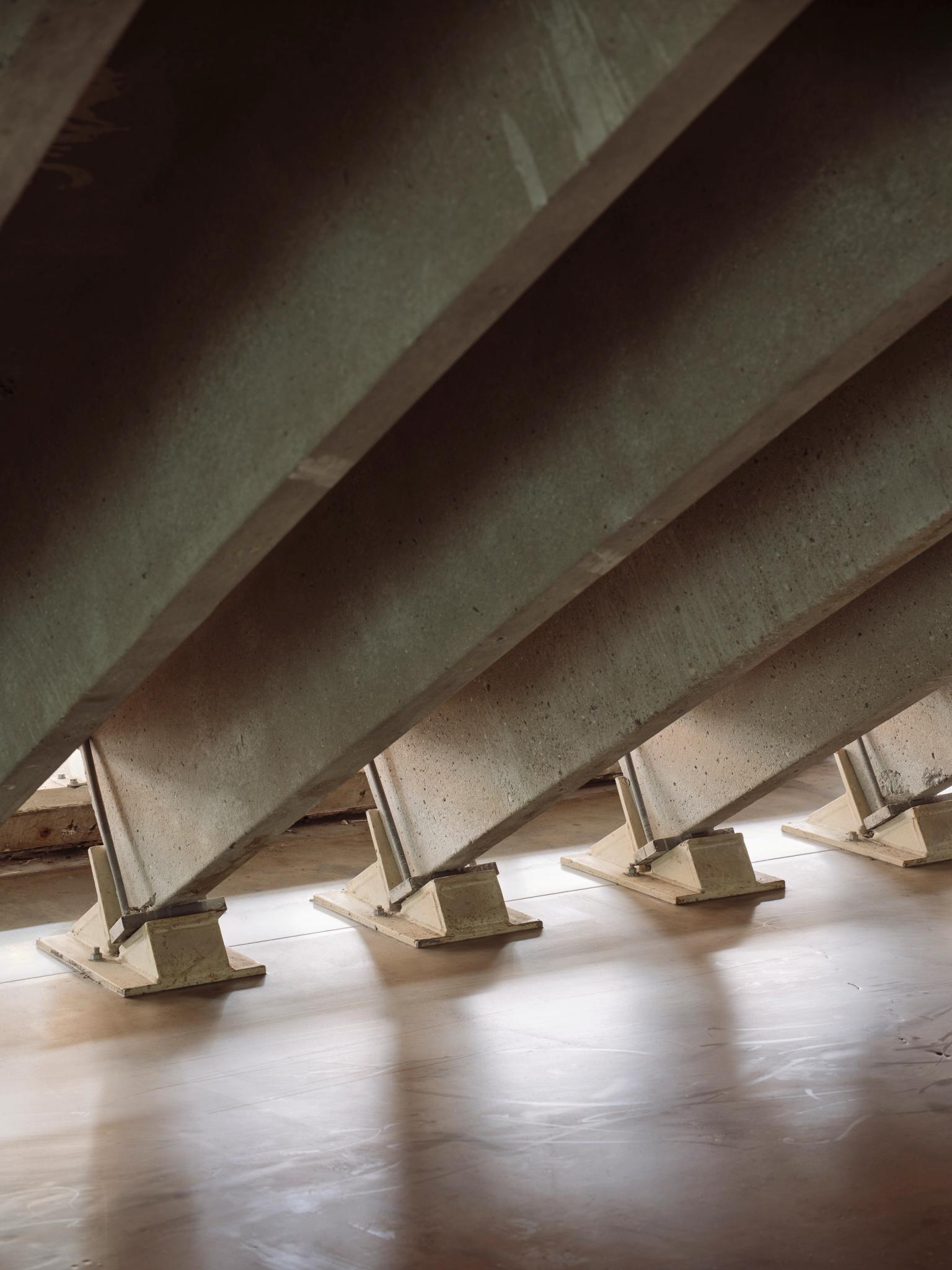
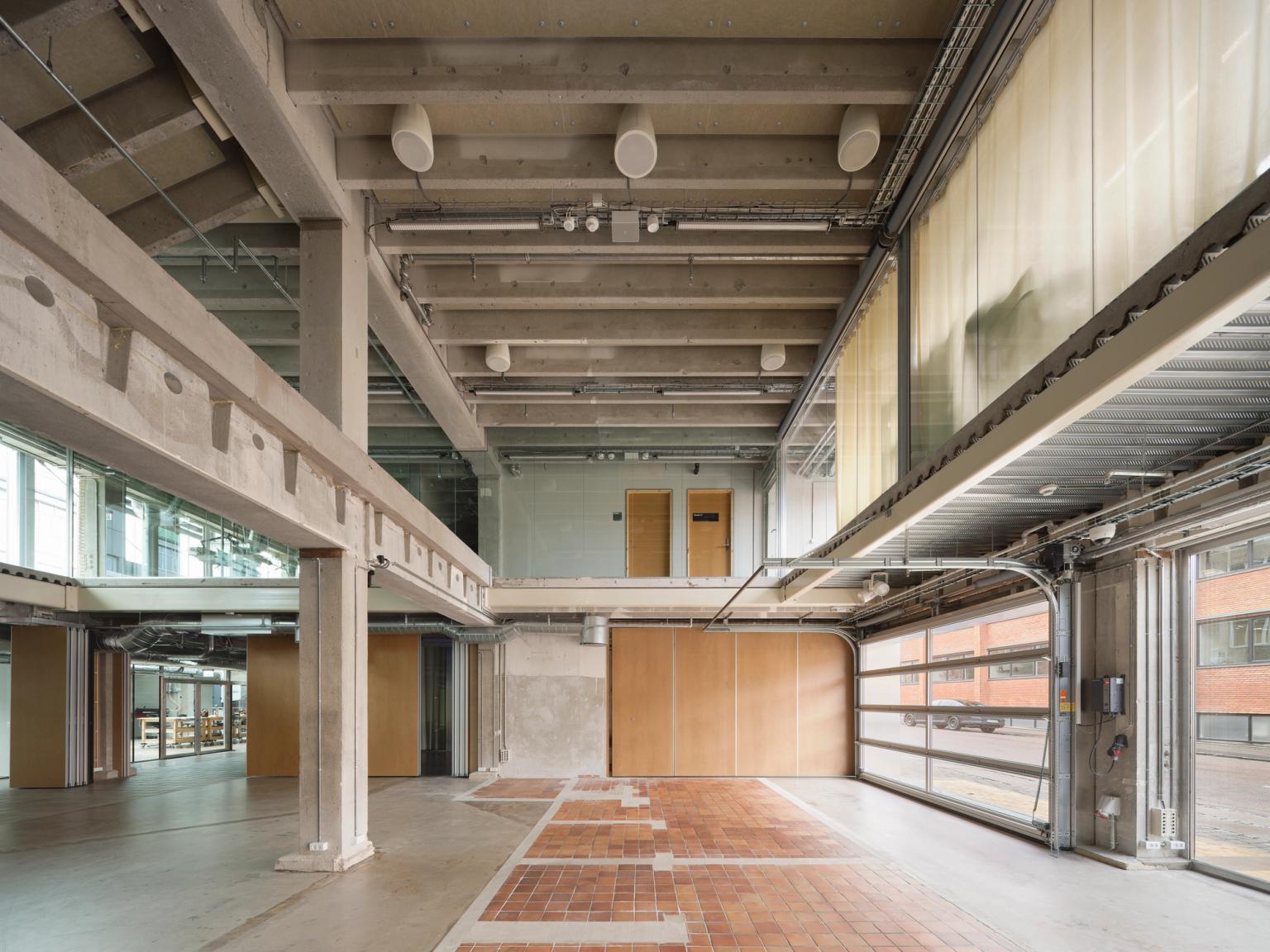
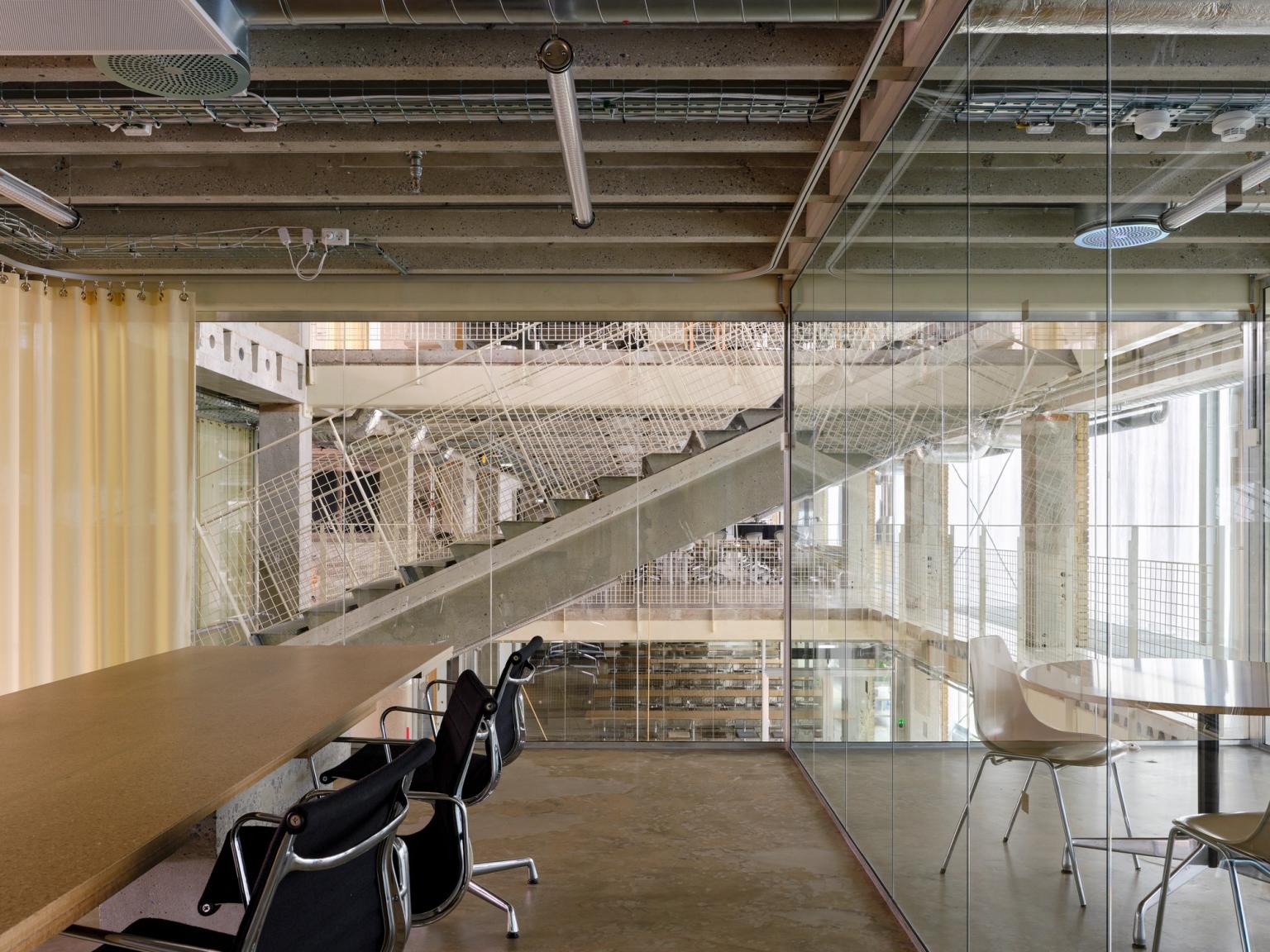
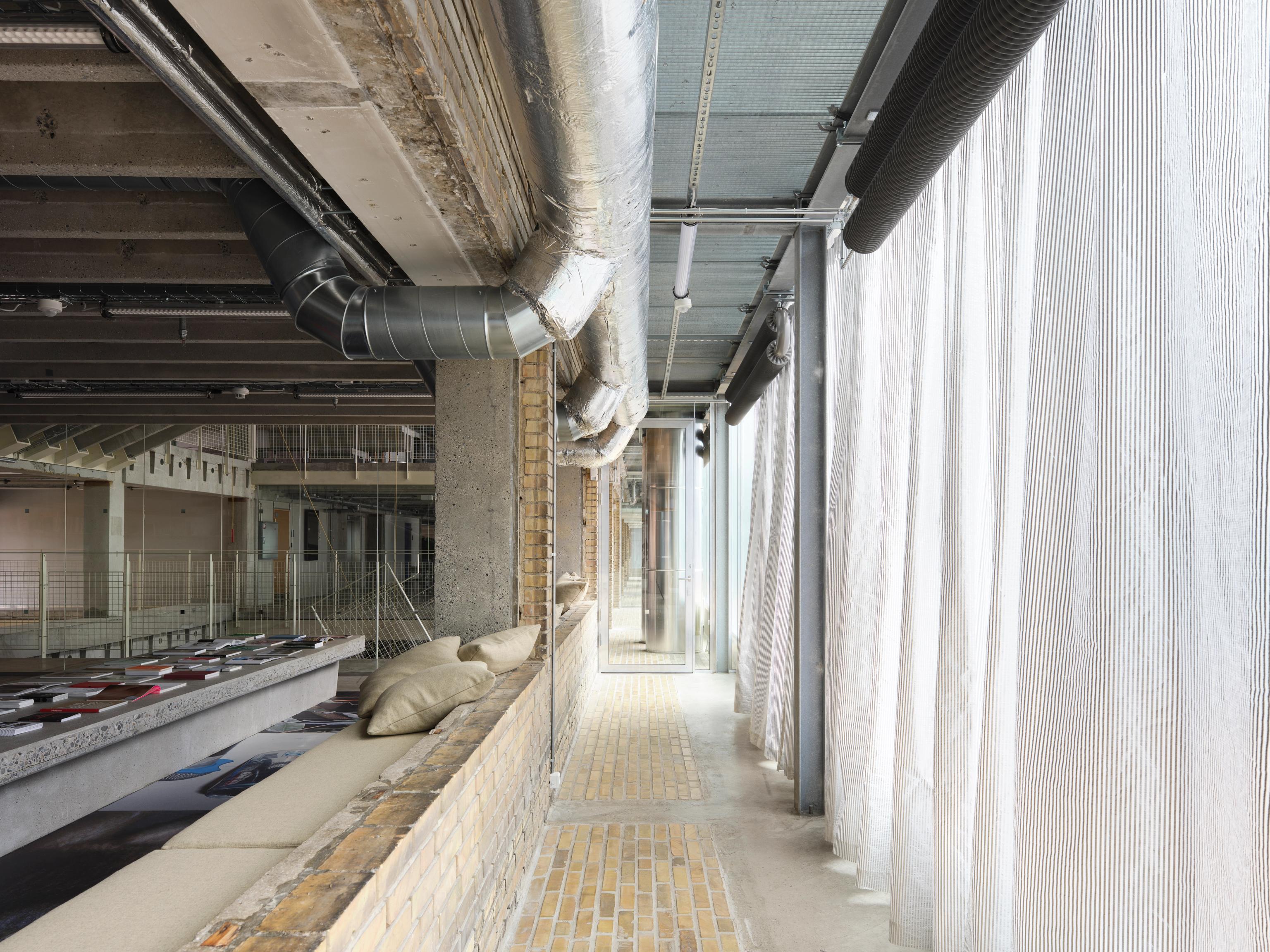
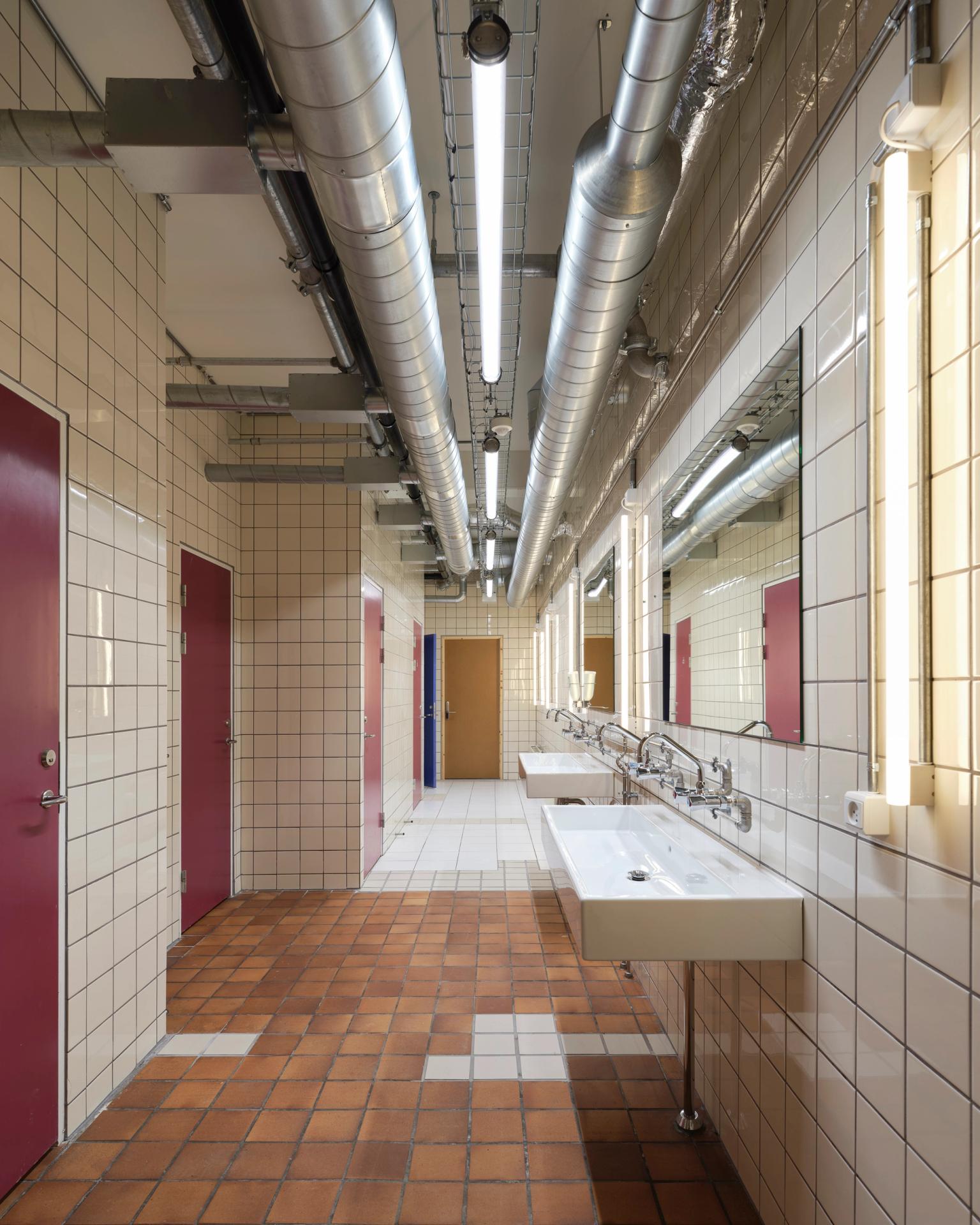
The transformation operates on the logic that the building is its own resource system. Instead of demolishing interior components, the project systematically dismantles and catalogues existing construction elements for reintegration. Concrete TT-slabs were reinterpreted as structural and spatial devices, becoming staircases, furniture platforms, and exhibition surfaces. Facade bricks were shredded and compressed to form paving elements that weave the building into the surrounding urban ground. Doors, timber fragments, and metal installations were processed into new interior objects when they could not be reused in their original form.
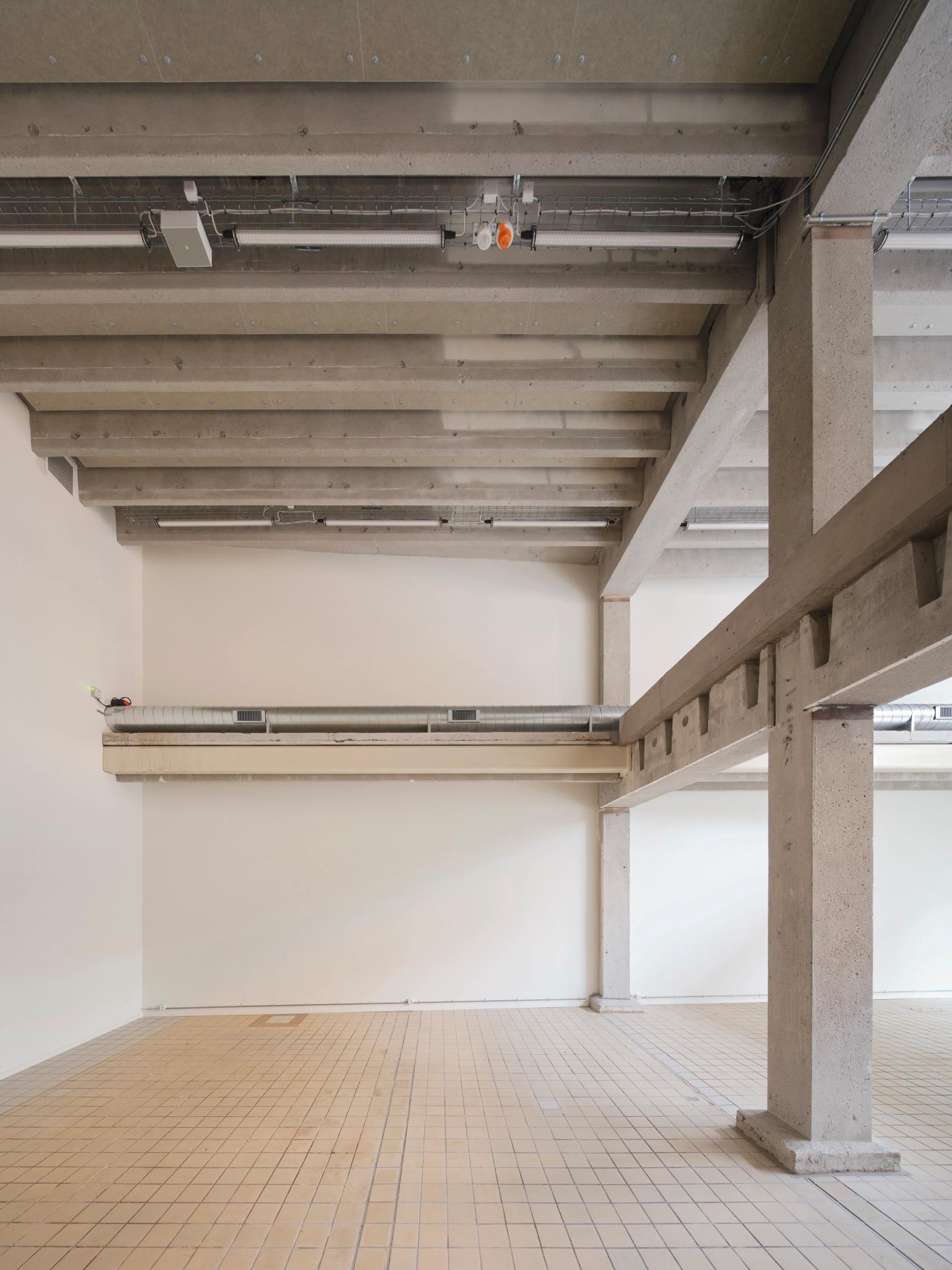

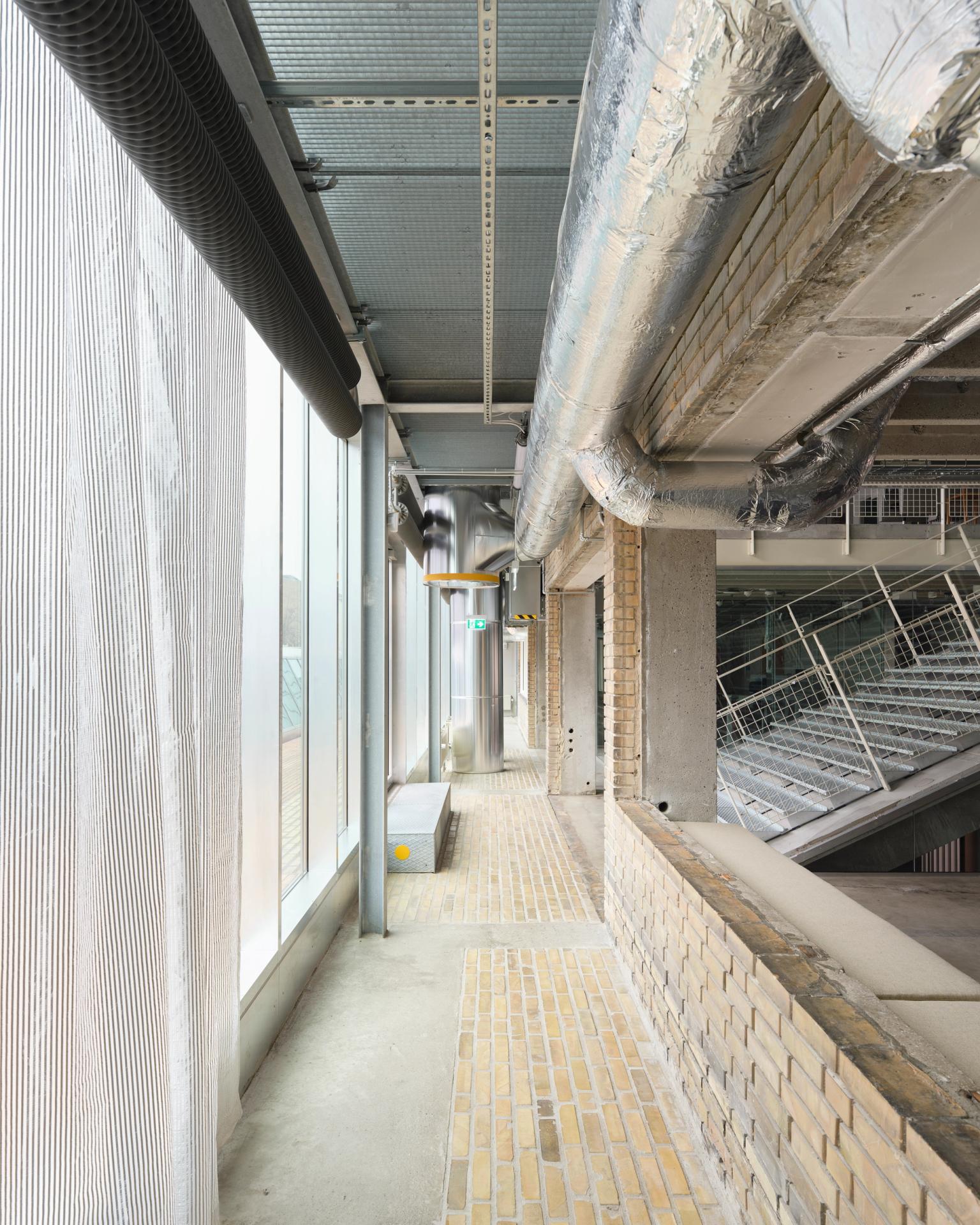


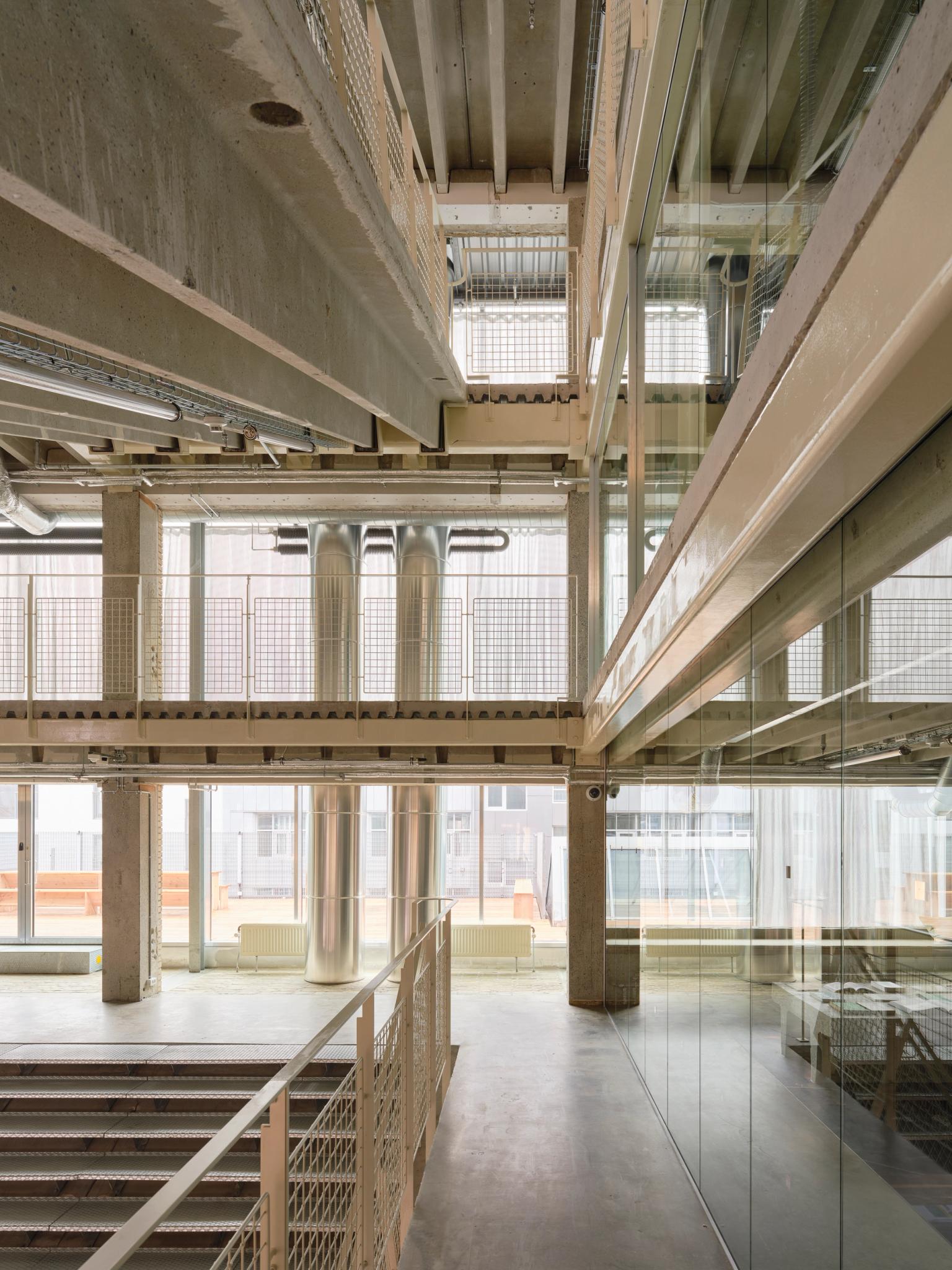

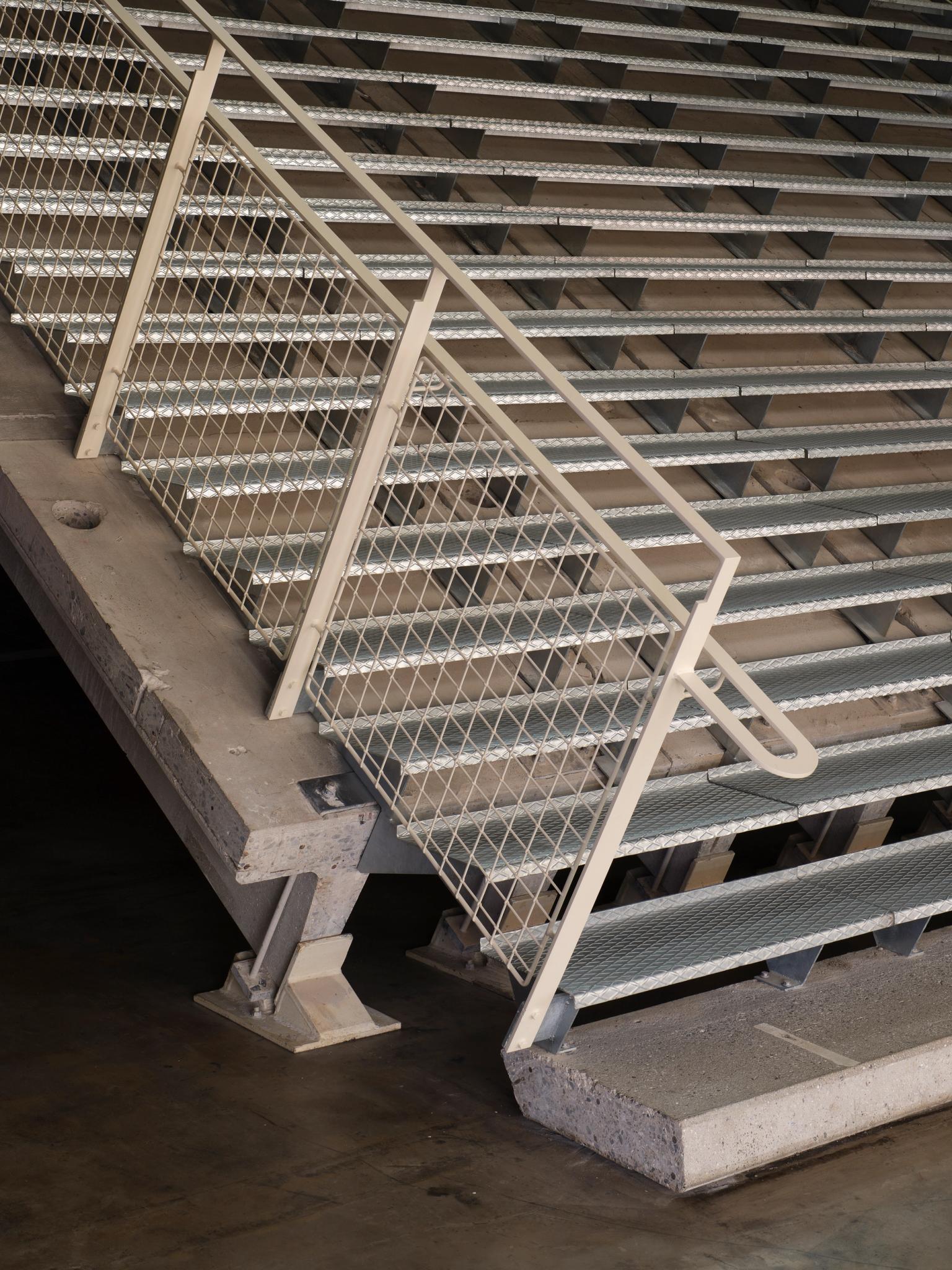

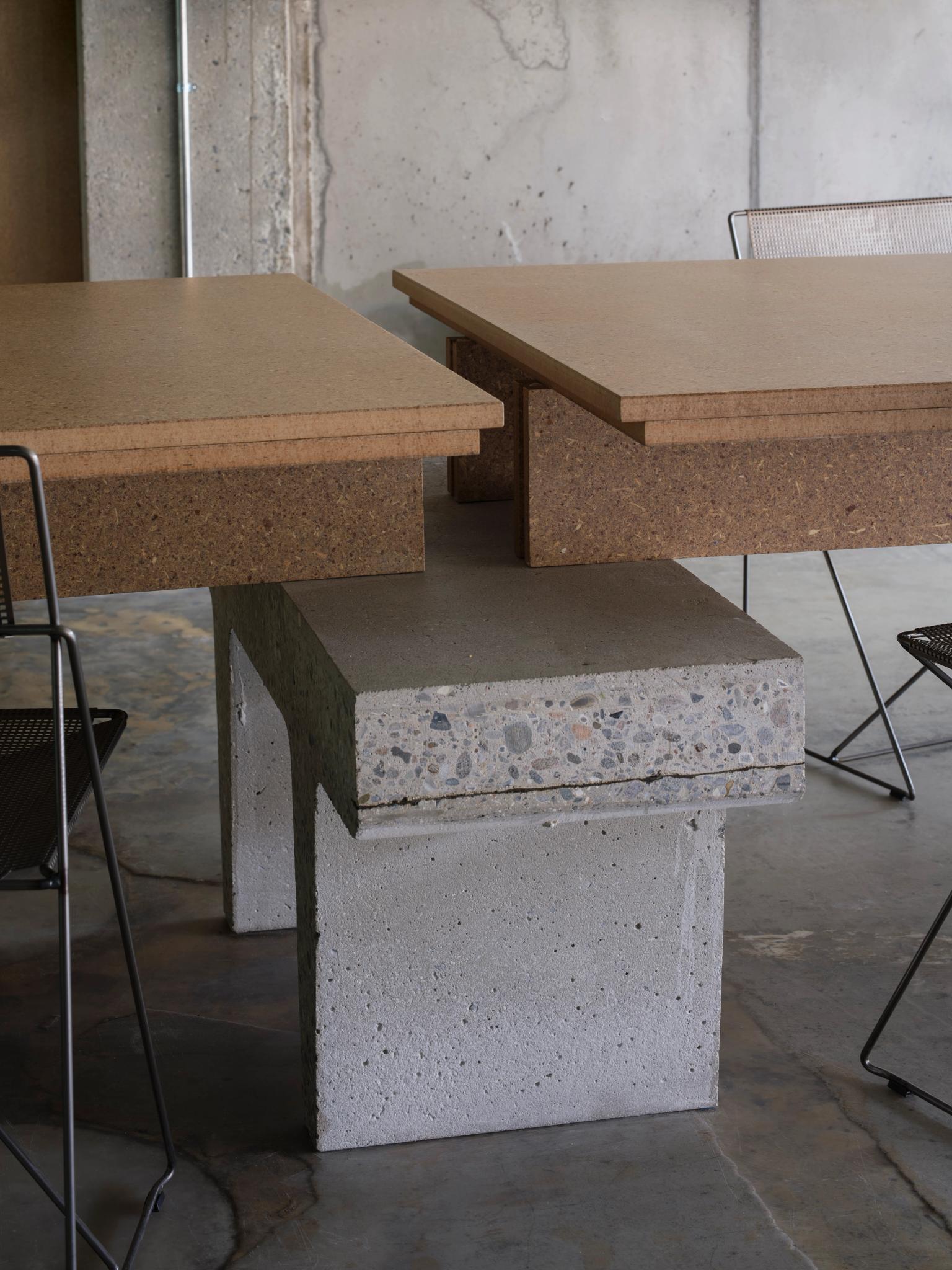

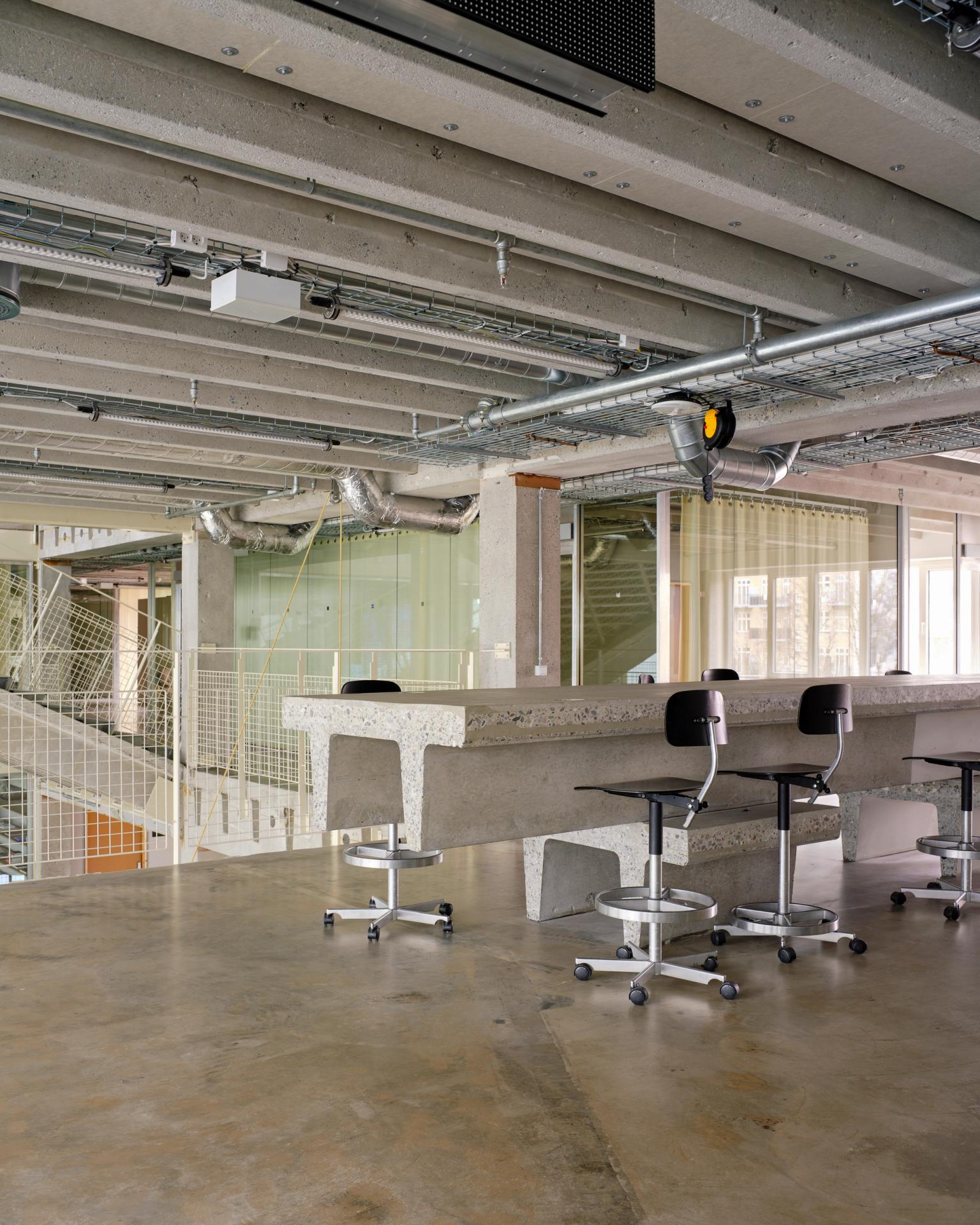

The project achieves an exceptionally high level of material circularity, with approximately 95% of existing building mass reused by weight. This strategy reduced construction waste by around 90% and lowered embodied carbon emissions by up to 88% compared to conventional new construction. Even materials that are often considered secondary, ventilation components, piping fragments, and structural residues, were treated as potential design resources. The approach emphasises that architectural sustainability is not only about low-carbon technologies but about extending the lifespan and cultural value of physical matter.


Spatial Reorganisation and Programmatic Life
The original horizontal industrial structure has been reconfigured to support a diverse cultural program rather than production logistics. Load-bearing TT-slabs were selectively removed and reworked into broad internal stair systems that act simultaneously as circulation infrastructure and social gathering furniture. The listed street-facing façade was opened to establish stronger visual and physical connections between interior activities and the public urban environment.
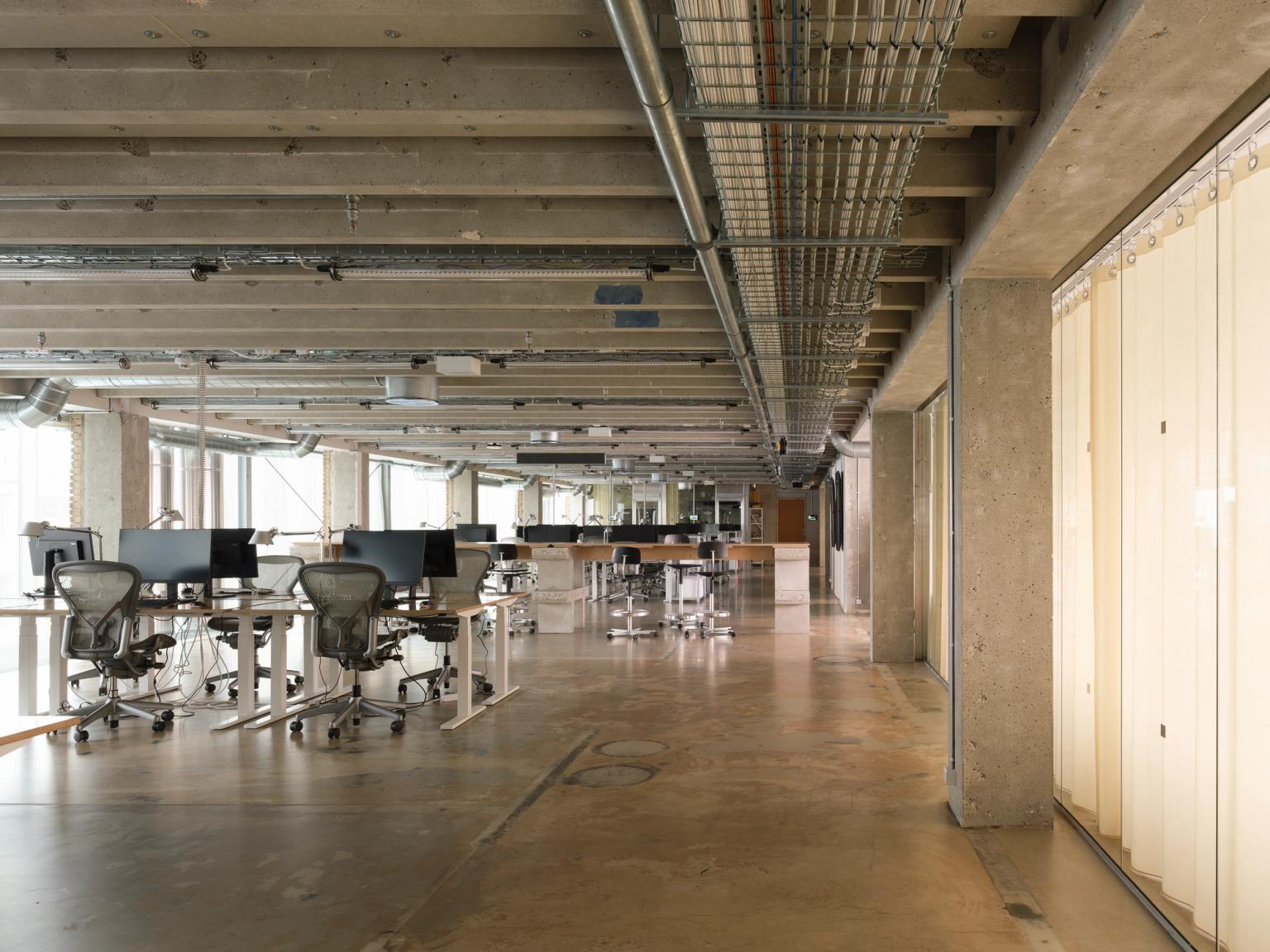
Today the building contains black box and white cube exhibition spaces, studios, workshops, video and sound production rooms, a production kitchen, café facilities, meeting rooms, offices, and presentation stages. The vertical organisation allows different working cultures to coexist: darker, acoustically controlled environments for artistic experimentation are placed alongside daylight-filled collaborative zones. Approximately 150 people from around 30 organisations share the building, forming a loose professional ecosystem rather than a single institutional identity.

Community Infrastructure and Cultural Practice
Thoravej 29 functions as more than a workplace, it operates as a platform for cultural production and social interaction. The project supports artists, NGOs, and creative organisations that work across social and artistic domains. The architectural strategy promotes encounters between disciplines rather than separation, encouraging collaboration through shared circulation spaces, open kitchens, and visible production environments.
The transformation also reflects a broader shift in architectural thinking where value is measured through longevity, adaptability, and social intensity rather than formal novelty. Installation systems were deliberately kept visible in certain areas, allowing the technical infrastructure of the building to become part of its aesthetic and educational expression. This transparency reinforces the idea that the building should not erase its previous layers but instead allow them to remain readable as part of its evolving biography.

Recognition and Future-Oriented Transformation
The project represents a shift from top-down design towards a bottom-up transformation methodology where architectural decisions are derived from the physical logic of the existing building. Materials are analysed, archived, and redeployed according to their structural and cultural potential rather than conventional aesthetic hierarchy. This approach challenges the idea of universalised sustainable construction by advocating for site-specific reuse strategies embedded in local building traditions.


Thoravej 29 has received several architectural awards and recognitions, including being named Building of the Year 2024 by Licitationen, honoured at the Copenhagen Municipality Building Awards 2025, and winning the Danish renovation prize Renoverprisen in 2025. It was also a finalist in the Architectural Review’s New into Old Awards 2025 and the Danish Design Awards 2025. The project stands as a demonstration of how existing industrial architecture can be reactivated to support contemporary cultural life while drastically reducing the environmental cost of construction.