
Naoya Hatakeyama
Tsunami Trees
- Artist© Naoya Hatakeyama / Courtesy of Taka Ishii Gallery
Ask og Eng Hatakeyama’s series captures the quiet resilience of nature: trees shaped into natural sculptures, standing almost unnoticed in everyday surroundings. We’re drawn to how these extraordinary forms thrive in unlikely spaces, and how beautifully they’ve been documented.


Tsunami Trees
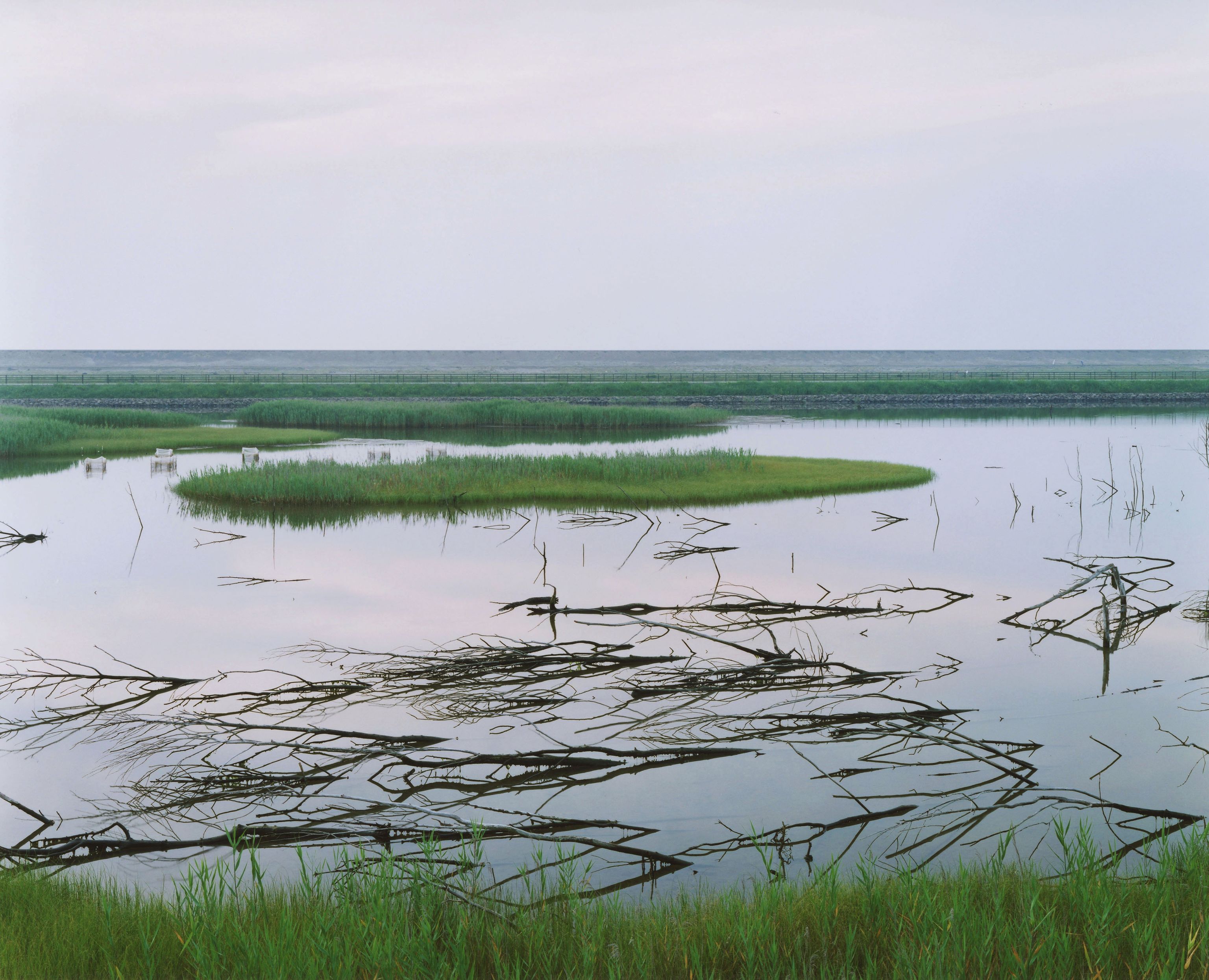
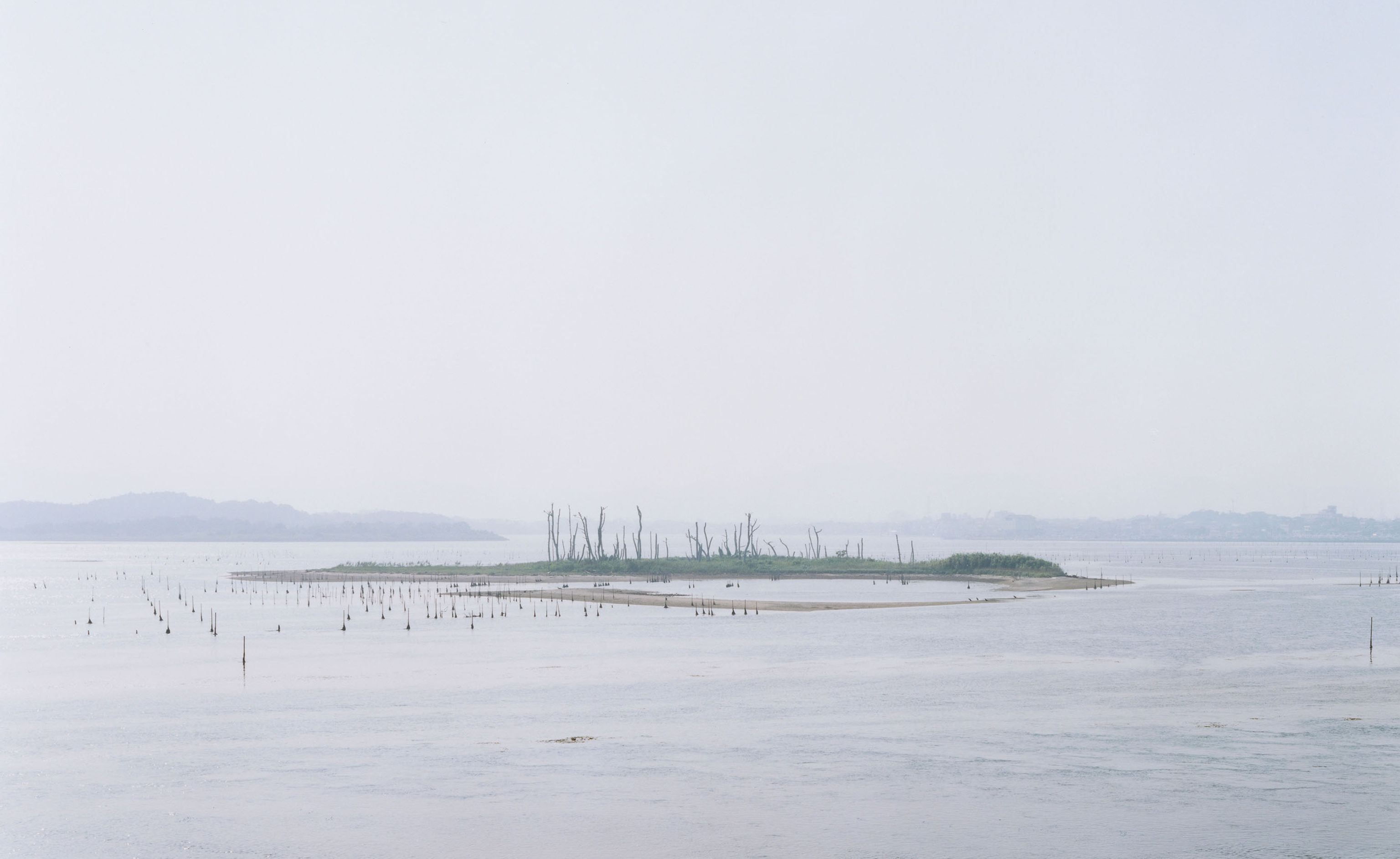
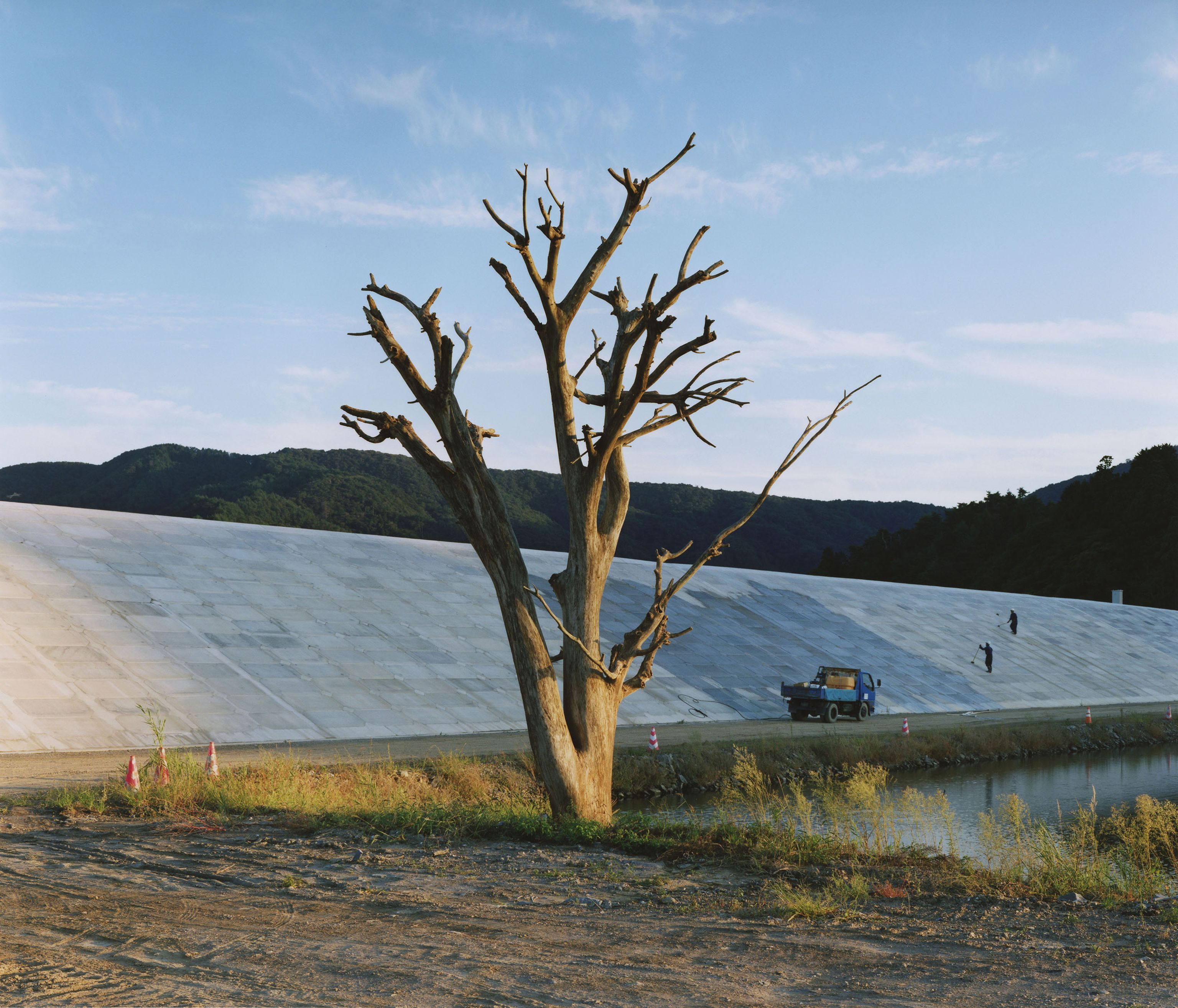
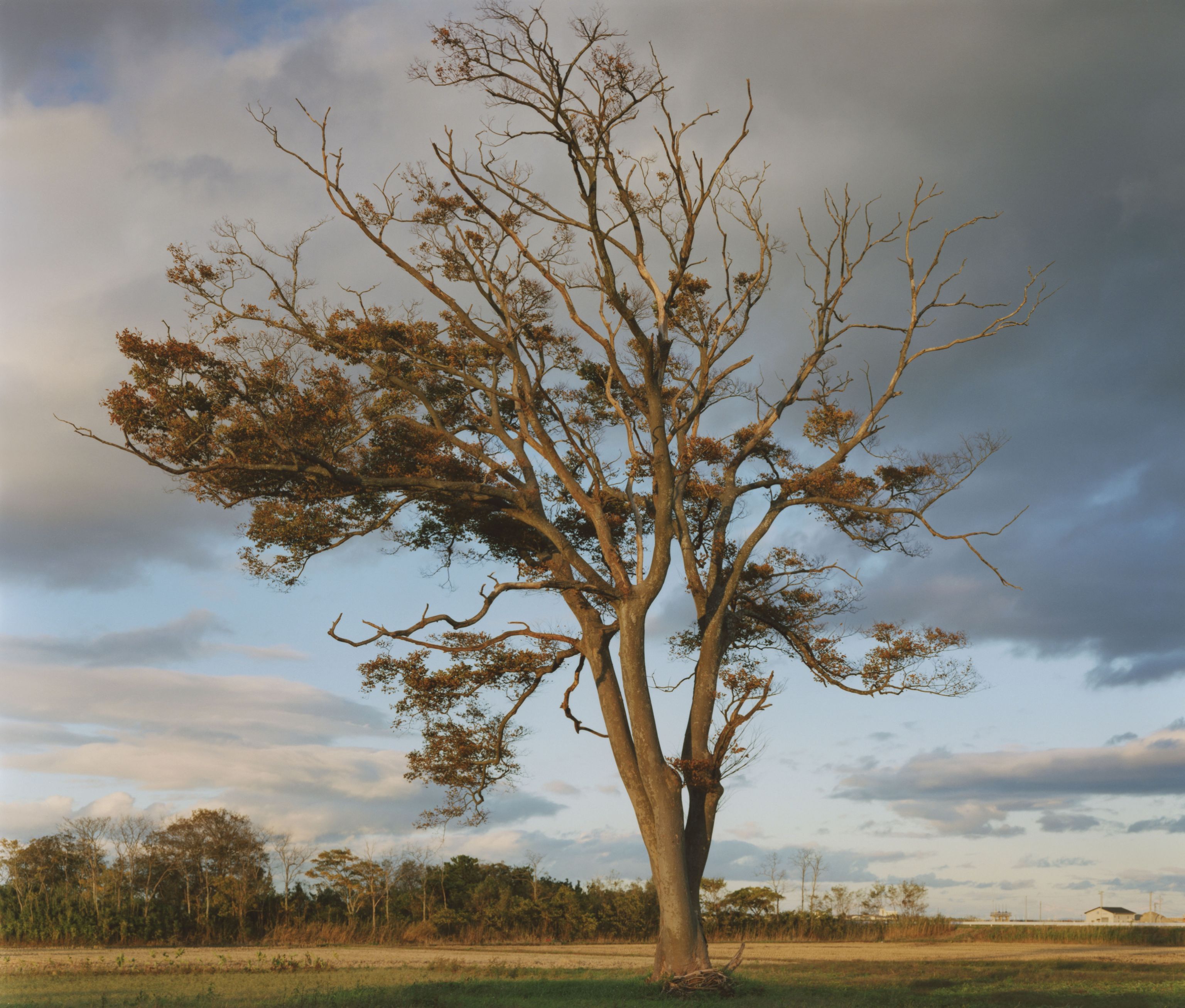
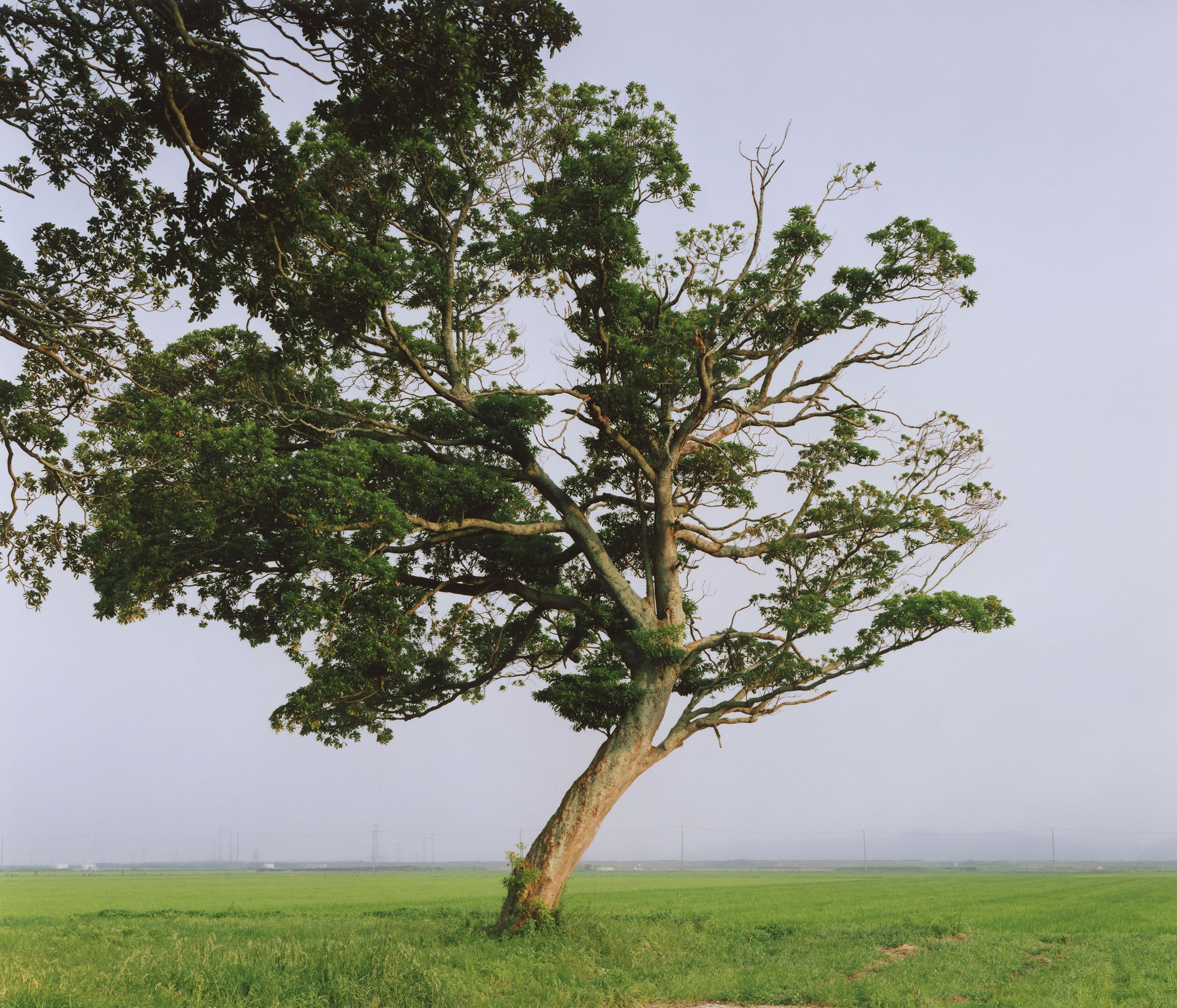
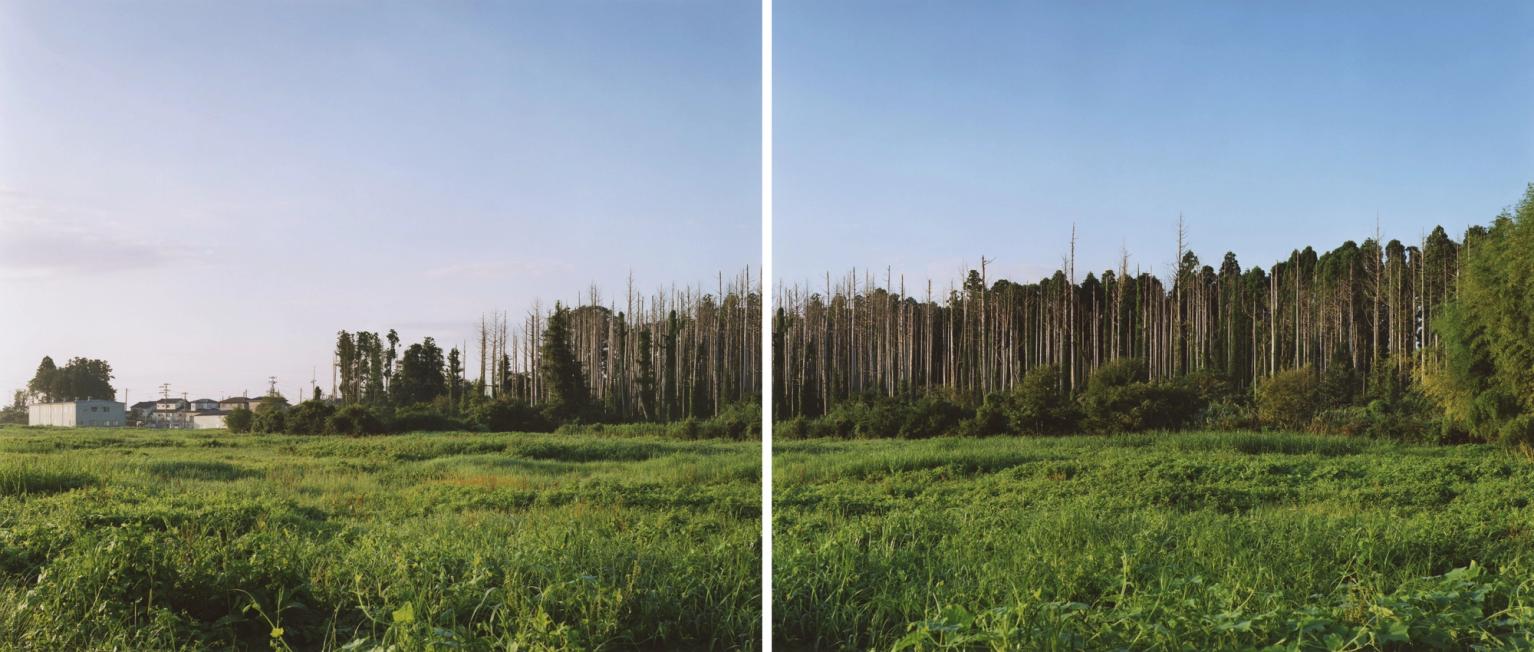
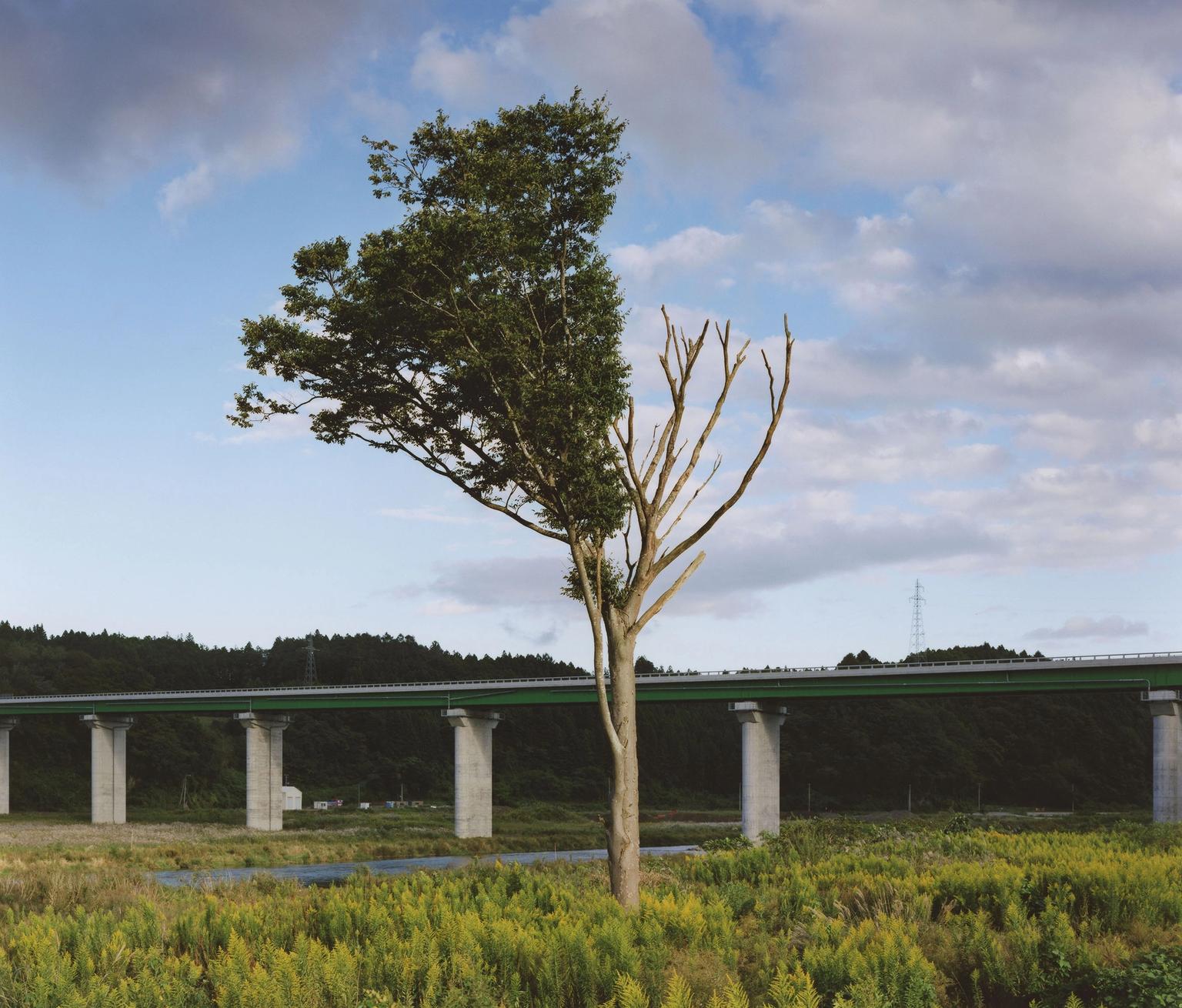
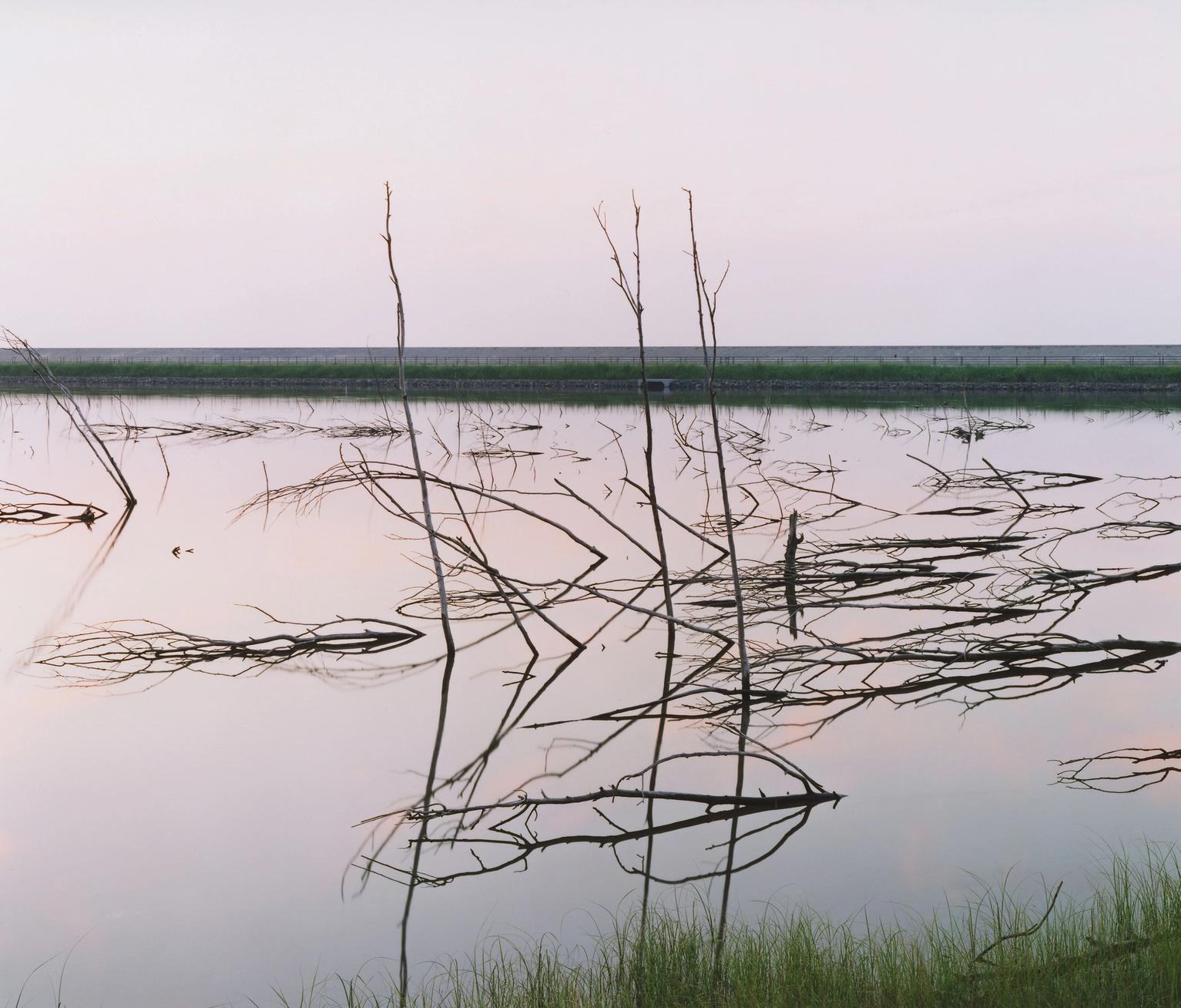
In Tsunami Trees, Naoya Hatakeyama returns to the coastal region of Rikuzentakata, where the 2011 Great East Japan Earthquake and tsunami radically transformed both the landscape and his own life. While walking along the Kesen River six years after the disaster, Hatakeyama encountered a walnut tree whose right side had been fatally damaged by debris carried by the wave - an asymmetrical form he later called “half a tree.”
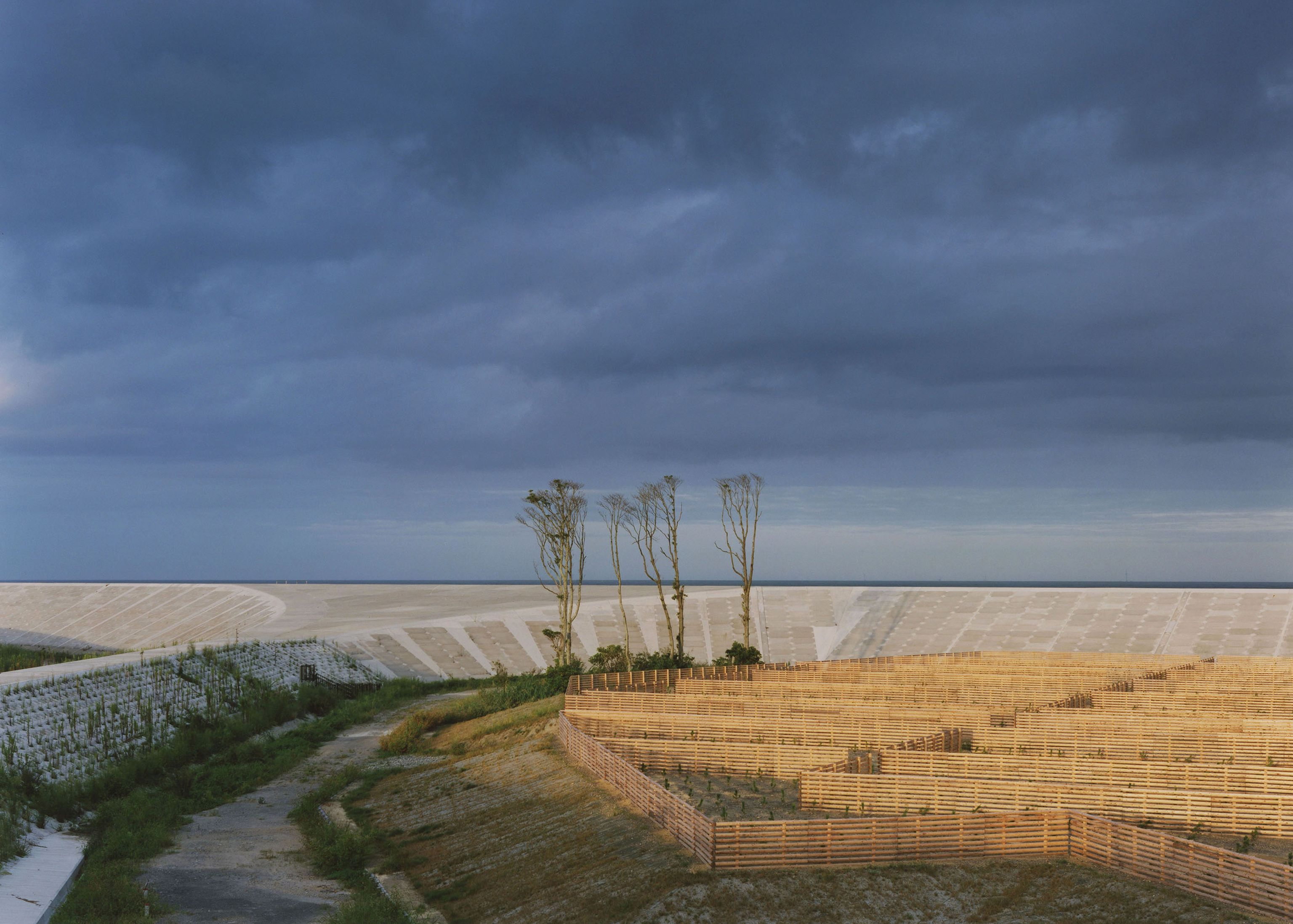
This discovery set the foundation for a long-term project in which the artist sought out trees across the Tohoku region that had survived the disaster yet carried its imprint in the structure of their trunks, crowns, and growth patterns. Photographed with a large-format camera, these solitary figures stand against newly built seawalls, altered riverbanks, and reconstructed highways, revealing how the environment continues to absorb, register, and quietly narrate one of Japan’s most devastating events. Rather than illustrating destruction, the series captures the long temporal arc of recovery, where nature becomes a living archive of irreversible change.

Naoya Hatakeyama
Born in Rikuzentakata in 1958, Hatakeyama has spent decades examining the shifting relationship between nature, industry, and urban development in Japan. Educated under photographer Kiyoji Otsuji at the University of Tsukuba, he first gained recognition for Lime Works (1996), a study of Japan’s limestone mines and cement plants that earned him the Kimura Ihei Award. Subsequent series such as Quarry, Blast, and River series mapped the transformation of raw material into the engineered infrastructures of contemporary life, establishing his reputation for a practice that is both rigorously analytical and quietly poetic.


Naoya Hatakeyama's participation in the 49th Venice Biennale and the Golden Lion-awarded contribution to the Japanese Pavilion in 2012 affirmed his standing as a major figure in international photography. Within this trajectory, Tsunami Trees marks a profound shift: it is a return not to industrial systems but to the fragile edges of his hometown, where personal memory, public trauma, and environmental change converge. The precision of Hatakeyama’s images reflects a lifelong method, yet the emotional undercurrent is unmistakably singular.