Agnès Varda
Vagabond
- DirectorAgnès Varda
- CinematographerPatrick Blossier
JASON EVANS Like her protagonist Mona, French filmmaker Agnès Varda defied conventions. With Vagabond, instead of a traditional script Varda went into production with just 25 pages of notes, choosing instead to write each days dialogue the morning of the shoot. The result is a sparse depiction of a tough, young female drifter, whose backstory we never learn. Mona is a mystery to everyone who encounters her, a judgment we hear through a series of documentary-style, mock-interviews. Even Varda herself once said, "I invented a character who eludes me”.

The story behind Vagabond
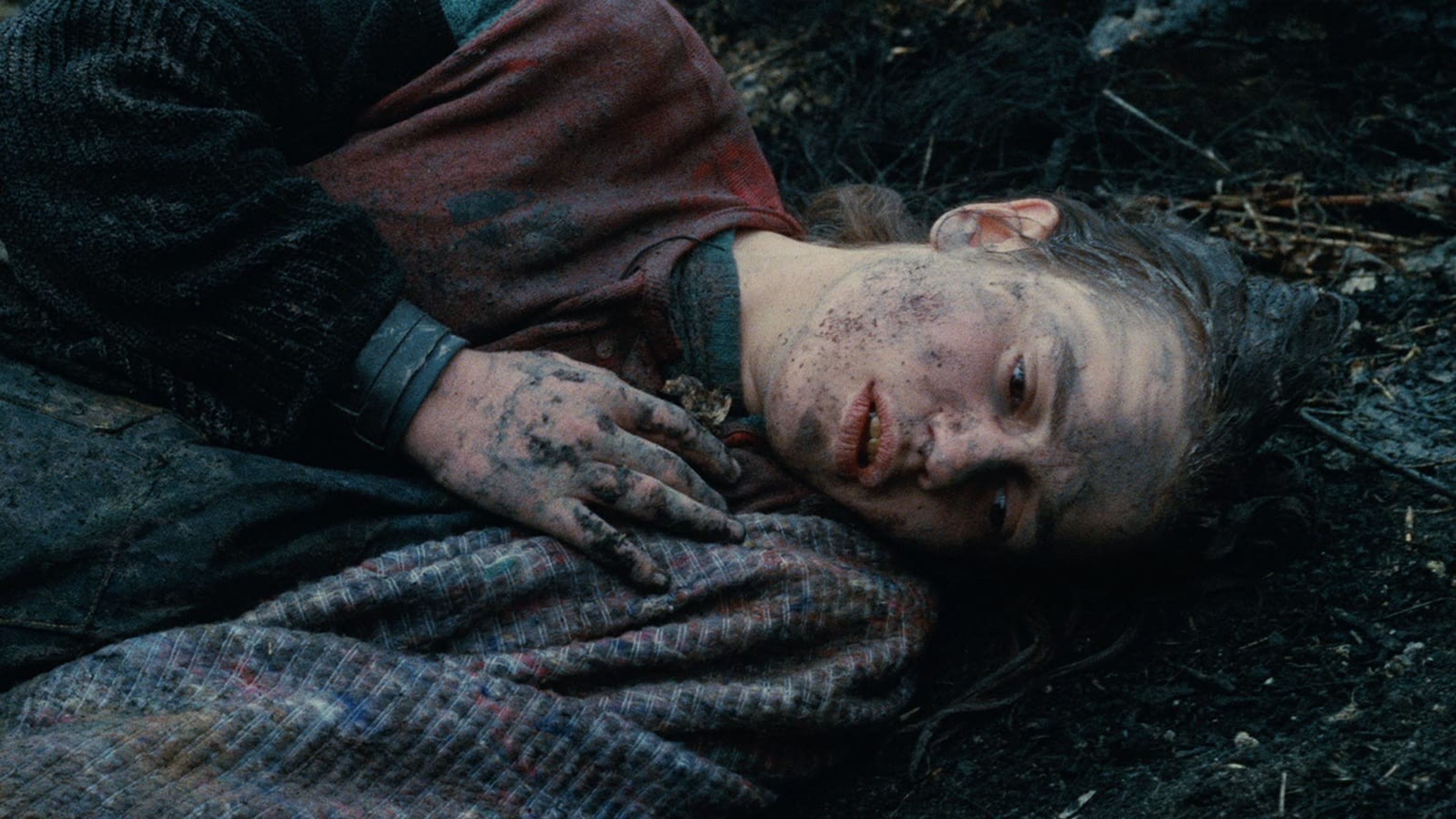
Agnès Varda’s Vagabond (Sans toit ni loi, 1985) begins with an ending: the frozen body of a young woman found in a ditch. By revealing Mona’s death immediately, Varda removes suspense and redirects attention toward judgment - how a life is reconstructed, explained, and often distorted by those left behind.
Inspired by real encounters with female drifters in southern France, Varda was struck by how quickly such women were moralized and categorized. Rather than turning this into a sociological case or a feminist allegory, she created a character who resists interpretation. Mona refuses backstory, self-analysis, or redemption. She is not asking to be understood.
The film’s structure mimics a documentary, with people Mona meets speaking directly to the camera. Yet their testimonies contradict one another. Free or lazy, threatening or admirable - each description reveals more about the speaker than about Mona herself. Varda called the film a “false documentary,” exposing the illusion of objectivity when society looks at its outsiders.
Casting Sandrine Bonnaire against her youthful screen image was key. Stripped of glamour and psychological explanation, Bonnaire plays Mona as stubborn, abrasive, and often silent. Varda discouraged her from inventing an inner narrative; Mona exists through gesture and refusal, not confession. The result is a character who withholds empathy without denying humanity.
Crucially, Vagabond refuses to turn Mona into a symbol. She is neither heroic rebel nor pure victim. Help is repeatedly offered - and just as repeatedly rejected. This unsettles the viewer, undermining the comforting logic of rescue. Mona does not want reintegration, and the film refuses to punish or justify that choice.
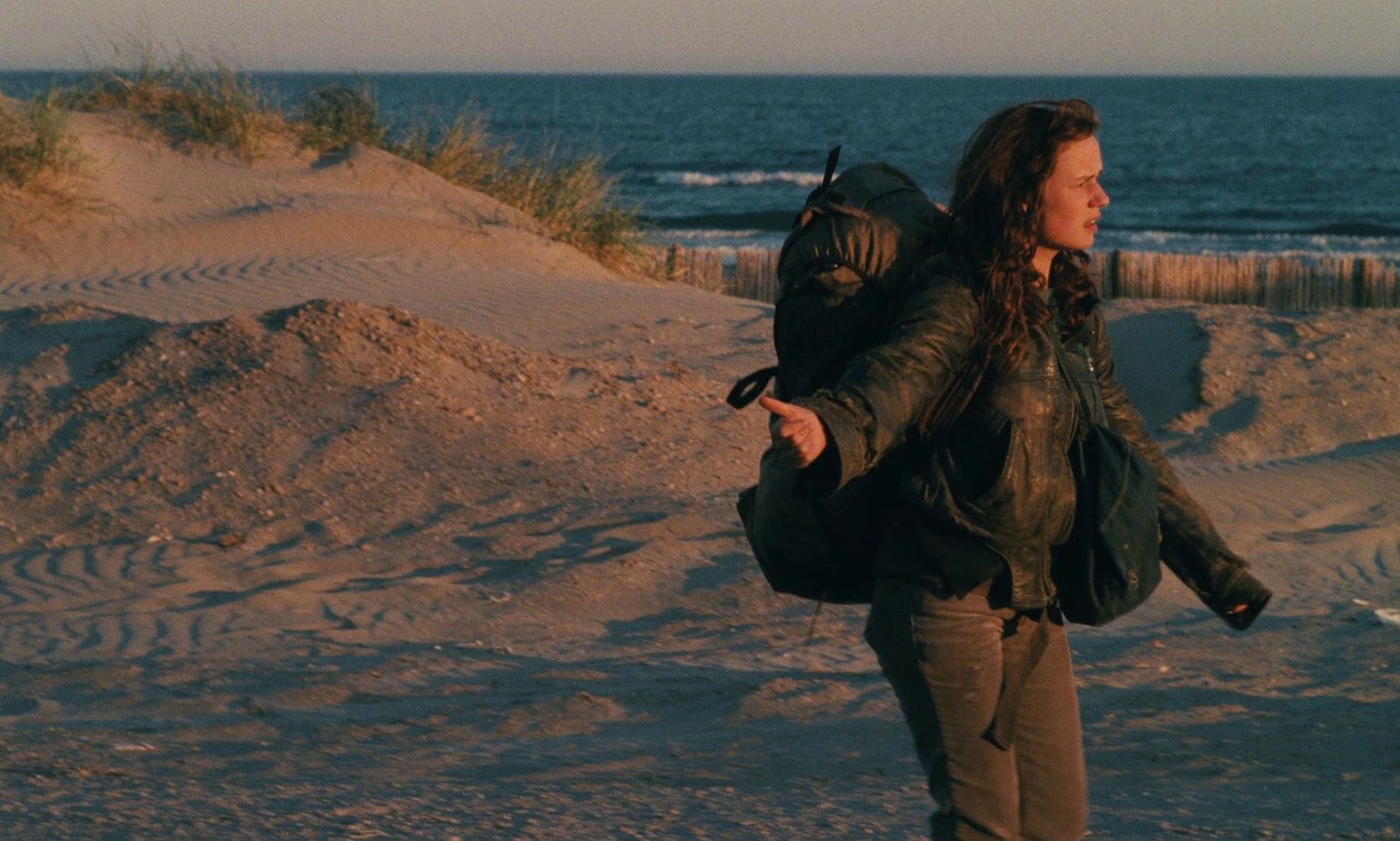

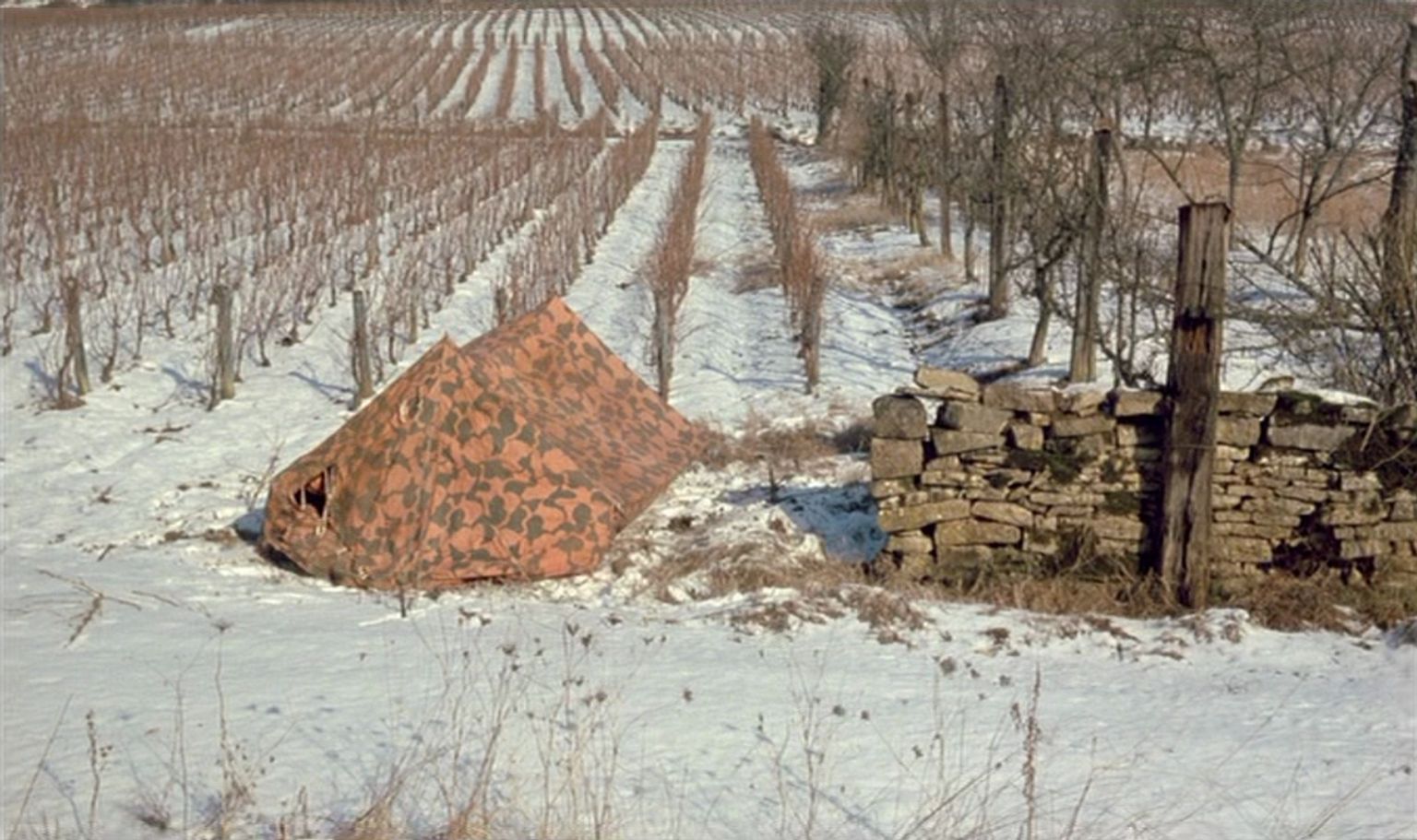

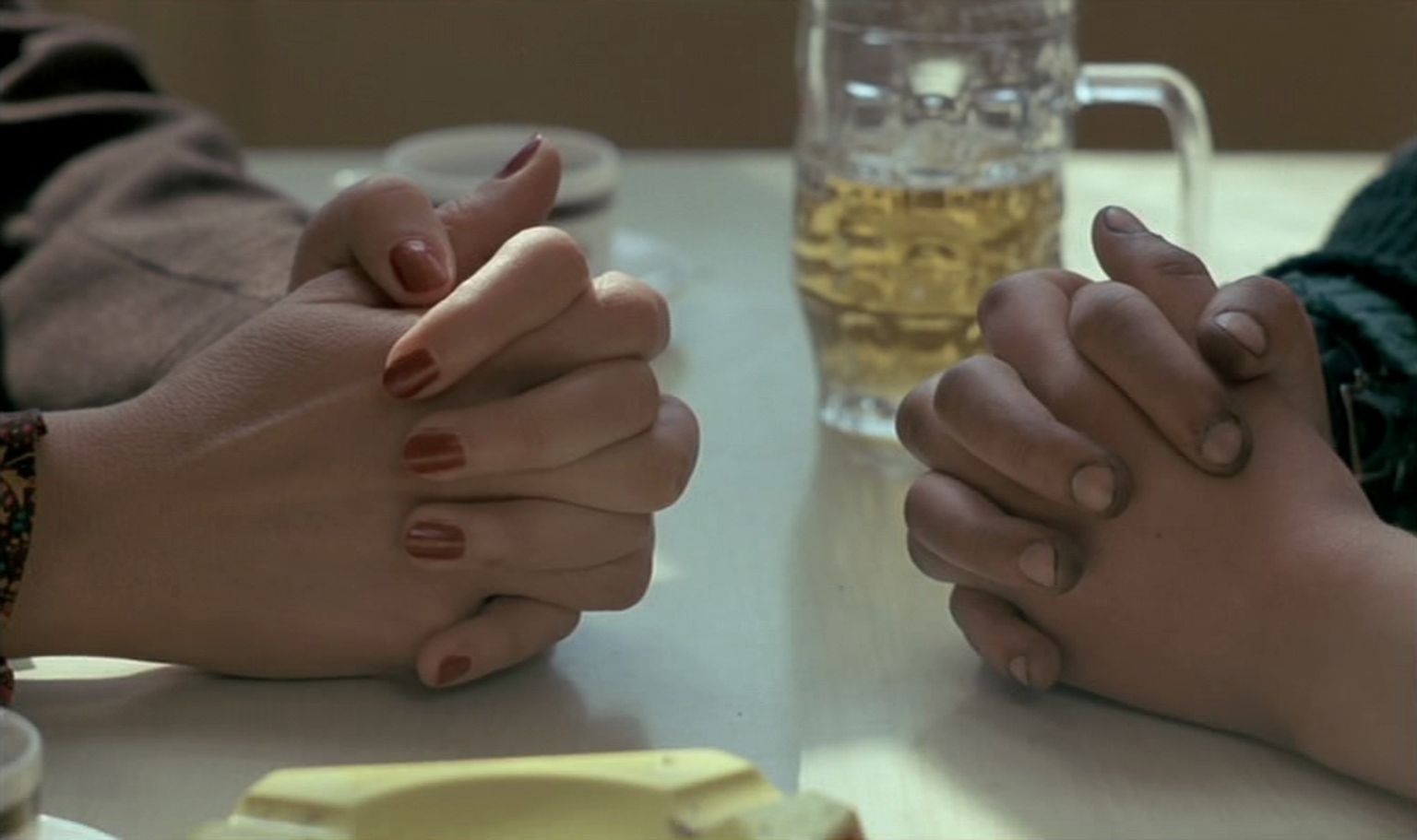

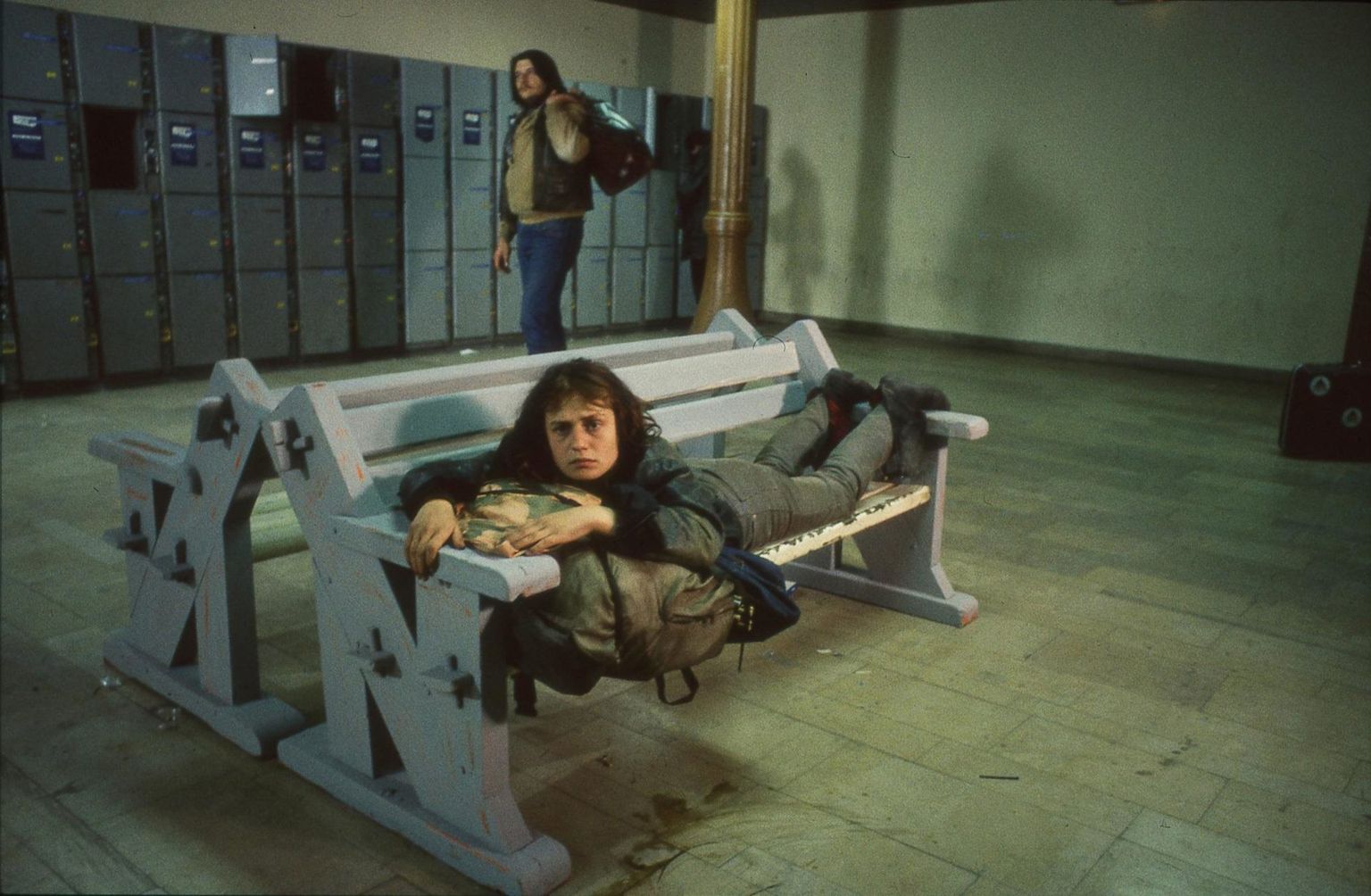

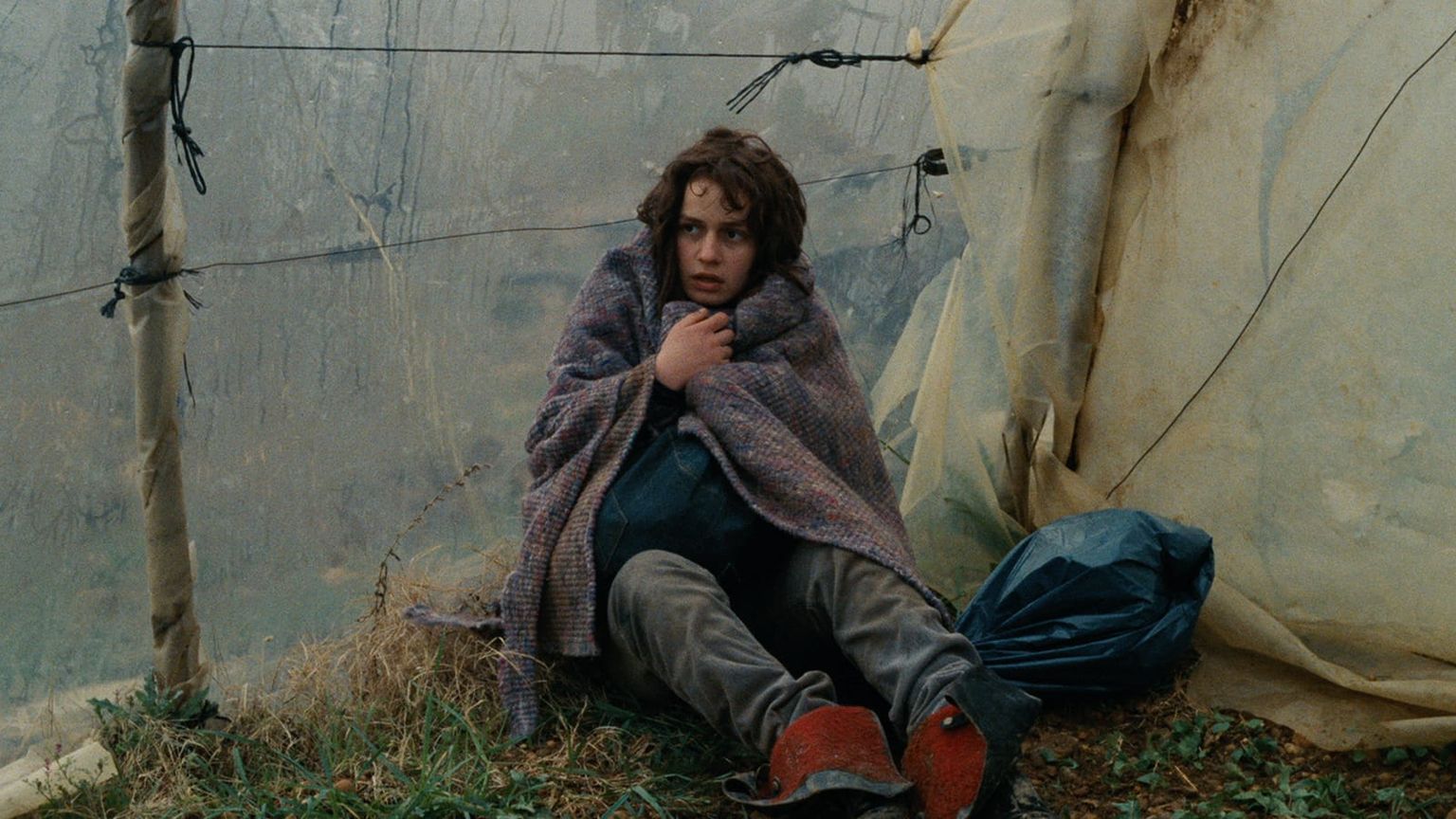

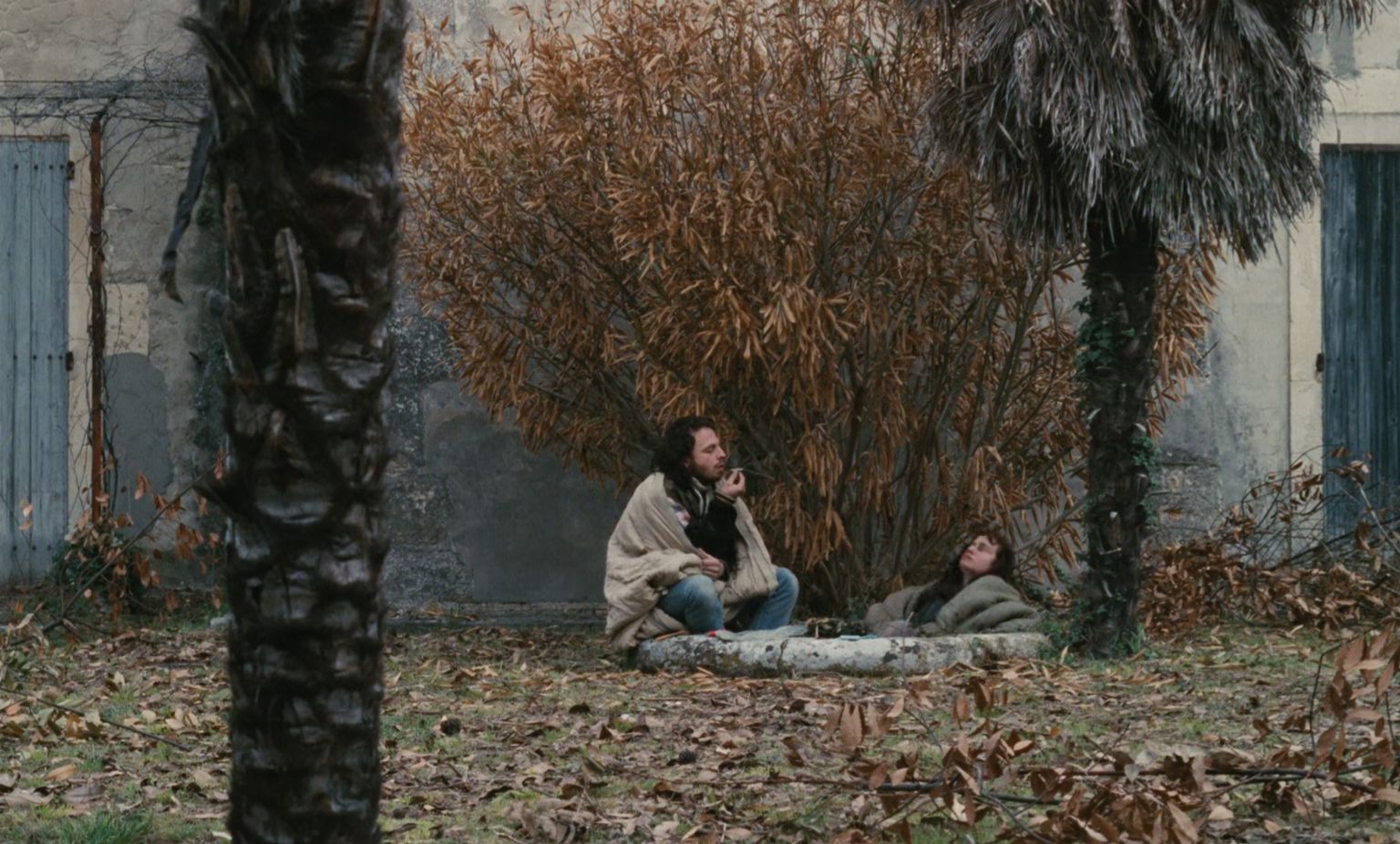

As the film moves forward, the landscape grows colder and social spaces close off. There is no dramatic collapse, only erosion - fatigue, illness, indifference. Mona’s death feels less like tragedy than the quiet consequence of a life lived beyond accommodation.
What makes Vagabond endure is its ethical severity. Varda offers no lesson, only a question: how do we look at those who live without permission, and what do our explanations say about us when they disappear?