
Charlotte Posenenske
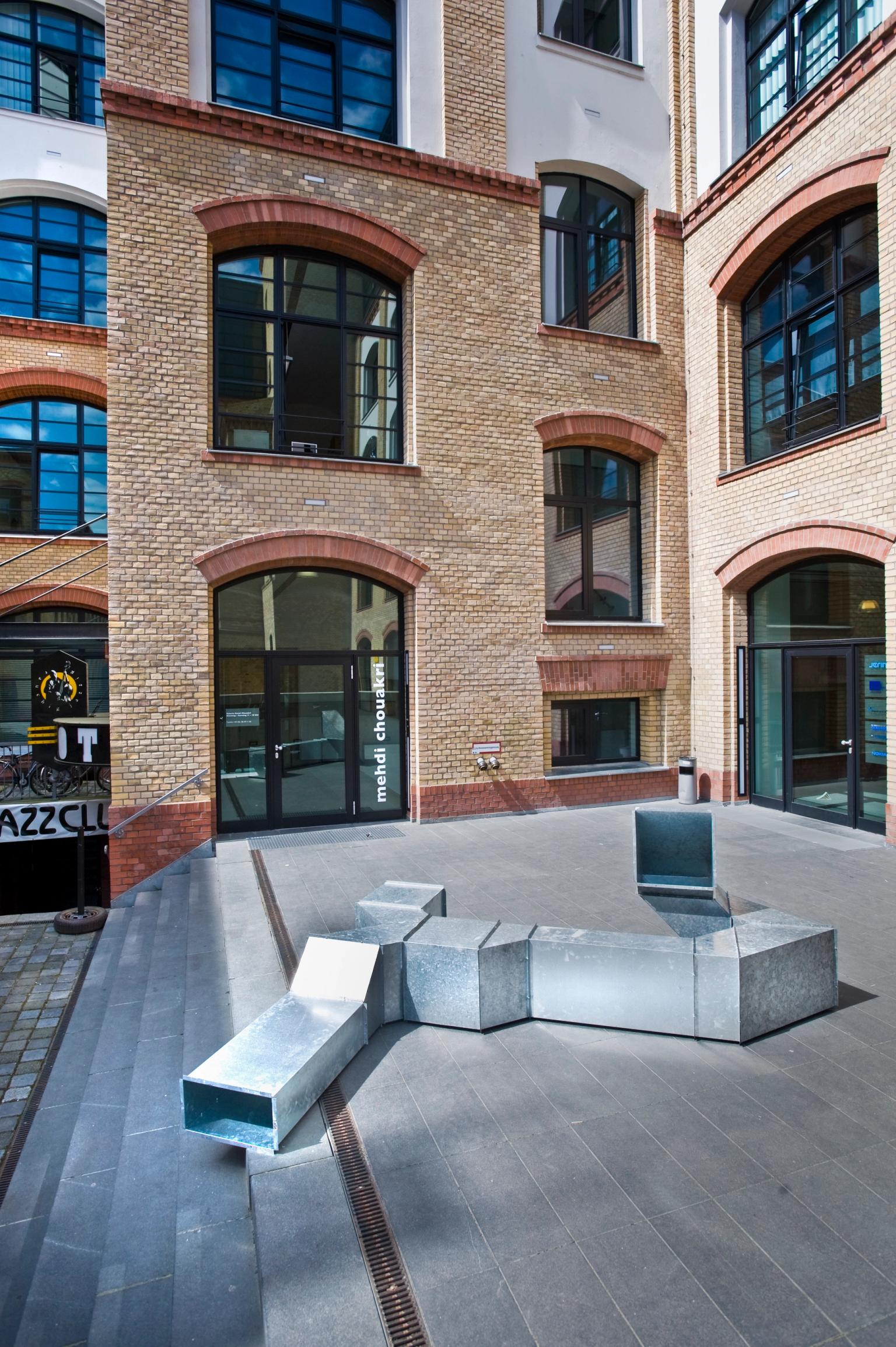
Vierkantrohre Serie-D
- ArtistCharlotte Posenenske
- PhotographerJan Windszus © Archiv Charlotte Posenenske, Frankfurt am Main / Berlin
- GalleryGalerie Mehdi Chouakri, Berlin, Germany
Søren Pihlmann Posenenske’s work resonates with me for its rejection of uniqueness and authorship in favour of systems and repetition, foregrounding standardised elements we encounter daily without noticing them. Much of what architects and designers pursue today was already being rigorously explored in her work more than fifty years ago.

Industrial Form, Open Structure
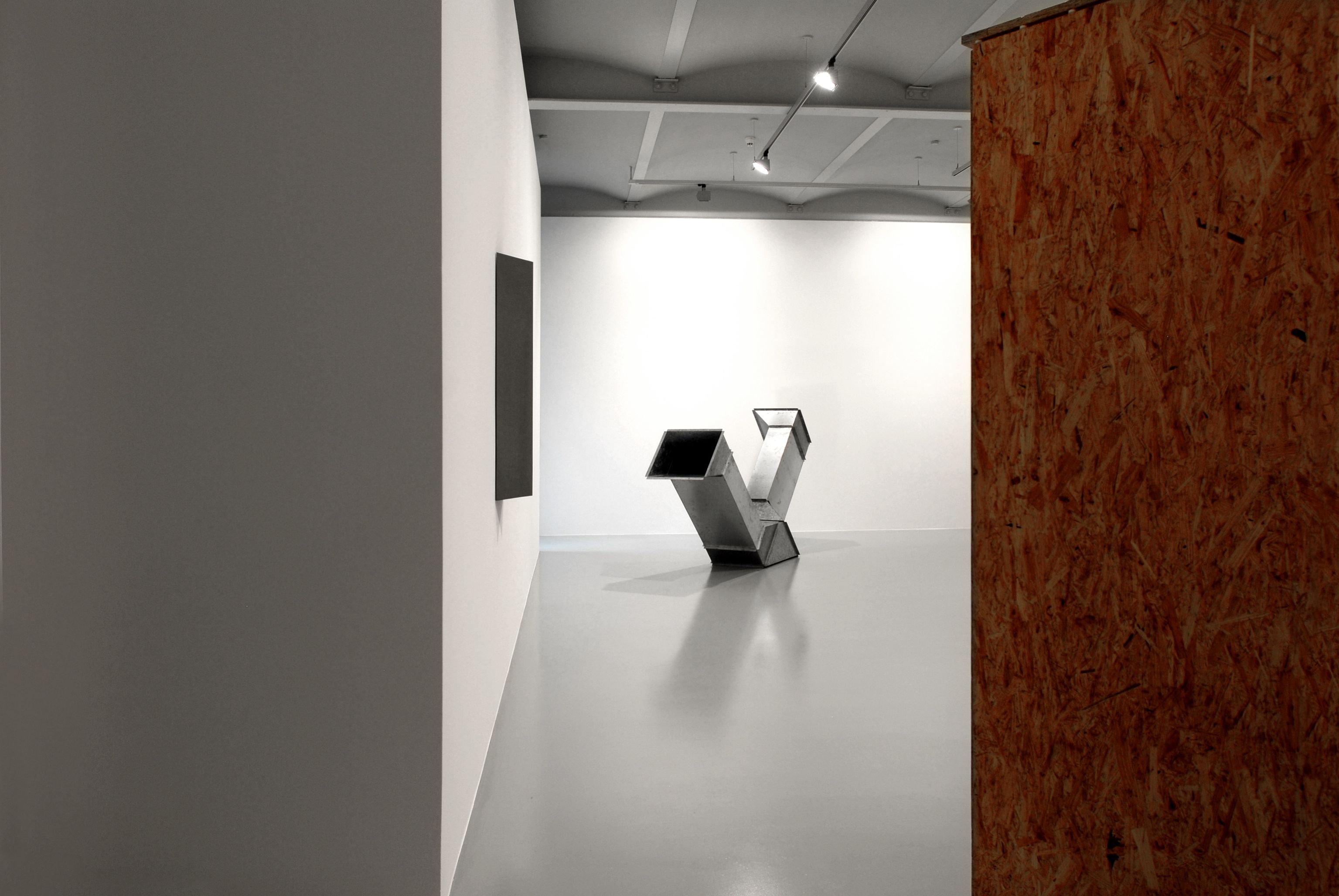
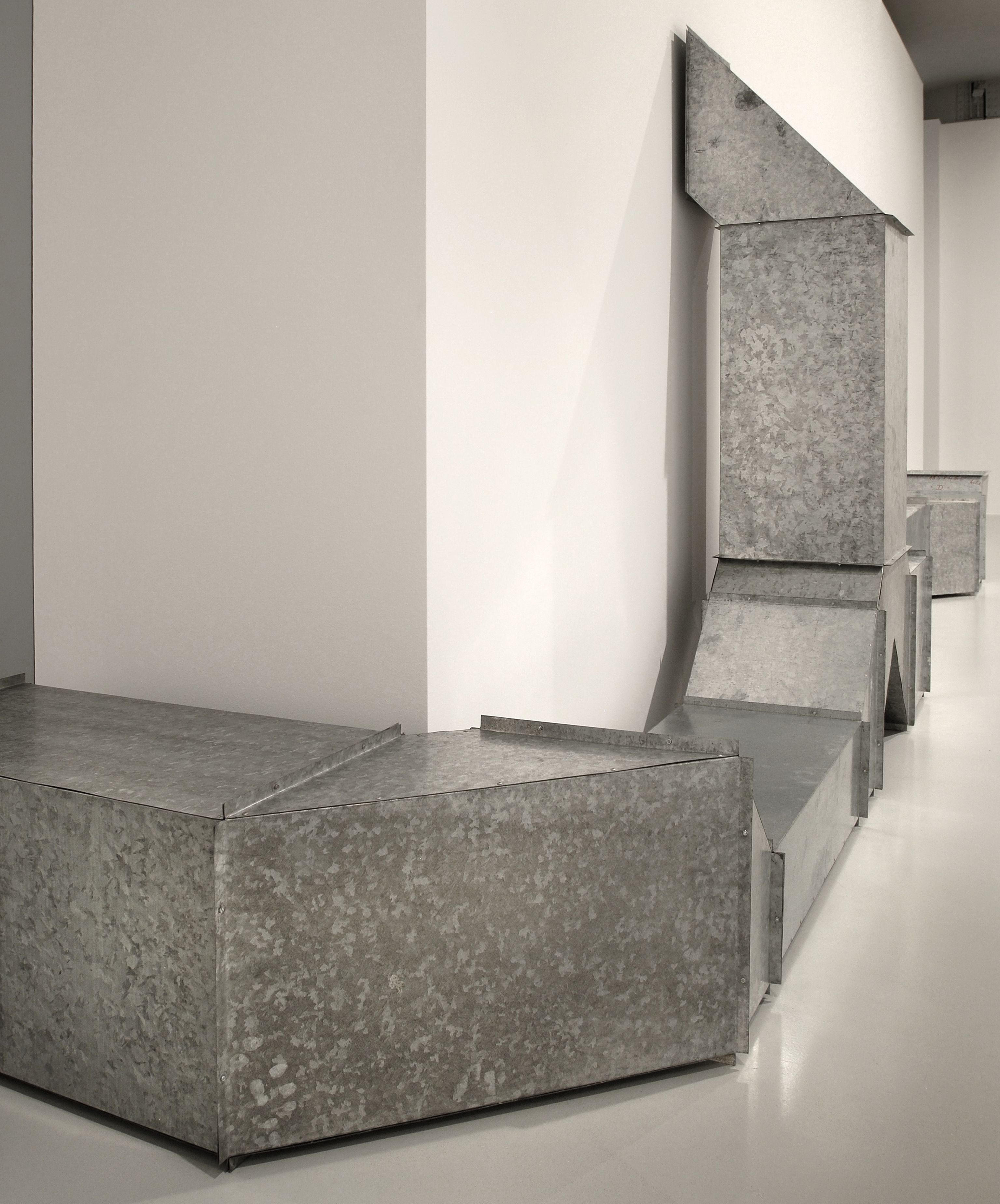
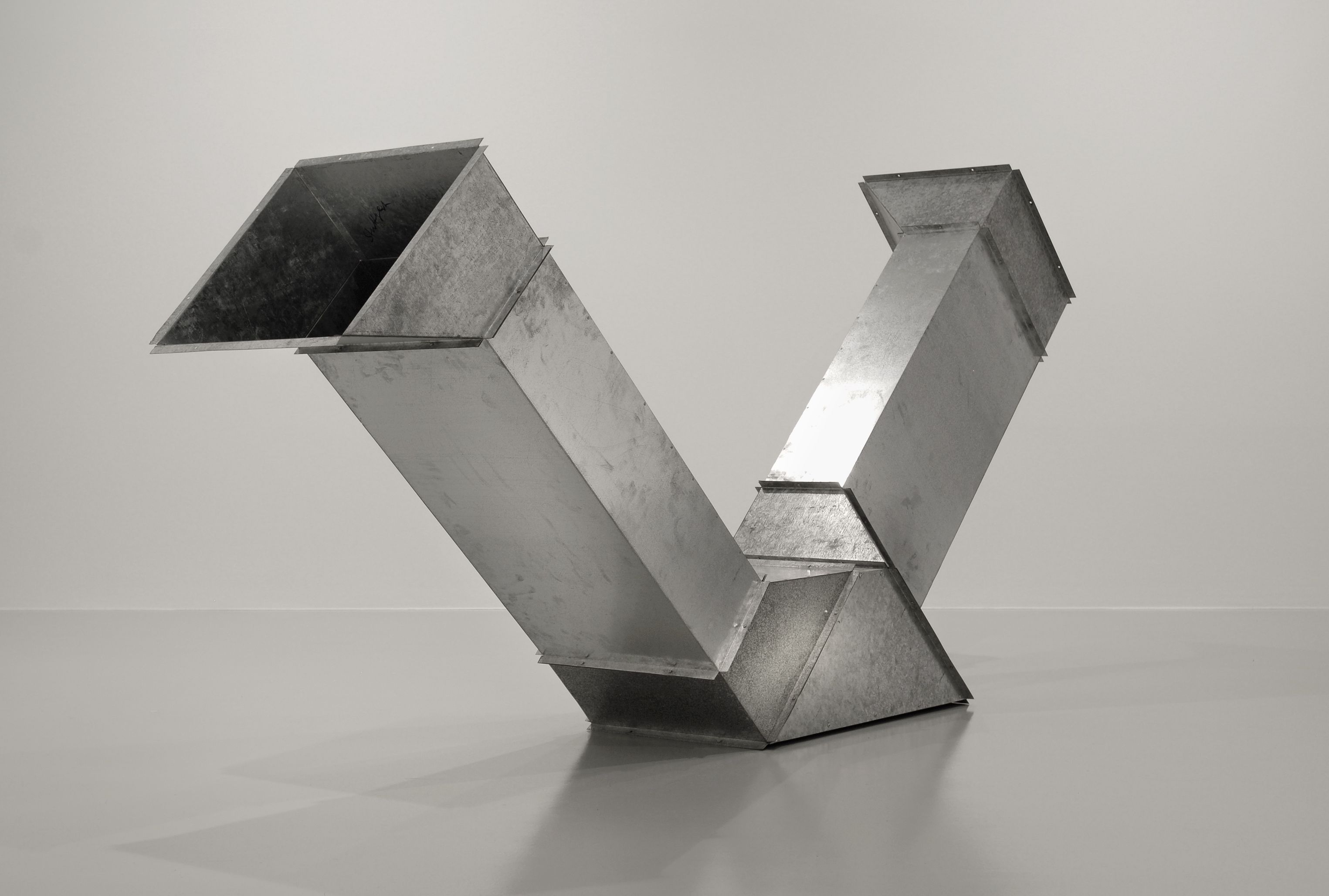
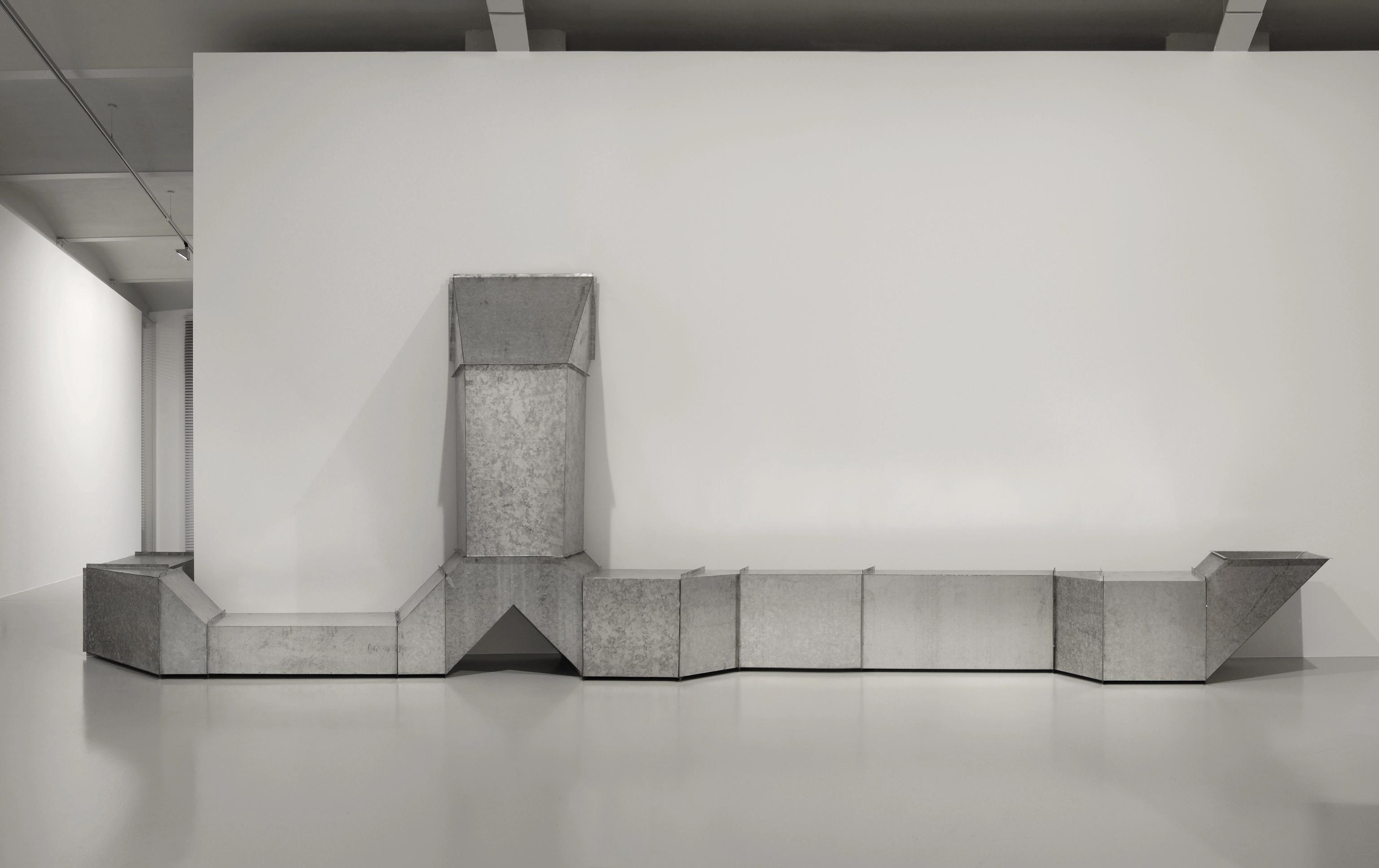
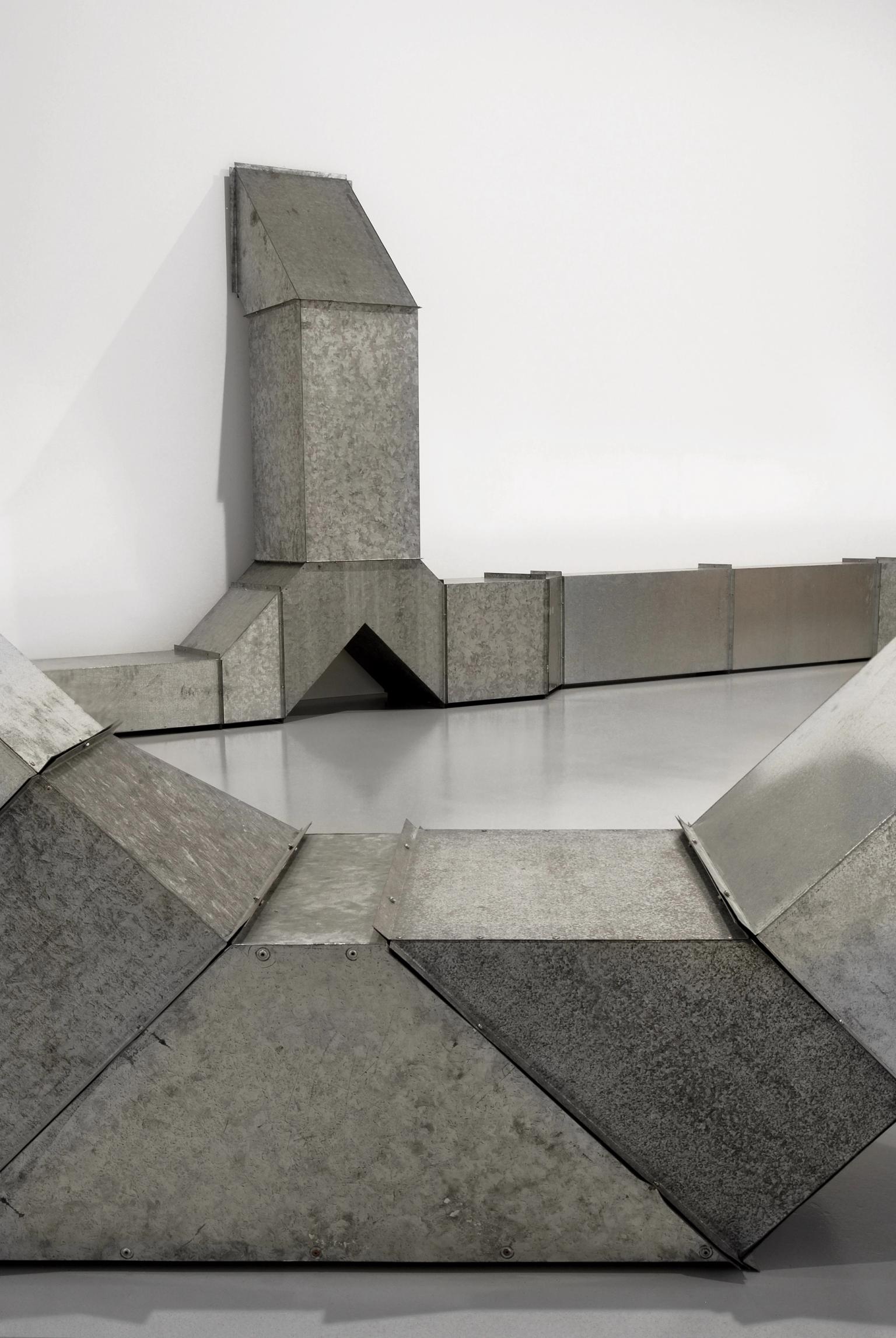
With Vierkantrohre Serie D, initiated in 1967, Charlotte Posenenske decisively shifted her practice toward industrial production and systemic thinking. The works are constructed from galvanized sheet steel and consist of six standardized hollow elements – square, rectangular, cubic, angular, transitional, and T-shaped forms – that closely resemble ventilation or air-conditioning ducts. Rather than presenting a finished composition, Posenenske conceived the series as a construction kit whose elements can be combined endlessly, extended in space, or adapted to specific architectural contexts. The forms are volumetric and directional, capable of growing horizontally or vertically, occupying floors, walls, or ceilings, and expanding into architectural scale. In doing so, the works move away from sculpture as an autonomous object and instead function as spatial components – neutral, functional, and deliberately incomplete.

Reproducibility and Shared Authorship
A defining aspect of Serie D is Posenenske’s radical approach to authorship. The artist provided no fixed instructions for assembly, leaving decisions about configuration, placement, and scale to curators, installers, or owners. This deliberate relinquishing of control introduced a participatory dimension that was rare within Minimal Art, particularly in a European context. Since 1967, the elements have been factory-produced as authorized reconstructions, identical to the originals and differentiated only by certification.
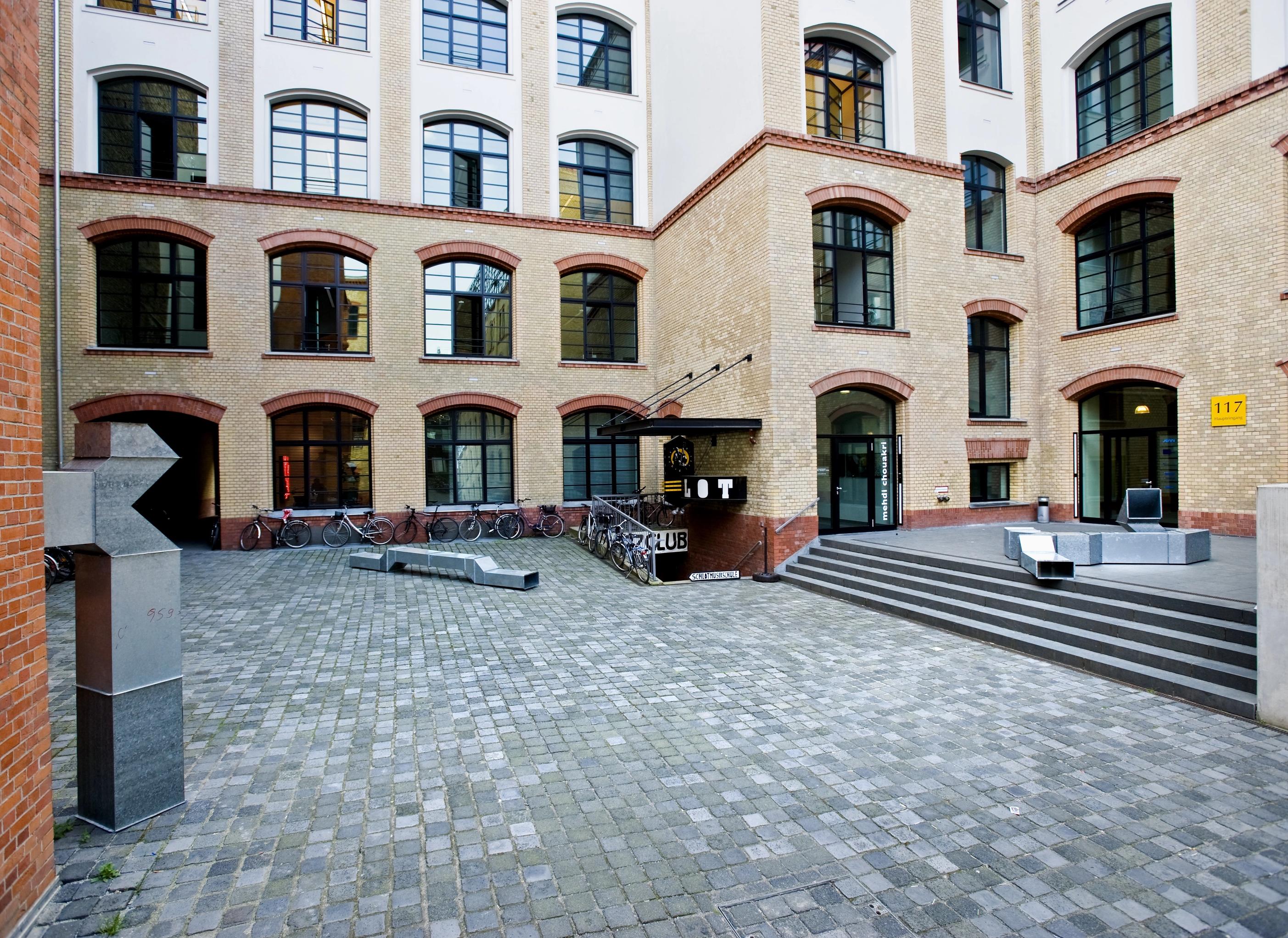
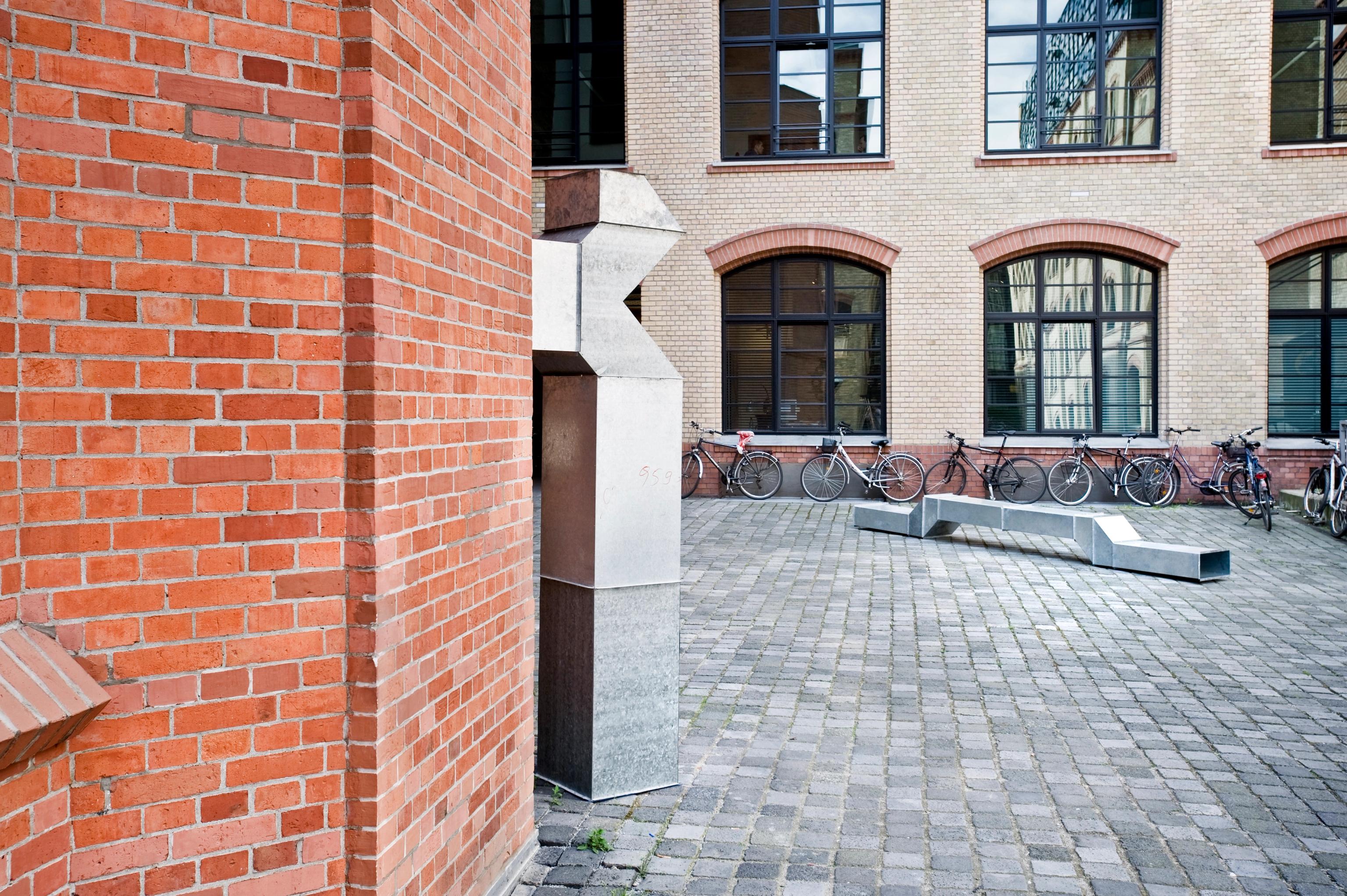
By insisting on unlimited reproducibility and offering the works at material cost, Posenenske openly challenged the art market’s dependence on originality, scarcity, and rising value. The square tubes were installed in everyday, non-art spaces – airports, factories, railway stations, markets, and banks – where they often blended seamlessly into their surroundings, at times becoming almost indistinguishable from actual infrastructure. This ambiguity reinforced her critique of institutional frameworks and blurred the boundary between art, production, and use.

Minimalism with Social Intent
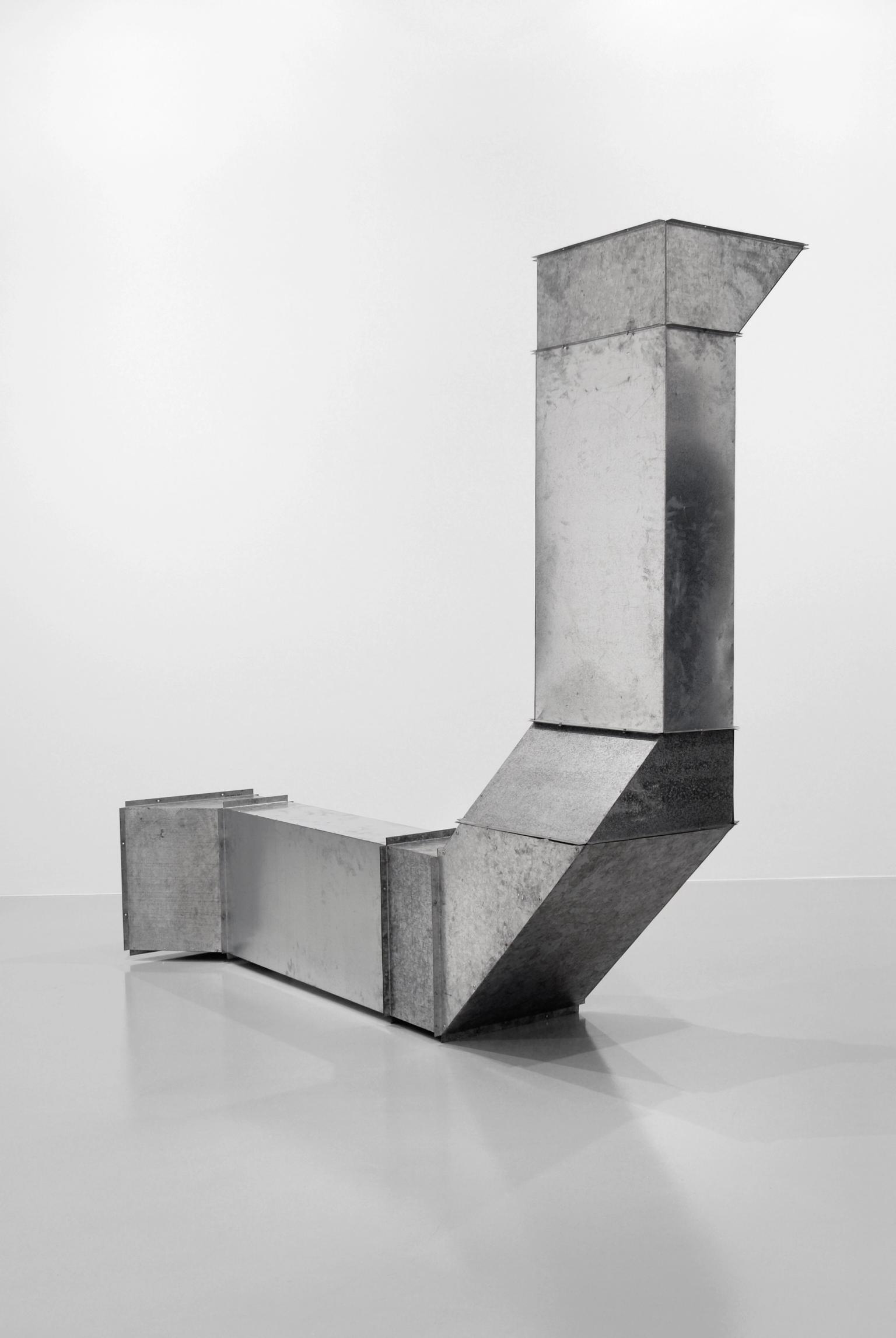
While Posenenske shared Minimalism’s interest in seriality, geometry, and industrial fabrication – aligning her with artists such as Donald Judd and Carl Andre – her work diverged in both intention and outcome. The Vierkantrohre are not merely minimalist forms but industrial products that openly reference systems of circulation, labor, and mass production. Their illusionistic resemblance to functional ducting introduces a subtle realism that runs counter to the self-contained objecthood often associated with Minimal Art. Grounded in the political climate surrounding May 1968, her work condensed ideas of collective production, anti-hierarchical authorship, and institutional critique. These concerns were articulated explicitly in her 1968 manifesto, in which she described her works as “components of space” that alter their surroundings through rational, repeatable modifications – leaving transformation in the hands of the user.


Charlotte Posenenske: From Art to Activism
Born in Wiesbaden in 1930, Charlotte Posenenske’s life and work were shaped by political trauma and social consciousness from an early age. After losing her father during the Nazi persecution of Jews and surviving the Holocaust in hiding, she later studied painting under Willi Baumeister and initially worked in painting, stage design, and costume design. Her practice gradually moved away from expressive gesture toward abstraction and, by the mid-1960s, toward industrially produced reliefs and modular objects made of metal, aluminum, cardboard, and steel.
Despite gaining recognition and exhibiting alongside leading minimalist artists, Posenenske became increasingly convinced that art could not meaningfully address social inequality. In 1968, after barely a decade of artistic production, she withdrew entirely from the art world, retrained as a sociologist, and dedicated the rest of her life to studying labor conditions and working with trade unions. Seen in this light, Vierkantrohre Serie D stands not only as her most recognized body of work, but also as a final, uncompromising statement– where art dissolves into system, object into infrastructure, and authorship into collective responsibility.
Posenenske’s works have been widely exhibited and are held in major collections worldwide. Her Vierkantrohre Serie D was shown at CCA Berlin in 2022 and is frequently presented by Galerie Mehdi Chouakri. The series is included in the permanent collections of Kröller-Müller Museum, Tate Modern, MoMA, Museum Ludwig, Louisiana Museum of Modern Art, MACBA, Kunstsammlung NRW, and the Dia Art Foundation.