
Adolf Loos
Villa Müller
- ArchitectAdolf Loos
- ClientFrantišek Müller & Milada Müllerová
- PhotographerStephen Varady Photo ©
Linda Korndal Loos described his architecture through the concept of Raumplan – concerned with space rather than plans, sections, or façades. To me, the Müller Villa marks a pivotal moment in his career, where architecture seems almost completely dissolved into spatial experience. When I visited it 20 years ago, it profoundly changed the way I have approached architecture ever since”.
Loos: "My architecture is not conceived in plans, but in spaces,” he said in 1930. “I do not design floor plans, facades, sections. I design spaces. For me, there is no ground floor, first floor, etc. ... For me, there are only contiguous, continual spaces, rooms, ante rooms, terraces, etc.”
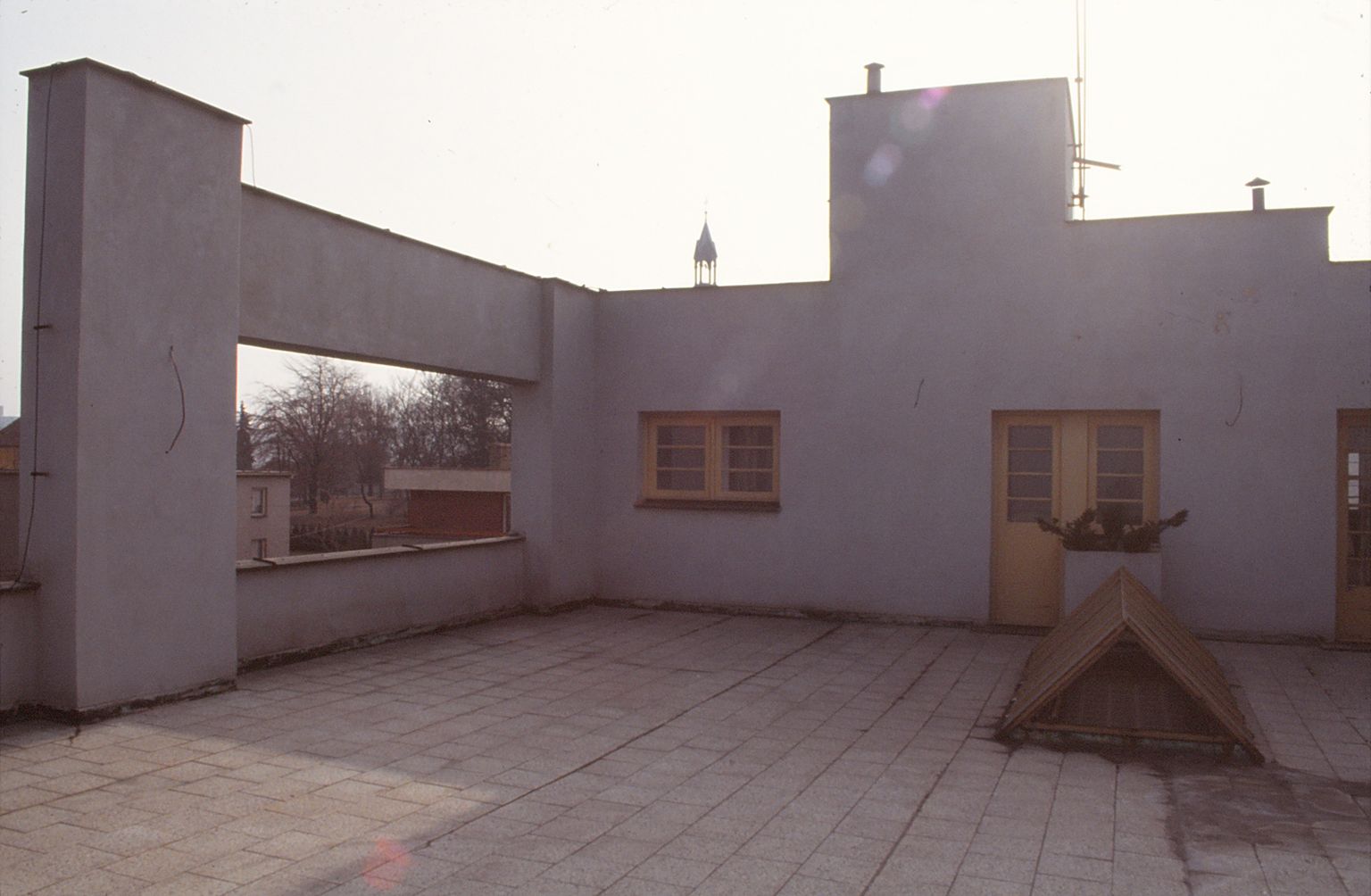

A Photographer’s Early Encounter
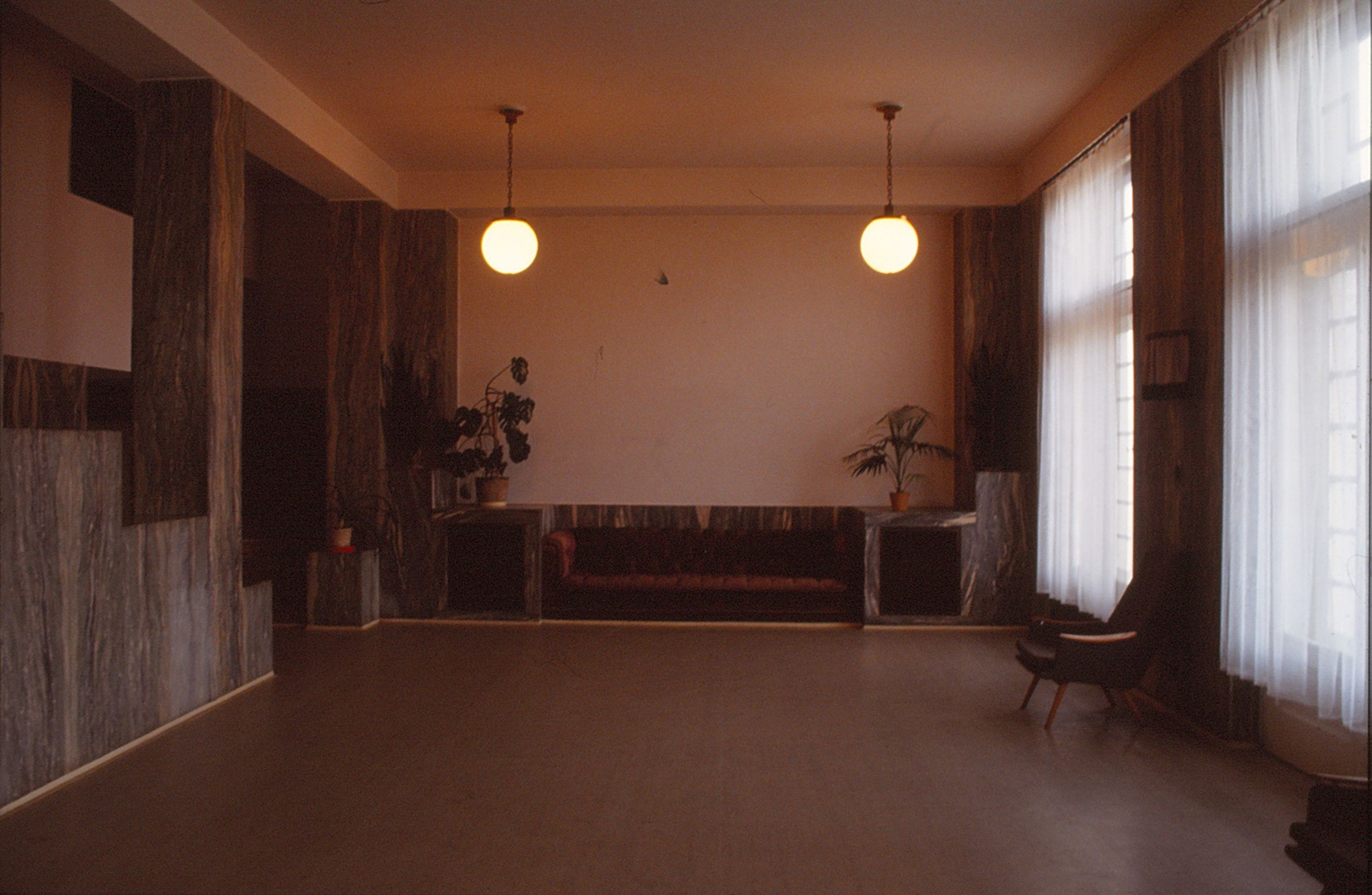
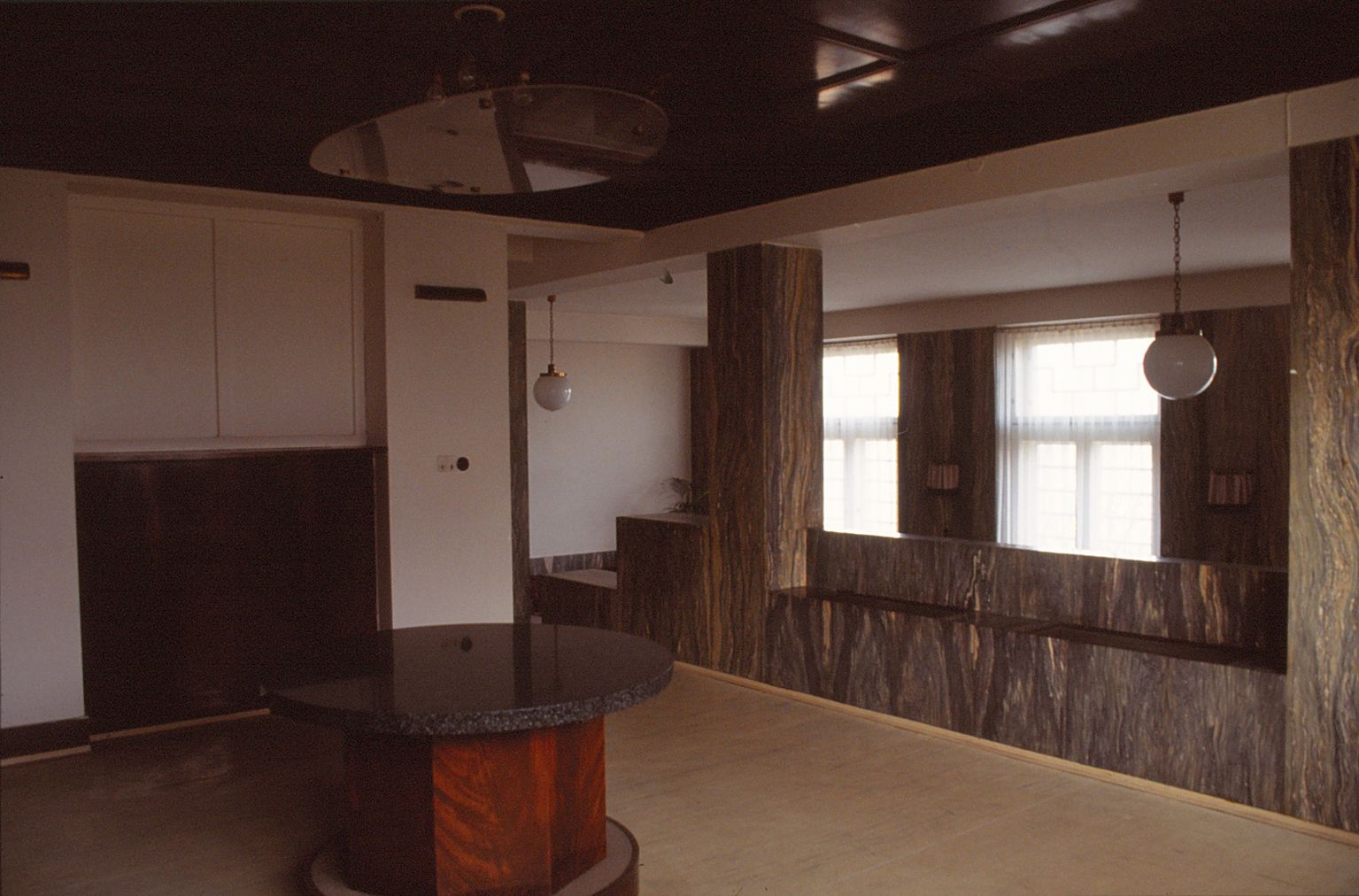
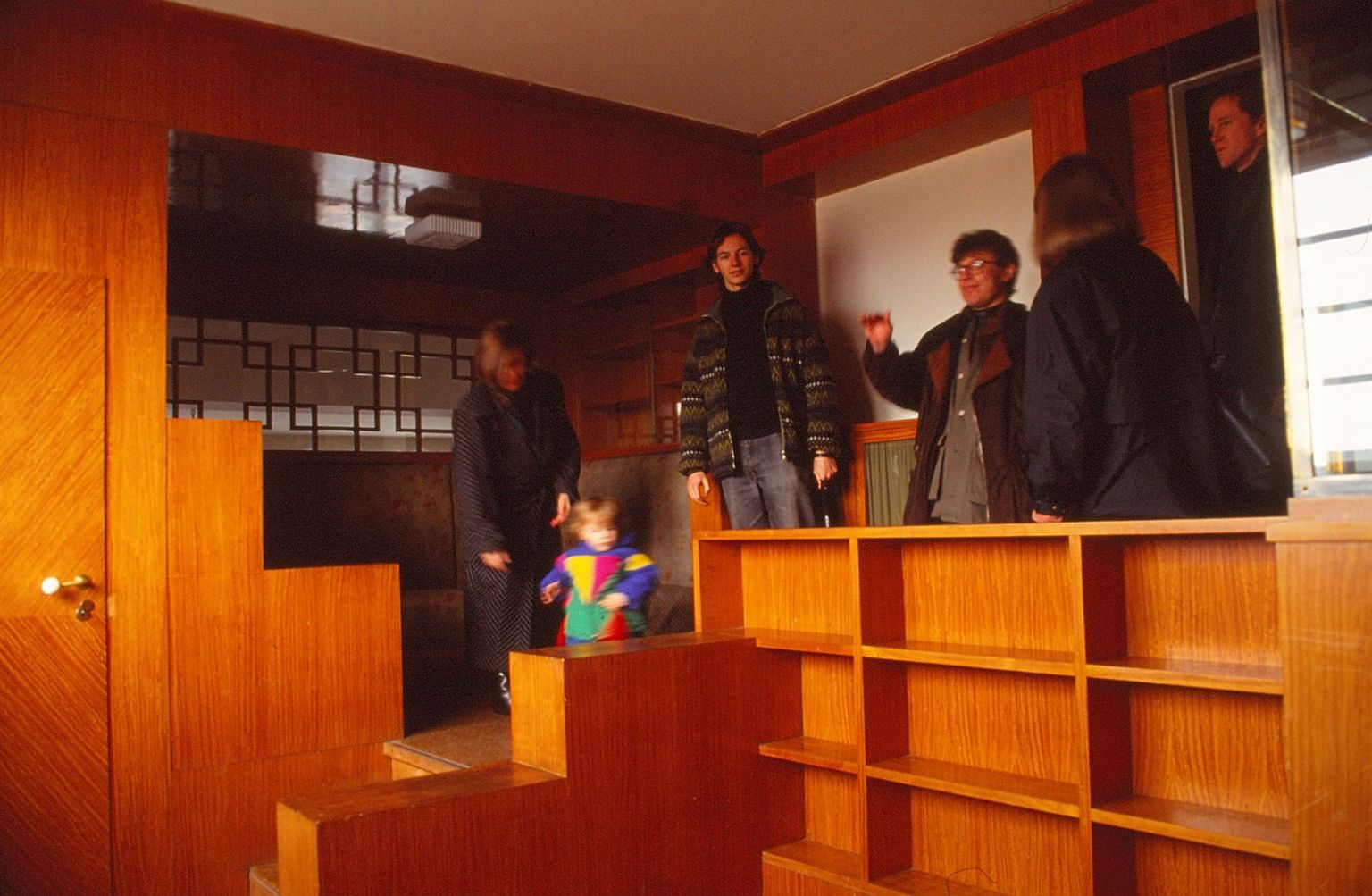
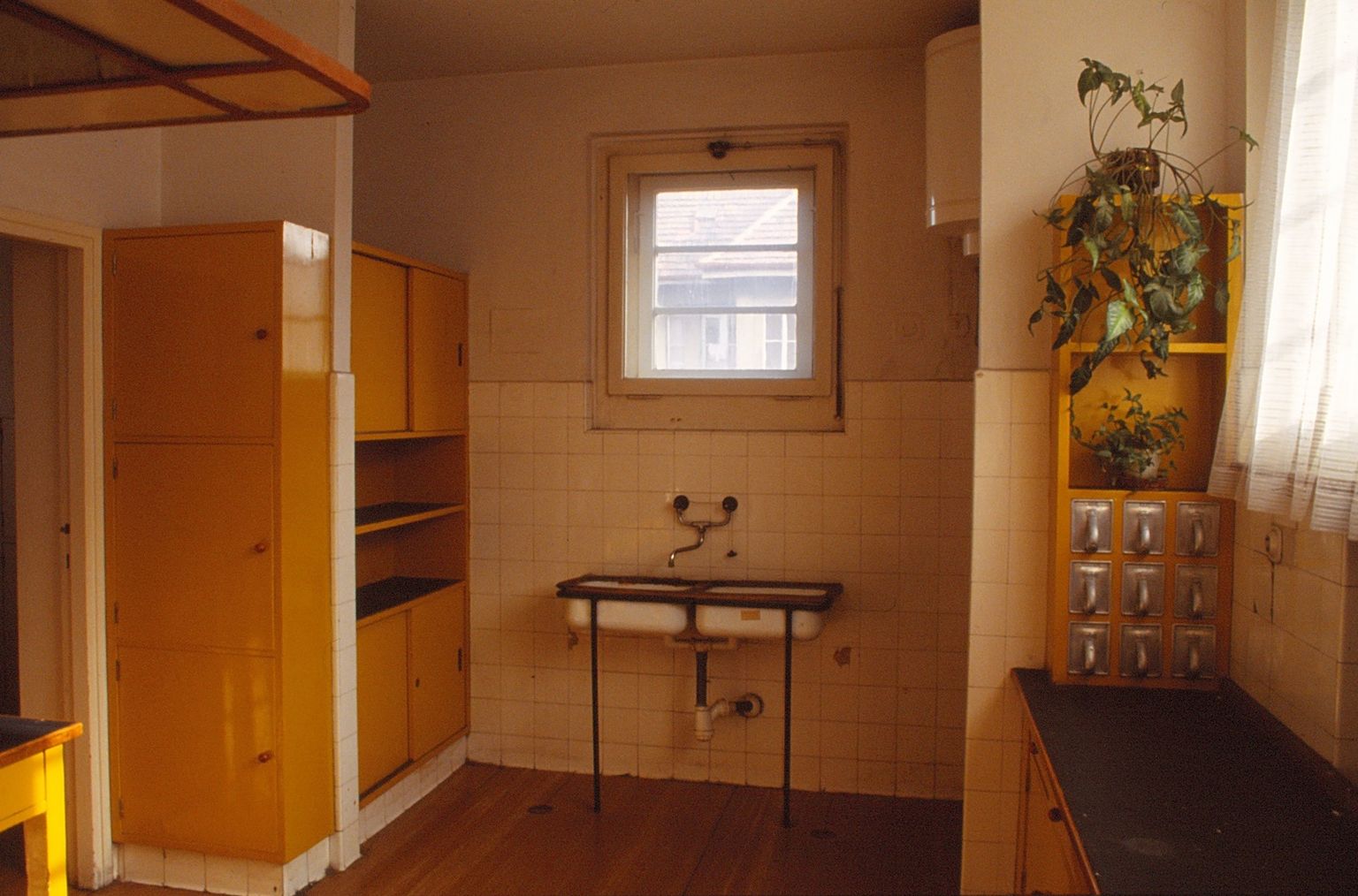
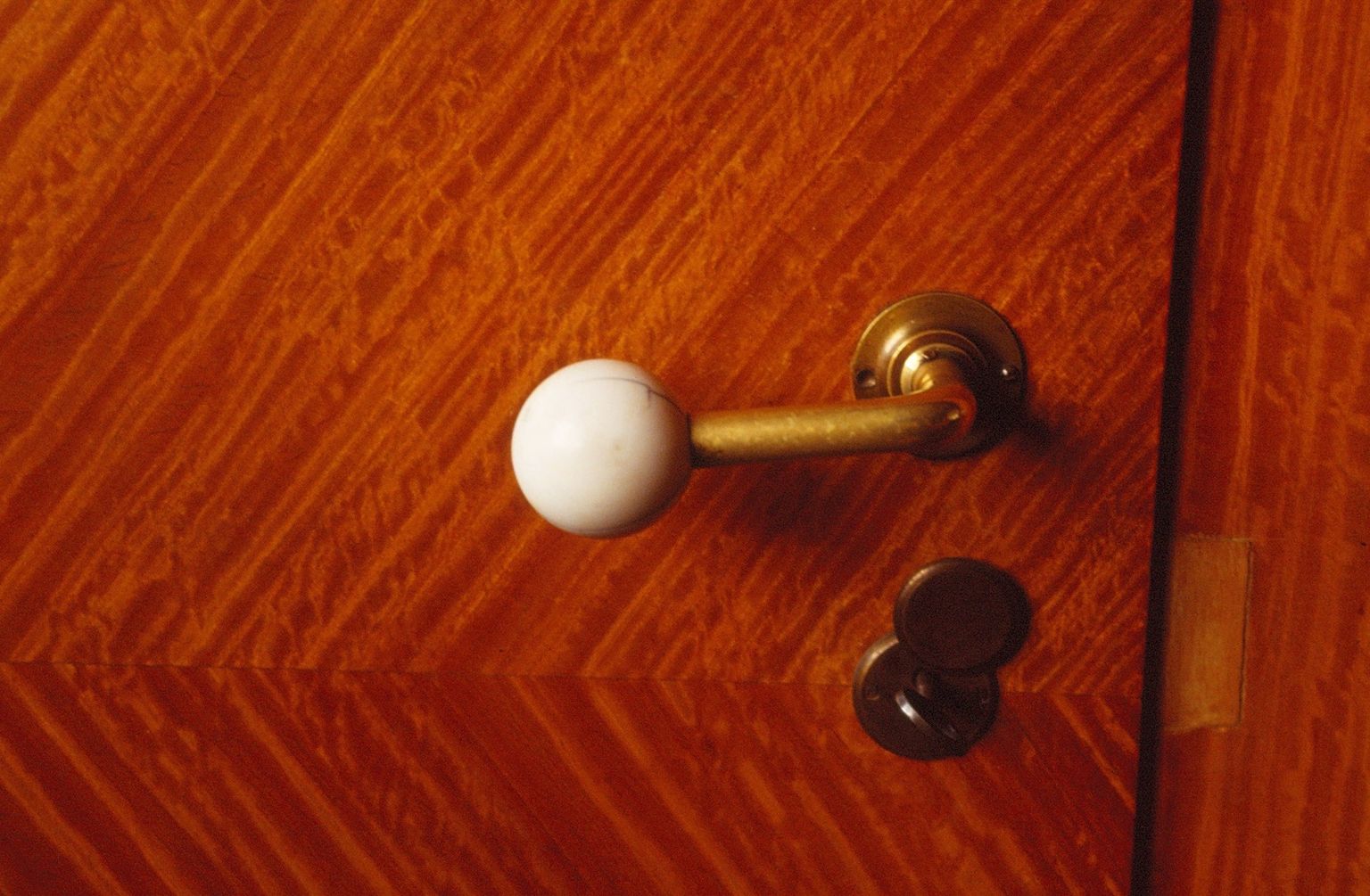
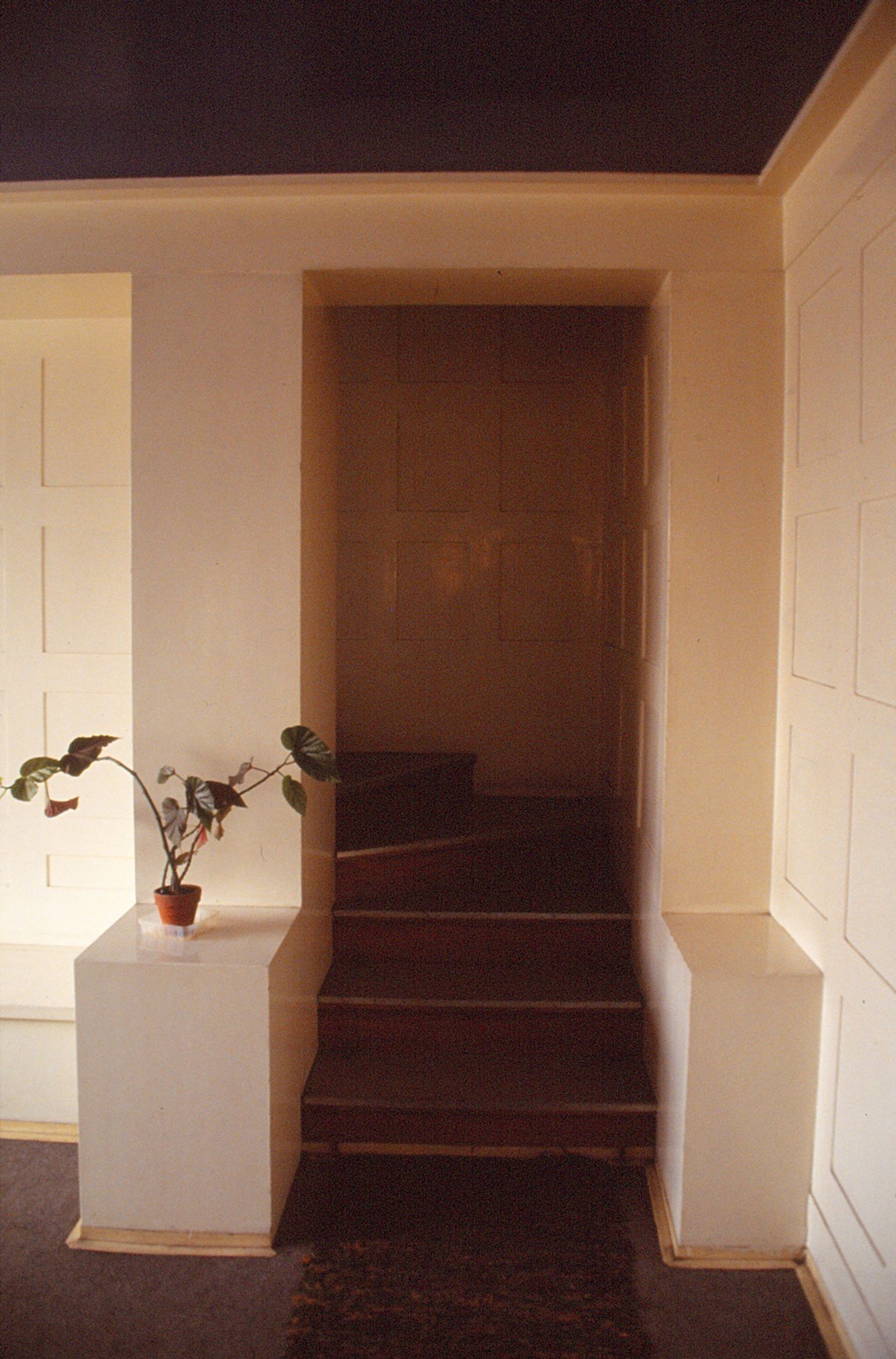
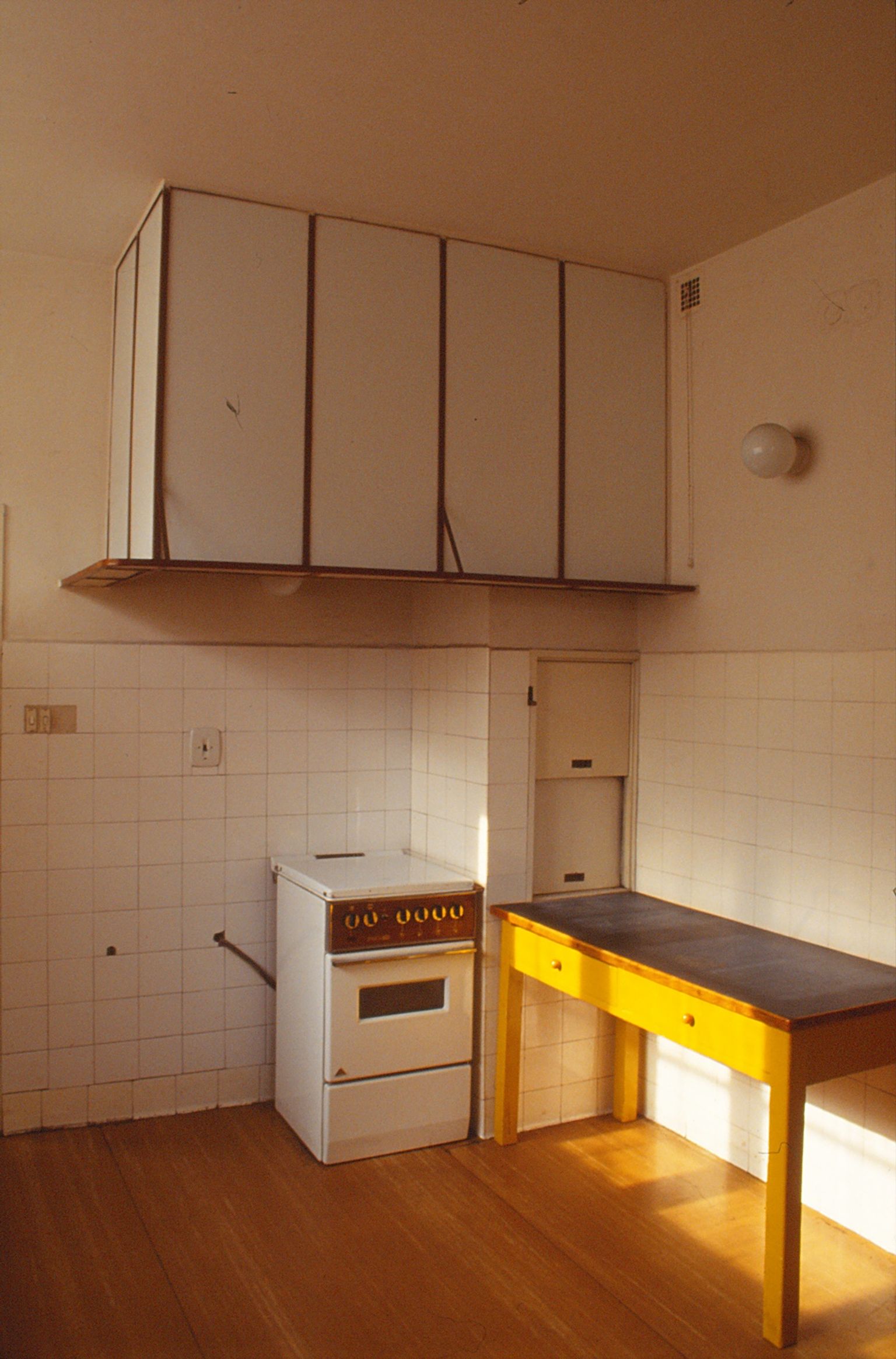
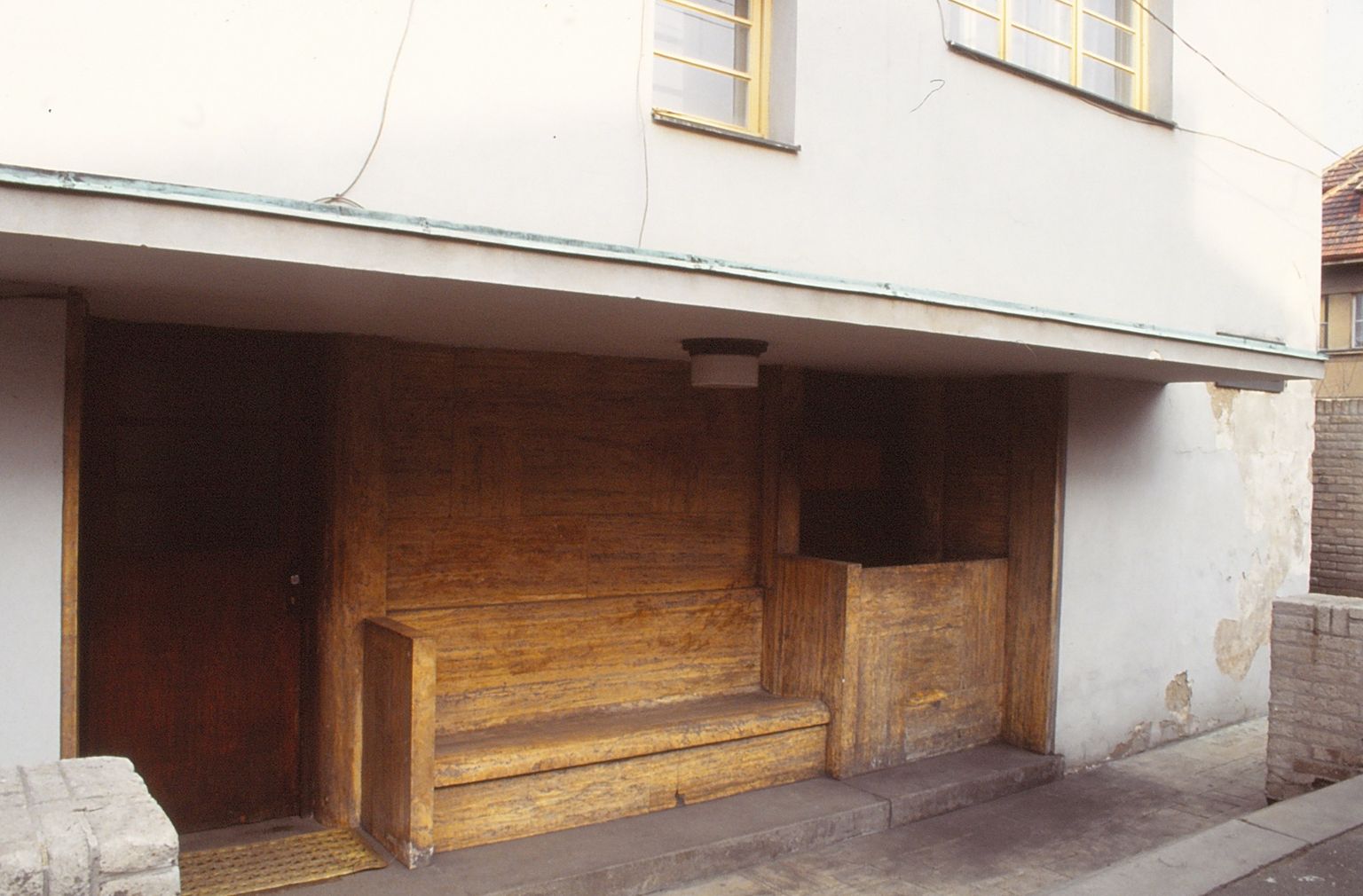
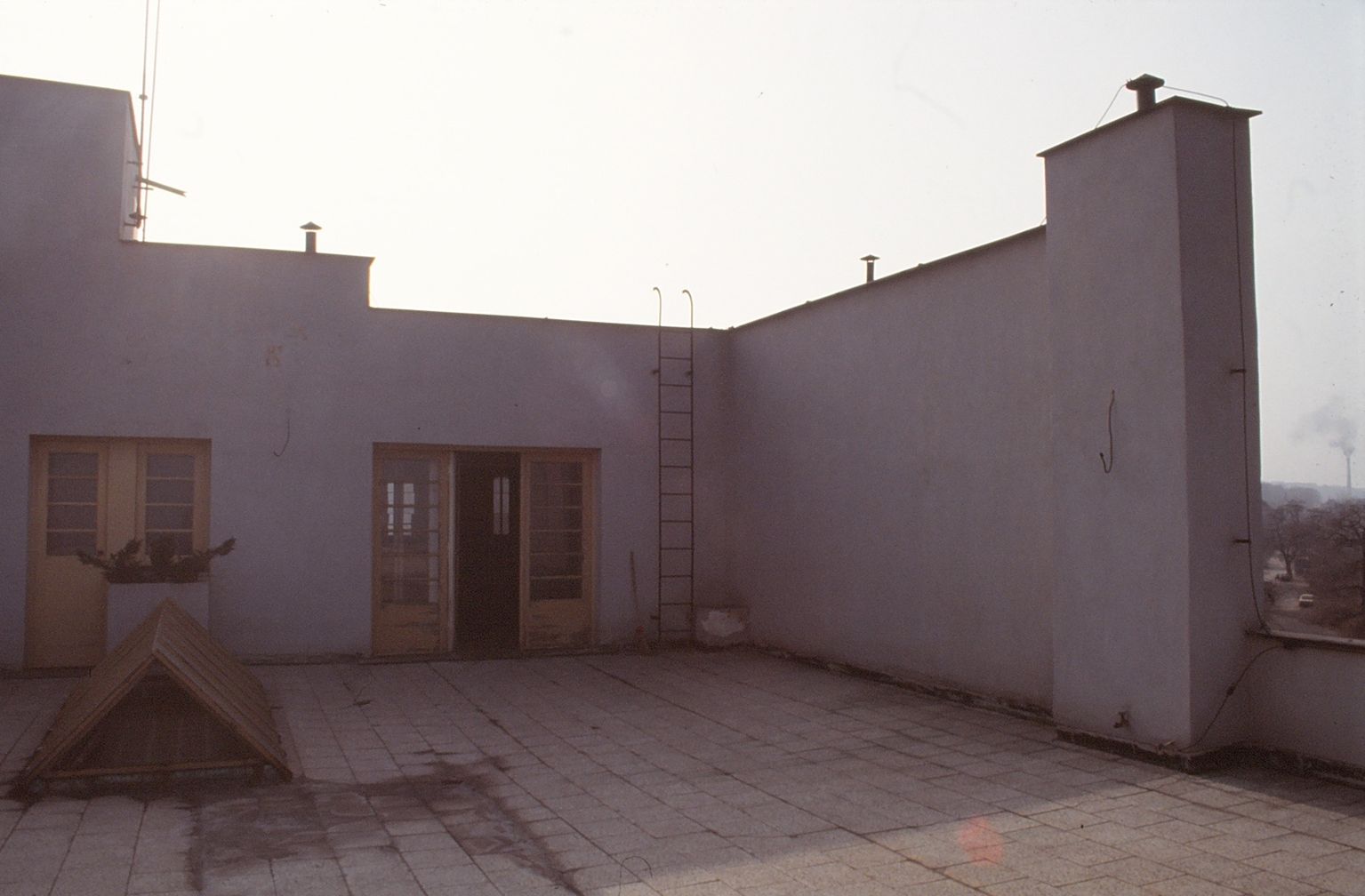
In February 1991, Australian architect and photographer Stephen Varady had the rare opportunity to document Villa Müller before any restoration work began. Traveling with Daniel and Nina Libeskind and members of their studio, Studio Libeskind, Varady captured the villa’s original atmosphere and spatial richness through images that remain unique archival scans. His photographs offer an intimate glimpse of Adolf Loos’ architectural genius as experienced in its authentic pre-restoration state.
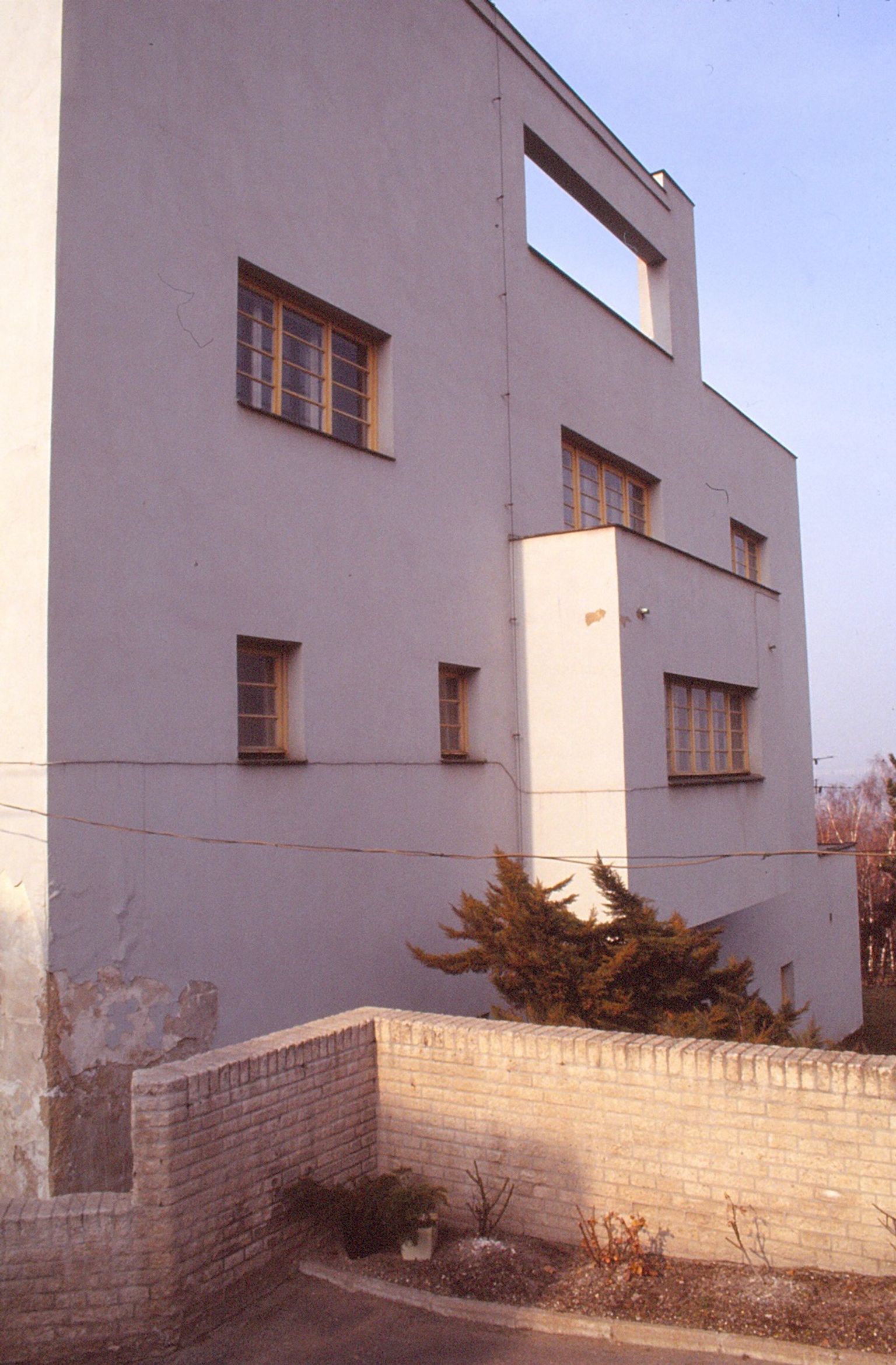

Commission and Context: The Müllers and Loos
The villa was commissioned in 1928 by František Müller, a prominent engineer and co-owner of the Prague-based construction company Kapsa & Müller, and his wife, Milada. František Müller had a long-standing relationship with Loos’ work, with the family’s firm previously realizing Loos-designed interiors in Plzeň, including residential and industrial projects. This pre-existing collaboration ensured a shared vision of precision, technical expertise, and modernist aesthetics. The site chosen for the villa, in the Prague suburb of Střešovice, offered commanding views of the city center and proximity to Prague Castle, inspiring a design that balanced civic grandeur with intimate domesticity.
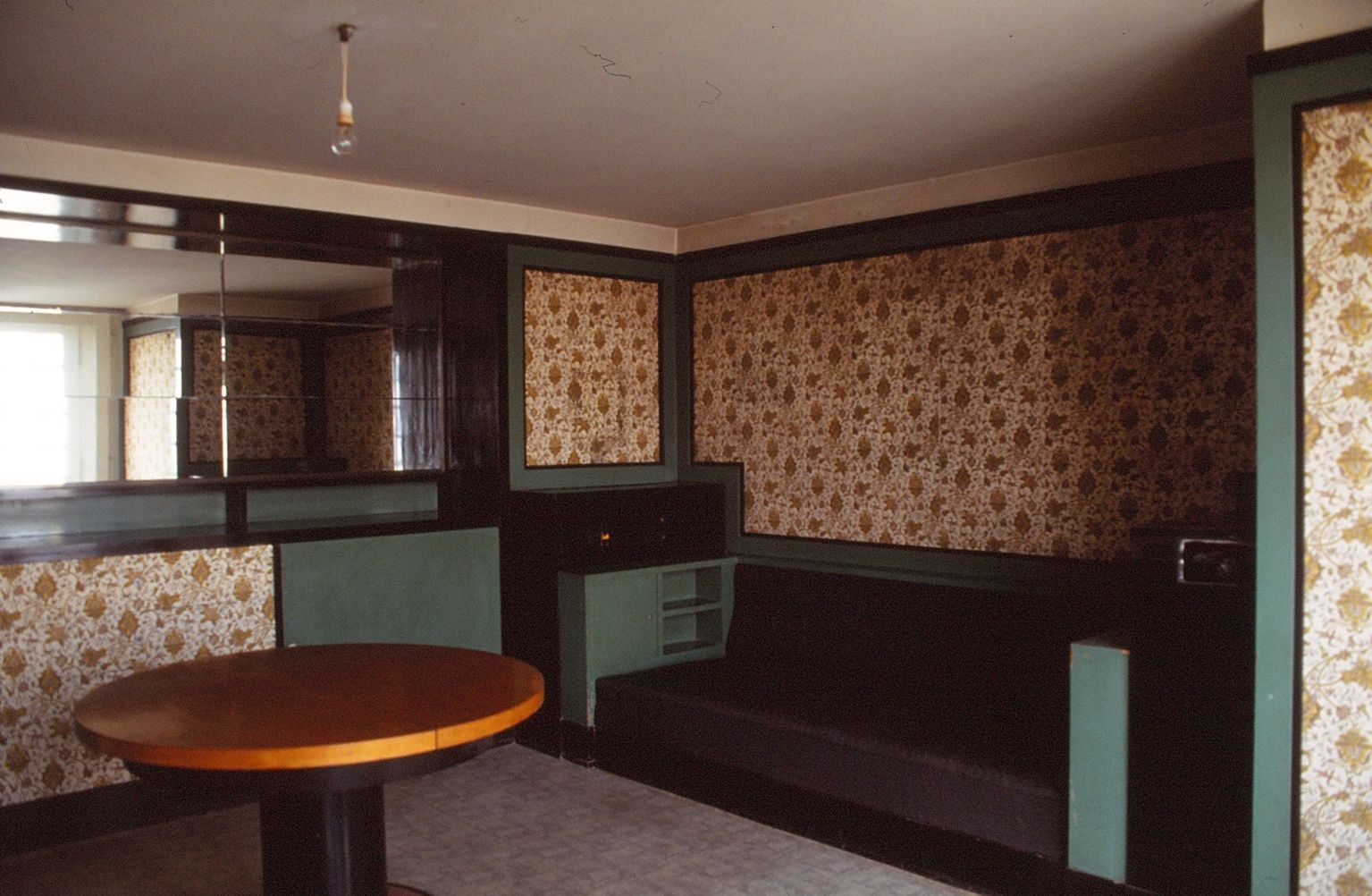

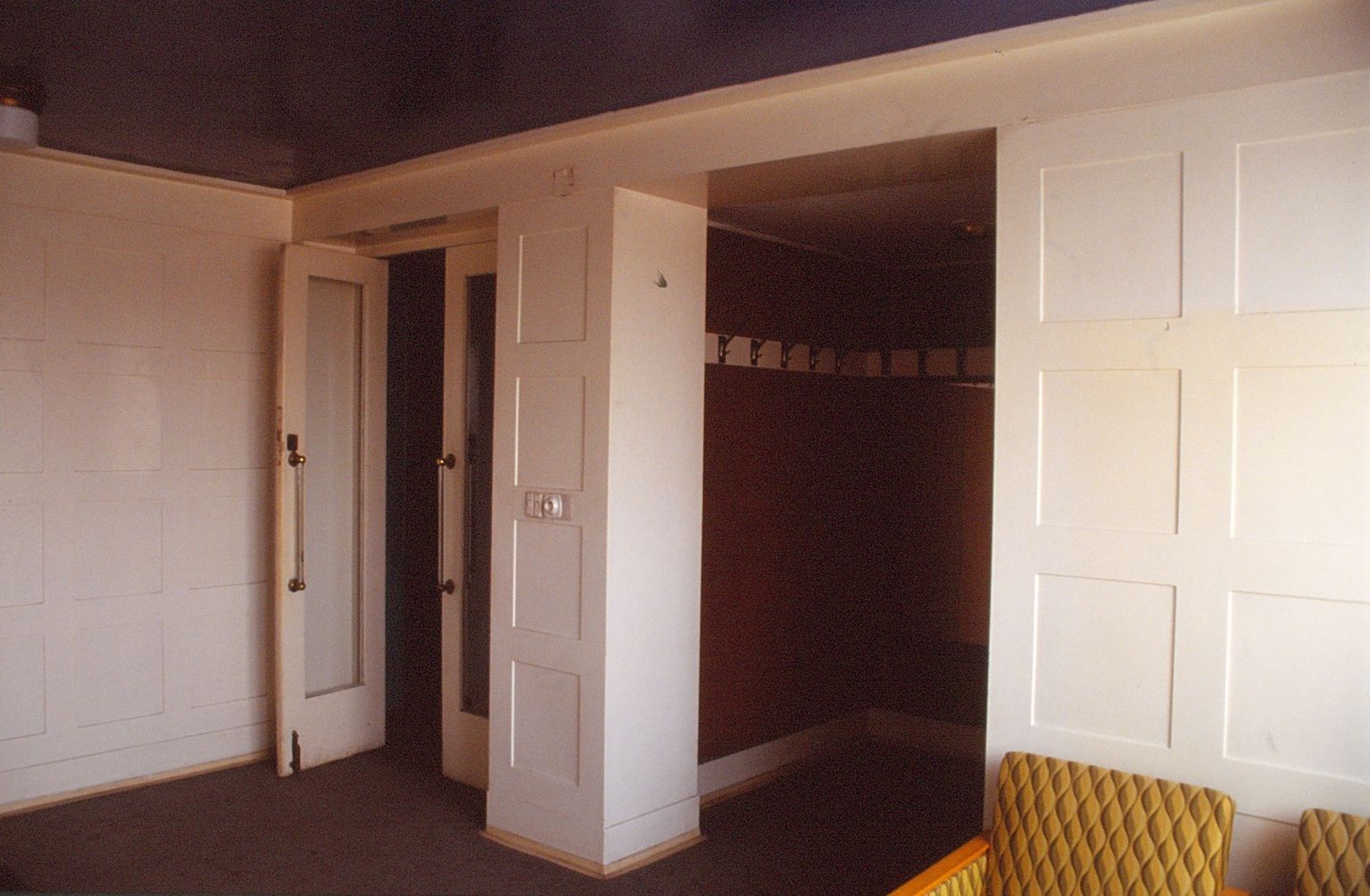





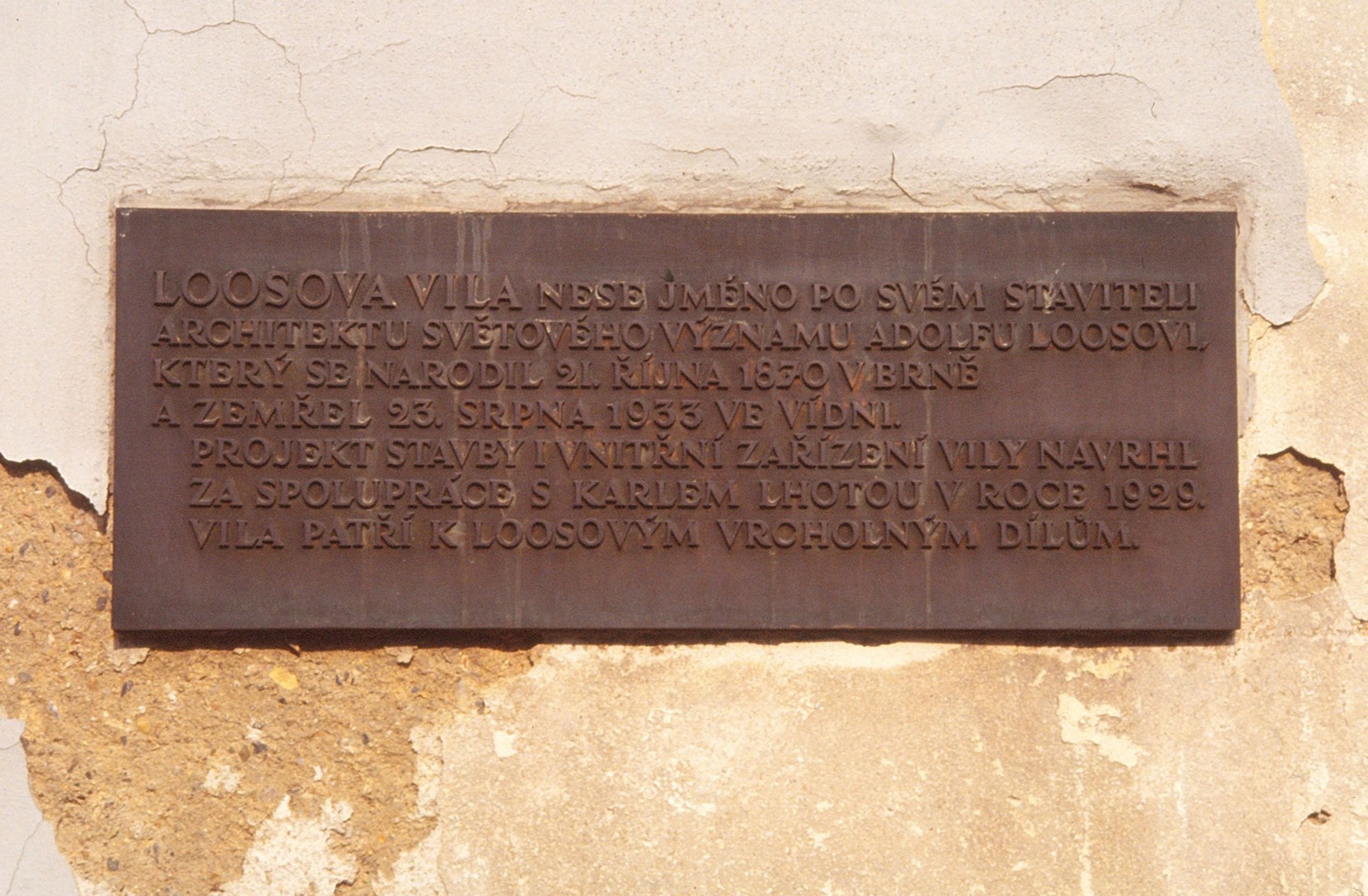
Loos collaborated with architect Karel Lhota, who assisted due to Loos’ declining health, ensuring that the villa’s construction and realization would match the architect’s exacting standards. This rare alignment of client, architect, and builder allowed the villa to emerge as one of Loos’ most complete and celebrated works.


Architectural Innovation
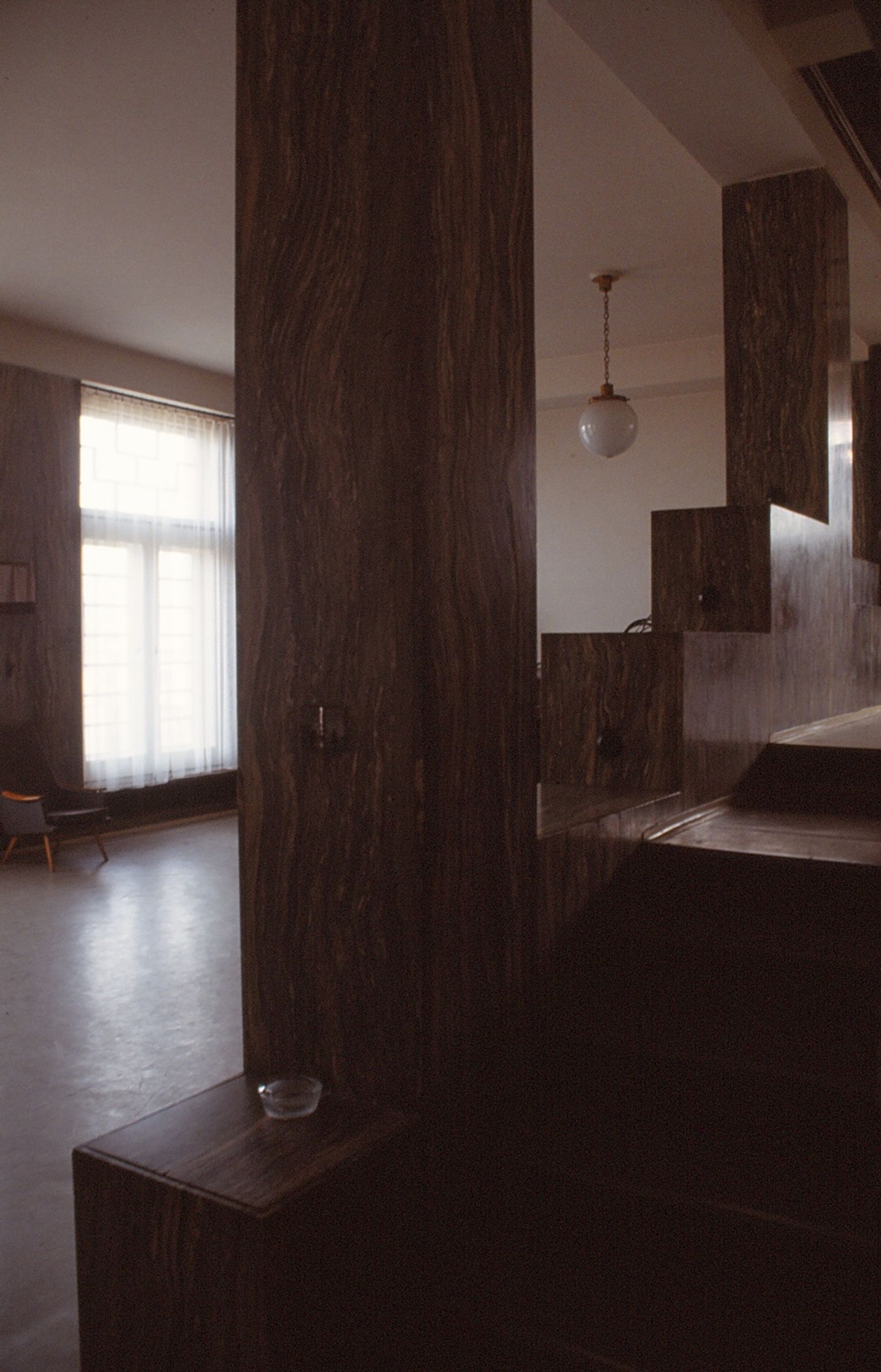
Villa Müller is a masterclass in Raumplan, Loos’ revolutionary concept of spatial hierarchy and volumetric planning. Unlike conventional floor plans, each room is positioned at a distinct level relative to its function and symbolic importance. Visitors are guided through a carefully choreographed promenade: a low, deeply colored entrance opens into a brighter cloakroom, followed by a short staircase that bends 90 degrees, leading into the double-height living room with marble pillars. From here, the dining room occupies a raised level, the lady’s boudoir is accessed via a spiral staircase, and the library, bedrooms, and children’s rooms occupy carefully staged intermediate levels. This design creates overlapping visual connections between spaces, allowing residents to see into adjacent rooms while maintaining privacy.
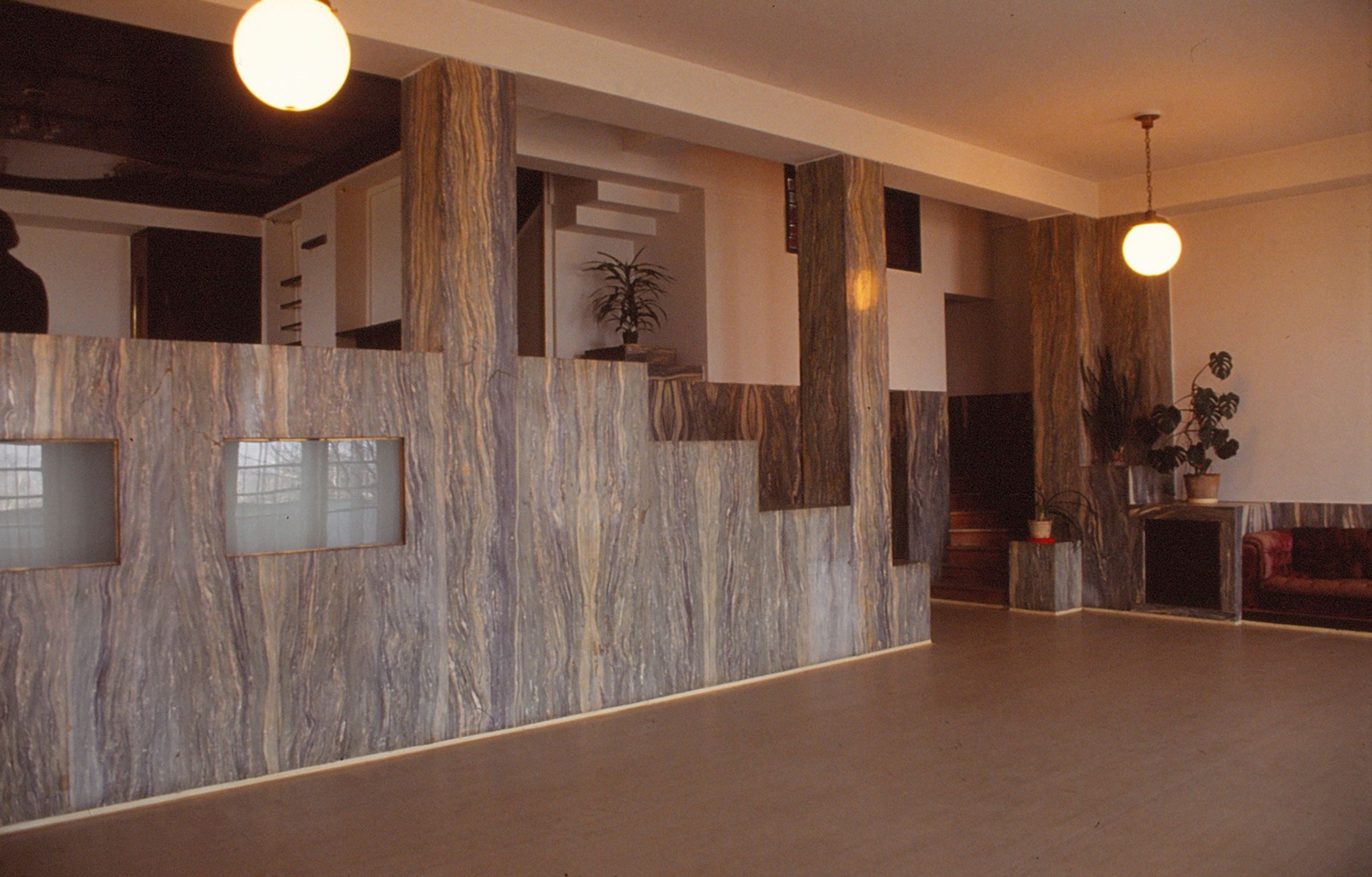

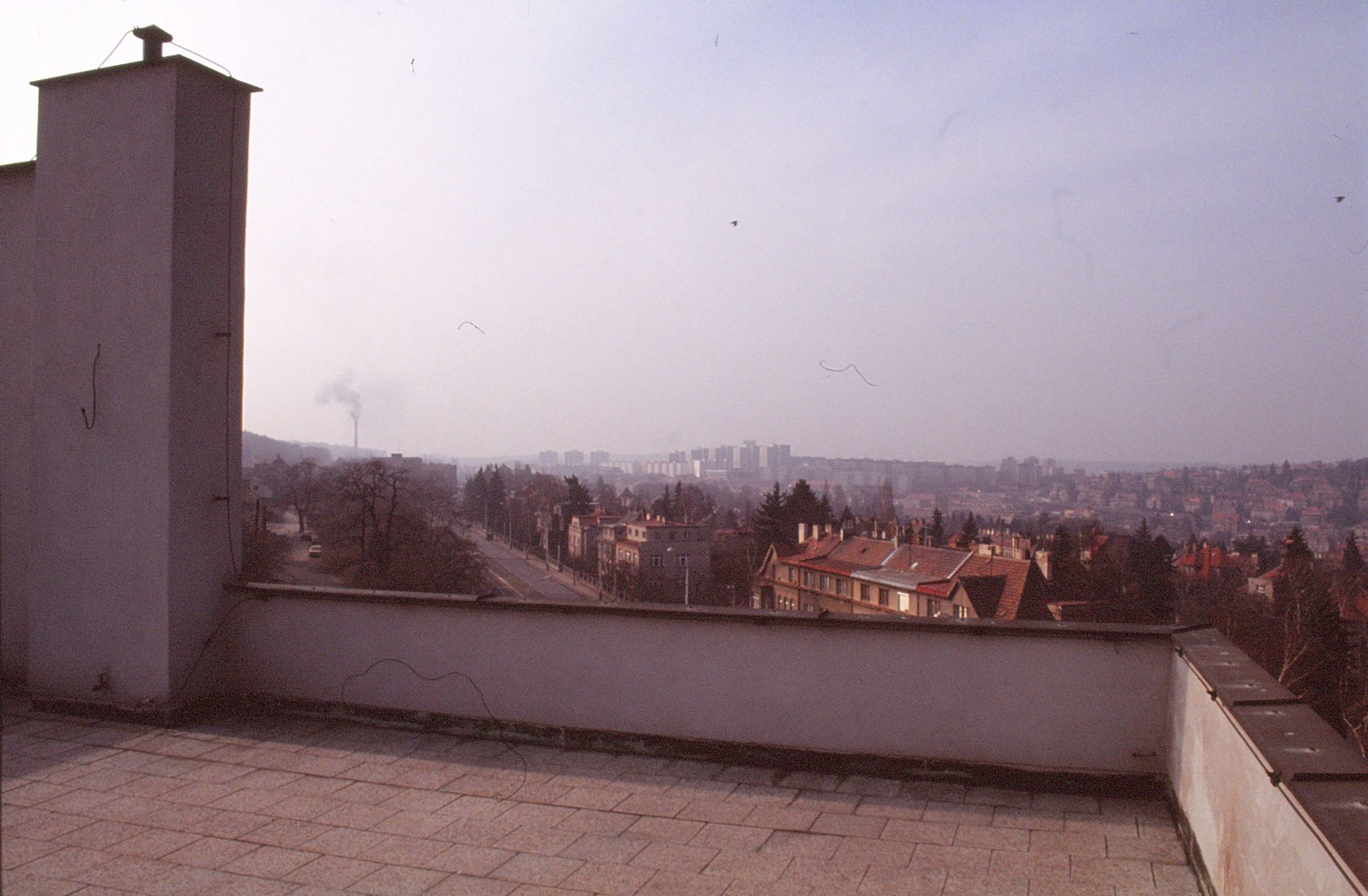
The interiors combine austere walls with rich materials – marble, mahogany, silk, and fine textiles – demonstrating Loos’ principle that architectural richness belongs to the interior, not the façade. Service areas, such as the kitchen, servants’ quarters, and driver’s flat, are integrated discreetly, highlighting the functional efficiency of the home while preserving the elegance of the main family spaces. The roof terrace offers a final panoramic viewpoint, framing Prague Cathedral and connecting the private home to its wider urban context.

Exterior and Design Philosophy
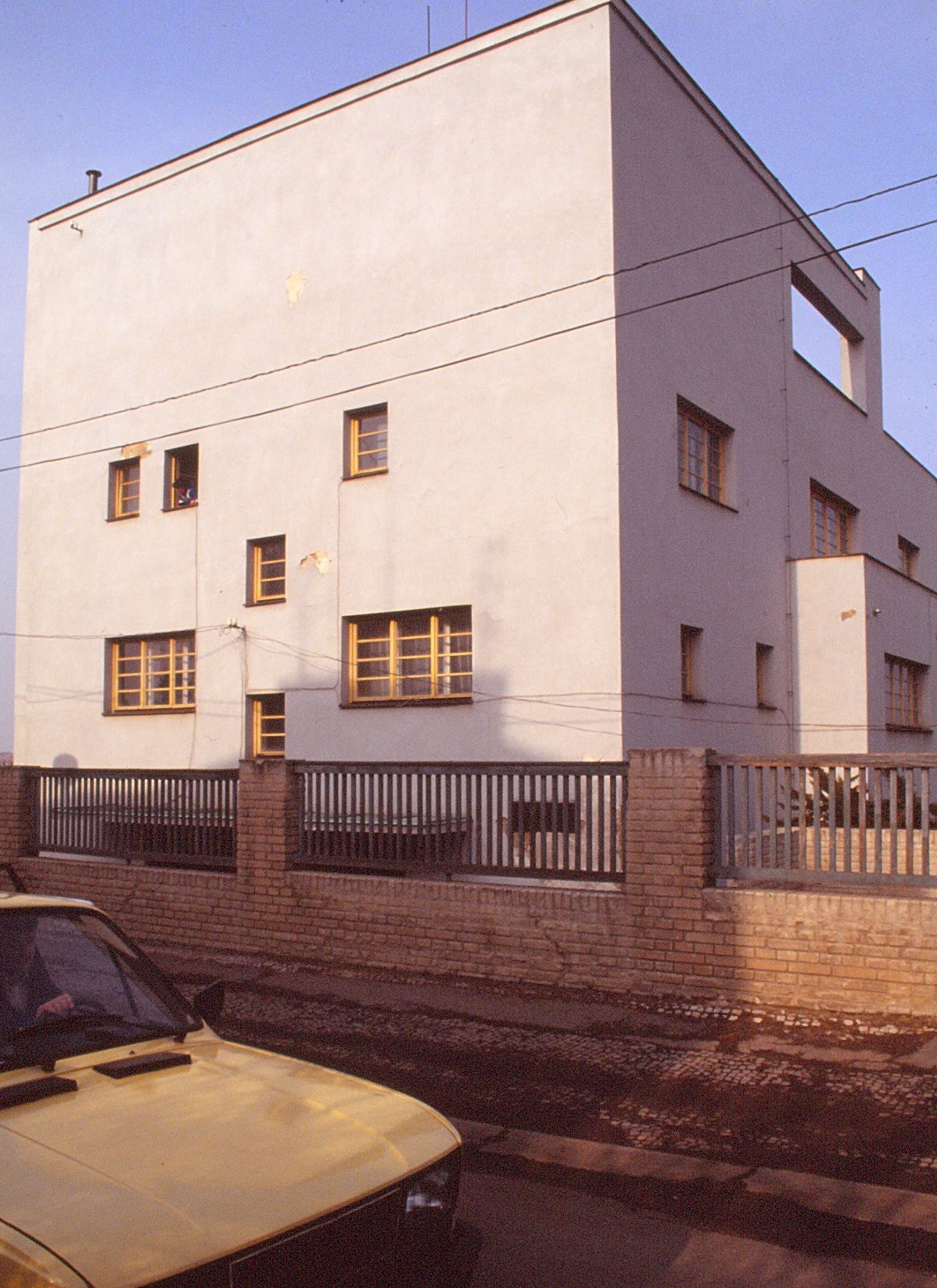
Externally, Villa Müller presents an austere, white cubic façade, with small, irregular windows and terraces that reinforce Loos’ belief that buildings are for inhabitants, not the public eye. This philosophy, articulated in his essay “Ornament and Crime” (1908), is made manifest in the villa: the wealth and luxury of the family life are contained entirely within the house, leaving the exterior deliberately subdued. Loos’ contrast between private interior opulence and austere exterior exemplifies the modernist rejection of ornamentation and the pursuit of functional, spatial integrity.


Lasting Legacy
After 1948, the villa was expropriated by the state and used for institutional purposes, including housing the Institute of Marxism-Leninism, resulting in partial loss of furnishings and some original details. Following restitution to the Müller family’s daughter and eventual sale to the City of Prague in 1995, the villa underwent a meticulous restoration from 1998 to 2000. Restorers faithfully recovered interior elements, furniture, and finishes, reviving Loos’ original design, and the villa reopened as a museum, providing both public access and educational programming.
Today, it stands as a globally recognized icon of modern architecture, demonstrating the seamless integration of functionality, luxury, and spatial complexity, and commemorating both Adolf Loos’ visionary approach and František Müller’s enlightened patronage.