Daniel Wolfe
Vita Coco
- ClientVita Coco
- AgencyDroga5
- Production CompanySomesuch
- DirectorDaniel Wolfe
SALOMON LIGTHELM Another Daniel Wolfe gem, but operating in a completely different register. Pure comedy, executed with total precision. I love the simplicity of it - the confidence to build the whole thing around one sharp, beautifully observed idea. The casting and production design are both immaculate. It doesn’t get talked about nearly enough, but to me it’s genius.
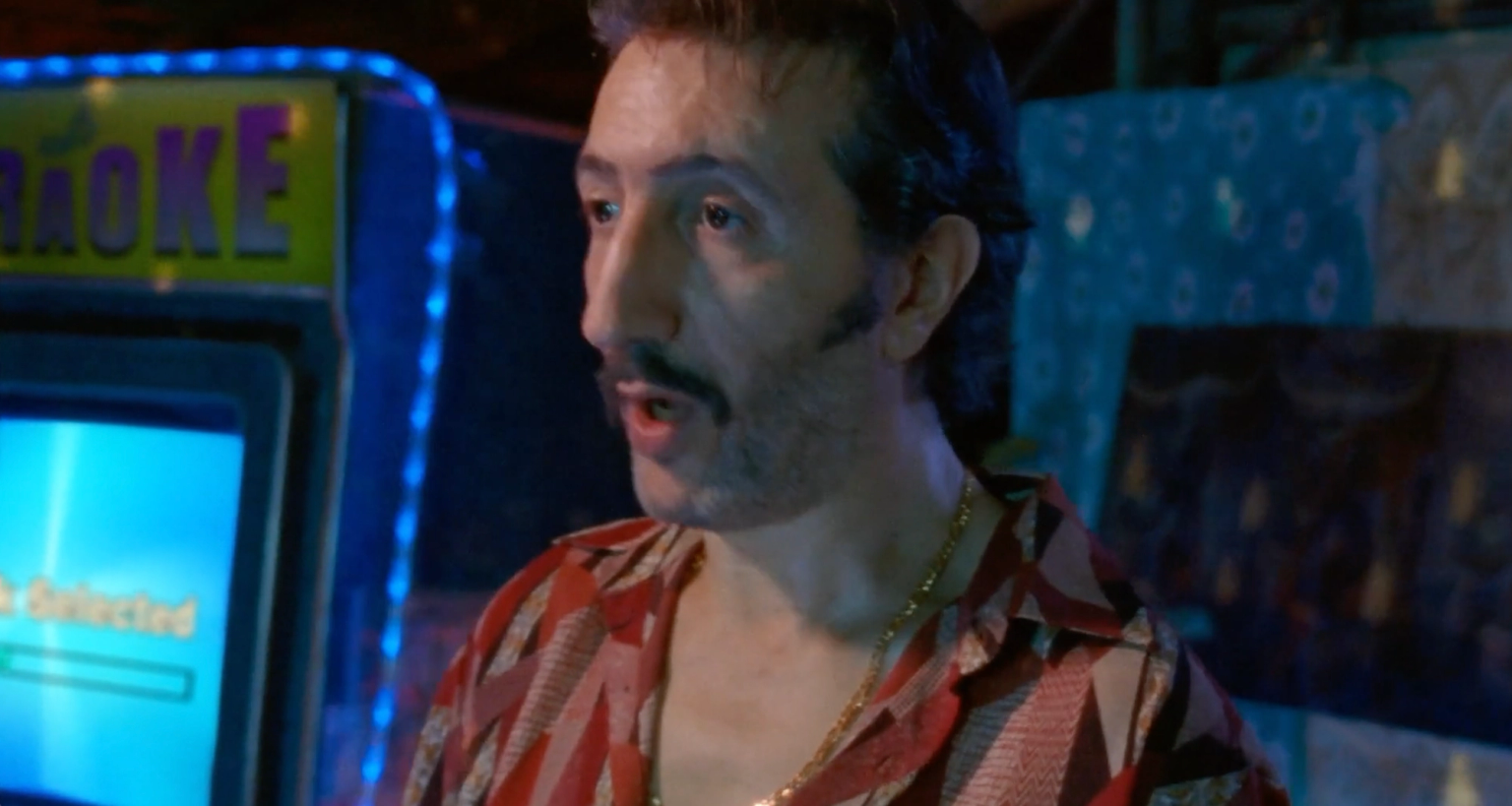

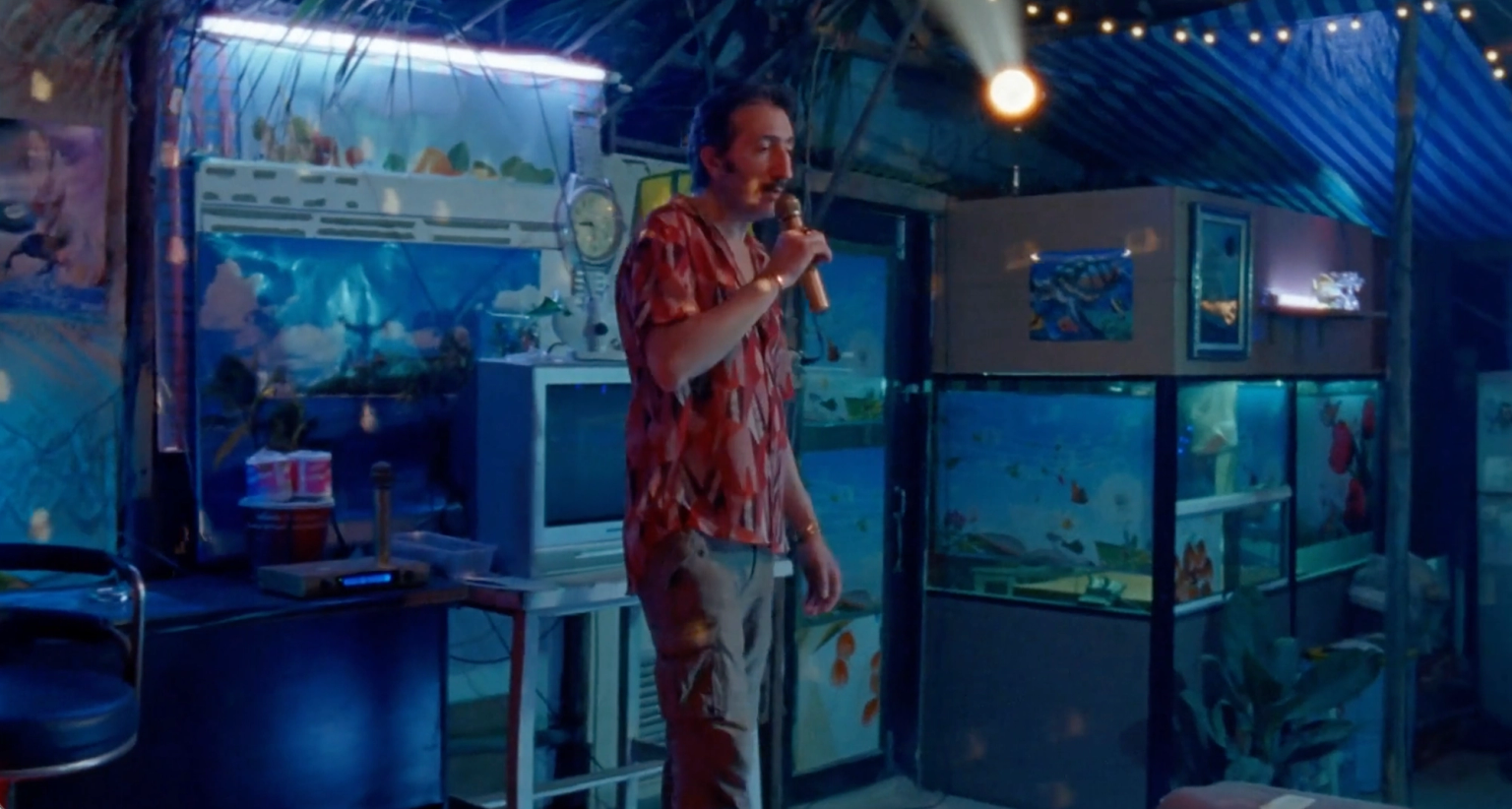

A man, a song, and too much commitment
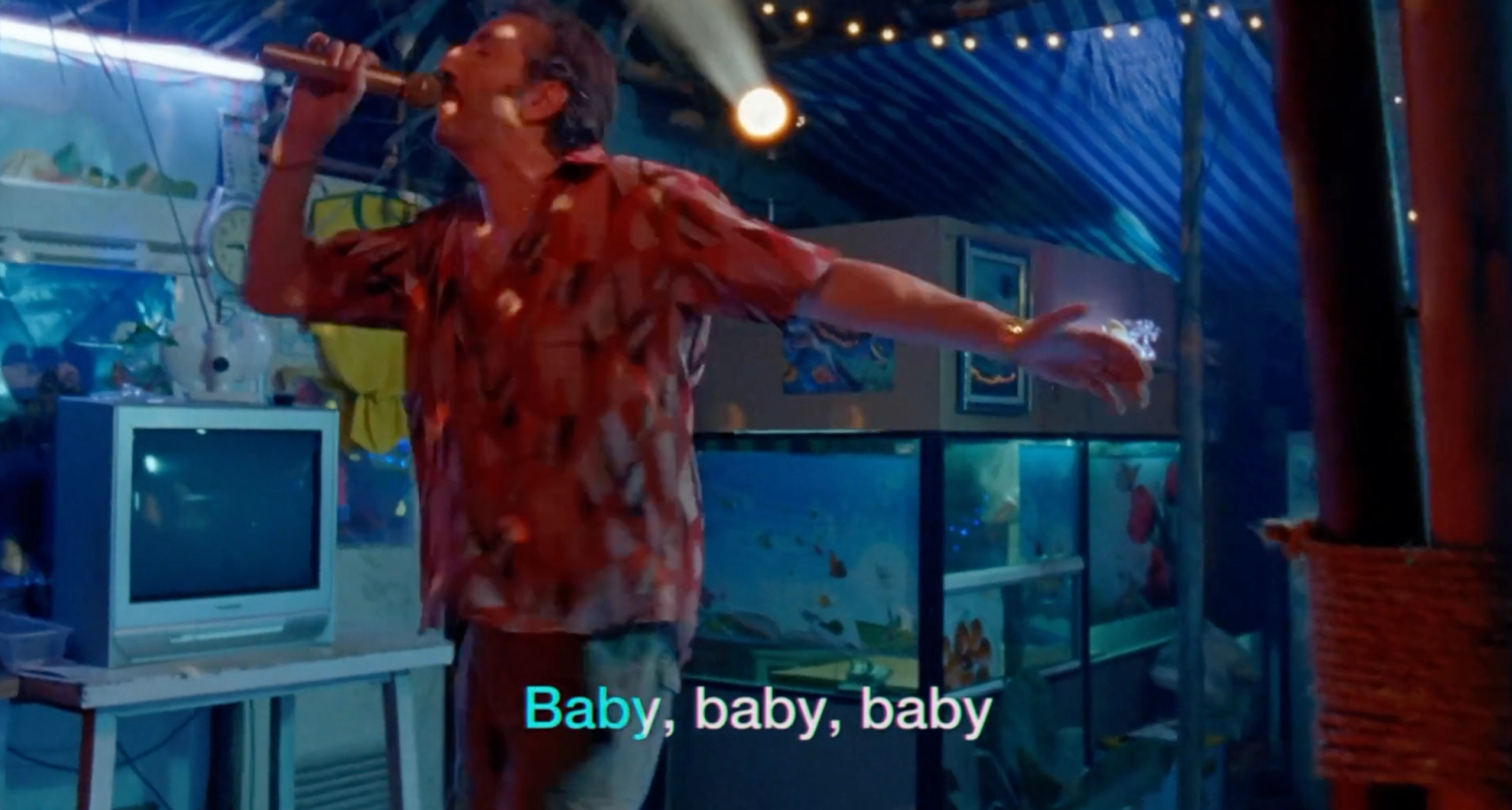
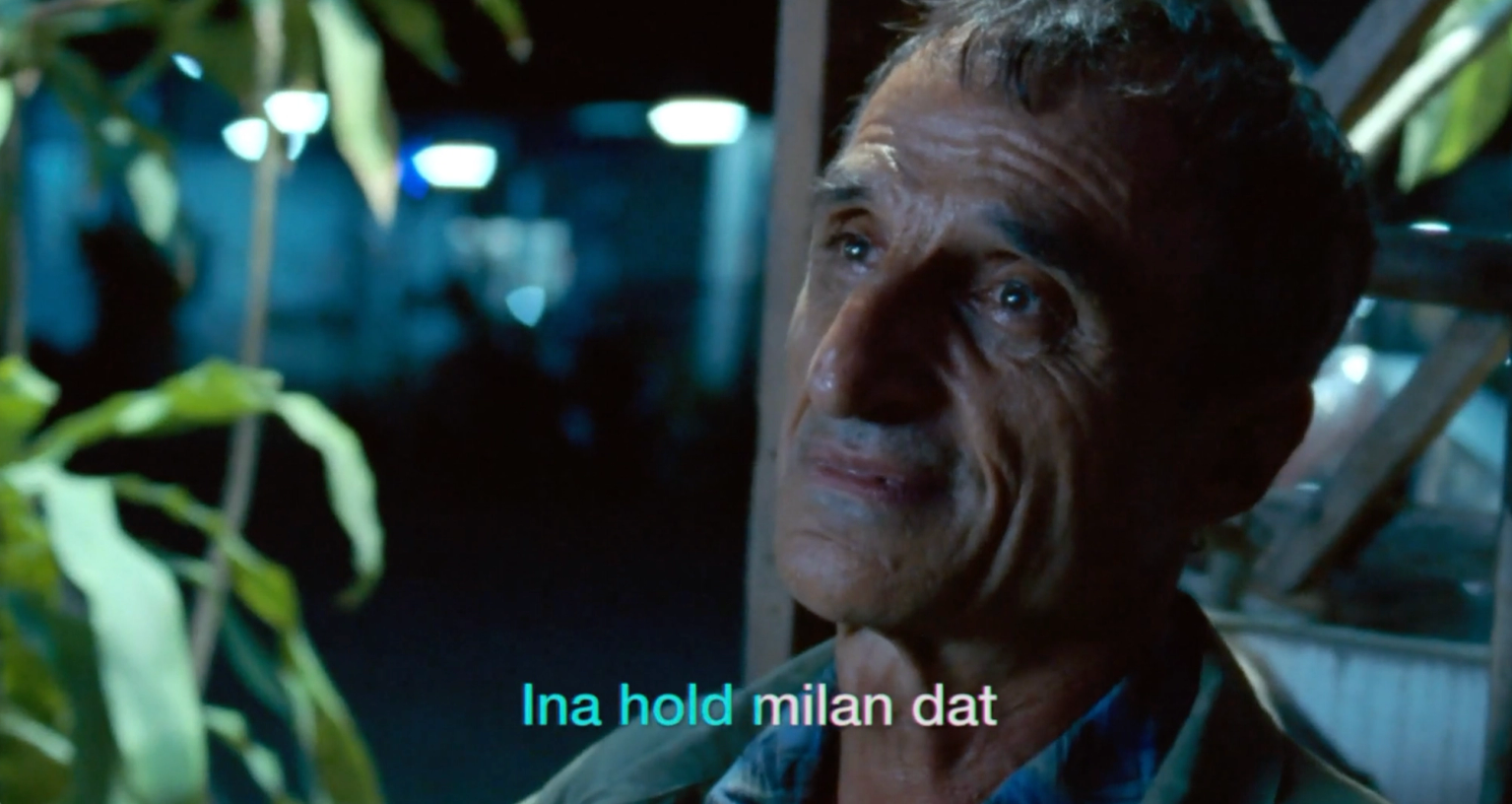
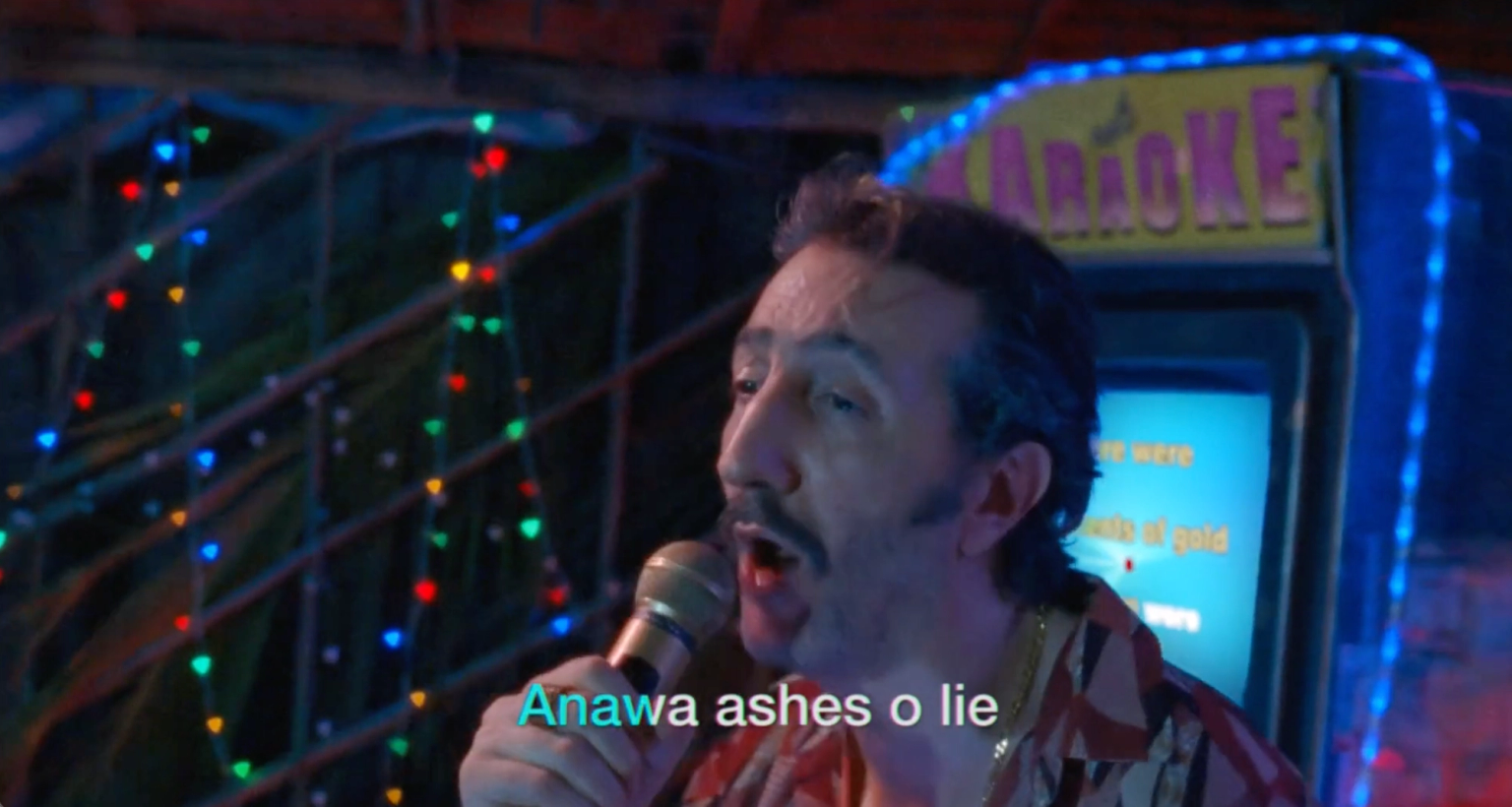
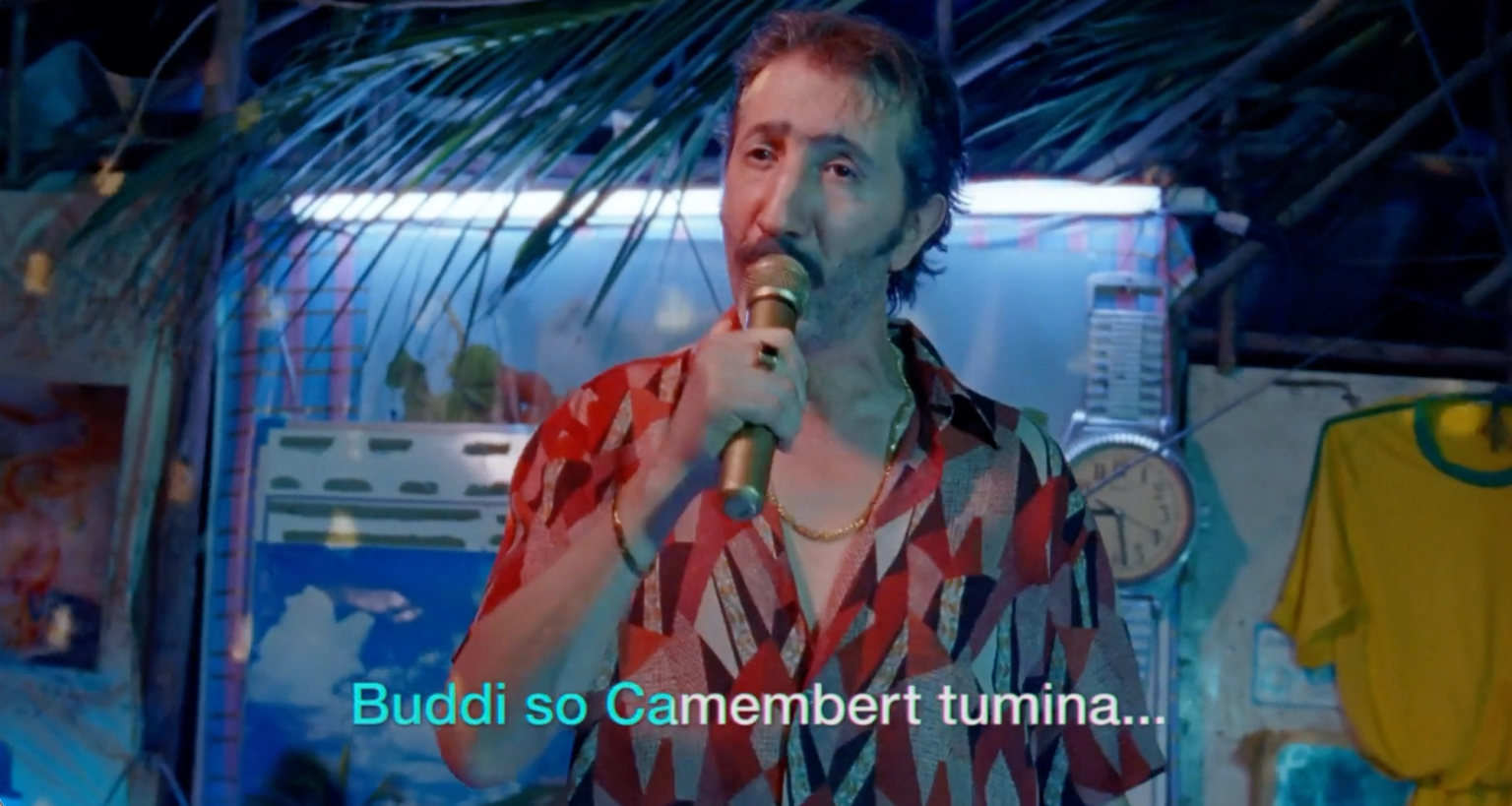
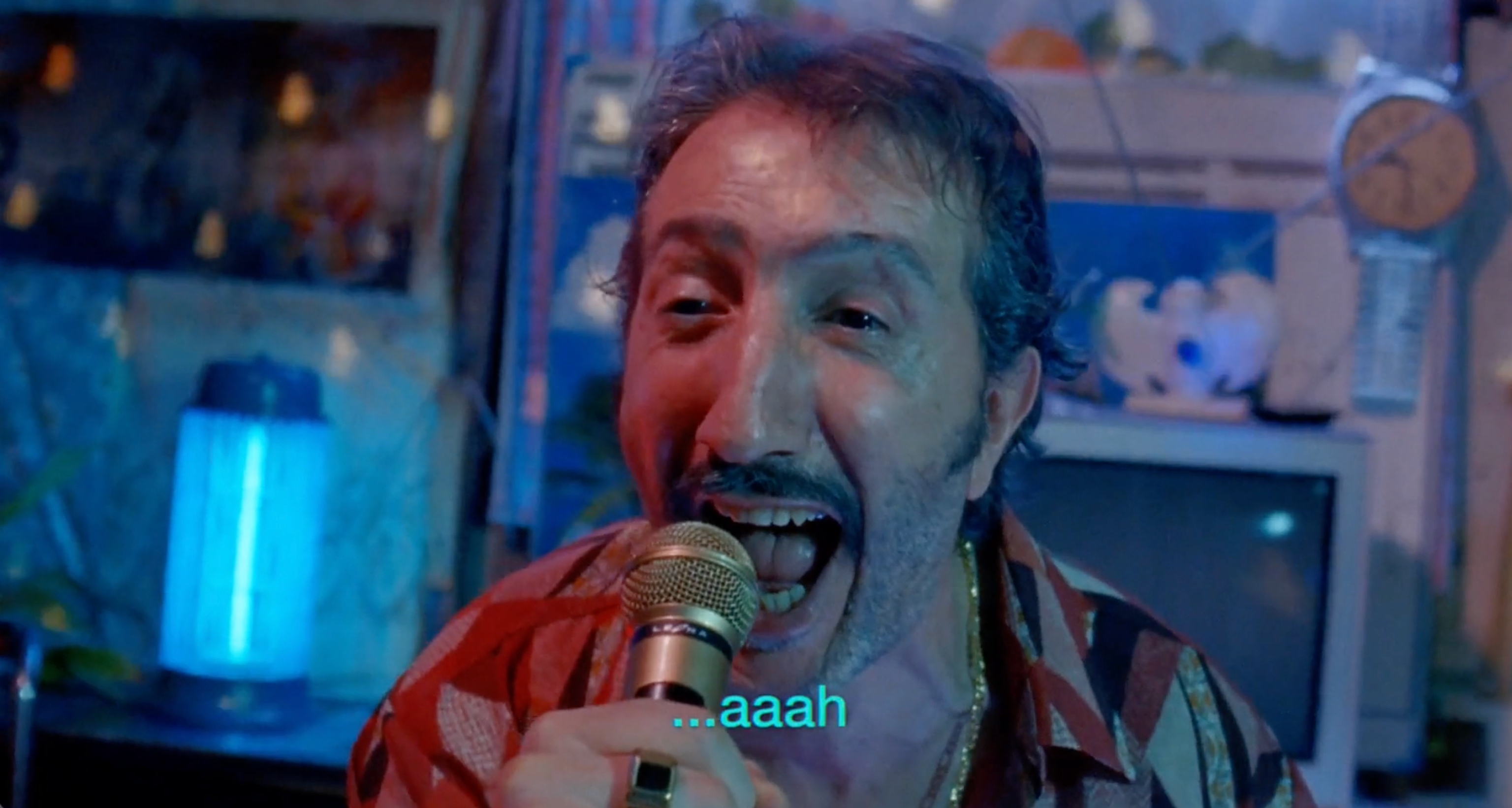
The Vita Coco “Karaoke” film directed by Daniel Wolfe for Droga5 hinges on a single, beautifully disproportionate moment. One man steps up to sing It’s All Coming Back to Me Now and delivers it with absolute, arena-level intensity. There is no wink to camera, no sense that he is in on the joke. He performs as if everything depends on it, pushing far beyond what the setting requires. That imbalance between effort and context becomes the entire engine of the film, turning something ordinary into something quietly absurd and very human.
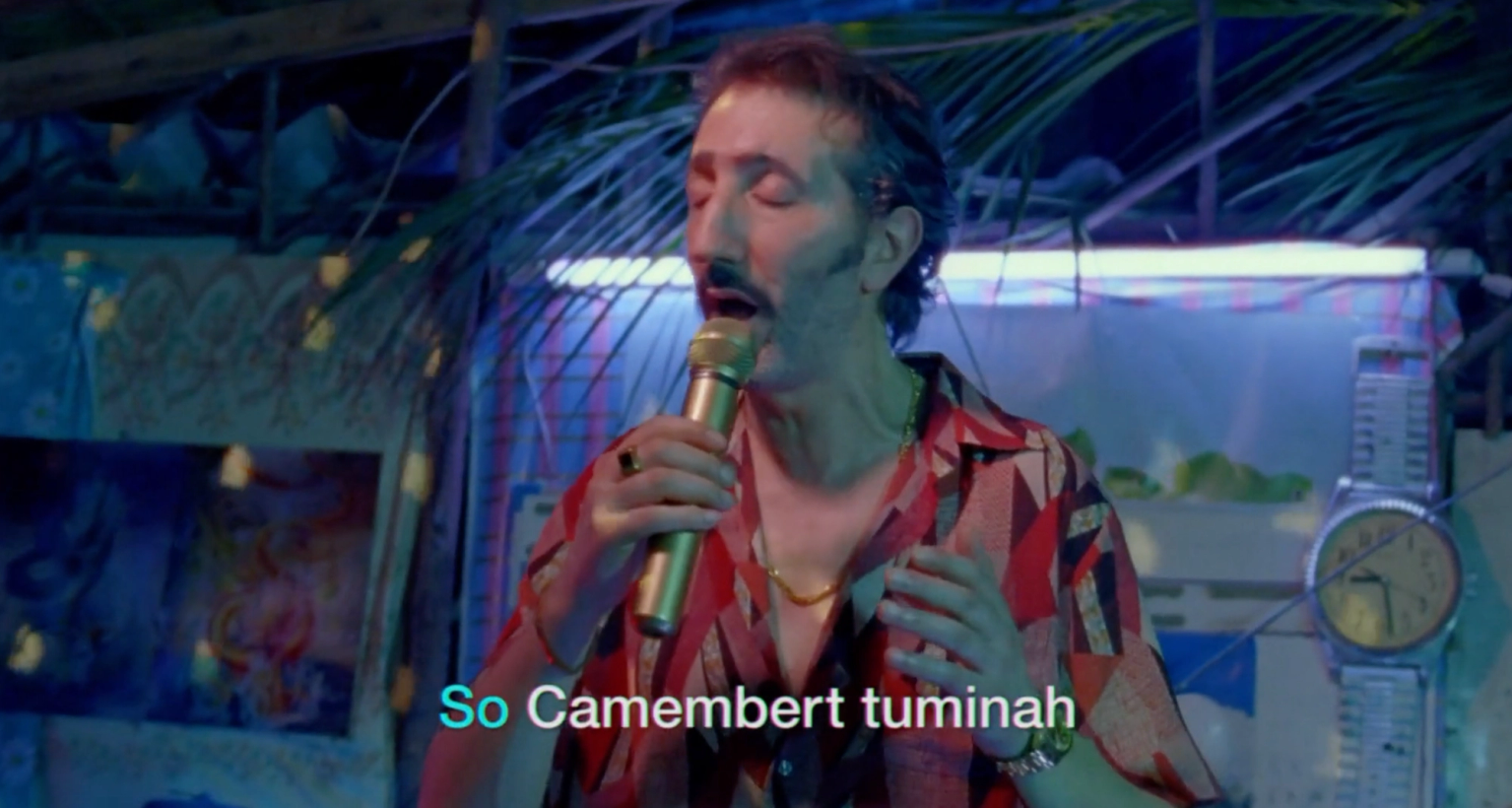

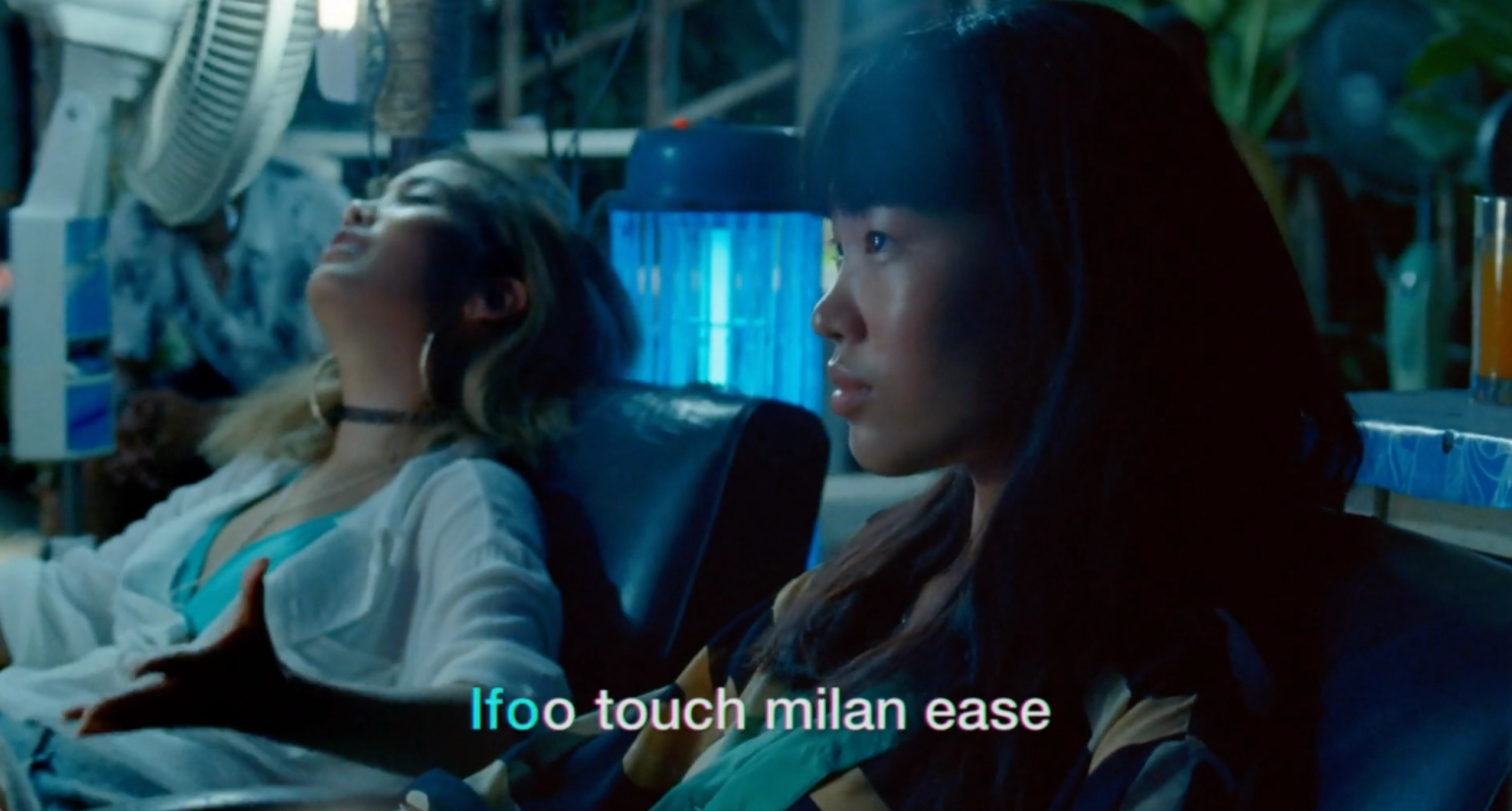





Thirst as performance
What sits underneath the humor is a precise strategic idea. The act of singing is treated like exertion, almost athletic in its emotional output. His commitment becomes physical. He sweats, he strains, he gives too much, and in doing so he earns the product in a way that sidesteps every expected category cue. Vita Coco appears not as a lifestyle symbol but as a natural consequence of overdoing it. The brilliance is in how casually that shift happens. No explanation is needed. The audience understands instinctively that effort, even misplaced effort, creates thirst.

Holding the moment just long enough
Wolfe’s direction is key to making that idea land. He lets the performance run longer than comfort usually allows, stretching the moment until it hovers between admiration and secondhand embarrassment. That tension is where the film lives. It never collapses into parody because the character is treated with a kind of respect. He is not ridiculous for trying. If anything, the film suggests that trying too hard is something deeply recognizable.
This is where Droga5’s sensibility comes through most clearly. Rather than polishing the moment or broadening it into a bigger narrative, the agency leans into specificity. One man, one song, one emotional overreach. It feels small, but that smallness is deliberate. By isolating a single behavior and pushing it just far enough, the film captures a truth that is easy to recognize and hard to fake.