
Neal Slavin
When Two or More Are Gathered Together
- PhotographerNeal Slavin
- Courtesy© Neal Slavin / Courtesy of Neal Slavin Studio
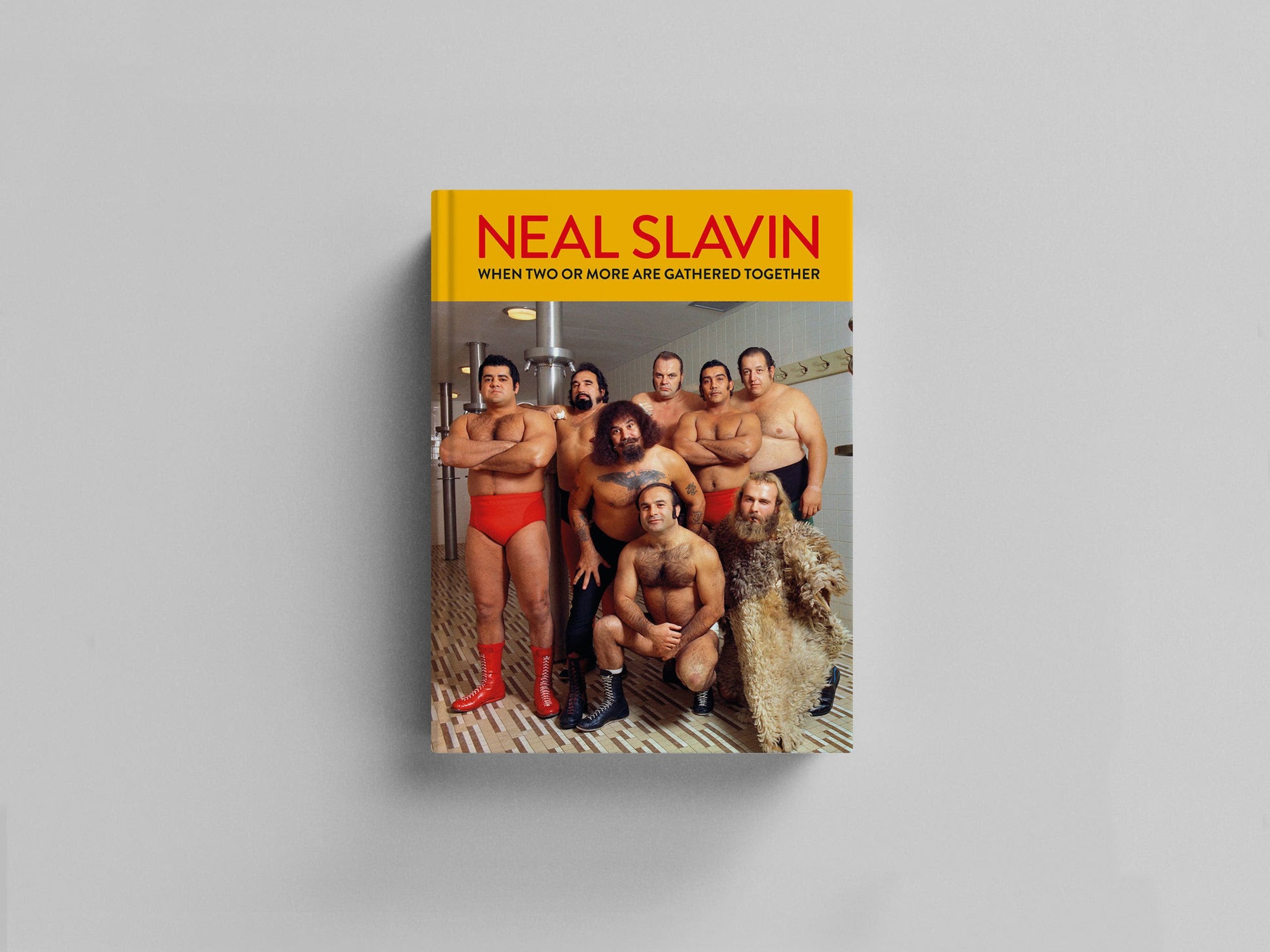
Frederic Aranda Neal Slavin is an American photographer who has devoted his career to photographing groups. In 1976 he published "When Two or More Are Gathered Together", a book looking at various clubs and organisations across the USA. The portrait "New York Stock Exchange" taken later in 1986, was included in the expanded re-edition of the book which was re-published in 2026 by Damiani Books, bringing together half a century of American group portraits spanning the 1970s up to 2023. Slavin's work is a cornerstone in the field of group portraiture, and I will explain why…

Frederic Aranda's Perspective on Neal Slavin
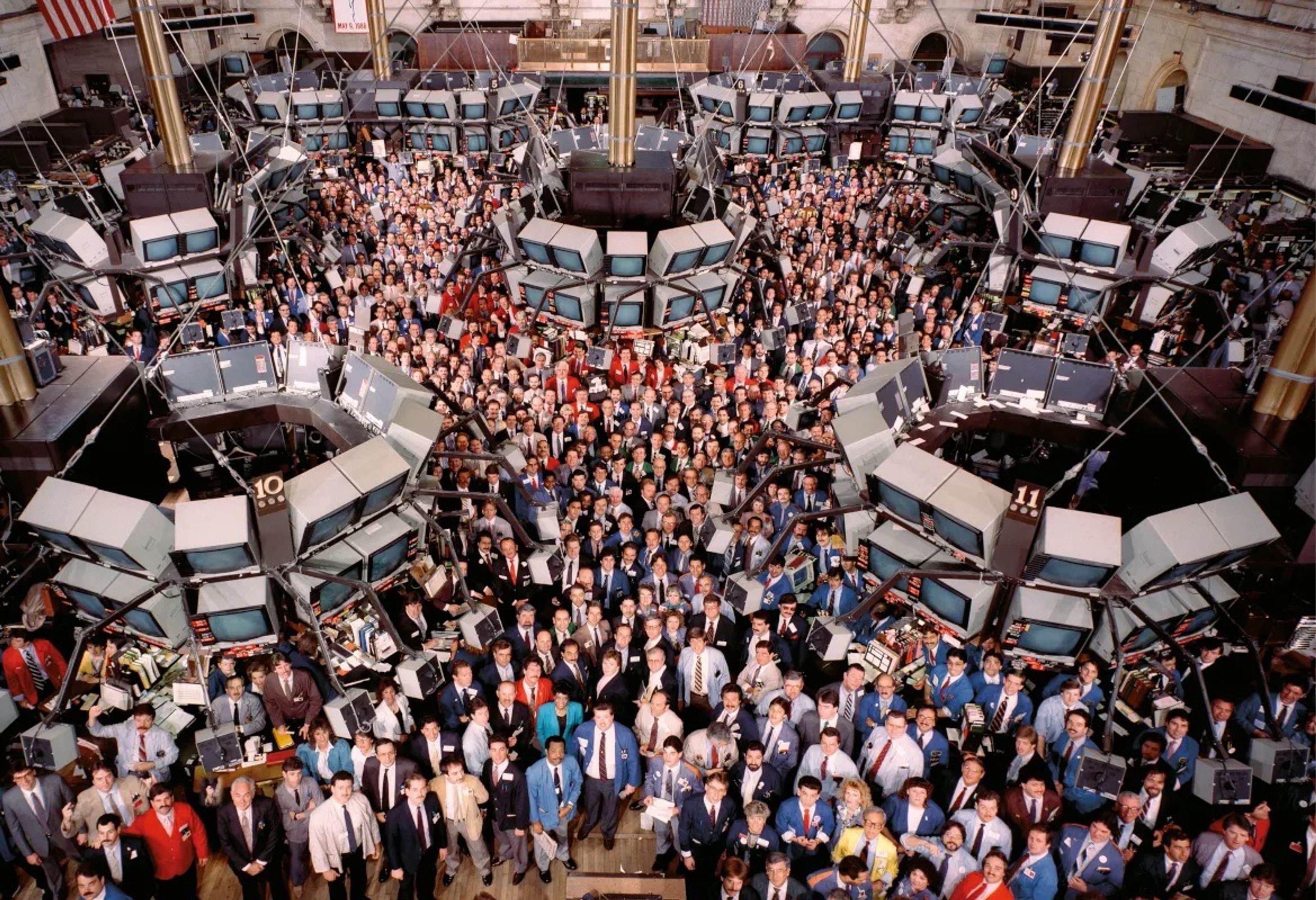
The portrait captures a dense sea of stockbrokers standing directly inside the trading "pit" on Wall Street a year before the infamous "Black Monday" crash of 1987. It captures the absolute peak of 1980s financial excess, corporate ambition and economic momentum, serving as a historical record of an era before digital trading entirely dominated the market. The sheer mass of humanity packed onto the floor represents a bygone age of high-energy, face-to-face capitalism. Aside from its historical timing, the portrait is also significant due to its sociological depth.
Slavin's signature methodology was to establish the frame but let the subjects choose how to arrange and pose themselves, abstaining from directorial intervention. This mandate yielded fascinating sociological insights. By letting the stock brokers self-organise, the image naturally mapped out the internal hierarchies and social dynamics of the trading floor, revealing leaders in the group and allowing others to fade in the background if they so wished. It showcases how individuals within an incredibly aggressive, historically male-dominated environment project their "public persona" when they unite as a single, corporate tribe.
I would also like to acknowledge the monumental technical achievement of this portrait. Slavin and his crew reportedly spent 14 continuous hours rigging a complex overhead strobe system inside the trading floor to prepare for the shot. Slavin used three synchronised 4 × 5 cameras, effectively creating a triptych of the trading floor. The central image is the photograph most widely known today, while the two accompanying side images have never previously been seen. Capturing nearly 1,000 chaotic traders into a cohesive composition is also no mean feat. At the time when Slavin started taking group portraits, fine art photography was heavily dominated by black and white. Slavin was among the first generation to embrace colour as a serious documentary tool.
The rich, complex colours of the NYSE portrait, shot on Ektachrome film, provided what Slavin called “an infinite amount of information” about American identity that black-and-white simply couldn’t replicate. Slavin has a distinctive ability to convey the complexity of togetherness and to explore the human connection and the joy of being part of something bigger than our individual selves. He famously said: "In a single portrait, the idea is to get to the soul and inner workings of that person. I love the group form because it gives me access to more than just one soul. I see it as getting to the core of a sociological form."

A portrait made of groups
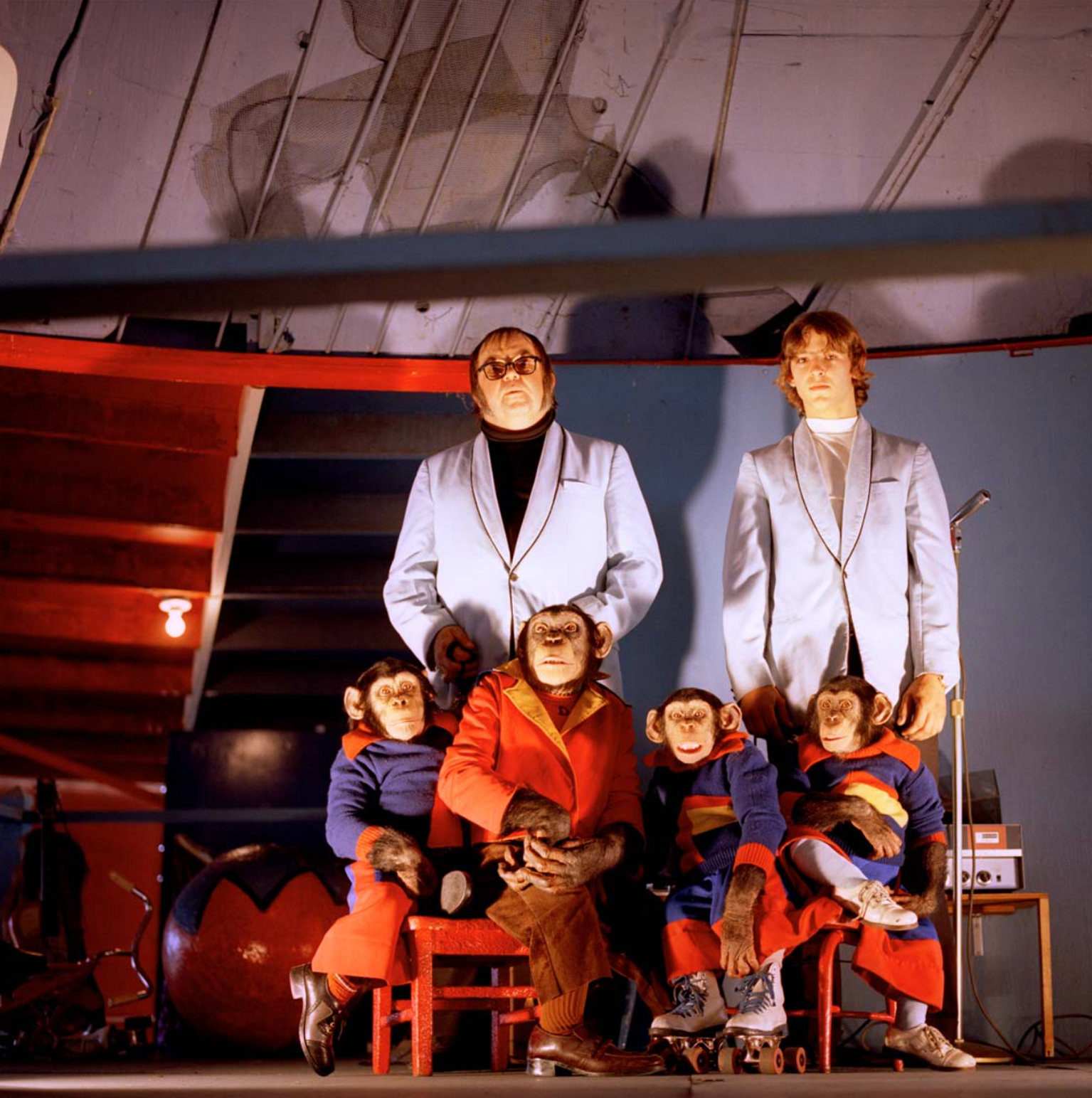
Beginning in the early 1970s, American photographer Neal Slavin set out to photograph something often overlooked in portraiture: not the individual, but the group. When Two or More Are Gathered Together grew from his fascination with the social dynamics of people who come together around a shared identity, interest or purpose. He photographed an extraordinary cross-section of American life, from clubs and professional organisations to religious communities and fan groups. Together, the photographs form a collective portrait of America, constructed through the communities people choose to belong to.
The idea began with an old photograph of a Boy Scout troop that Slavin found among family snapshots. Four rows of boys stood in identical uniforms, yet their expressions and gestures made each one distinct. He became fascinated by this tension between uniformity and individuality, and by the question of what happened to these people after the photograph was taken. The image sparked his lifelong interest in groups, memory and the fleeting moment in which a collection of individuals becomes a single subject.
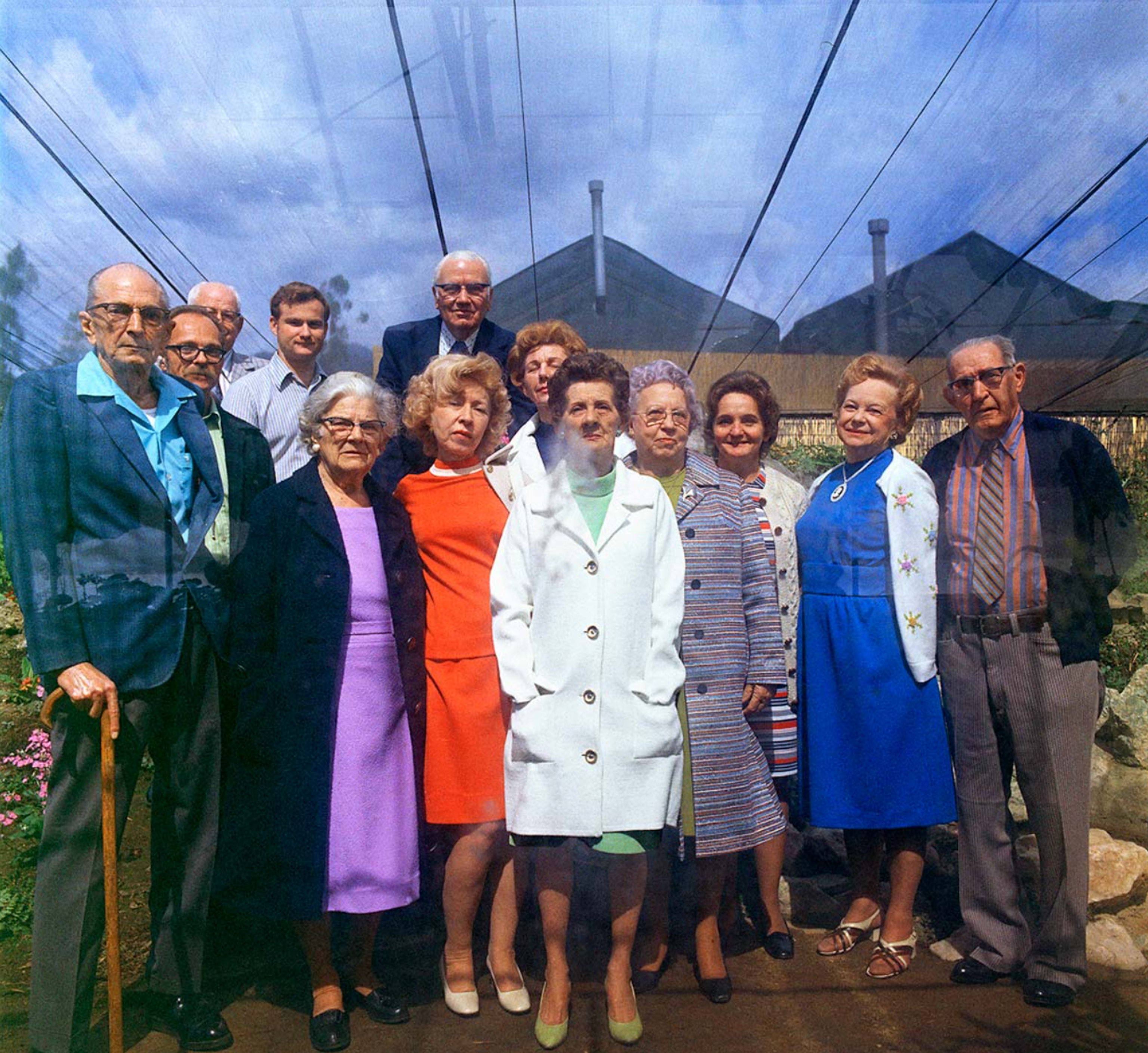

Finding America through its communities
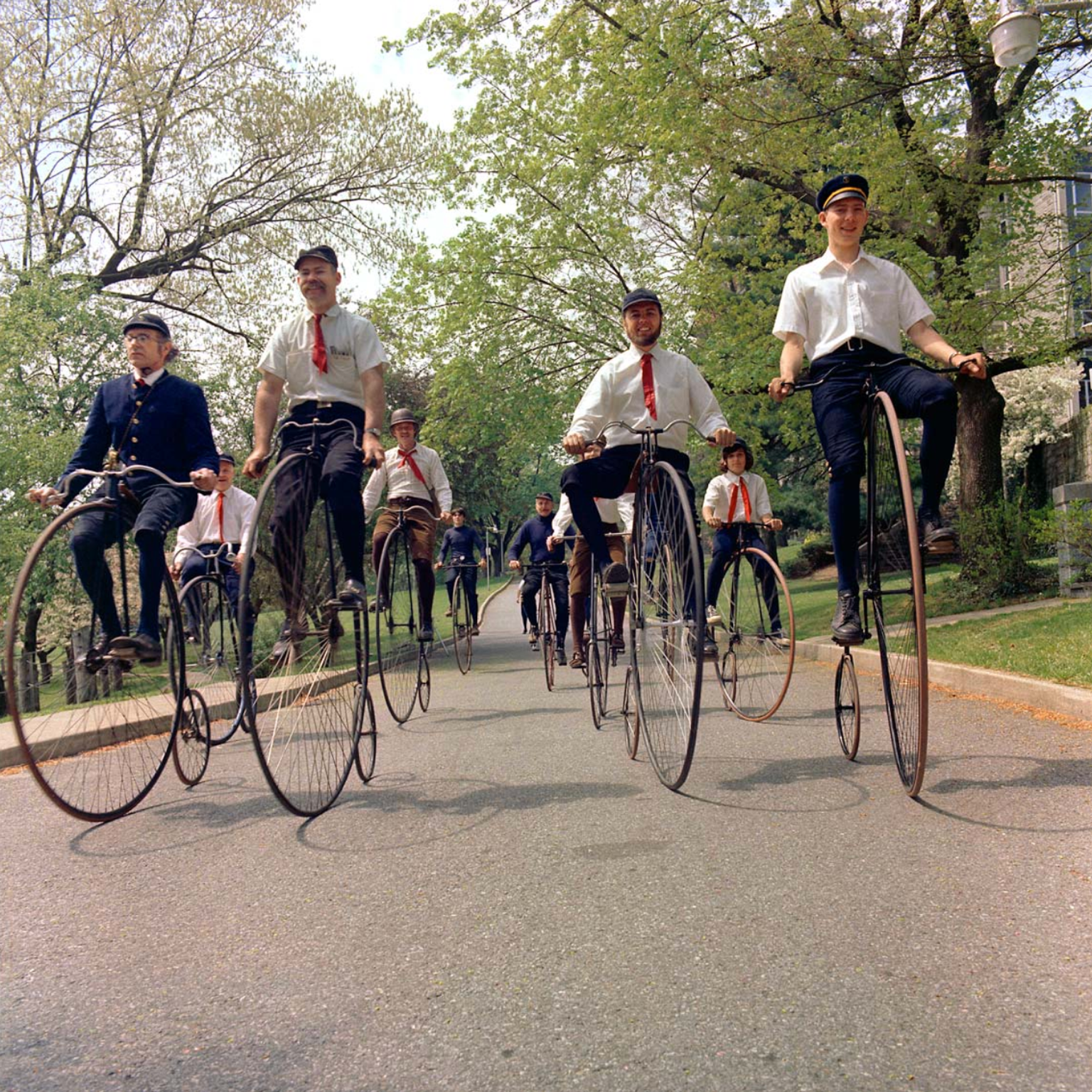
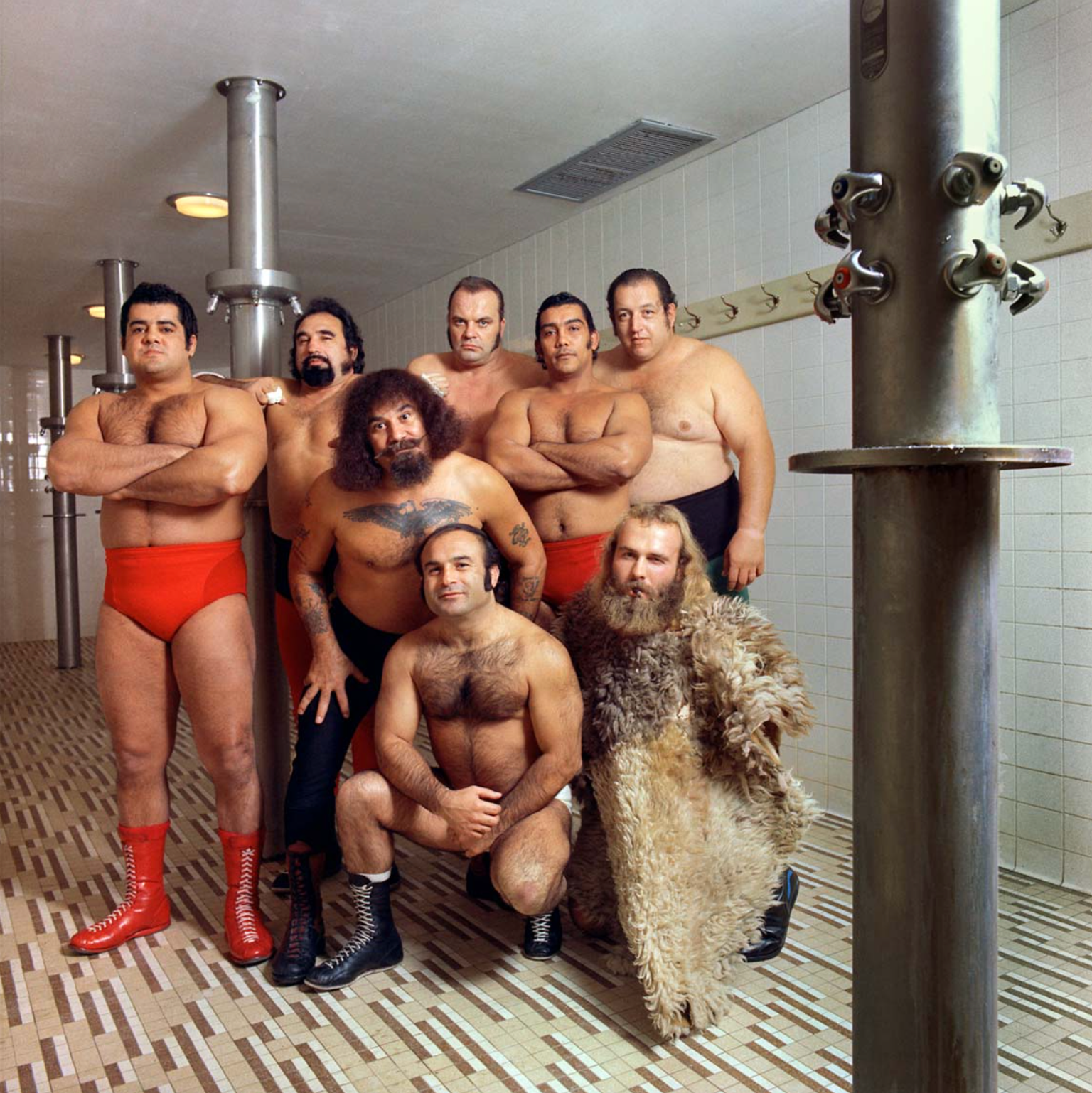
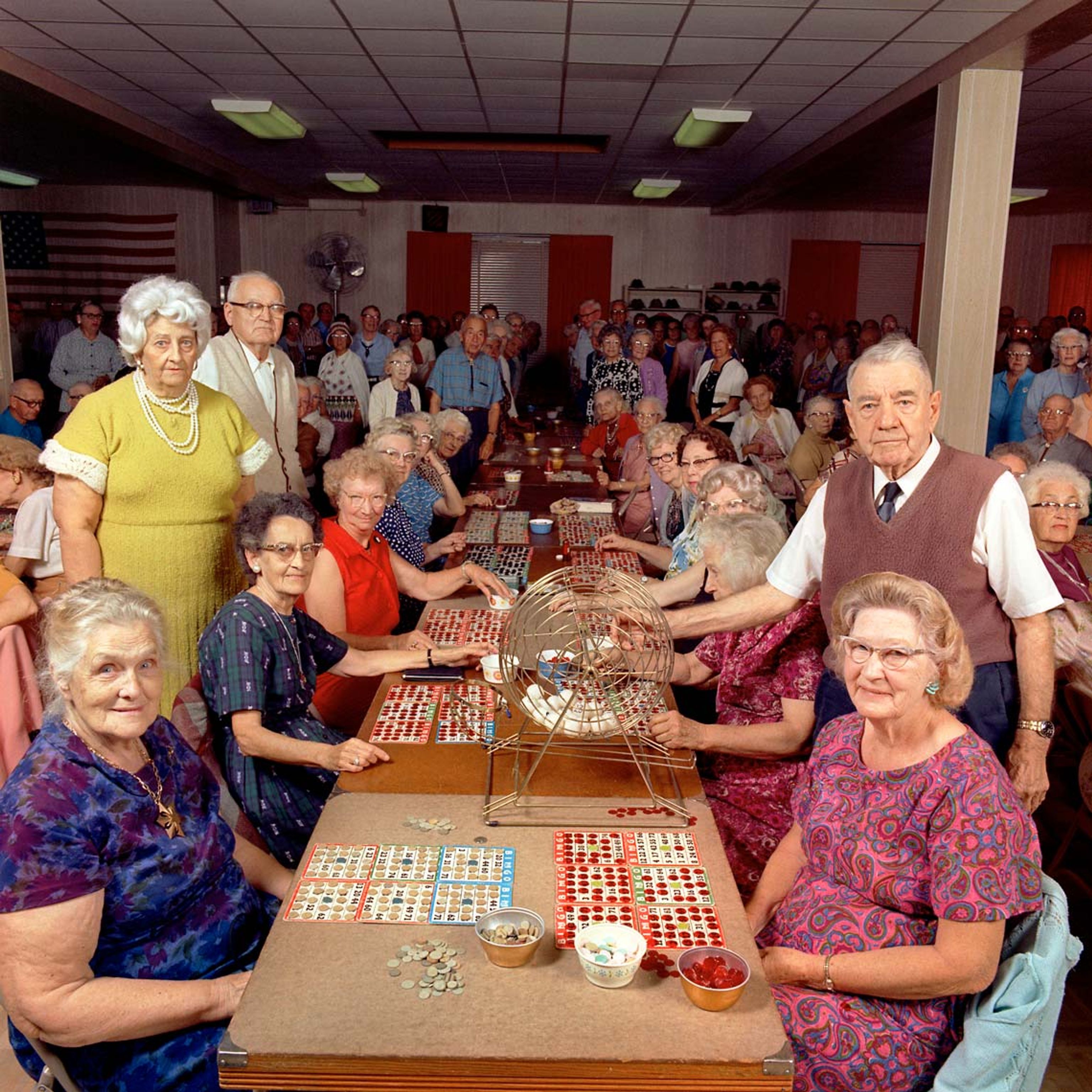
Slavin’s approach was partly inspired by August Sander, whose ambitious photographic project sought to portray German society through different social groups and professions. Slavin adapted this idea to an American context, photographing groups as representations of particular communities and ways of life. His subjects were often wonderfully specific, the International Twins Association, the American Begonia Society, Star Trek conventions, bridge clubs and fire departments, but together they reveal something broader about American society.
Made during a period of significant social and political change in the United States, the project gradually became more than a study of eccentric communities. For Slavin, these groups offered a way of looking at how Americans organised themselves, found belonging and constructed identity. His interest was not simply who these people were, but what brought them together.
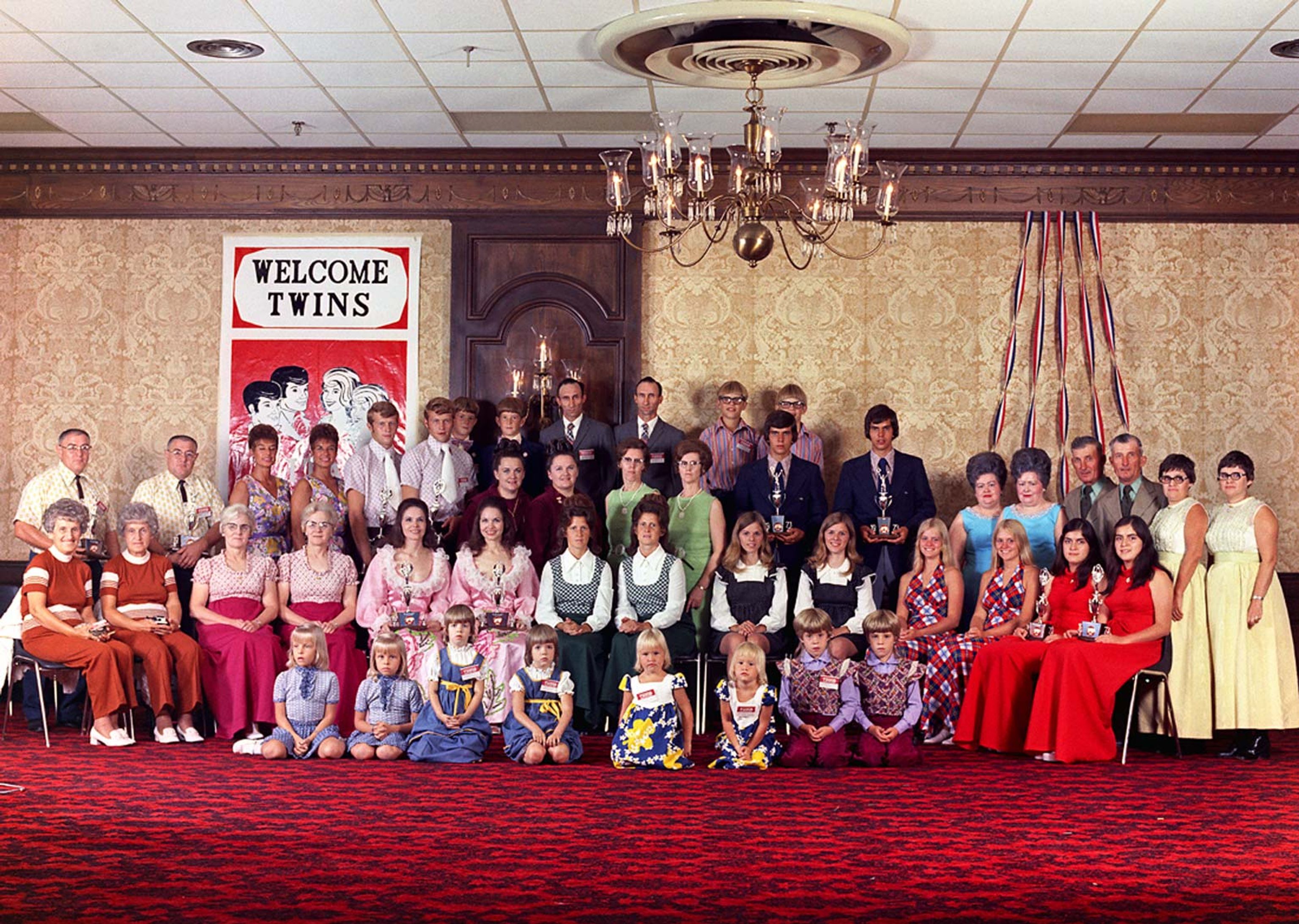
In International Twins Association, Muncie, Indiana, 1972–75, this tension between belonging and individuality becomes particularly clear. The members share an unusual physical similarity, yet subtle differences emerge through posture, expression and gesture. The group creates a sense of sameness, while the photograph insists on the individuality of every person within it. This is central to Slavin’s method. He chooses the space, lighting and viewpoint, but does not arrange his subjects himself. Instead, someone familiar with the group organises them, allowing its own dynamics to emerge. People move, lean, turn and negotiate their positions naturally. Slavin observes rather than controls, making the relationships within the group part of the photograph itself.


Color as Information
The project also marked an important shift in Slavin’s approach to photography. At a time when black-and-white was still considered the more serious medium, he became convinced that color could communicate something essential. While photographing the Flushing Volunteer Ambulance Corps, he noticed that gold and silver trophies became indistinguishable in black-and-white, while color immediately revealed the difference. From then on, he treated color not as decoration, but as information.
This gives the photographs their particular richness. Clothing, objects, interiors and architecture all become part of the social information contained within the frame. Carefully composed yet full of small irregularities, the images feel both ordered and alive, like stages on which dozens of individual stories are unfolding simultaneously.

Five hundred faces
The extraordinary New York Stock Exchange, New York, New York, 1986 takes Slavin’s fascination with groups to another scale. Around 500 people fill the frame, transforming one of America’s most powerful institutions into a vast human portrait. The photograph required an overnight production, with Slavin and his team setting up the lighting and cameras before returning early the following morning for a brief window before the market opened.
Yet the technical complexity disappears in the finished image. There is no single protagonist; instead, the eye moves continuously across the photograph, discovering individual expressions, gestures and relationships. Viewers can spend minutes examining a single section, only to find another detail moments later. The institution becomes inseparable from the people who constitute it.
Fifty years later
First published in 1976, When Two or More Are Gathered Together became an important contribution to the emerging field of color photography, alongside the work of photographers such as Stephen Shore and William Eggleston. Fifty years later, its subject remains strikingly relevant. Slavin’s photographs are humorous and often eccentric, but never mocking. Their real subject is the human impulse to connect, belong and become part of something larger than oneself.
To mark the 50th anniversary of the original 1976 publication, Slavin revisited the project in a revised and expanded edition published in 2024 by internationally renowned art and photography book publisher Damiani Books. The new edition brings together the original work with 54 additional photographs made between the 1970s and 2023, alongside an essay by art historian Kevin Moore. What began with a single Boy Scout photograph has become a five-decade meditation on identity, community and the endlessly revealing moment when two or more are gathered together.