Lewis Gilbert
You Only Live Twice
- DirectorLewis Gilbert
Ask og Eng This film’s architecture, set design and visual language are striking: modernist interiors, sculptural forms and an almost surreal sense of spatial drama. We’re inspired by its interplay between built environments and atmosphere - a reminder that design can hold narrative, precision and spectacle all at once.
You Only Live Twice
You Only Live Twice (1967) is the fifth film in the James Bond series, produced by Eon Productions and directed by Lewis Gilbert, with a screenplay by Roald Dahl. Loosely based on Ian Fleming’s 1964 novel of the same name, the film discards much of the original plot, keeping only a few characters and locations while crafting a wholly new story. Sean Connery reprises his role as James Bond, dispatched to Japan to investigate the mysterious disappearance of American and Soviet spacecraft amidst Cold War tensions.
The narrative spans multiple iconic locations, from urban Tokyo to remote islands and volcanic landscapes, blending espionage with exotic spectacle. Dahl’s script introduced new characters like Aki and Helga Brandt while transforming established figures such as Blofeld into visual presences that would define the franchise. The film’s production also reflects the logistical and creative challenges of international filmmaking in the 1960s, including location scouting in Japan, set construction at Pinewood Studios, and the integration of cultural aesthetics into the Bond universe.





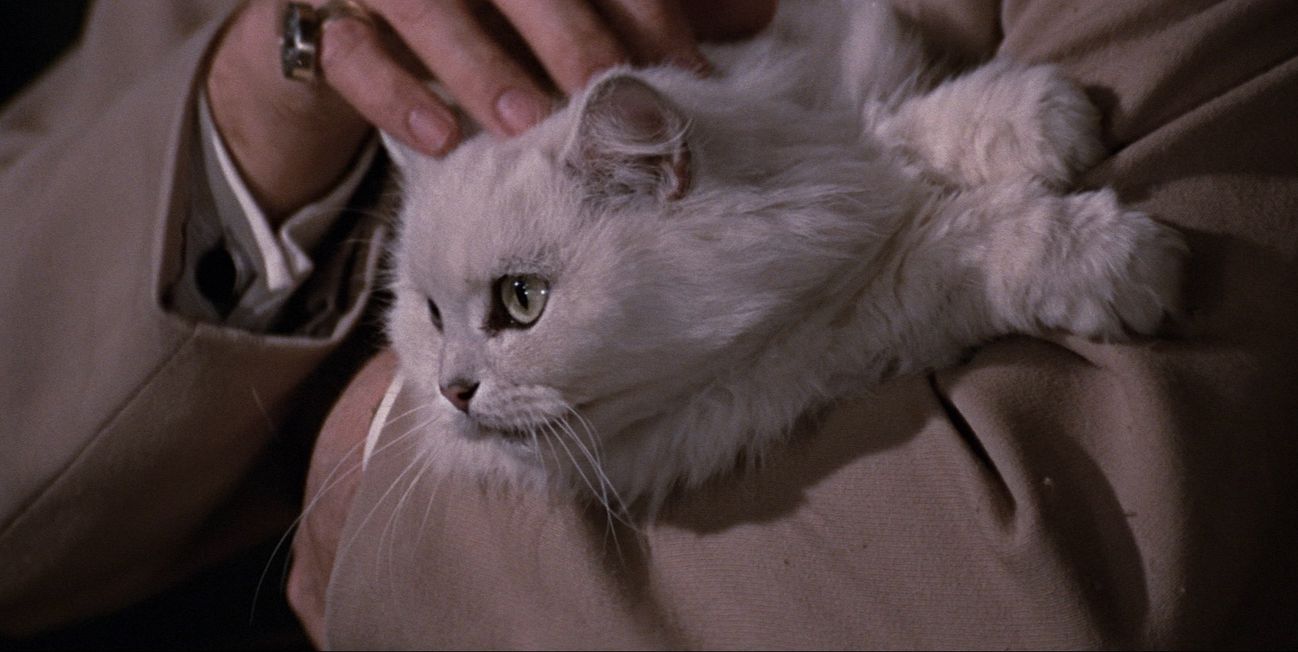

Architecture & Locations
The film’s architectural and environmental design is central to its visual identity. SPECTRE’s headquarters, a hidden base within an extinct volcano, exemplifies a blend of monumental scale and sculptural fantasy, realized through production designer Ken Adam’s meticulous set design at Pinewood Studios. These interiors, with their imposing monorails, missile silos, and helipads, evoke both modernist futurism and cinematic spectacle, dominating the landscape while maintaining functional logic within the story.
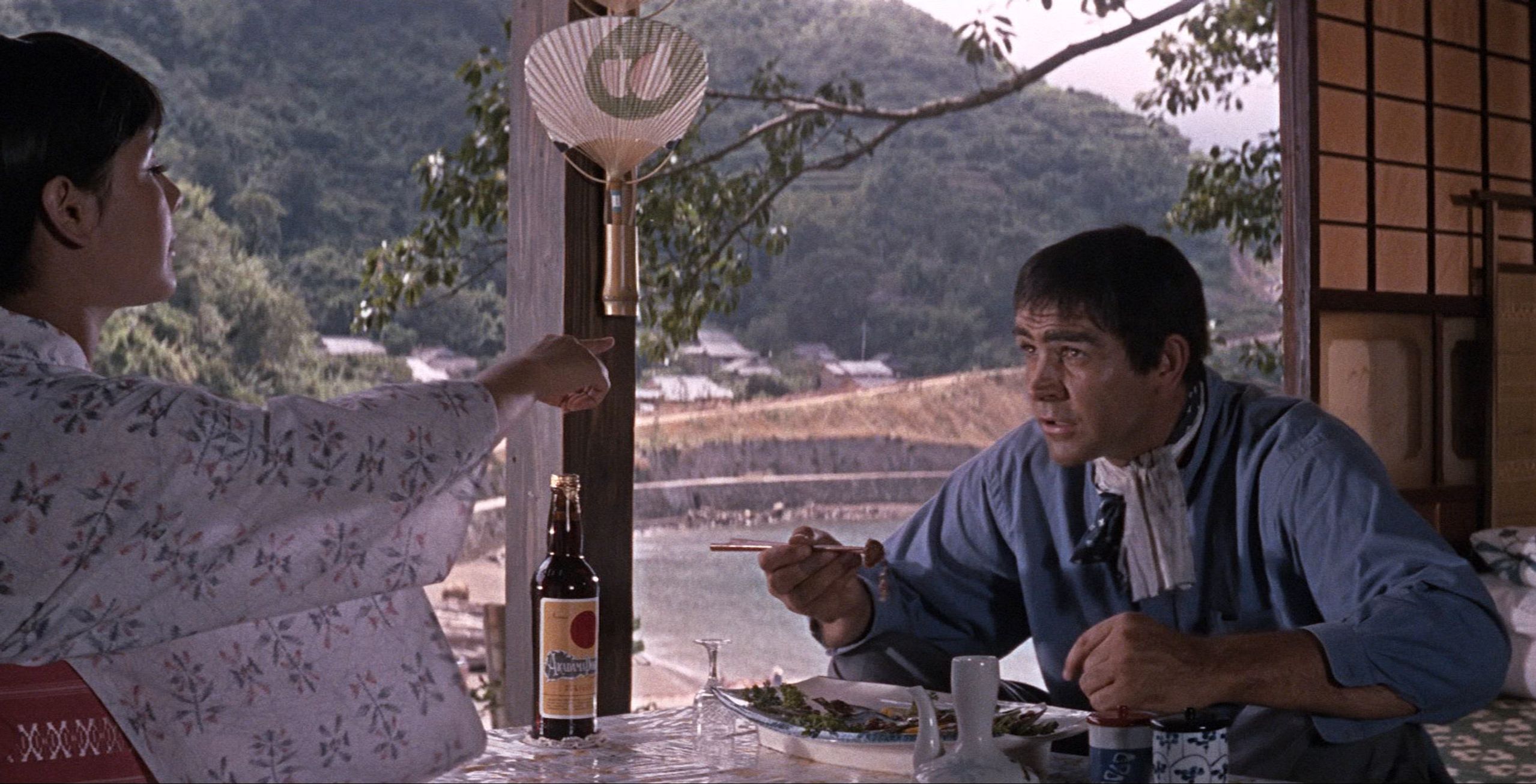
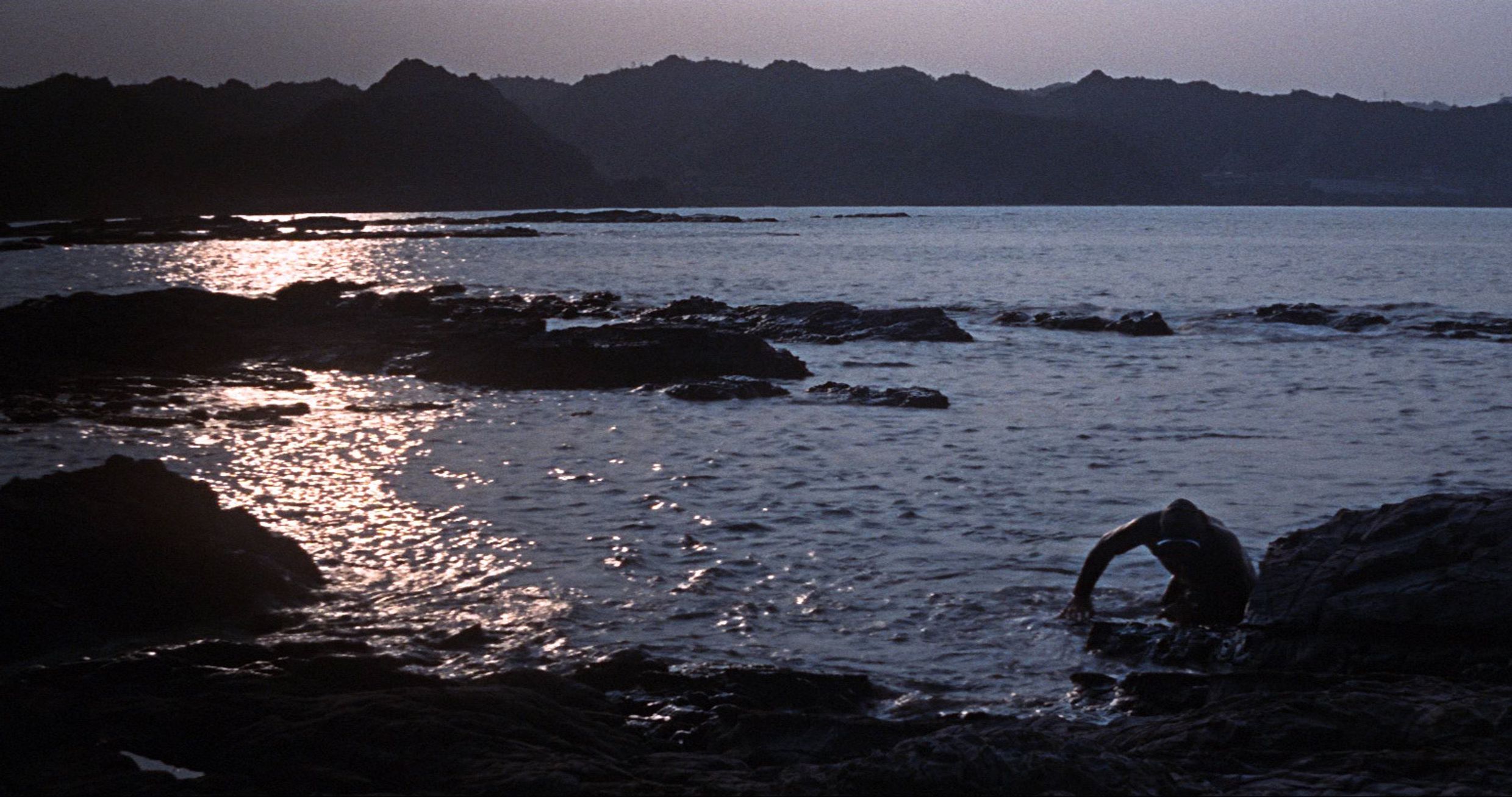
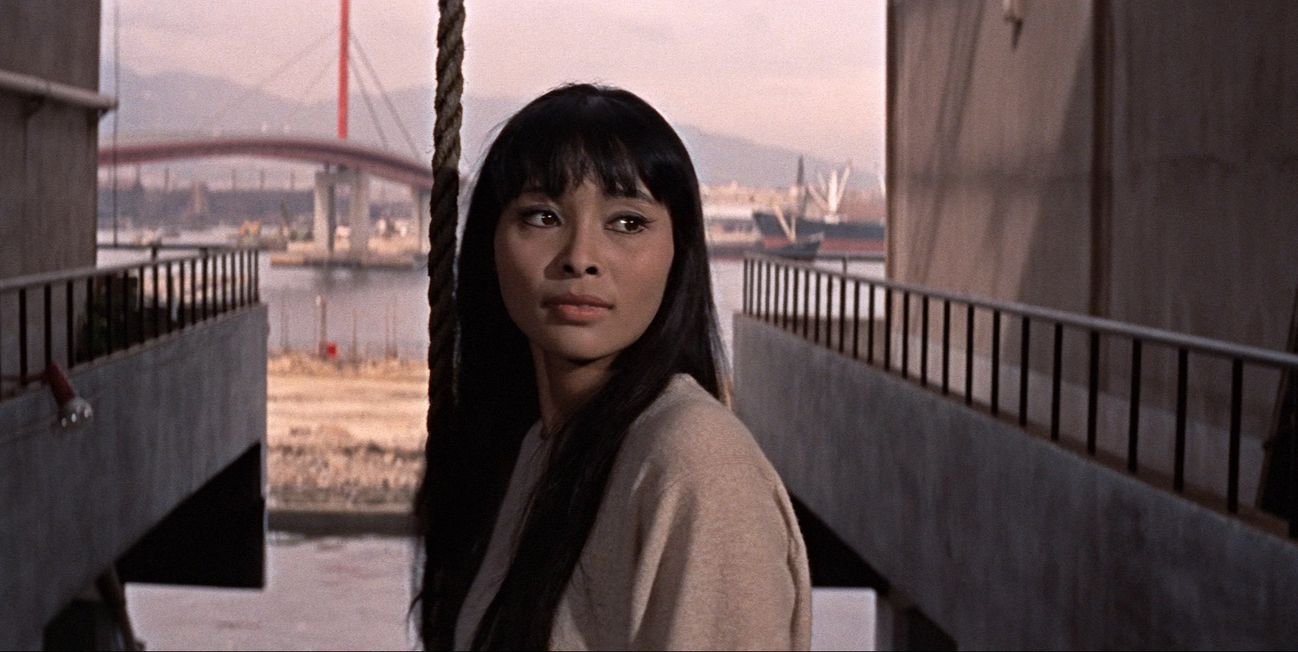
Japanese locations were carefully chosen for their cultural resonance: the New Otani Hotel served as Osato Chemicals, its gardens doubled as ninja training grounds, and Himeji Castle became the setting for martial arts sequences. Filming extended across Kobe, Kyoto, and Kagoshima, with village exteriors and Shinto shrines providing authentic cultural textures. Even secondary locations like Tokyo’s Ginza district, the Nakano-shimbashi subway station, and the Kuramae Kokugikan sumo hall contribute to the layering of real and constructed environments, creating a cinematic Japan that balances authenticity with the stylized needs of the Bond narrative.
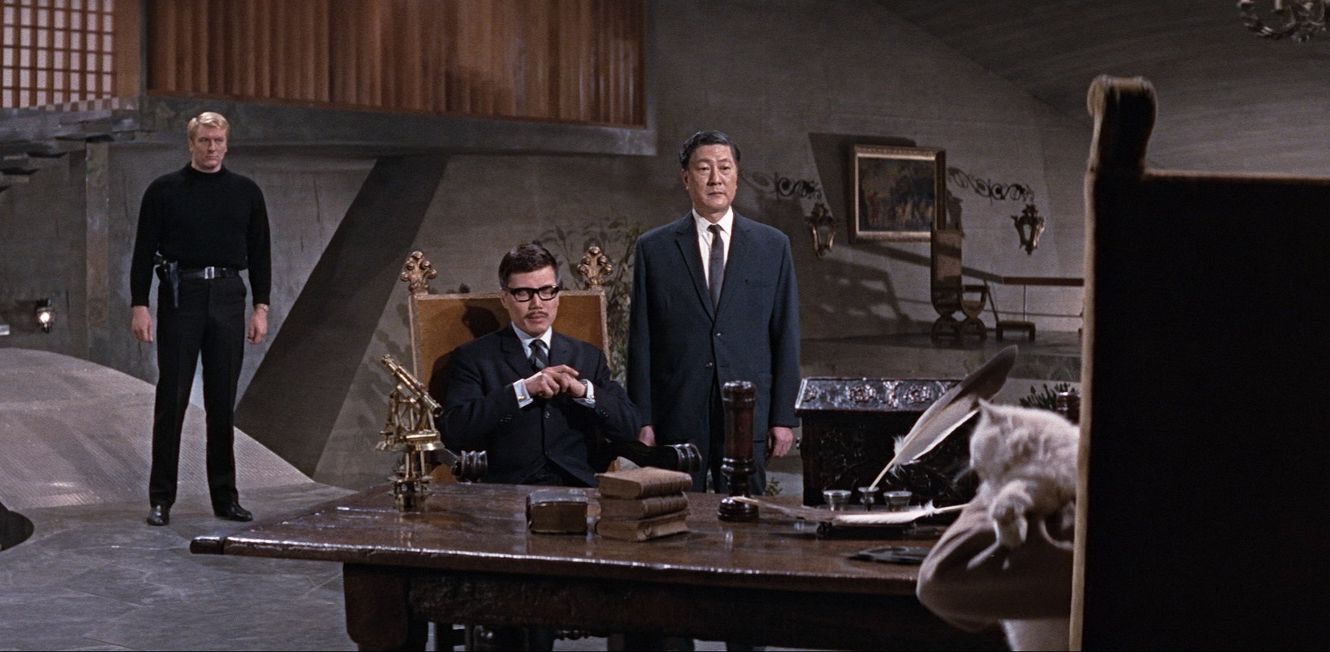

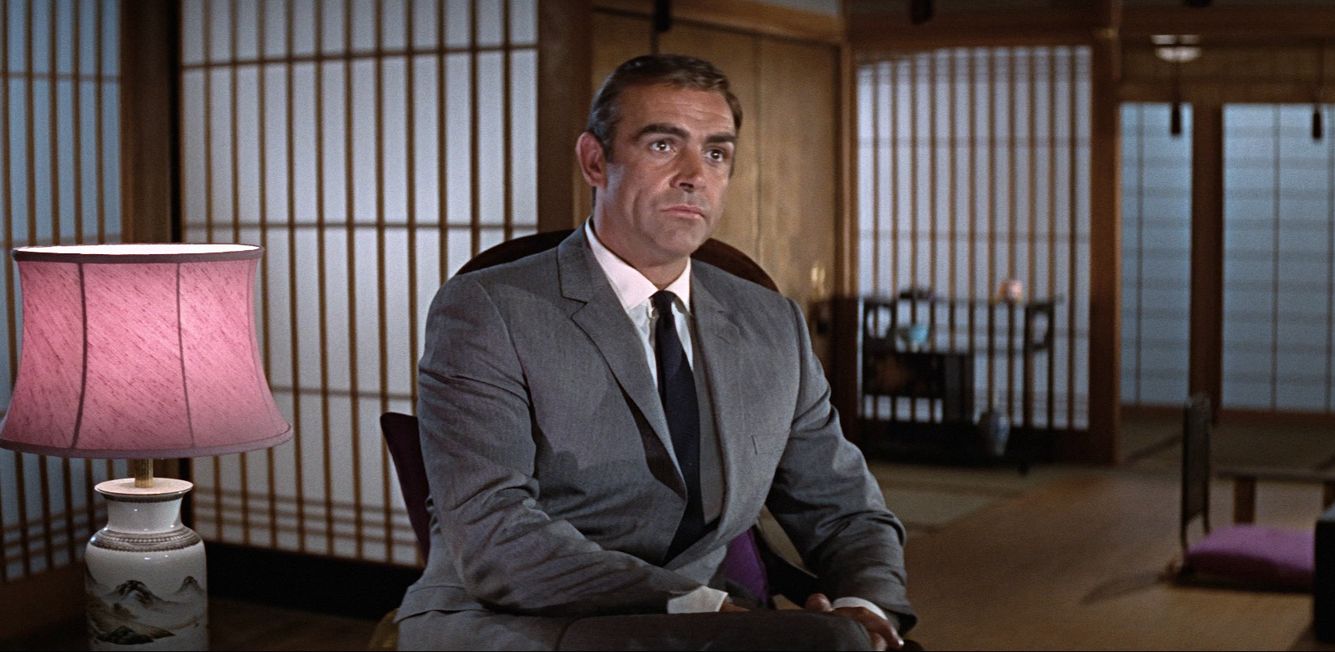

Interiors, Set Design & Visual Language
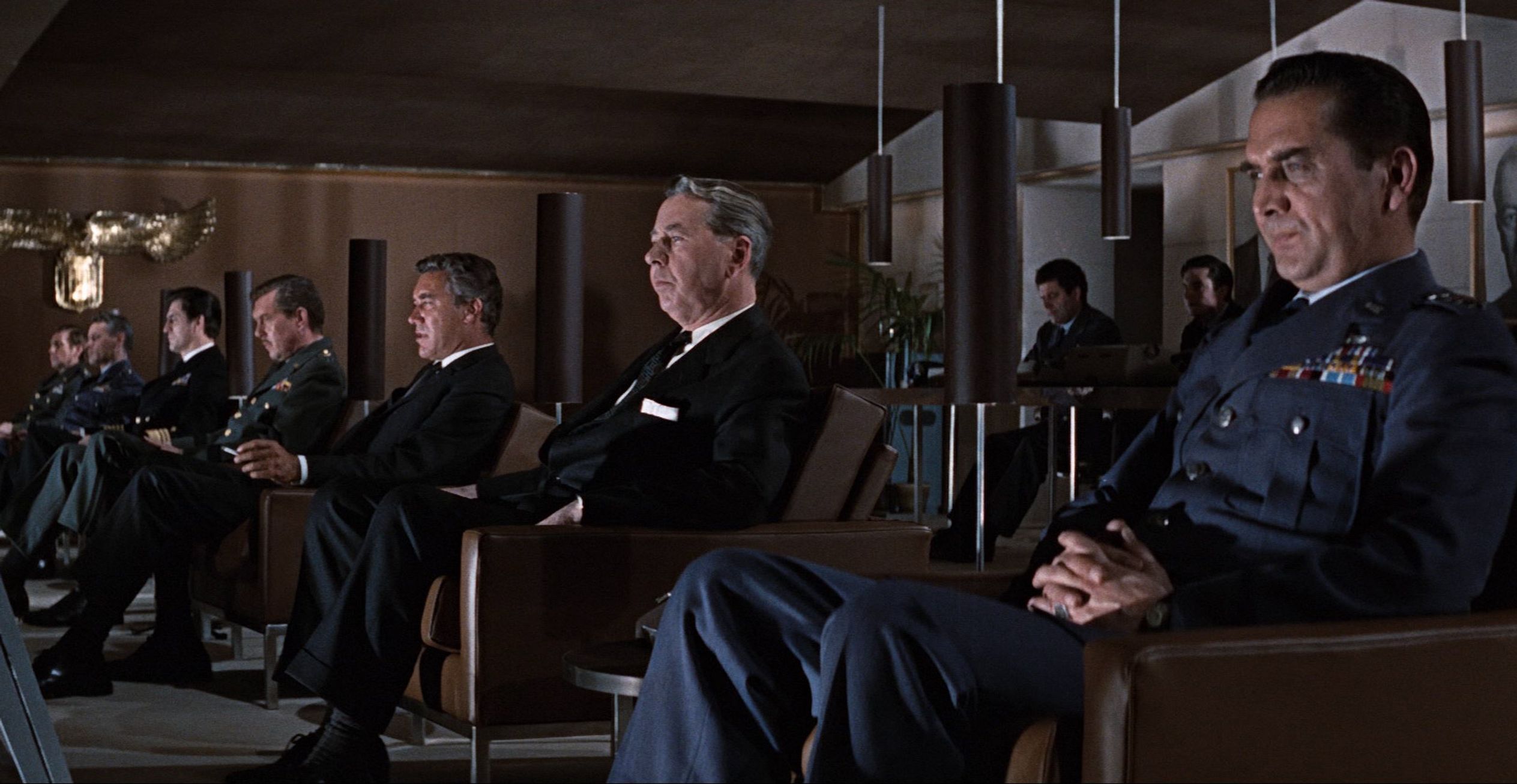
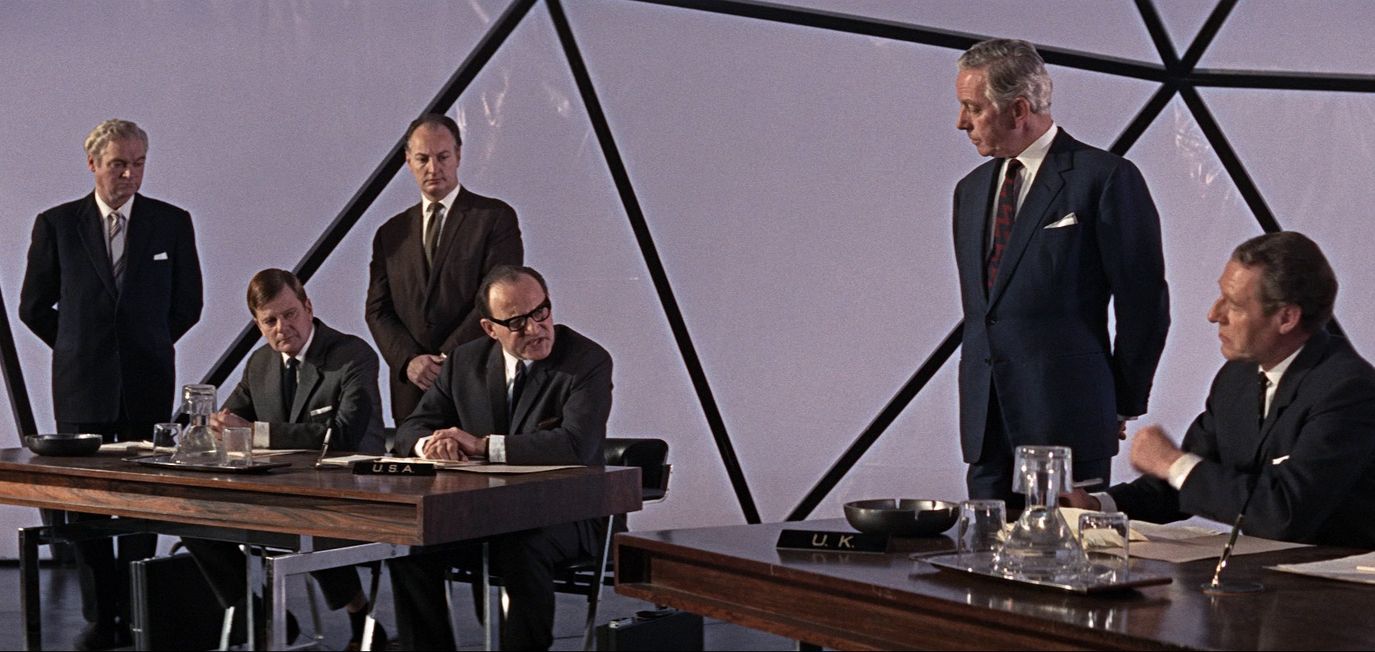
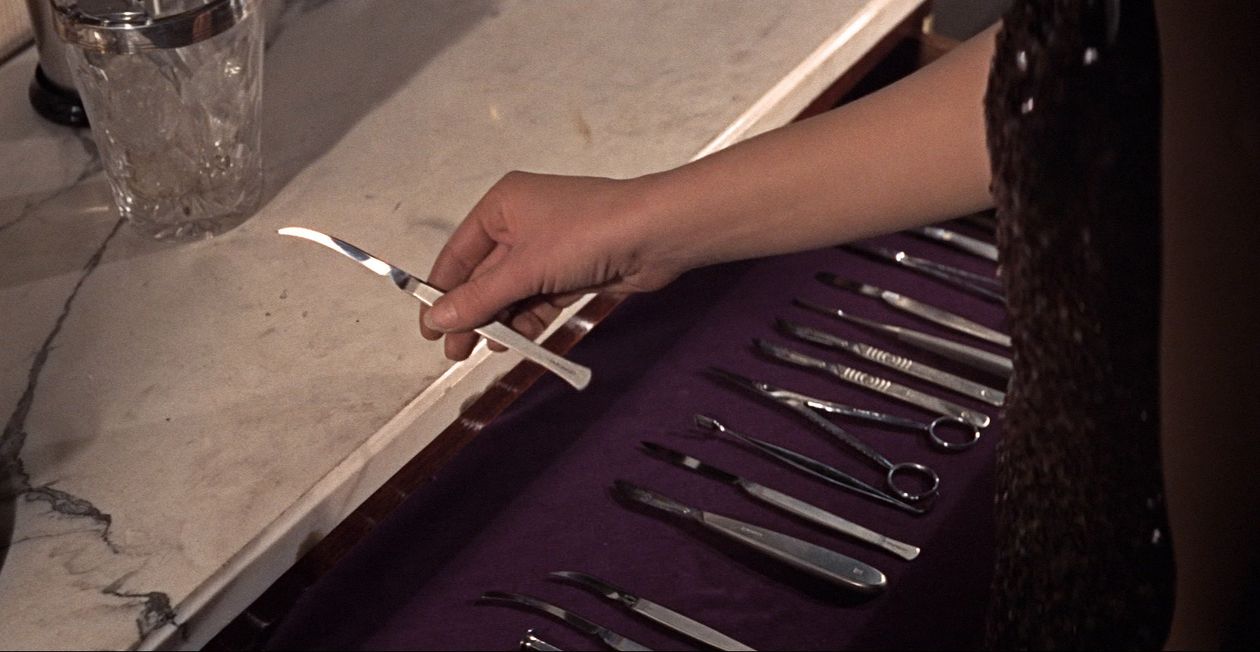
Beyond architecture, the interiors and set pieces communicate character, power, and narrative tension. Blofeld’s lair, with its stark geometries, curved corridors, and suspended platforms, contrasts with Bond’s more transient and improvisational environments, such as the Ninjas’ village or the confined spaces of the Ning-Po cargo ship.
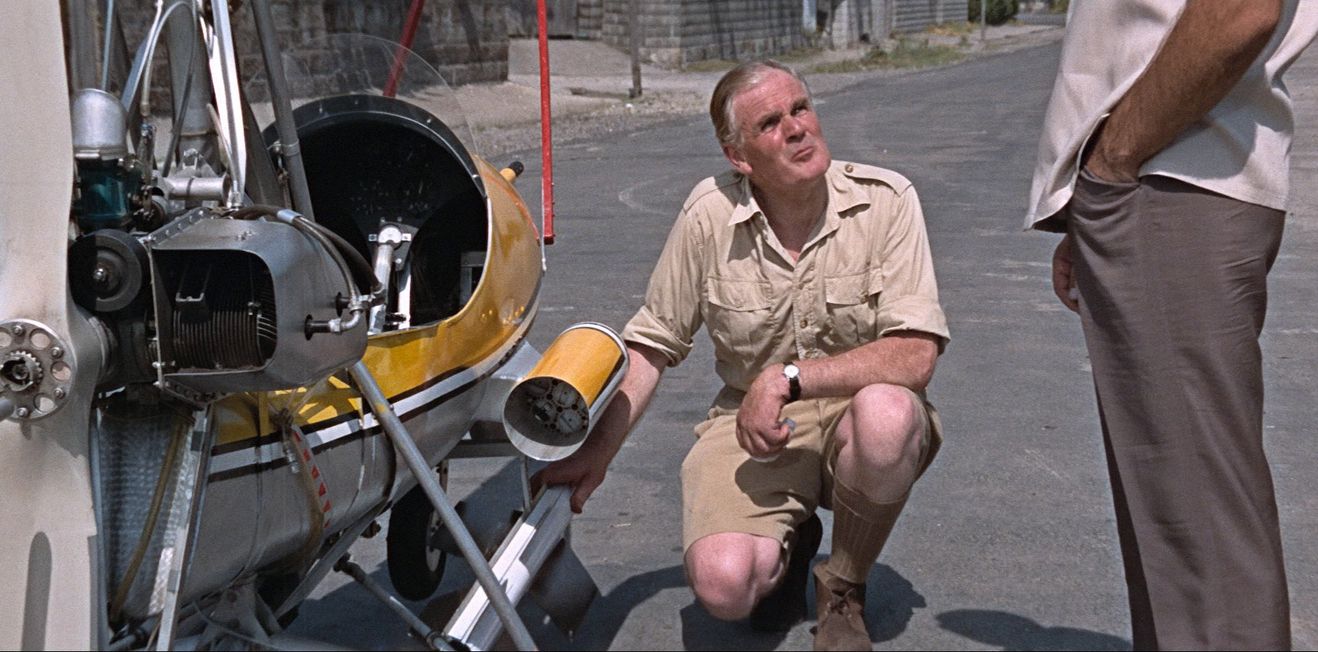
The production design merges sculptural forms with functional props: Q’s autogyro Little Nellie, the volcanic control rooms, and SPECTRE’s mechanical apparatuses become extensions of the story’s suspense and theatricality. Lighting, colour contrasts, and meticulous composition enhance drama, from the reflective surfaces of Osato’s offices to the shadowed recesses of secret passageways. These interiors are not merely backdrops; they actively shape the film’s action, guiding movement and tension while offering visual cues that support Dahl’s layered narrative.
Cinematography & Legacy
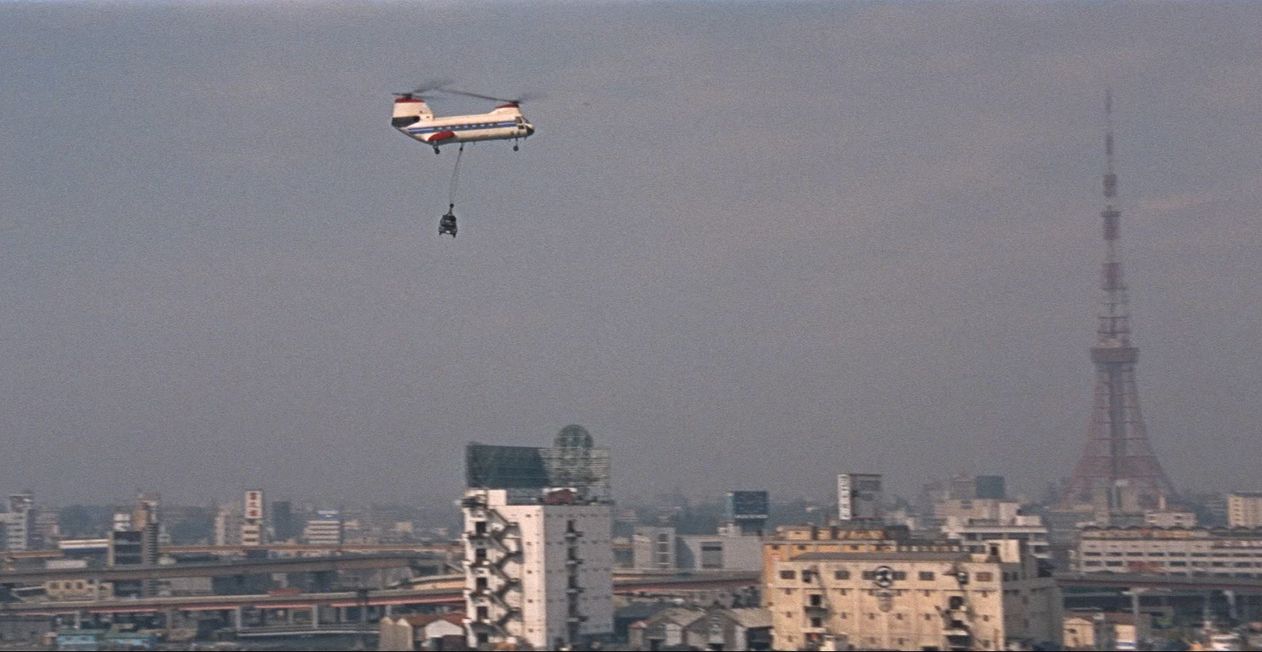
Freddie Young’s cinematography captures the film’s architectural and interior ambitions while accentuating its action-driven spectacle. Strategic framing, aerial shots, and inventive perspectives emphasize scale and movement, particularly in sequences with the autogyro, helicopters, and SPECTRE’s volcano base. The interplay between exterior landscapes and constructed sets creates a dynamic visual language that balances realism with heightened fantasy.
Over time, You Only Live Twice has become a reference point in cinematic design, influencing subsequent Bond films, spy thrillers, and adventure cinema with its integration of monumental architecture, sculptural interiors, and choreographed set pieces. Ken Adam’s visionary production design, combined with Japanese cultural and architectural motifs, ensures the film’s enduring visual impact and its recognition as a landmark in the fusion of cinematic spectacle and narrative world-building.