Lucrecia Martel
Zama
- DirectorLucrecia Martel
- Costume DesignerJulio Suárez
- CinematographerRui Poças
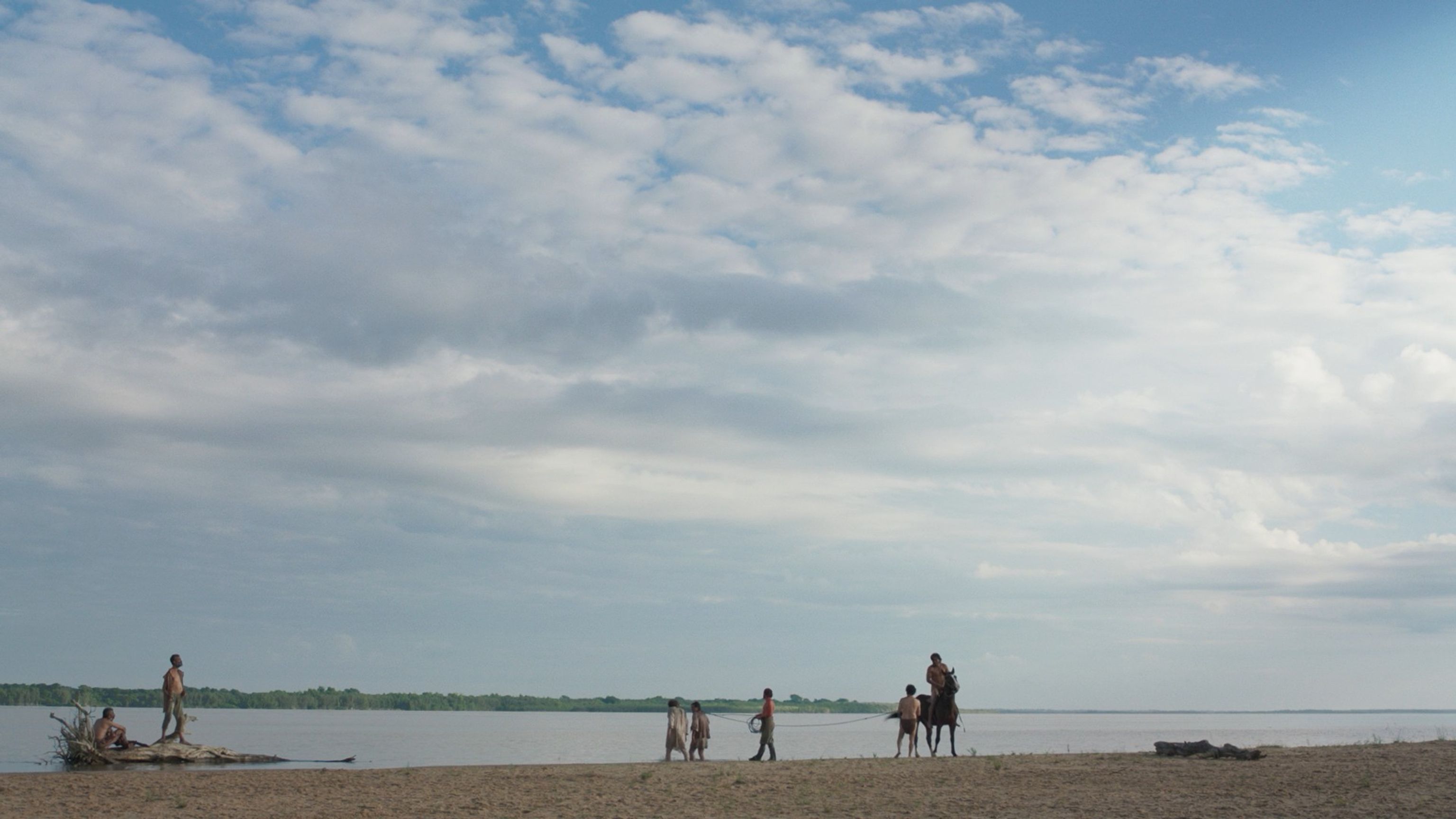
Luna Paiva I had the opportunity to work on Zama, shot on the banks of the Paraná river, a place of profound resonance for my ancestors, at the very epicenter of the collision between the colonial and the indigenous. Lucrecia gave me a small role embodying those streams of life that run along that river. Each of her films is a piece of something larger: a lifelong excavation of civilization itself, its origins, its violences, its silences.
Zama
Zama (2017) is a period drama written and directed by Argentine filmmaker Lucrecia Martel, based on Antonio di Benedetto’s 1956 novel of the same name. The film marks Martel’s first historical feature and her return to cinema after nearly a decade, following The Headless Woman (2008). It premiered at the Venice Film Festival and later screened at Toronto in the “Masters” section, immediately positioning it as a major international arthouse release.
The project itself had a long history: earlier adaptation attempts dated back decades, and Martel’s own version took shape slowly from around 2012, with filming and post-production stretching over several years due to financial constraints, logistical complexity, and personal challenges during the process. The result is not just an adaptation, but a reconstruction of the novel’s atmosphere, less concerned with literal fidelity than with translating its sense of delay, distance, and psychological erosion into cinema.
Story – Waiting As Structure
At its core, Zama follows Don Diego de Zama, a Spanish colonial magistrate stationed in a remote South American outpost in the late 18th century. He exists in a constant state of suspension, waiting for transfer to a more prestigious post where he can reunite with his wife and children. That transfer is repeatedly promised, endlessly delayed, and gradually revealed as a bureaucratic illusion.
The narrative unfolds across years without clear transitions, reinforcing the sense that time in this colonial system does not progress but accumulates. Zama’s life becomes defined by anticipation itself, he is not moving toward a goal, but trapped inside the mechanism of waiting. Around him, rumours circulate, authorities shift, and administrative orders arrive from distant Spain, but none of it produces real change. The film builds its structure around this stagnation, allowing repetition and delay to replace conventional plot development.


Empire, Production of Power, and Collapse of Order
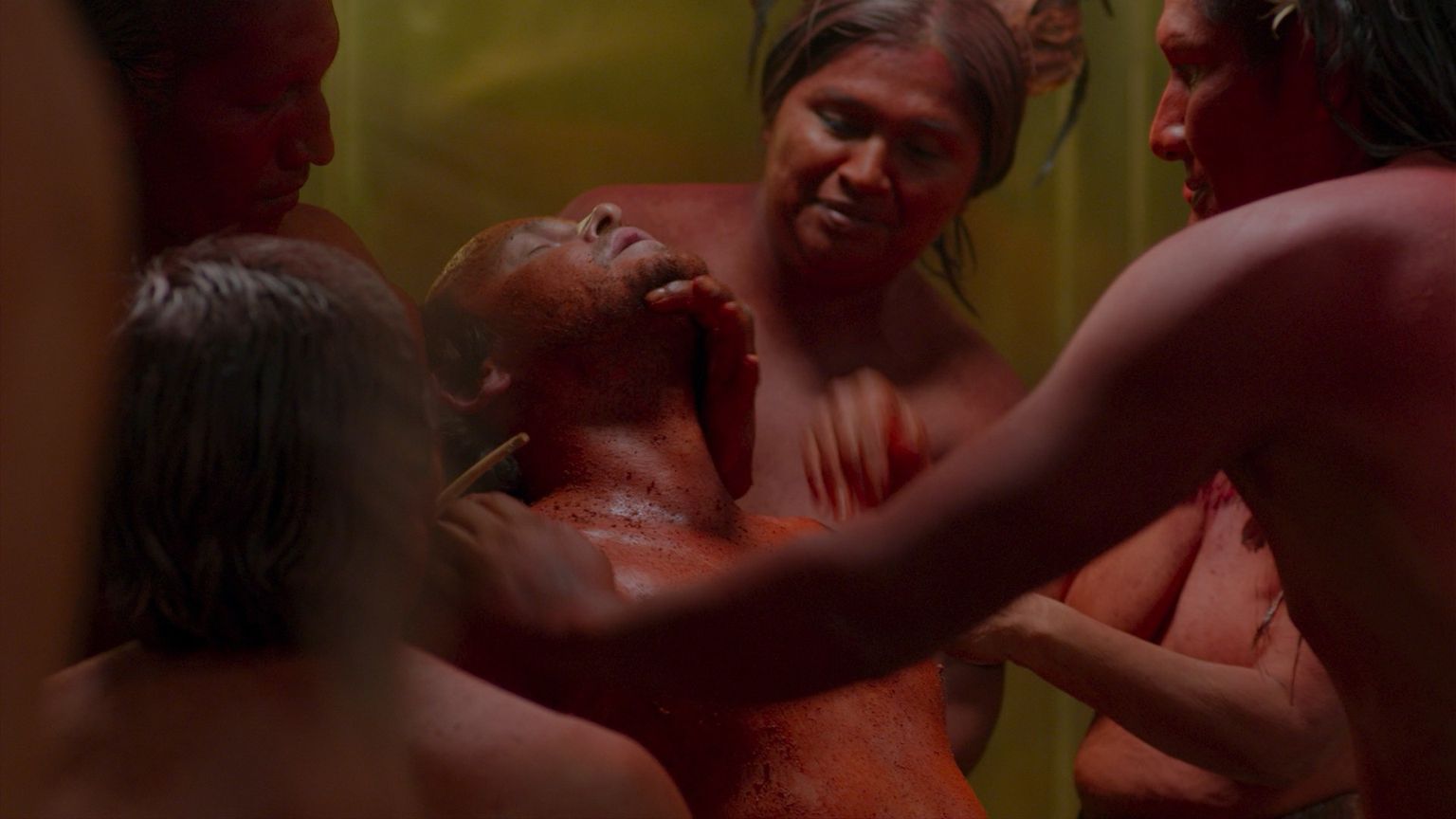
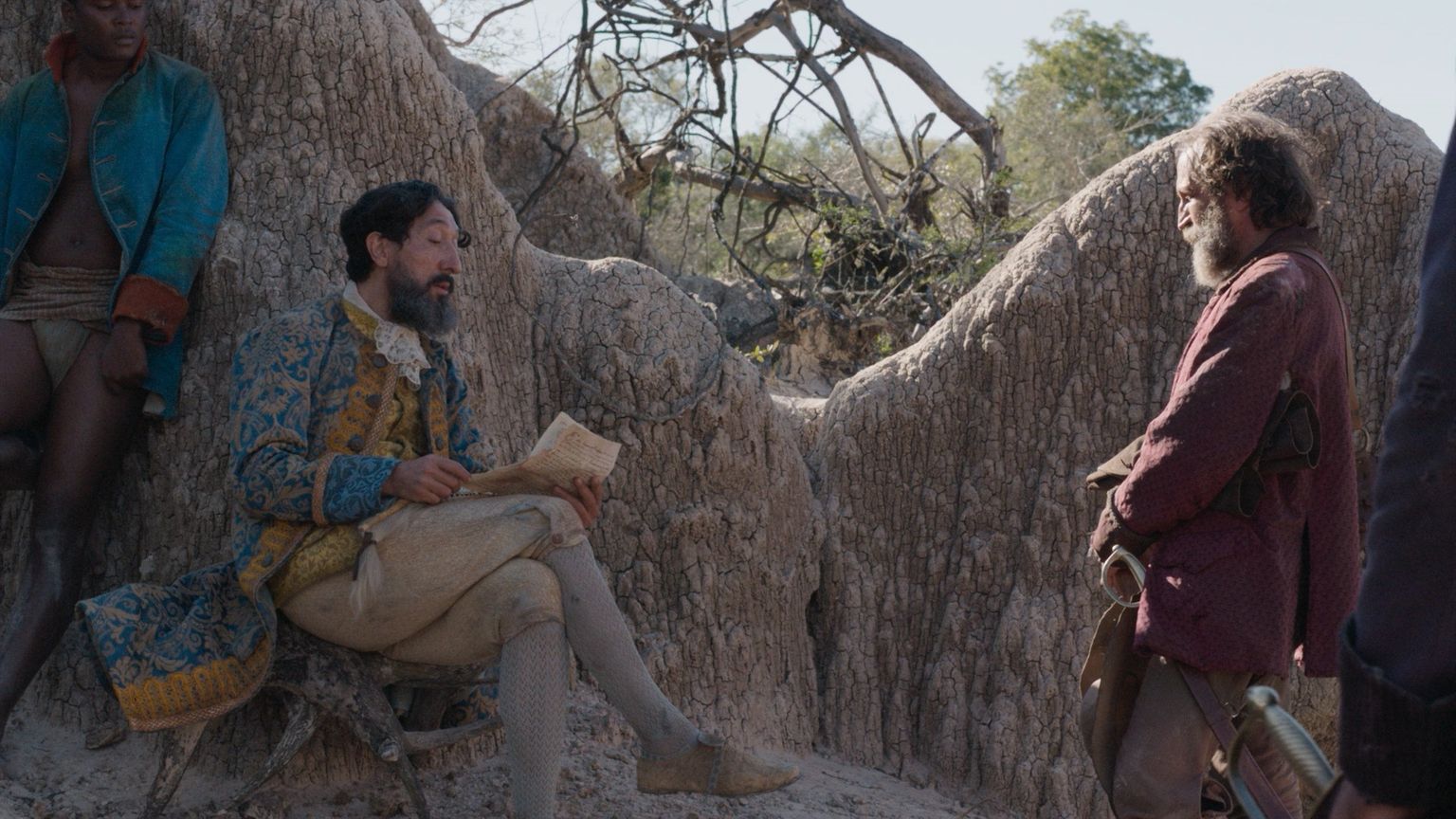
The colonial world in Zama is not presented as a stable empire but as a fragile network of competing authorities. Governors arrive and leave, clerks gain and lose influence, and official decisions depend on letters that travel slowly across oceans. Power is less a system than a negotiation of presence and absence. Zama’s position within this structure is increasingly unstable: despite his title, he is repeatedly undermined by superiors, colleagues, and shifting bureaucratic logic. Encounters with figures such as Ventura Prieto expose tensions within the colonial hierarchy, including moral conflicts around exploitation and control of Indigenous populations.
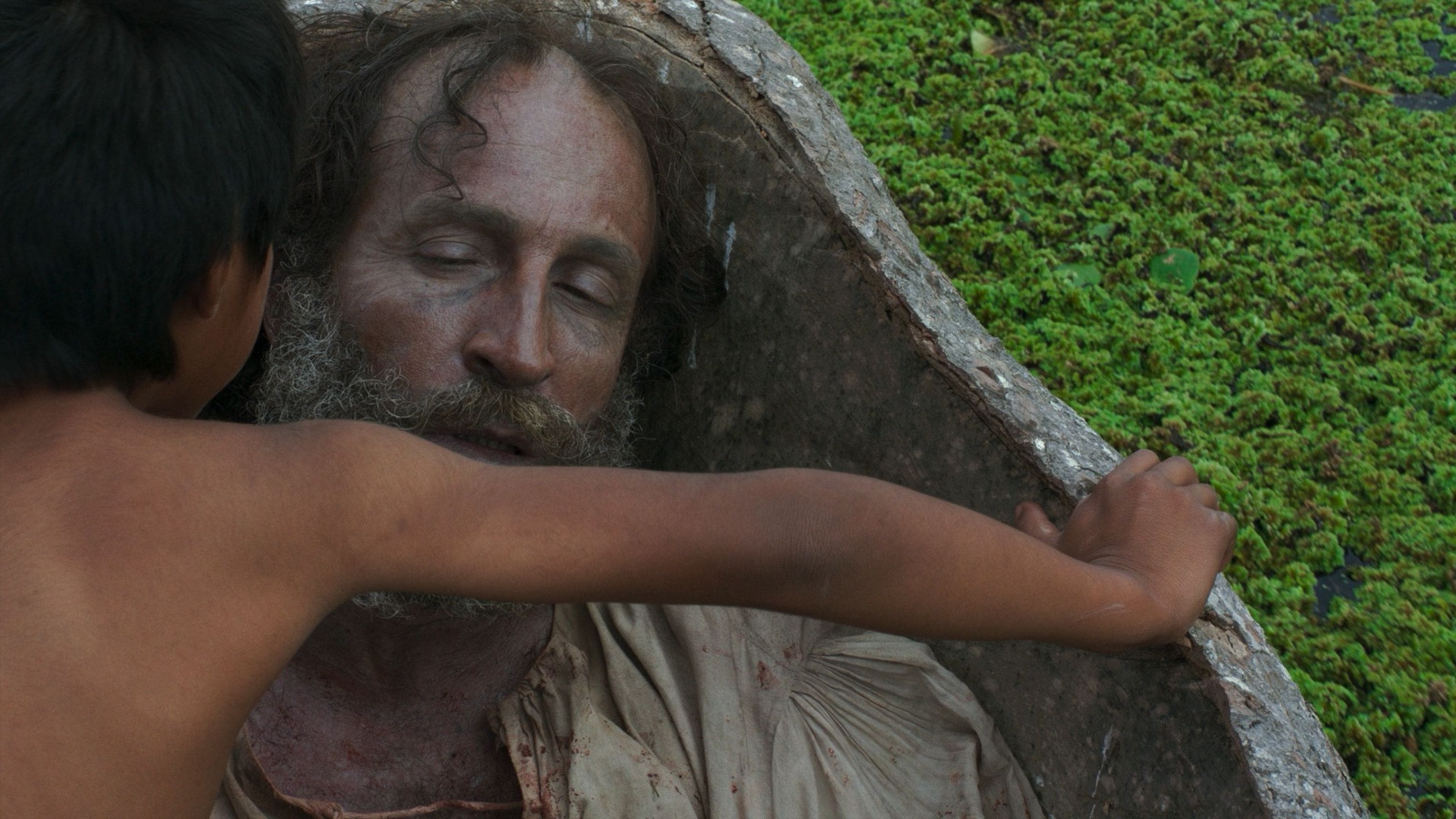
Violence exists throughout the system, but it is not framed as spectacle, it is embedded in the administrative normality of the colony. What emerges is a portrait of empire as something decaying from within, held together by procedure rather than authority.

Direction and Cinematography
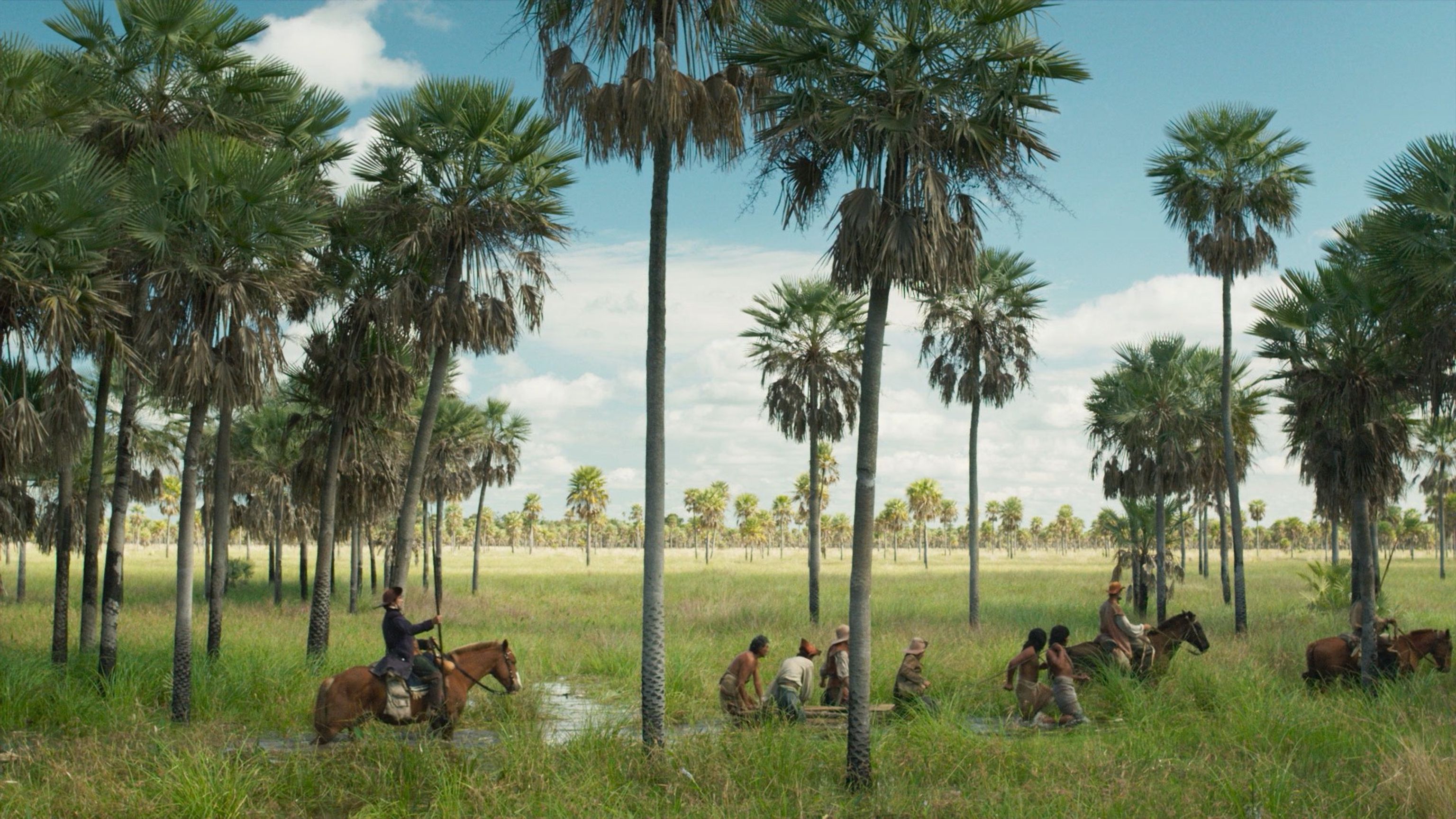
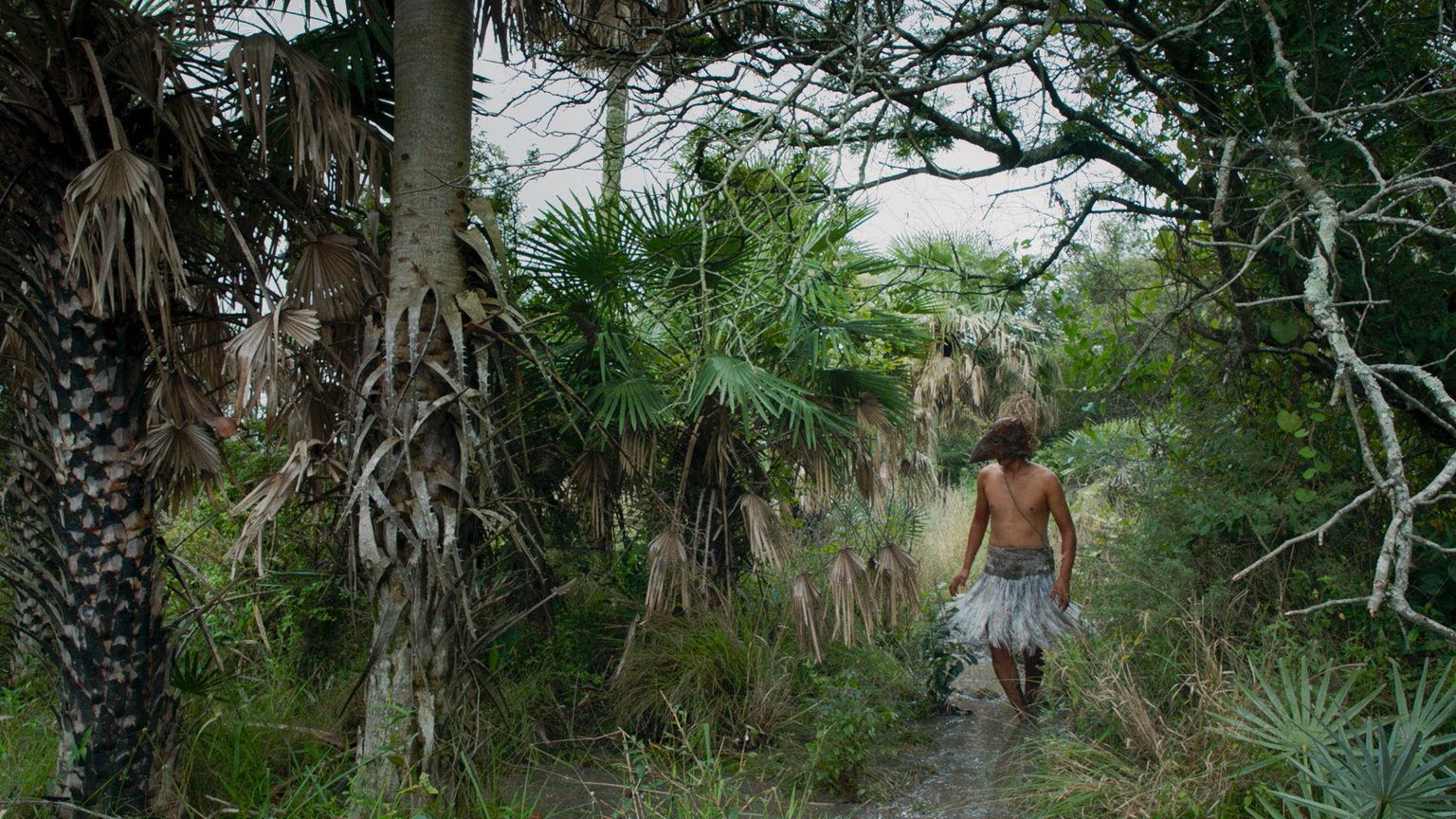
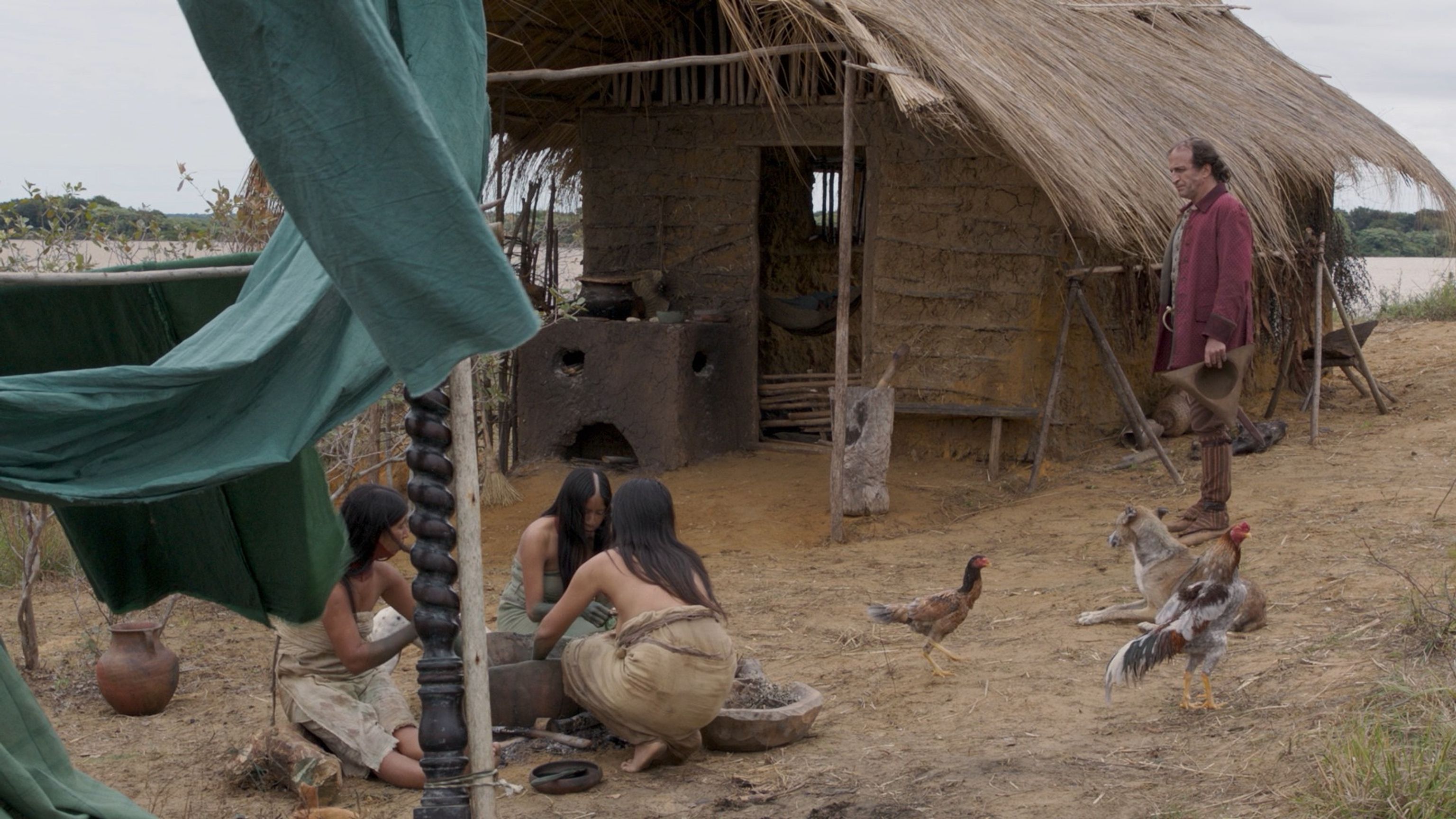
Martel’s direction transforms Zama into a highly sensory film where meaning is carried as much by sound and space as by action. She works in collaboration with cinematographer Rui Poças, building a visual language defined by depth, fragmentation, and partial visibility. Frames are often layered: doorways, windows, and architectural divisions create multiple spaces within a single shot, suggesting both confinement and extension. The camera rarely explains; it observes from within environments that feel humid, unstable, and physically dense.

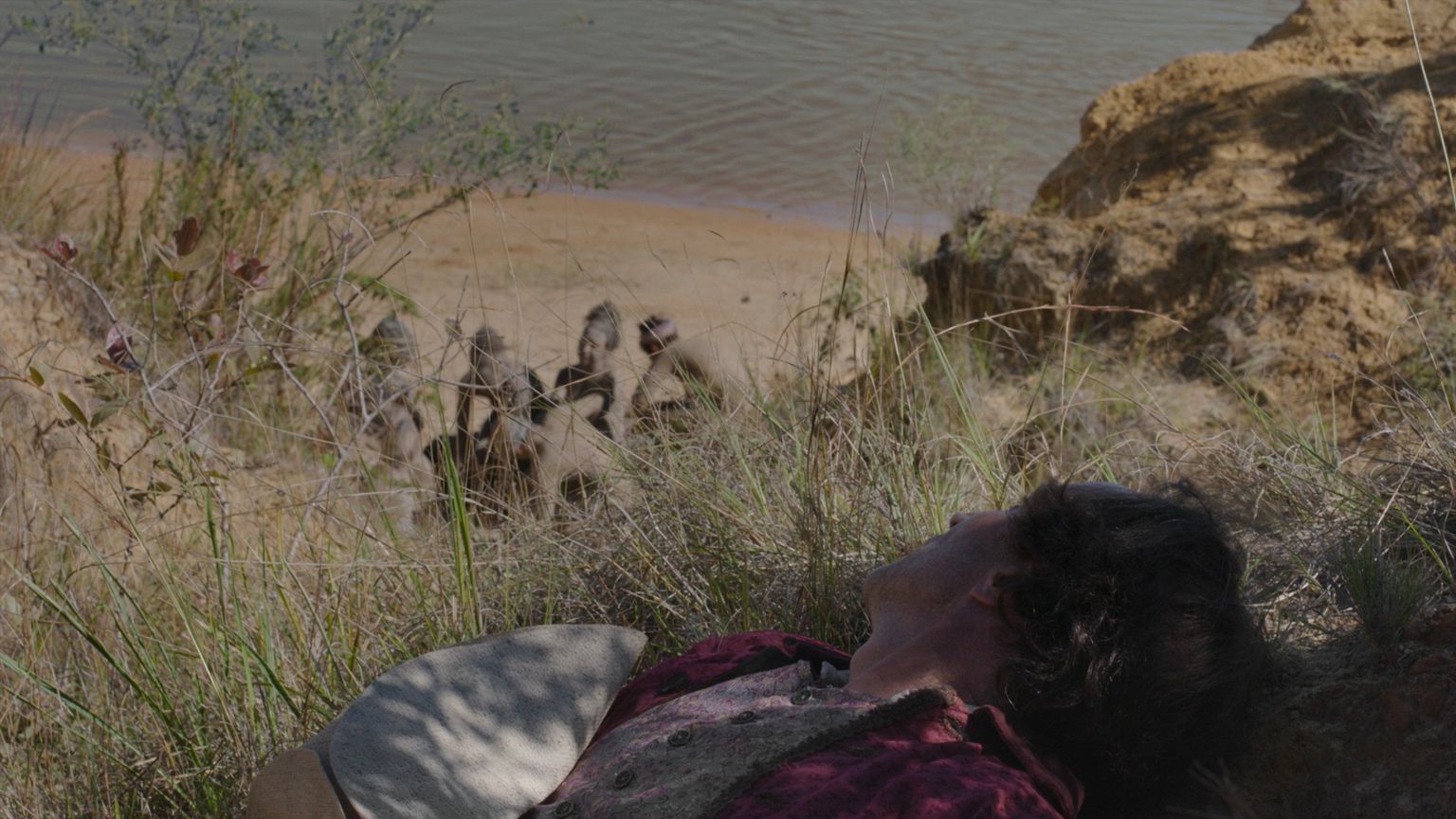

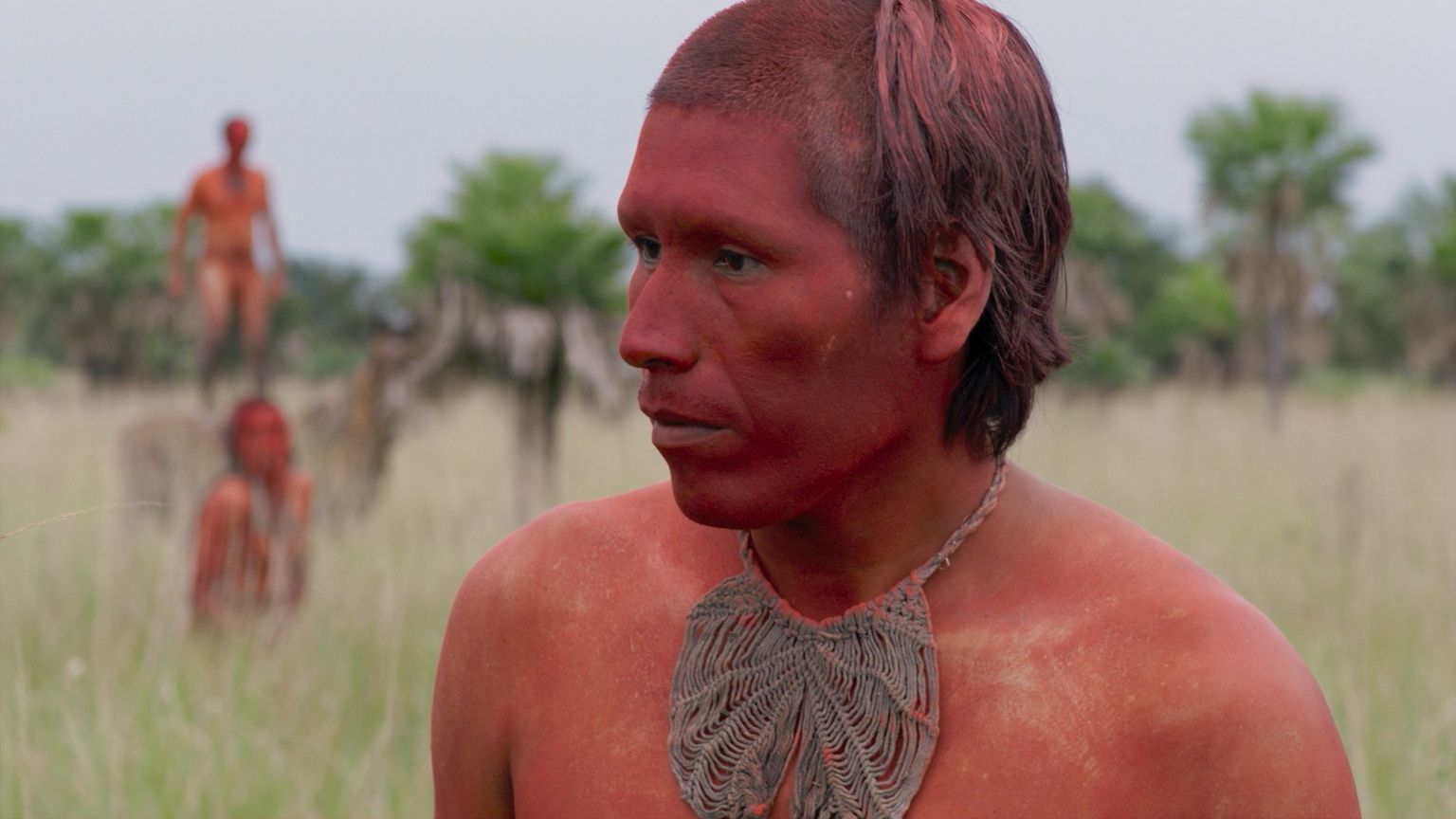

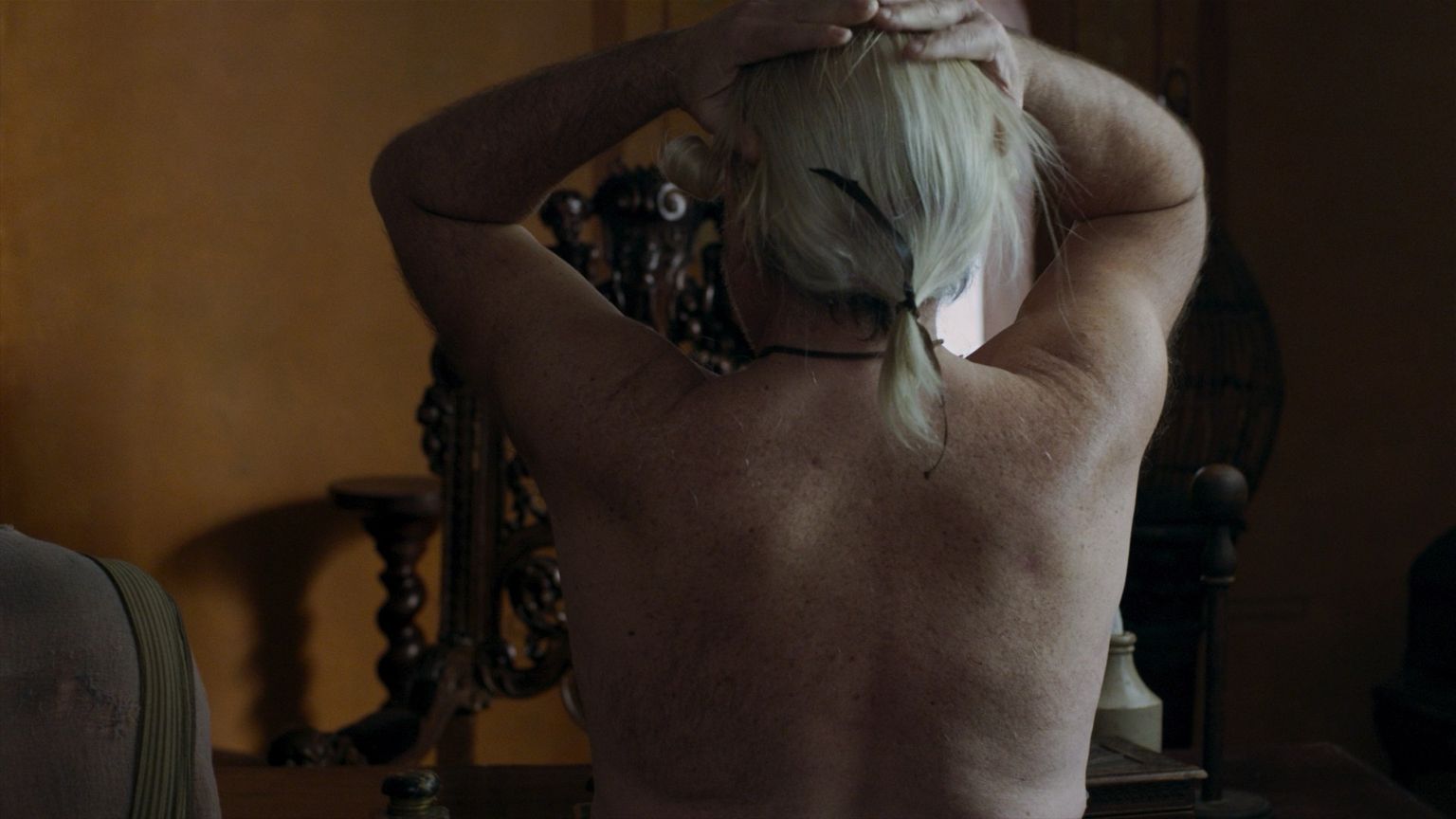

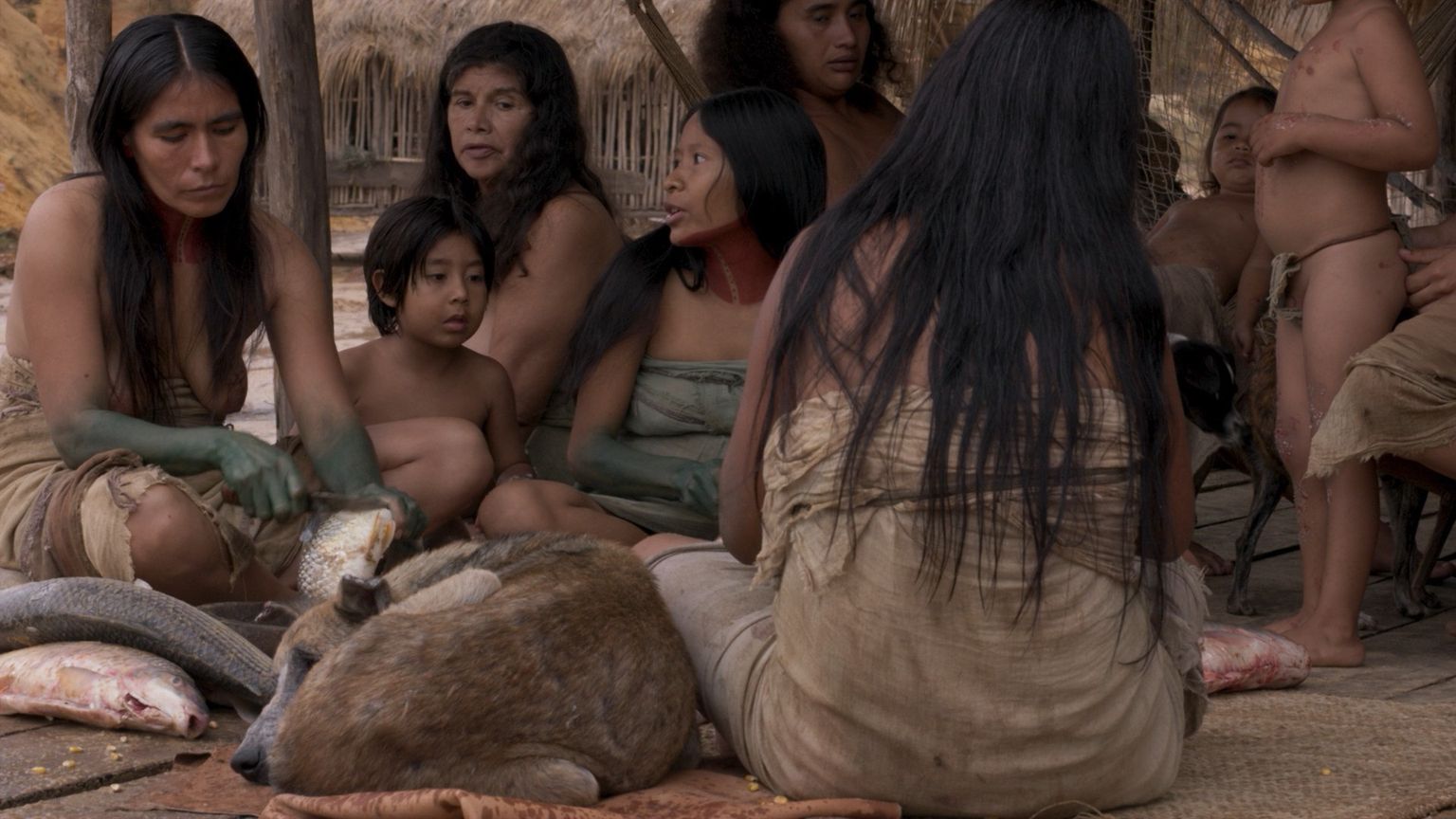

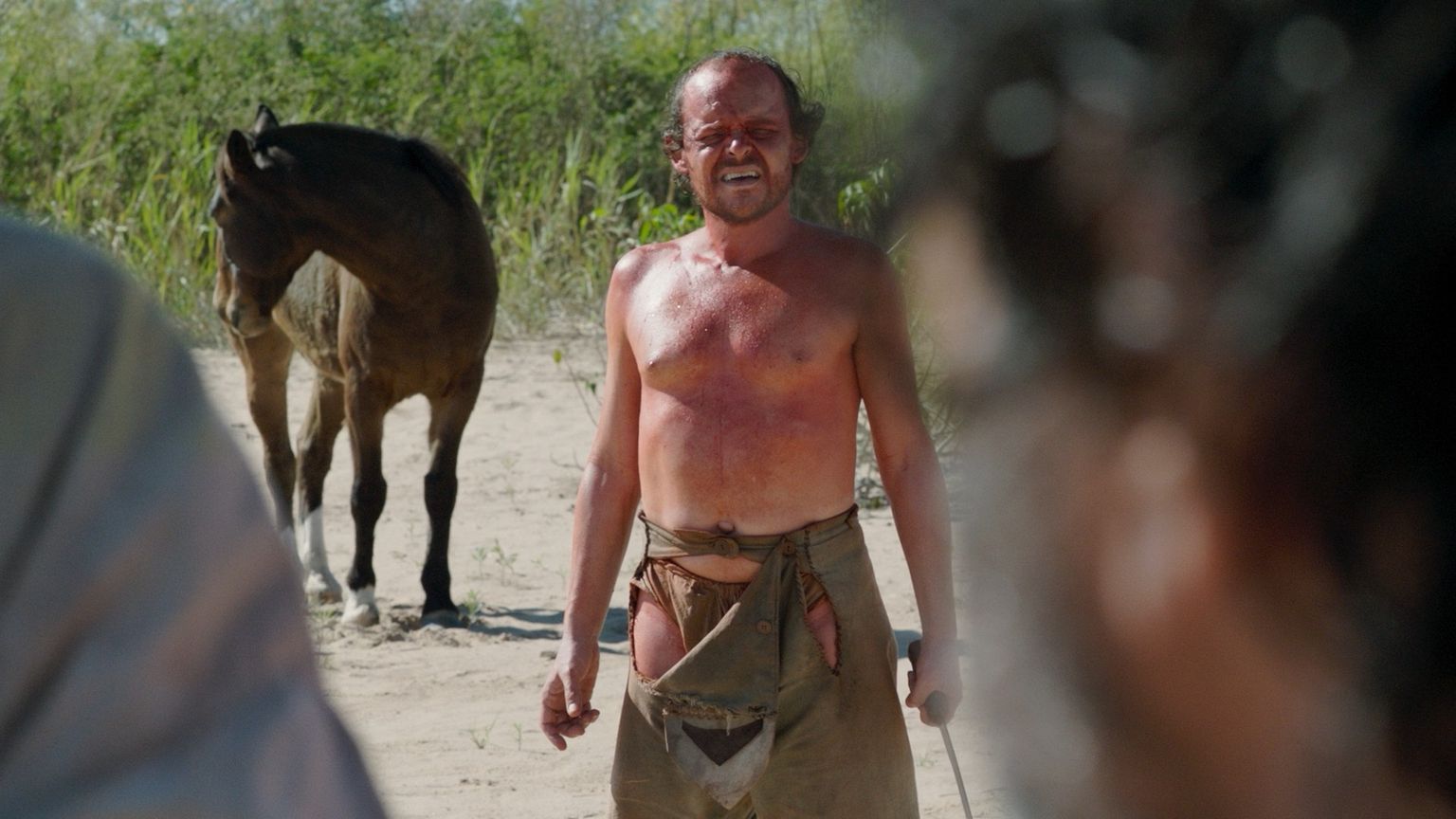

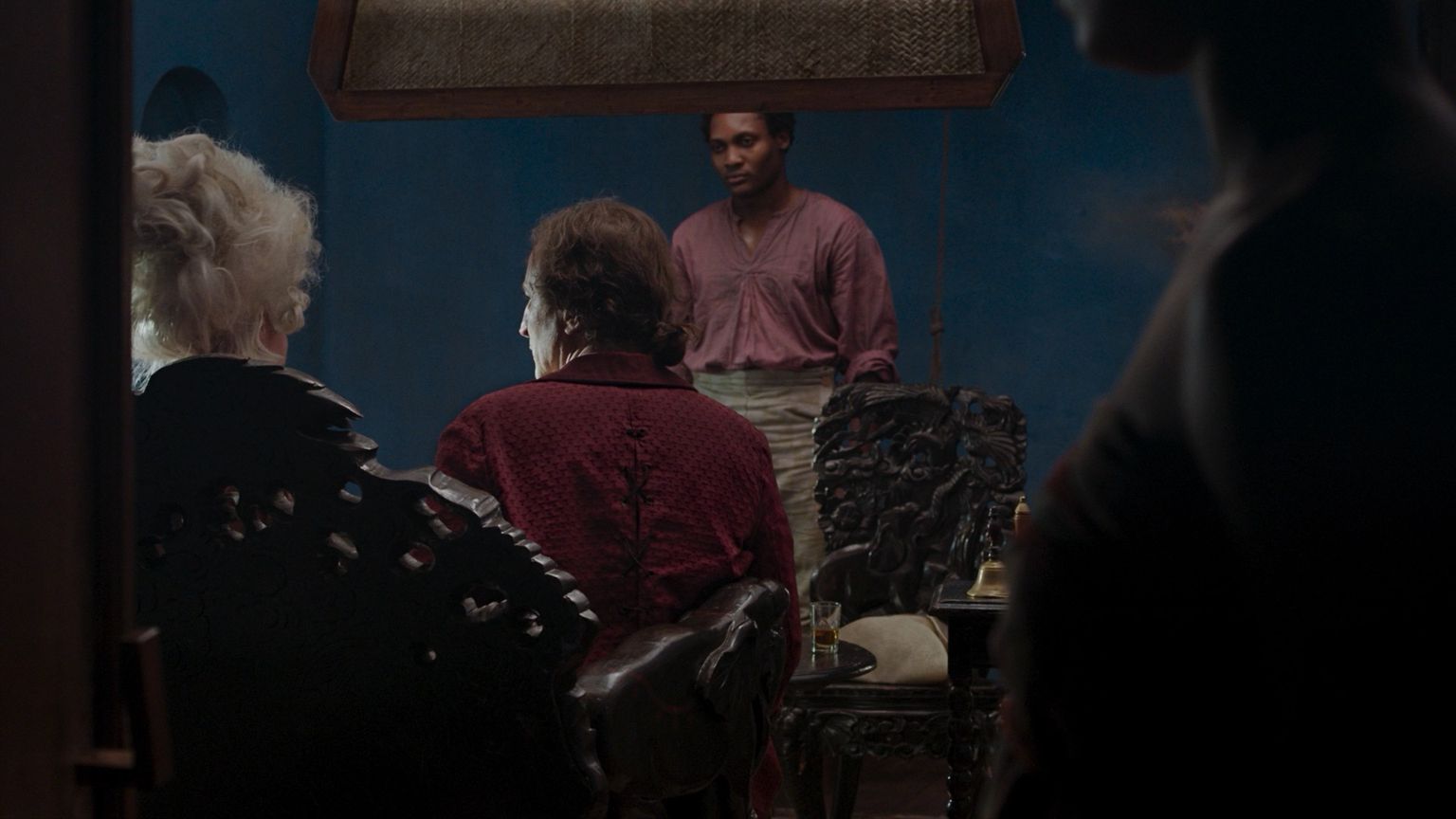

Sound design is central to the film’s structure, off-screen voices frequently interrupt scenes, conversations overlap, and ambient noise (insects, wind, water, distant activity) constantly expands the space beyond what is visible. This creates a sense that reality is always slightly out of sync with perception. Rather than guiding the viewer through exposition, Martel constructs a world that must be assembled through fragments of sound and image, where attention becomes the main form of narrative comprehension.

Production History
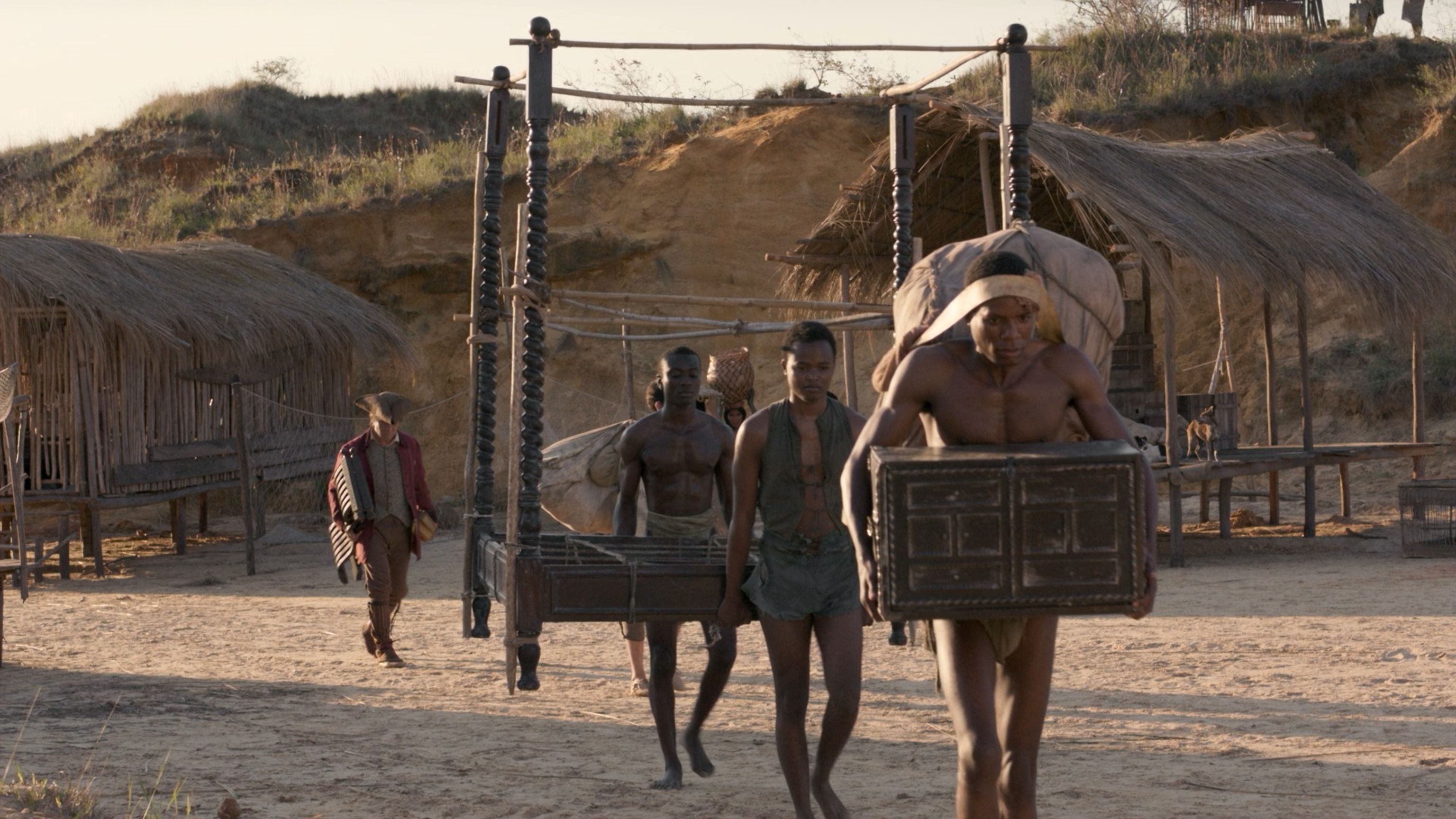
The production of Zama was long, difficult, and shaped by interruption. Martel began serious development in the early 2010s, but financing delays and the scale of the project extended the timeline significantly. Filming eventually took place across multiple locations in Argentina and surrounding regions, using a combination of natural landscapes and constructed sets to recreate an 18th-century colonial frontier. Rather than aiming for strict historical reconstruction, the production treated period detail as something assembled, drawn from research but also adapted, combined, and reinterpreted.
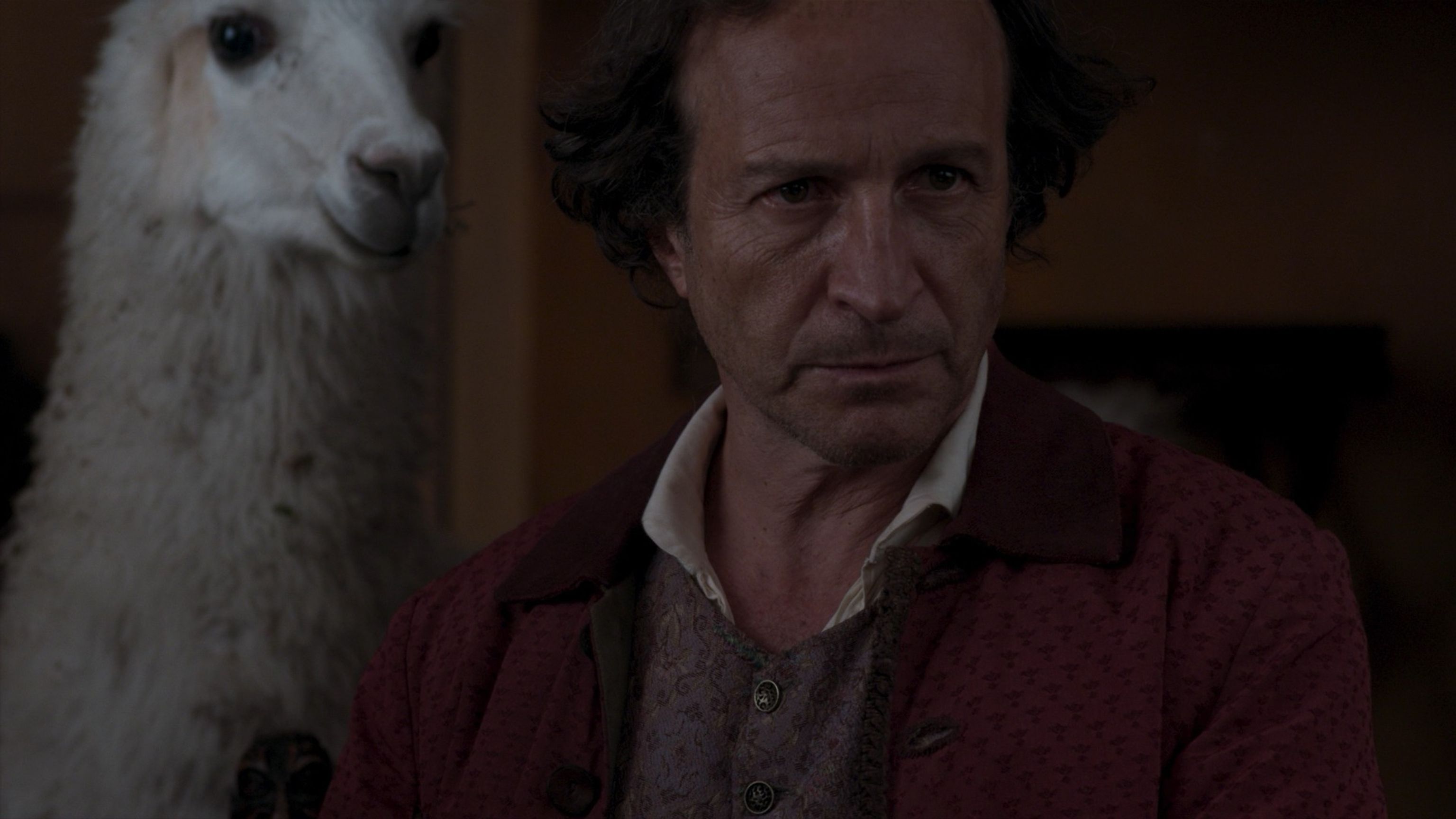
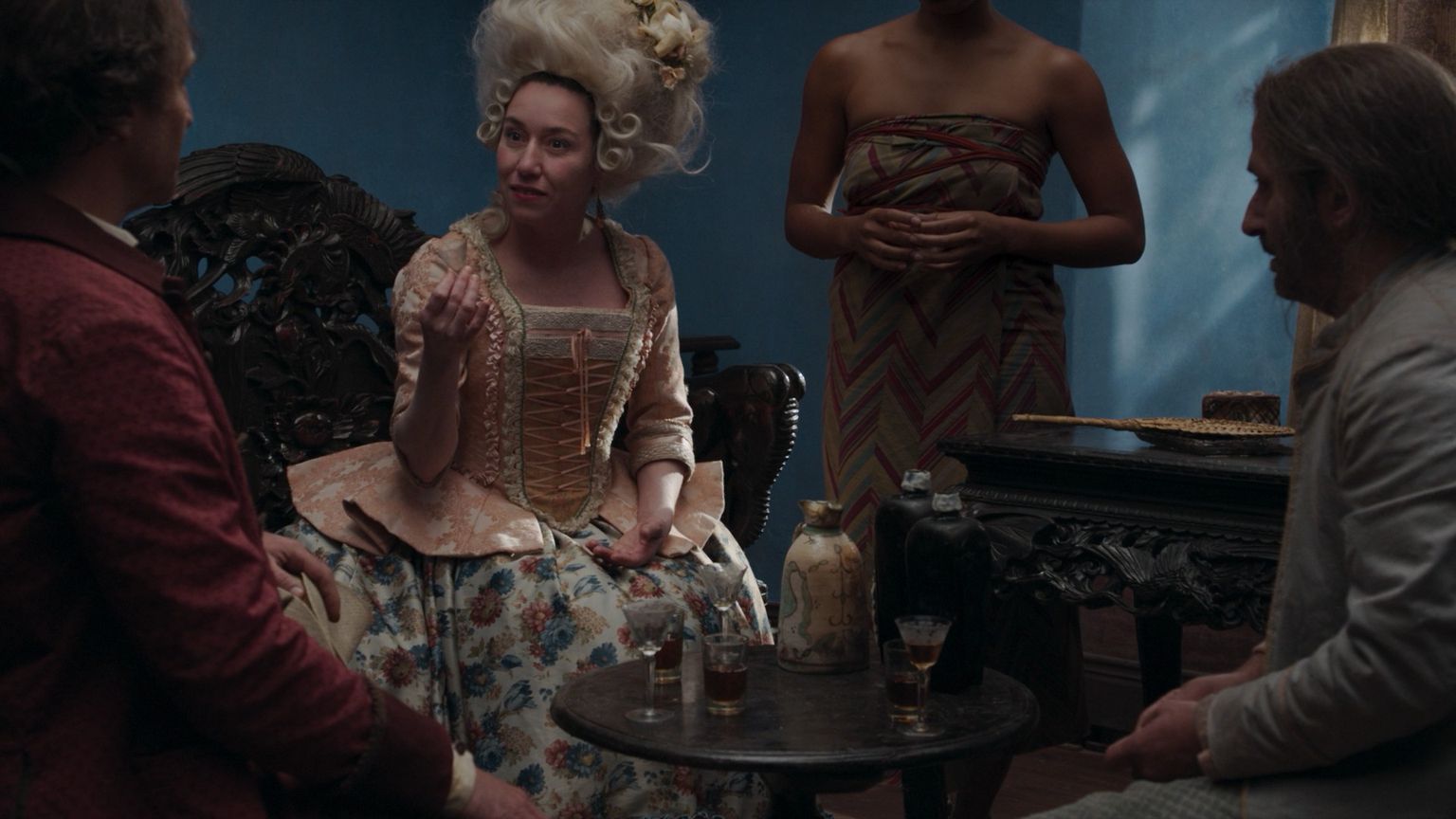
The cast includes Daniel Giménez Cacho as Don Diego de Zama, Lola Dueñas as Luciana Piñares de Luenga, Matheus Nachtergaele as Vicuña Porto, and Juan Minujín as Ventura Prieto. Post-production was unusually extended, partly due to Martel’s health issues during the editing period, but also because of her precise and layered approach to sound and structure. Editing and sound design became central creative processes, shaping rhythm and perception as much as performance or script.

Reception and Legacy
Upon release, Zama received widespread critical acclaim and quickly became regarded as one of Martel’s most ambitious works. It was praised for its formal originality, its refusal of conventional historical storytelling, and its immersive sensory approach. The film holds very high critical scores on major aggregators and was selected as Argentina’s official submission for international awards, including the Academy Awards. Beyond festival recognition, its impact has been largely aesthetic: Zama is often discussed as a film that redefines how historical cinema can function, shifting emphasis away from narrative clarity toward perception, atmosphere, and psychological duration. In broader terms, it has solidified Martel’s reputation as a filmmaker whose work operates against traditional storytelling logic, and whose cinema treats time not as progression, but as pressure.